
plastic garden storage - special offers - Best offers in UK
Showing all 8 resultsSorted by price: low to high
-
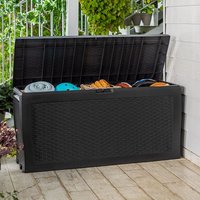
91% discount: 3’10 x 1’6 Keter Samoa Plastic Garden Storage Box – Anthracite (1.17m x 0.45m) £61.9991%
-
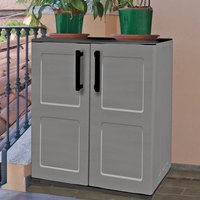
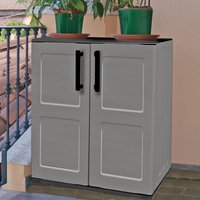
10% discount: 2’2 x 1’2 Shire Mid Plastic Garden Storage Cupboard with Shelves (0.68m x 0.37m) £63.9910%
-
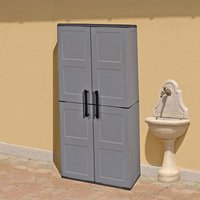
9% discount: 2’2 x 1’2 Shire Large Plastic Garden Storage Cupboard with Shelves (0.68m x 0.37m) £89.999%
-
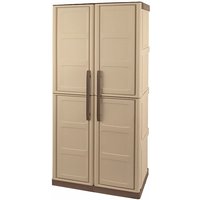
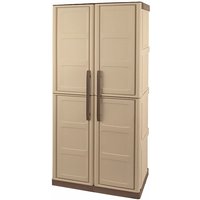
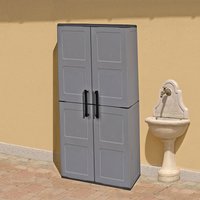
15% discount: 2’4 x 1’3 Shire Large Plastic Garden Storage Cupboard (0.73m x 0.39m) £104.9915%
-
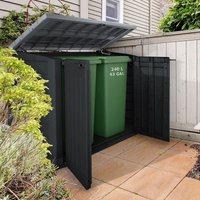
13% discount: 5′ x 3′ Keter Hideaway Large 1200L Plastic Storage Unit/ Wheelie Bin Store (1.46m x 0.82m) £199.9913%
-
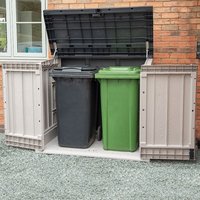
21% discount: Toomax Extra Large Grey 1200L Plastic Outdoor Garden Storage Unit / Wheelie Bin Store £203.9921%
-
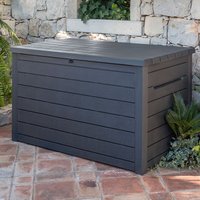
13% discount: 5′ x 3′ Keter XXL Plastic Garden Storage Box – Anthracite (1.47m x 0.83m) £241.9913%
-
13% discount: 5′ x 3′ Keter XXL Plastic Garden Storage Box – Brown (1.47m x 0.83m) £241.9913%

Plastic garden storage special offers for sheds, benches, boxes and deck chests in weather-resistant finishes, with space-saving shapes, lockable lids and tidy outdoor storage options.


Price cuts with a practical edge
These plastic garden storage offers bring together pieces that do a very specific job: hiding clutter, sorting tools, and keeping outdoor bits in one dry place. The range usually covers compact boxes for balconies, larger deck chests for patios, and shed-style units for bigger spaces. You’ll also see differences in wall thickness, lid style, capacity, and whether the unit is built for sitting on as well as storing.
Plastic storage has its own draw in the garden. It keeps a lighter profile than timber, so moving it around is less of a wrestle. It does not rely on paint or stain, and many designs are shaped to shrug off wet weather without soaking through. That means the offer price is not just about the tag on the shelf; it is about what you do not need to keep spending on later.
Small note: some offers are for outdoor storage boxes with a bench-style lid, while others are straight-sided chests made for tight corners. And yes, the difference matters. A chest with a flat top can double as extra seating, but a taller box often gives better room for long-handled items, watering cans, or folded cushions.
Shapes that fit different corners
Plastic garden storage comes in a handful of forms, and each one suits a different patch of the garden. A low horizontal chest tucks under a window or along a fence and keeps the look quiet. A tall upright unit takes up less floor width, though it asks for more height. A slim balcony box can sit beside a chair or grill without taking over the whole scene. Then there are lidded storage benches, which blend sitting space and stash space in one piece.
There are also differences in access. Some lids open from the top, which suits bulky items and quick grab-and-go use. Others have front-opening doors, so you can reach gear without lifting a full lid. For narrow spaces, that small detail can change how easy the unit feels day to day.
Short and sharp:
More depth. More hiding space.
Lower shape. Easier to tuck away.
Front doors. Quicker reach.
Lid seats. Double duty.
What plastic does well outdoors
The big appeal of weather-resistant garden chests is the way they handle the ordinary mess of outdoor life. Garden gloves, kids’ toys, hose fittings, charcoal, bike locks and boot trays all seem to gather in odd places. A plastic unit gives them one home. Many are moulded from ribbed or double-skinned panels, which adds stiffness without making the piece look bulky. That construction can help with stability when the box is filled, especially in larger sizes.
Unlike some other materials, plastic often comes with a clean internal surface, so sandy bits and leaf debris are easier to sweep out. That matters when you store cushions or soft items. A smoother interior also helps if you are shifting in and out items with awkward shapes, because there are fewer splinters, rough edges, or snag points to catch on fabric. In offers, it is worth checking whether the inside base is flat or slightly raised; a raised floor can help with damp ground, while a flat floor gives a neater loading space.
Many buyers also look for a muted finish. Charcoal, anthracite, stone, taupe and black are common because they sit quietly among pots and paving. Some boxes have a wood-effect embossing, which gives texture without turning the item into a heavy visual block. The result is a storage piece that sits in the garden rather than shouting from it.
Special offer clues worth spotting
When a deal pops up, the label can hide more than it shows. A lower price on a deck box storage unit may be tied to a smaller capacity, a simpler lid hinge, or a more basic finish. That is not a problem if the size fits your job. The key is to match the offer to the real use.
Look at these points before choosing:
- Internal capacity, not just outside size
- Whether the lid can support sitting weight
- Single-wall or reinforced panel construction
- Front access, top access, or both
- Locking option for tools or cushion storage
- Space needed for opening the lid fully
- Flat base or raised feet for uneven patios
That last point is often missed. A box may look compact, yet still need extra room above it for the lid to swing. If you are placing it under a low roof edge or near hanging baskets, measure twice. It is a small job, but it saves a lot of faff later on.
Built for cushions, tools and the in-between bits
The best-known uses for plastic garden storage are cushions and tools, but the category is broader than that. Some units are sized for seat pads and hammock cushions, while others are made for hand trowels, feed bags, spare ropes, and small pots. A few are deep enough for longer items like sweepers or watering accessories. The special offers can include different internal layouts too, such as divider sections or open spaces with no split in the middle.
If you are buying for cushions, check the lid seal and the way the unit closes. A snug close helps keep the contents neater, though no outdoor box is a sealed vault. For tools, a tougher lid and more rigid side walls can matter more than extra softness in the finish. For mixed use, it is sensible to choose a medium-depth chest so you can stack both soft and solid items without the space feeling wasteful.
Different users need different shapes. A narrow box suits a small terrace. A broad chest suits a family patio. A vertical cabinet may suit the side of a garage or shed where the footprint has to stay slim. Those differences are why the same offer can feel like a bargain to one shopper and wrong to another.
Small features that change the feel
On paper, plastic storage can look simple. In use, the tiny details make a real change. A textured lid may help with grip. Recessed handles can make lifting easier. A lid stay can keep the top open while you load in bulky bits. Some units have a lock point, which is useful if you keep expensive grill items or shared garden gear inside. Others have matching side panels that make the shape feel calmer in a visible corner.
There are also format differences in the base. Some boxes stand on short feet to lift them off splashed ground. Others sit flush and feel more stable on decking. If your area gets windy, a heavier profile or a unit with the option to secure it down can feel steadier. Not every offer includes that, so read the product notes carefully.
One tiny thing many people miss is the opening angle. A lid that lifts high can make loading easier, but it may need more vertical clearence. A lower opening lid can suit tucked-away spots better. Neither is better on its own; they just answer different layouts.
Where the bargains tend to sit
Special prices often appear across a few familiar types: small deck boxes, slimline balcony chests, bench-style storage, and larger garden cabinets. Each type suits a different use. A small box can mop up loose bits from a planting session. A bench chest can hold seat pads and still offer somewhere to sit. A cabinet can take taller items and make a tidier line against a wall.
Material notes matter too. Some plastic garden storage uses resin-style panels with a lightly textured surface. Others are fully moulded in one piece, which can reduce gaps and make assembly less fiddly. There are also knock-down versions that arrive flat-packed and slot together. The choice affects both the look and the setup, so an offer on one style is not the same as an offer on another.
Keep an eye on capacity terms. Litres can tell part of the story, but shape is equally important. A 300-litre chest may suit deep cushions or a mix of items, while a 300-litre upright unit can be better for height than width. That difference is easy to miss if you only glance at the number.
Useful tips before clicking through
Measure the real space, not just the obvious wall gap. Include room for opening, walking past, and lifting things in from the side. Check whether the floor is level, because a slightly uneven base can make the lid sit oddly. If the box will live in full sun, a darker finish may show dust less, while lighter tones can feel gentler beside planting.
Also think about what you put in first. If you are storing soft cushions, a cleaner and drier load-in makes sense. If you are storing tools, position the longer items at the back so the front stays easy to use. A little sorting at the start often saves a messy rummage later. And if you plan to use the top as a seat, keep the weight spread evenly, not shoved to one side.
One more thing: compare not just the discount but the type of plastic used, the lid design, and the shape. Those are the bits that change the feel more than a sale sticker does.
Why these offers work for everyday gardens
Space-saving garden solutions like these are useful because they fit into real outdoor routines. They catch the clutter that would otherwise wander between shed, house, and patio. They also help separate clean items from muddy ones, so the garden looks less like a halfway point and more like a used, living space.
The differences between units are what make this category worth browsing slowly. A bench box gives two functions. A cabinet gives height. A chest gives width. A compact box gives calm in small spaces. Each one handles a different kind of load, and each one answers a different layout problem.
Very short, as promised:
Less clutter. More room.
One box. Many uses.
Dryer kit. Less fuss.
Neater corners. Clearer paths.
The character of a good bargain
A strong offer in this category is not only about being cheap. It is about matching shape, size, and feature set to the job you actually have. A low-cost box can still be well suited if it gives the right depth, lid movement, and weather handling for your corner of the garden. Likewise, a pricier unit may be wasted if it is too large, too tall, or awkward to open where you plan to place it.
Look for the bits that matter most to your own use: a lid that stays open, a form that fits the wall line, a base that sits steady, and a finish that does not fight with your outdoor setting. That is where plastic garden storage special offers start to feel less like leftovers and more like a sensible find.
In the end, the best choice is the one that fits the mess you have, the space you’ve got, and the items you keep reaching for. That makes the garden calmer, and the storage earns its place without making a scene.