
Raised Beds 3x3 for Sale in UK
Showing all 2 resultsSorted by popularity

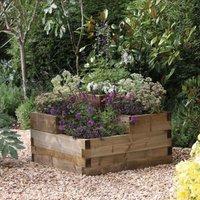
Discover the world of raised beds and transform your garden into a lush oasis. Explore different types, shapes, and advantages of raised beds to enhance your gardening experience.
Unveiling the Diversity: Types of Raised Beds
Raised beds come in a variety of designs, each crafted to suit different gardening needs and aesthetics. Here are some popular types:
- Wooden raised beds: Known for their classic appeal, these beds blend seamlessly into natural settings. They are typically made from cedar or redwood, which are resistant to rot.
- Metal raised beds: Offering a modern twist, metal beds are durable and can withstand harsh weather conditions. They are often made from galvanised steel or corrugated iron.
- Composite raised beds: These are made from recycled materials, combining the best of wood and plastic to offer a sustainable and long-lasting solution.
- Brick or stone raised beds: For a more permanent and robust structure, brick or stone beds are ideal. They add a touch of elegance and can be customised to fit any garden layout.
Innovative Shapes: Beyond the Traditional Rectangle
While rectangular raised beds are common, exploring different shapes can add visual interest and functionality to your garden:
- Square raised beds: Perfect for small spaces, these beds maximise the growing area and are ideal for square foot gardening.
- Round raised beds: These beds create a focal point in the garden and allow for 360-degree access, making planting and harvesting easy.
- Tiered raised beds: Ideal for slopes or uneven ground, tiered beds provide multiple levels for planting, creating a cascading effect.
- Hexagonal raised beds: These beds offer a unique aesthetic and can be arranged in clusters for a honeycomb pattern.
Advantages of Raised Beds: Elevate Your Gardening
Raised beds offer numerous benefits that can significantly enhance your gardening experience:
- Improved soil drainage: Elevated soil allows excess water to drain away, reducing the risk of root rot.
- Better soil quality: You have control over the soil composition, allowing you to tailor it to the needs of your plants.
- Extended growing season: The soil in raised beds warms up faster in the spring, allowing for earlier planting.
- Reduced back strain: The elevated height reduces the need to bend over, making gardening more accessible for those with mobility issues.
Choosing the Right Material: A Comparison
When selecting a material for your raised beds, consider factors such as durability, cost, and aesthetics:
- Wood: Offers a natural look but may require more maintenance to prevent rot.
- Metal: Durable and modern, but can become hot in direct sunlight, affecting soil temperature.
- Composite: Low maintenance and long-lasting, though it may be more expensive upfront.
- Brick or stone: Extremely durable and aesthetically pleasing, but requires a significant initial investment and effort to install.
Optimising Your Raised Bed: Tips and Tricks
Maximise the potential of your raised beds with these expert tips:
- Soil mix: Use a mix of topsoil, compost, and organic matter for nutrient-rich soil.
- Crop rotation: Rotate crops each season to prevent soil depletion and reduce pest buildup.
- Companion planting: Pair compatible plants together to enhance growth and deter pests naturally.
- Watering: Install a drip irrigation system to ensure consistent and efficient watering.
Conclusion: Cultivate Your Garden Paradise
Raised beds offer a versatile and efficient way to cultivate a thriving garden. By choosing the right type, shape, and material, and implementing smart gardening practices, you can create a verdant haven that not only enhances your outdoor space but also provides bountiful harvests.