
Shed Bases up to £1000 for Sale in UK
Showing all 2 resultsSorted by popularity
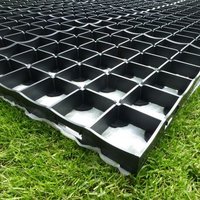

Shed bases are the unsung heroes of garden storage, ensuring your shed stands firm and prolonging its life. Discover the diverse world of shed bases and find the perfect foundation for your garden haven.
Stability in Every Form: The Diverse Types of Shed Bases
When it comes to choosing the right base for your shed, the options are plentiful. From robust concrete slabs to lightweight plastic grids, each type offers unique benefits and suits different needs. Concrete bases provide a solid, permanent foundation, ideal for larger sheds or those housing heavy equipment. Timber frames, on the other hand, offer a more natural look and are easier to install. For those seeking a budget-friendly option, plastic bases are lightweight, easy to assemble, and allow for excellent drainage, preventing water from pooling under your shed.
Shape Matters: Tailored Bases for Your Shed Design
The shape of your shed base can greatly influence both the aesthetic and functional aspects of your garden storage. Rectangular bases are the most common, providing a straightforward solution for standard shed designs. However, if your garden features a more unique layout or if you have a custom shed, consider hexagonal or even octagonal bases. These shapes not only support unconventional shed designs but also add an element of visual interest to your garden space.
Beyond the Basics: Advantages of a Well-Chosen Shed Base
A well-chosen shed base does more than just support your structure. It enhances ventilation, prevents moisture buildup, and protects against pests. By elevating your shed, you reduce the risk of rot and decay, significantly prolonging the life of your garden storage. Additionally, a stable base ensures that doors and windows operate smoothly, preventing warping or misalignment over time.
Comparing Materials: Pros and Cons of Popular Shed Base Options
- Concrete: Offers unmatched durability and stability, but requires more effort to install and is less forgiving on uneven ground.
- Timber: Provides a natural aesthetic and is easier to install, though it may require more maintenance to prevent rot.
- Plastic: Lightweight and easy to handle, with excellent drainage capabilities, but may not support extremely heavy loads.
- Gravel: Offers good drainage and is relatively easy to lay, but may shift over time without proper edging.
Pro Tips for Selecting the Perfect Shed Base
When selecting a shed base, consider the weight and size of your shed, the type of ground it will sit on, and the climate in your area. For heavy sheds, a concrete base is often the best choice. However, if you live in an area with heavy rainfall, a plastic or gravel base might be more suitable due to their excellent drainage properties. Always ensure your base is level to prevent structural issues in the future. Additionally, think about the long-term maintenance of your chosen material and how it fits with the overall design of your garden.
Installation Insights: Getting Your Shed Base Right
Installing a shed base properly is crucial for the longevity of your shed. Begin by clearing the area of any debris, then level the ground as much as possible. For concrete bases, create a wooden frame to define the area and pour the concrete evenly. For timber and plastic bases, ensure all pieces fit snugly together and use a spirit level to confirm evenness. Gravel bases should be lined with landscape fabric to prevent weed growth and contained within a sturdy border to maintain shape.
Final Thoughts: The Essential Role of a Shed Base
A shed base is more than just a support structure; it’s an investment in the durability and functionality of your garden storage. By selecting the right base for your needs, you ensure your shed remains a reliable and attractive feature of your garden for years to come. Whether you choose the solid permanence of concrete, the natural charm of timber, or the practical benefits of plastic, the right base will keep your shed standing strong.