
Sheds under £4000 - Best offers in UK
Showing the single result
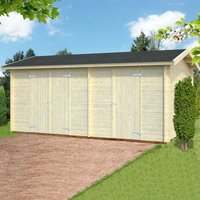
Sheds under £4000 cover timber, metal and composite builds in compact, apex, pent, corner and cabin forms, with choices for storage, workspace and garden use across different sizes and finishes.
Space that feels tucked in, not thrown together
When a shed sits under the £4000 mark, the buying choices often open into a neat middle ground: enough spend for stronger walls, better cladding, fuller height and more thoughtful layouts, without drifting into oversized outbuildings. These sheds tend to suit gardens that need a clear job done — storing tools, hiding bikes, holding pots, or carving out a small work zone — while still keeping the footprint sensible. The difference is usually in the shape, the wall style, the opening style and the way the interior makes use of every inch.
A garden storage shed at this level may come in a slim run for narrow spaces or a broader design for bulkier equipment. A workshop shed often leans towards more headroom and stronger framing, while a bike shed is commonly lower and longer, with access that is easier to manage in a tight side return. Small differences like those matter, because they change how the shed feels day to day.
Apex lines, pent slopes, cabin shoulders
Shape does more than alter the look. It shapes what can go where. An apex roof shed gives a familiar gable form and often brings a stronger sense of vertical space in the centre, which helps when shelving or tall tools need a bit more breathing room. A pent roof shed keeps a single slope and usually suits placements against fences or walls, where rainwater run-off and lower rear height are useful. A cabin style shed brings thicker-looking walls and a steadier profile, with a more substantial garden-building feel.
There are also corner sheds, which make use of awkward angles that would otherwise sit empty. These can be especially useful in smaller plots, where the garden layout is already crowded by borders, paths or seating. A corner form often makes the shed feel less intrusive, even if the storage volume is not as generous as a full rectangular build.
Short, strong, tidy. That sort of shape matters.
Timber, metal and composite: three very different moods
At this price point, the material choice can change the whole character of the shed. Timber sheds bring a warmer, more natural appearance and are common where the shed needs to sit comfortably among planting, fencing and other woodwork. The look can be plain and practical or more decorative, depending on cladding width and door style.
Metal sheds usually speak in a cleaner, sharper language. They tend to work well for tool storage, seasonal equipment and straightforward security-minded setups. The panels can give a slimmer visual profile, and the finish often suits a more functional corner of the garden. One thing to check is how the door opens, since this can affect access when larger items need moving in and out.
Composite sheds sit in a different lane again. They often combine a more controlled exterior finish with a sturdy frame or layered construction approach. For buyers comparing looks, the key difference is that composite can offer a less traditional appearance than timber, while still feeling more solid than some lighter metal options. It is not about one being “better”; it is about the mood and the use.
Sizes that fit a job, not just a number
Under £4000, size choices often fall into usable bands. Smaller models can suit compact plots, side access areas, or storage for a mower, hand tools and foldable furniture. Mid-sized sheds may handle larger machinery, shelving and a workbench. Bigger sheds at this level may begin to feel like proper garden rooms in footprint, though still focused on storage or light use rather than full conversion.
What matters is how the internal space breaks down. A shed that looks generous from outside can feel awkward inside if the roof slope eats into the headroom or if the door placement blocks shelving. A double door shed helps with wider items like bins, timber lengths or bikes. A single door can be neater when the opening is small and the contents are mostly kept in place.
Measure the items first. Then the shed.
Why certain features pull their weight
At this budget, features often decide whether the shed feels basic or properly thought through. Wide-opening doors make a strong difference when wheeled items or boxed equipment come into play. Windows can lighten a storage space and make it easier to find tools without turning the whole interior into a dark box. Overlapping cladding can give a more traditional look, while tongue and groove boards tend to create a tighter, more finished wall surface.
Security doors and heavier lock points may matter if the shed is intended for costly garden equipment or bikes. For some buyers, that is the main reason to step up within the under-£4000 range: not sheer size, but a more reassuring build. Others prefer extra internal width over stronger fittings. Both choices make sense, depending on the contents.
- Single door for slimmer access and simpler placement
- Double door for larger storage items and easier loading
- Windowed shed for better natural light
- Windowless shed for a more closed storage feel
- Raised base setup for better separation from wet ground
Storage, workshop, shelter: different uses, different builds
Not every shed under £4000 is aiming at the same task. A storage-led build usually focuses on efficient walls, decent door width and a practical internal rectangle. A workshop shed may put more emphasis on height, sturdier framing and enough wall run for benches or racking. A bike store often looks flatter and tighter, reducing wasted space while making movement in and out less awkward.
There are also sheds aimed at mixed use, where one side handles tools and the other side can take bags of compost, folding chairs or children’s outdoor gear. These split-purpose layouts are useful when the garden needs one building to do several jobs without becoming cluttered. The main difference is balance: some sheds are built for volume, some for access, and some for keeping everything simply in one place.
It depends what you keep in it. Simple as that.
Where form and placement meet
The best type for a garden is often the one that fits the site without fight. A long narrow shed can slide into a side run that would otherwise be wasted. A corner unit can take an odd wedge of land and turn it into useable storage. A taller apex shed can stand freely and still look settled beside a lawn or path. A low pent build can sit quietly under a fence line and avoid dominating the view.
Placement also changes the feel of the door and roof. If the shed stands in a windy spot, a more compact profile may feel steadier. If it sits in a darker area, windows can help with light. If the garden is already visually busy, a cleaner roof line and fewer external details can stop the space from feeling overworked. The shed does not need to shout; it needs to sit right.
What to compare before choosing
Buyers looking at sheds under £4000 can narrow things down by comparing a few practical details rather than only size or price. Roof shape, door width, wall style and material all affect the day-to-day experience. A shed can be the same footprint on paper and still feel completely different once built. That is why the shape and structure should be part of the first look.
- Apex roof for central headroom and a traditional outline
- Pent roof for low rear profile and neat wall placement
- Cabin profile for a fuller, more robust garden-building feel
- Wooden cladding for a natural finish and familiar styling
- Steel panels for a sharper, more functional look
- Corner footprint for tricky plots and smaller gardens
One small point is the interior layout. Shelving, hooks and stored items take up space in different ways, so the best shed is not just the one with the largest outer measurements. It is the one that leaves room for what actually goes inside.
Little details that change the whole feel
Handles, hinges, door positions and window placement can make a shed feel more settled and less awkward. A centrally placed door on an apex shed often creates a balanced front. A side door can be useful where the building has to work around a narrow path. Window position matters too, because it affects where light falls and how easily the inside can be used without strain. These details are small, yet they shape how the shed lives in the garden.
In timber, the board pattern can change the tone from rustic to more refined. In metal, the panel lines can make the shed look slimmer. In composite, the finish may appear smoother or more controlled. Those differences are not just cosmetic; they influence how the shed sits with fences, beds, paving and other structures around it.
Useful buying sense without the fuss
If the shed is for larger tools, check access width first and then body height. If it is for bikes, think about turning space inside the doorway. If it is for mixed storage, look for a shape that leaves a clear central strip, because clutter spreads quickly when corners are awkward. A good shed under £4000 often feels less about extras and more about a clean match between build and use.
Also, compare how open or enclosed you want the space to feel. Some people like windows and a lighter interior. Others want a closed, private store that keeps contents out of view. Neither approach is wrong, but the shed should suit the job. That is the bit that saves regret later.
Different sheds, different outcomes
A small pent shed can be a quiet storage box for tools and garden gear. A wider apex shed can hold shelving, bins and seasonal items with a bit more movement inside. A cabin style can bring a sturdier look and a stronger sense of presence. A corner design can rescue a wasted space and turn it into a working part of the garden. Each under-£4000 option has its own shape of usefulness.
The best choice comes down to what needs to be stored, where the shed will sit, and how much visual weight you want it to carry in the garden. Some sheds are built to disappear into a border. Some are built to be seen. Some sit between the two. That mix is what makes this category varied enough to suit many plots, without drifting into overly fancy territory.
A final glance at the category
Compact garden sheds bring order to smaller spaces. Large storage sheds handle more bulk without going over budget. Wooden workshop sheds add a more hands-on feel. Metal storage units keep things stripped back and straight to the point. And corner sheds make awkward layouts earn their keep.
Choose by shape, not just by size. Check the door. Check the slope. Check the space inside, not only the space outside. A shed under £4000 can still do a lot, and the differences between types are what make the choice worth a proper look.
Neat lines help. So does a clear purpose. The right one feels settled from the start, even before the first spade is moved.