
Summerhouses 8x7 - Best offers in UK
Showing all 2 resultsSorted by price: low to high
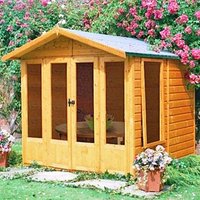
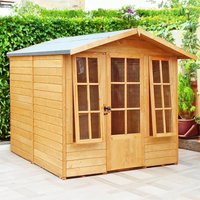
Summerhouses 8×7 bring a measured footprint, extra shelter, and a tidy line in the garden; this size suits seating, storage, potting, and a calm corner without taking over the plot. 8×7 summerhouses sit neatly between compact sheds and larger garden rooms, with enough space for a table, chairs, and a bit of breathing room. garden room uses, timber summerhouse construction, pent roof profiles, and double doors are all common touches in this category.
A size that keeps its shape in the garden
An 8×7 layout has a clear presence, yet it doesn’t push too far into lawns, borders, or patio lines. That balance is why this category often works in mid-sized gardens where a building needs to feel useful without becoming bulky. The proportions also help with placement: the longer side can run along a fence, while the shorter side can face a path or open view. It feels contained. Not cramped.
Compared with smaller summerhouses, 8×7 gives more room for a proper interior arrangement. Compared with larger footprints, it leaves more of the garden open for planting, play, or circulation. That middle ground is the main draw: a structure with enough depth for chairs or a desk, but not so much that it dominates the plot.
Shapes and roof lines that change the mood
The 8×7 category can appear in several forms, and the silhouette changes the feel at once. A pent summerhouse has a clean sloping roof line that often suits boundaries and side spaces, because the lower rear profile can sit close to a fence. An apex version brings a peaked roof, a stronger front view, and a more traditional garden-building look. Both are common, but they behave differently in the garden scene.
There are also corner styles, where the angles let the building tuck into a more awkward spot. That can free up the centre of the garden while still creating a usable room. An octagonal or curved-front shape changes the visual tone again, giving the building a softer outline and a more decorative front aspect. Not every 8×7 summerhouse is made for the same mood; some read as practical shelter, others as a garden feature with a stronger flourish.
- Pent roofs: lower profile, neat against fences, less visual height
- Apex roofs: stronger centre line, more classic front view
- Corner layouts: efficient use of tight or angled spaces
- Curved or octagonal fronts: more decorative and open-looking from the garden
Doors, windows, and the way light moves
The opening style changes how the summerhouse behaves inside. Wide doors make the space feel more open to the garden and help with bringing in furniture or larger items. French doors give a brighter front and a more room-like impression, while a single door can leave more uninterrupted wall space for seating or shelving. If the category includes glazing, the rhythm of windows matters as much as the wall layout.
Full-height windows pull in more daylight and can make the room feel connected to the outside. Half-glazed doors or smaller side windows create a bit more enclosure, which may suit reading, sketching, or storing cushions and tools. The choice is not only about light; it also decides where eyes travel when you step inside. A row of windows facing the lawn feels different from a more enclosed side with narrow panes.
Cladding, timber boards, and visual weight
Most summerhouses in this size sit within timber build styles, but the outer look can vary a lot. Overlap boards give a more rustic, layered feel. Tongue and groove boards read as tighter and more structured, with a neater surface line. Shiplap sits somewhere in between, with clean joins and a familiar garden-building character. Each finish affects the way the building sits in the plot.
Thicker boards tend to look more grounded, while lighter profiles can seem less heavy in a smaller garden. That matters in an 8×7 format because the building already has enough presence on its own. Surface texture also changes the mood: a smooth front and crisp corners bring a sharper line, whereas broader boards and deeper grain soften the visual edge. A summerhouse does not need to shout to be seen.
Different uses for one footprint
The strength of this category is how one size can serve several garden roles without a full redesign. Some 8×7 summerhouses are arranged for seating and tea breaks, with a small central table and open sightlines. Others lean toward a workshop or craft room, where bench space and wall clearance matter more than open floor. A few are set up as mixed-use buildings, where one side can hold chairs and the other can take storage boxes or a fold-away desk.
Because the floor area is neither tiny nor oversized, dividing the room becomes easier. A bench can run beneath the window line. A chair can sit near the doors. A narrow table can leave a clear walking strip. It is a useful shape for anyone who wants a room-like layout with just enough flexibility for different day-to-day uses.
- Seating space with a small table and room for movement
- Craft or hobby room with wall-facing working space
- Garden office nook with a desk and natural light
- Mixed layout with one practical zone and one social zone
What sets an 8×7 apart from smaller and larger builds
In smaller summerhouses, seating can feel close to the doors and there may be only one workable wall for furniture. In an 8×7, the room opens up enough to shift pieces around and leave a proper path through the centre. That extra depth often makes the building feel more settled. The interior can hold shape.
Larger footprints can offer more freedom, but they can also ask more from the garden around them. They need more boundary room, more visual balance, and often more attention to how they sit among paths and planting. An 8×7 keeps the footprint modest while still giving a real enclosed space. It’s a measured size, which is why it often fits plots that don’t want a heavy outbuilding feel.
Little details that alter the use
Subtle details make a real difference in this category. A wide doorway changes how welcoming the front feels. Corner glazing can soften the interior edge. Side windows can help a narrow garden arrangement feel less boxed in. Even the position of the entrance matters, because a front-opening layout and a side-opening one guide movement in different ways.
Some buyers like a more symmetrical look, where the windows echo each other across the front. Others prefer a slightly offset design, which can make room for a sofa or storage piece without blocking light. The point is not to cram every feature in, but to read the shape properly before choosing. With 8×7, the layout often matters more than extra ornament.
Tip: think about where the sun lands during the day, because window placement can shape how the room feels at different times. Tip: check the swing of the doors against paths, planters, or a nearby wall, so nothing feels awkward later. Tip: if the summerhouse will face a main view, a more open front can make the garden feel connected rather than split.
Why this footprint suits varied garden plans
An 8×7 summerhouse can sit as a focal point, a side note, or a quiet stop along the garden route. It works at the end of a path, in a side run of lawn, or near a patio where it can catch the same sightline as the house. The size is large enough to read as a proper garden room, yet still small enough to leave planting room around it. That makes border planting, stepping stones, and low hedging feel part of the scene rather than an afterthought.
The category also suits different outdoor layouts because the building can be front-facing, side-facing, or tucked into a back corner. In a narrower garden, the structure may run lengthways to keep circulation open. In a wider plot, it can sit almost like a small pavilion. Same size, different tone.
Choosing by form rather than guesswork
When looking at 8×7 summerhouses, it helps to match the form to the job before anything else. If the structure is for sitting and looking out, a wider glazed front and open doors will matter most. If it is for a hobby space, wall layout and door position may count more than decoration. If it is for a quieter, tucked-away role, a more enclosed shape may suit the garden better.
Think also about the way the building will read from outside. A neat pent roof can feel low and tidy. An apex roof gives a stronger top line. A corner shape can make better use of a difficult plot and free the central garden. These are not small differences; they change the entire feel of the structure. A careful choice now avoids a awkward fit later.
Simple checks before choosing your size and style
- Measure the available ground, then leave space around the walls for access and sightlines
- Decide whether the building should face the garden, the house, or a side path
- Choose the door position before settling on furniture, because the layout will follow it
- Match roof shape to the garden boundary and the look you want from outside
- Compare glazing levels if you want a brighter room or a more enclosed feel
A compact room with garden character
There is a reason 8×7 summerhouses keep their place in garden collections: the size is useful, the shape can vary, and the structure can fit into many plots without forcing the rest of the garden to change around it. Some versions feel airy and open; others feel snug and framed. Some sit quietly among shrubs; others stand with a stronger outline against lawn or paving.
That range is what gives this category its appeal. One footprint, many readings. One room, several uses. The garden stays visible, and the summerhouse gets its own clear space. It is a neat balance, though not a loud one. And that suits more gardens than people first expect.