
wooden log cabins - special offers - Best offers in UK
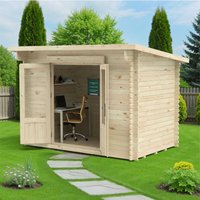
Wooden log cabins special offers for garden spaces, storage, hobbies and quiet corners. Compare sizes, roof shapes, wall thickness and timber styles across discounted log cabin ranges.
Strong timber, smaller prices, sharper choices
These wooden log cabins bring together real timber character and trimmed prices, so the browsing feels less like a hunt and more like choosing from a neat row of solid options. In this special offers category, the focus sits on cabins that still keep their shape, feel and timber presence, while the price tags move a little kinder. No fuss. Just wood, structure and a few useful differences to notice.
Log cabins are not all cut from the same plank. Some lean towards a narrow garden office look, others have a broader lodge-like body, and a few sit low and compact for tighter plots. The offer section often brings together different footprints, roof lines and wall profiles, which makes it easier to compare what each cabin brings to the space.
Profiles that change the whole outline
One of the quickest ways to read a log cabin is by its shape. A rectangular cabin gives a clean, grounded outline and usually works well when the plot is straightforward. An L-shaped build stretches into a corner or creates a split-use area, where one side can handle seating and the other can hold a desk or dining set. Corner cabins turn awkward garden angles into useful square footage, and their angled fronts often feel a touch more open.
A traditional pitched roof cabin has the familiar timber lodge look, while a pent roof version keeps the line sloping in one direction for a more modern feel. The roof shape changes the cabin’s stance just as much as its size does. One looks settled and classic, the other feels brisk and tidy.
Very short. Very useful. Quite a difference.
Wall thickness and the feel of the timber
Within timber cabins, wall thickness is one of the clearest points of comparison. Thinner boards suit lighter uses and smaller footprints, while thicker logs tend to give a fuller, more solid appearance. The cabin’s outside look changes with every increase in timber depth, and that change can be seen in the shadow lines, the joinery, and the way the walls sit against the roof.
The log profile also matters. Straight wall boards give a flatter, more modern face. Rounded logs keep the traditional cabin mood alive, with a stacked look that feels more rooted in garden craft. Some buyers prefer the calmer, smoother edge of a square log section, because it gives the cabin a neater outline without losing the timber character.
It is worth noting that the cabin type and the timber profile are not the same thing. A cabin can be small but still use a chunky log profile. Another can be large, yet have a slimmer board style. Their is no single rule that fits every build, which is exactly why the offer page deserves a careful glance.
From compact hideaways to wider garden rooms
Space matters, and the offer list usually covers a range from compact sheds-with-style to roomier cabins that can hold proper furniture. Small models suit narrow plots, side returns and tucked-away spots where the cabin should sit quietly. Medium versions often bring enough floor area for a desk, a bistro table or storage plus seating. Larger cabins step into a different mood entirely, with broad fronts and enough length to create zones inside the same timber shell.
The advantage of a broad range is the choice in how the cabin will sit with the garden. A compact model may leave more open lawn around it, while a wider cabin can become the visual anchor at the end of a path or along a fence line. The balance changes. So does the atmosphere.
Roof lines that set the tone
Roof form is more than a finishing detail. It changes the cabin’s profile from the street, the patio and the garden gate. A gabled roof gives height at the centre and a familiar timber-lodge character. It often suggests a roomier feel inside, though the category here is about visible shape as much as interior volume. A pent roof carries a cleaner slant, which gives the cabin a brisk, practical appearance and can suit modern planting or sharper landscaping styles.
There are also cabins with overhangs that cast deeper shadows along the eaves, adding another layer to the exterior look. That little projection can make the timber facade feel more sheltered and more settled into the plot. A roof edge can do a lot with a very small line.
Doors and windows that shift the look
Openings change the cabin face more than many buyers expect. A single-door cabin keeps things compact and straightforward, often with a balanced front that suits storage or a minimal garden room. Double doors widen the access and allow the front wall to feel more open, which gives a stronger lodge-style mood. The difference is visible even before stepping inside.
Window layouts matter too. A cabin with full-width glazing brings a lighter, more open frontage. Smaller side windows create a calmer, more enclosed look. Corner glazing, where it appears, softens the outer shell and can make the cabin seem less boxy. It is not just about light; it is about the visual rhythm of timber and glass.
Some cabins use their windows to frame the garden. Others keep them modest, letting the wood take the lead. Both paths work in different ways.
What the special offers often bring together
The special-offer category usually gathers cabins from different size bands, roof types and wall builds, which makes comparison easier in one place. You may see short, neat cabins sitting beside wider entertaining spaces, or more traditional log forms placed alongside cleaner pent-roof options. That mix helps when the brief is still forming. One glance can show how many directions a timber cabin can take.
It also helps to compare the external footprint against the usable shape. Two cabins with similar square metre figures can feel very different if one has a deeper front, a wider span or an angled corner section. Shape changes use, and use changes the feel of the garden as a whole.
- Rectangular cabins for a tidy, direct layout
- Corner cabins for tighter plots and angled spaces
- L-shaped cabins for split-use garden zones
- Pitched roof cabins for a more classic silhouette
- Pent roof cabins for a cleaner, lower profile
Why buyers keep looking at discounted log cabins
Price is only part of the attraction. A discounted cabin can make a stronger timber build more reachable without changing the character of the structure. That is useful when the wish list includes actual log walls, a proper roof outline and a cabin that looks like it belongs at the end of a garden path rather than being tucked away as an afterthought.
log cabin deals often let buyers compare larger and smaller footprints side by side, which can reveal where the real value sits. Sometimes a slightly wider cabin, or one with a different roof angle, gives a more fitting shape for the plot. The better question is not only what is cheaper, but what has the right form for the ground it will sit on.
A few offers may also highlight timber detail that would otherwise sit higher in the range. That makes the category worth a close look, especially for buyers who want cabin character with a lighter spend.
Different forms, different uses, different moods
Some cabins read like a compact retreat, others like a practical outbuilding with better manners. A small single-room log cabin has a quiet, contained feel and suits straightforward use. Cabins with wider fronts and deeper spans carry more visual weight, so they naturally suit garden settings that can take a stronger timber presence.
The mood shifts with every shape. A square plan can feel stable and direct. A long narrow plan can give the garden a sense of direction. A broad, low cabin can settle close to the planting. A tall gabled cabin can lift the eye upward and make a garden seem more layered. These are small design differences, but they are not small in effect.
That is why the special-offer range is worth a proper browse. The gains are not only financial; they are spatial and visual too.
Small details that change the front view
It is easy to focus on square footage and forget the face of the cabin. Yet the front elevation does much of the work. A centred door makes the cabin feel measured and formal. An offset door can create a softer rhythm, especially when matched with an uneven window layout. Wide glass doors shift the emphasis towards openness, while plain boards keep the timber story more pronounced.
Trim detail also matters. Some cabins use clear corner joints that sharpen the edges of the structure. Others carry broader trims that make the frame more visible from a distance. The difference is subtle, but it helps the cabin either blend in or stand out.
Compact. Broad. Angled.
Low roof. High ridge.
Simple front. Split front.
Useful tips when scanning the offer list
When comparing garden buildings in the offer section, begin with the footprint, then look at the roof style, then the wall profile. That order helps stop the eye from being pulled straight towards the lowest number on the page. A cabin that is slightly larger but better shaped for the plot may be the better fit overall. A narrower model may suit a side boundary better than a wide one, even if the width is tempting.
Also compare the front opening arrangement. If the cabin is likely to sit where views matter, a wider glazed front can make the cabin feel less heavy in the garden. If it needs a more enclosed profile, smaller openings can keep the outside appearance quieter. Their are practical reasons behind each of these choices, and the right one depends on the garden’s lines.
- Check the cabin footprint against the available plot
- Match roof shape to the garden’s overall style
- Look at door position before thinking about furniture plans
- Notice whether the cabin has a low, medium or high visual profile
- Compare log thickness if the external look matters most
Where the timber character really shows
wooden log cabins earn their appeal through the visible grain, the stacked lines and the layered edges that make the structure read as timber rather than generic garden cladding. In the special-offers area, that character is still the anchor point. Even when the price is reduced, the visual language stays clear: logs, joins, corners, roof edges and glazed openings working together.
The difference between subtypes is often in the outline. A corner cabin turns the unused edge of a garden into an active space. A rectangular cabin keeps the arrangement tidy. An L-shaped cabin creates a sheltered bend that can split one room from another. These variations matter because they change how the cabin meets the garden, not just how it sits within it.
For a buyer who likes timber with presence, the offer page is less about compromise and more about selection. The timber is still there. The shape is still there. The choice lies in how much of each you want to see from the fence, the patio or the back window.
A quick read on style, shape and value
The most useful thing about this category is the way it brings together form and value in one place. A cabin with a steep gable says one thing; a low pent roof says another. A slim, neat footprint answers a different garden than a broad, lodge-like body. Wall thickness, window spread and door position all add their own notes to the final look.
That means the better offer is not always the biggest one or the cheapest one. It is the cabin that fits the plot, carries the right timber look and keeps the shape you want to live with. Simple as that.
Still. Good timber. Good lines. Good sense.