
wooden Summerhouses 8x7 - Best offers in UK
Showing all 2 resultsSorted by price: low to high
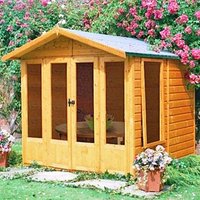
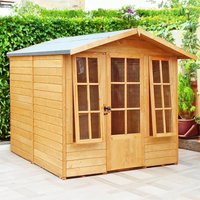
Wooden summerhouses 8×7 bring timber character, room to spread out, and a measured footprint for dining, reading, working, or quiet storage in the garden. Choose from pent, apex, corner and veranda styles in UK-sourced softwood or hardwood builds.
Eight by Seven: a footprint with room to speak
An 8×7 wooden summerhouse sits in that useful middle ground where the building feels substantial without taking over the plot. The shape gives enough depth for a table and chairs, a compact sofa set-up, or a mix of seating and shelving, while the width keeps the interior open rather than tunnel-like. In many gardens, that ratio suits a side boundary, a lawn edge, or a corner where a larger shed would feel too blunt.
What makes this size stand out is the balance between presence and restraint. You get a proper room-like feel, but not a structure that swallows the planting around it. For smaller gardens, the 8×7 format can still leave breathing space for path edges, border planting, and a clean line of sight across the plot. Nice and tidy. Not too much. Still useful.
Timber tones and the look of the grain
Wooden summerhouses carry a softer visual language than metal or composite garden buildings. The grain, knots, and board rhythm give the structure a lived-in look from day one. Depending on the finish, the cladding may read as rustic and cottage-like, or cleaner and more architectural. Featheredge boards often lean towards a traditional garden-room feel, while shiplap cladding tends to create a neater face with tighter joins and a flatter appearance.
Roof detailing changes the character too. A low pent roof brings a streamlined silhouette that suits modern gardens, while an apex roof adds a more classic profile and a little extra headroom in the middle. Small things, but they shift the whole mood.
Shapes that change the way the room feels
There are several common forms within the 8×7 category, and each one changes how the space is used and viewed from outside:
- 8×7 apex summerhouses with a pitched roof and a central ridge, giving a familiar cabin outline and a brighter vertical feel inside.
- 8×7 pent summerhouses with a single-slope roof, often chosen where the building needs to sit neatly below fences or overhanging branches.
- 8×7 corner summerhouses designed to tuck into a garden angle, turning an unused corner into a seated retreat or hobby room.
- 8×7 veranda summerhouses that add a small covered front area, useful for shading the doorway and softening the transition between garden and interior.
- 8×7 glazed summerhouses with more window area for daylight, so the inside feels lighter and more open even on dull afternoons.
These forms are not just visual variations. They alter the way furniture can be placed, where light lands, and how the building aligns with fences, paths, and planting. A corner version may free up the rest of the lawn, while a front-facing apex model can create a stronger focal point at the end of a view.
Cladding, glazing and the small details that matter
Cladding style makes a clear difference in appearance and feel. Tongue-and-groove boards are often associated with a tighter, more refined finish, while overlap cladding has a more plainly layered look. Both belong in wooden summerhouses, yet they give off different signals. One reads as orderly and composed; the other feels a touch more relaxed and garden-led.
Glazing matters just as much. Full-height windows can brighten the room and make it feel more connected to the garden, while half-glazed doors often preserve a stronger wall presence and a bit more privacy. Fixed panes keep the line clean, opening windows add airflow, and small-pane styling can give the building a cottage tone without making it feel old-fashioned. Some buyers want the summerhouse to look like a mini room; others prefer a gazebo-like lightness. The difference is in the glass layout, door height, and how much wall remains solid.
How the 8×7 format lends itself to real use
This size works well for several garden-room setups without needing a huge plot. A narrow dining table can sit along one wall, leaving a clear centre. Two chairs with a side table can make a reading nook. A compact desk can face the window line, though a desk need not dominate the room. In the 8×7 format, the room can still feel open if furniture is kept low and the walls are not overloaded.
The proportions also suit mixed use. One side can hold seating, the other a narrow cabinet or storage bench. That gives the building a proper room layout rather than a single-purpose box. For families, it can work as a game room in summer. For gardeners, it can host a small table, a kettle shelf, and a stack of folded chairs. For anyone who likes a quieter garden edge, it becomes a pause point rather than a pass-through.
Why timber changes the mood of the garden
Wooden summerhouses carry warmth in a way that bare-framed structures rarely do. The material softens hard landscaping and settles against lawns, gravel paths, and planting with less visual noise. Painted finishes can tie the building to fencing or outbuildings, while natural wood stains let the grain stay visible. Either approach keeps the structure rooted in the garden rather than looking dropped in.
The 8×7 size also gives timber more chance to show its shape properly. On a very small structure, detailing can get lost. On a building this size, the roof line, door arrangement, and panel rhythm can all be read at a glance. That makes the summerhouse feel intentional, not accidental.
Simple differences between the main timber types
Wooden summerhouses may be made from different softwoods or hardwoods, and the look changes with the material. Softwood is common in garden buildings because it is easy to shape into boards, panels and framing. It often suits painted finishes and traditional forms. Hardwood versions tend to show a denser grain and a slightly weightier visual presence, which can suit more architectural designs. Neither is just about appearance; the feel of the timber affects the whole profile of the building.
There is also a difference in the way the building is visually read at distance. A lighter softwood summerhouse can appear airier, while a darker timber tone grounds the building more firmly in the plot. If your garden has a lot of stone, brick or paving, a timber body can keep the scene from feeling too severe.
Placement tips for a cleaner garden line
The position of an 8×7 summerhouse changes how the garden flows. Put it too central and it may interrupt movement. Tuck it too far away and it can feel isolated. A side placement often works well where there is a long boundary or a stretch of lawn that needs definition. A corner position is useful when the garden has an awkward angle that does not suit planting alone.
Think about what the front of the building will face. A veranda side can frame the entrance. A row of windows can look towards planting rather than a fence panel. If the building includes opening doors, the swing and access line should suit the route you actually use. It sounds obvious, but this is where many layouts get a bit clumsy.
What makes one 8×7 style different from another
Two summerhouses with the same footprint can feel completely different. A pent-roof model may sit low and understated, which suits modern boundary lines or areas where height is limited. An apex design often gives a stronger garden-room outline and a more balanced interior ceiling line. Corner versions use the same size in a different geometry, making the building feel more integrated with the site. Veranda styles introduce an outside-in threshold, which can make the front of the building feel less abrupt.
Window placement changes the atmosphere too. More glazing means more daylight and a stronger connection to the outside. Fewer, smaller panes give a calmer, more enclosed feel. Wide double doors create a social tone, while narrower doors make the building read as a private retreat. These are not minor decoration choices; they define how the room behaves.
Useful choices for gardens with different characters
In a neat urban plot, a streamlined pent summerhouse can sit quietly without crowding the edges. In a cottage garden, an apex model with divided panes and soft timber colouring can fit the planting rhythm better. In a larger lawn space, a veranda or glazed version can become a visible anchor point, especially if you want the structure to look like part of the garden rather than a box at the side.
For plots with mature trees, the roof shape matters because it changes how the building sits beneath the canopy. A lower profile may feel less intrusive. For open gardens, a taller apex line can add a touch of structure to a broad scene. Both choices have merit, but the garden itself usually decides the outcome.
Small features that shape bigger use
It is often the little elements that turn an 8×7 building into a space you actually enjoy using. A side window can catch morning light. A half-glazed door can hold privacy while still letting daylight in. A front canopy can keep the doorway looking framed rather than blunt. Even the board direction can affect the eye, giving the structure a sense of flow or firmness.
Storage benches, foldaway seating and narrow wall shelves all work particularly well in this size because they leave the floor clear. That is important in a room where you want the feeling of openness. Too many bulky pieces and the summerhouse starts to behave like a shed with windows. Keep the arrangement light, and the room stays generous.
The character of the space inside the timber shell
Inside an 8×7 wooden summerhouse, the volume feels more intimate than a garden office, but larger than a tiny hideaway. That in-between scale is part of the charm. It can hold conversation without echoing, and it can feel peaceful without becoming cramped. The timber walls give a softer acoustic note than metal or hardboard structures, which suits reading, tea drinking, sketching, or simply sitting with the door open.
Because the form is compact but not tight, there is room to create zones. One side can be social, one side can be quiet. One wall can hold a chair and lamp, another can carry a planter stand or low table. The room doesn’t demand a single use, and that flexibility is part of the appeal.
Choosing with the garden in mind
If the garden has a clear axis, a symmetrical apex summerhouse can reinforce that line. If the space is broken up by beds or paths, a corner style may settle in more naturally. If the garden already has a strong horizontal feel, the low line of a pent roof can echo it. If you want the building to be more than a backdrop, extra glazing or a veranda can give it a stronger face.
In every case, the 8×7 footprint offers enough room to do something meaningful without making the garden feel heavy. That is the key strength of this category: it gives shape to the plot, adds a timber presence, and leaves enough garden around it for the rest of the scene to breathe.
A few short notes to keep in mind
- Measure access routes before the building is chosen.
- Check how the roof line sits against fences and trees.
- Match window layout to the view you want to keep.
- Allow for door swing and furniture flow inside.
That bit matters more than most people think.
It changes the feel.
Small choices, big difference.
Wooden summerhouses 8×7, in one clear picture
An 8×7 wooden summerhouse gives you a garden room with timber warmth, a useful shape, and enough variation to suit different plots and styles. From apex and pent roofs to corner and veranda forms, the category covers several looks without losing its garden-building character. Cladding, glazing, and timber tone all shift the mood, while the footprint itself stays practical for seating, light work, or a quiet place away from the house. For buyers who want a structure that feels rooted in the garden, yet still has room to live in, this size holds its own without making a fuss.