Things You Should Never Store in Your Shed
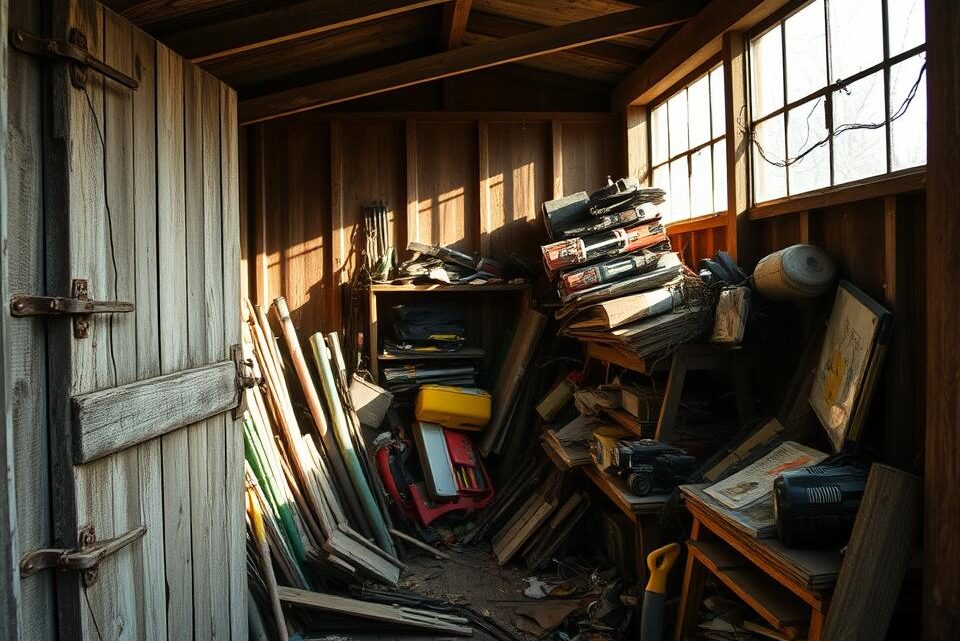
Garden sheds across the United Kingdom offer valuable extra space for tools and equipment. However, many standard sheds present a hostile environment for numerous household possessions. The lack of insulation and climate control makes them unsuitable for many common items.
Extreme temperature changes, dampness, and poor ventilation create conditions that can cause irreversible damage. Understanding which belongings are vulnerable helps homeowners make informed decisions. This protects their valuables and saves money on costly replacements.
This guide explores why certain possessions deteriorate in typical shed environments. It provides practical alternatives for safe storage and expert advice on effective organisation. Readers will gain actionable knowledge to safeguard their items from harm.
Inhaltsverzeichnis
Key Takeaways
- Standard garden sheds lack the necessary climate control for sensitive possessions.
- Temperature fluctuations and moisture are primary causes of damage to stored items.
- Electronics, documents, and furniture are particularly vulnerable in these environments.
- Identifying unsuitable items prevents costly damage and preserves their condition.
- Practical storage solutions exist for belongings that cannot be kept in a shed.
- Proper organisation maximises the safe use of your shed’s storage capacity.
- Understanding these risks transforms how homeowners utilise their outdoor sheds.
Introduction: The Hidden Hazards of Uninsulated Sheds
The seemingly convenient storage space of a garden shed often conceals environmental threats that can swiftly degrade household possessions. Unlike the insulated rooms of a home, most sheds offer no defence against the UK’s variable climate.
Three primary risk factors create this hostile environment. Moisture infiltration leads to mould, while extreme temperature changes cause materials to warp. Pests are also drawn to these unstable conditions.
During summer, interior shed temperatures can soar far above the outdoor reading. In winter, cold penetrates thin walls, creating freezing conditions inside. This constant cycling between extremes is damaging.
Moisture enters through gaps, rises from the ground, or condenses on cold surfaces. This dampness promotes rust on metal and provides the perfect setting for mould growth on organic materials like paper and fabric.
| Factor | Standard Shed Conditions | Ideal Storage Conditions |
|---|---|---|
| Temperature Stability | Wide fluctuations with the weather | Consistent, moderate range |
| Humidity Control | High risk of moisture and condensation | Low, controlled humidity |
| Pest Protection | Vulnerable to insects and rodents | Sealed and protected |
Understanding these fundamental limitations of standard sheds is the first step in preventing costly damage to belongings assumed to be safe.
Weather Woes: Temperature and Moisture Impacts
Standard garden sheds create a hostile atmosphere that accelerates material degradation. The fluctuating temperature and persistent moisture within these structures work in tandem to cause significant damage.
Impact on Materials
Different materials react uniquely to shed conditions. Metal components are particularly vulnerable to condensation. Warm air holds water vapour that condenses on cold surfaces, initiating rust within hours.
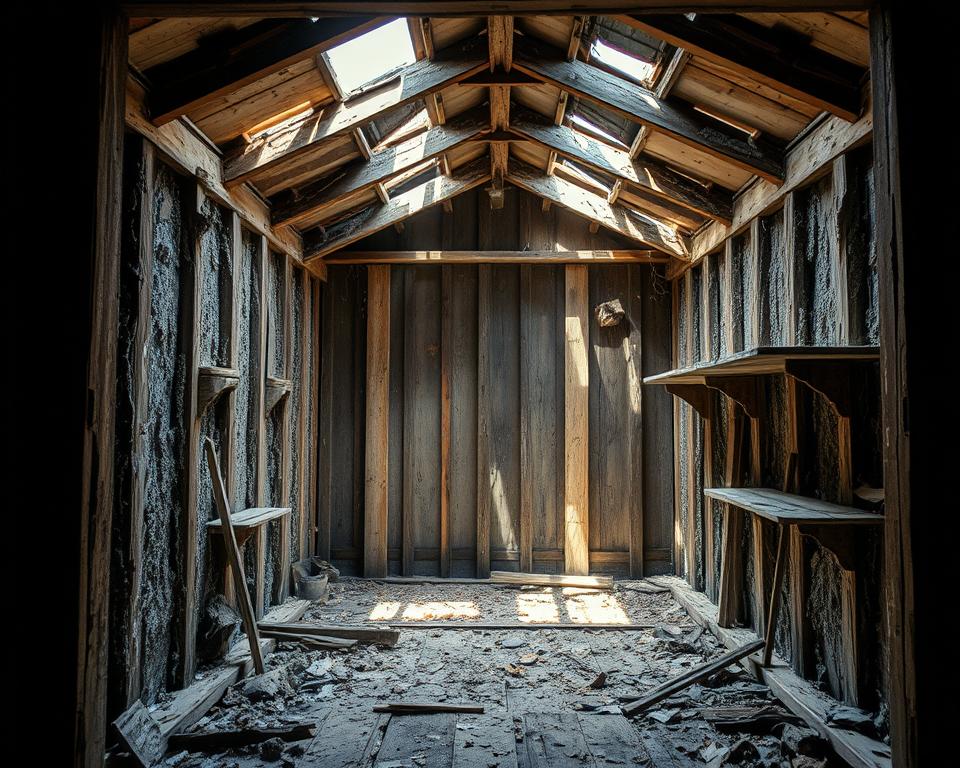
Plastics become brittle in freezing weather and may warp in excessive heat. Adhesives lose bonding properties when frozen. Rubber products develop cracks from constant temperature cycling.
Mould and Mildew Concerns
High humidity levels above 60% create perfect breeding grounds for mould spores. This fungal growth colonises organic materials like paper, fabric, and leather.
Once established, mould causes irreversible damage including staining, odours, and material breakdown. The combination of moisture and heat accelerates deterioration exponentially.
| Material Type | Temperature Impact | Moisture Impact |
|---|---|---|
| Metals | Expansion/contraction | Rust and corrosion |
| Wood Products | Warping and cracking | Rot and mould growth |
| Plastics | Brittleness or warping | Discolouration |
| Paper and Photos | Brittle edges | Sticking and mould |
Understanding these material vulnerabilities helps homeowners make informed decisions about shed storage. Proper protection measures can prevent costly replacements.
Understanding Shed Insulation and Ventilation Limitations
Most UK garden sheds suffer from inadequate insulation and poor ventilation systems that compromise their storage capabilities. These structural limitations create an unstable environment where external conditions directly influence the interior space.
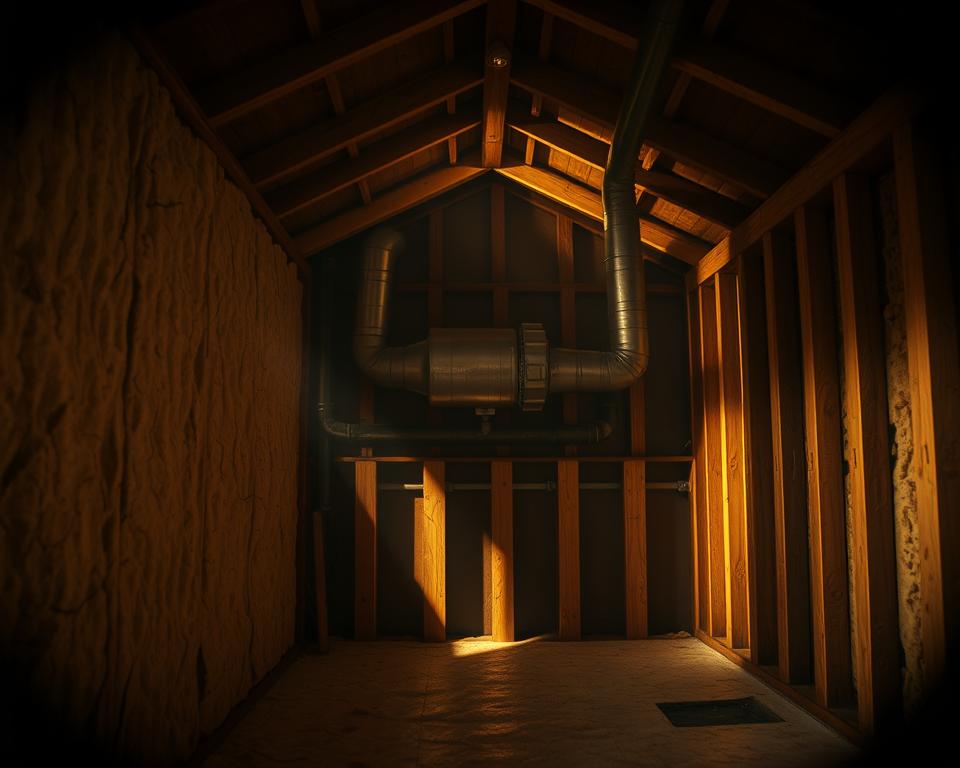
Environmental Challenges
Standard shed construction typically features single-layer timber cladding without proper insulation barriers. This design allows temperature and humidity fluctuations to penetrate directly into the storage area.
Ventilation shortcomings create stagnant air conditions where moisture accumulates rather than dispersing. During seasonal transitions, temperature differences between day and night promote heavy condensation.
Improving a shed‘s performance requires strategic interventions. Installing air vents near the roof peak allows warm, moist air to escape effectively.
Adding lower-level vents creates necessary air circulation throughout the storage area. Solar-powered extraction fans offer active moisture removal for problematic sheds.
Insulation upgrades using foil-backed boards dramatically transform shed environments. These improvements stabilise internal temperatures and reduce condensation formation significantly.
Understanding these limitations helps homeowners assess whether their current outdoor building suits their storage needs. Many discover ruined belongings after underestimating the hostile conditions created by inadequate insulation.
Things You Should Never Store in Your Shed
Certain household possessions face immediate risk when placed in outdoor storage buildings. The unstable environment within these structures can cause irreversible damage to sensitive materials. Understanding which categories of belongings are most vulnerable helps prevent costly mistakes.

Electronics and Batteries
Electronic equipment and batteries are particularly susceptible to shed conditions. Temperature fluctuations trigger chemical reactions within battery cells. This accelerates degradation and reduces performance.
Lithium-ion batteries found in power tools are especially vulnerable. Cold conditions diminish their capacity, while heat can cause swelling or even thermal runaway. One expert notes, “Battery failure in uncontrolled environments poses significant safety risks beyond mere performance loss.”
Paint and Chemical Supplies
Paint and chemical products undergo irreversible changes when exposed to extreme temperatures. Freezing causes separation of components, while heat accelerates solvent evaporation. The result is often unusable materials.
Chemical-based products like adhesives lose bonding properties. Solvents may change viscosity beyond recovery. Proper storage in climate-controlled spaces preserves their integrity.
| Item Type | Shed Storage Risk | Recommended Alternative |
|---|---|---|
| Lithium-ion Batteries | High – Thermal runaway risk | Indoor climate control |
| Liquid Paint | High – Separation and spoilage | Basement or utility room |
| Electronic Devices | Medium-High – Moisture damage | Dry indoor storage |
| Chemical Products | High – Composition changes | Temperature-stable area |
“The financial cost of replacing ruined electronics and supplies often exceeds the inconvenience of finding proper indoor storage solutions.”
Understanding these vulnerabilities helps homeowners make informed decisions about items placement. Protecting valuable items from preventable damage requires recognising unsuitable storage environments.
Avoid Storing Electronics and Power Tools
Electronic devices and power tools are highly vulnerable to the harsh conditions of an outdoor building. The delicate components inside these items are not designed to withstand the fluctuating climate.
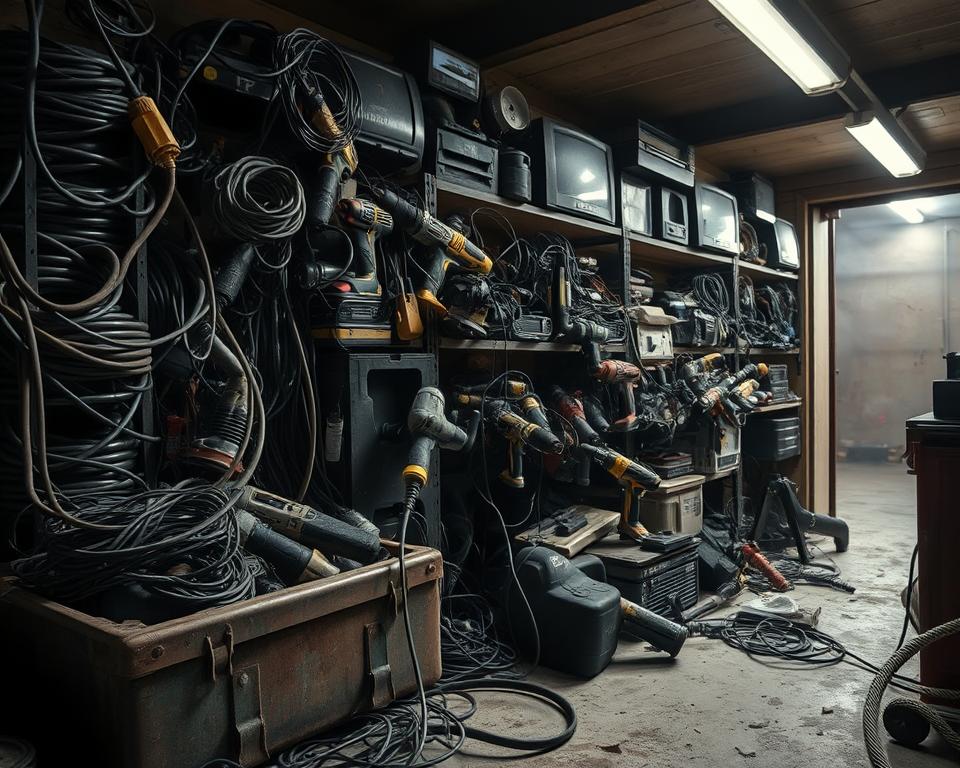
Moisture is a primary threat. It can rust internal wiring and create conductive pathways. This leads to short-circuiting, causing immediate and often irreversible damage.
Condensation is a hidden danger. When a cold device is brought into a warm room, water droplets form on circuit boards. This can destroy electronics the moment they are powered on.
Risk of Short-Circuiting
Sensitive circuitry is easily compromised by environmental moisture. The risk escalates dramatically in an uninsulated space. Freezing temperatures can also cause liquid in LCD screens to solidify, ruining the display permanently.
Battery Explosion Hazards
All types of batteries require careful handling. Temperature changes, especially heat, trigger harmful chemical reactions. This shortens their lifespan and can cause dangerous expansion.
Lithium-ion batteries are particularly sensitive. They can enter thermal runaway, generating gases that may lead to rupture or fire. This makes proper storage a critical safety consideration.
| Item | Risk in Shed | Safe Storage Solution |
|---|---|---|
| Power Tool with Battery | High – Seizure, battery failure | Remove battery, store indoors |
| Portable Electronics | High – Short-circuit, screen damage | Climate-controlled indoor area |
| Spare Batteries | High – Chemical degradation | Dry, room-temperature location |
For power tools that must be kept in an outdoor building, always remove the batteries. Allow tools to acclimatise indoors before use in cold weather to prevent mechanism seizure.
Paper, Documents and Valuables: A Moisture Misfortune
Paper-based possessions face unique threats when stored in outdoor structures due to their hygroscopic nature. Cellulose fibres actively absorb atmospheric moisture, causing irreversible damage even in sheds that appear dry. This makes paper products exceptionally vulnerable to the unstable conditions of garden buildings.

Books and Photos At Risk
Books stored in humid conditions experience progressive deterioration as moisture penetrates pages. Pages cockle and stick together while glue bindings soften and fail. Leather covers develop mildew and cloth covers absorb odours that prove impossible to remove.
Photographs suffer catastrophic damage in shed storage. High humidity causes photographic emulsions to stick to adjacent surfaces. Colours fade or shift, and mould growth permanently obliterates irreplaceable images.
Important documents face multiple threats including moisture damage that renders text illegible. Sensitive information becomes vulnerable to environmental exposure when stored outdoors.
| Item Type | Primary Risk | Recommended Storage |
|---|---|---|
| Books | Page sticking, mould growth | Climate-controlled indoor area |
| Photographs | Emulsion damage, colour fading | Dry, dark indoor location |
| Important Documents | Illegibility, information loss | Secure indoor filing |
| Collectibles with Paper | Pest damage, deterioration | Temperature-stable interior space |
Silverfish and booklice thrive in moderately humid shed conditions, quietly consuming precious books and documents. These pests remain unnoticed until significant damage has occurred to irreplaceable possessions.
Food and Fabrics: The Attraction for Pests
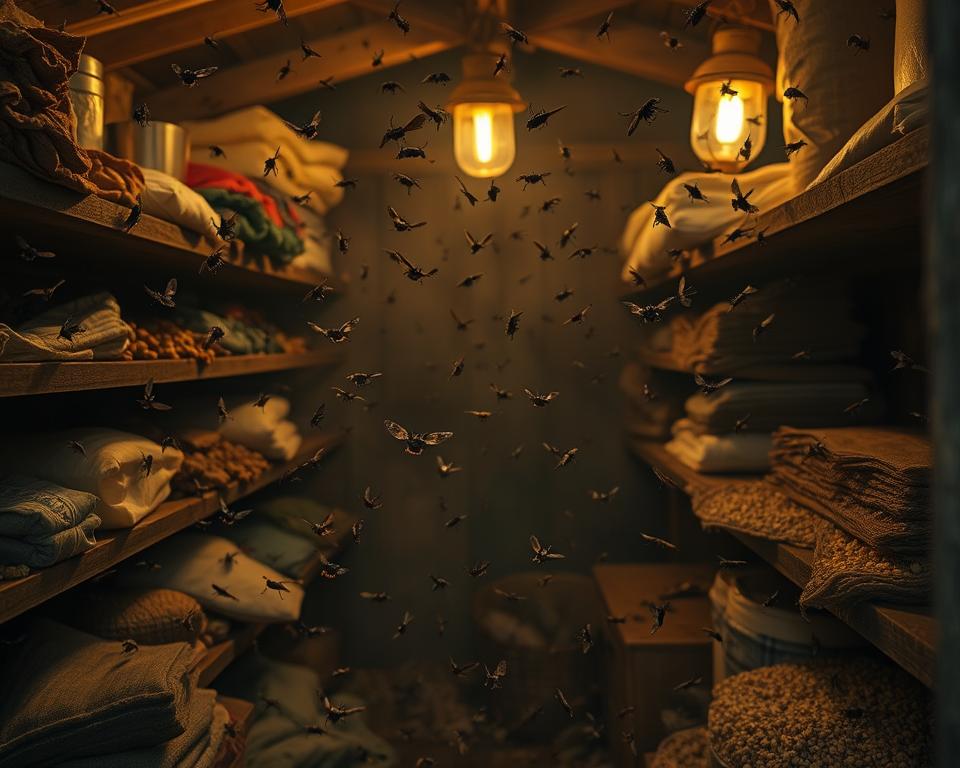
The unstable environment of a typical garden building makes it unsuitable for certain categories of belongings. Perishable goods and textiles face particular threats when placed in these outdoor spaces.
Food Spoilage Concerns
Any type of food becomes a powerful magnet for unwanted visitors. Rodents, insects, and wildlife can detect scent molecules from sealed containers. This transforms sheds into pest magnets.
Canned goods appear shelf-stable but suffer degradation in extreme temperatures. The USDA warns that cans exposed above 38°C or below 4°C may become unsafe. Temperature fluctuations cause metal containers to expand and contract.
This repeated movement compromises seal integrity. External rust can perforate containers, exposing contents to contamination. Wine and preserved foods deteriorate rapidly in these conditions.
Mould on Textiles
Fabrics face dual threats from moisture and pest activity. Sheds collect dampness from rain or snow, promoting mould growth. This creates permanent staining and odours on textiles.
Even when placed inside plastic storage bags, fabrics remain vulnerable. Moisture condenses inside containers during temperature changes. This traps humidity against textile surfaces.
Insects such as moths view stored textiles as ideal nesting material. Rodents also seek out soft fabrics for bedding. The combination of food residues and fabrics creates perfect conditions for pest establishment.
Furniture and Upholstered Items: Ageing in the Shed
Fine furniture pieces represent significant investments that deserve proper storage conditions to maintain their value and appearance. The unstable environment of outdoor buildings accelerates deterioration through multiple pathways.
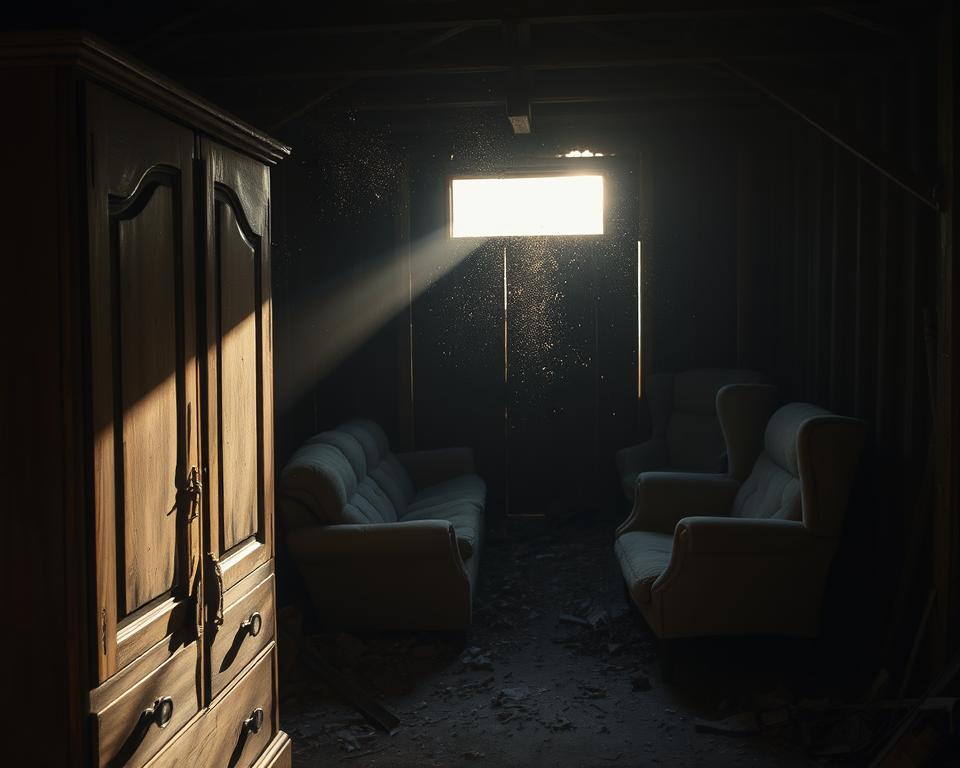
Indoor furniture suffers extensive harm when placed in shed environments. Wood components absorb moisture then dry out repeatedly. This cycling causes dimensional changes that result in permanent deformation.
Wood Warping and Cracking
Solid wood proves particularly vulnerable to humidity fluctuations. As a hygroscopic material, it continuously exchanges moisture with surrounding air. Swelling occurs when humidity rises, while shrinking happens during drier conditions.
This expansion and contraction creates internal stresses within the timber. Eventually, these forces manifest as twisted boards, opened joints, and surface splits. The damage becomes irreversible over time.
Heat accelerates degradation by driving out natural oils that maintain flexibility. This leaves timber brittle and prone to checking. Adhesive failure in joints and veneer delamination are common consequences.
Upholstered items face additional threats including mould growth and pest infestations. Proper storage decisions distinguish between indoor and outdoor-designed furniture. Hardwood garden pieces tolerate shed conditions better but still benefit from protective treatments.
Musical Instruments: Fine-Tuning Storage Safety
Musical instruments demand specialised care that garden sheds simply cannot provide. These precision-engineered possessions suffer significant performance degradation from minute environmental changes. The unstable conditions found in outdoor buildings prove particularly destructive.

Temperature Sensitivity
Temperature fluctuations wreak havoc on delicate instruments. Stringed instruments experience neck warping that alters intonation. Wind instruments suffer bore dimension changes affecting tuning.
Wooden components require stable humidity levels between 40-60%. Lower humidity causes wood to shrink and crack. Higher levels promote swelling and glue joint failure.
Heat exposure proves especially damaging. Elevated temperatures soften traditional hide glues used in construction. This allows joints to creep apart while driving moisture from wood.
Moisture and Corrosion Issues
Moisture devastates instruments containing metal components. Humid conditions promote rapid oxidation on strings, frets, and valves. This creates sticking mechanisms and permanent pitting damage.
Brass and woodwind instruments face particular vulnerability. Condensation collects inside bores and tone holes. This promotes verdigris formation and mould growth in fabric-lined cases.
Professional musicians universally recommend climate-controlled indoor storage. Even short-term shed storage can cause damage requiring expensive restoration. Creating a dedicated indoor music space preserves these valuable possessions.
Safe Alternatives: What to Store Indoors
Creating an efficient storage system requires understanding which possessions genuinely benefit from outdoor storage conditions. This approach protects vulnerable items while reserving shed space for belongings suited to uncontrolled environments.

Heavy-duty garden equipment represents the ideal category for shed storage. Lawnmowers, strimmers, and wheelbarrows function perfectly when given basic maintenance attention.
Garden Equipment and Tools
Metal hand tools can rust with temperature fluctuations. Applying rust prevention spray provides effective protection during storage periods between gardening seasons.
Wooden handles may crack in extreme cold. Coating them with linseed oil prevents this damage. Proper cleaning after use extends their lifespan significantly.
Power tools can be stored in sheds year-round. However, remove batteries and store them inside the home. In cold weather, bring tools indoors to warm before use.
The best store locations for temperature-sensitive items include spare rooms and utility cupboards. These areas benefit from household climate control.
Attached garage spaces offer compromise solutions. They provide more room than indoor areas but better protection than detached sheds. This makes them suitable for seasonal garden items.
Under-stair cupboards and insulated loft spaces serve as excellent indoor alternatives. They protect vulnerable possessions from shed environment damage while maximising available home storage.
Seasonal Considerations for Shed Storage
Effective shed management requires adapting strategies to seasonal changes throughout the year. The UK’s variable climate means different temperatures and conditions demand specific approaches. Recognising these patterns helps protect stored items from seasonal damage.

Summer Preparations
Late summer provides the ideal time for shed maintenance and organisation. From July through September, warm weather and extended daylight create perfect conditions for improvements. This period allows for decluttering before autumn dampness arrives.
Homeowners should use this window to install insulation and improve ventilation. Applying protective treatments to timber and reorganising storage systems prevents future problems. A thorough audit identifies items that shouldn’t remain through winter.
Winter Precautions
Winter presents dual threats of freezing temperatures and persistent dampness. These conditions can damage liquid-containing items and promote rust formation. Proper preparation during the right time of year is essential.
Raise all items off the floor using pallets or shelving to prevent moisture damage. Increase ventilation to reduce condensation buildup during cold periods. The correct place for storing shed items may change with the seasons.
Seasonal preparation prevents the frustration of discovering ruined possessions months later. Simple precautions implemented at the appropriate time protect belongings effectively through challenging weather periods.
Expert Tips for Effective Shed Organisation and Maintenance
Strategic organisation transforms a basic garden building into a highly functional storage space. Small upgrades make a massive difference to both protection and accessibility. Proper maintenance ensures the structure itself remains sound for years.
Starting with insulation using foil-backed boards helps regulate internal temperature. Adding ventilation through vents or a solar extractor fan prevents condensation buildup. Addressing the floor with a raised base or rubber matting stops ground moisture creeping upwards.

Utilising Shelves and Hooks
Maximising vertical space is crucial for effective storage. Heavy-duty shelving units provide robust platforms for tools and equipment. Keeping items elevated just 10-15 centimetres offers significant protection.
Pegboards and hook systems create organised space where every item has its place. This improves air circulation and makes retrieval easier. Plastic containers with secure lids protect smaller items from dust and moisture.
Transparent storage boxes allow content identification without opening. Wall-mounted racks for bicycles and vacuum bags for soft furnishings save floor space. These simple tips dramatically improve shed functionality.
Regular Inspections for Damage
Quarterly inspections enable early problem detection. Look for roof leaks, floor deterioration, and pest intrusions. Immediate repair of any damage prevents minor issues from escalating.
Annual treatment of timber with preservatives maintains structural integrity. Cleaning gutters and drainage areas is essential. Systematic reorganisation ensures storage systems continue meeting needs effectively.
| Frequency | Maintenance Task | Key Benefit |
|---|---|---|
| Quarterly | Full interior and exterior inspection | Early problem detection |
| Annually | Timber treatment and gutter cleaning | Long-term preservation |
| As needed | Reorganisation and system updates | Optimal functionality |
Following these expert tips protects both the shed structure and its contents. Proper organisation and maintenance make the space work harder while extending its lifespan significantly.
Conclusion
A garden shed need not become a cluttered repository for unsuitable possessions. With thoughtful planning, this outdoor space transforms into a highly functional asset. Homeowners who understand which items are vulnerable can make informed decisions that protect their valuable belongings.
This knowledge prevents costly damage and avoids the frustration of replacing ruined electronics, furniture, and documents. Applying practical organisation strategies maximises the utility of the available storage area. A modest investment of time in improvements yields significant long-term benefits.
Ultimately, a balanced approach creates a comprehensive storage solution. The shed houses robust garden equipment, while climate-sensitive possessions find safe indoor alternatives. This careful separation ensures all items remain in optimal condition, making the entire property more organised and efficient.
By implementing these principles, the shed evolves from a simple storage area into a valuable, reliable component of the home.
FAQ
Why are electronics unsuitable for shed storage?
Electronics and power tools face significant risks in a shed due to humidity and temperature changes. Moisture can lead to short-circuiting and corrosion, while extreme heat or cold can damage internal components and cause battery leakage.
Can paint tins be stored in a garden shed?
Storing paint in a shed is generally not advisable. Fluctuating temperatures can cause the ingredients to separate, ruining the paint’s consistency. Freezing conditions in winter can render paint unusable.
What happens to paper documents and books left in a shed?
Paper products are highly susceptible to moisture. In a shed’s environment, books, documents, and photographs can quickly develop mould, mildew, and irreversible water damage, leading to loss of important information.
Is it safe to keep food items in a shed?
Food should never be stored in a shed. It attracts pests such as rodents and insects. Furthermore, the lack of temperature control leads to rapid spoilage, and stored food can also attract larger animals.
How does shed storage affect wooden furniture?
Wooden furniture stored in a shed is prone to warping, cracking, and rot due to humidity. Upholstered items can develop mould and become a target for pests, leading to permanent stains and damage.
Are musical instruments safe in a shed?
Musical instruments are highly sensitive to their environment. The unstable conditions in a shed can cause wood to warp, strings to rust, and delicate mechanisms to fail, often resulting in costly repairs.
What are better alternatives for items that do not belong in a shed?
Sensitive items like electronics, important documents, and valuables are best kept inside the main home where temperature and humidity are controlled. For garden tools, ensuring they are clean and dry before shed storage helps prevent rust.
How can one improve shed storage conditions?
Improving shed organisation with shelves and hooks keeps items off the floor. Regular inspections for leaks, ensuring good ventilation, and using sealed plastic containers can significantly protect belongings from moisture and pests.