What is the Difference Between a Log Cabin and a Summer House?
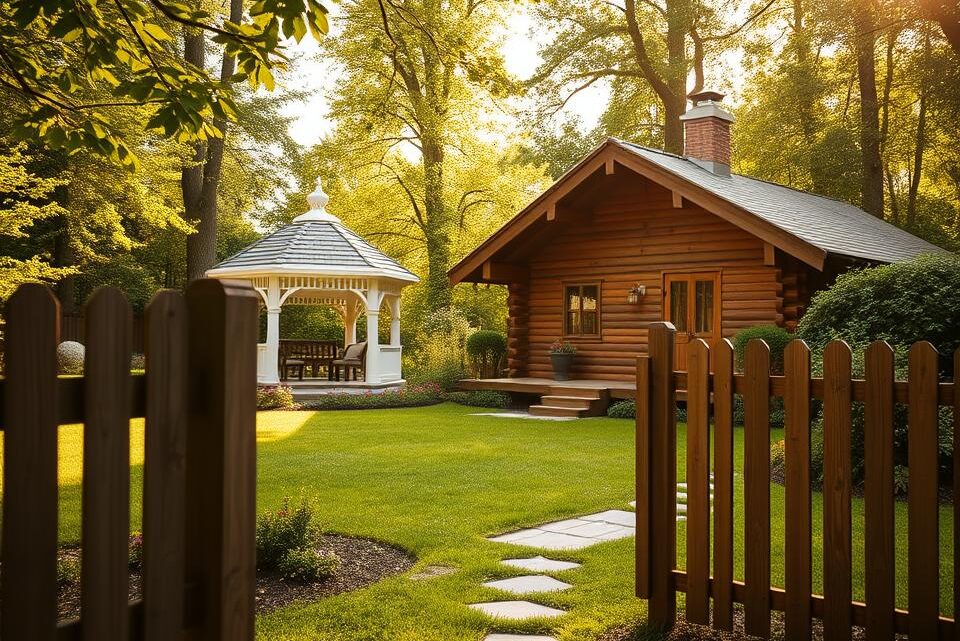
Many garden owners dream of adding a charming wooden structure to their outdoor space. These garden buildings can transform how people enjoy their gardens. But confusion often arises between two popular choices.
It is a common misconception that these terms mean the same thing. Whilst both are primarily built from wood and enhance a garden, they serve distinct purposes. Their construction, design, and functionality differ significantly.
Understanding these differences is crucial before making a purchase. Choosing incorrectly could lead to issues with durability or how the building functions throughout the year. This guide will clarify the key distinctions to support an informed decision.
Inhaltsverzeichnis
Key Takeaways
- Log cabins and summer houses are not the same type of garden building.
- These outdoor structures differ in their construction methods and materials.
- Design variations set them apart, influencing their appearance.
- Their intended purpose and functionality are key differentiators.
- Understanding these differences ensures the right choice for your garden.
Overview of Garden Buildings
British gardens are increasingly becoming extensions of the living space. Outdoor structures have transformed how homeowners utilise their properties. This trend reflects changing lifestyles and new ways of thinking about domestic space.
The Rise in Popularity of Outdoor Structures
Modern life demands flexible solutions for work and leisure. Remote working has accelerated interest in dedicated garden buildings. These structures offer practical alternatives to traditional extensions.
They provide cost-effective ways to create additional living areas. Homeowners gain valuable extra space without major construction. This approach preserves garden aesthetics while adding functionality.
Distinct Roles for Log Cabins and Summer Houses
These garden buildings serve different primary purposes. Summer houses excel as seasonal retreats for relaxation. They offer comfortable spaces for hobbies and social gatherings.
Log cabins provide robust, year-round functionality. Their sturdy construction supports various uses like home offices or gyms. This versatility makes them suitable for permanent installation.
| Feature | Summer Houses | Log Cabins |
|---|---|---|
| Primary Use | Seasonal relaxation | Year-round functionality |
| Construction | Lighter materials | Heavy-duty timber |
| Insulation | Limited | Enhanced |
| Best For | Warmer months | All seasons |
Understanding these distinctions helps homeowners make informed choices. Each structure offers unique benefits for different garden needs.
What is the Difference Between a Log Cabin and a Summer House?
Construction methodology forms the primary differentiator between these popular wooden structures. The way they are assembled determines their appearance, strength, and suitability for various garden settings.
Defining Log Cabins and Summer Houses
A log cabin is characterised by its traditional building technique. Horizontal timber logs stack vertically, creating solid walls with distinctive overlapping corners.
This interlocking corner connection provides exceptional structural integrity. The method dates back centuries and remains the signature feature of authentic cabins.
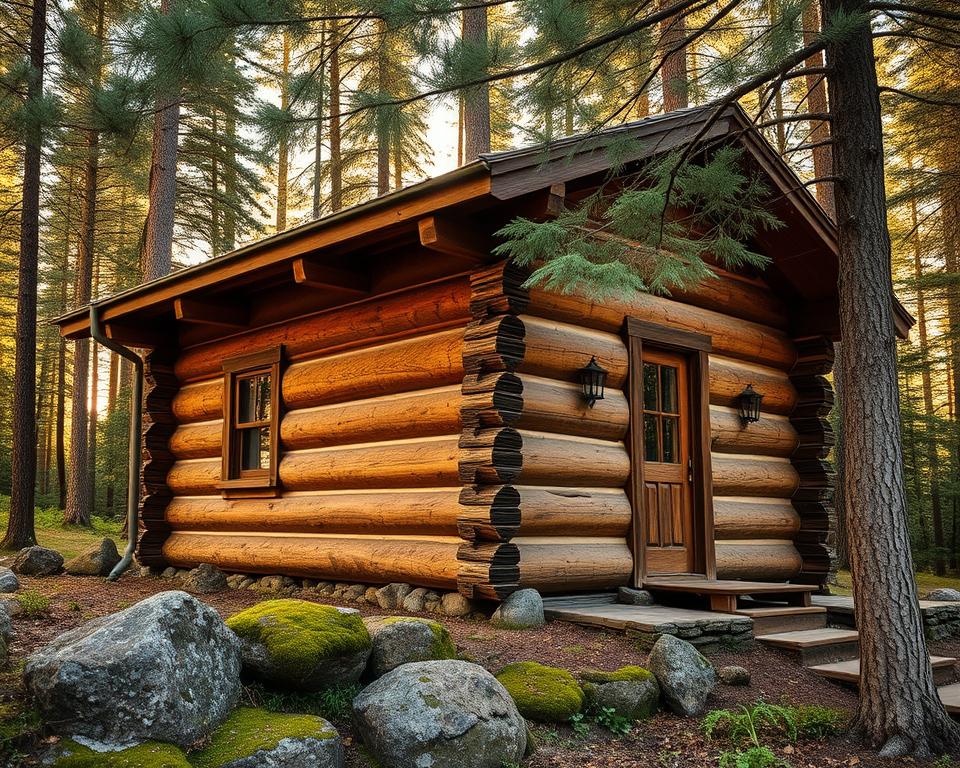
Summer houses employ more varied construction systems. Manufacturers like Lugarde utilise both Prima-system and Pro-system approaches. These panel-based methods offer greater design flexibility compared to traditional log stacking.
Key Characteristics and Terminology
The overlapping corner construction restricts log cabins to rectangular or square shapes. The interlocking method requires straight walls meeting at right angles.
Summer houses can feature pentagonal or octagonal designs due to their adaptable construction. This flexibility allows for more creative garden integration.
Understanding terms like “overlapping corner connections” and “construction systems” helps homeowners appreciate the technical differences. These factors influence durability, weather resistance, and overall functionality in British gardens.
Comparing Construction, Design and Materials
The physical makeup of a garden building determines its longevity and functionality in the British climate. Technical specifications like wall thickness and construction methods create significant practical differences between these structures.
Construction Systems and Structural Integrity
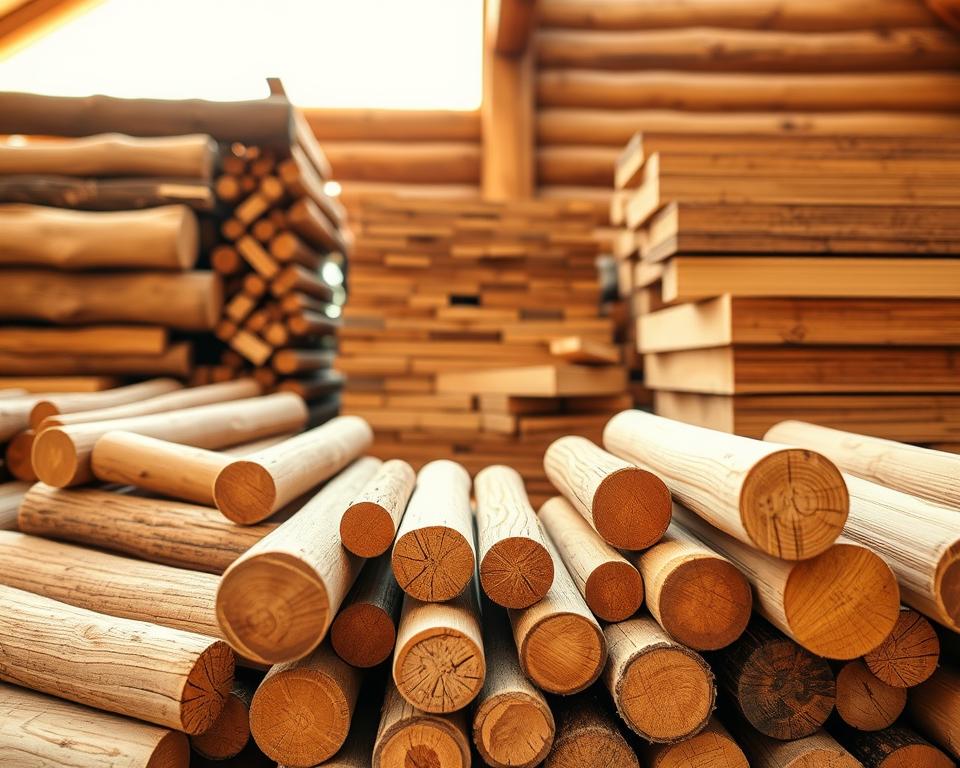
Log cabins utilise an overlapping corner system where timber logs stack horizontally. Each row features tongue-and-groove joinery that locks securely into place.
This method creates exceptionally strong corner connections. The interlocking design provides natural stability without additional support posts.
Summer houses typically employ corner post construction. Panels attach to pre-installed posts that hold the entire structure together. Some advanced systems incorporate aluminium strips for enhanced durability.
Design Variations and Aesthetic Appeal
Construction limitations influence design possibilities. The stacking method restricts log cabins to rectangular or square shapes.
Summer houses offer greater design flexibility. They can feature pentagonal, hexagonal, or traditional rectangular configurations. This variety suits different garden layouts and personal preferences.
Material Quality, Wall Thickness and Insulation
Wall thickness represents a crucial differentiator. Summer house walls typically measure 7-12mm, suitable for seasonal use.
Log cabins feature substantially thicker walls ranging from 28mm to 70mm. This increased thickness provides better thermal insulation for year-round comfort.
Thicker walls also improve structural stability and sound insulation. They can support larger building dimensions and harsher weather conditions.
Roof styles vary between structures too. Summer houses often feature apex roofs with coloured shingles, while cabins may have different roofing options.
Practical Considerations for Garden Use
Selecting the right garden building involves matching its characteristics to specific requirements. Key factors like available space, intended use, and budget all play a crucial role.

Size, Layout and Garden Fit
Available space is a primary concern. Summer houses typically offer a compact footprint, with sizes ranging from 7×5 feet to 14×10 feet. This makes them ideal for smaller gardens.
Their ability to be designed in various shapes, like octagonal or hexagonal, provides excellent flexibility for awkward corners. Log cabins, in contrast, require more space.
They generally start at 8 feet wide and can extend beyond 20 feet. This larger size offers substantial interior space but demands a more generous garden area.
Seasonal vs. Year-Round Use and Cost Implications
The intended use directly influences the decision. Summer houses are perfect for warmer months, providing a comfortable retreat from spring to autumn.
They are a cost-effective option, with prices starting from around £400. For those needing a building for all seasons, log cabins are the superior choice.
Their thicker walls provide better insulation for year-round comfort, functioning as a home office or gym. This capability comes at a higher initial cost, typically from £800.
Ultimately, the choice depends on specific needs and how the space will be used throughout the year.
Conclusion
The ideal choice emerges when homeowners align their specific needs with the distinct characteristics of each option. Neither log cabins nor summer houses hold inherent superiority; rather, they serve different purposes exceptionally well.
Summer houses excel as seasonal retreats, offering design flexibility for smaller gardens and cost-effective solutions. Their varied shapes fit awkward spaces perfectly, creating comfortable outdoor areas during warmer months.
Log cabins provide robust, year-round functionality with thicker walls and substantial construction. They function as genuine extensions to living space, suitable for offices or gyms regardless of weather conditions.
Understanding these differences empowers informed decisions. The right garden building transforms outdoor space according to individual requirements and long-term vision.
FAQ
What is the primary difference in construction between a log cabin and a summer house?
The main distinction lies in their construction systems. A log cabin typically features interlocking logs with significant wall thickness, often over 40mm, creating a robust, well-insulated structure. In contrast, a summer house usually has a lighter frame construction with thinner walls, prioritising ventilation and an airy feel for warmer months.
Can a summer house be used throughout the year like a log cabin?
While a high-quality log cabin with proper insulation is designed for comfortable year-round use, most traditional summer houses are intended for seasonal enjoyment. Their design and material choice, including thinner walls and less insulation, make them better suited for spring and summer months rather than winter.
How do the design options vary between these two garden buildings?
Log cabins often present a more rustic aesthetic with a limited range of shapes, frequently featuring a corner design. Summer houses offer greater variety in design, including octagonal shapes and larger glazed areas to maximise light, providing a more versatile aesthetic for different garden styles.
Which building offers better insulation for uses like a home office or gym?
A log cabin is generally the superior option for such purposes. Its thicker log walls provide natural thermal mass and better insulation, making it easier and more cost-effective to heat. This structural integrity makes log cabins ideal for creating a dedicated, comfortable space for activities like a home office or gym.
Are there significant differences in the cost implications between the two?
Yes, there are notable cost differences. Initially, a basic summer house can be a more budget-friendly option. However, a log cabin represents a greater investment in durable materials and construction, offering better long-term value and versatility for various uses beyond just a summer retreat.
What should I consider regarding size and layout for my garden space?
Consider the building’s footprint and how it will fit within your garden. Log cabins often have a more substantial presence and may require a larger, clearer area. Summer houses can sometimes fit into smaller or more irregularly shaped gardens. Assessing the available space and intended use will guide the best choice for your needs.