what size shed is best for bikes?
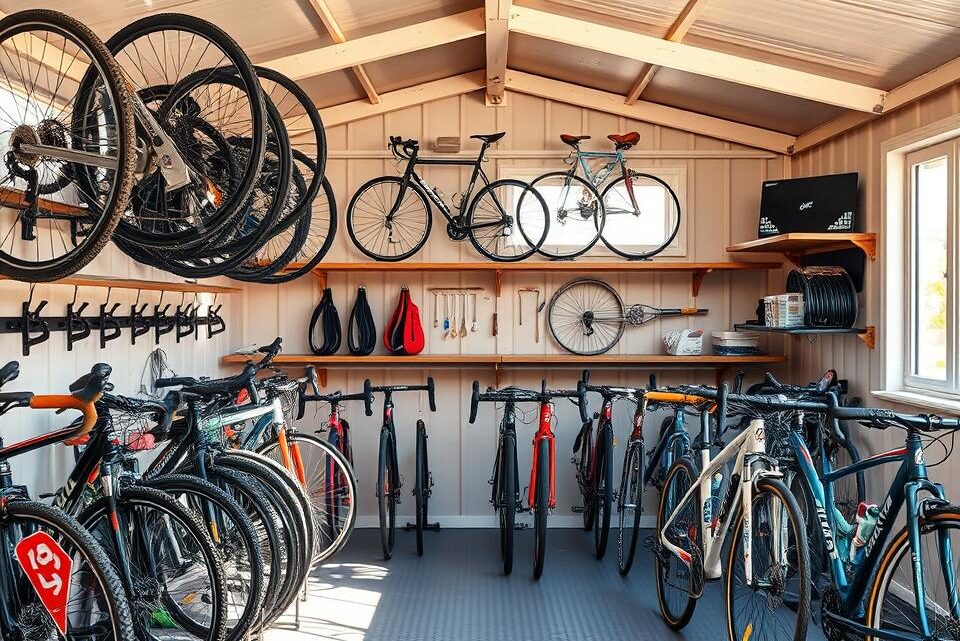
Cyclists understand the critical importance of proper bicycle storage. Selecting the right bike shed size can protect your valuable cycling equipment from weather damage, theft, and deterioration. Bicycle storage solutions are not one-size-fits-all, and finding the perfect shed requires careful consideration of your specific needs.
Bike enthusiasts face numerous challenges when storing their bicycles. Space constraints, security concerns, and environmental protection are key factors in choosing an appropriate bike shed size. Whether you own a single mountain bike or multiple road cycles, the right storage solution can make a significant difference in preserving your cycling investment.
Your bike shed size will depend on several factors, including the number of bicycles, additional storage requirements, and available outdoor space. Understanding these considerations will help you make an informed decision about the most suitable bicycle storage solutions for your specific situation.
Inhaltsverzeichnis
Key Takeaways
- Bike shed size varies based on individual storage needs
- Proper storage protects bicycles from environmental damage
- Consider the number of bikes and additional storage requirements
- Security is a crucial factor in bike shed selection
- Measure available outdoor space before purchasing a shed
Understanding Bike Storage Requirements and Space Planning
Designing an effective bike storage solution requires careful consideration of bicycle dimensions and storage space planning. Cyclists need to think strategically about accommodating their two-wheeled companions while maximising available space.
Bike storage requirements vary depending on the type and number of bicycles you own. Different bikes demand unique spatial considerations that can significantly impact your storage strategy.
Standard Bicycle Dimensions
Understanding typical bicycle dimensions is crucial for effective storage space planning. Most standard bicycles have similar size ranges:
- Mountain bikes: 68-74 inches long
- Road bikes: 66-72 inches long
- Hybrid bikes: 70-73 inches long
| Bike Type | Average Length | Recommended Storage Width |
|---|---|---|
| Mountain Bike | 72 inches | 30 inches |
| Road Bike | 69 inches | 24 inches |
| Hybrid Bike | 71 inches | 28 inches |
Additional Space for Maintenance and Access
Beyond bicycle dimensions, cyclists must allocate extra space for maintenance and easy access. Experts recommend adding 12-18 inches around each bicycle to ensure comfortable manoeuvring and workspace.
“Proper bike storage isn’t just about fitting bikes—it’s about creating a functional, accessible space for your cycling passion.”
Multiple Bike Storage Considerations
For households with multiple bicycles, strategic planning becomes essential. Consider vertical storage solutions, wall-mounted racks, or compact shelving to maximise available space efficiently.
- Allow 36 inches between stored bicycles
- Use vertical hanging systems
- Implement adjustable storage configurations
What Size Shed Is Best for Bikes?
Selecting the ideal bike shed size requires careful consideration of several key factors. Your bicycle storage shed dimensions will depend on the number of bikes, their types, and additional storage needs. Cyclists often underestimate the space required for proper bike storage and maintenance.
When determining the ideal bike shed size, consider these essential aspects:
- Number of bicycles to be stored
- Bike types (mountain, road, electric, children’s)
- Space for maintenance tools
- Additional storage for cycling accessories
Different bike types demand varying storage spaces. A standard bicycle typically requires approximately 2-3 square metres of shed space. Electric bikes might need extra room due to their larger frames and battery charging requirements.
| Bike Type | Approximate Space Required |
|---|---|
| Road Bike | 0.5-0.75 m² |
| Mountain Bike | 0.75-1 m² |
| Electric Bike | 1-1.5 m² |
For families or multiple bike owners, a shed between 6×4 and 8×6 feet often provides sufficient bicycle storage shed dimensions. Pro tip: Always add an extra 20-30% space for future bike acquisitions or maintenance equipment.
Popular Bike Shed Dimensions and Their Benefits
Selecting the right bike shed dimensions is crucial for cyclists looking to protect their valuable equipment. Different shed sizes cater to various storage needs, from compact urban spaces to extensive cycling collections.
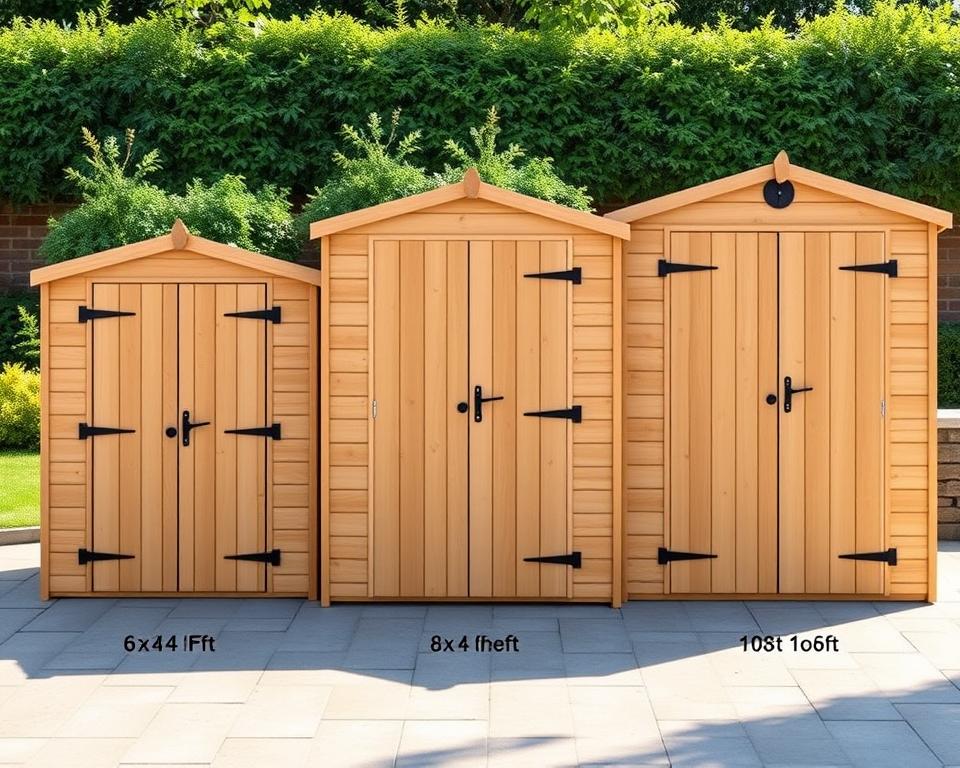
Cyclists must carefully consider their specific requirements when choosing bike shed dimensions. The size of your shed will depend on the number of bikes, additional storage needs, and available space.
Small Bike Sheds (6×4 ft)
Small bike sheds measuring 6×4 ft are perfect for urban dwellers or cyclists with limited outdoor space. These compact storage solutions typically accommodate:
- 1-2 standard bicycles
- Minimal additional storage for cycling accessories
- Ideal for individuals or couples with limited bike collections
Medium Bike Sheds (8×6 ft)
Medium-sized bike sheds offer more flexibility for cycling enthusiasts. These 8×6 ft structures provide ample space for:
- 3-4 bicycles
- Additional storage for maintenance tools
- Comfortable workspace for bike repairs
Large Bike Sheds (10×8 ft and Above)
Large bike sheds are designed for serious cyclists, cycling families, or those requiring extensive storage. These spacious structures can accommodate:
- 5 or more bicycles
- Comprehensive storage for cycling gear
- Potential workspace for bike maintenance
| Shed Size | Bike Capacity | Best Suited For |
|---|---|---|
| 6×4 ft | 1-2 bikes | Urban cyclists, small households |
| 8×6 ft | 3-4 bikes | Cycling enthusiasts, small families |
| 10×8 ft | 5+ bikes | Large families, cycling clubs |
Choosing the right bike shed dimensions ensures your cycling equipment remains protected and easily accessible.
Maximising Storage Space in Your Bike Shed
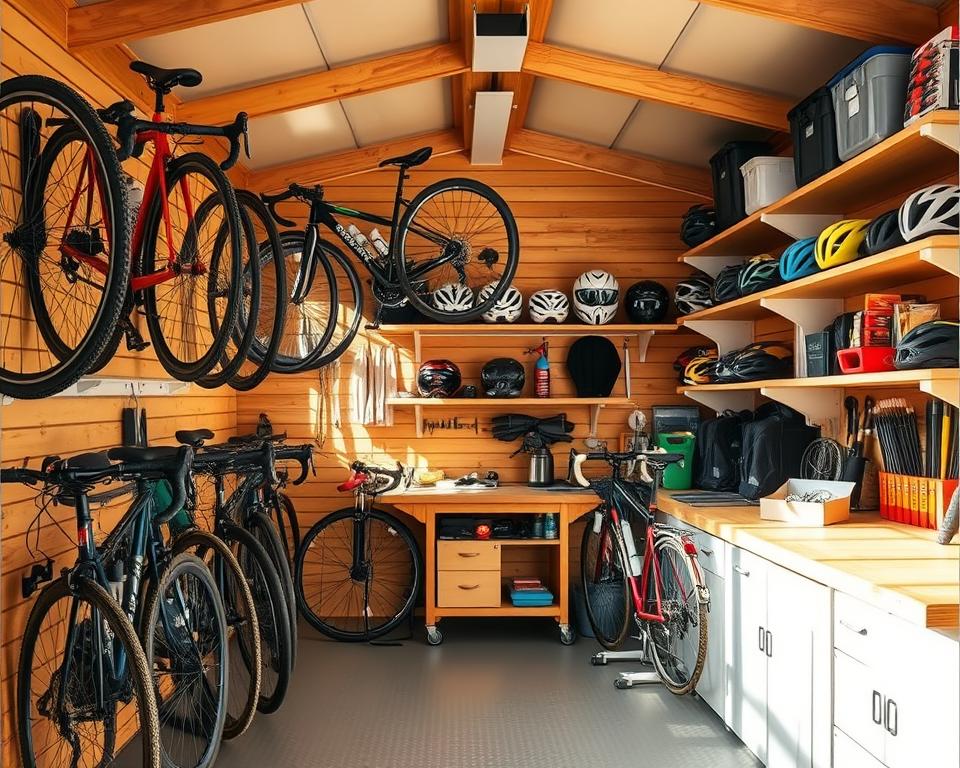
Effective bike shed storage optimisation requires smart planning and creative solutions. Cyclists often struggle with limited space, but with the right strategies, you can transform your shed into an efficient cycling hub.
Bicycle storage tips start with vertical utilisation. Wall-mounted racks are game-changers for maximising shed space. These ingenious systems allow you to hang bikes vertically, freeing up valuable floor area for additional cycling gear.
- Install adjustable wall-mounted bike hooks
- Use ceiling-mounted pulley systems
- Implement sliding track storage solutions
Consider multi-functional storage approaches. Compact shelving units can house helmets, tools, and accessories while providing a dedicated space for your bicycles. Modular storage systems offer flexibility, allowing you to reconfigure your space as your cycling collection grows.
Beyond bike placement, think about maintenance zones. Designate a small workspace for bike repairs, complete with a fold-down workbench or compact tool storage. This approach ensures your shed remains organised and functional.
- Invest in stackable storage containers
- Use magnetic tool strips for easy access
- Create dedicated zones for different cycling equipment
Bike shed storage optimisation is about intelligent design. By implementing these bicycle storage tips, you’ll create a practical, space-efficient environment that protects and showcases your cycling gear.
Essential Features for a Practical Bike Storage Shed
Creating the perfect bike shed goes beyond simply finding a space to store your bicycle. The right shed combines security, protection, and functionality to ensure your valuable cycling equipment remains in top condition. Understanding the critical features will help you design a storage solution that meets all your cycling needs.

Protecting your bicycle requires careful consideration of several key elements that work together to create an ideal storage environment.
Security Features for Bike Shed Protection
Bike shed security is paramount for preventing theft and keeping your bicycle safe. Consider implementing these protective measures:
- Install robust padlocks with hardened steel shackles
- Use ground anchors for additional bicycle locking points
- Choose sheds with reinforced doors and tamper-resistant hinges
- Install motion-activated lighting or security cameras
Effective Shed Ventilation Strategies
Proper shed ventilation prevents moisture buildup that can damage your bicycle’s components. Rust and corrosion are silent enemies of bicycle maintenance. Implement ventilation solutions like:
- Adjustable air vents
- Louvred windows
- Roof-mounted passive ventilation systems
Selecting the Right Shed Flooring
Shed flooring provides the foundation for secure and protected bicycle storage. Different flooring options offer various benefits:
- Concrete: Durable and moisture-resistant
- Wooden platforms: Helps prevent direct ground contact
- Rubber matting: Provides cushioning and moisture protection
By carefully selecting security features, ensuring proper ventilation, and choosing appropriate flooring, you’ll create a bike shed that protects and preserves your cycling investment.
Choosing the Right Location for Your Bike Shed
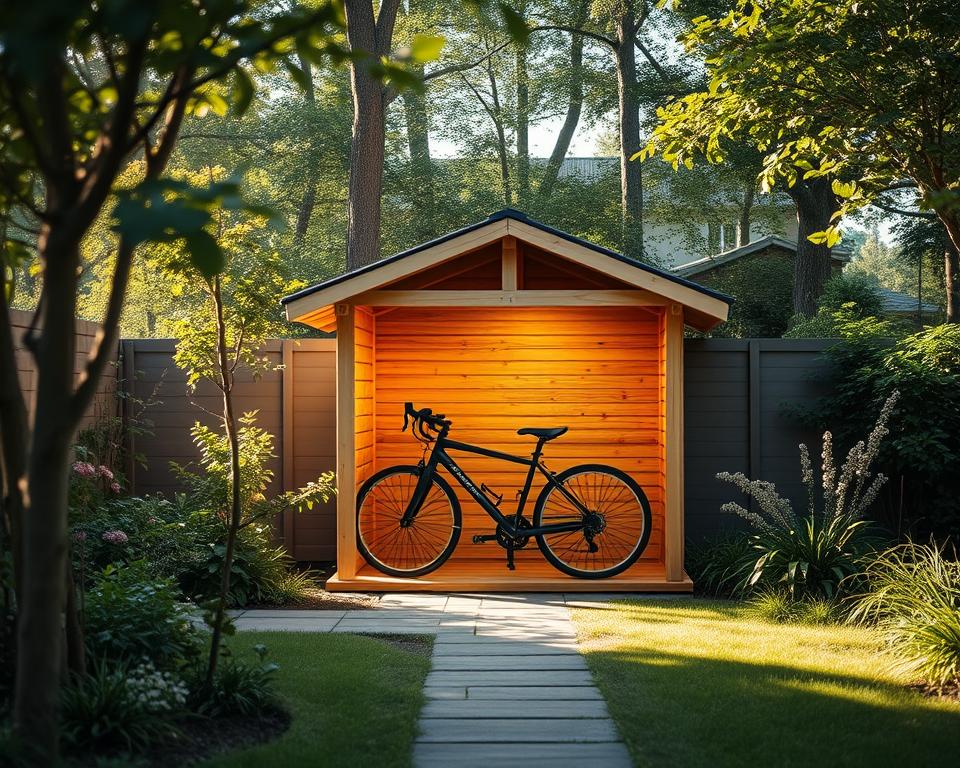
Selecting the perfect location for your bike shed requires careful consideration. Bike shed placement is crucial for protecting your bicycles and ensuring convenient access. The optimal shed location balances several key factors that impact functionality and protection.
Consider these critical aspects when determining your bike shed’s location:
- Proximity to your home entrance
- Ground terrain and drainage
- Sunlight and shade exposure
- Protection from prevailing winds
- Accessibility for cyclists
Ground conditions play a significant role in bike shed placement. Ideally, choose a level surface with good drainage to prevent water accumulation. Avoid low-lying areas prone to flooding or muddy conditions. A slightly elevated position helps protect your bicycles from moisture and potential ground-related damage.
| Location Factor | Ideal Characteristics | Potential Issues |
|---|---|---|
| Terrain | Flat, well-drained ground | Uneven surfaces, poor drainage |
| Sunlight | Partial shade | Direct, intense sunlight |
| Accessibility | Close to entrance, easy path | Obstructed or distant location |
Accessibility remains paramount in determining the optimal shed location. Position your bike shed close enough to your home for convenient access, yet far enough to maintain aesthetic appeal. Consider creating a clear, direct path from the shed to your main entrance to streamline bicycle retrieval and storage.
Local weather conditions should also influence your bike shed placement. In the UK, protecting bicycles from excessive moisture and wind is essential. A location that offers natural windbreaks, such as near a garden wall or hedge, can provide additional protection for your valuable cycling equipment.
Material Considerations for Bike Storage Sheds
Selecting the right bike shed materials is crucial for ensuring durable bike storage and protecting your valuable cycling equipment. The choice of material can significantly impact the shed’s weather resistance, longevity, and overall performance.
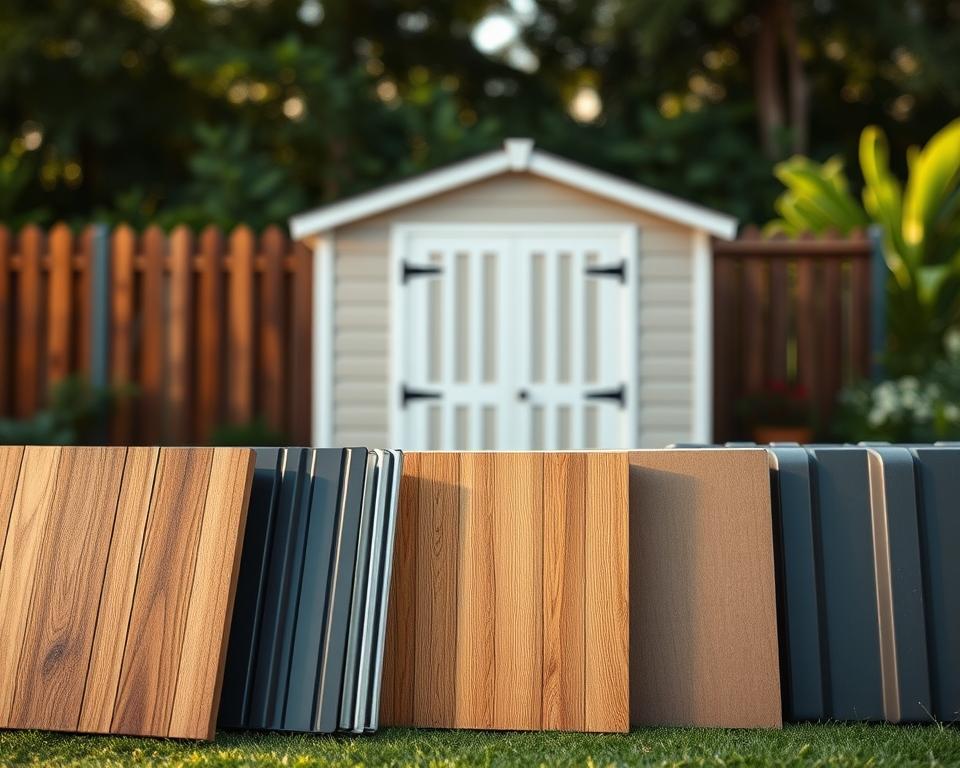
Different materials offer unique advantages for bike storage solutions. Let’s explore the primary options that cyclists can consider for their outdoor storage needs.
Comparing Shed Material Options
- Metal Sheds: Lightweight and typically most affordable
- Excellent weather-resistant properties
- Low maintenance requirements
- Potential for rust if not properly treated
- Wooden Sheds: Traditional and aesthetically pleasing
- Natural insulation capabilities
- Customisable design options
- Requires regular treatment against moisture
- Plastic Sheds: Modern and practical solution
- Lightweight construction
- Resistant to rot and decay
- Limited aesthetic variations
Weather Resistance and Durability Factors
When evaluating weather-resistant sheds, consider key factors such as climate, exposure, and maintenance. Metal and high-quality plastic sheds often provide superior protection against harsh environmental conditions.
“The right shed material can extend the life of your bicycle and protect it from unexpected weather challenges.” – Cycling Storage Experts
Cyclists should prioritise materials that offer robust protection, minimal maintenance, and long-term durability for their bike storage solutions.
Building Regulations and Planning Permission for Bike Sheds
Navigating bike shed regulations and shed planning permission can be tricky for UK homeowners. Understanding local guidelines helps you avoid potential legal complications when installing a bike storage solution.
Most bike sheds fall under permitted development rights, which means you typically won’t need formal planning permission. However, several key considerations can impact your project:
- Shed must be single-storey with maximum height of 2.5 metres
- Total coverage should not exceed 50% of garden area
- Structure must be positioned at least 2 metres from property boundary
Specific bike shed regulations vary depending on your local council and property type. Detached houses generally have more flexibility compared to listed buildings or properties in conservation areas.
Always check with your local planning authority before constructing a bike shed to ensure full compliance.
For properties with unique circumstances, such as flats or terraced homes, additional restrictions might apply. Consulting your local planning department can provide tailored guidance on shed planning permission specific to your situation.
Key factors that might require special permission include:
- Proximity to public highways
- Size exceeding standard permitted dimensions
- Potential impact on neighbouring properties
By understanding these bike shed regulations, you can confidently create a secure and compliant bike storage solution that meets both your needs and local planning requirements.
Conclusion
Selecting the best bike shed size requires careful consideration of your individual bicycle storage needs. From compact 6×4 ft options to expansive 10×8 ft structures, each dimension offers unique advantages for protecting and organising your cycling equipment.
When evaluating optimal bicycle storage solutions, cyclists must assess their specific requirements. Factors like bicycle quantity, maintenance space, and security features play crucial roles in determining the ideal shed dimensions. Understanding these elements ensures you invest in a storage solution that safeguards your valuable bicycles while maximising available space.
Your perfect bike shed should balance practicality, security, and convenience. Whether you own a single mountain bike or multiple road cycles, choosing the right shed size can transform your storage experience. Take time to measure your bicycles, consider future acquisitions, and select a shed that provides ample room for comfortable access and potential maintenance activities.
By applying the insights shared throughout this guide, you’ll be well-equipped to make an informed decision about your bike shed investment. Remember that the best bike shed size is one that meets your unique cycling lifestyle and storage challenges.
FAQ
How many bikes can I store in a small shed?
In a typical 6×4 ft shed, you can comfortably store 2-3 standard bicycles, depending on their size and the arrangement of storage solutions like wall-mounted racks or vertical hangers.
Do I need planning permission for a bike shed?
In most cases, a bike shed falls under permitted development rights in the UK, but there are specific conditions. You’ll typically need planning permission if the shed is larger than 2.5 metres in height, covers more than 50% of your garden, or is located in a conservation area.
What’s the best material for a bike shed?
Wooden sheds are popular for their aesthetic appeal and natural insulation, while metal sheds offer superior durability and security. Plastic sheds are lightweight and require minimal maintenance. The best choice depends on your local climate, budget, and specific storage needs.
How can I prevent moisture and rust in my bike shed?
Ensure proper ventilation by installing vents or louvred windows. Use a dehumidifier or moisture-absorbing products like silica gel. Consider adding a waterproof floor membrane and keeping bikes slightly elevated to prevent direct contact with potentially damp surfaces.
What security features should I consider for my bike shed?
Look for sheds with robust locking mechanisms, such as a sturdy padlock or integrated lock. Install additional security features like ground anchors, security lighting, and consider using high-quality bike locks. Position the shed in a visible location to deter potential thieves.
How much space do I need for bike maintenance?
Ideally, allow an extra 2-3 square feet beyond your bikes’ dimensions for maintenance space. This provides room for tools, work stands, and manoeuvring during repairs. A medium-sized shed (8×6 ft) offers comfortable workspace for most cycling enthusiasts.
Can I store cycling accessories in my bike shed?
Absolutely! Consider adding shelving, hooks, and storage containers to organise helmets, repair kits, spare parts, and other cycling gear. Wall-mounted organisers can maximise vertical space and keep your shed tidy and functional.
What flooring is best for a bike shed?
A concrete or paved base provides the most stable foundation. Alternatively, use pressure-treated wooden floors or purpose-made shed bases that offer good drainage and prevent moisture absorption. Ensure the floor is level and slightly raised to protect against ground dampness.
How do I choose the right shed location?
Select a level, well-drained area with good access and some natural shelter. Consider proximity to your house, sunlight exposure, and wind direction. Avoid low-lying areas prone to water accumulation and ensure the location allows easy bike entry and exit.
What ventilation features are important in a bike shed?
Look for sheds with adjustable vents or windows that can be opened to promote air circulation. This helps prevent condensation, reduces moisture build-up, and protects your bikes from potential rust and mildew. Consider sheds with at least two ventilation points for optimal airflow.