What to Do if Your Greenhouse is Too Hot: Solutions
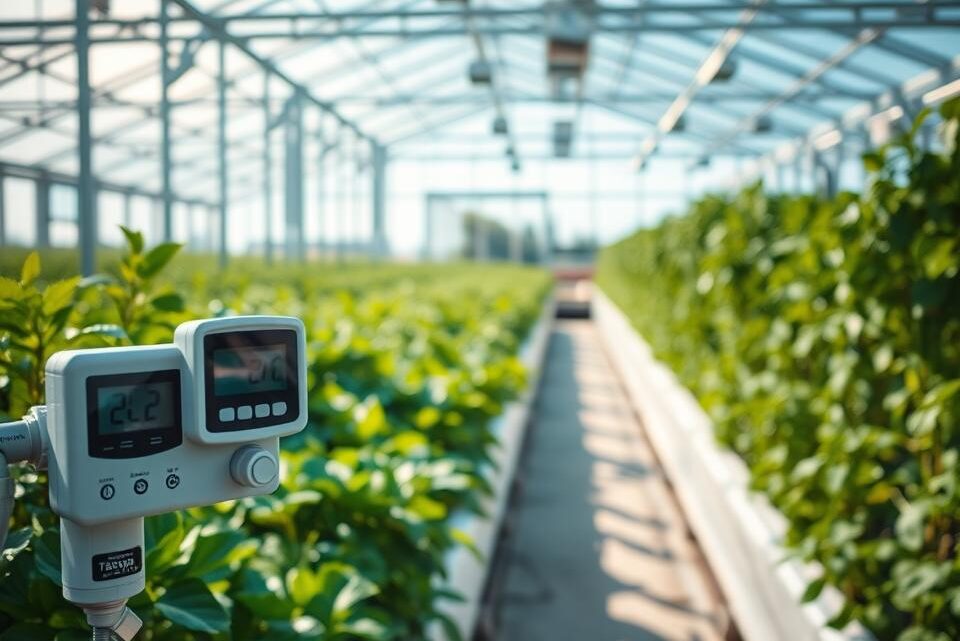
Many gardeners face the challenge of excessive heat during the summer months. While greenhouses are designed to retain warmth for optimal plant growth, this natural advantage can become problematic when external temperatures rise significantly.
A typical unheated greenhouse maintains temperatures approximately 5 degrees Celsius higher than outdoor conditions. This heat retention supports plant development during cooler seasons but poses risks when summer heat intensifies. Excessive temperatures can damage delicate plants and compromise the entire growing environment.
This comprehensive guide offers practical solutions for managing greenhouse temperatures effectively. It focuses on identifying overheating signs and implementing proven strategies to protect plants from heat-related stress. Proactive temperature management is essential for successful gardening throughout the summer growing season.
The article presents a structured approach covering heat buildup understanding, temperature monitoring, and humidity level assessment. It explores multiple effective solutions including ventilation improvements, shading techniques, and cooling strategies. These methods help maintain optimal conditions for plant health and maximise crop yields.
Inhaltsverzeichnis
Key Takeaways
- Greenhouses naturally maintain temperatures about 5°C higher than outdoor conditions
- Excessive summer heat can damage plants and disrupt the growing environment
- Early recognition of overheating signs is crucial for plant protection
- Proactive temperature management supports healthy plant development
- Multiple strategies exist for cooling an overheated greenhouse
- Ventilation improvements and shading techniques offer effective solutions
- Regular monitoring helps maintain optimal growing conditions
Understanding Greenhouse Heat Buildup
Greenhouses excel at capturing solar energy, but this strength becomes problematic during heatwaves. Their design traps warmth effectively, extending growing seasons in cooler months. However, summer temperatures can push internal conditions beyond plant tolerance levels.
The Royal Horticultural Society identifies 27°C (81°F) as the critical threshold where plant damage begins. Beyond this point, corrective measures become essential for protecting greenhouse crops.
How Temperature Affects Plant Growth
Different plants have specific temperature preferences. Tomato plants struggle above 32°C (90°F), often failing to set fruit properly. Cucumber plants produce best between 21-28°C (69-82°F).
Sweet peppers dislike temperatures over 30°C (86°F), developing sunburned leaf patches. Understanding these limits helps gardeners maintain optimal growing conditions.
Signs of Overheating in Greenhouses
Excessive transpiration appears as plants draw water rapidly from soil. Brown, frazzled leaf tips indicate dehydration stress. These symptoms can spread across leaves, stems, and roots.
Leaf scorch shows as browning or yellowing tissue. Wilting occurs despite adequate soil moisture, sometimes taking a week to recover. Plants may drop blossoms and fruits to conserve resources.
Multiple simultaneous symptoms combined with high temperature readings confirm overheating. Early recognition prevents permanent damage to greenhouse plants.
Monitoring Temperature and Humidity
Accurate data collection transforms guesswork into informed decisions for greenhouse climate control. While feeling warmth provides initial clues, precise measurement using proper equipment forms the foundation for effective interventions.

Using Thermometers and Hygrometers
A maximum/minimum thermometer proves essential for comprehensive temperature tracking. This device records highest and lowest readings throughout day and night cycles. Gardeners obtain crucial data patterns even when absent from the greenhouse.
Digital versions display current, maximum, and minimum temperatures on clear screens. They typically feature convenient Celsius/Fahrenheit switching functions. These tools provide immediate access to critical greenhouse conditions.
| Thermometer Type | Key Features | Best For |
|---|---|---|
| Traditional Max/Min | Manual reset markers | Basic temperature tracking |
| Digital Max/Min | Multi-display, unit conversion | Detailed pattern analysis |
| Hygrometer Combo | Humidity and temperature | Complete environment monitoring |
Maintaining written records creates valuable historical data. This practice helps identify trends and evaluate cooling method effectiveness over time.
Interpreting Readings for Optimal Conditions
Hygrometers measure air humidity levels, working alongside temperature data. Most UK gardeners target 40-80% humidity ranges for optimal plant health.
Consistent readings above 80% indicate inadequate ventilation. This creates ideal conditions for fungal diseases like botrytis. Low humidity combined with high temperature accelerates plant water loss.
Balancing both parameters creates flourishing environments rather than survival conditions. Proper interpretation guides timely interventions for plant protection.
Effective Solutions: What to Do if Your Greenhouse is Too Hot
Implementing practical strategies becomes essential when a greenhouse’s internal climate exceeds plant comfort levels. This section explores three core methods for temperature regulation.

Enhancing Ventilation and Airflow
Optimal airflow is the foundation of cooling. Opening the greenhouse door and all roof vents on sunny days initiates crucial air exchange. For persistent heat, leaving vents open overnight can further reduce temperatures.
Automatic vent openers provide consistent management. They use wax cylinders that expand with heat to gradually open windows. This system works effectively even when gardeners are absent.
Supplementary fan usage accelerates air movement. Positioning a fan near an open vent draws cooler external air inside more rapidly. It is vital to direct airflow over plants, not directly at them, to prevent damage.
| Ventilation Method | Key Benefit | Consideration |
|---|---|---|
| Manual Vent Opening | Immediate, cost-free airflow | Requires daily gardener attention |
| Automatic Vent Openers | Handles temperature changes autonomously | Operates gradually, not instantly |
| Supplementary Fans | Rapidly increases air exchange rate | Needs power source and careful placement |
Implementing Shading Techniques
Shading directly reduces solar heat gain. Applying shade netting to the exterior of glass is most effective. Even minimal shade helps maintain safer temperatures for plants.
Interior shading blinds offer easier installation. They must be fitted below roof vents to avoid obstruction. Paint-on shading products provide an adjustable solution for glass surfaces.
Utilising Evaporative Cooling and Water Management
Spraying water on the floor creates an evaporative cooling effect. This process lowers the air temperature and raises humidity. The technique works best when performed in the morning.
Placing open trays of water inside helps moderate temperature swings. This is particularly beneficial for young plants. Good airflow is necessary to sustain the cooling effect.
Effective water management for plants includes morning watering and applying mulch to conserve soil moisture. These practices support plant health during hot periods.
Additional Strategies for Cooling Your Greenhouse
When ventilation and shading prove insufficient during intense summer heat, gardeners can turn to mechanical aids for enhanced climate control. These methods provide a powerful way to manage extreme temperatures.

Mechanical Methods and Fan Usage
Professional evaporative cooling systems function like air conditioning. A fan pulls air through water-soaked cellulose pads. An automated pump recycles water for efficiency.
Sizing the system is crucial. Gardeners calculate their greenhouse‘s cubic footage. This number is divided by 375 for 6-inch pads or 250 for 4-inch pads to determine the required fan capacity.
Some greenhouse fan heaters offer a fan-only setting for summer use. This provides excellent air circulation without adding heat.
| Cooling Equipment | Primary Function | Key Benefit |
|---|---|---|
| Evaporative Cooling System | Lowers temperature via water evaporation | Provides consistent, significant cooling |
| Circulation Fan (Standalone) | Improves overall air movement | Prevents hot spots, reduces humidity |
| Dual-Purpose Fan Heater | Circulates air without heat in summer | Year-round equipment utility |
Strategic Plant Placement and Spacing
Not all plants tolerate heat equally. Heat-loving crops like tomatoes thrive in warm central spots. Sensitive plants like lettuce prefer cooler areas near vents or in shade.
Adequate spacing between plants is vital. It improves air circulation around each specimen. This simple step reduces localised heat buildup significantly.
Correct fan positioning protects plants. Suspend units in the roof space to direct air flow over the tops of plants. Avoid blowing air directly onto foliage to prevent damage.
Conclusion
Effective greenhouse management relies on recognising the delicate balance between warmth and excess heat. Proactive intervention is essential when plants show stress signs like wilting or scorched leaves.
Consistent monitoring of temperature and humidity provides the data needed for timely action. Combining ventilation, shade, and evaporative cooling creates the most robust defence against summer heat.
These strategies ensure a greenhouse remains a productive garden asset on hot days. The same principles for keeping a greenhouse cool apply to polytunnels and conservatories, making this knowledge widely valuable for any protected growing space.
FAQ
How can I tell if my greenhouse is too hot for plants?
Look for signs like wilting leaves, scorched foliage, or stunted growth. A thermometer can confirm high temperatures.
What is the ideal temperature range for a greenhouse?
Most plants thrive between 21°C and 27°C. Temperatures consistently above 29°C can stress many common varieties.
Why is ventilation important for cooling?
Proper ventilation allows hot air to escape and cooler air to enter, preventing heat buildup and maintaining fresh airflow.
What are the best shading methods for a greenhouse?
External shade netting or internal blinds are highly effective. Applying shade paint to the glass also reduces solar heat gain.
How does watering help cool a greenhouse?
Damping down pathways with water uses evaporative cooling. As water evaporates, it absorbs heat from the air, lowering the temperature.
When should I use fans in my greenhouse?
Fans are useful when natural ventilation is insufficient. They improve air circulation, especially during a heatwave or in larger structures.
Can the floor material affect the temperature?
Yes, materials like gravel or moisture-retentive paving slabs can help regulate humidity and temperature through evaporative cooling.
Should I leave the greenhouse door open in summer?
Yes, keeping the door open, along with roof and side vents, significantly improves airflow and is a simple cooling strategy.