What You Should Look For In A Potting Shed
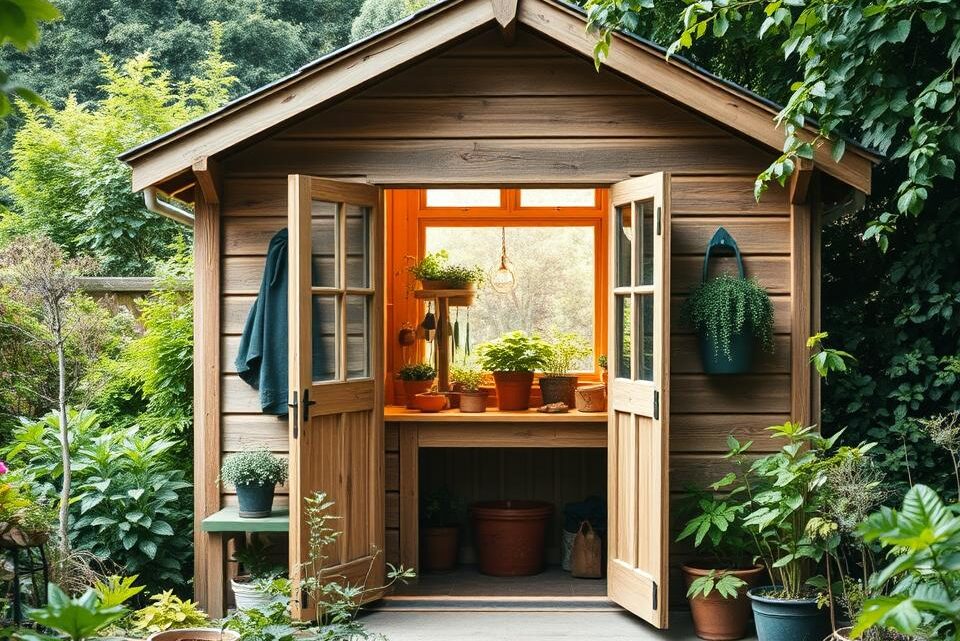
A dedicated potting shed offers a sanctuary for gardeners, providing a sheltered workspace away from the elements. It becomes a hub for nurturing seedlings, tending to plants, and organising tools. This guide offers essential information for anyone planning to buy a potting shed, ensuring they select a structure that perfectly suits their gardening ambitions.
For garden enthusiasts across the United Kingdom, a well-designed potting shed is more than just storage. It is a practical solution for continuing garden work during unpredictable weather. These wooden structures create a warm, dry environment ideal for sowing seeds and potting seedlings. They combine cultivation space with organised storage for gardening equipment.
Selecting the right design requires careful thought. Factors like size, materials, and layout are crucial for long-term satisfaction. This guide explores these key considerations in detail. It aims to equip gardeners with the knowledge needed to make an informed choice for their garden space.
Inhaltsverzeichnis
Key Takeaways
- Identifies the core functions of a potting shed in a garden.
- Explains the benefits of having a sheltered workspace for UK weather.
- Highlights the importance of size, design, and material selection.
- Describes the structure as a combination of cultivation and storage space.
- Prepares the reader for a detailed guide on making a purchase.
Introduction to Potting Sheds for the UK Gardener
The potting shed represents more than mere storage; it’s a year-round haven for cultivation activities. These structures serve as the operational heart of any serious garden, providing shelter from Britain’s unpredictable weather patterns.
Overview of Potting Shed Benefits
These specialised buildings offer significant advantages for gardeners. They create a protected environment for delicate seedlings and young plants. This protection extends the growing season considerably.
Sudden rain showers or strong winds no longer interrupt essential gardening tasks. The interior space remains dry and temperate throughout the year. This consistency supports successful plant propagation and growth.
Purpose and Practicality in the Garden
Practicality defines the true value of these garden structures. They centralise all cultivation activities in one convenient location. Tools, compost, and supplies stay organised and easily accessible.
The dedicated workspace supports the entire plant lifecycle. From seed sowing to final potting, everything happens under one roof. This efficiency transforms gardening from occasional hobby to sustainable practice.
What is a Potting Shed?
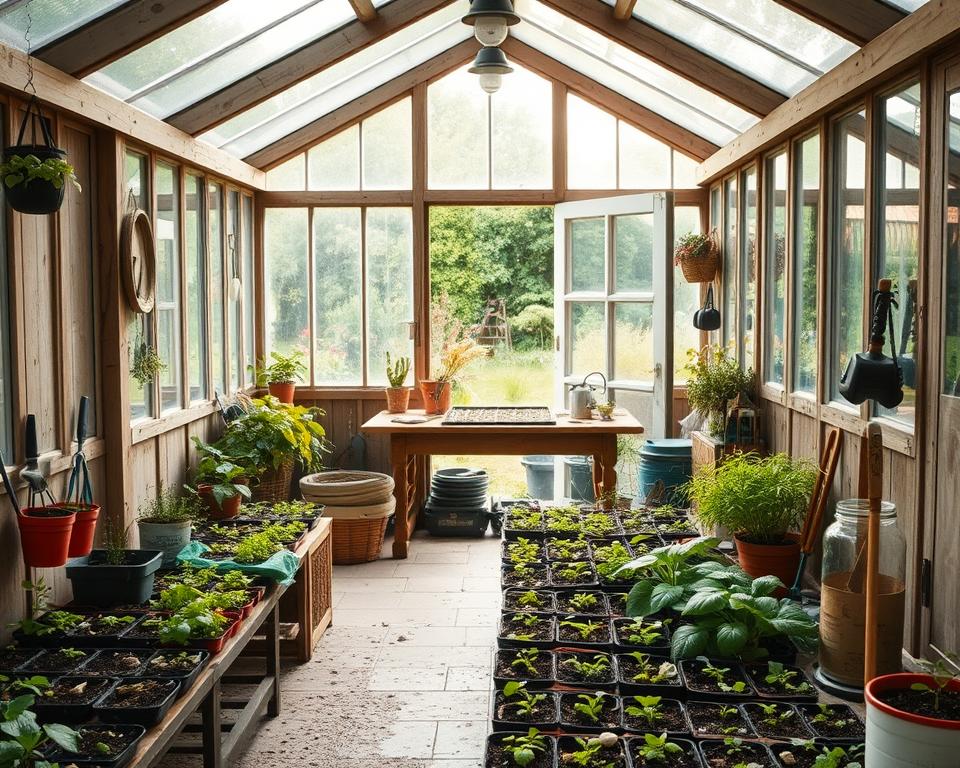
A potting shed represents a hybrid garden building that merges the protective qualities of a shed with the light-admitting properties of a greenhouse. These structures serve as dedicated spaces for gardeners to work on plants throughout the year.
Definition and Key Features
The Cambridge English Dictionary defines a potting shed as “a small building in a garden in which plant containers, young plants, seeds, tools, etc. are kept.” This definition captures the dual purpose of these garden structures.
Key features include timber construction, generous glazing, and internal fittings like shelving and work surfaces. The design balances cultivation space with organised storage for gardening equipment.
Large windows allow ample light for seedlings while maintaining weather protection. This combination makes these structures more versatile than traditional garden buildings.
Comparing Potting Sheds and Greenhouses
While both structures support plant growth, significant differences exist. A greenhouse typically features extensive glass panels that magnify sunlight and raise temperatures.
In contrast, a potting shed greenhouse combines solid construction with strategic glazing. This hybrid approach offers better security for tools and equipment.
The potting shed greenhouse provides dedicated growing space alongside storage capacity. This makes it a practical choice for gardeners needing both functions in one structure.
Understanding What You Should Look For In A Potting Shed
Selecting the ideal garden structure requires careful evaluation of several crucial factors that impact long-term satisfaction. Gardeners must balance immediate needs with future requirements when making this important investment.
Essential Design and Functionality Considerations
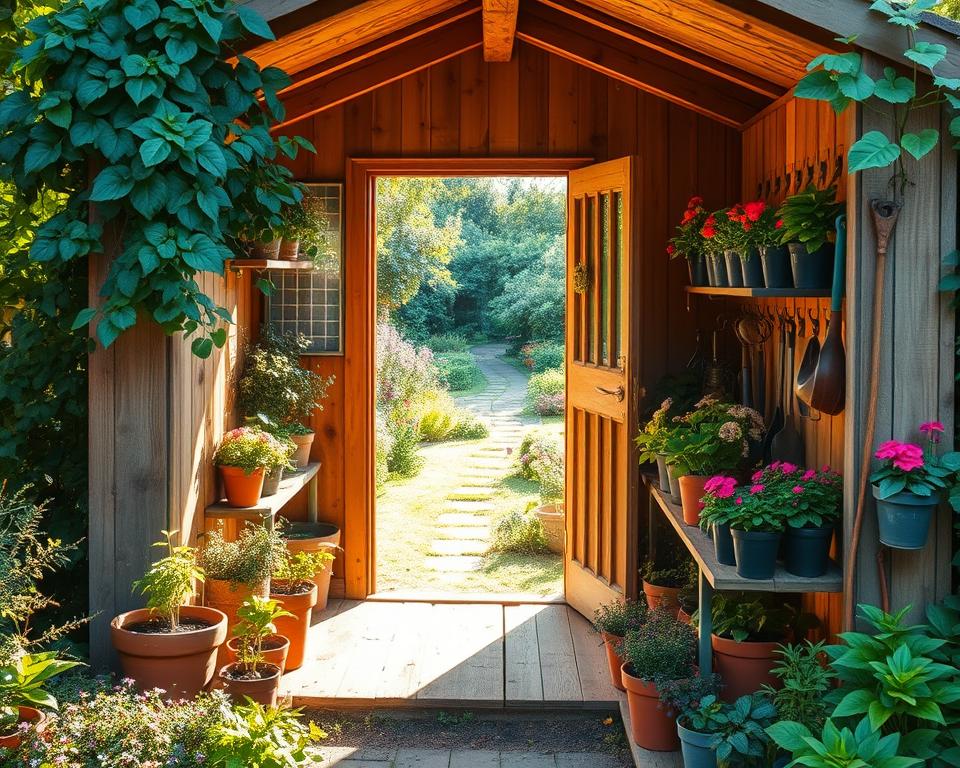
The internal layout significantly influences workflow efficiency. A well-designed workspace accommodates the entire gardening process from seed preparation to plant care. Proper ventilation and natural light access are vital for healthy plant development.
Consider these functional elements:
- Work surface height for comfortable potting without strain
- Ample shelving for organised tool and supply storage
- Strategic window placement to maximise sunlight exposure
These features ensure the space remains practical throughout seasonal changes. The arrangement should support easy movement between different work zones.
Key Buying Factors and Security Features
Budget allocation requires thoughtful planning. It’s wise to reserve funds for essential gardening supplies after the initial purchase. The structure’s size should complement available garden space without overwhelming it.
Security measures protect valuable garden equipment. Lockable doors and robust construction provide peace of mind. Double doors may be necessary for storing larger items like lawnmowers or wheelbarrows.
These considerations help gardeners make informed decisions that serve them well for years to come.
Choosing the Right Size and Layout
Strategic dimension planning transforms a basic storage building into an efficient gardening headquarters. The ideal proportions balance workspace functionality with aesthetic garden integration. Careful measurement prevents purchasing a structure that overwhelms the available outdoor area.

Assessing Storage Space and Workbench Requirements
Storage demands dictate the minimum viable dimensions for any gardening structure. Gardeners should catalogue all equipment, tools, and supplies requiring shelter. This inventory prevents underestimating spatial needs.
Standard potting benches measure approximately 34 inches high with 2-foot depth. These dimensions support comfortable standing work without back strain. Adjustable heights accommodate seated gardening when necessary.
Under-bench storage maximises utility for bulky items like compost bags. This often-overlooked area provides convenient access to frequently used materials. Proper planning ensures every cubic foot serves a purpose.
Evaluating Garden Space and Proportions
Available garden area determines the maximum practical dimensions. The structure should complement rather than dominate the landscape. Adequate clearance around the building maintains garden accessibility.
Common UK sizes range from compact 6×6 feet to spacious 10×8 feet configurations. Larger gardens can accommodate more generous proportions. Smaller spaces benefit from vertical storage solutions.
| Dimensions (feet) | Recommended Use | Storage Capacity |
|---|---|---|
| 6×6 | Basic tool storage and small potting area | Limited pots and equipment |
| 8×6 | Comfortable workspace with organised storage | Moderate tool collection |
| 10×8 | Comprehensive gardening headquarters | Extensive equipment and supplies |
Path access influences door placement and internal layout. The final selection should enhance gardening efficiency without compromising outdoor enjoyment. Proportional harmony creates a functional yet attractive garden feature.
Potting Shed Styles and Materials
The architectural style and construction materials of a garden building significantly influence its functionality and integration into the garden landscape. These choices determine durability, maintenance needs, and the overall working environment.
Exploring Different Shed Designs
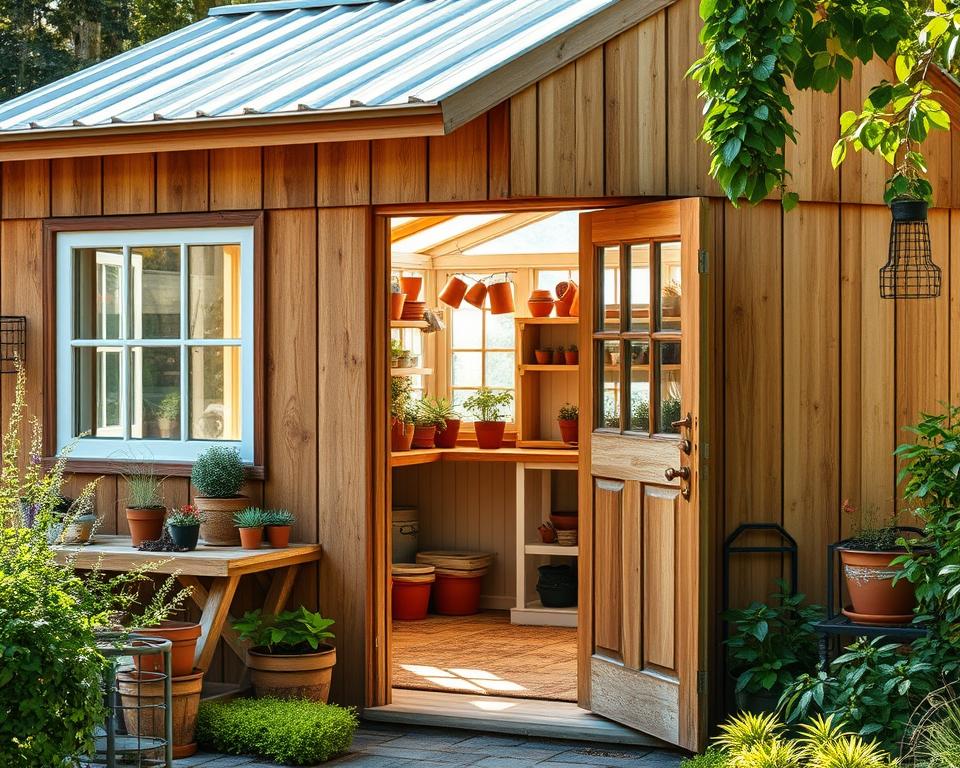
An apex style features a traditional peaked roof running between gable ends. This design offers excellent headroom along the centre and efficient rainwater runoff.
The door is usually positioned on a gable end, which is an important consideration for placement. This style provides a classic aesthetic.
In contrast, a pent roof slopes in one direction. It creates more height on one side, ideal for a workbench along a longer wall.
Its lower profile suits positioning under trees or against boundaries. For maximum accessibility, a double door configuration is available with both roof options.
Material Options: Timber, Metal and Plastic
Timber remains a popular choice for these garden structures. Superior grade shiplap cladding and sturdy corner framing ensure durability.
Loglap cladding offers traditional charm and weather resistance. These options provide natural insulation and can be customised.
Metal sheds offer a durable, low-maintenance alternative. They resist rot and pest damage effectively.
Plastic or composite sheds also provide excellent weather-resistance with minimal upkeep. However, plastic may offer less scope for customisation compared to timber.
Each material impacts the internal climate and long-term upkeep of the garden building.
Inside the Potting Shed: Layout and Organisation
The internal arrangement of a garden workspace directly impacts workflow efficiency and gardening productivity. Thoughtful organisation transforms a simple storage area into a highly functional environment for cultivation tasks.
Creating an Efficient Potting Bench Area
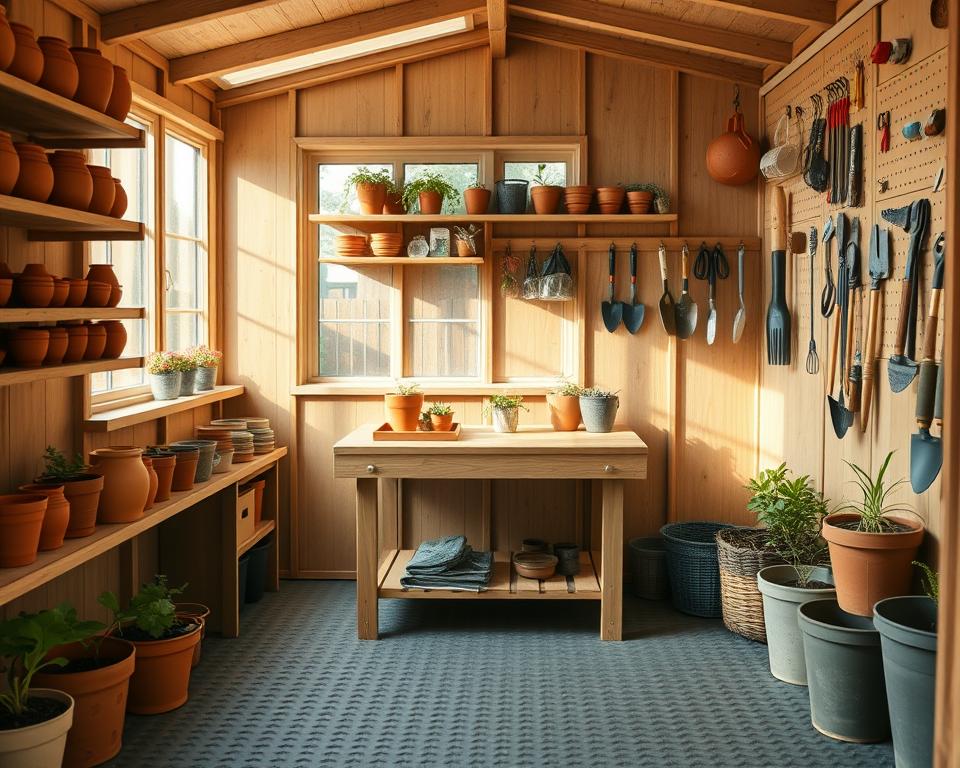
An optimal work surface stands at approximately 34 inches high, allowing comfortable standing during extended gardening sessions. This height accommodates various tasks without back strain. Positioning the bench near natural light sources enhances visibility for delicate work.
The surface area should provide ample room for potting activities while keeping essential tools within easy reach. Frequently used items like trowels and snips belong in containers on the bench top. This arrangement supports a smooth workflow throughout the day.
Tool and Equipment Storage Solutions
Effective storage systems keep the space organised and functional. Long-handled tools like shovels and rakes work well on wall-mounted racks. Smaller implements fit perfectly in clay pots or specialised holders.
Soil amendments and seeds require accessible yet organised storage. Large labelled bins beneath the work surface keep these materials within arm’s reach. Vertical shelf units maximise floor space for pots and supplies.
| Storage Area | Recommended Items | Organisation Tips |
|---|---|---|
| Wall Space | Long-handled tools, hanging baskets | Use pegboards or specialised hooks |
| Under Bench | Soil bins, large pots, bulk supplies | Label clearly for easy identification |
| Shelving Units | Pots, seedlings, gardening books | Sort by size and frequency of use |
Plant stakes and canes store efficiently in vertical holders. Clay drainage pipes work perfectly for organising these items by height. This approach keeps the gardening area tidy and functional.
Placing Your Potting Shed in the Garden
The chosen spot for a gardening workspace significantly influences both plant health and user convenience. Strategic positioning maximises the structure’s benefits throughout seasonal changes.

Optimising Sunlight, Ventilation and Security
South-facing windows capture maximum sunlight throughout the day. This orientation provides ideal conditions for seedlings and growing plants within the shed.
Positioning against a wall or fence offers protection from wind and rain. This placement also creates a discreet corner that blends seamlessly with the garden design.
Proper ventilation prevents excessive heat buildup during summer months. Operable windows on opposite sides facilitate cross-ventilation for healthy air circulation.
“The right placement transforms a simple structure into an efficient gardening sanctuary that works in harmony with its surroundings.”
Security considerations include visibility from the house and stable foundation preparation. A level spot ensures long-term stability for the potting shed.
| Placement Option | Sunlight Benefits | Security Advantages |
|---|---|---|
| South-facing corner | Maximum daylight exposure | Natural surveillance from house |
| Against boundary wall | Protected from harsh elements | Additional structural support |
| Central garden position | Balanced light distribution | High visibility deterrent |
Avoid low-lying areas prone to waterlogging or positions under large trees. These locations compromise both structure integrity and plants health within the shed.
Conclusion
The selection process for a garden workspace involves balancing multiple practical considerations. This comprehensive guide has explored the essential factors that influence long-term satisfaction with a potting shed investment.
Understanding specific requirements ensures the chosen structure supports individual gardening styles. Whether prioritising storage for tools and equipment or creating optimal conditions for seedlings, careful planning pays dividends.
The right potting shed transforms gardening from a weather-dependent hobby into a year-round passion. Features like proper windows for natural light, adequate bench space, and secure storage create an efficient environment.
With this information, gardeners can confidently evaluate sizes, materials, and layouts. The ideal potting shed becomes an invaluable asset that enhances both garden productivity and personal enjoyment for years to come.
FAQ
What is the primary purpose of a potting shed?
A potting shed serves as a dedicated garden space for gardening tasks. Its main purpose is to provide a sheltered area for sowing seeds, potting plants, and storing tools, soil, and pots. It keeps gardening equipment organised and protected from the rain.
How does a potting shed differ from a standard garden shed or a greenhouse?
Unlike a standard shed used for general storage, a potting shed is specifically designed for gardening work. It typically features a workbench, large windows for light, and shelving for plants. A greenhouse, by contrast, is primarily for growing plants in a controlled, warm environment, whereas a potting shed is a workspace.
What are the most important features to consider when buying a potting shed?
Key features include ample storage space, a sturdy workbench, good natural light from large windows, and secure door options. Durability of materials, adequate height for working comfortably, and proper ventilation are also crucial buying factors for a functional potting shed.
What is the best material for a potting shed?
Timber is a popular choice for its natural look and good insulation. Metal sheds offer strong security, while plastic options require little maintenance. The best material depends on the gardener’s budget, desired aesthetic, and how much upkeep they are willing to perform.
Where is the best spot in the garden to place a potting shed?
The ideal spot receives good sunlight for part of the day to aid in working with seedlings. It should have easy access, be on level ground, and offer some protection from strong winds. Positioning it for good security, perhaps within view of the house, is also advisable.
Can a potting shed be used for purposes other than gardening?
Yes, potting sheds are also used as versatile storage spaces for other garden equipment or as a quiet corner for hobbies. Their design makes them suitable for any activity that benefits from a well-organised, light-filled outdoor room.