Why Gardening Is Good for You

In an era focused on holistic health, many seek activities that nurture the body and mind. Cultivating a garden offers a powerful, accessible solution. This ancient practice provides a unique blend of physical effort and mental calm.
Modern health discussions increasingly recognise the substantial benefits of this pastime. It is not merely a hobby but a legitimate pathway to enhanced wellbeing. Substantial research now validates the tangible improvements it offers.
This activity combines movement, engagement, and a connection with nature. It stands as a holistic approach to contemporary health challenges. The following sections will explore its impact on fitness, mental clarity, and sustainability.
Inhaltsverzeichnis
Key Takeaways
- Gardening serves as a holistic activity that improves both physical and mental health.
- It is an evidence-based approach gaining recognition in modern wellness discussions.
- The practice combines physical movement with mental engagement and nature connection.
- These health benefits address contemporary concerns like sedentary lifestyles.
- It is positioned as a relevant practice for preventative healthcare and sustainable living.
Introduction to Gardening and Its Health Benefits
From Florence Nightingale’s advocacy to contemporary clinical studies, the connection between plant cultivation and human wellness has deep roots. This practice offers a unique combination of physical activity and mental restoration that addresses modern health challenges comprehensively.
Overview of Physical and Mental Wellbeing
The dual nature of gardening’s health benefits makes it particularly valuable. It simultaneously engages the body through movement while providing cognitive stimulation and emotional balance.
Research consistently shows how this activity supports both physical health and mental health outcomes. The Royal College of Physicians notes that promoting such activities could reduce pressure on NHS services.
| Evidence Type | Historical Context | Modern Research | Key Findings |
|---|---|---|---|
| Therapeutic Gardens | Used in hospitals for thousands of years | RHS 2021 survey of 6,000 people | 6.6% higher wellbeing scores for daily gardeners |
| Mental Health Impact | Florence Nightingale’s championing | King’s Fund report analysis | Significant reductions in depression and anxiety |
| Physical Benefits | Traditional healing practices | Royal College of Physicians review | Improved social functioning and stress reduction |
Historical and Scientific Perspectives
Substantial research accumulated over recent years provides robust evidence for gardening’s positive impact. The RHS found that daily practitioners experience 4.2% lower stress levels than non-gardeners.
These benefits are accessible to people across different backgrounds, making it a democratising force in health promotion. The evidence supports its use as a therapeutic intervention with broad applications.
Physical Health Benefits from Gardening
The physical demands of maintaining a garden provide comprehensive exercise benefits comparable to structured fitness regimes. This accessible form of physical activity delivers measurable improvements across multiple health domains.
Calorie-Burning and Aerobic Exercise
Gardening tasks like digging and raking serve as effective calorie-burning exercises. Thirty minutes of this activity burns comparable calories to badminton or yoga sessions.
The NHS recommends 150 minutes of light aerobic exercise per week. Regular garden work helps individuals achieve this target without gym memberships.
| Gardening Activity | Calories Burned (30 mins) | Equivalent Sport | Intensity Level |
|---|---|---|---|
| Digging | 250 calories | Volleyball | Moderate-High |
| Raking | 200 calories | Badminton | Moderate |
| Mowing | 220 calories | Yoga | Moderate |
| Weeding | 150 calories | Walking | Light-Moderate |

Enhancing Strength, Flexibility and Coordination
This form of activity develops essential physical capabilities through varied movements. Reaching, bending, and lifting improve strength and flexibility.
Patients recovering from health events find garden-based exercise more sustainable than conventional therapy. The pleasant environment enhances rehabilitation outcomes while building coordination.
Mental Wellbeing: Stress Reduction and Emotional Balance
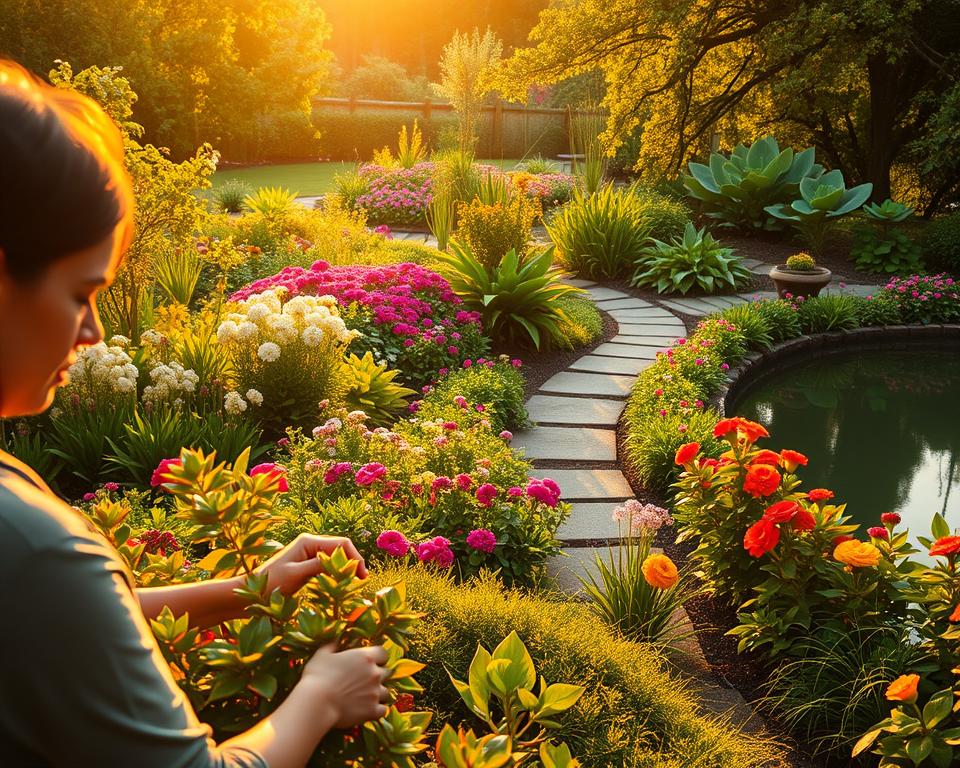
Cultivating plants offers a powerful sanctuary for the mind. It provides a unique space for quiet reflection and emotional restoration. The practice directly counters the pressures of modern life.
Scientific evidence strongly supports the positive effects on mental health. Regular engagement with this activity can lead to significant improvements in emotional stability.
Research Evidence on Reduced Anxiety and Depression
Studies from around the globe confirm the profound impact. A Japanese study demonstrated that simply viewing plants alters brain activity. It reduced stress markers like blood pressure and muscle tension.
Research by the charity MIND compared walks in gardens with walks in shopping centres. Garden walks actively improved mental health, while the others worsened it. This highlights the unique therapeutic quality of green spaces.
Large-scale research tracking urban residents over 18 years found a clear link. Proximity to green space correlated with reduced mental distress. These benefits persisted even after adjusting for socioeconomic factors.
| Study Focus | Participant Group | Key Finding |
|---|---|---|
| Green Space Proximity | 1,000 Urban Residents | Less reported mental distress |
| Therapeutic Horticulture | 317 Programme Participants | 80% reported improved mental health |
| Dutch Health Analysis | General Population | Lower incidence of depression and anxiety |
Social Interaction and Community Engagement
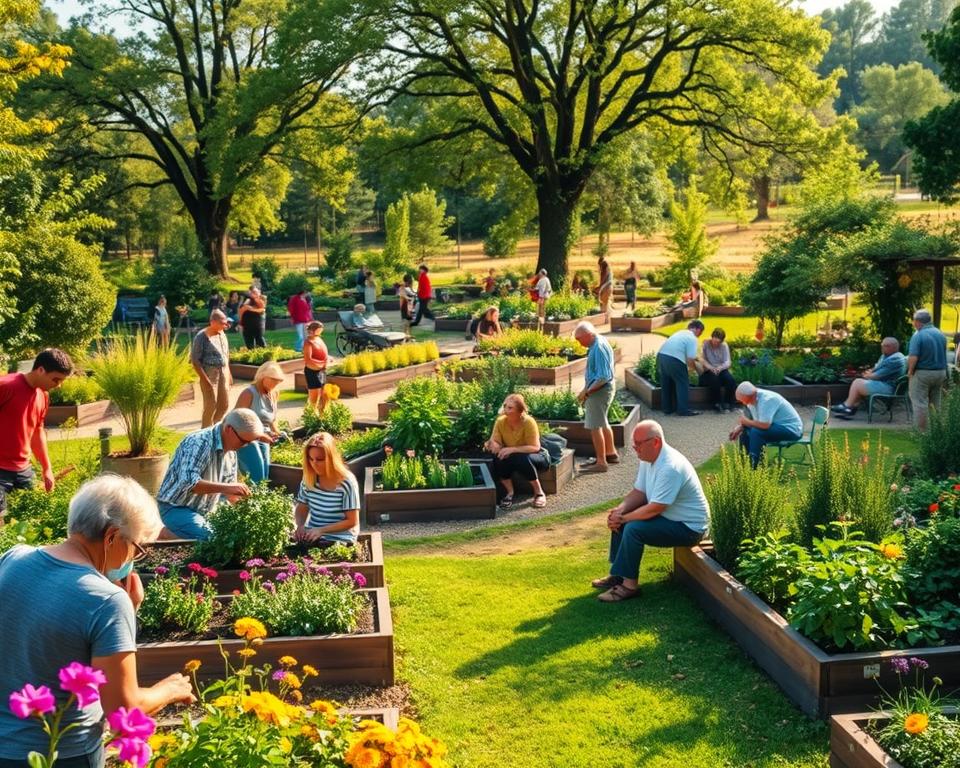
This activity naturally fosters social interaction. Community gardens and shared projects bring people together. They create supportive networks that combat isolation.
These connections are crucial protective factors against mental health problems. Working alongside others builds a sense of belonging and shared purpose. It turns a solitary pursuit into a collective endeavour.
The benefits extend beyond symptom reduction. Participants often report improved mood and enhanced self-esteem. A sense of achievement comes from nurturing growth and being part of a community.
Why Gardening Is Good for You: Comprehensive Benefits
Sir Muir Gray’s concept of a ‘Natural Health Service’ highlights gardening’s comprehensive health value. This approach recognises how horticultural activities deliver integrated advantages that few other pursuits can match.
Integrating Physical, Mental and Social Health
The practice uniquely combines physical exertion with mental stimulation and community connection. Research from Tokyo and Exeter Universities provides robust evidence for these synergistic effects.
Since January 2019, the NHS has formally included social prescribing in its Long Term Plan. This official recognition positions garden-based interventions as legitimate medical treatments.
| Activity | Dementia Protection Level | Physical Engagement | Social Component |
|---|---|---|---|
| Gardening | Highest | Comprehensive | Strong |
| Walking | Moderate | Limited | Variable |
| Education Programmes | Moderate | Minimal | Moderate |
| Alcohol Moderation | Low-Moderate | None | None |

Australian research demonstrates that this activity outperforms common health recommendations. The sensory experiences of colour, aroma and wildlife observation provide additional therapeutic value beyond measurable outcomes.
These multifaceted health benefits create effects greater than any single component. They address contemporary wellness challenges through a holistic, accessible approach.
Environmental and Ecological Advantages
Beyond individual wellness, cultivating green spaces delivers substantial environmental advantages that benefit entire communities. These ecological services create healthier living environments while addressing pressing public health concerns.
Improving Air Quality and Reducing Pollution
The Royal College of Physicians reports air pollution causes approximately 8,000 premature deaths annually in the UK. Gardens and urban green spaces serve as natural filtration systems that directly counter this threat.

Plants actively remove harmful substances from the atmosphere. A single maple tree can process nearly 70kg of pollutants each year, including particulates, toxic metals, and gases.
Roadside vegetation significantly reduces indoor pollution levels in nearby buildings. Even modest lawns contribute by trapping airborne particles and facilitating microbial breakdown in soil.
The climate regulation benefits are equally impressive. Through carbon sequestration and oxygen production, global forests offset about one quarter of human-generated carbon dioxide.
- Air purification: Trees and plants filter particulates and harmful gases
- Carbon capture: Gardens help mitigate climate change impacts
- Urban cooling: Green spaces reduce heat island effects in cities
- Biodiversity support: Gardens provide crucial habitats for wildlife
These collective environmental benefits demonstrate how personal gardening choices contribute to broader ecological health. Every garden becomes part of a larger solution for sustainable communities.
Therapeutic Gardens and Their Community Impact
Therapeutic gardens represent a powerful extension of horticultural benefits into institutional settings. These specially designed spaces serve vulnerable populations across healthcare and correctional facilities.
Hospital gardens have provided healing environments for thousands of years. Contemporary examples at London hospitals like St Thomas’ and St George’s benefit patients, staff and visitors alike.
Applications in Hospitals, Prisons and Care Homes
Horatio’s gardens demonstrate innovative design for spinal injury units. They create fully accessible spaces for wheelchair users with facilities for therapy and skill development.
Prison gardening programmes offer meaningful activity and employment training. Wandsworth Prison’s collaboration with The Conservation Foundation shows how green spaces support rehabilitation.
The Green Care Farms movement has expanded across northern Europe. Hundreds of facilities provide therapeutic agricultural work for those with mental health challenges or learning disabilities.
England’s National Care Farms network served 3,000 people weekly across 180 facilities. Research indicates such programmes can delay dementia symptoms through cognitive stimulation.
These initiatives create vital opportunities for social interaction. They combat isolation while building supportive networks within each community.
Practical Tips for Starting Your Gardening Journey
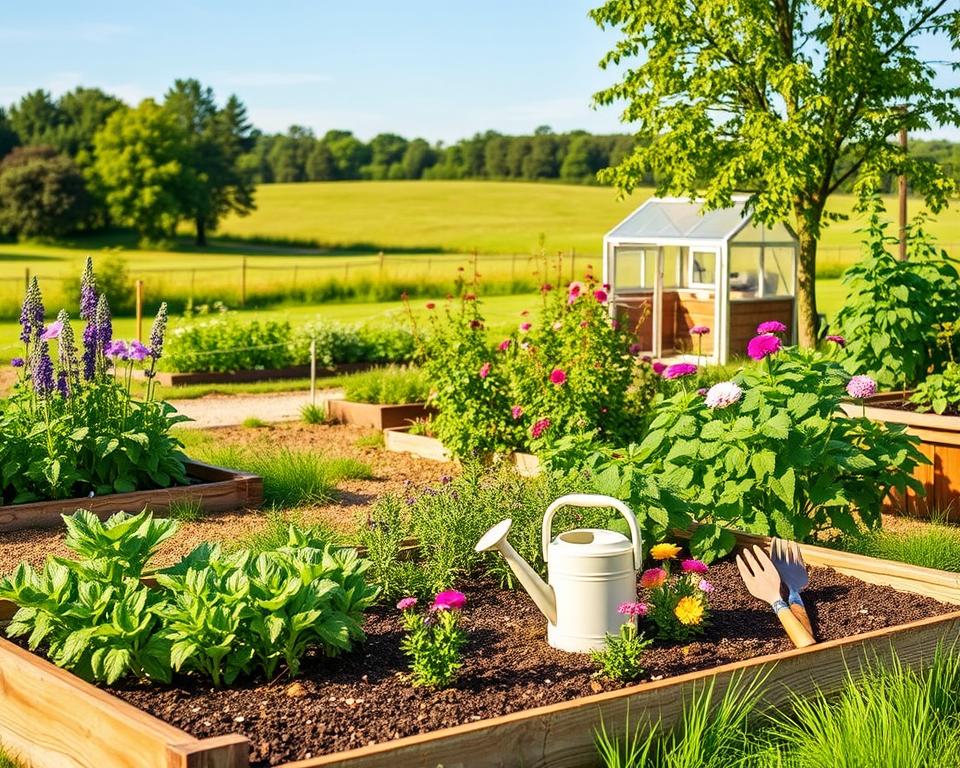
The path to cultivating a personal green space begins with simple, achievable steps for any beginner. One need not possess extensive experience or a large plot to enjoy the rewards. Even modest efforts yield substantial benefits for physical and mental wellbeing.
Beginner Advice and Essential Gardening Skills
Novices should start with straightforward activities that build confidence. Sowing seeds in containers or tending easy-growing vegetables like lettuce provides immediate satisfaction. These initial successes develop fundamental skills while connecting people with nature’s rhythms.
Growing food represents a particularly rewarding entry point. Homegrown fruit and vegetables offer fresh produce while reducing packaging waste. Even balcony gardens can yield surprising harvests with proper planning.
| Beginner Activity | Space Required | Key Skills Developed | Time to First Results |
|---|---|---|---|
| Container Herbs | Windowsill | Watering, observation | 2-3 weeks |
| Salad Leaves | Small pot | Sowing, harvesting | 4-6 weeks |
| Tomato Plant | Balcony/patio | Staking, feeding | 8-10 weeks |
| Sunflowers | Any sunny spot | Measuring, recording | 10-12 weeks |
School gardening programmes show how early exposure benefits children throughout their life. The RHS reports most teachers observe significant improvements in pupil wellbeing. This demonstrates the activity’s value across all ages.
Finding your preferred way into this pursuit ensures it remains enjoyable. Whether focusing on flowers, vegetables, or wildlife, personal interest sustains engagement. The journey itself becomes part of the reward.
Conclusion
Across diverse populations and settings, the therapeutic value of cultivating plants has been scientifically validated. Evidence from the King’s Fund and Royal College of Physicians confirms this activity delivers measurable health benefits for all ages.
The practice combines physical activity with mental restoration, reducing depression and anxiety while building self esteem. Regular green exercise in outdoor space provides sunlight exposure and meets NHS recommendations.
Creating green spaces benefits both personal wellbeing and the broader environment. Even small gardens with simple flowers can transform life quality over months and years.
This accessible approach requires no special equipment, making it available to all people. Investing time in a garden yields lasting returns for comprehensive wellness.
FAQ
What are the main physical health benefits of spending time in a garden?
Gardening is a valuable form of physical activity that can burn calories, improve aerobic fitness, and enhance strength and flexibility. Regular tasks like digging and weeding contribute to a healthier lifestyle.
How does this activity support mental wellbeing and reduce stress?
Engaging with nature in a green space has been shown to lower cortisol levels, reducing feelings of anxiety and depression. The focus required provides a mindful break, promoting emotional balance.
Can gardening help with conditions like dementia?
Yes, therapeutic gardens are increasingly used in care settings. The structured, sensory activity can stimulate memory, improve mood, and offer a calming environment for individuals living with dementia.
What are the social advantages of participating in community gardens?
Community gardens foster social interaction, combat loneliness, and build a sense of belonging. They provide a shared space for people to connect, learn new skills, and work towards a common goal.
How does growing your own fruit and vegetables impact health?
Cultivating your own produce encourages a healthier diet rich in fresh fruit and vegetables. It also provides a great sense of accomplishment, which can boost self-esteem.
Is gardening suitable for people with limited mobility or small spaces?
Absolutely. Raised beds, container gardening, and vertical systems make it accessible. Even a small balcony or windowsill can become a productive green space for growing flowers or herbs.