Can You Put a Shed on Gravel? Installation Tips
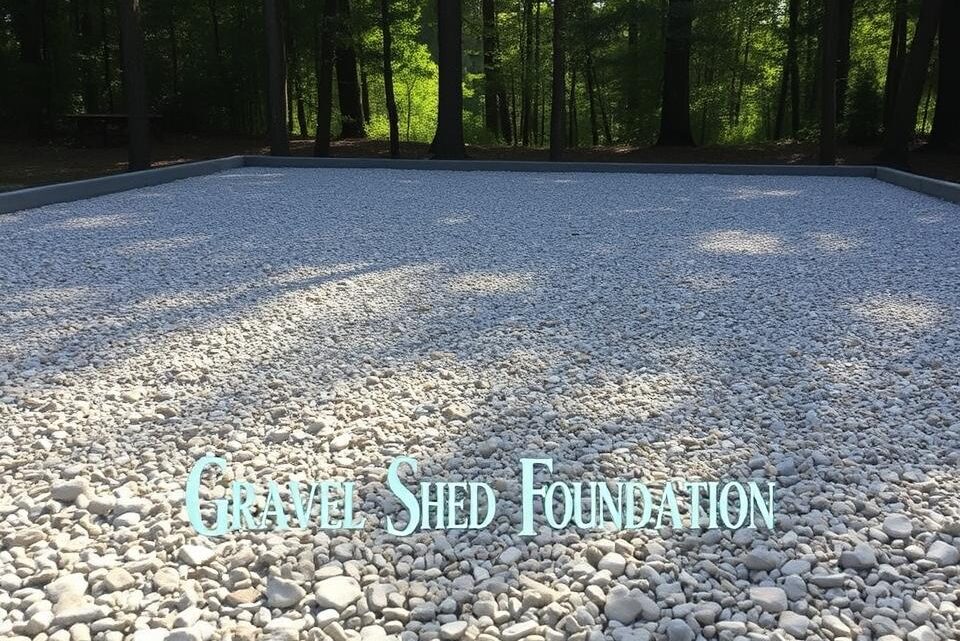
Many homeowners and DIY enthusiasts across the United Kingdom contemplate the best base for their garden storage. A gravel shed foundation presents a compelling solution. This guide provides a definitive, professional exploration of this popular installation method.
Gravel bases are renowned for their straightforward installation and cost-effectiveness. They offer a durable and practical alternative to more permanent foundations like concrete. The material’s natural drainage properties are a significant advantage in the British climate.
This comprehensive resource draws on industry best practices to explain the entire process. It covers everything from initial site preparation to long-term maintenance. The information empowers readers to make informed decisions, whether planning a DIY project or consulting with professionals.
A properly constructed gravel shed foundation ensures the structure’s longevity. It distributes weight evenly, which is crucial for sheds storing heavy items. Understanding the correct techniques is key to a successful, long-lasting installation.
Inhaltsverzeichnis
Key Takeaways
- Gravel offers a viable and recommended foundation for garden sheds.
- This base type is celebrated for its excellent drainage capabilities.
- Installation is generally straightforward and cost-effective.
- A gravel foundation promotes even weight distribution for stability.
- Correct preparation and techniques are essential for durability.
- The method suits both DIY projects and professional installations.
Introduction to Gravel Shed Foundations
Gravel has become a leading contender for shed foundations due to its unique set of properties. This material offers a practical and efficient solution for creating a stable base for outdoor structures.
Benefits of Choosing a Gravel Base
The primary advantage of a gravel shed foundation is its superior drainage capability. Water permeates through the stone layer instead of pooling, which protects the shed’s wooden runners and joists from rot.
This foundation type also provides excellent support. It distributes weight evenly across the entire frame, unlike block foundations that create pressure points. This even distribution is crucial for structural integrity.
Durability and Effective Drainage
When constructed correctly, a gravel base proves to be highly durable. It resists settlement and wear, offering longevity that can span many years.
The effective drainage is particularly beneficial in the UK’s climate. It prevents damp conditions that lead to mould and structural weakening, ensuring the shed remains dry and stable.
This combination of durability and natural drainage makes a gravel foundation a reliable and cost-effective choice for long-term performance.
Understanding Gravel Shed Pads vs Concrete Pads
Two primary foundation options dominate the market for garden storage solutions: gravel pads and concrete slabs. Each offers distinct advantages that suit different requirements and budgets.
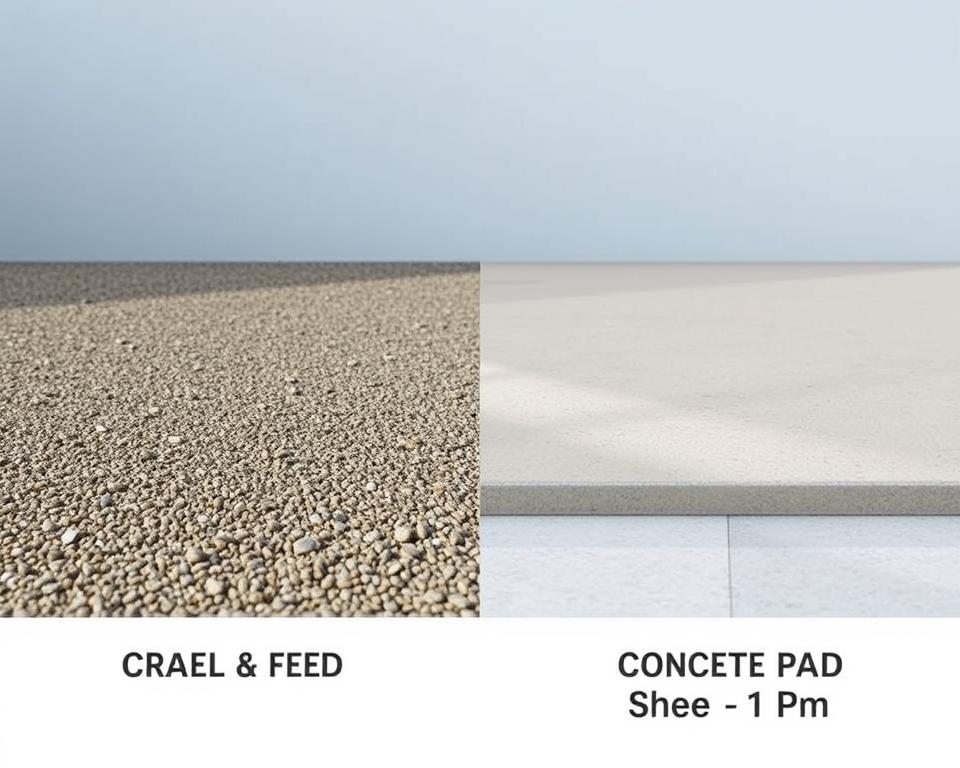
The installation process represents a significant difference between these foundation types. A gravel shed pad utilises readily available materials that homeowners can source locally. This approach requires no specialised equipment or professional mixing services.
Concrete foundations demand more complex installation procedures. They typically involve formwork construction, precise mixing ratios, and proper curing time. Many property owners find professional contractor assistance necessary for concrete installations.
Drainage characteristics separate these options dramatically. Gravel pads allow water to permeate naturally through the stone layer. Concrete slabs create an impermeable barrier that can lead to puddling around the structure’s base.
Cost considerations often favour gravel installations. Both material expenses and labour requirements are substantially lower than concrete alternatives. This makes gravel an attractive choice for budget-conscious homeowners.
Installation timeframes differ considerably between these foundation types. Competent DIY enthusiasts can typically complete a gravel pad in a single day. Concrete requires multiple days for preparation, pouring, and proper curing before shed installation.
The flexibility of gravel foundations allows for easier future modifications. If the structure needs relevelling or drainage patterns change, adjustments are straightforward. Concrete offers permanence but lacks this adaptability.
Choosing the Right Site for Your Gravel Shed Foundation
Selecting the optimal location for a gravel shed foundation requires careful evaluation of multiple factors that influence long-term performance. The chosen site determines the foundation’s stability, drainage efficiency, and compliance with regulations.
Topography, Drainage and Level Ground Considerations
Elevation plays a crucial role in site selection. The ideal location sits at the property’s highest point, allowing water to drain away from the structure naturally. This prevents moisture accumulation that could compromise the foundation.
Level ground or gently sloping terrain significantly simplifies installation. Steep slopes demand extensive excavation and additional materials to create a stable base. Undisturbed ground provides the most reliable support for the foundation.
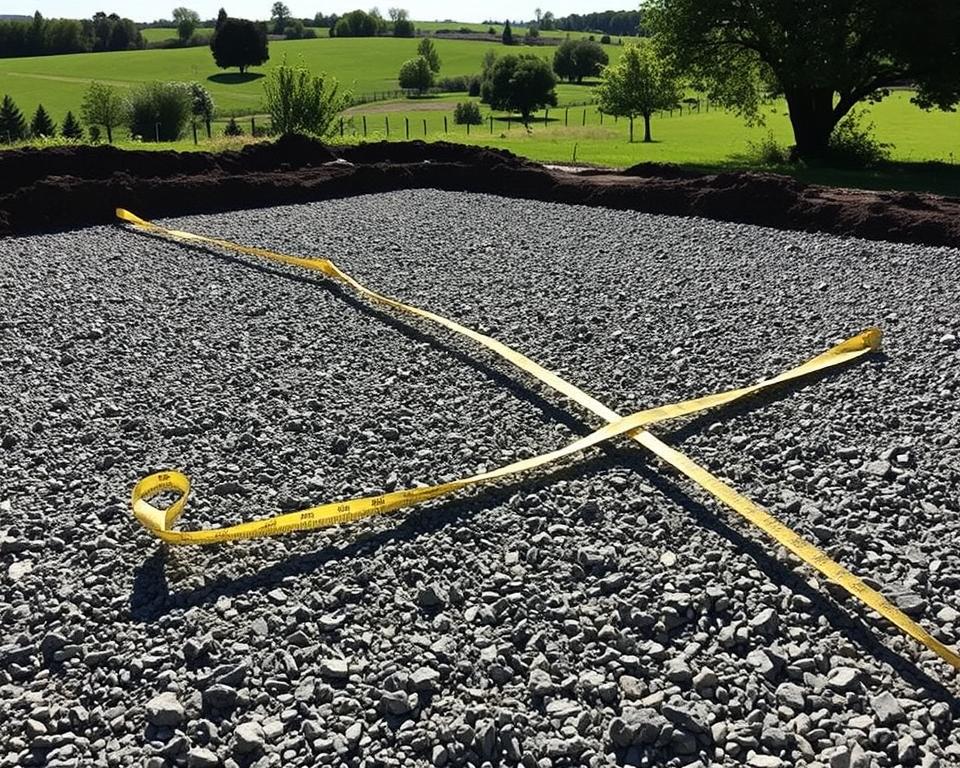
Areas with recent soil disturbance or backfilling should be avoided. These locations lack the compaction needed for long-term stability. Clearing obstructions like tree stumps and large rocks before beginning ensures a smooth installation process.
Utility Lines, Local Ordinances and Accessibility
Before any digging begins, contacting utility companies to mark underground lines is essential. In the UK, the free 811 service identifies gas, water, and electrical infrastructure. This precaution prevents costly damage and ensures safety.
Local planning regulations often dictate specific requirements for shed foundations. These may include setback distances from property boundaries and maximum footprint sizes. Consulting local authorities ensures compliance with all applicable codes.
Accessibility considerations extend beyond construction needs. The site should allow convenient access to the shed door and adequate space for maintenance activities. Proximity to intended usage areas improves functionality.
Proper site selection establishes the foundation for a successful installation that will provide years of reliable service.
Planning the Dimensions of Your Gravel Shed
Accurate dimension planning forms the cornerstone of a successful gravel shed foundation installation. The size of the foundation pad directly influences both structural support and water management capabilities.
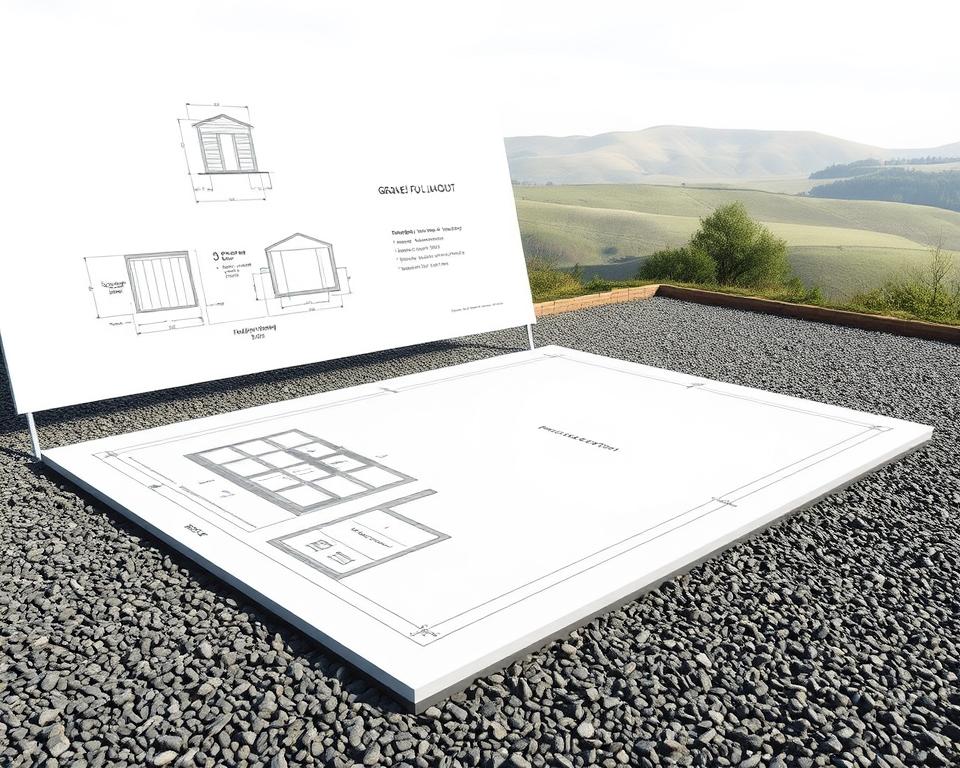
Industry standards recommend extending the foundation approximately 300mm (12 inches) beyond each edge. This creates a total foundation measuring roughly 600mm longer and wider than the shed itself.
“The perimeter extension serves as the first line of defence against moisture damage and structural issues.”
This extra space performs multiple critical functions. It directs rainwater away from the shed base while preventing gravel migration. The overhang also accommodates slight installation misalignments.
| Foundation Type | Standard Perimeter | Extended Perimeter | Recommended Use |
|---|---|---|---|
| Small Sheds | 12 inches | 12-18 inches | Basic garden storage |
| Medium Sheds | 12-18 inches | 18-24 inches | General purpose use |
| Large Sheds | 18-24 inches | 24+ inches | Heavy equipment storage |
Verifying corner squareness prevents installation complications later. Diagonal measurements in both directions ensure perfect 90-degree angles. Marking corners with temporary stakes allows visual verification before excavation.
The additional perimeter space offers practical benefits during installation and maintenance. It provides working room around the structure without damaging landscaping. For larger sheds housing heavy equipment, extended foundations distribute weight more effectively.
Planning should account for doors, ramps, or special access features. These elements may require extended foundation support beyond the standard perimeter. This ensures all structural components rest on stable gravel rather than bare ground.
Essential Tools for Installing a Gravel Shed Foundation
The right equipment makes the difference between a professional installation and amateur results. Proper tool selection ensures the foundation remains stable and level for years. This project requires both basic hand tools and optional power equipment.
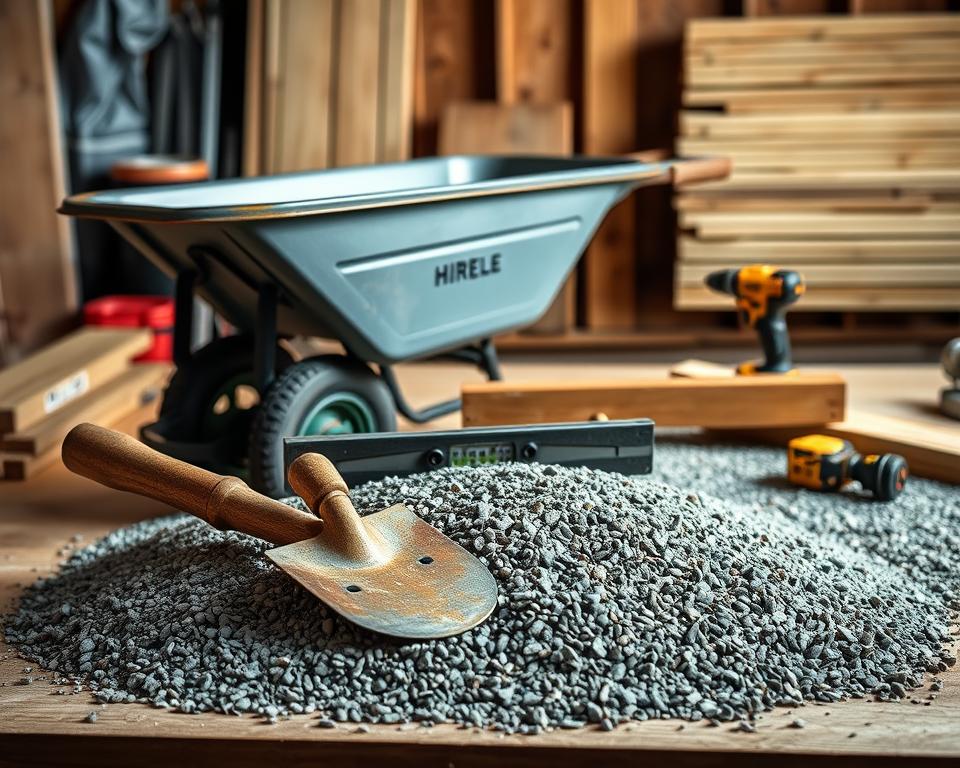
Hand Tools and Power Tools for Efficiency
Basic measurement tools form the core of any installation. A quality tape measure and marking paint ensure precise dimensions. These simple tools prevent costly errors during the project.
Levelling equipment proves critical for stability. A carpenter’s level of at least 48 inches provides accurate readings. For larger areas, a laser level offers superior precision.
Excavation tools include shovels, rakes, and wheelbarrows. A concrete rake works best for spreading materials evenly. These tools handle site preparation efficiently.
Compaction equipment ensures long-term durability. Hand tampers suit smaller installations. Power compactors deliver professional results in less time.
| Tool Type | Essential Items | Optional Power Alternatives | Key Benefits |
|---|---|---|---|
| Measurement | Tape measure, marking paint | Laser measuring device | Precise dimension control |
| Levelling | Carpenter’s level (48″) | Laser level | Accurate slope assessment |
| Excavation | Shovel, rake, wheelbarrow | Mini skid steer | Faster material handling |
| Compaction | Hand tamper | Plate compactor | Superior foundation density |
Safety equipment remains non-negotiable. Hearing protection, eye protection, and work gloves prevent injuries. These items protect during power tool operation.
Optional power tools reduce physical strain significantly. They transform multi-day projects into single-day installations. The rental time often proves cost-effective for larger shed foundation work.
A well-organised toolkit streamlines the entire process. It ensures the gravel shed foundation meets professional standards. Proper equipment selection saves both time and effort.
Materials Required for a Gravel Shed Pad
The longevity of any outdoor structure begins with choosing the correct foundation materials. Selecting appropriate components ensures the gravel shed pad provides lasting stability and proper drainage.
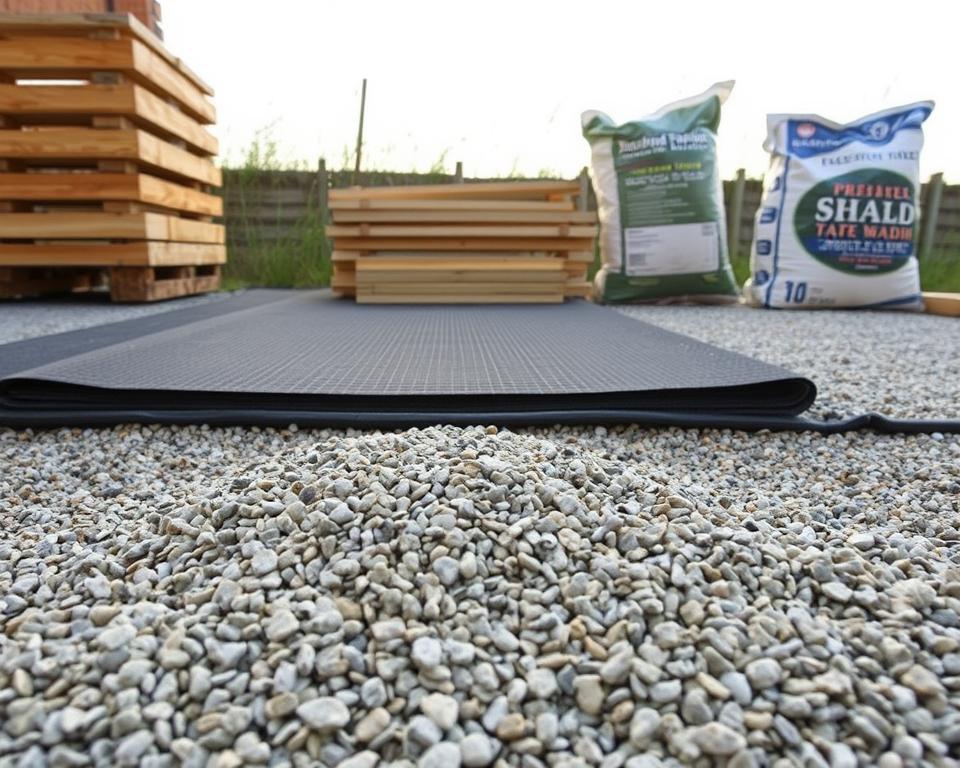
Pressure-treated lumber rated for ground contact forms the essential perimeter framework. Larger dimensions like 4×6 or 6×6 offer superior strength compared to smaller sections. This ground contact rating protects against moisture, insects, and fungal activity.
Half-inch rebar cut to 24-inch lengths serves as perimeter stakes, spaced every 6 feet. Four-inch exterior screws with hot-dip galvanising provide secure fastening. These corrosion-resistant fasteners feature bugle head design for proper countersinking.
Woven stabilisation fabric with Class 3 rating prevents weed growth and separates the gravel from soil. This fabric maintains the structural integrity of the shed pad over time by preventing stone migration.
The critical component is ¾-inch clean crushed stone, also known as clean stone or #57. This specific stone gradation balances compaction, drainage, and load-bearing capacity perfectly.
Material quantity calculations should account for 100-150mm depth of compacted stone. Proper material selection directly determines the performance and durability of the gravel shed pad.
Can You Put a Shed on Gravel?
When considering outdoor storage solutions, many property owners question the viability of gravel as a foundation material. The definitive answer is an unqualified yes. Gravel foundations represent one of the most recommended and widely used base types for structures of various sizes throughout the UK.
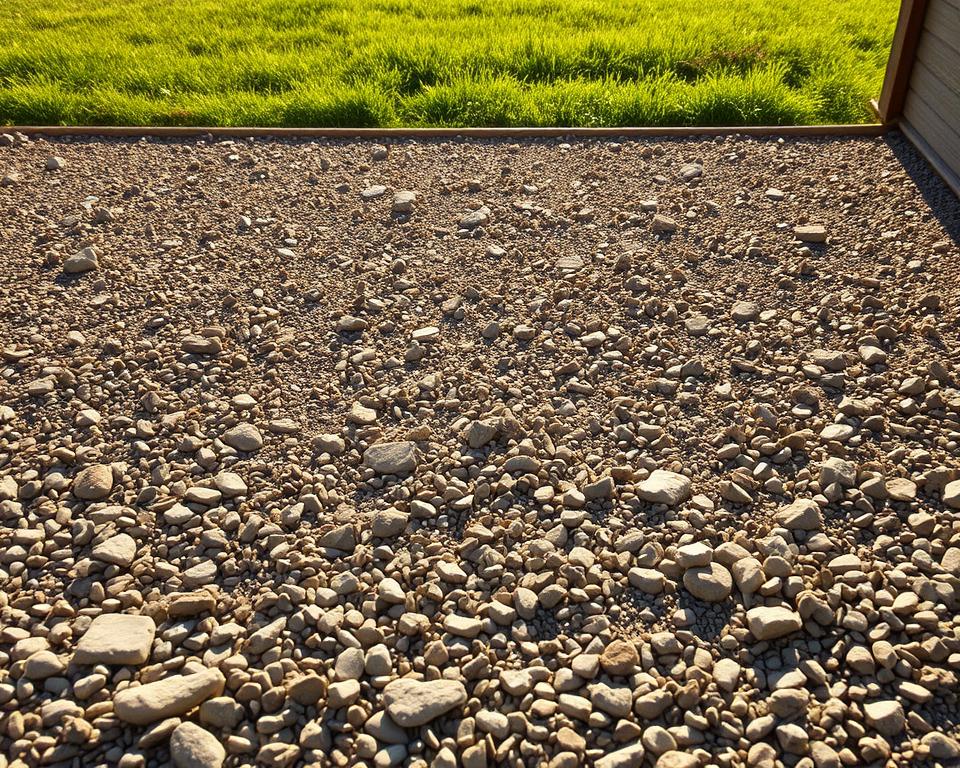
Professional installers and manufacturers consistently endorse gravel foundations for providing optimal support, drainage, and longevity. The key to success lies in constructing a properly engineered foundation with defined perimeter containment and thorough compaction.
These foundations accommodate everything from small garden tool stores to large workshop buildings. The dimensions and stone depth should scale appropriately to match the structure’s size and intended load capacity.
| Foundation Type | Recommended Use | Optional Enhancements |
|---|---|---|
| Standard Gravel | Light to medium storage | None required |
| Enhanced Gravel | Heavy equipment | Concrete blocks |
| Premium Gravel | Specialised applications | Poured concrete piers |
Optional enhancements like embedded concrete blocks or poured concrete piers can supplement gravel foundations. This is particularly useful for exceptionally heavy structures or when local building codes mandate additional support elements.
The even load distribution characteristic of gravel foundations prevents stress concentration. This makes them suitable for structures storing heavy equipment. Compared to alternative approaches, gravel offers an optimal balance of performance and practicality.
Marking and Measuring Your Installation Site
Precise marking and measuring is the most critical step for a successful installation. Errors made at this site become magnified later, potentially causing significant issues. Investing time in this preparatory phase prevents future complications.

Begin by selecting two corners along a straight reference line, like a fence or driveway. This establishes a reliable baseline. Measure the remaining sides from these initial points, using the planned dimensions.
The next step is to verify the squareness of the layout. Take diagonal measurements from corner to corner. These measurements must be equal for a perfectly square foundation. Adjust the corners as needed until this is achieved.
Once the layout is confirmed, mark the perimeter clearly. Use marking paint for a durable outline or a stake-and-string system. If using strings, position them a couple of feet outside the actual site to avoid disturbance during digging.
This meticulous approach ensures the foundation is perfectly sized and square. It provides a solid template for the excavation work that follows. Taking photographs of the marked site can serve as a useful reference.
This careful preparation makes sure the entire project starts on the right foot. It makes sure the shed will fit perfectly on its base. Proper gravel and stone placement depends entirely on this initial accuracy.
Although it requires patience, this step is a worthwhile investment. It makes sure the structural integrity of the shed is maintained. A well-prepared site is the first step towards a durable and stable foundation.
Site Preparation: Excavation and Leveling
The physical preparation of the installation area represents a pivotal stage in constructing a durable gravel base. This phase demands careful attention to detail as it establishes the fundamental stability of the entire structure.
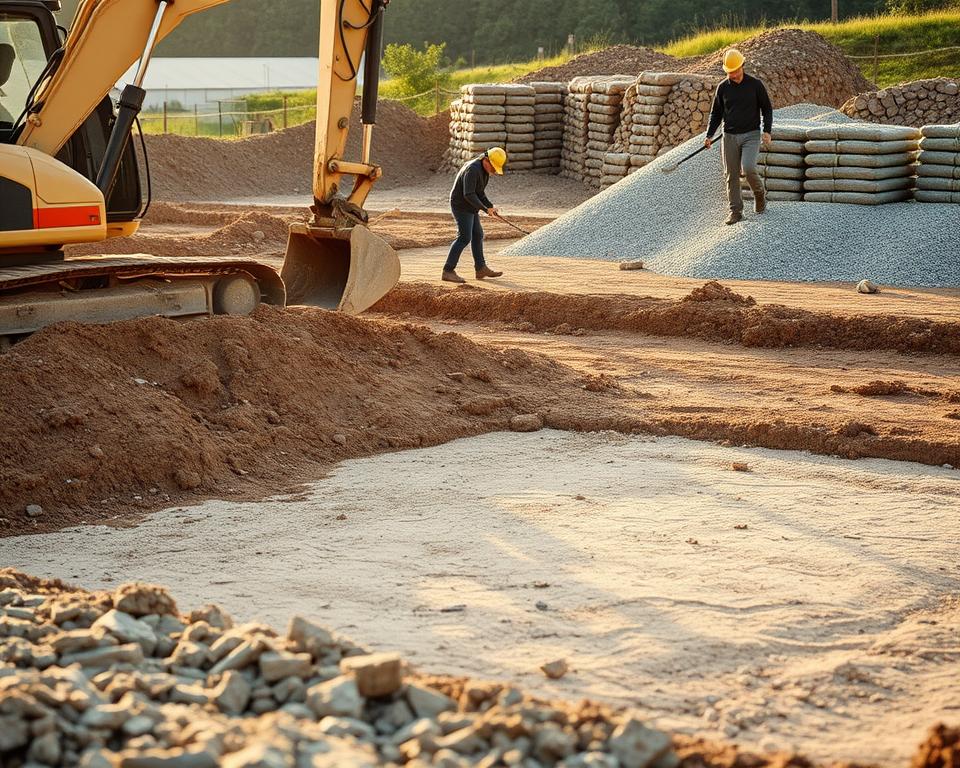
Proper excavation begins with accurate slope measurement across the foundation area. This determines the required digging depth at various points to achieve a perfectly level base.
Using Laser and String Levels for Accuracy
Laser levels offer efficient measurement for larger foundations. They project a level reference plane across the entire work area, allowing one person to measure elevation differences accurately.
String levels provide a cost-effective alternative for smaller projects. Mason’s line stretched between corner stakes creates a reliable reference when combined with a string level attachment.
The excavation depth typically ranges from 100-150mm for standard installations. Sloped sites may require deeper digging at the high end while building up the low perimeter.
Compaction of the excavated ground prevents future settling issues. Using a tamper or mechanical compactor ensures the soil provides stable support for the foundation materials.
Building the Perimeter with Pressure-Treated Lumber
Constructing the perimeter frame represents a critical phase in creating a stable gravel base. This structure contains the stone and defines the foundation’s boundaries. Builders should use ground-contact-rated pressure-treated lumber in dimensions like 4×4, 4×6, or 6×6 for maximum durability.
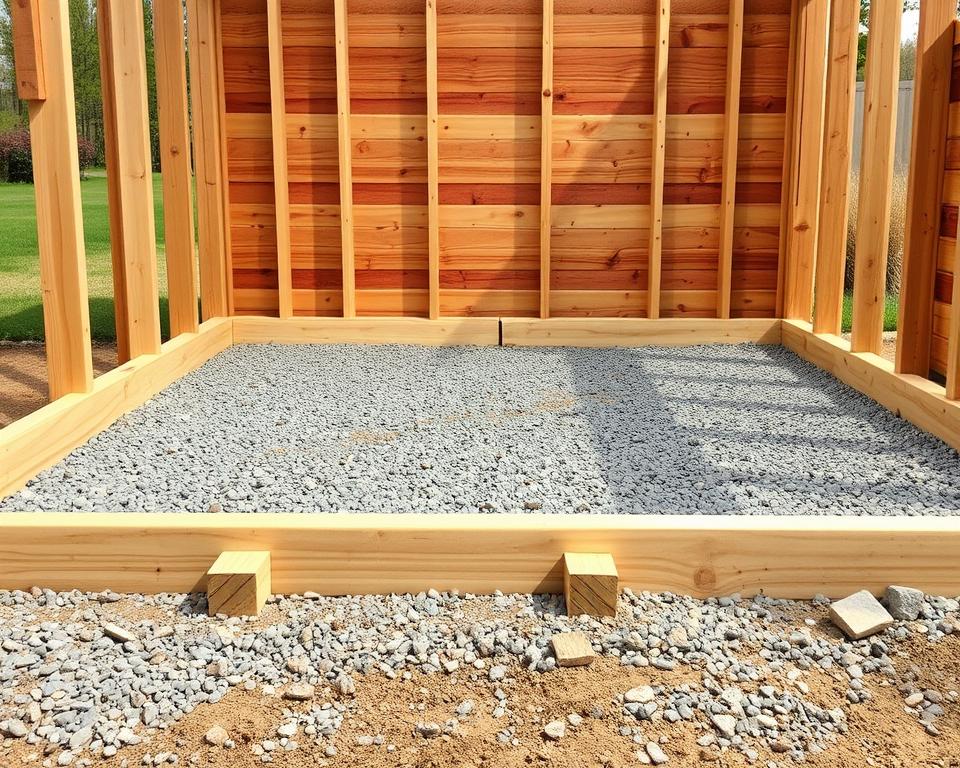
As installation progresses, it is vital to make sure each piece of lumber is positioned exactly level. Attempting to correct an unlevel perimeter later is extremely difficult. Secure the corners together tightly using four-inch exterior screws.
Before adding the second layer, double-check the perimeter is square. Verify this by ensuring diagonal measurements are equal. Building on an out-of-square base causes significant problems later.
Subsequent layers should overlap the seams of the lower layer. Connect them with long screws approximately every two feet. At the corners, alternate the seam placement for added strength.
Typically, two to three layers suffice for level ground. Sloped sites may require more. Add rebar stakes every two or three layers, spaced about six feet apart. Drive these stakes at least 24 inches into the ground for a secure anchor.
Once construction and levelling are complete, fill gaps around the perimeter with excavated soil. This provides additional lateral support and creates a smooth transition to the surrounding ground. A well-built frame ensures the shed foundation remains stable for years.
Laying and Compacting the Crushed Stone
The final phase of constructing a durable gravel base involves the careful placement and compaction of the stone layer. This process transforms the prepared site into a solid, stable foundation.
Success hinges on using the correct material. The angular edges of ¾-inch clean crushed stone interlock when compacted.
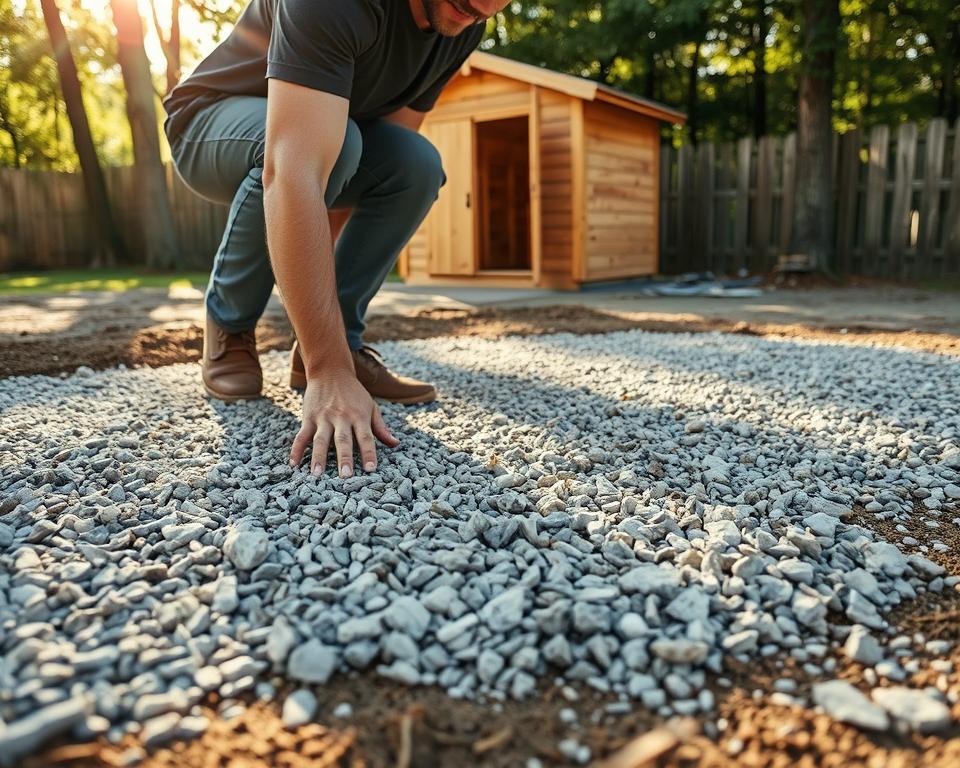
This creates a matrix that resists movement while allowing water to drain. It is a critical step for long-term stability.
Importance of Using ¾” Clean Crushed Stone
Material specification is perhaps the most important decision in the entire project. Using unsuitable stone can compromise the foundation’s performance.
“The angularity of clean crushed stone is non-negotiable for achieving mechanical interlock and proper drainage.”
Smooth river stone cannot interlock effectively. It leads to shifting and settling under the structure’s weight.
Similarly, crusher run stone mixed with fines packs too hard. This creates an impermeable surface that causes water runoff and puddling.
| Stone Type | Drainage Capability | Load-Bearing Stability | Recommended Use |
|---|---|---|---|
| ¾” Clean Crushed Stone (#57) | Excellent | High (after compaction) | Shed Foundations |
| River Stone (Smooth) | Good | Poor (shifts easily) | Landscaping |
| Crusher Run (with fines) | Poor | Very High | Driveways |
The laying process begins by pouring the clean stone into the framed area. A minimum depth of four to six inches is recommended.
Spread the material evenly using a rake. Check frequently with a straight edge to ensure a level surface before compaction.
Compaction should proceed systematically. Start from the outside perimeter and spiral towards the centre in overlapping passes.
A vibratory plate compactor delivers the best results. A hand tamper is a suitable alternative for smaller projects. Adequate compaction prevents future settling.
This final step ensures the foundation provides firm support for many years. It locks the stone pieces together, creating a coherent, stable mass.
Enhancing Drainage and Long-Term Stability
The true value of a well-constructed base reveals itself through decades of reliable drainage and structural integrity. Proper water management prevents moisture-related damage that compromises wooden components over time.
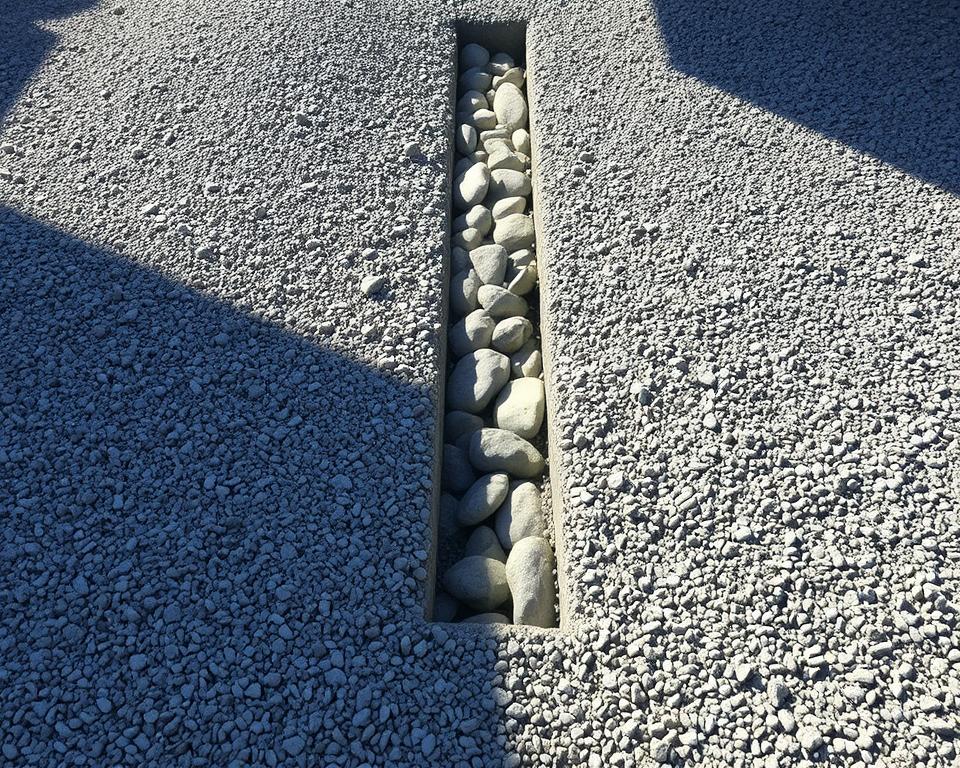
Natural filtration occurs as water passes through the stone matrix. Soil microorganisms break down pollutants before they reach groundwater. This process maintains environmental quality while protecting the structure.
The separation layer prevents capillary action from drawing moisture upward. This protection stops rot from developing in wooden bases. Constant air circulation beneath the floor keeps components dry.
| Drainage Feature | Traditional Foundation | Enhanced Gravel Base | Benefit |
|---|---|---|---|
| Water Permeability | Limited | High | Prevents pooling |
| Moisture Transfer | Direct contact | Barrier layer | Reduces rot |
| Air Circulation | Restricted | Continuous | Dries components |
| Ground Settlement | Uneven | Even distribution | Maintains level |
“Proper drainage design ensures the foundation remains stable through seasonal changes and weather extremes.”
Plastic grid systems offer additional stability benefits. They create a continuous surface that bridges minor ground movements. These panels maintain structural integrity even with localised wash-out.
Regular inspections identify minor settlement issues early. Adding fresh material maintains optimal performance. This maintenance routine extends the foundation’s lifespan significantly.
Comparing DIY Installation vs Professional Services
Choosing between self-installation and hiring specialists presents a significant decision for property owners planning a gravel base. This choice involves evaluating skill levels, available resources, and budget constraints.
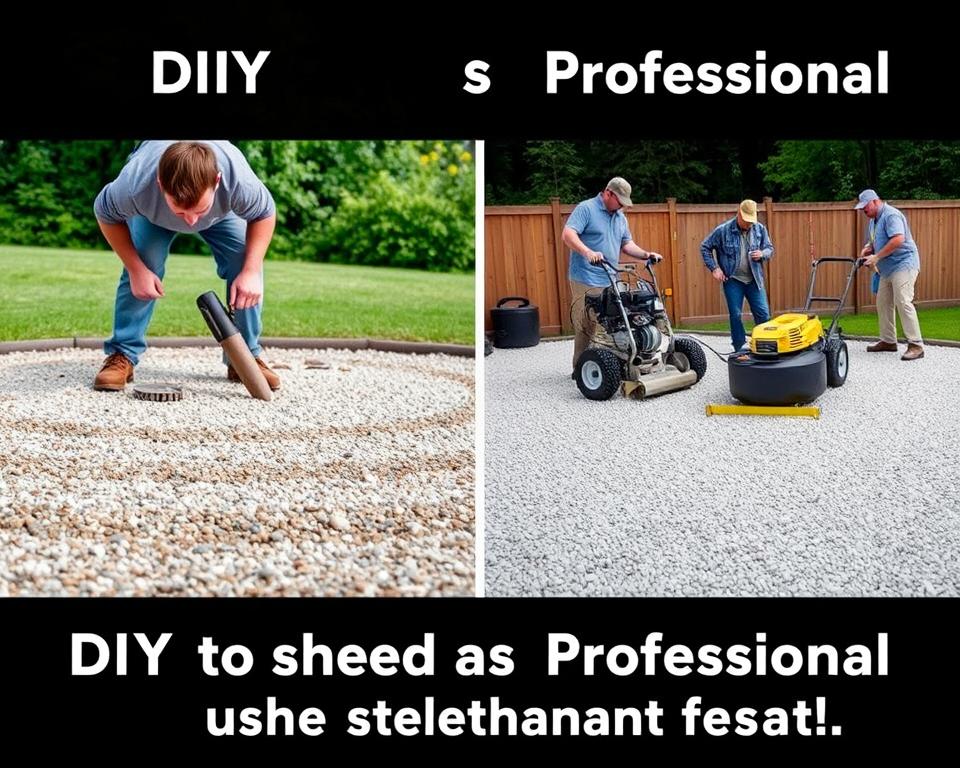
The DIY approach appeals to homeowners with intermediate construction skills. These individuals typically possess basic tools and enjoy hands-on projects. They substitute personal labour for professional fees, reducing cash expenditure.
However, the physical demands should not be underestimated. Excavation, lumber handling, and gravel compaction require sustained effort over one to three days. Rental costs for specialised equipment like mini skid steers (£150-200/day) and plate compactors (£60-80/day) add to the project expense.
Professional installation offers compelling advantages. Experienced contractors complete the work efficiently, often in a single day. Their expertise ensures correct installation and superior results. Many companies provide warranty coverage against installation defects.
These specialists bring accumulated knowledge from numerous previous projects. They navigate challenges with different soil types and site conditions effectively. The convenience extends to material sourcing and delivery coordination.
Some property owners find a hybrid approach optimal. They might hire a contractor for challenging aspects like excavation while handling simpler tasks themselves. This balances cost savings with professional oversight for critical foundation elements.
Tips for Maintaining Your Gravel Shed Foundation
A proactive maintenance routine safeguards the investment in a gravel shed foundation. Regular attention ensures the structure remains stable and functional for years. This maintenance requires minimal effort compared to other foundation types.

Annual inspections form the core of proper upkeep. Examine the perimeter lumber for damage, movement, or decay. Check that rebar stakes remain secure and corner joints stay tight.
The gravel surface needs periodic assessment for settlement. Add fresh stone to any depressions and recompact these areas. This maintains level support across the entire shed footprint.
Vegetation control prevents root infiltration into the gravel matrix. Clear growth from around the perimeter to preserve timber integrity. This also maintains the structure’s clean appearance.
- Monitor drainage patterns after heavy rainfall
- Verify adequate clearance between shed base and gravel
- Replenish perimeter backfill as soil settles
- Conduct post-winter inspections in colder regions
- Keep records of all maintenance activities
These simple steps address minor issues before they become major problems. Consistent maintenance extends the service life of the entire foundation system.
Conclusion
This guide has thoroughly explored the viability of using a gravel shed foundation, establishing it as a superior choice for many outdoor structures. The step-by-step instructions provide a clear path from planning to completion.
Success hinges on meticulous attention to detail. This includes proper site selection, the use of specified materials like ¾-inch crushed stone, and thorough compaction. These factors ensure the foundation offers lasting stability and excellent drainage.
Whether opting for a DIY project or professional installation, the principles remain the same. Following these guidelines empowers property owners to create a robust base that protects their investment. The resulting shed foundation will provide dependable support for years.
Ultimately, a well-built gravel base is an economical and durable solution. It enhances any property by offering a stable, long-lasting platform for garden storage.
FAQ
Is a gravel foundation a good choice for a shed?
Yes, a gravel foundation offers several advantages. It provides excellent drainage, preventing water from pooling under the structure. This type of base is also cost-effective and simpler to install than a concrete pad, making it a popular choice for many homeowners.
What type of gravel is best for a shed foundation?
The best material is ¾-inch clean crushed stone. This specific grade compacts well to create a stable, solid pad that resists shifting. The “clean” aspect means it has minimal fine particles, which ensures optimal drainage away from the shed’s floor.
How deep should a gravel pad be for a shed?
A depth of four to six inches is typically recommended after compaction. This provides sufficient stability for most garden sheds. The excavation depth will need to be slightly deeper to account for the compaction process.
Do I need a frame or perimeter for the gravel pad?
A> It is highly advisable to build a perimeter frame using pressure-treated lumber. This timber border contains the crushed stone, preventing it from spreading over time. It also helps to maintain the level and shape of the foundation.
Can I install a gravel shed foundation myself?
A> A DIY installation is certainly possible for those comfortable with basic landscaping and construction. The project requires thorough site preparation, precise levelling, and proper compaction. For larger sheds or complex sites, hiring a professional contractor may be preferable.
How do I ensure the ground is level for the foundation?
A> Using a laser level or a string level is crucial for accuracy. After clearing and excavating the site, these tools help verify that the ground is perfectly level across the entire area. This step is essential for the structural integrity of the finished shed.
What maintenance does a gravel shed foundation require?
A> Maintenance is generally minimal. Periodically check that the gravel has not eroded or shifted significantly. Ensure that the drainage slope away from the shed remains effective, and clear any debris that might block water flow around the perimeter.