Inspiring Garden Workshop Ideas for UK Gardeners
Creating a dedicated space in your outdoor area offers immense potential. This guide explores the many possibilities for a functional and inspiring outdoor building. Homeowners across the United Kingdom are discovering the value these structures add.
A well-planned outbuilding serves multiple roles. It can be a practical storage solution, a quiet place for hobbies, or even a professional home office. The versatility of such a space is a significant advantage for many households.
This article acts as a complete resource for your project. It covers everything from initial planning and understanding regulations to design, construction, and final touches. The information helps you make informed decisions from start to finish.
Whether you prefer a DIY approach or a pre-fabricated solution, this guide has you covered. It provides essential design considerations and creative customisation options. The goal is to help you build a space that perfectly suits your needs and budget.
Inhaltsverzeichnis
Key Takeaways
- Outdoor buildings offer versatile solutions for storage, hobbies, and work.
- Proper planning is essential for a successful and compliant project.
- The guide caters to all skill levels, from DIY enthusiasts to those buying pre-built options.
- Design considerations should balance functionality with personal style.
- A well-executed project can add significant value to a property.
- Understanding material choices helps in creating a durable and cost-effective structure.
Introduction to Garden Workshop Ideas
An outbuilding designed for practical tasks offers a specialised area separate from the main home. This structure is far more than a simple shed. It is a purpose-built environment for hobbies, crafts, and work.
These buildings serve multiple roles. They can be a sanctuary for woodworking, a tidy area for gardening supplies, or a quiet office away from household distractions. The key difference lies in their enhanced functionality and design.
Modern life has increased the need for such dedicated spaces. As one industry expert notes,
The demand for a separate, functional area at home has never been greater.
This reflects a shift in how we use our properties.
Before starting a project, it is vital to consider several core aspects. These include the available floor area, ease of access, and internal conditions. Proper planning ensures the final build meets all expectations.
Understanding the primary use is the first step. Will it be for storage, a creative pursuit, or professional work? Defining this purpose early guides all subsequent decisions.
| Feature | Standard Shed | Dedicated Outbuilding |
|---|---|---|
| Primary Use | General Storage | Specialised Activities |
| Insulation | Rare | Common |
| Power & Lighting | Basic | Extensive |
A well-conceived project transforms an unused part of the property. It adds significant value and utility. For many, it becomes an essential retreat for passion and productivity.
The Benefits of Creating a Garden Workshop
Establishing a separate building for projects unlocks a host of advantages for UK property owners. This dedicated area provides a clear separation between domestic life and productive activities. It effectively reduces clutter within the main home, creating a more organised living environment.
The financial perks are considerable. Adding a well-built structure can increase a property’s market value. It also eliminates the ongoing expense of renting external studio or workshop space.
Convenience is another major benefit. There is no daily commute to a rented unit. All tools and materials are securely stored and instantly accessible right outside your door, saving both time and effort.
Psychologically, having a personal retreat is invaluable. It offers a quiet sanctuary for focused work or creative expression, free from household interruptions. This dedicated room fosters skill development and provides a sense of personal accomplishment.
The flexibility of such a space is a key strength. Its purpose can evolve over time, adapting to new hobbies or business needs. This ensures the investment remains useful for years to come.
Finally, the storage solution it provides is superior. It offers secure, weatherproof accommodation for valuable equipment and seasonal items. This protects your investments and keeps your home tidy.
Planning Considerations and UK Regulations
Understanding legal requirements forms the foundation of any successful building endeavour. In the UK, most outbuildings fall under ‘permitted development’ rights, meaning planning permission is not typically required if specific criteria are met. This guide outlines the essential regulations.

Height restrictions are critical for compliance. The maximum eaves height should not exceed 2.5 metres. For pitched roofs, the overall height limit is 4 metres, while flat roofs are capped at 3 metres.
Boundary proximity affects the requirements. If the structure is within 2 metres of any boundary, the total height cannot surpass 2.5 metres regardless of roof style.
The building must not cover more than half the land around the original house. This area calculation includes all extensions and outbuildings. Careful measurement of the available land is therefore essential.
Special considerations apply to designated areas like conservation areas or National Parks. In these locations, stricter rules often apply. Always consult your local planning authority before starting any construction.
Proper documentation of measurements and plans helps ensure compliance. Following these regulations prevents potential enforcement action and costly corrections later.
Defining Your Workshop Purpose and Functionality
Before a single nail is hammered, a clear vision for the building’s function must be established. This initial step is crucial for creating a structure that truly meets your needs. It directly influences the design, size, and budget of the entire project.
Different activities demand specific features. Woodworking requires sturdy benches and durable flooring. An art studio needs excellent natural light. A home office requires effective insulation and power outlets.
Assessing the required floor space is the next step. Consider the equipment you will use and the storage needed. Will more than one person work in the workshop at the same time?
Efficient workflow is key to a productive environment. Plan the layout so that tools, materials, and work areas are logically arranged. This thoughtful organisation saves time and effort on every project.
It is wise to consider future needs. A flexible design allows the space to adapt to new hobbies or equipment. Planning for this flexibility prevents costly changes later.
When budget is a concern, prioritise essential features over desirable extras. A solid foundation and weatherproof structure are non-negotiable. Fancy finishes can often be added at a later date.
| Primary Use | Key Considerations | Recommended Minimum Size |
|---|---|---|
| Woodworking | Bench space, heavy-duty floor, dust extraction | 4m x 3m |
| Art Studio | Large windows, shelving, sink access | 3m x 3m |
| Home Office | Insulation, power, data points, security | 2.5m x 2.5m |
Ultimately, defining the purpose of your workshop ensures it becomes a valuable and lasting addition to your property. Careful planning at this stage is the foundation for a successful build.
Essential Design Elements for a Functional Space
The usability of a dedicated structure is largely determined by its approach to access, light, and internal volume. Getting these core elements right from the start creates a safe and efficient environment. This foundation supports all activities within the space.
Access, Entry, and Door Requirements
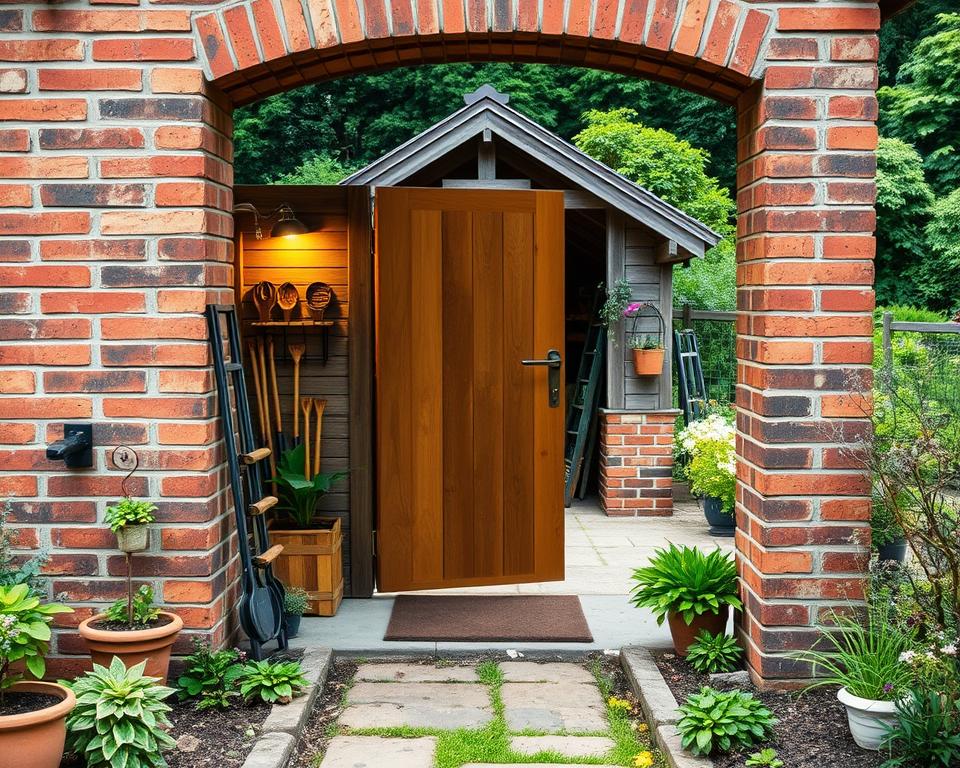
Thoughtful access is paramount. The door configuration must accommodate the movement of large materials and equipment. A single door might suffice for basic storage, but for active projects, wider openings are often necessary.
Evaluating these requirements early prevents future frustrations. One must consider not just daily use but also how to bring in bulky items.
| Door Type | Best For | Key Advantage |
|---|---|---|
| Single Door | Compact storage, home office | Space-efficient, enhanced security |
| Double Doors | Woodworking, large projects | Easy movement of large objects |
| Sliding Door | Limited exterior space | Does not swing outwards |
Lighting, Ventilation, and Roof Height
Adequate lighting is non-negotiable for safety and precision. A combination of natural light from well-placed windows and robust artificial fixtures ensures one can work effectively at any time of year. This is especially important for detailed tasks.
Good ventilation maintains air quality, expelling dust and fumes. Opening windows or adding vents creates a healthier atmosphere. It is crucial to make sure air can circulate freely.
The internal height of the structure affects comfort and utility. A generous ceiling height allows for overhead storage and comfortable movement. It is vital to make sure the space feels open and uncluttered.
Choosing Quality Materials and Construction Techniques
Selecting appropriate building components is fundamental to creating a durable and functional space. The right materials and construction methods determine how well a structure withstands the UK’s changeable weather conditions.
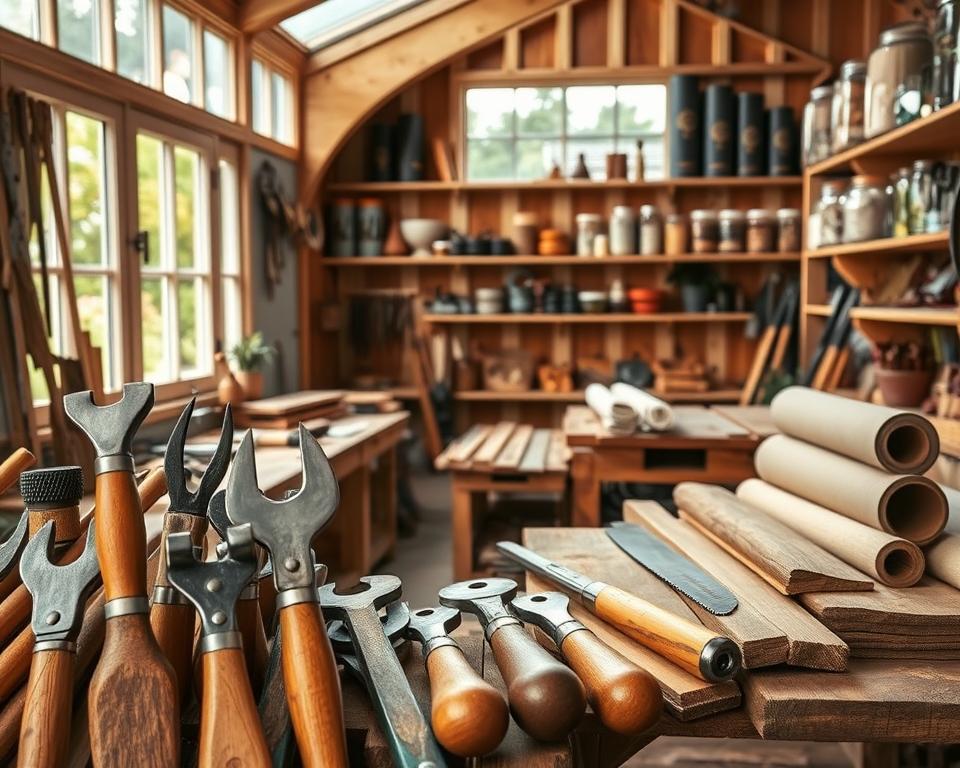
For framing, properly graded timber like C16 or C24 provides essential strength. Red cedar offers superior durability for cladding but can be expensive. Douglas Fir presents a cost-effective alternative that still performs well.
The quality of construction directly impacts longevity. Superior materials require less maintenance over time. They also provide better protection against pests and moisture damage.
When considering windows, make sure to avoid cheap styrene plastic panes that tend to mist. Toughened 3mm glazing offers better shock resistance and security. This is particularly important for walls with extensive glazing.
Different cladding options like shiplap or tongue-and-groove affect both appearance and weather resistance. The tools and techniques used during assembly are equally important. Proper joinery ensures structural integrity.
Investing in high-quality wood and timber products pays off long-term. Durable materials maintain their appearance and function for years. They also add value to the property.
Before starting, you‘ll need to source materials from reputable suppliers. Check specifications carefully and understand how different wood types perform. The right construction approach with proper tools ensures your walls and structure will endure.
Building a Robust Foundation for Your Workshop
A durable base serves as the critical first layer in constructing a reliable outdoor workspace. This foundation determines the entire structure’s stability and longevity. Without proper groundwork, even the best-built buildings above can fail.
The primary function of any foundation is to create a level platform. This prevents structural distortion and ensures doors and windows operate correctly. It also distributes building weight evenly across the ground.
Elevating the structure above ground level provides crucial air circulation. This ventilation prevents moisture accumulation beneath the floor. Protecting timber components from ground moisture reduces rot risk significantly.
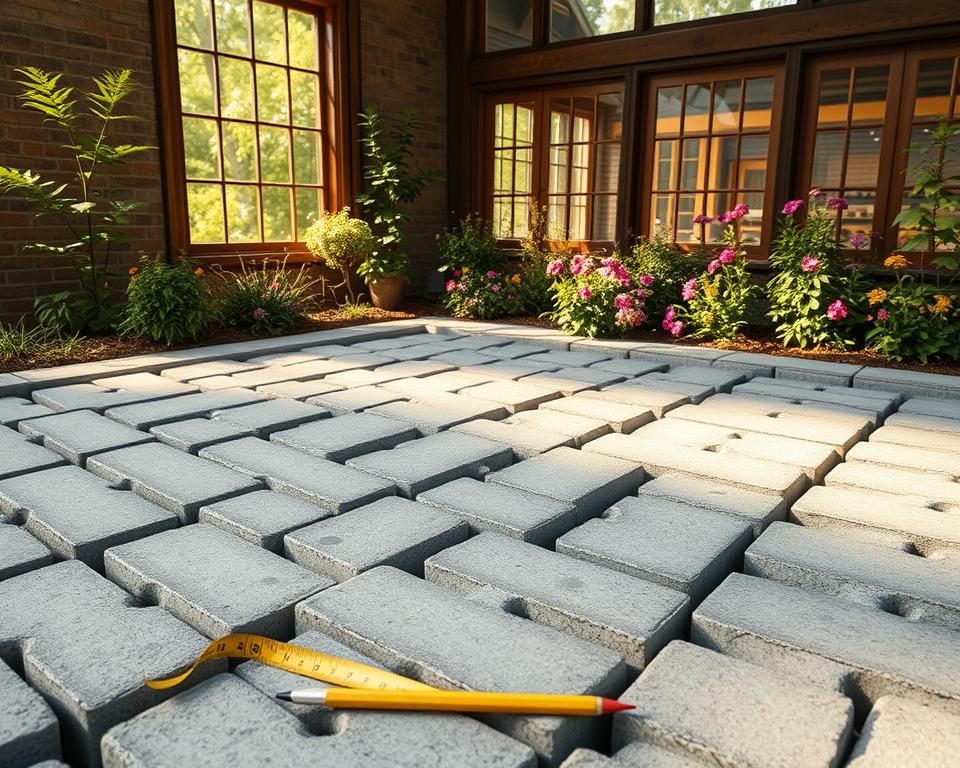
UK builders typically choose from three main foundation types. Each approach offers different benefits for stability and moisture management. The choice affects long-term maintenance and initial construction costs.
| Foundation Type | Best For | Installation Complexity | Moisture Protection |
|---|---|---|---|
| Concrete Slab | Permanent structures | High | Excellent |
| Paving Slab Base | Moderate budgets | Medium | Good |
| Timber Sub-frame | DIY projects | Low | Requires additional barriers |
Proper foundations incorporate drainage solutions and moisture barriers. These features protect the wood frame from UK weather conditions. Investing in quality foundation construction pays dividends in durability.
The relationship between foundation quality and overall structure integrity cannot be overstated. Inadequate bases compromise even superior timber buildings. This knowledge prepares readers for detailed construction guidance that follows.
DIY Guide: Creating a Workshop Base
Proper base construction starts long before any materials are laid in place. This guide provides a systematic approach to building a solid foundation for your outdoor building project.
Site Preparation and Clearing
The first step involves clearing the designated area completely. Remove all vegetation, rocks, and debris that could interfere with the construction process.
Use string lines and stakes to mark the exact outline of your base. This preparation ensures accurate measurements for the entire structure.

Ground Levelling and Compaction
Once cleared, assess the slope of the land. Use shovels and rakes to redistribute soil evenly across the ground. For larger areas, consider renting professional levelling equipment.
Proper compaction is essential for stability. Allow the soil to settle naturally or use mechanical compactors for better results.
When working with paving slabs, place corner slabs first. Use a spirit level to ensure each slab is perfectly flat before proceeding.
Timber framing requires precise measurements. Construct wall sections using 2×4″ timber with 600mm spacing between supports.
OSB boards measuring 2440x1220mm provide efficient material usage. Always make sure corners are square and level throughout the construction process.
Once complete, protect your new base with a weatherproof sheet until you’re ready to begin building the main structure.
Maximising Storage and Organisational Solutions
Proper organisation methods elevate the functionality of a purpose-built outdoor structure. A well-planned storage system keeps tools, equipment, and supplies accessible yet out of the way. This creates an efficient working environment free from clutter.
Different storage options suit various needs and available space. The table below compares popular solutions for different workshop requirements.
| Storage Type | Best For | Space Efficiency | Weight Capacity |
|---|---|---|---|
| Wall-mounted Shelving | Frequently used tools | High (vertical space) | Medium to High |
| Pegboard Systems | Small hand tools | Excellent | Low to Medium |
| Overhead Racks | Seasonal items, long materials | Maximum (unused airspace) | High |
| Floor Cabinets | Bulky equipment, hazardous materials | Medium | Very High |
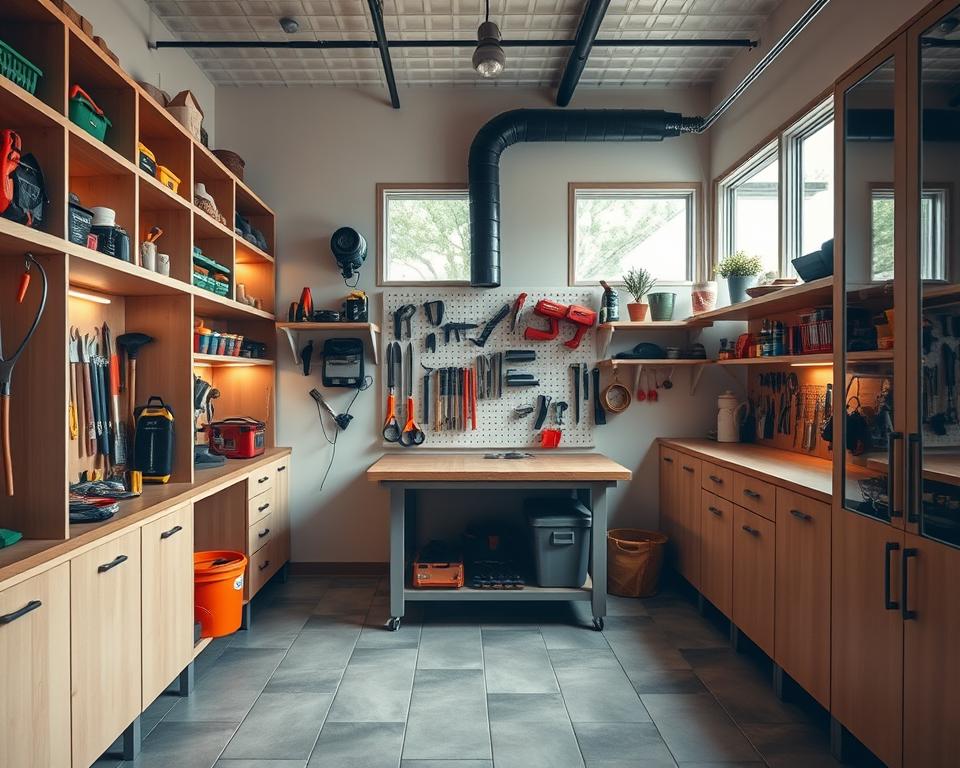
Heavy-duty shelving is essential for supporting substantial weight. When you look for shelves, consider their load capacity and construction quality. Robust systems prevent accidents and maintain organisation over time.
Wall-hanging systems offer clever storage for bulky items like bicycles and ladders. This approach frees valuable floor space for active work areas. Seasonal items such as furniture find a safe place during off-months.
Zone-based organisation ensures frequently used tools have a dedicated place near workstations. This strategic arrangement enhances safety by reducing trip hazards. A well-organised workshop becomes more functional and enjoyable to use.
Effective Lighting and Electrical Setup
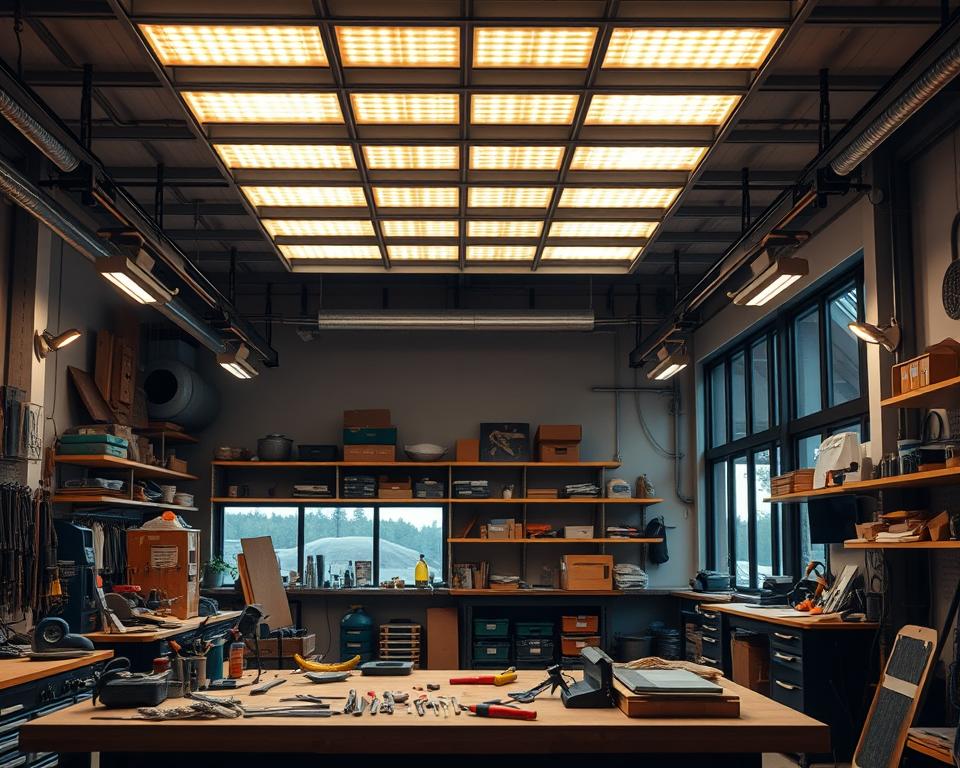
Strategic lighting design significantly enhances both safety and productivity in any dedicated building. A well-planned system ensures optimal visibility for various tasks while reducing eye strain. This approach creates a comfortable environment for extended periods of use.
Natural versus Artificial Lighting
Maximising natural light through well-positioned windows reduces daytime electricity consumption. North-facing windows provide consistent, shadow-free illumination ideal for detailed work. This natural source creates pleasant working conditions throughout daylight hours.
Artificial lighting should complement natural sources with layered solutions. Ambient overhead fixtures ensure general visibility across the entire space. Task lighting focuses illumination on specific areas where precision work occurs.
Energy-Efficient Fixtures and Wiring
Modern LED technology offers superior illumination with dramatically reduced energy consumption. These fixtures provide bright, consistent light perfect for workshop applications. Dimmable systems allow adjustable lighting levels for different tasks.
Electrical installations require professional expertise for safety compliance. Qualified electricians must design and certify all wiring work. Armoured cable is essential for underground power runs from the main property.
Proper circuit protection and adequate socket provision ensure safe operation of tools and equipment. Metal consumer units provide necessary protection in workshop environments. Solar power systems offer sustainable alternatives for energy-conscious builders.
Adapting Your Workshop for Home Use and Hobbies
A well-built outbuilding offers remarkable versatility for personal pursuits. It provides a dedicated area away from the main house, perfect for various hobbies and activities. This adaptability makes it a valuable addition to any property.
For creative endeavours, the structure can become an excellent art studio. It offers ample room for easels and tables. Proper lighting and ventilation are key for a comfortable environment. Storage for supplies keeps the area organised.
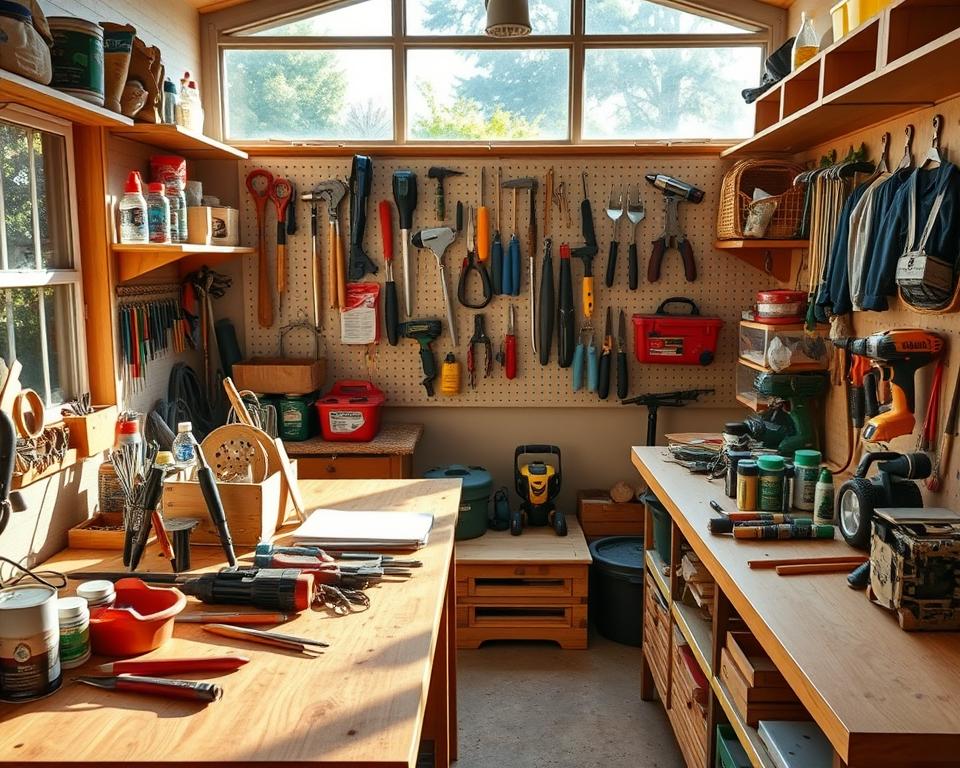
Crafting enthusiasts will appreciate a dedicated space for their projects. Shelving and cabinets along the walls store materials neatly. This setup supports sewing, knitting, or model building. It keeps everything accessible yet tidy.
A quiet reading nook is another popular option. Comfortable seating and bookshelves create a peaceful retreat. Good natural light makes it ideal for relaxing with a book. It serves as a personal library away from distractions.
For those needing a home office, the separation is invaluable. It provides a professional setting for remote work. There is sufficient space for a desk, chair, and essential equipment. This dedicated area boosts productivity.
Music practice benefits from soundproofing on the walls. It contains noise while allowing for creative expression. Fitness activities also thrive in this private setting. The room accommodates exercise equipment or yoga mats with ease.
Thoughtful planning of the walls, flooring, and services supports these diverse uses. This flexibility ensures the space evolves with changing interests. It becomes a cherished haven for passion and projects.
Innovative Design Styles and Custom Options
The aesthetic appeal of an outdoor building significantly influences its integration with the surrounding environment. Choosing the right design style can transform a purely functional structure into a visually striking feature.
Different roof styles offer distinct advantages. Apex roofs provide classic aesthetics and excellent weather protection. Pent roofs offer a modern look with simpler construction.
| Roof Style | Best For | Key Features | Internal Height |
|---|---|---|---|
| Apex | Traditional settings | Classic appearance, weather resistance | Generous throughout |
| Pent | Modern gardens | Clean lines, height restrictions | Graduated height |
| Barn/Gambrel | Maximum space | Distinctive look, volume | Exceptional headroom |
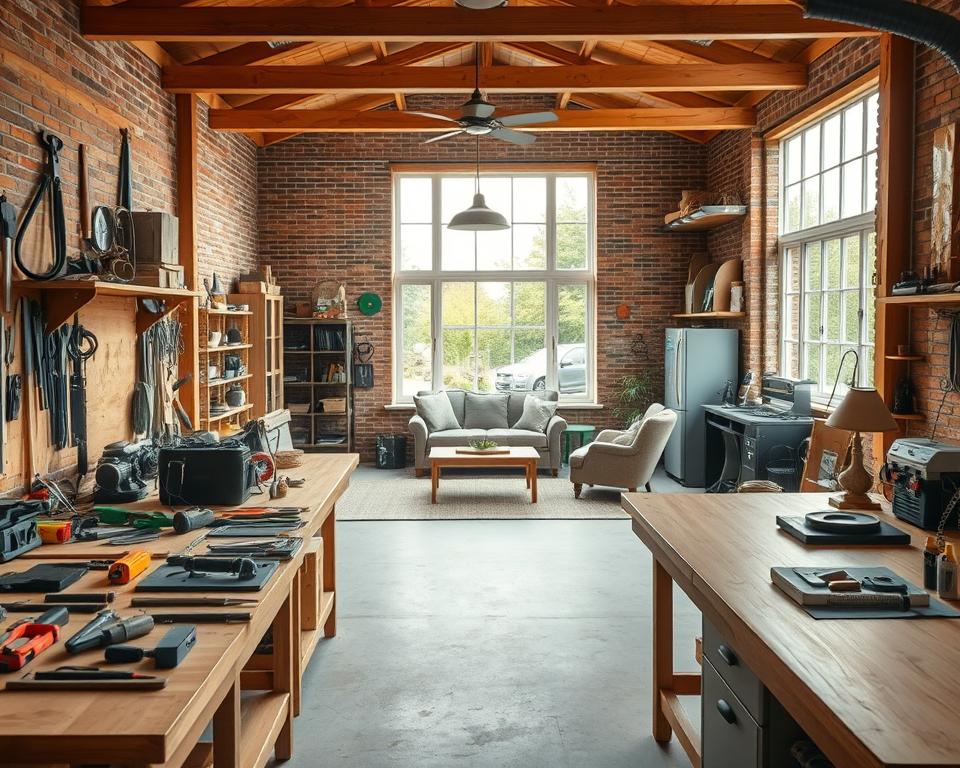
Material choices greatly affect the final look. Shiplap, loglap, and tongue-and-groove cladding offer different textures. Timber finishes range from natural stains to painted options.
Customisation options allow personalisation of these buildings. Window configurations, door styles, and additional features like verandas create unique solutions. Each choice affects both functionality and visual impact.
The size and design should complement existing architecture. This creates cohesive outdoor spaces rather than disconnected structures. Manufacturers offer diverse specifications catering to different priorities.
Whether prioritising size, strength, or specific features, perfect solutions exist for every situation. The right combination ensures these buildings enhance both property value and daily use.
Budget-Friendly Workshop Building and Cost-Saving Tips
Effective cost management separates successful building projects from financial disappointments. The final price depends heavily on size, quality, and included features. A basic 10′ x 8′ structure may start around £500. A fully insulated 22′ x 10′ building with premium features could reach £5,000.
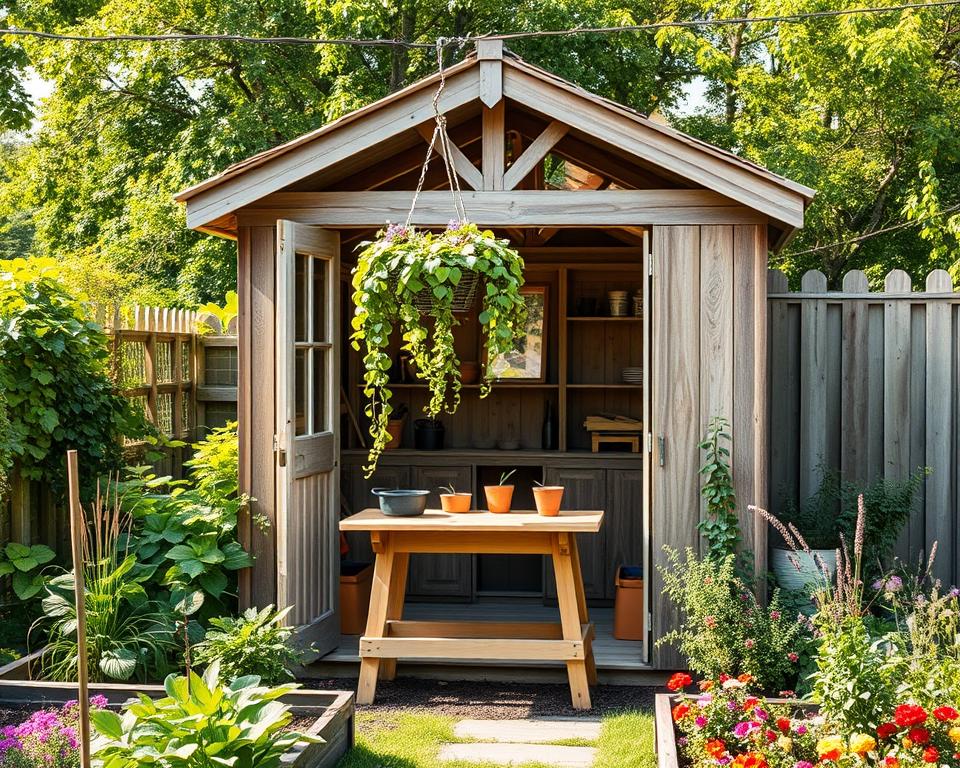
Building your own space often saves money compared to manufactured options. It requires more time and effort but delivers better value. The best way to begin is with a clear budget and size target.
Strategic savings can be made without compromising safety. Using 70mm instead of 95mm timber for bases saves money. Selecting cost-effective cladding options is another smart way to reduce costs.
A phased approach spreads expenditure over time. Start with basic specifications and add features later. This method makes better use of available money.
Always account for all expenses in your budget. Include materials, tools, and professional certifications. A contingency fund prevents financial stress during construction.
Creative Garden Workshop Ideas to Shape Your Space
Thinking beyond rectangles opens up new possibilities for creative outdoor solutions. Custom-built structures offer complete design freedom, allowing for unconventional shapes that maximise available space.
Consider hexagonal or octagonal designs for better flow. L-shaped configurations can neatly fit into corners. Curved structures soften the look and create unique interior dynamics.
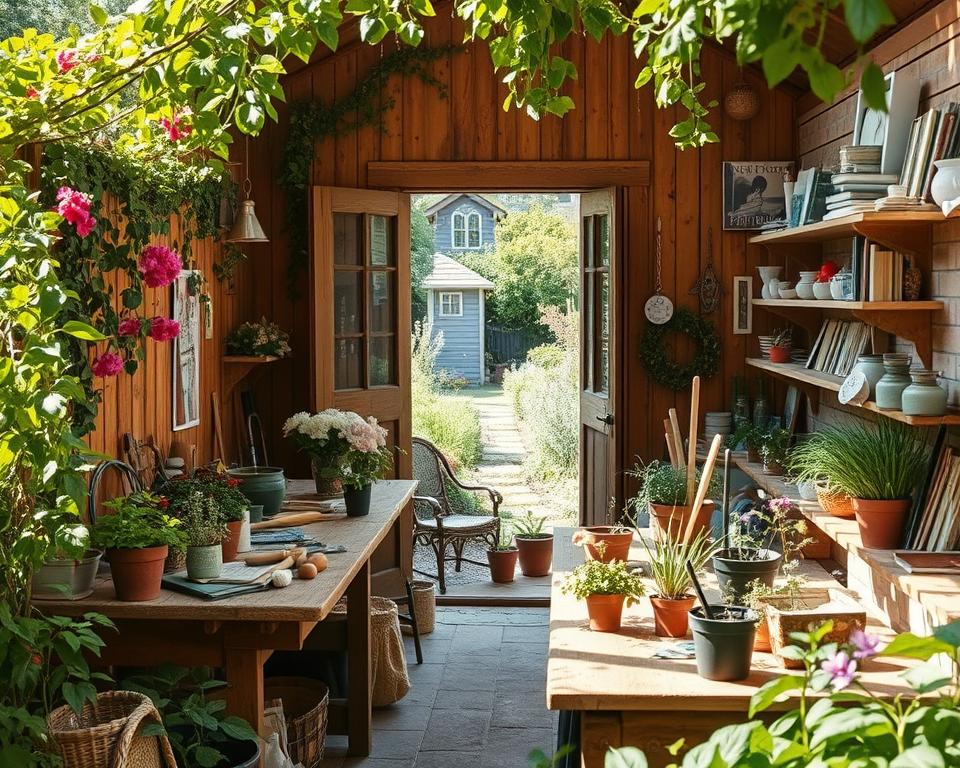
Inside, multi-level platforms establish distinct zones for different activities. Integrated seating areas provide comfortable resting spots. Display spaces showcase completed projects with pride.
Aesthetic enhancements transform functional buildings into focal points. Feature windows add character and light. Decorative hardware and attractive finishes elevate the overall appearance.
Complementary outdoor areas extend usability. Covered verandas offer sheltered working spaces. Integrated planters blend the structure with its surroundings.
Split-level designs combine storage below with studio space above. Partitioned interiors separate messy activities from clean work areas. This flexibility supports evolving needs over time.
Real projects demonstrate how UK homeowners solve specific challenges creatively. Their experiences show how custom structures enhance both aesthetics and functionality.
Ultimately, these spaces should inspire creativity and reflect personal style. They become valued features that people genuinely enjoy spending time within.
Conclusion
Transforming an underutilised area of one’s property into a functional workspace yields benefits that extend far beyond mere storage solutions. This comprehensive guide has outlined the essential steps from initial planning to final construction.
The resulting workshop becomes a versatile environment supporting hobbies, professional work, and creative pursuits. Proper foundations, quality materials, and thoughtful design ensure lasting value and enjoyment.
Whether building from scratch or selecting manufactured options, the fundamental principles remain consistent. This investment creates a personal sanctuary where skills develop and passions flourish.
A well-executed garden workshop provides a dedicated space for years of productive activity. It represents a smart enhancement to any UK property.
FAQ
What is the best base for a garden building?
A robust, level foundation is critical. Concrete slabs or a reinforced timber frame are popular choices. The best option depends on the structure’s size, local ground conditions, and budget. A proper base prevents settling and protects the building from moisture.
Do I need planning permission for a garden workshop in the UK?
Often, you do not. Permitted development rights usually allow outbuildings within specific limits on height, size, and location. However, you must check with your local planning authority, especially if your property is listed or in a conservation area.
How can I ensure my timber workshop lasts?
Using quality, pressure-treated wood is essential. The construction should include a damp-proof course and adequate ventilation to manage condensation. Regular maintenance, such as applying protective stains, will significantly extend the life of the material.
What are the key considerations for workshop lighting?
A combination of natural and artificial sources works best. Large windows or roof lights provide excellent daylight. For evening use, energy-efficient LED fixtures offer bright, shadow-free illumination for detailed tasks, ensuring a safe working environment.
How can I keep costs down when building a garden room?
Careful planning and a realistic budget are vital. Consider a DIY approach for simpler structures or internal fit-outs. Sourcing reclaimed materials for non-structural items and comparing quotes for essential components can also save a considerable amount of money.
What security measures should I install?
Strong locks on doors and windows are a minimum. For valuable tools, additional measures like motion-sensor security lighting, an alarm system, or even reinforced door frames provide significant deterrents against theft.