
Discover What Is Spruce and Is It Good for Wooden Buildings
Selecting the right materials forms the foundation of any successful construction project. For those considering timber frameworks, understanding different wood types proves essential. Spruce emerges as a popular choice among builders and property owners across the United Kingdom.
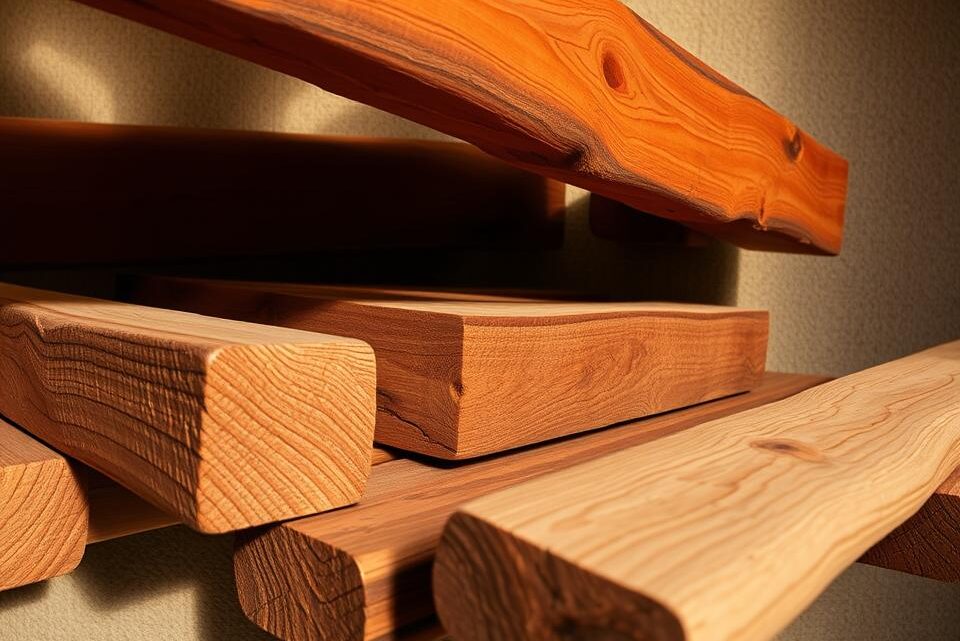
This evergreen conifer, scientifically classified as Picea, offers distinctive characteristics that suit various building applications. Its light colouration ranges from yellowish-white to reddish tones, complemented by a subtle silky sheen. The material develops a richer brown hue when exposed to sunlight, showcasing straight grain patterns from its annual growth rings.
With a medium density around 470 kg/m³, this timber provides excellent flexibility and lightweight properties. These qualities make it particularly suitable for outdoor structures that must withstand Britain’s variable weather conditions. Garden buildings, log cabins, and summer houses benefit from its natural resilience.
The following analysis explores why this material represents a preferred option for many construction professionals. Readers will discover detailed comparisons with alternative timbers and learn about specific applications where spruce delivers optimal performance.
Inhaltsverzeichnis
Key Takeaways
- Spruce timber offers light colouration and straight grain patterns ideal for visible structures
- This wood’s medium density provides excellent flexibility for construction projects
- The material develops richer tones when exposed to sunlight over time
- Its lightweight nature makes handling and installation more straightforward
- Spruce demonstrates particular suitability for outdoor buildings in British climates
- Professional builders frequently choose this timber for garden structures and cabins
- Understanding wood properties ensures optimal material selection for each project
Introduction: The Importance of Timber Choice in Wooden Buildings
Timber selection stands as a cornerstone consideration that determines the success of garden building projects. The choice of wood type directly influences not only the initial appearance but also the long-term performance of these structures.
Significance in Log Cabin and Garden Building Construction
Different wood varieties respond uniquely to environmental challenges. Moisture exposure and temperature fluctuations in the UK climate demand careful consideration. Premium timber maintains structural integrity over time, resisting warping and gaps.
This durability proves essential for log cabins and garden structures exposed to the elements. The right selection ensures buildings retain their shape and weatherproofing capabilities.
Key Benefits of Choosing High-Quality Timber
Investing in superior quality materials yields multiple advantages:
- Enhanced durability against decay and insect damage
- Superior natural insulation properties
- Greater design flexibility for custom finishes
- Reduced maintenance requirements over time
High-grade timber accepts protective treatments more effectively. This allows property owners to achieve their desired aesthetic look while ensuring adequate protection. The initial investment in better materials pays dividends through extended lifespan and reduced upkeep.
Understanding these fundamentals prepares readers for detailed comparisons of specific wood types in subsequent sections.
What Is Spruce and Is It Good for Wooden Buildings?
Understanding the fundamental properties of Picea species provides valuable insight for construction planning. This evergreen conifer thrives in northern climates, producing timber with unique characteristics.

Overview of Spruce Timber Characteristics
Picea species grow across cold northern regions, reaching impressive heights over 80 metres. These trees can live for centuries, with some specimens surviving 500-700 years. The timber displays a uniform light colouration throughout.
This wood features straight grain patterns and medium density around 470 kg/m³. The material’s consistent colour comes from its unique structure. Unlike many conifers, it lacks darker heartwood.
Builders appreciate this timber for its workability and stability. It accepts finishes well and demonstrates reduced cracking tendencies. These qualities make it suitable for various building applications.
Nordic Spruce Versus Locally Grown Varieties
Growth conditions significantly impact timber quality. Nordic varieties endure harsh climates with short growing seasons. This results in tight annual rings spaced just 1-2mm apart.
In milder European regions, spruce grows faster with wider ring spacing of 4-6mm. The difference in growth rates creates distinct material properties. Nordic wood develops denser, stronger characteristics.
The table below illustrates key variations between these types:
| Feature | Nordic Spruce | Central European Spruce |
|---|---|---|
| Annual Ring Spacing | 1-2mm | 4-6mm |
| Wood Density | Higher | Lower |
| Growth Period | Shorter | Longer |
| Structural Strength | Superior | Standard |
These variations influence the material‘s performance in construction projects. Understanding these types helps builders select appropriate timber for specific applications.
Comparing Spruce with Pine and Other Timbers
When evaluating construction materials, direct comparisons between timber species reveal critical performance differences. Understanding these distinctions helps builders make informed choices for garden buildings.
Spruce vs Pine: Strengths and Weaknesses
Pine represents a popular but fundamentally different softwood option. This fast-growing timber features a looser grain structure and significantly more knots than slow-grown spruce.
The density difference creates important performance variations. Pine absorbs water faster and demonstrates greater susceptibility to warping and shrinking. Spruce maintains superior dimensional stability with moisture changes.
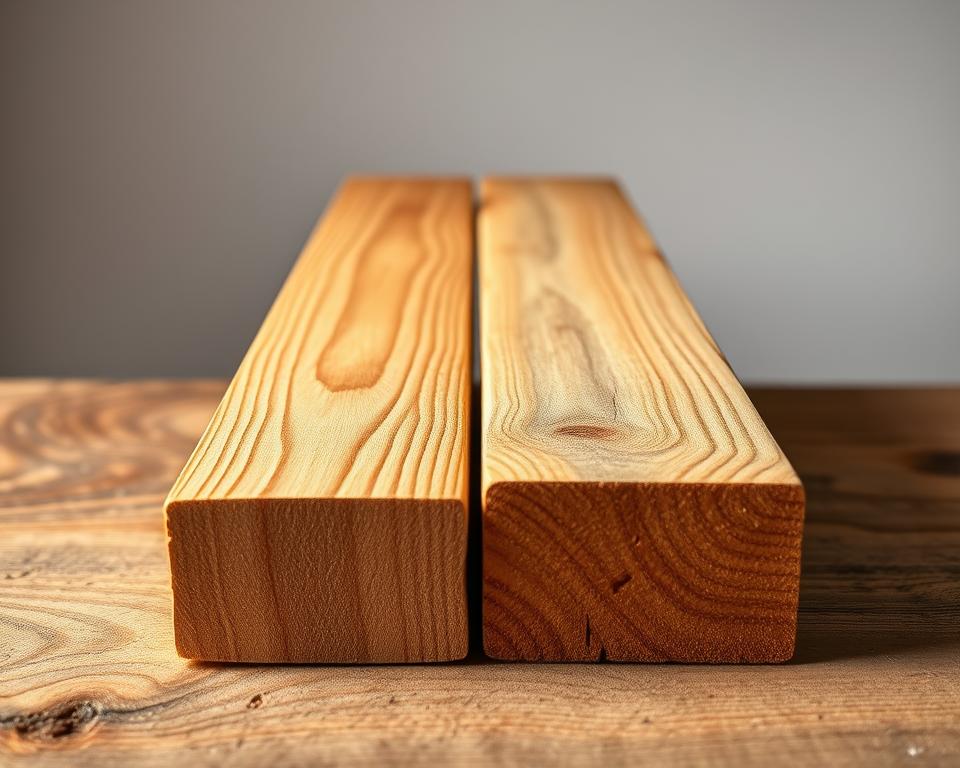
Knot patterns also differ substantially between these wood types. Pine contains looser knots that may fall out over time, while spruce offers cleaner, more uniform appearance.
Evaluating Cedar, Douglas Fir, and Mixed Timber Options
Cedar provides excellent natural resistance to rot and insects but comes at significantly higher cost. Its softer nature makes it more prone to denting compared to spruce.
Douglas fir and larch offer exceptional strength for specialist projects. However, their premium pricing makes them less practical for standard garden buildings.
Some manufacturers use spruce-pine mixed products to reduce costs. This approach can create long-term issues due to different expansion rates between the wood types.
Spruce consistently delivers the optimal balance of performance characteristics. Its combination of stability, workability, and cost-effectiveness makes it the preferred choice for quality construction.
Timber Quality and Its Impact on Construction Durability
The longevity of wooden structures hinges directly on the calibre of timber selected. High-grade material ensures buildings withstand environmental challenges for many years.
This is particularly crucial for outdoor constructions like log cabins exposed to Britain’s variable climate.
Structural Integrity and Long-Term Performance
Slow-grown spruce possesses a remarkably tight grain structure. Annual rings spaced just 1-2mm apart create superior strength.
This dense composition provides excellent dimensional stability. The timber resists warping, twisting, and shrinking that plague inferior woods.

Buildings maintain their structural integrity over decades. Joints stay tight, preserving weatherproofing and appearance.
The material’s natural density offers outstanding insulation properties. This helps regulate interior temperatures throughout seasonal changes.
Resistance to Weathering and Insect Damage
Quality spruce demonstrates inherent resistance to decay and insect infestation. Its dense cellular structure and natural resins provide protection.
When combined with appropriate surface treatments, this timber withstands prolonged moisture exposure. Garden structures remain sound despite year-round elemental exposure.
Key advantages include:
- Reduced maintenance requirements over time
- Superior performance in humid conditions
- Long-term cost savings despite initial investment
Choosing high-calibre spruce for log cabins represents a wise investment. It delivers decades of reliable service with minimal upkeep.
Applications in Log Cabins, Summer Houses, and Garden Buildings
Successful garden structures rely on appropriate material selection for each component and application. This timber demonstrates remarkable versatility across various building types.
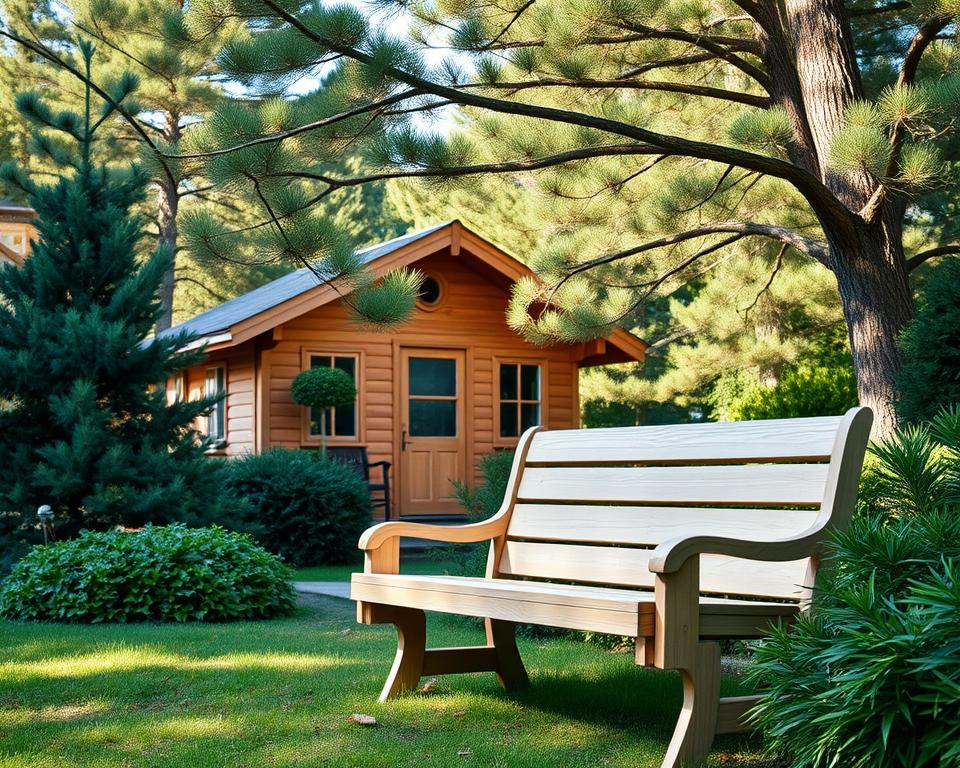
Uses in Framing and Cladding
For structural framing, this wood provides excellent strength-to-weight characteristics. It supports roof loads effectively while remaining manageable during construction.
The material’s dimensional stability makes it ideal for external cladding. Boards maintain proper alignment, creating weather-resistant surfaces that protect against moisture.
Advantages for Interior Panelling and Custom Finishes
Inside garden buildings, the smooth surface accepts treatments beautifully. Property owners can achieve various aesthetic effects through staining or painting.
The uniform light colouration creates attractive interior spaces. This flexibility allows customisation to match personal preferences.
| Application | Benefits | Considerations |
|---|---|---|
| Structural Framing | Optimal strength-to-weight ratio | Supports roof without heavy bases |
| External Cladding | Weather-resistant performance | Boards stay flush over time |
| Interior Panelling | Accepts finishes readily | Creates uniform appearance |
| Roof Construction | Adequate load-bearing capacity | Easy to cut and fit |
Using consistent material throughout ensures uniform performance. This approach eliminates issues from mixed timber constructions.
Incorporating Expert Insights into Timber Selection for UK Builders
Industry expertise reveals critical factors that determine timber performance in British garden structures. Professional teams draw upon extensive installation experience across varied UK locations.
Professional Recommendations and Case Studies
Builders consistently select Nordic slow-grown spruce for numerous practical reasons. Its tight grain structure provides superior strength and durability.
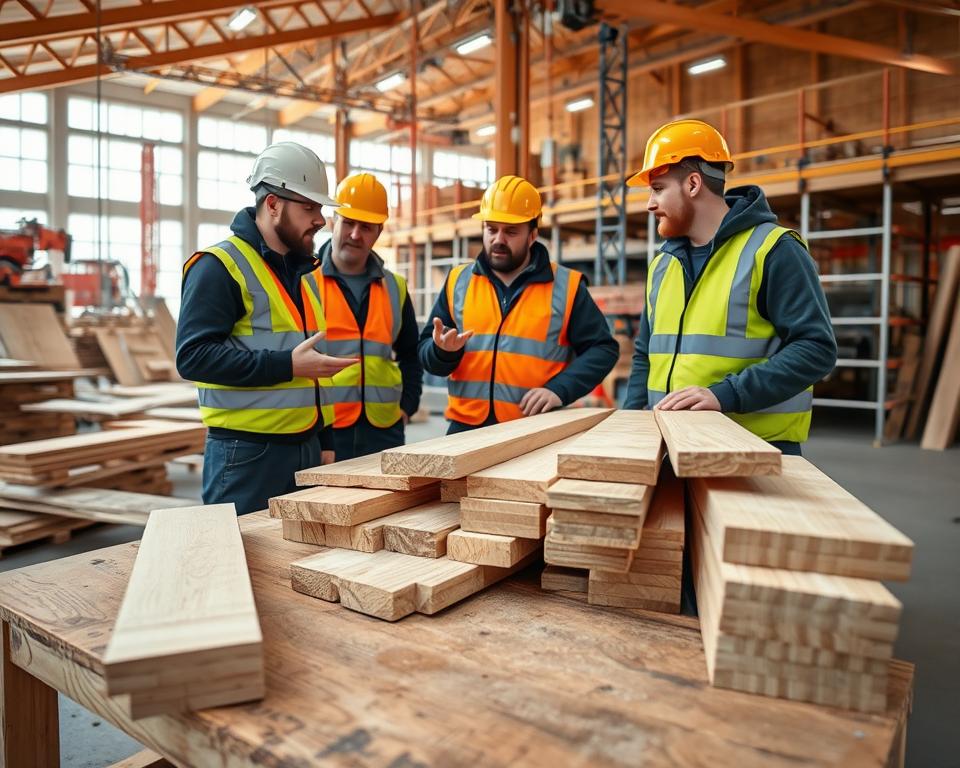
Case studies demonstrate how quality spruce maintains structural integrity through seasonal cycles. Buildings withstand Britain’s challenging weather patterns for decades.
Adaptation to the UK Climate and Maintenance Considerations
The material’s resistance to decay suits high humidity and frequent rainfall. Proper maintenance involves regular protective treatments.
Pressure treatment during manufacture enhances protection in exposed areas. This approach reduces long-term upkeep while extending service life.
Key advantages for professional teams include:
- Predictable performance with reduced knot issues
- Consistent quality standards across material batches
- Proven track record in thousands of successful installations
These factors make spruce the preferred choice for log cabins and garden buildings throughout the United Kingdom.
Conclusion
Opting for superior timber from the outset lays the groundwork for a resilient and long-lasting garden feature. This softwood offers an exceptional balance of strength, stability, and a smooth finish. Its minimal resin content and tight grain reduce maintenance needs significantly.
Slow-grown Nordic spruce stands out for its dimensional stability, resisting warping in the UK climate. This quality makes it a premier choice for durable log cabins and summer houses. The difference in performance compared to faster-grown alternatives is substantial.
While initial cost is a factor, the long-term value of this timber is clear. It protects your investment for decades. Choosing FSC-certified wood supports sustainable forestry, adding an ethical dimension to your construction project.
In summary, for log cabins and other garden structures, spruce delivers outstanding performance. It combines practical benefits with aesthetic appeal, ensuring your building remains a cherished part of your outdoor space for years.
FAQ
What is the primary difference between spruce and pine for a garden building?
The main distinction lies in density and appearance. Spruce is generally a lighter, softer softwood with a pale colour and prominent knots. Pine often has a richer, warmer hue and can be slightly denser. For structures like summer houses, spruce offers a classic look, while pine may provide a different aesthetic.
Is spruce timber a durable material for constructing log cabins?
Yes, when properly sourced and treated, spruce is an excellent choice. Its natural properties, combined with modern preservation techniques, ensure good resistance to weathering. High-quality Nordic spruce, grown in slow-growth climates, is particularly renowned for its structural integrity and long-lasting performance in cabin construction.
How does the quality of timber affect the lifespan of a wooden building?
Timber quality is paramount for durability. Superior wood has fewer defects, consistent grain, and is often kiln-dried to reduce moisture content. This enhances its structural strength and resistance to issues like warping or insect damage, directly contributing to a building’s longevity, potentially adding decades to its life.
Can spruce be used for both the interior and exterior of a summer house?
A> Absolutely. Spruce is a versatile softwood suitable for framing, cladding, and interior panelling. Its light colour provides a bright, airy feel inside. For exterior uses, it should be appropriately treated or finished to protect it from the elements, ensuring the building remains attractive and robust for years.
Why is Nordic spruce often recommended over locally grown timber in the UK?
Nordic spruce benefits from a harsh, slow-growth climate, resulting in timber with tighter growth rings. This increases its density and strength compared to some faster-grown local varieties. This inherent quality makes it a premium product for demanding applications like roof trusses and load-bearing walls in garden buildings.
What maintenance does a spruce building require in the UK climate?
Regular maintenance is key. A spruce structure should be treated with a protective stain or paint shortly after construction and re-coated every few years. This routine care safeguards the wood from moisture and UV damage, preserving its appearance and structural integrity against the British weather.

