Is a Plastic Shed Considered a Permanent Structure? Explained

Many homeowners across the United Kingdom face an important question about their outdoor storage solutions. Determining whether a garden building falls under permanent or temporary classification has significant implications. This distinction affects planning permissions, insurance coverage, and property valuations.
The classification of outdoor storage units is not always straightforward. Several factors come into play when authorities assess these constructions. Foundation type, installation method, and intended usage all influence the final determination. Understanding these variables helps property owners make informed decisions.
Garden storage buildings have grown in popularity due to their affordability and low maintenance requirements. However, clarity regarding their legal status remains essential for compliance with local regulations. This guide explores the key considerations for proper classification.
Inhaltsverzeichnis
Key Takeaways
- Classification impacts planning permissions and insurance requirements
- Installation method significantly influences structural status
- Foundation type plays a crucial role in determination
- Local council regulations vary across different regions
- Size and intended use affect the final classification
- Proper documentation ensures regulatory compliance
- Professional advice helps navigate complex requirements
Understanding Permanent vs Temporary Structures
The classification of an outbuilding carries significant weight, influencing everything from planning rules to insurance. Before assessing a specific garden unit, one must grasp the core definitions that separate these two categories of structures.
Definition of a Permanent Structure
A permanent structure is designed for long-term placement, often for decades. It is typically anchored to the ground with a solid foundation, such as concrete. Construction materials like brick, steel, or treated timber are chosen for their durability.
Such a building cannot be relocated without substantial effort or dismantling. This fixed nature often triggers the need for formal planning permission. It may also influence property valuations and council tax bands.
Characteristics of Temporary Structures
In contrast, a temporary structure prioritises mobility and flexibility. These buildings are often lightweight and simple to assemble. They are not fixed to foundations and can be moved with minimal tools.
Intended for short-term or seasonal use, these temporary structures usually sit on non-permanent bases like gravel or paving slabs. They generally do not require planning permission if they meet specific size and placement criteria.
Several factors determine the final classification. The time a structure remains in one location is critical, with six months being a common threshold. The type of foundation and the intended purpose are other key factors.
For example, a workshop bolted to a concrete slab is likely a permanent structure. A small storage unit on gravel for garden tools is typically temporary. The boundary can be blurry, and local council interpretations vary across the UK.
Key Characteristics of Plastic Sheds
Distinct from traditional wooden or metal options, plastic sheds are defined by unique material properties and design. These features not only influence their performance but also their potential classification by authorities.
Materials and Design Features
Modern units are typically constructed from high-density polyethylene (HDPE) or robust resin composites. These materials are engineered to resist rot, rust, and corrosion, standing up well to typical British weather.
Their modular panel design allows for straightforward assembly. Many models include integrated floors, ventilation systems, and reinforced, lockable doors for secure storage.
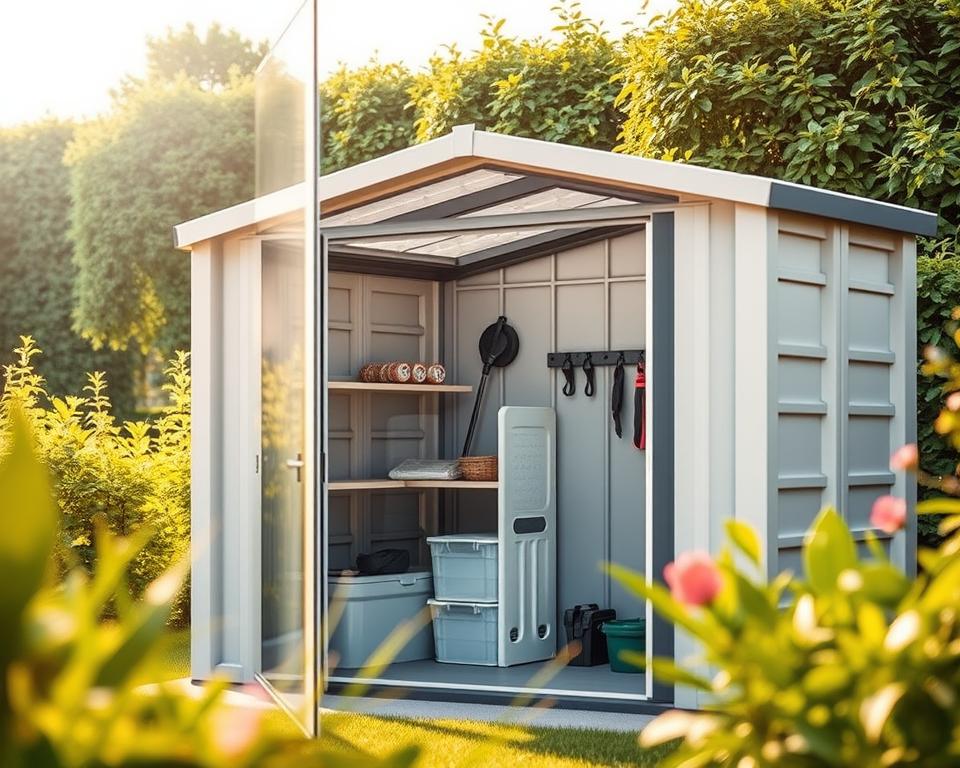
Double-wall construction adds strength and insulation. Features like UV-resistant coatings prevent fading, ensuring the shed maintains its appearance for years.
Maintenance and Flexibility
A significant advantage is the exceptionally low upkeep. These plastic sheds never need painting or staining. Owners typically only need to clean them occasionally with soapy water.
Their lightweight nature offers great installation flexibility. They can be placed on a simple gravel bed, paving slabs, or a levelled soil base.
This ease of assembly and potential for relocation contributes to the view of these sheds as non-permanent fixtures. Their design prioritises practical use and adaptability over fixed placement.
Is a Plastic Shed Considered a Permanent Structure?
The permanence classification depends on concrete installation factors rather than material alone. Local councils evaluate several criteria when determining if a garden building requires planning permission.
| Criteria | Permanent Classification | Temporary Classification |
|---|---|---|
| Foundation Type | Concrete slab or permanent base | Gravel, paving slabs, or timber bearers |
| Attachment Method | Bolted or screwed to ground | Freestanding or lightly anchored |
| Size Threshold | Over 15 square metres | Under planning permission limits |
| Utility Connections | Electricity or plumbing installed | No permanent services attached |
Most UK authorities consider structures over 15 square metres as potentially requiring formal approval. Height exceeding 2.5 metres also triggers closer scrutiny.
“The critical factor isn’t the building material but how permanently it’s fixed to the ground and its intended duration of use.”
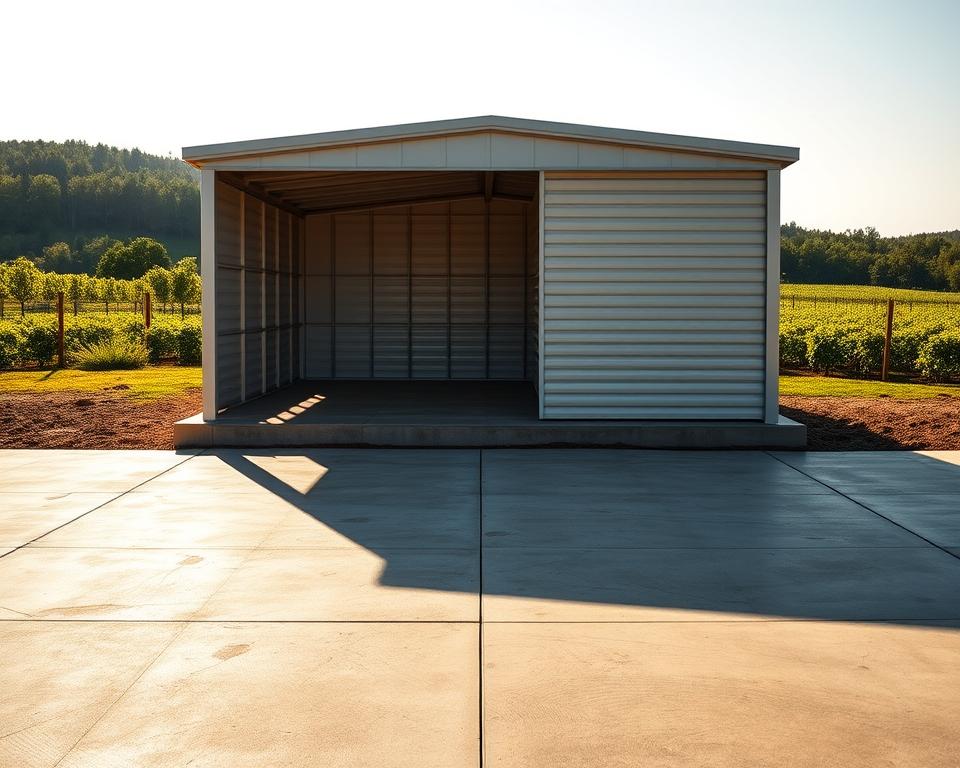
Regional variations exist across different council areas. What one authority deems temporary might be considered permanent elsewhere. Always check specific local guidance.
Practical assessment should examine your installation method, intended use duration, and any future modifications. Adding features like concrete ramps can shift classification over time.
Foundation and Installation Requirements
The choice of foundation is a critical decision that directly impacts both the stability of a garden storage unit and its legal classification. Proper installation begins with selecting the right base for the specific site and intended use.
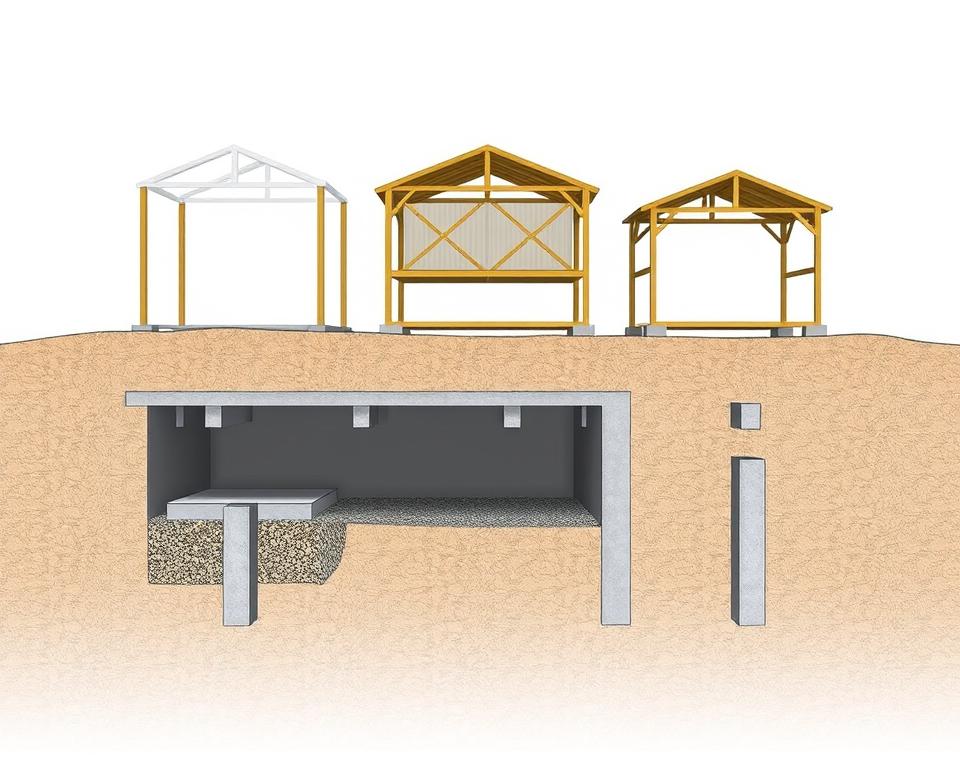
A well-prepared foundation ensures longevity and protects the contents from moisture and pests. It also provides a clear signal to authorities about the intended permanence of the installation.
Concrete Slabs vs Anchoured Bases
Poured concrete slabs represent the most permanent solution. They require excavation, a hardcore sub-base, and a damp-proof membrane. The concrete is typically 100-150mm thick and must cure for at least seven days.
This method creates an exceptionally stable foundation that firmly anchors the structure. It often leads to a classification as a permanent installation.
Anchored bases offer a versatile alternative. These systems use concrete blocks, paving slabs, or timber frames. They sit on a compacted gravel bed or sand, providing good stability without a fixed slab.
This approach allows for future relocation if necessary. It is generally viewed as a semi-permanent solution by planning authorities.
| Foundation Type | Permanence Level | Typical Installation |
|---|---|---|
| Concrete Slab | High | Excavation, reinforcement, pouring |
| Paving Slabs | Medium | Bedded on sharp sand |
| Gravel Base | Low | Compacted aggregate on membrane |
Ensuring Safety and Stability
Regardless of the chosen method, proper anchoring to the ground is essential. Expanding ground screws or concrete anchor bolts secure the unit against strong winds. This is particularly important in exposed locations.
“A level foundation is the cornerstone of a safe and durable installation. Even a slight slope can cause doors to warp and panels to stress over time.”
Site preparation should include checking for adequate drainage to prevent water pooling. The base must be level, with a tolerance of no more than 10mm across the entire area.
A gravel foundation should be 100-150mm deep, compacted, and sit on a weed membrane. This setup provides excellent drainage and a stable surface for many years of reliable service.
Permit and Zoning Considerations in the UK
The UK’s planning system operates on a principle that allows certain garden buildings to be erected without needing official permission. This concept, known as permitted development rights, provides flexibility for homeowners installing outdoor storage solutions.
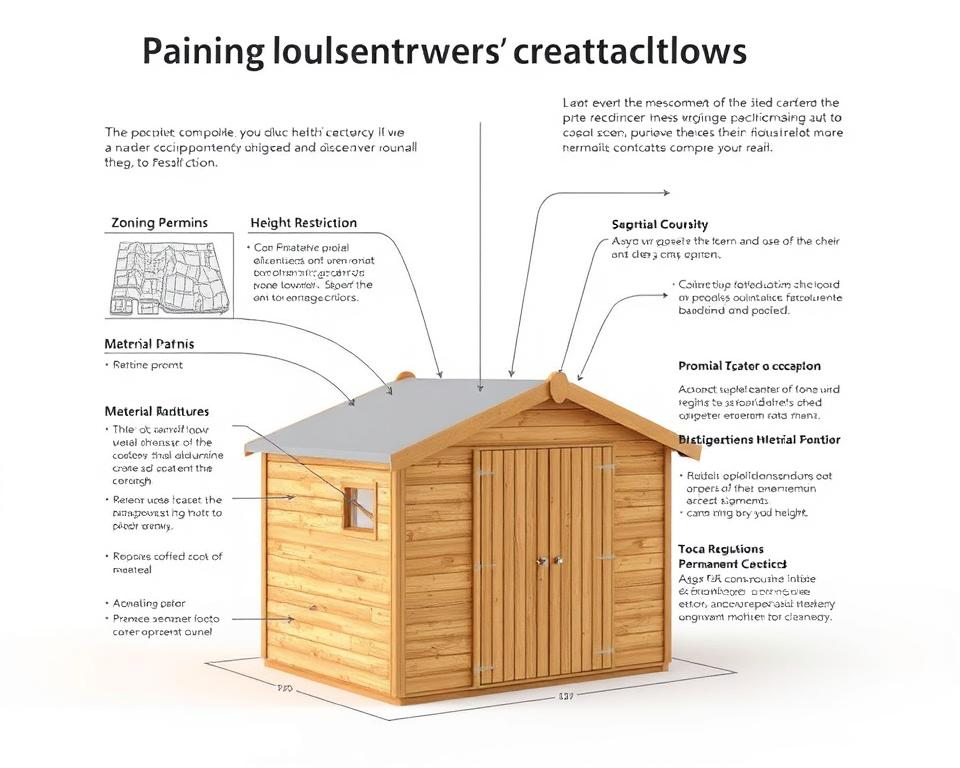
Understanding local regulations is essential before installation. Most small garden units fall under permitted development if they meet specific criteria. The size threshold is typically 15 square metres for buildings positioned more than 2 metres from boundaries.
Understanding Local Regulations and Setbacks
Height restrictions play a crucial role in determining whether you need permit approval. Structures must not exceed 2.5 metres in height when placed within 2 metres of a boundary. For dual-pitched roofs further from boundaries, the maximum height increases to 4 metres.
Setback rules require careful consideration of your property layout. The garden building should not cover more than 50% of the total garden space around the original house. Placement forward of the principal elevation facing a highway is generally prohibited.
Special factors apply to listed buildings, conservation areas, and flats. In these cases, permitted development rights are often restricted or removed entirely. Homeowners should always check with their local planning authority before proceeding with any installation.
Pros and Cons of Plastic Sheds as Long-Term Structures
Selecting the right garden building requires weighing various factors that affect long-term satisfaction. Homeowners must consider how different options align with their specific requirements and property circumstances.
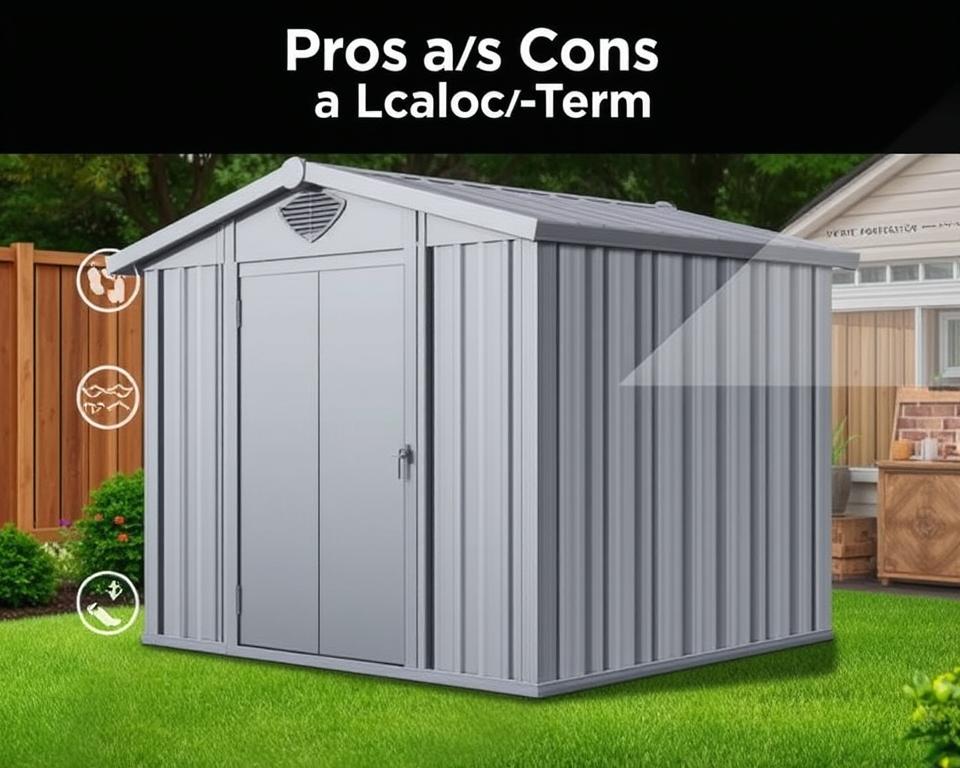
Benefits of a Plastic Shed
These units offer significant advantages for practical garden storage. Their low maintenance stands out, requiring only occasional cleaning rather than regular treatments.
Cost-effectiveness makes them accessible for various budgets. Assembly simplicity allows two people to erect most models within hours using basic tools.
Weather resistance ensures reliable performance across seasons. The flexibility to relocate the unit provides adaptability for changing garden layouts.
Potential Limitations and Considerations
Structural limitations may affect heavy storage needs. Customisation options remain restricted compared to wooden alternatives.
Temperature fluctuations inside could impact sensitive items. Property value contribution typically falls below more permanent installations.
Environmental considerations include both recyclable materials and petroleum-based production. Quality variations affect expected lifespan across different price points.
Alternative Shed Solutions and Their Benefits
Garden enthusiasts can choose from various construction materials when selecting their ideal storage solution. Each option presents unique advantages for different requirements and garden settings.
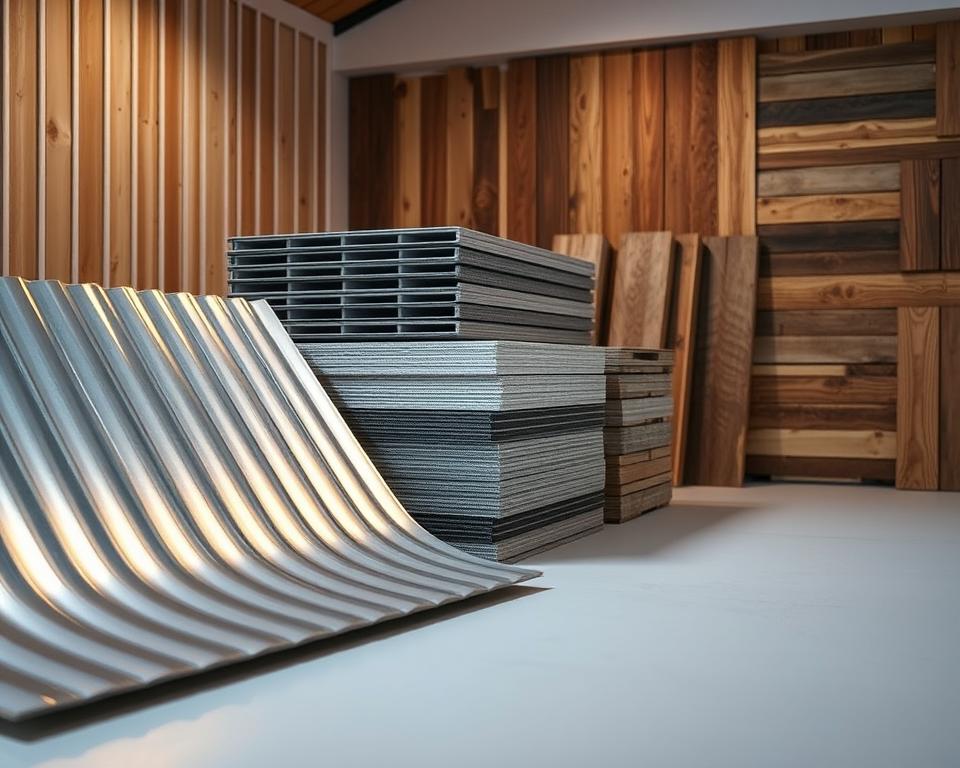
Exploring Wooden, Metal and Other Options
Traditional wooden constructions remain popular for their natural appearance. These structures offer excellent customisation potential and blend well with garden environments.
Metal buildings provide superior security and durability against pests. They require minimal maintenance compared to materials like wood.
Brick and composite options represent more permanent solutions. These materials create sturdy structures with exceptional longevity.
Each material suits different storage needs and garden spaces. Homeowners should consider their specific requirements before selecting the ideal building.
Wooden sheds typically last 20-30 years with proper care. Metal alternatives can exceed 25 years of reliable service.
For temporary structures, lightweight materials offer flexibility. More permanent solutions use durable foundations for stability.
Conclusion
The ultimate determination of a building’s permanence rests on specific installation characteristics. Classification depends on foundation type, intended use duration, and utility connections rather than materials alone.
Homeowners should assess their long-term needs before installation. Temporary installations on gravel bases offer flexibility, while concrete foundations suggest permanence. Checking local regulations remains essential for compliance.
These versatile structures provide economical storage solutions for garden equipment. Their low maintenance requirements make them practical choices for many households. Proper planning ensures the selected option meets both current and future needs.
With careful consideration of these factors, homeowners can make informed decisions about their outdoor storage investments.
FAQ
Is a plastic shed classed as a permanent structure?
Generally, a plastic shed is not classed as a permanent structure. Its lightweight materials and typical installation methods, such as placing it on a gravel base or patio slabs without a deep foundation, mean it is usually considered a temporary or non-permanent addition to a property.
What defines a permanent structure for garden buildings?
A permanent structure is typically defined by its fixed attachment to the ground, substantial foundations like a concrete slab, and use of durable materials such as brick or heavy timber. These buildings are intended to remain in place indefinitely and are often subject to different planning regulations.
Do you need planning permission for a plastic shed?
In most cases, planning permission is not required for a plastic shed if it falls within permitted development rights. This generally means the shed is a single-storey building below a certain height and size, and is placed within the garden of a house, not forward of a highway.
How can the installation method affect a shed’s status?
The installation method significantly influences whether a shed is considered permanent. Anchoring a plastic shed securely to a concrete foundation may lead to it being viewed as more permanent, whereas simply placing it on a prepared gravel base reinforces its temporary nature.
What are the advantages of choosing a plastic shed?
Plastic sheds offer several benefits, including low maintenance requirements as they do not require painting or treating, resistance to rot and rust, and often straightforward assembly. They provide a durable, long-term storage solution without the permanence of traditional materials.
Are there any drawbacks to using a plastic shed for long-term storage?
While excellent for many uses, plastic sheds can be less sturdy than wooden or metal alternatives in extreme weather conditions. They may also have limitations in terms of customisation and size options compared to built-to-last timber sheds.
Should a plastic shed be anchored to the ground?
It is highly advisable to anchor a plastic shed to the ground, even if it is lightweight. Proper anchoring, using a purpose-made kit attached to a solid base, prevents the structure from being moved or lifted by strong winds, enhancing safety and stability.