Painting Pressure Treated Wood – How to Do it Right Guide
Many homeowners across the UK choose pressure-treated timber for their outdoor projects. This material offers excellent resistance to rot and insects, making it ideal for decks, fences, and garden furniture. However, applying a finish to this special lumber requires a specific approach to ensure success.
The preservatives that protect the wood also create a surface that can be challenging for coatings to stick to. Proper preparation is absolutely essential for a durable result. Rushing this stage often leads to peeling and flaking finishes, which is frustrating and costly.
Another critical factor is the drying period. Newly purchased timber is often quite damp from the treatment process. It typically needs several months to weather and dry out thoroughly before it is ready for any application. Attempting to coat it too soon will trap moisture, causing problems later.
This guide provides a clear, methodical process for achieving a professional-looking, long-lasting finish. It covers everything from initial assessment to the final coat, empowering you with the knowledge to enhance and protect your outdoor investments effectively.
Inhaltsverzeichnis
Key Takeaways
- Pressure-treated timber needs specific preparation before any finish is applied.
- The chemical preservatives in the wood can affect paint adhesion.
- A significant drying time is required for new lumber before starting the project.
- Proper preparation is the most crucial step for a durable and attractive result.
- Following a structured process ensures professional-quality outcomes that withstand British weather.
Understanding Pressure-Treated Wood and Its Challenges
Modern timber used for external applications undergoes a specialised factory procedure to resist environmental damage. This material has become the standard choice for garden structures throughout Britain.
How Pressure Treatment Enhances Durability
The manufacturing process involves placing lumber inside a large cylinder. High pressure forces chemical solutions deep into the timber fibres.
This creates comprehensive protection against rot, fungal growth, and insect infestation. The treatment significantly extends the material’s lifespan in outdoor conditions.
Common preservatives include copper azole compounds. These provide long-lasting defence that untreated timber cannot achieve.
Chemical Preservatives and Moisture Considerations
The preservative solution contains both chemicals and water. This leaves the lumber with elevated moisture content after processing.
Homeowners often notice characteristic brown or greenish tints. Visible injection marks are also common features of this material.
These chemical barriers create challenges for finish adhesion. Proper drying time becomes essential before any coating application.
Preparing Pressure-Treated Wood for Painting
Effective preparation is the cornerstone of a lasting finish. This stage ensures the final coat adheres properly and looks its best for years.

Cleaning and Sanding the Surface
Begin by giving the lumber a thorough clean. Use soapy water and a stiff brush to remove dirt and grime. For stubborn deposits, an oxygenated cleaner works well.
Pay extra attention to shaded areas and sections near the ground. These spots often harbour mould and moss. A stiff nylon-bristle brush is ideal for scrubbing the surface.
After cleaning, allow the clean wood to dry completely. A full 24 hours is usually sufficient. Once dry, a light sanding creates a smooth, even surface for better adhesion.
Dealing with Dirt, Debris and Imperfections
Older structures may need stronger methods. A commercial deck cleaner or pressure washer can tackle deep-seated dirt. Always follow the manufacturer’s instructions.
Inspect the entire surface for cracks or damage. Fill significant gaps with a two-part epoxy resin for a solid repair. This step ensures structural integrity before any application.
Proper preparation transforms the material, creating an ideal foundation. This careful approach guarantees a professional-looking, durable result that withstands the British climate.
Painting Pressure Treated Wood – How to Do it Right
The success of any coating application on preserved lumber hinges on two critical factors: adequate drying and proper primer choice. These elements work together to create a durable, attractive finish that withstands outdoor conditions.
Waiting for the Wood to Dry Fully
Newly acquired timber typically requires three to six months to dry sufficiently. Rushing this stage leads to poor adhesion and premature failure.
A simple test involves sprinkling water on the surface. If droplets bead up, the material needs more time. When the water soaks in readily, it’s ready for coating.

Selecting the Correct Primer and Paint
Choosing appropriate products is essential for long-lasting results. Water-based exterior latex formulations offer superior performance on this material.
Oil-based alternatives tend to have poor adhesion and should be avoided. A high-quality primer designed for exterior use creates the ideal bonding layer.
| Product Type | Adhesion Quality | Durability | Recommended Use |
|---|---|---|---|
| Exterior Latex Paint | Excellent | High | Topcoat application |
| Latex Primer | Superior | High | Base coat |
| Oil-Based Paint | Poor | Medium | Not recommended |
The application sequence begins with primer, followed by manufacturer-recommended curing time. Then apply at least two coats of compatible exterior latex paint for comprehensive coverage.
Proper product selection and adequate drying time ensure a finish that resists peeling, cracking, and colour changes for years to come.
Applying Techniques and Choosing the Right Tools
Mastering the correct application techniques transforms an amateur project into a professional-looking result. The choice of implements and how they are used directly impacts the final appearance and longevity of the coating.
Using Brushes, Rollers and Sprayers Effectively
Selecting the appropriate tool for each task ensures optimal coverage. A quality brush excels in tight corners and intricate sections that a roller cannot reach effectively. For flat expanses like shed walls or horizontal decking, a roller with a 3/8-inch nap provides smooth, even application.
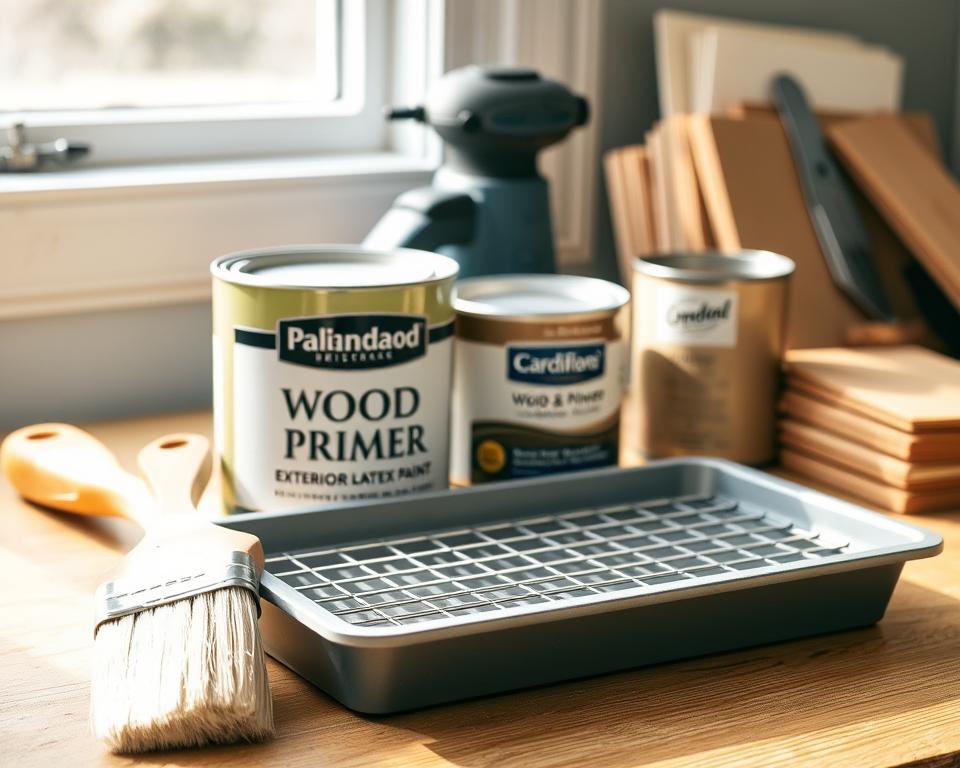
When applying primer, work in manageable 4-foot by 4-foot sections. Dip the roller cover thoroughly, then roll it out on the screen to distribute the product evenly. This methodical approach prevents lap marks and ensures uniform coverage across the entire surface.
Allow the initial coat to dry completely before applying subsequent coats. Drying times vary significantly, from thirty minutes for flat formulations to three hours or more for glossy options. Always use a fresh roller cover for each new layer to maintain quality.
Expert Tips on Achieving a Professional Finish
Several professional tips can elevate the final result. Maintain wet edges during application to avoid visible seams. Work systematically from one area to the next, ensuring consistent pressure throughout the painting process.
For structures like decorative fencing, a brush often delivers superior results in detailed areas. Conversely, large flat surfaces such as a garden shed benefit from a high-pile roller. These simple tips contribute significantly to achieving that coveted factory-quality finish.
The right painting technique ensures the paint adheres properly and withstands British weather conditions. Proper tool selection and application method are equally important as product choice for a durable outdoor deck or structure.
Managing Moisture and Drying Time
Correctly assessing the readiness of timber for finishing is a pivotal step. It separates a long-lasting, professional result from one that fails prematurely. The core challenge lies in evaluating both surface and internal conditions.
Rushing this phase is the most common error. It leads directly to coatings that bubble, peel, or flake away.

Testing the Wood’s Moisture Content
A simple water droplet test offers a quick surface check. Sprinkle a few drops onto the material. If the water soaks in quickly, the surface is ready. If it beads up, more drying time is needed.
For a precise measurement, a moisture metre is essential. Pinless models use an electromagnetic sensor. Pin-style metres require inserting small probes. Both types provide accurate internal readings.
Understanding Optimal Drying Periods
Newly acquired material often requires a significant period to dry. This can take three to four months depending on weather and storage. Patience here is non-negotiable.
For exterior projects, the target moisture content is 15 percent or less. For interior uses, aim for 12 percent or lower. These levels ensure the finish will adhere properly.
| Application | Target Moisture Content | Typical Drying Time |
|---|---|---|
| Exterior (Deck, Fence) | 15% or less | 3-4 months |
| Interior (Furniture, Trim) | 12% or less | 2-3 months |
After application, stains and coatings also need time to cure. Allow 24 to 48 hours before subjecting the surface to use. This ensures the finish hardens correctly.
Industry Best Practices and Expert Advice
Selecting the ideal finish for preserved timber involves more than just colour preference. It requires understanding how different products interact with the material’s chemical composition.
Expert guidance helps homeowners make informed decisions that balance aesthetics, durability, and maintenance.
Learning from Professional Painting Services
For extensive projects like a full deck refinish, professional services offer significant advantages. They possess the equipment and expertise to manage large structures efficiently.
“The primary error we see is underestimating preparation time. Properly dried and primed lumber is the foundation of a finish that lasts for years.”
DIY approaches work well for smaller items like garden furniture. However, complex conditions often warrant professional input to avoid common issues like peeling.

Alternatives: Staining Versus Painting
Stain is frequently the recommended choice for this type of wood. Its thinner consistency allows it to penetrate deeply, bonding well despite chemical preservatives.
This penetration offers protection that maintains the timber’s natural texture. Paint, in contrast, sits on the surface and provides a solid, opaque colour.
| Finish Type | Key Advantage | Longevity | Best For |
|---|---|---|---|
| Exterior Stain | Superior penetration | 2-5 years | New timber, natural look |
| Exterior Latex Paint | Wide colour range | 5-10 years | Aged timber, hiding imperfections |
| Factory Tinting | Integrated protection | Longest | New construction |
An oil-based semi-transparent stain is an excellent option to minimise cracking. Regardless of the choice, always follow the manufacturer‘s instructions for the best outcome.
Conclusion
Achieving a beautiful, long-lasting finish on preserved timber is a rewarding process for any homeowner. This guide has outlined the essential steps to ensure success.
Patience remains the most critical factor, particularly during the initial drying time of several months. Rushing this stage compromises the entire process.
The foundation for a durable result lies in three key areas: meticulous surface preparation, selecting the correct water-based primer and topcoats, and employing proper application techniques. Following the manufacturer‘s instructions for each product is non-negotiable.
Viewing this project as an investment pays dividends. A correctly executed finish can protect and enhance outdoor structures for many years. While it demands attention to detail, the transformation justifies the effort.
Homeowners can now approach their projects with confidence. For large-scale endeavours, consulting a professional can be a wise decision to avoid costly errors and ensure a flawless outcome.
FAQ
How long should one wait before painting pressure-treated lumber?
It is crucial to allow the timber to dry thoroughly. This process can take several months, depending on local weather conditions. A moisture metre should be used to confirm the wood’s moisture content is below 15% before any application begins.
What is the best primer for pressure-treated wood?
An oil-based or acrylic exterior primer specifically designed for use on treated lumber is recommended. These products are formulated to block stains from chemical preservatives and ensure the topcoat adheres properly, preventing premature peeling.
Can you use standard exterior latex paint?
Yes, a high-quality exterior latex paint is an excellent choice for the finish coat. However, it must only be applied over a compatible primer and onto a completely dry surface to guarantee the colour lasts for years.
Is it necessary to clean the surface before painting?
Absolutely. The wood must be free of dirt, mildew, and surface debris. A thorough clean with a specialist deck cleaner and a stiff brush is essential to remove any residue that could prevent the paint from sticking correctly.
What happens if you paint pressure-treated wood too soon?
Applying paint to damp timber traps moisture within. This leads to bubbling, blistering, and eventual failure of the coating as the moisture tries to escape. The finish will likely peel and require a costly redo.
Is staining a better option than painting for these structures?
Staining is often preferred as it penetrates the wood and does not form a surface film that can peel. It allows the timber to breathe and is generally easier to maintain. Painting provides a solid colour and can be more durable in high-traffic areas if applied correctly.