How to Install Log Cabin Lighting
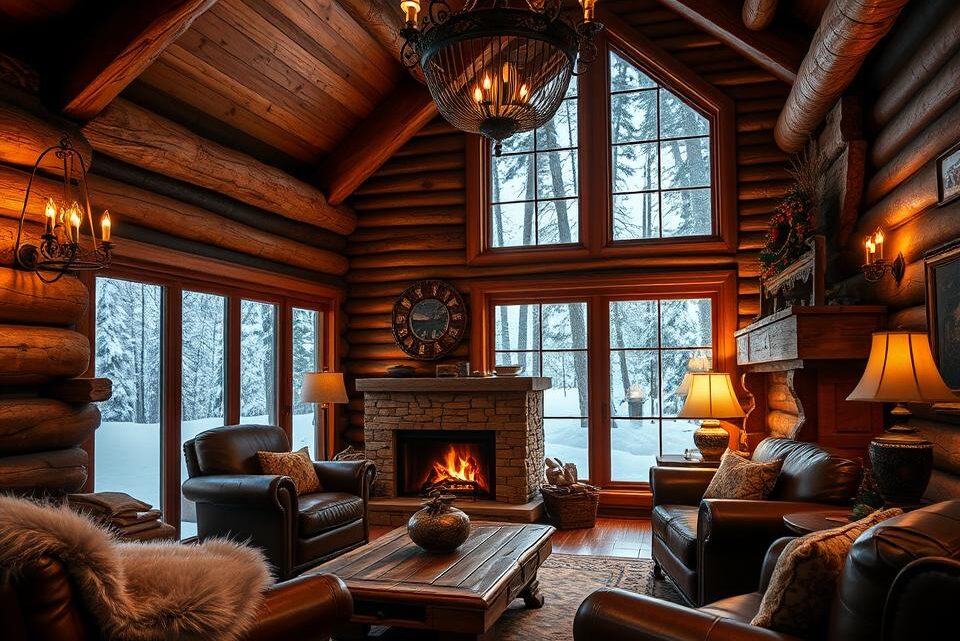
A well-lit log cabin transforms from a simple garden building into a warm, inviting retreat. As daylight fades, the right lighting becomes essential. It serves a dual purpose, enhancing both safety and the overall atmosphere of the space.
Illuminating log cabins presents unique considerations compared to standard homes. Natural timber walls and ceilings absorb light rather than reflecting it. This characteristic demands a more thoughtful approach to lighting and fixture placement to achieve the desired effect.
Strategic planning before any work begins is the foundation of a successful project. This is especially true for a cabin in the garden. Proper outdoor lighting not only improves security but also extends the living space. A cohesive plan ensures the home‘s rustic charm is complemented, not compromised.
Inhaltsverzeichnis
Key Takeaways
- Effective illumination is crucial for creating a functional and welcoming atmosphere in timber structures.
- Natural wood surfaces absorb light, requiring a more strategic design than conventional homes.
- Early planning is essential to avoid difficult and costly changes after construction.
- A well-designed scheme enhances both the interior ambience and the exterior appeal of garden buildings.
- This guide provides a comprehensive, step-by-step approach to achieving ideal illumination for various cabins.
Planning Your Log Cabin Lighting Installation
Strategic preparation before electrical work ensures both safety and aesthetic harmony in timber constructions. This phase determines how effectively illumination will serve both practical and decorative purposes throughout the space.
Design Considerations and Ambience
The size and layout of the room significantly influence fixture placement. Natural light should be maximised by positioning windows to face south in the UK. This takes advantage of the sun’s path for extended daylight hours.
Consider four lighting functions: general, task, architectural, and security. Each serves a distinct purpose in the overall design. The right combination enhances mood and functionality.
Gathering Tools and Materials
Essential equipment includes screwdrivers, wire strippers, voltage testers, and pliers. Circuit boxes, wire nuts, and ladders are also necessary. Select fixtures based on the building’s design and intended use.
Calculate required lumens for different areas. Ambient lighting needs approximately 50 lumens per square foot. Task areas like workbenches require 300 lumens.
Pre-Installation Safety Measures
Always turn off power at the circuit box before beginning. Use a voltage tester to confirm circuits are de-energised. Secure the work area and wear appropriate protective equipment.
These precautions prevent accidents during the installation process. Safety remains the priority when working with electrical systems in any garden building.
How to Install Log Cabin Lighting: Step-by-Step Guide
Executing the electrical work requires meticulous attention to safety protocols from the outset. This phase transitions from planning to physical implementation, where theoretical designs become tangible illumination solutions for the timber structure.
Turning Off Power and Ensuring Safety
Before any work commences, locating the main circuit box is essential. Switch off all electricity to the installation area. Always verify with a voltage tester that no current flows through the wires.
Prepare a secure workspace by removing clutter and flammable materials. Ensure adequate ventilation and wear appropriate protective equipment throughout the process. These precautions prevent accidents during the project.

Wiring and Fixture Installation
Selecting optimal positions for ceiling fixtures depends on the room’s purpose. Consider areas above functional zones like dining spaces or reading corners. The centre of the room often works well for general illumination.
Follow manufacturer instructions carefully when installing brackets or junction boxes. Connect the fixture’s wires to the corresponding supply wires, securing them properly with wire nuts. Cover connections with electrical tape for added safety.
| Area Type | Recommended Placement | Lumen Requirement | Special Considerations |
|---|---|---|---|
| General Space | Centre of room | 50 lumens/sq ft | Even distribution |
| Task Area | Above work surface | 300 lumens | Focused beam |
| High Ceilings | Strategic points | 75 lumens/sq ft | Creates spacious feel |
For structures with elevated roof lines, strategically placed ceiling lights can draw the eye upward. This technique enhances the perception of space while providing effective illumination. Incorporating dimmer switches offers control over light intensity for different occasions.
Incorporating Wall Sconces and Accent Lighting
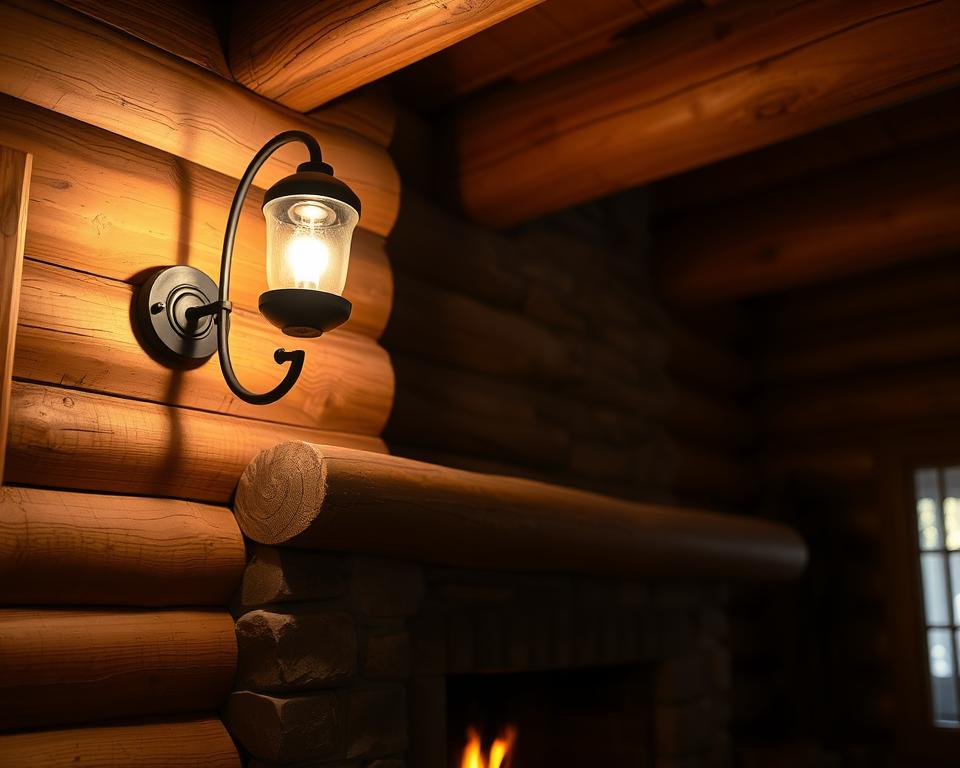
Wall sconces offer a versatile solution for enhancing timber structure interiors. These fixtures serve dual purposes, providing both ambient glow and focused illumination where needed most. They complement the natural beauty of wooden spaces beautifully.
Strategic Placement for Optimised Task Lighting
Proper positioning is crucial for effective task lighting. Install sconces at eye level, approximately 60-66 inches from the floor. This height ensures optimal illumination for reading or workspace activities.
Consider the room’s layout when planning fixture placement. Position lights near seating areas or worksurfaces for maximum functionality. The right placement creates comfortable, glare-free illumination.
| Application | Recommended Height | Light Type | Best Use |
|---|---|---|---|
| Reading Nook | 60-66 inches | Directed | Chair-side |
| Workspace | 55-60 inches | Focused | Above desk |
| General Ambience | 66-72 inches | Diffused | Wall spaces |
Connecting Sconces and Junction Boxes
Safety remains paramount during electrical work. Always turn off power at the main supply before beginning any wiring. Use a voltage tester to confirm circuits are de-energised.
Follow manufacturer instructions carefully when connecting to junction boxes. Ensure proper grounding and secure all connections with wire nuts. Professional assistance is recommended for complex installations.
Enhancing Mood with Accent Fixtures
Accent lighting adds depth and character to interior spaces. Track lighting or adjustable wall-mounted fixtures highlight architectural features effectively. Experiment with angles and intensities to create desired effects.
Outdoor options like path lights and wall lanterns extend the inviting atmosphere. They improve safety while complementing the garden building’s rustic appeal. Properly placed accent lights transform the entire space.
Optimising Ambient and Task Lighting in Your Log Cabin
Creating the perfect atmosphere involves a thoughtful blend of natural and artificial sources. The right balance enhances both functionality and comfort within the timber structure.
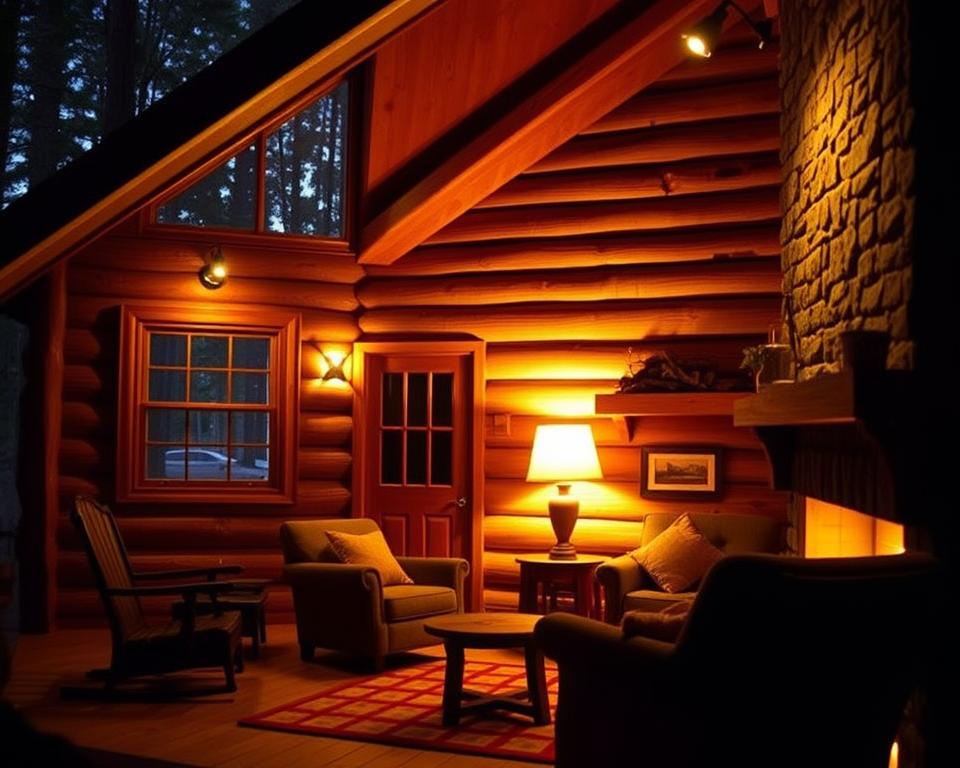
Strategic placement of windows, doors, and skylights during the design phase dramatically reduces reliance on artificial sources. Orienting the building to capture the sun’s path across seasons maximises daylight hours. For large glass areas, shades or awnings prevent excessive heat gain during summer.
Generous glazing in frequently used spaces like living areas and kitchens is recommended. Research indicates that natural light positively influences human emotion and wellbeing.
Balancing Natural and Artificial Light
This approach ensures the space remains inviting at all times. It is a careful interplay between the environment and installed fixtures.
Choosing the Right Bulbs and Fixtures
Selecting appropriate lamps is crucial for achieving the desired effect. Different bulbs offer distinct advantages for a rustic retreat.
Incandescent options produce a warm, amber glow that complements wood beautifully. However, they often fall short of modern energy efficiency standards.
Compact fluorescent lamps are efficient but can emit a cool, blue light. Some manufacturers now offer warmer versions with colour-correcting lenses.
LED technology represents the most efficient option available. While the initial cost is higher, these bulbs pay for themselves over time and are available in any colour temperature.
For outdoor areas, solar-powered systems or battery-operated lights with motion sensors provide security and convenience. They are eco-friendly and cost-effective.
| Bulb Type | Colour Temperature | Energy Efficiency | Best For |
|---|---|---|---|
| Incandescent | Warm Amber | Low | Cosy Ambience |
| Compact Fluorescent | Cool to Warm | High | General Use |
| LED | Fully Customisable | Very High | Long-Term Savings |
| Solar-Powered | Varies | Highest | Outdoor & Security |
Conclusion
Thoughtful lighting design elevates the functionality and appeal of wooden garden spaces. Proper illumination transforms these structures from simple shelters into inviting retreats that serve multiple purposes.
The range of options available—from ceiling fixtures to wall sconces and accent lighting—offers flexibility for any garden building. Each fixture type serves distinct functions while enhancing the rustic character of the space.
Successful implementation requires balancing natural and artificial sources. Strategic planning ensures the final result meets both practical needs and aesthetic desires. Homeowners can create harmonious environments that adapt to seasonal changes.
With careful consideration of the principles outlined, any garden room or shed can become a beautifully illuminated sanctuary. The right approach brings warmth and purpose to these special spaces for years to come.
FAQ
What are the first steps for planning a lighting system in a log cabin?
The initial planning phase involves assessing the primary use of the space. For a garden room used for relaxation, ambient lighting is key. For a workshop, bright task lighting is essential. Consider the cabin’s layout and where power sources are located.
Is it necessary to hire a qualified electrician for log cabin lighting installation?
For any work involving mains electricity, especially in a garden building, using a qualified electrician is strongly recommended. They ensure the installation complies with safety standards, preventing potential hazards.
Can solar-powered lights be used effectively inside a log cabin?
How can one maximise natural light in a log cabin?
To take advantage of natural light, position the building to face south for maximum sun exposure. Installing additional windows or a roof lantern can dramatically increase the amount of daylight inside the space.
What type of bulbs are best suited for a log cabin’s interior?
LED bulbs are highly recommended. They are energy-efficient, produce minimal heat, and are available in various colour temperatures to create the desired ambience, from warm and cosy to bright and functional.
How can lighting enhance the mood in a garden room?
Layering different types of lighting is the most effective method. Combine overhead fixtures with wall sconces, table lamps, and accent lights. Using dimmer switches allows for easy adjustment of the light levels to suit any occasion.
What safety checks are vital before starting the installation?
Before any work begins, the power must be turned off at the mains. A voltage tester should be used to confirm that circuits are dead. All wiring should be checked by a professional to ensure it can handle the additional load.
Are there specific regulations for lighting in an outdoor garden building?
Yes, electrical installations in garden buildings must adhere to the UK’s Wiring Regulations (BS 7671). This often requires a dedicated circuit from the main house and the use of appropriate outdoor-rated cables and fixtures.