Pressure Treated Wood Lifespan: How Long Does it Last?
Choosing the right materials is crucial for any outdoor construction project in the UK. Understanding the potential service life of timber is a key consideration. This is especially true for structures like decks, fences, and garden buildings that face constant exposure to the elements.
This timber is an investment in durability. With proper care, it can provide excellent longevity, often lasting for many years. The initial cost is balanced by its extended service life and reduced need for replacement.
Several factors influence this material’s performance. The quality of the treatment process, environmental conditions, and maintenance routines all play a significant role. Selecting the right product and caring for it correctly ensures it reaches its full potential.
Inhaltsverzeichnis
Key Takeaways
- Understanding the expected lifespan is essential for planning and budgeting.
- Properly maintained timber can offer decades of reliable service.
- It is a durable choice for withstanding typical British weather conditions.
- The initial investment is offset by long-term value and reduced replacement frequency.
- Lifespan is influenced by treatment quality, exposure, and maintenance.
Understanding Pressure Treated Wood
At the heart of long-lasting outdoor timber lies a sophisticated industrial process that enhances natural resistance. This method transforms ordinary building materials into durable assets for gardens and construction projects.
What is the Pressure Treatment Process?
The treatment process begins by placing timber inside a sealed vacuum chamber. Air is extracted from the wood cells, creating space for protective solutions.
Chemical preservatives are then forced deep into the timber fibres under high pressure. This ensures complete penetration throughout the material. The distinctive green colour comes from copper-based compounds acting as fungicides.
Benefits and Unique Qualities
This specialised treatment provides enhanced resistance to rot, insects, and moisture damage. Timber becomes significantly more durable than untreated alternatives.
Modern preservatives like alkaline copper quaternary are environmentally conscious. They protect without harming surrounding soil. The copper used often comes from recycling sources, supporting sustainable practices.
These qualities make pressure-treated timber ideal for British weather conditions. It withstands rain, humidity, and temperature variations effectively.
Key Factors Affecting Wood Longevity
The performance of timber in outdoor settings depends on several critical variables. Understanding these elements helps maximise the investment in garden structures. Different factors work together to determine overall durability.
Quality of Treatment and Chemical Preservatives
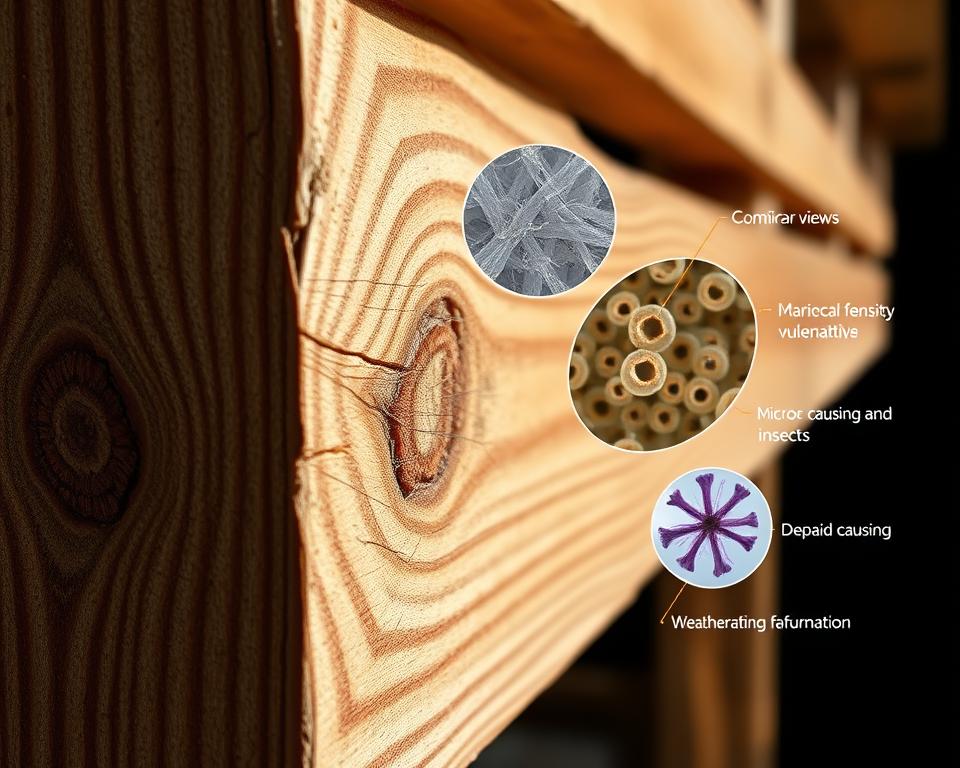
Not all timber receives equal treatment quality. Reputable suppliers follow strict standards during the preservation process. The concentration of chemical solutions varies between manufacturers.
Softwoods like pine and cedar absorb treatments effectively. Their cellular structure allows deep penetration of preservatives. Proper treatment provides strong resistance against decay and insect damage.
Environmental Exposure and Moisture Levels
Constant contact with the elements significantly impacts timber performance. British weather presents particular challenges for outdoor materials. Moisture absorption remains a primary concern for longevity.
UV radiation breaks down surface fibres over time. Temperature changes cause expansion and contraction. These environmental factors can lead to surface cracking if not managed.
| Factor | Impact on Longevity | Prevention Methods |
|---|---|---|
| Treatment Quality | High impact on rot resistance | Choose reputable suppliers |
| Moisture Exposure | Major cause of decay | Proper sealing and drainage |
| UV Radiation | Surface deterioration | Regular protective coatings |
| Wood Species | Absorption capacity | Select appropriate timber type |
Proper installation techniques help mitigate environmental challenges. Selecting the right location reduces exposure to harsh conditions. These considerations work together with treatment quality to ensure lasting performance.
How Long Does Pressure Treated Wood Last?
Understanding realistic timeframes for outdoor timber performance helps with project planning. This material offers substantial durability compared to untreated alternatives.

Preserved timber typically provides service from 10 to 40 years. The actual lifespan depends on multiple factors working together.
Manufacturer Guarantees Versus Real-World Longevity
Companies like Garden Buildings Direct offer 10 to 15-year anti-rot guarantees. These warranties provide important protection for consumers.
However, well-maintained structures often exceed guarantee periods significantly. Proper care extends performance beyond initial expectations.
Influence of Wood Species and Construction Techniques
Different timber types absorb preservatives differently. Pine, cedar, and Douglas fir demonstrate excellent treatment absorption.
Construction methods greatly impact overall longevity. Proper spacing, drainage, and fastener selection prevent premature deterioration.
Quality installation combined with suitable wood species ensures optimal performance. These elements help achieve the upper range of expected service life.
Maintaining and Caring for Pressure Treated Wood
A proactive maintenance routine is the most effective strategy for preserving the integrity and appearance of timber structures. Even the most durable pressure-treated wood benefits from periodic care to extend its service lifespan significantly.
Essential Cleaning and Sealant Application
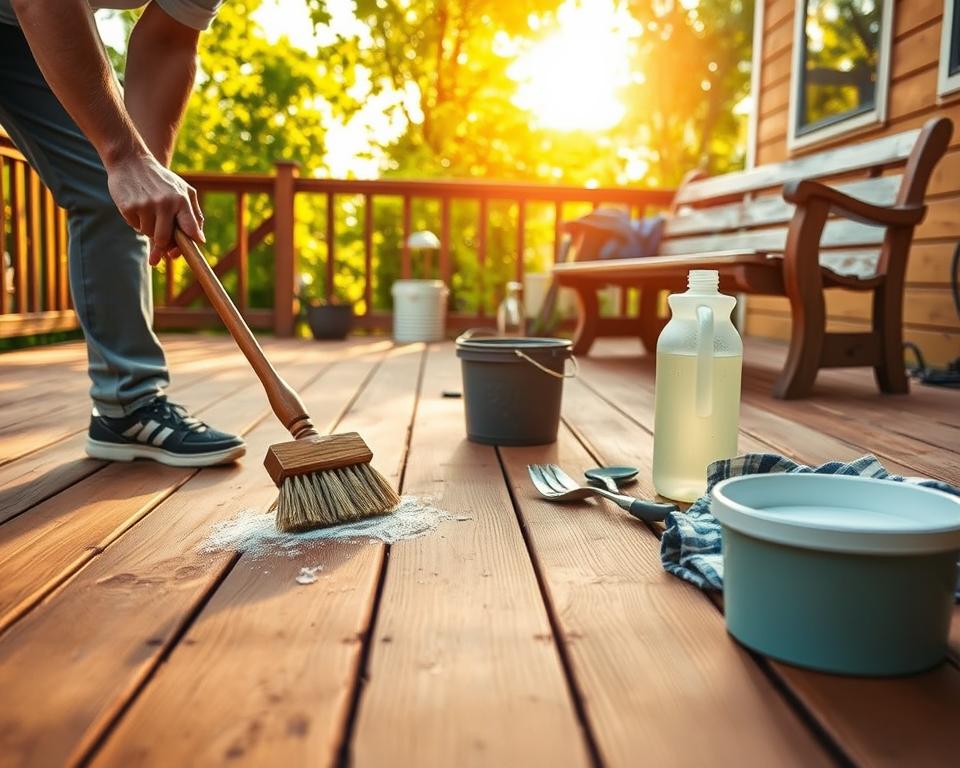
Regular cleaning removes dirt, debris, and mildew. Use a mild detergent solution with a soft brush or a low-pressure washer.
Applying a protective sealant is crucial. It shields the timber from UV rays and moisture. This prevents surface cracking and discolouration.
Homeowners should wait at least two months after installation before applying any stain, paint, or sealant. This allows the wood to dry thoroughly.
For added protection, use compatible preservatives like Protek, Cuprinol, or Sadolin. Always check the product label to ensure it is suitable for treated wood.
Preventing Warping, Cracking and Fungal Growth
Proper storage before installation and ensuring adequate ventilation around the structure are key. This helps maintain consistent moisture levels.
Regular inspections for early signs of wear, loose fixings, or fungal growth allow for timely intervention. Addressing small issues promptly prevents costly repairs later.
| Maintenance Task | Frequency | Key Benefit |
|---|---|---|
| General Inspection | Annually | Early problem detection |
| Thorough Cleaning | Biennially | Removes damaging debris |
| Sealant Re-application | Every 2-3 years | Protects against water and UV |
A modest investment of time in this care dramatically enhances the lifespan and aesthetics of outdoor projects.
Common Issues with Pressure Treated Wood in Outdoor Settings
Recognising common problems helps owners distinguish between normal aging and serious damage. Even well-treated timber develops characteristic issues when exposed to British weather.
Surface Cracking, Splitting and Discolouration
Temperature fluctuations cause timber fibres to expand and contract. This natural process leads to surface cracking, particularly during summer months.
Heat reduces moisture content, making fibres tighter. Superficial cracks typically don’t compromise structural integrity. They often close when cooler, wetter conditions return.

Discolouration represents normal weathering. The initial greenish tint gradually fades to an attractive silvery-grey patina. Warping occurs when water absorption happens unevenly across boards.
Identifying Insect and Moisture-Related Damage
Vigilance remains important despite protective treatment. Look for soft spots indicating rot in persistently damp areas.
Fungal growth can appear in shaded spots. Check areas where treatment may be compromised by cuts or holes.
| Issue Type | Normal Weathering | Requires Attention |
|---|---|---|
| Surface Cracking | Fine hairline cracks | Deep structural splits |
| Colour Changes | Uniform grey patina | Localised dark stains |
| Moisture Signs | Seasonal swelling | Persistent soft spots |
| Insect Activity | None visible | Frass or exit holes |
Regular inspections help identify early signs of serious damage. This proactive approach maintains your deck or garden structure’s longevity.
Expert Advice for Maximising Pressure Treated Wood Lifespan
The difference between average and exceptional timber performance often lies in construction methodology. Professional techniques ensure outdoor structures reach their maximum potential.

Implementing industry best practices during construction can dramatically extend service life. This approach combines proper installation with strategic maintenance planning.
Professional Installation and Maintenance Tips
Adequate spacing between boards accommodates natural expansion and contraction. Using corrosion-resistant fasteners prevents rust stains and maintains structural integrity.
Proper drainage design is essential for preventing water pooling. Even quality material suffers when exposed to standing moisture. Slope surfaces appropriately to encourage runoff.
Long-Term Care and Preservation Strategies
Regular inspections identify issues before they become serious problems. Check for loose fasteners, damaged boards, and signs of fungal growth.
Selecting high-quality timber from reputable manufacturers ensures better performance. Grain patterns and sawing methods influence stability. Timber cut from the heart of the tree typically demonstrates superior resistance to warping.
Proper ventilation around the structure maintains consistent moisture levels. These expert strategies work together to maximise durability across the entire range of outdoor applications.
Conclusion
The longevity of properly maintained pressure-treated wood makes it a wise choice for British garden structures. This material offers exceptional durability that can span decades with appropriate care. Homeowners can expect reliable performance from their outdoor projects when they select quality materials.
Achieving maximum lifespan requires attention to several key factors. Treatment quality, installation techniques, and regular maintenance all contribute to extended service life. These elements work together to ensure structures remain sound for many years.
Pressure-treated timber represents a sustainable investment that reduces replacement frequency. The knowledge presented here equips readers to make informed decisions for their specific projects. Applying these principles will maximise the value of any outdoor construction.
FAQ
What is the typical lifespan of pressure treated timber?
The durability of this material can vary significantly, often lasting anywhere from 10 to 40 years. Its longevity depends heavily on factors such as the quality of preservatives used, environmental exposure, and the level of maintenance it receives.
How does the treatment process enhance the wood’s resistance?
The pressure treatment process forces preservative chemicals deep into the wood’s fibres. This infusion provides robust protection against decay, rot, and insect infestation, significantly boosting the material’s resilience against the elements.
What maintenance is required to extend its service life?
Regular cleaning and the application of a suitable sealant every few years are crucial. This care helps to prevent moisture penetration, reduce surface cracking, and maintain the integrity of the preservatives within the timber.
Are there different classes of treatment for various uses?
Yes, treated timber is classified into different use categories. These categories indicate the level of preservative retention, ensuring the material is suited for its intended environment, whether for interior use, outdoor above-ground structures, or in contact with the ground.
What are common signs that treated wood may need replacement?
Visible indicators include extensive warping, deep cracking that compromises structural integrity, persistent soft spots indicating rot, or significant insect damage. Early attention to these issues can often prolong the material’s usability.
How does ground contact affect the longevity of this material?
Timber designed for ground contact undergoes a more intensive treatment process to withstand constant moisture and soil organisms. Even with this enhanced protection, its lifespan is generally shorter than that of timber used for above-ground projects like decking.