When to Start Planting Outdoors: Tips and Advice
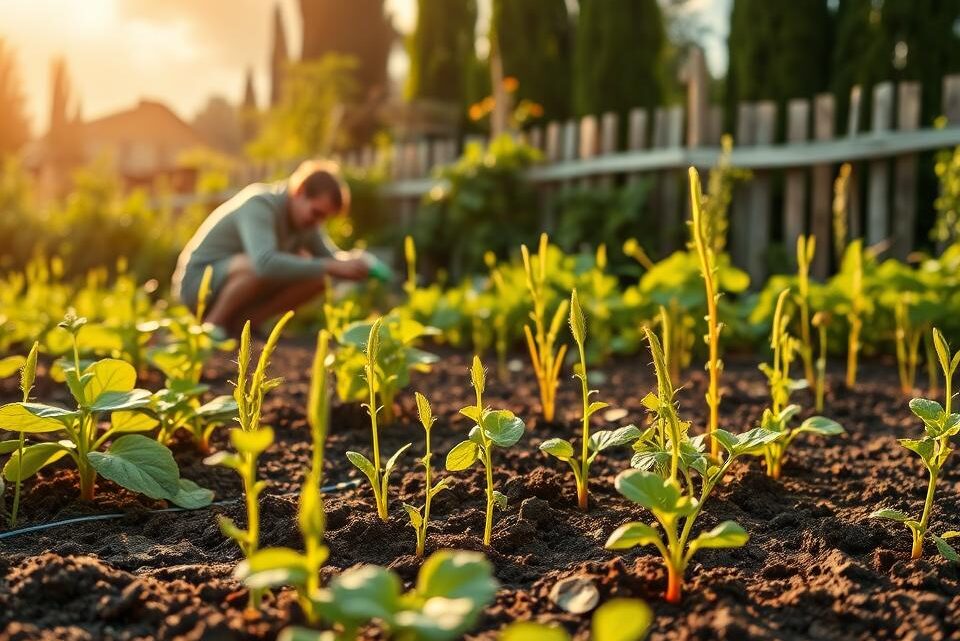
Determining the right time to begin cultivation is a fundamental question for any gardener. Getting this decision correct lays the groundwork for a successful and productive garden.
While the spring season is traditionally seen as the prime period for sowing, the actual schedule is more adaptable. Successful planting outdoors can occur across various months, influenced by crop choices and local climate.
The foundation for an optimal schedule involves understanding specific local factors. A garden‘s microclimate, the last frost date, and soil conditions are all critical pieces of information.
A well-planned calendar maximises harvests and extends the growing period for vegetables and flowers. It also helps avoid common setbacks like frost damage or poor seed germination.
This guide offers comprehensive tips and advice, covering soil preparation, seasonal considerations, and protective measures. It aims to demystify the process, empowering gardeners to make informed decisions for their unique situations.
Inhaltsverzeichnis
Key Takeaways
- Correct timing is essential for a successful garden’s development.
- The ideal planting schedule varies based on crop selection and local climate conditions.
- Understanding your garden’s microclimate and frost dates is crucial.
- Careful planning helps maximise harvests and avoid common pitfalls.
- This guide provides practical advice tailored to UK gardeners.
Understanding the UK Gardening Calendar
Grasping the rhythm of the UK gardening calendar unlocks a year of productive cultivation. The British climate creates distinct seasonal patterns that guide gardeners’ activities.
The UK growing season typically spans from late February through October. Soil temperature becomes a crucial indicator for beginning cultivation. Most vegetables enter the ground during the spring months of March to May.
Autumn brings different opportunities for forward planning. This period is ideal for garlic, overwintering onions, and spring bulbs. The gardening calendar follows a natural cycle that experienced growers learn to anticipate.
| Season | Typical Months | Key Activities | Temperature Range |
|---|---|---|---|
| Spring | March-May | Main vegetable sowing | 7-10°C soil |
| Summer | June-August | Succession planting | 15°C+ |
| Autumn | September-November | Bulbs & perennials | Cooling |
| Winter | December-February | Planning & preparation | Cold |
Regional variations significantly affect timing across the UK. Southern gardens often begin several weeks earlier than northern locations. Coastal and urban areas frequently enjoy milder microclimates.
Tracking frost dates helps gardeners calculate optimal sowing schedules. The last spring frost and first autumn frost are particularly important markers. Understanding these patterns enables better crop rotation and space utilisation.
This cyclical approach to the gardening year maximises harvest potential. It transforms random efforts into a coordinated strategy for garden success.
Preparing Your Garden: Soil, Compost and Other Essentials
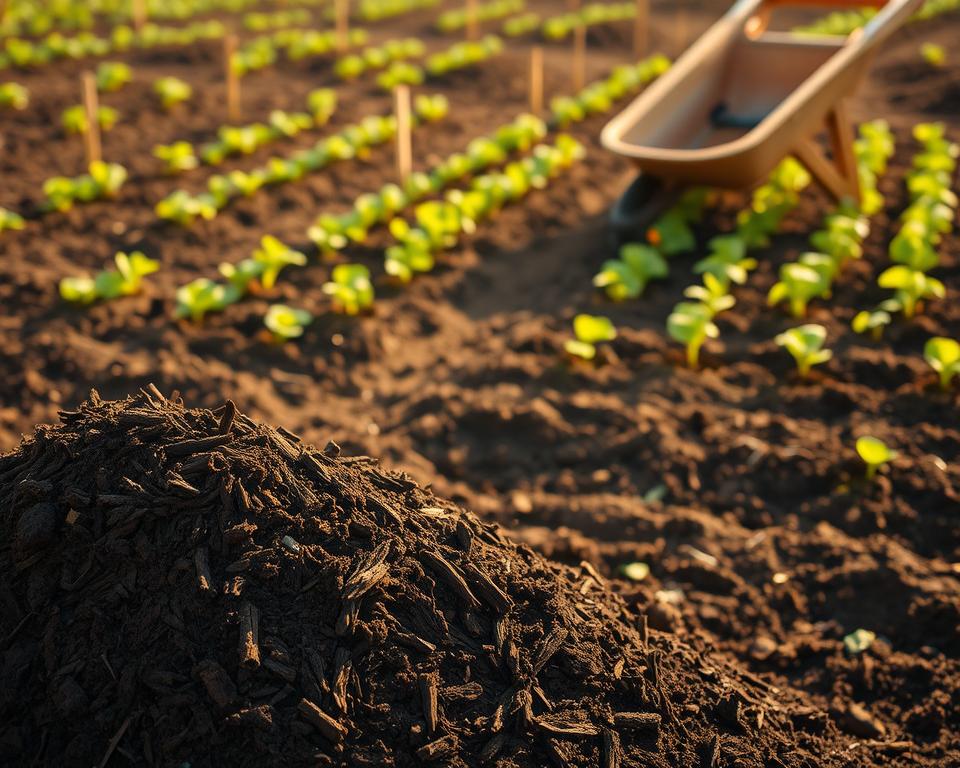
Before any seeds touch the earth, thorough soil preparation sets the stage for healthy growth. Proper groundwork provides plants with essential nutrients, moisture retention, and space for root development. This foundational work transforms ordinary ground into productive growing medium.
Testing Your Soil and pH Levels
Understanding your soil’s composition begins with simple pH testing. Most vegetable crops prefer slightly acidic to neutral conditions, typically between 6.0 and 7.0. Home testing kits offer quick insights, while laboratory services provide detailed analysis.
Different plants have specific preferences. Parsnips thrive in soil with pH 6.0-6.8, while Brussels sprouts demand rich organic matter. Testing helps gardeners tailor their approach to each crop’s needs.
Amending with Compost and Fertiliser
Compost improves soil structure dramatically. It enhances water retention in sandy soils and improves drainage in heavy clay. Well-rotted compost or farmyard manure feeds beneficial microorganisms while releasing nutrients gradually.
For specific needs, balanced fertilisers can supplement natural compost. Potatoes benefit from additional fertiliser, while beetroot prefers fertile, well-drained soil with moisture-retaining mulch. These practical tips ensure optimal conditions for various vegetable families.
Key Seasonal Considerations for a Productive Garden
Mastering the annual cycle of growth requires attention to frost dates and soil conditions. Each season brings unique opportunities and challenges for cultivation. Understanding these patterns helps gardeners work with nature’s rhythm.
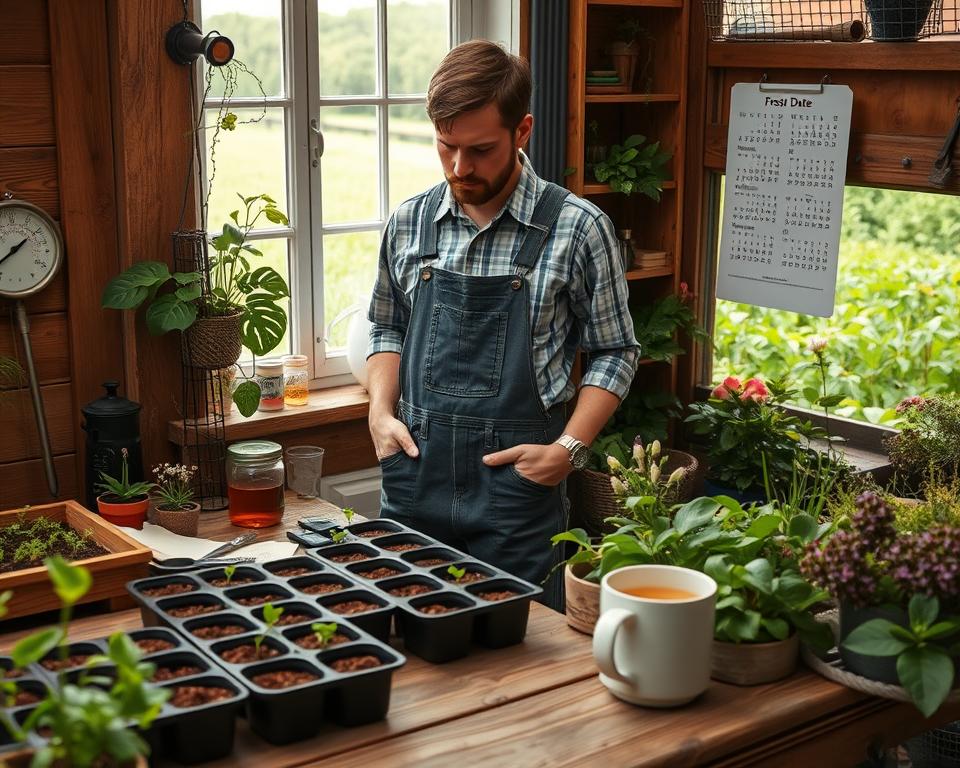
The spring period demands careful planning around local frost patterns. Many gardeners consult historical data to determine their area’s average last frost date. This information provides a safe window for various crops.
Assessing Frost Dates and Temperature
Soil temperature proves just as important as air readings. A simple thermometer placed at seed depth gives accurate ground conditions. Most vegetables need soil above 7°C for successful germination.
Protective measures like cloches and fleece extend the growing season. These tools create microclimates that shield plants from unexpected cold snaps. They allow earlier sowing and later harvesting.
The hardening off process prepares seedlings for outdoor life. Gradual exposure to outside conditions over 7-14 days strengthens plants. This step prevents shock when moving from indoor protection.
Daylight hours significantly influence plant development. Longer days in spring encourage vigorous growth. Shorter autumn days signal plants to complete their cycles before winter.
When to Start Planting Outdoors
Successful gardening hinges on identifying the precise window for commencing outdoor sowing each season. The best time start varies considerably between different vegetable categories and geographical locations across the UK.
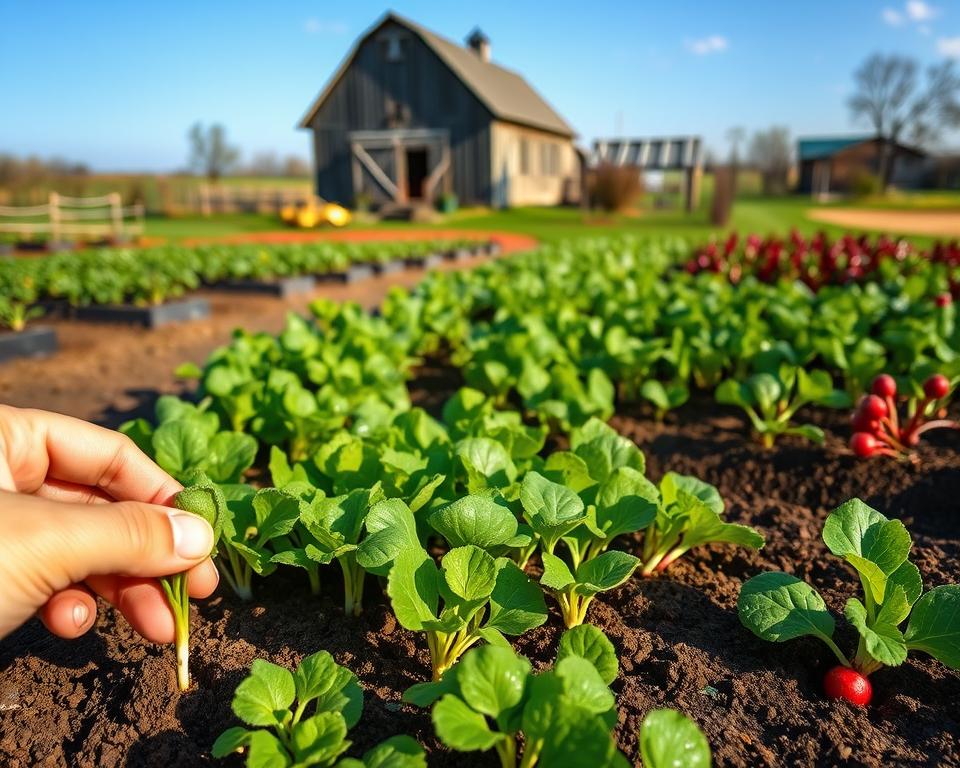
For most gardens, the main cultivation period begins between late march and early May. This time start coincides with soil warming to 7-10°C and reduced frost risk. Hardy vegetables like broad beans and peas tolerate earlier planting from February onwards.
Tender crops require warmer conditions. Tomatoes, courgettes, and runner beans should wait until late April through early June. The traditional advice to plant potatoes on Good Friday offers a useful guideline, as this typically falls in late march to mid-April.
Regional variations significantly influence timing. Southern gardeners often begin 2-3 weeks earlier than northern counterparts. Coastal areas benefit from maritime climate moderation.
A practical framework helps determine the best time. Check weather forecasts, monitor soil temperature, and assess soil workability. Protective coverings extend the early spring season for borderline dates.
Succession planting ensures continuous harvests. Sow quick-maturing crops like lettuce every 2-3 weeks from early spring through summer. Patience with soil conditions yields better results than premature cultivation.
Sowing Seeds Indoors vs Outdoors
The choice between indoor and outdoor seed starting significantly impacts a garden’s success. Each approach offers distinct advantages for different crops and growing conditions.

Gardeners must consider their local climate, available space, and crop selection. Some vegetables perform better with an early indoor start.
Benefits of Indoor Sowing
Indoor sowing extends the growing season dramatically. Tender crops like tomatoes and peppers benefit from this head start. Gardeners can sow seeds indoors late winter for robust spring plants.
Controlled conditions ensure reliable germination. Temperature and moisture levels remain optimal. This method protects young plants from pests and unpredictable weather.
Indoor cultivation makes efficient use of expensive or rare seeds. It allows precise timing for transplanting. Many gardeners begin their season by sowing seeds on sunny windowsills.
Transitioning to Outdoor Planting
The hardening-off process is essential for indoor-raised seedlings. Gradual exposure to outdoor conditions prevents shock. This transition typically spans 7-14 days.
Begin with short periods outside during mild weather. Increase exposure gradually each day. Protect tender plants from strong winds and direct sunlight initially.
Timing varies by crop type and local conditions. Tender plants need careful acclimatisation before final placement. This careful approach ensures successful establishment.
Selecting the Right Vegetables and Crops
Choosing which crops to grow is a fundamental decision for any gardener. The success of a harvest often depends on selecting varieties well-suited to local conditions. This choice directly influences yield, plant health, and overall garden satisfaction.
Understanding the distinction between different crop types is crucial. Early varieties mature quickly but often produce smaller yields. Maincrop types require a longer growing period but typically deliver a more substantial harvest.
Choosing Varieties Suited to UK Climates
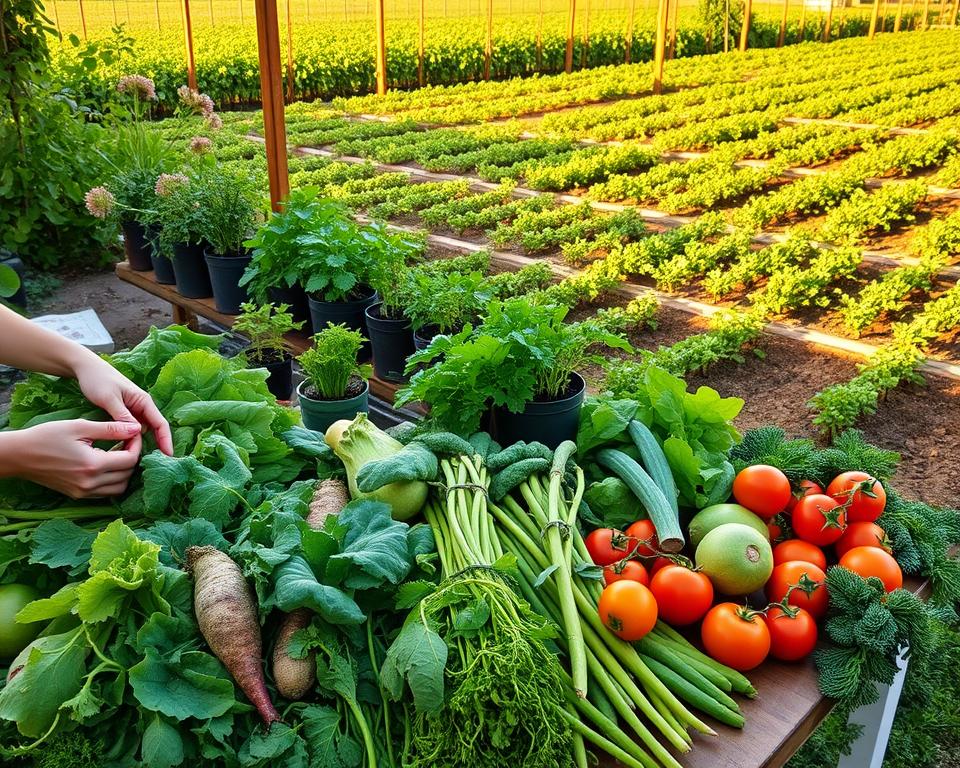
Seed catalogues and packets provide valuable clues. Look for terms like ‘cold-tolerant’, ‘bolt-resistant’, or ‘suitable for shorter seasons’. These descriptions indicate characteristics beneficial for the variable British weather.
Disease resistance is another critical factor. Modern cultivars are often bred to resist common issues like potato blight or clubroot. Opting for these varieties can significantly reduce potential problems.
Consider your available space and sunlight. Leafy greens and herbs tolerate partial shade. Fruiting crops like tomatoes need full sun. Climbing beans make excellent use of vertical space in smaller gardens.
For container growing, compact or dwarf varieties are ideal. Specially bred ‘patio’ versions of tomatoes, peppers, and salad leaves thrive in pots. Fast-maturing crops like cress and rocket can be sown year-round.
Experimenting with diverse crops adds resilience and interest. Hardy options like pak choi, chard, and kohl rabi adapt well to UK conditions. Heritage varieties often bring unique flavours and characteristics.
| Vegetable Type | UK Planting Period | Variety Examples |
|---|---|---|
| Carrots (Early) | February onwards | Early Nantes |
| Carrots (Maincrop) | April – July | Autumn King |
| Potatoes (First Early) | Late March | Rocket |
| Potatoes (Second Early) | Early – Mid April | Maris Peer |
| Tomatoes (Outdoor) | Late March – Early April | Shirley |
Early Spring Planting Strategies
Forward-thinking gardeners recognise the potential of February through April for establishing hardy crops. This period allows for gaining several weeks’ advantage over traditional schedules. Protective measures enable cultivation despite lingering cold conditions.
Timing for Early Veggies
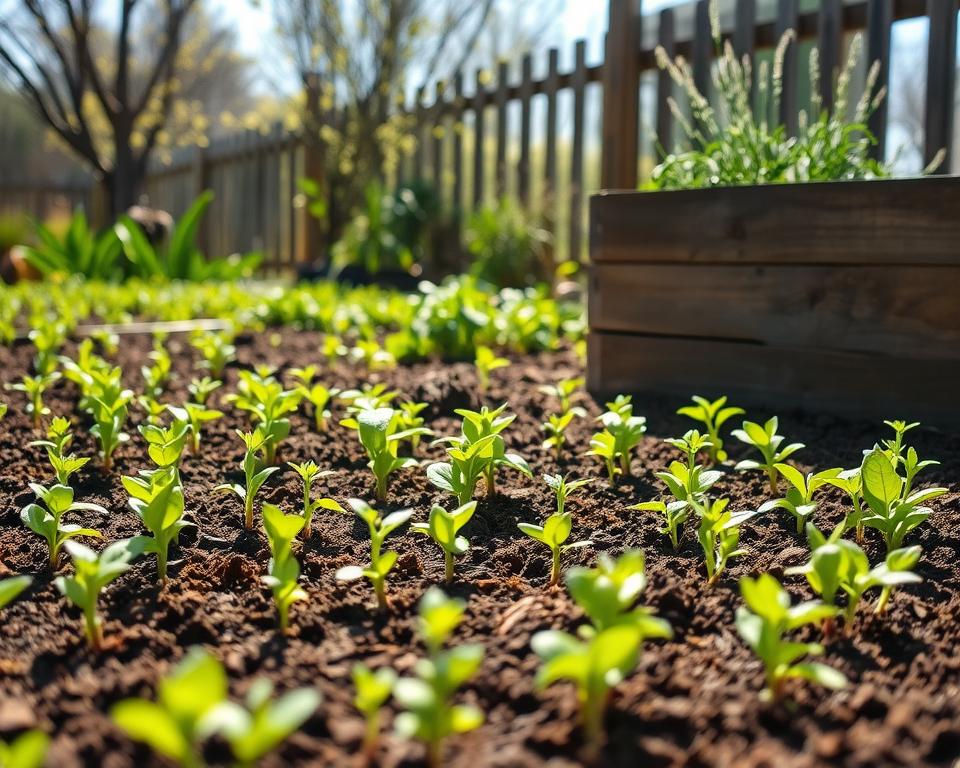
Hardy seeds can be sown outdoors with appropriate protection during early spring. Peas tolerate March conditions if soil reaches adequate warmth. Warming earth with cloches beforehand proves beneficial.
Carrots accept February sowing when shielded with fleece. Broad beans thrive from February-March plantings. Onion sets and spring onions establish well from March onwards.
| Vegetable | Earliest Sowing | Protection Needed |
|---|---|---|
| Broad Beans | February | Minimal |
| Carrots | February | Fleece/Cloche |
| Early Potatoes | Late March | Soil warming |
| Cabbage Family | March-April | Indoor start recommended |
| Peas | March | Cloches if cold |
Protecting Against Late Frosts
Unexpected frost remains a risk well into April. Horticultural fleece offers 2-4°C protection while permitting light penetration. Cloches create beneficial microclimates for individual plants.
Monitoring weather forecasts helps gardeners prepare emergency coverings. Cold frames provide transitional environments for seedlings. These strategies safeguard against damaging temperature drops.
Planting Timelines for Summer and Autumn Crops
As temperatures rise and daylight extends, gardeners can expand their crop selection significantly. The warmer months offer diverse opportunities for continuous harvests through strategic scheduling.
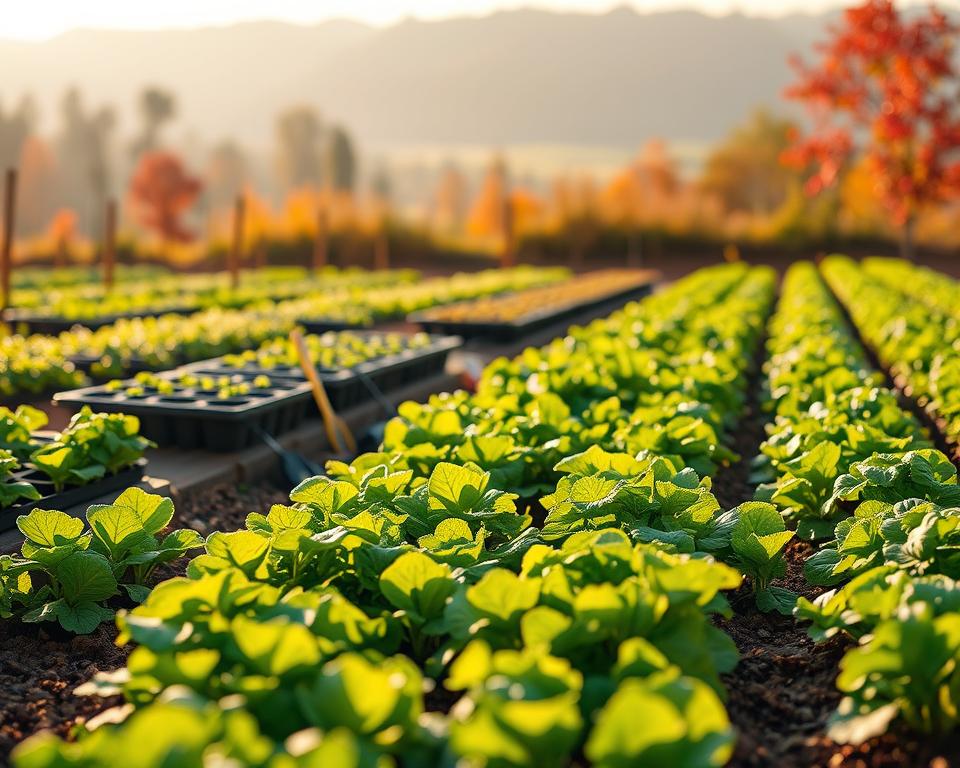
Late spring through early summer marks the ideal period for warmth-loving vegetable varieties. Tender crops like tomatoes, courgettes, and runner beans thrive when planted from May. These plants require thoroughly warmed soil and zero frost risk.
Extending the Growing Season
Succession sowing maintains fresh harvests throughout the summer. Quick-maturing vegetable choices include lettuce, beetroot, and carrots. Small batches planted every few weeks ensure continuous supply.
The autumn season brings opportunities for overwintering crops. Gardeners can sow winter cabbage, kale, and oriental greens like pak choi from August. These plants mature as summer varieties finish production.
Late autumn planting prepares for early spring harvests. Garlic cloves and overwintering onions establish roots before winter dormancy. Hardy broad bean varieties sown in November surge into growth when warmer weather returns.
Different potatoes types demonstrate succession planting principles. Second early potatoes planted in April harvest from July. Maincrop varieties follow for autumn digging. This approach maximises the growing season effectively.
Understanding Frost Dates and Their Impact
Understanding local frost patterns is crucial for protecting vulnerable plants from seasonal temperature extremes. The UK’s growing season is framed by late frosts in early spring and first frosts in late autumn. These dates serve as critical reference points for determining safe cultivation windows.
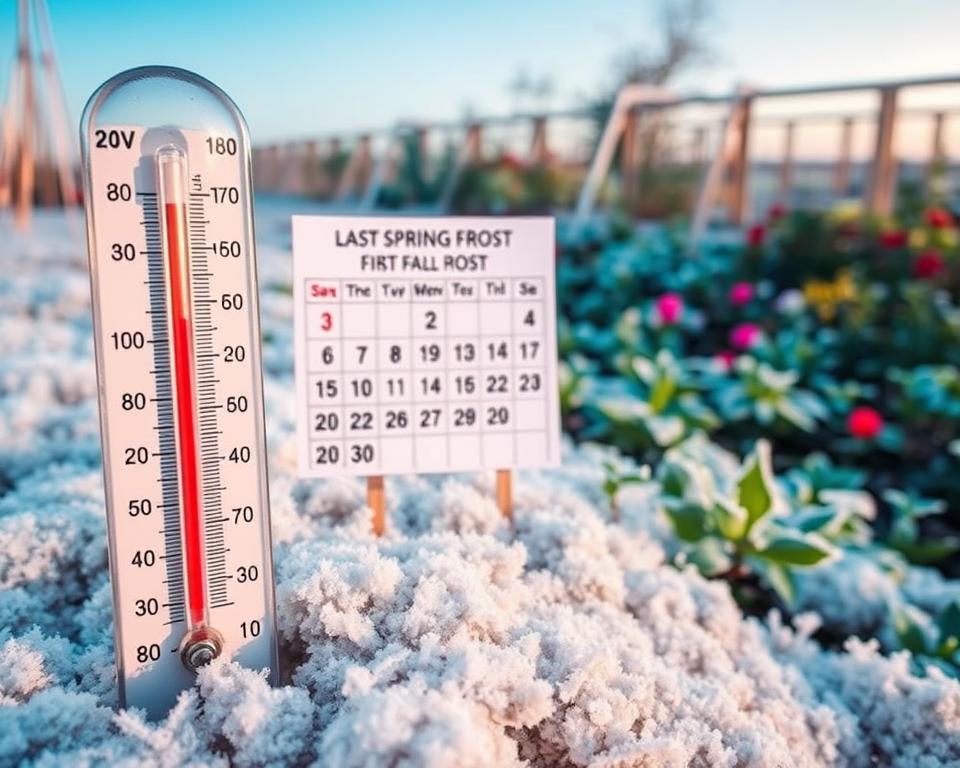
Frost dates represent statistical averages based on historical weather data. Southern gardens typically experience their last spring frost by mid-April, while northern regions may wait until mid-May. Actual occurrences vary annually, requiring gardeners to monitor current forecasts.
Frost damages plants through ice crystal formation within cells. This ruptures cell walls and causes tissue death. Tender growth on tomatoes, courgettes, and beans is particularly vulnerable to these effects.
| UK Region | Last Spring Frost | First Autumn Frost | Frost-Free Days |
|---|---|---|---|
| Southern England | Mid-April | Early November | 200+ |
| Midlands | Early May | Mid-October | 180-200 |
| Northern England | Mid-May | Early October | 160-180 |
| Scotland | Late May | Late September | 140-160 |
Gardeners can employ various protection strategies during unexpected frosts. Fleece coverings, cloches, and water-filled bottles help moderate temperature drops. Sheltered spots near walls remain warmer than exposed positions.
Frost timing directly influences planting strategies. Hardy plants tolerate placement 4-6 weeks before the last frost date. Tender crops must wait until risk has passed completely. This careful approach ensures successful establishment throughout the growing season.
Optimising Your Planting Calendar for Maximum Growth
A well-structured planting calendar serves as the gardener’s roadmap for success throughout the year. It transforms seasonal efforts into a continuous harvest system. Gardeners can maximise their growing season with strategic planning.
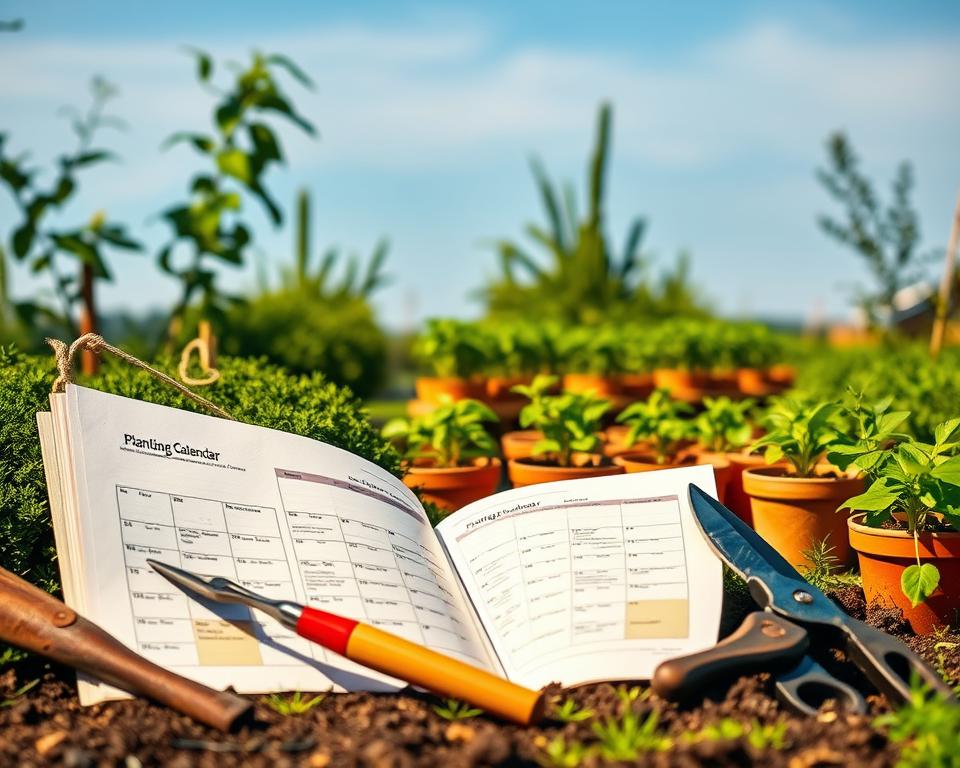
Succession planting proves essential for consistent yields. Sowing small batches every 10-14 days prevents gluts. Quick-maturing crops like lettuce and radishes work perfectly.
Intercropping techniques boost space efficiency dramatically. Fast-growing varieties mature between slower crops. Radishes harvested before brassicas need extra room.
Crop rotation maintains soil health across seasons. Moving plant families annually balances nutrient demands. This practice reduces disease build-up effectively.
Record-keeping informs future decisions. Diaries or apps track planting dates and results. These records help refine the calendar each year.
Working backwards from desired harvest dates ensures perfect timing. The “days to maturity” on seed packets guide scheduling. This approach accounts for seasonal temperature variations.
Strategic planning balances ambitions with practical constraints. Prioritising high-yield crops matching household needs optimises results. Every garden possesses unique potential for growth.
Adapting to Local Garden Microclimates
Microclimates within urban settings offer opportunities for creative gardeners to maximise their limited growing space. These localised areas experience slightly different conditions than surrounding areas. Understanding them enables extended seasons and successful cultivation of challenging crops.
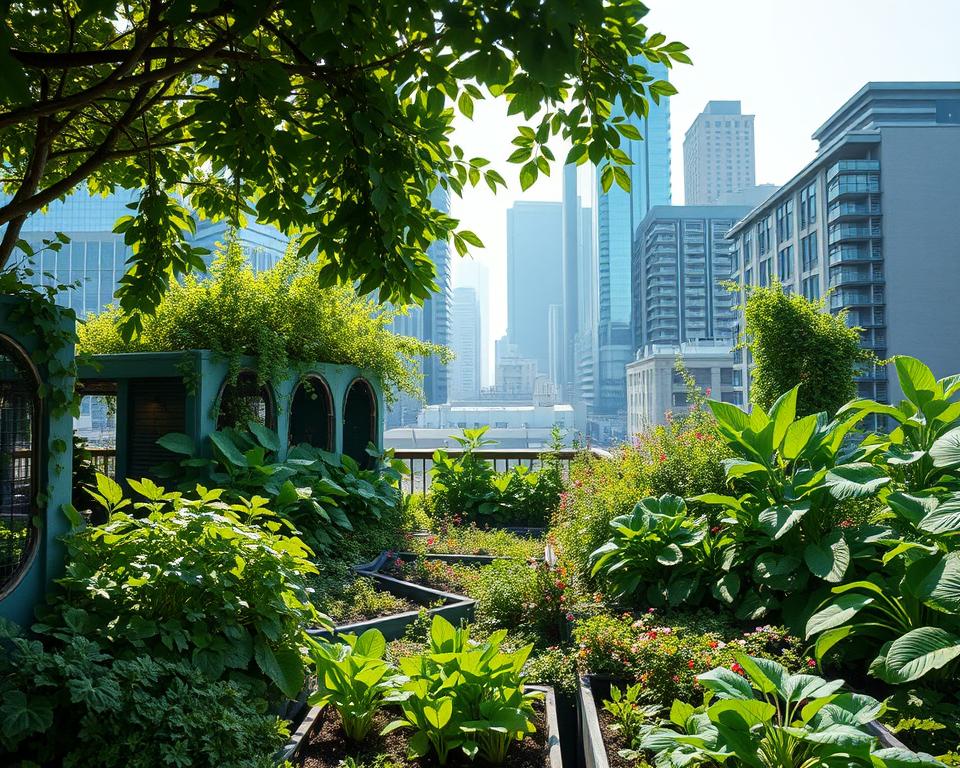
London gardeners often work with compact spaces and varying sunlight patterns. Sheltered walls remain several degrees warmer, creating ideal spots for early cultivation. South-facing courtyards and roof gardens provide excellent growing conditions.
Urban Garden Tips for Compact Spaces
City dwellers can employ smart strategies for successful cultivation. Using pots allows flexible arrangements on balconies and patios. Choose compact or dwarf varieties specifically bred for container growing.
Vertical gardening on walls and fences maximises limited space. Succession planting in pots enables crop rotation throughout the season. Layered planting with different height plants creates efficient use of available area.
Urban areas benefit from milder microclimates. Buildings radiate stored heat, reducing frost risk. This allows earlier planting and later harvests. However, limited soil depth in containers requires frequent watering.
During winter, fleece covers protect plants in exposed positions. Mulching soil helps moderate temperature fluctuations. These tips help urban gardeners overcome space constraints effectively.
Areas like Hampstead, Highgate, and Islington demonstrate unique microclimate characteristics. Gardeners should experiment with different locations in their garden. Record which spots perform best for various plants.
Sheltered corners near buildings create warm microclimates. These spots are perfect for tender plants during colder months. Cold frames provide additional protection for early season cultivation.
These urban gardening tips help maximise limited spaces. Proper soil preparation remains essential even in containers. With careful planning, city gardeners achieve impressive results.
Indoor Seed Sowing: Best Practices for Beginners
Beginning gardeners can achieve remarkable results with proper indoor sowing techniques. This approach extends the growing season for tender crops like tomatoes and peppers.
Essential equipment includes seed trays, fine seed compost, and propagator lids. A sunny windowsill provides ideal natural light for germination. Supplementary lighting helps during low-light periods.
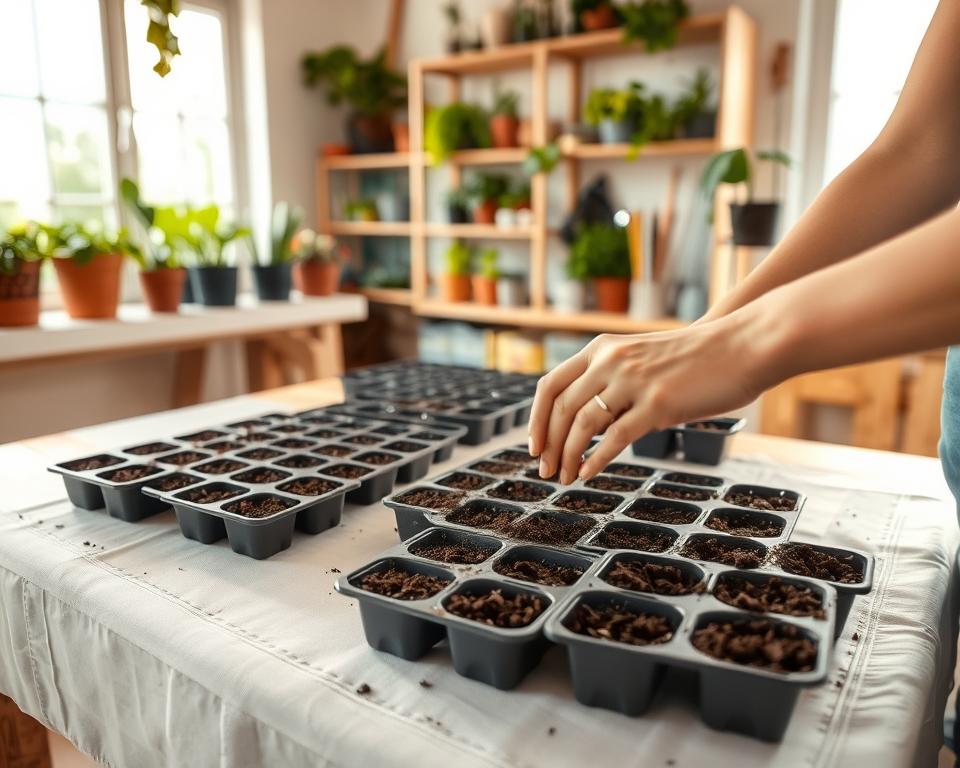
Proper sowing depth is crucial—generally two to three times the seed’s diameter. Consistent moisture and temperature ensure reliable germination. Different crops have specific requirements.
| Crop Type | Germination Temperature | Timing Before Last Frost |
|---|---|---|
| Tomatoes & Peppers | 18-21°C | 6-8 weeks |
| Brassicas & Lettuce | 15-18°C | 4-6 weeks |
| Onions | 10-15°C | 8-10 weeks |
Common challenges include leggy growth from insufficient light. Overwatering can cause damping-off disease. Gentle handling during transplanting reduces shock.
Patience with timing yields stronger plants than premature sowing.
These tips help beginners avoid common pitfalls. Properly started seedlings establish more successfully outdoors. The right approach makes indoor sowing rewarding.
Caring for Your Garden: Watering, Mulching and Maintenance
Maintaining optimal soil moisture levels is crucial for healthy root systems and vigorous growth. Effective garden care extends beyond initial planting, requiring consistent attention throughout the season. These maintenance tips help ensure plants thrive from establishment to harvest.
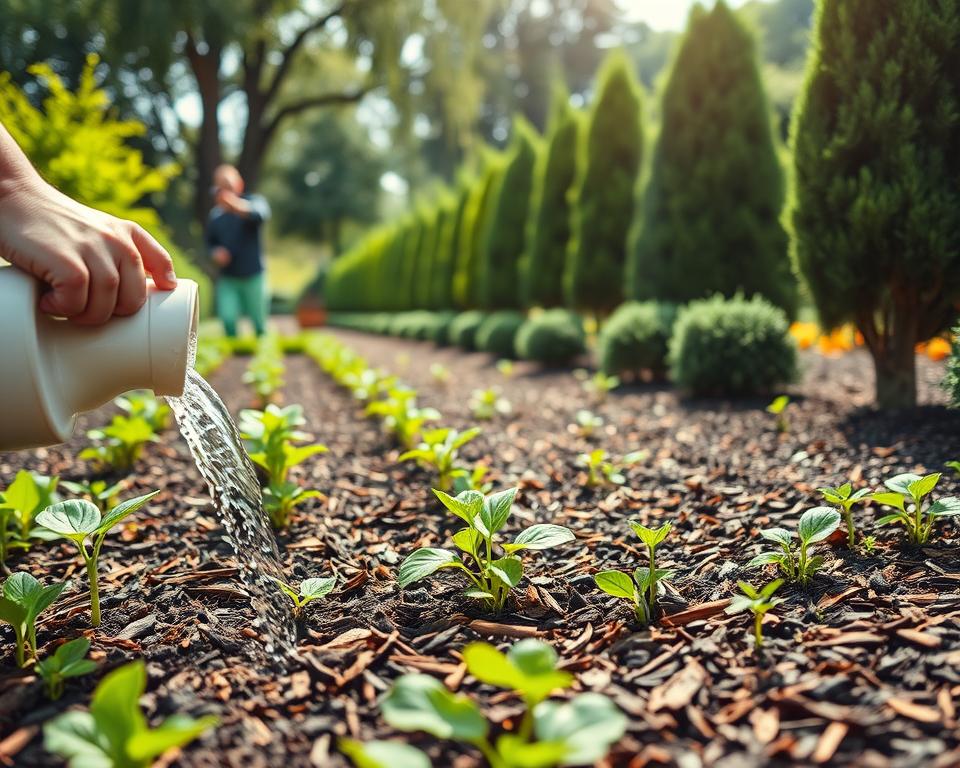
Proper water management encourages deep roots and prevents disease. Apply water slowly at the base of plants during early morning hours. This technique allows moisture to penetrate deeply while minimising evaporation.
Different crops have specific hydration needs. Peas require generous soaking twice weekly, especially during dry spells. Carrots need regular water but show wilting leaves when thirsty. Tomato plants in containers may need daily water in hot weather.
Mulching proves invaluable for moisture retention and weed suppression. A 5-8cm layer of well-rotted compost around plants regulates soil temperature. Keep mulch away from stems to prevent rot.
Feeding requirements vary by crop type. Leafy vegetables like cabbage benefit from nitrogen-rich fertilisers. Fruiting crops need potassium supplements after flowering begins. Root vegetables typically require minimal additional feeding.
Regular inspection helps identify issues early. Remove yellowing leaves and provide support for tall plants. These simple tips maintain plant health and productivity throughout the growing season.
Integrating a Greenhouse or Pots in Your Garden
Incorporating protected growing spaces revolutionises cultivation possibilities for UK gardeners. These structures and containers dramatically expand what can be grown and when.
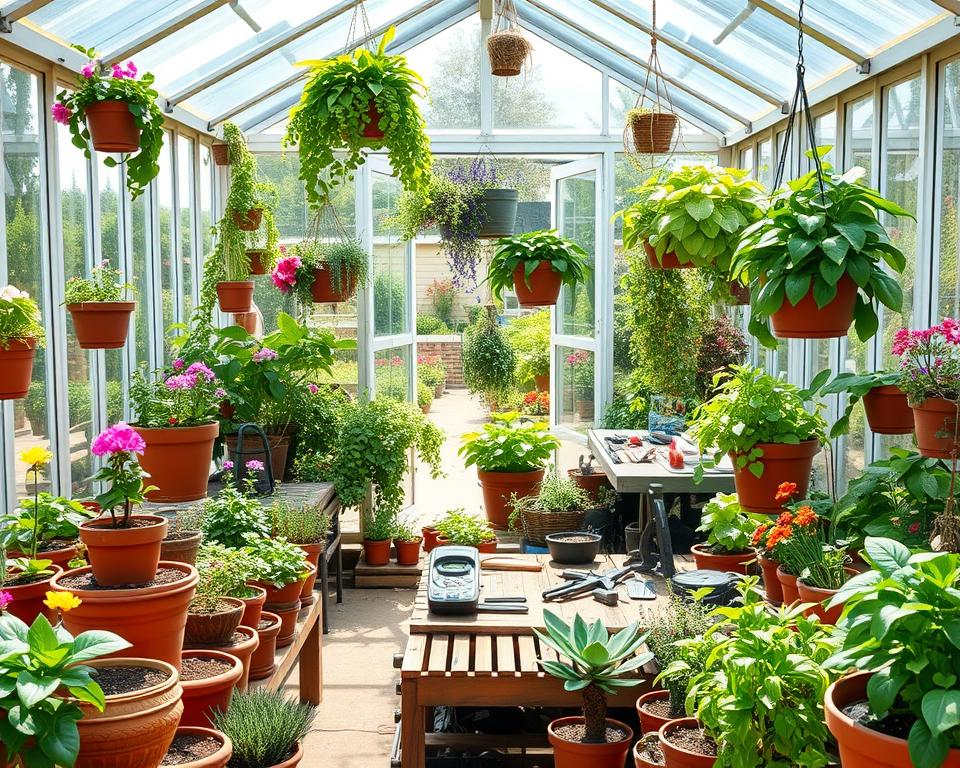
A greenhouse creates a controlled environment that advances spring cultivation by 4-6 weeks. It also extends autumn harvests well into winter. This protection enables successful growth of heat-loving vegetables like peppers.
When to Use a Greenhouse
Heated structures allow year-round growing, with seeds started from January. Gardeners can sow tomatoes indoors from late February in this setting. Unheated versions provide frost protection but follow outdoor patterns.
Polytunnels offer similar greenhouse benefits at lower cost. Proper management includes ventilating to prevent overheating. Regular watering is essential as protected plants dry faster.
Planter Tips for Urban Spaces
Pots provide excellent flexibility for balconies and patios. They allow movement to follow sunlight or seek shelter. Choose containers with adequate drainage and sufficient volume.
Quality multipurpose compost works best in pots. Compact varieties of tomatoes, peppers and courgettes thrive in containers. These vegetables may need daily watering during hot summer weather.
Container growing makes gardening accessible in limited spaces. It offers control over soil conditions for specific crops. This approach brings fresh produce to urban environments.
Resources, Tools and Expert Advice for Growing Success
Accessing the right resources transforms gardening from guesswork to precision cultivation. This section compiles essential tools and expert guidance for optimal results throughout the growing year.
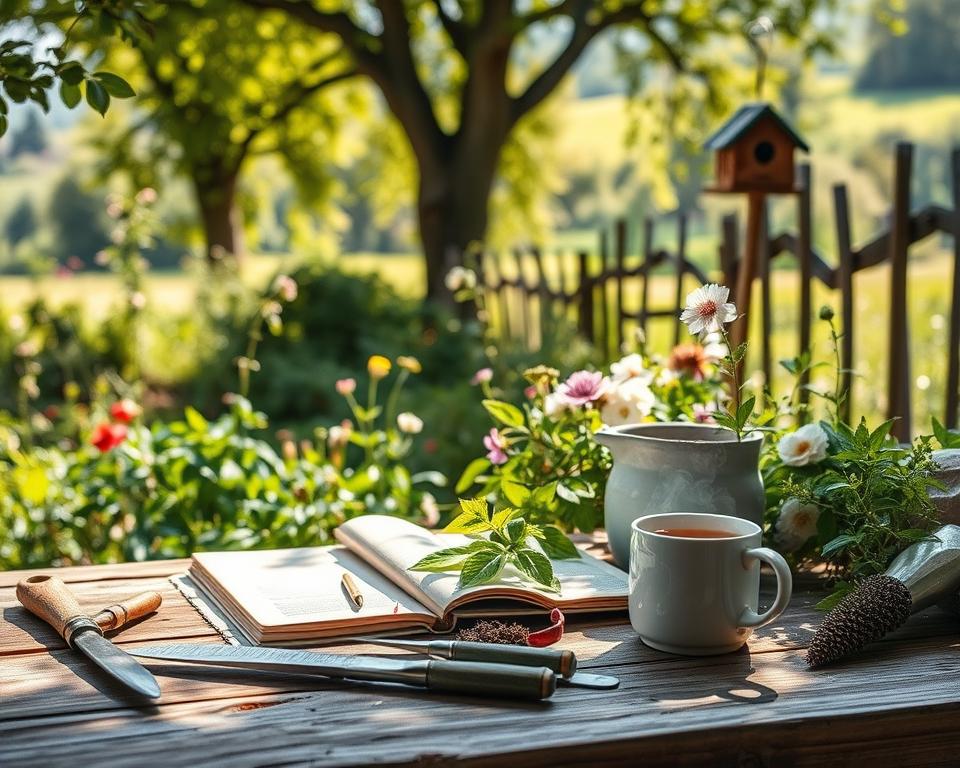
Online Planting Calendars and Guides
Digital resources provide invaluable support for modern gardeners. Reputable organisations like the RHS offer comprehensive online planting calendars tailored to UK conditions.
Seed packets contain critical information for successful cultivation. They list days to maturity, spacing requirements, and specific growing instructions. These details help calculate precise planting dates.
Practical tools enhance gardening accuracy significantly. Soil thermometers confirm ground temperature before sowing. Moisture meters prevent over or under-watering issues.
| Tool Type | Primary Function | Best Use Cases |
|---|---|---|
| Soil Thermometer | Measure ground temperature | Pre-sowing verification |
| pH Testing Kit | Assess soil acidity | Crop-specific preparation |
| Gardening Apps | Planning and reminders | Seasonal scheduling |
| Weather Station | Local condition tracking | Frost protection planning |
Advice from Local Garden Centres
Regional expertise proves invaluable for microclimate considerations. Local garden centres stock varieties proven successful in specific areas. Their seasonal plant availability indicates appropriate timing.
Staff members possess community-based gardening experience. They offer practical tips for crops like onions and Brussels sprouts. This guidance accounts for local soil conditions and weather patterns.
Keeping personal records creates a customised knowledge base. Note planting dates, variety performance, and harvest results. These observations improve outcomes each successive year.
Conclusion
Successful cultivation depends on understanding the dynamic relationship between climate, specific crops, and local garden conditions. The best time for each task varies significantly, guided by observation and experience rather than a fixed calendar.
While the spring season is crucial, opportunities for planting span the entire year. Hardy vegetables can be sown in early spring, followed by tender crops in late spring. Summer allows for succession sowing, and autumn is ideal for overwintering varieties like pak choi. Even winter offers a period for planning.
Gardeners should treat their first season as a learning experience. Observing how a specific garden responds teaches invaluable lessons about microclimates and soil warmth. The key is flexibility, adapting to weather patterns rather than rigidly following dates.
By applying the strategies discussed—checking soil temperature, using protection, and keeping records—gardeners can confidently nurture their crops. With careful timing and crop selection, a productive and rewarding year in the garden is an achievable goal for everyone.
FAQ
What is the best time to start planting outdoors in the UK?
The optimal time varies by region and crop. Generally, the main planting season begins in early spring after the risk of hard frost has passed. Many gardeners use late March as a guide for hardy vegetables, but consulting a local planting calendar is advised for precise timing.
How can I protect my seedlings from a late frost?
Utilising horticultural fleece, cloches, or cold frames offers excellent protection. For tender plants like tomatoes, it is best to keep them indoors on a sunny windowsill or in a greenhouse until all danger of frost has passed, typically from late May onwards.
Should I sow seeds indoors or directly outdoors?
This depends on the vegetable. Tender crops such as tomatoes and peppers benefit from an early start indoors in late winter. Hardy varieties like carrots and potatoes are often sown directly into the soil from early spring. Indoor sowing gives plants a head start on the growing season.
What are the key considerations for soil preparation?
Good soil is fundamental. Testing pH levels and enriching the earth with well-rotted compost or manure before planting provides essential nutrients. This preparation encourages strong root growth and a more productive harvest for your vegetables.
Which vegetables are best for an early spring garden?
A> Hardy crops like onions, potatoes, cabbage, and certain varieties of pak choi are ideal for early spring planting. These plants can tolerate cooler soil temperatures and are less susceptible to damage from a light frost.
How can I extend my growing season into autumn?
Succession planting, using a greenhouse, and selecting fast-maturing varieties help extend the harvest. Planting crops like carrots and sprouts in summer ensures a yield well into autumn. Protective covers can also safeguard plants from early frosts.
What is the importance of a planting calendar?
A planting calendar is an invaluable guide that tailors sowing and planting dates to your specific UK location. It accounts for local frost dates and climate, helping to maximise growth and avoid losses by timing activities perfectly for each vegetable.