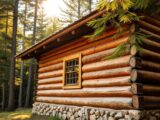
How to Find and Fill Gaps in a Log Cabin Effectively

Maintaining the integrity of a timber structure is a crucial responsibility for owners. Gaps that appear between logs are more than just an eyesore. They present a genuine threat to the building’s health and efficiency.
Left unattended, these openings can allow moisture to seep in. This leads to problems like rot, mould, and a significant loss of heat. Unwanted pests can also find their way inside through these spaces.
This comprehensive guide offers a clear path for UK property owners. It explains the causes of these issues and provides a systematic approach for a proper repair. The goal is to ensure the structure remains sound and comfortable for years to come.
Timber is a natural material that moves with changes in humidity and temperature. This movement is normal, but it requires careful management. The following sections will detail the inspection process and material selection.
Inhaltsverzeichnis
Key Takeaways
- Unsealed spaces in a timber building can cause serious damage from water, draughts, and pests.
- Timber movement due to seasonal changes is a primary reason gaps develop.
- Regular inspection is essential for early detection and prevention of larger issues.
- Choosing the correct sealing material is vital for a durable and effective repair.
- Proper maintenance protects your investment and ensures energy efficiency.
- This guide provides specific advice tailored to the UK climate and its challenges.
Understanding Why Gaps Appear in Log Cabins
Gaps that develop in timber structures stem from the material’s natural properties and environmental influences. Wood behaves as a hygroscopic material, constantly interacting with its surroundings.
Natural Timber Movement and Settling
Timber naturally absorbs and releases moisture based on humidity levels. This causes predictable dimensional changes throughout the year. Even kiln-dried wood continues this behaviour.
In new constructions, logs gradually settle under their own weight. This settling process can create temporary spaces as components find their final positions. Proper installation allows for this natural adjustment.
Impact of Weather and Moisture
British weather patterns significantly influence timber behaviour. During damp autumn and winter months, wood expands as it absorbs moisture. Conversely, summer heatwaves cause contraction through moisture loss.
Temperature fluctuations accelerate these movements. Extreme weather events can cause rapid expansion or contraction. This cycle creates stress on the structure over time.
Different cabin components respond uniquely to environmental changes. Wall logs, flooring boards, and roof timbers each have specific vulnerabilities based on grain orientation and exposure levels.
How to Find and Fill Gaps in a Log Cabin
Proper identification of spaces between wooden components requires a methodical inspection process. This systematic approach ensures all potential issues are documented accurately.
Inspecting Gaps and Measuring Their Size
A comprehensive examination of the entire timber structure is essential. Owners should check walls, corners, and joints thoroughly.
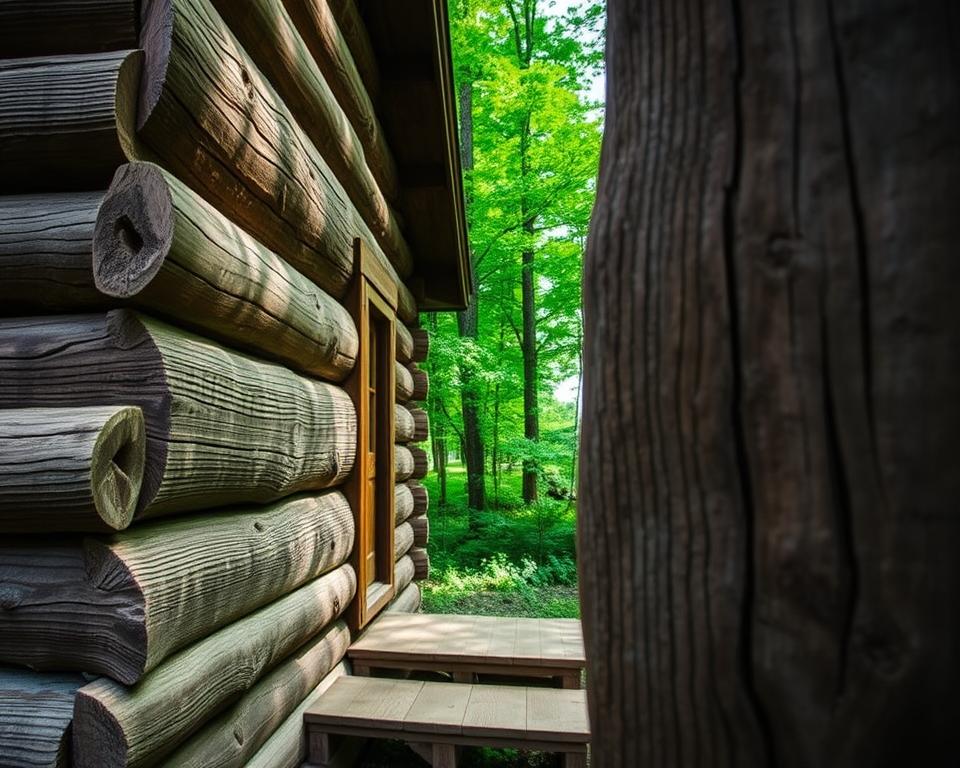
Using precise measurement tools like callipers provides accurate data. Documenting the width and depth helps determine the appropriate repair strategy.
Seasonal timing affects visibility of these openings. Late summer inspections often reveal the maximum extent of timber contraction.
Choosing Suitable Filler Options
The size classification system guides material selection. Small openings under 2mm require different solutions than larger spaces exceeding 10mm.
Persistent structural issues need professional assessment. Temporary seasonal movement may not require immediate intervention.
Proper documentation creates valuable maintenance records. Photographs and measurements help track changes over time.
Choosing the Right Materials and Tools
Quality materials designed specifically for timber buildings ensure lasting results. The selection process requires careful consideration of the structure’s unique characteristics. Property owners should prioritise products formulated for timber movement.
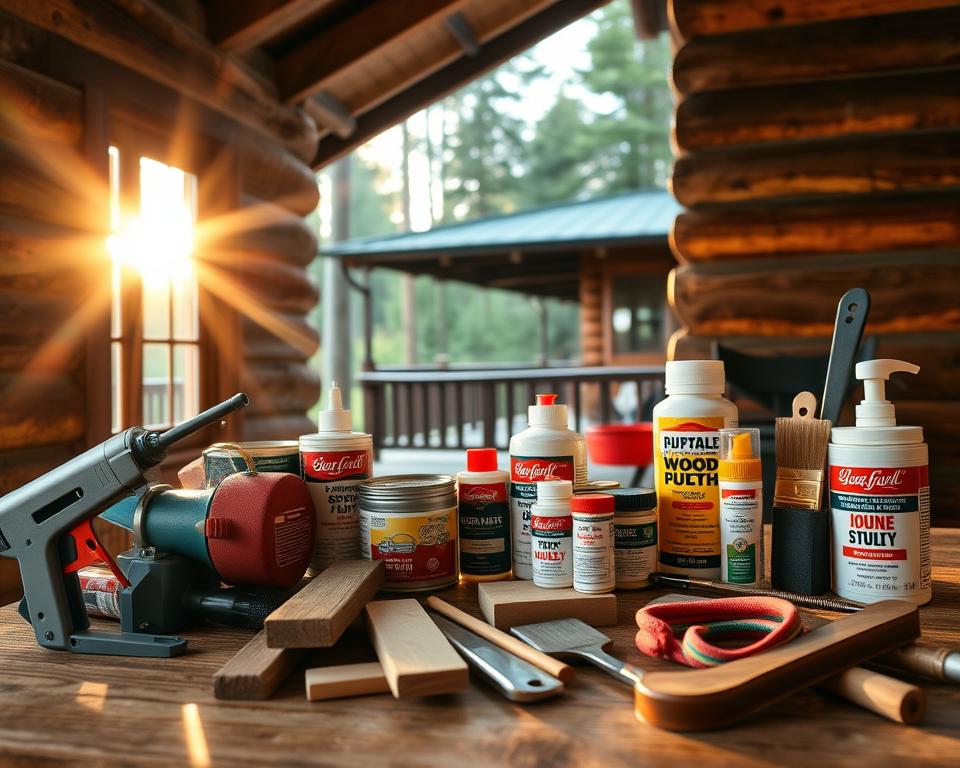
Recommended Sealants and Insulation
Chinking offers excellent flexibility for larger spaces between timber components. Modern synthetic chinking provides superior movement accommodation compared to traditional mortar-based options. This sealant maintains integrity as logs expand and contract.
For smaller openings, caulk serves as an effective solution. Silicone-based caulking offers superior water resistance, while latex varieties allow easier painting. Both types require proper surface preparation before application.
Expanding foam insulation delivers exceptional thermal performance. This material suits various gap sizes but demands careful handling. Professional-grade foam controls expansion for precise filling.
Essential Tools for a Neat Finish
A comprehensive toolkit elevates the quality of any repair project. Essential items include a reliable caulking gun for smooth application. Backer rods prove invaluable for controlling sealant depth in larger spaces.
Surface preparation tools ensure proper adhesion. Wire brushes remove debris effectively from timber surfaces. Putty knives assist with caulk smoothing and excess removal.
Investing in specialised materials guarantees compatibility with timber movement. These products account for the unique demands of log structures. Proper tool selection complements material choices for professional outcomes.
Step-by-Step Guide for Filling Log Cabin Gaps
Executing the repair procedure correctly is vital for a lasting seal. This guide outlines the essential stages for addressing spaces in timber structures.
A methodical approach ensures the best results. Each stage builds upon the last for a professional finish.

Preparing the Surface and Cleaning the Gaps
Proper surface preparation is the foundation of a successful repair. All loose material must be removed to ensure strong adhesion.
Use a stiff brush or vacuum to clear out dust, dirt, and cobwebs. For old, failing sealants, a scraper or chisel is necessary.
Always wear protective gloves and safety goggles. Good ventilation is important when working with products that have strong odours.
Application Techniques: Caulking, Chinking and Foam
The choice of material dictates the application method. Each option requires a specific technique for optimal performance.
Chinking is ideal for larger spaces. Apply it with a trowel or bulk gun, pressing firmly to fill the entire gap. Tool the surface to create a consistent profile.
For narrower openings, caulking is effective. Cut the nozzle at a 45-degree angle. Maintain steady pressure on the gun for a uniform bead.
Use a putty knife or dedicated tool to smooth the material. This process blends the edges with the surrounding logs.
Expanding foam requires careful handling. Fill gaps only halfway to accommodate expansion. Trim any excess after partial curing.
Avoid common mistakes like overfilling or rushing the process. Patience during application and curing time prevents future issues.
Maintenance and Prevention of Future Gaps
Proactive maintenance routines form the cornerstone of long-term timber building preservation. Consistent attention prevents minor issues from becoming major concerns.
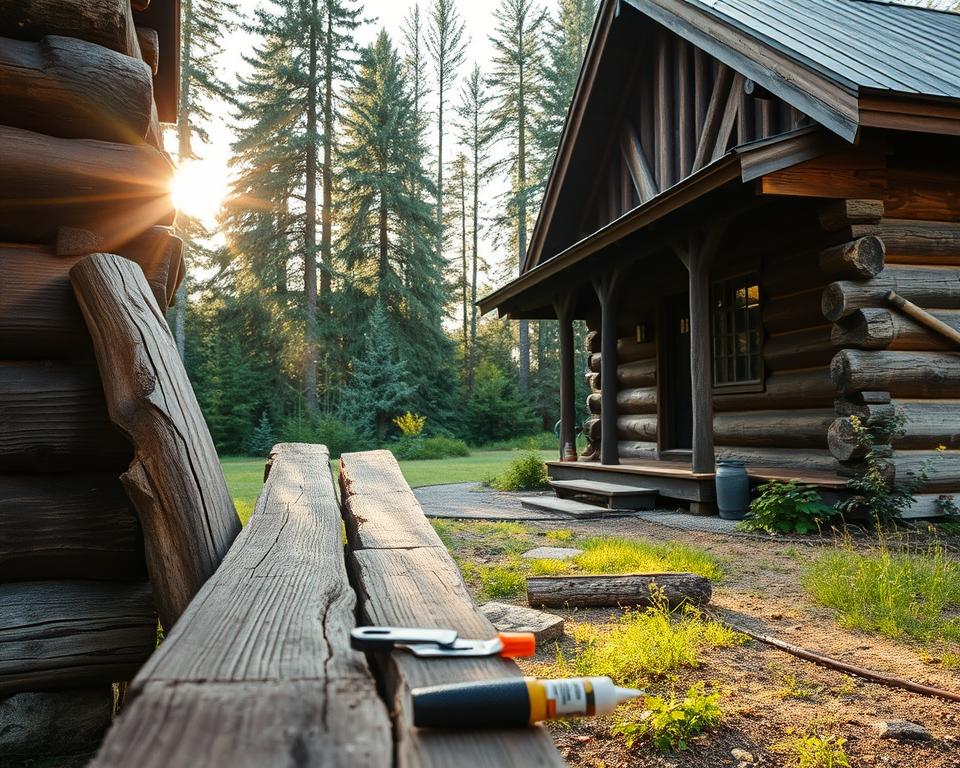
Regular Inspections and Seasonal Adjustments
Establishing a bi-annual inspection schedule is crucial for timber structures. Spring and autumn checks capture seasonal movement patterns effectively.
During these inspections, owners should examine storm braces and hardware. Gentle adjustments accommodate natural expansion and contraction cycles.
Doors and windows require particular attention as seasons change. Proper alignment ensures smooth operation throughout the year.
Protective Measures and Wood Treatments
High-quality wood treatments provide essential protection against moisture and UV damage. Annual application maintains the timber’s resilience.
Effective water management around the building foundation prevents moisture accumulation. Proper drainage and gutter maintenance are vital.
Vegetation control around the garden area promotes air circulation. This reduces dampness that could affect the timber structure.
These preventative measures significantly extend the lifespan of any timber construction. They represent a wise investment in long-term preservation.
Troubleshooting Common Log Cabin Issues
Some gap issues in timber buildings require more than routine maintenance. They indicate underlying installation or structural complications. Understanding this distinction helps owners address genuine threats effectively.

Identifying Persistent or Problematic Gaps
Normal seasonal movement causes small spaces that open and close predictably. Problematic gaps log cabin issues show different patterns. They may continuously widen or appear asymmetrically.
Warning signs include large gaps that remain open during damp weather. Rot or water damage around openings suggests serious problems. Sticking doors and windows often relate to wall movement issues.
Failed previous repairs indicate improper material selection. Cracked sealants need complete removal before reapplication. These situations demand careful assessment.
When to Seek Professional Assistance
DIY approaches work for minor seasonal adjustments. Complex gaps log situations require expert intervention. Structural movement or significant logs damage needs professional diagnosis.
Persistent water ingress despite treatment suggests hidden deterioration. Repeated repair failures indicate underlying problems. Qualified specialists possess specific log cabin experience for these challenges.
Timely professional assessment prevents minor issues from escalating. It saves time and protects the building investment. Expert diagnosis identifies root causes homeowners might miss.
Conclusion
Owning a timber building requires embracing its natural characteristics and movement patterns. The expansion and contraction cycle driven by seasonal moisture changes is completely normal. This understanding forms the foundation of responsible maintenance.
Successful management involves regular inspections and timely interventions. Choosing the right materials proves crucial for lasting results. Specialised chinking handles larger spaces, while quality caulking addresses smaller cracks.
Preventative measures significantly reduce future problems. Proper installation accommodates natural movement from the start. Seasonal adjustments to doors and windows maintain smooth operation throughout the year.
While most issues respond well to informed DIY efforts, persistent structural concerns warrant professional assessment. This comprehensive approach protects your investment and ensures long-term enjoyment of your garden retreat.
FAQ
Why do gaps appear in log cabins?
Gaps appear due to natural timber movement as wood expands and contracts with changes in moisture and temperature. Settling of the structure over time also contributes to the formation of these spaces.
What is the best material to fill gaps in a log cabin?
The best material depends on the gap size. For smaller gaps, a high-quality acrylic sealant is effective. For larger gaps, specialised chinking or expanding foam designed for log cabins provides durable insulation.
How often should log cabin gaps be checked and maintained?
Log cabin walls should be inspected at least once a year, ideally before winter. Seasonal checks allow for early detection of new gaps or problems with existing sealant.
Can I use standard caulk for log cabin gaps?
Standard caulk often lacks the flexibility needed for timber movement. It is advisable to use sealants specifically formulated for log cabins, as they are designed to expand and contract with the wood.
What tools are essential for filling gaps effectively?
A> Essential tools include a caulking gun for sealants, a putty knife for applying chinking, and a stiff brush for cleaning. A moisture meter is also useful for checking the wood’s condition.
When should I consider seeking professional help for gap issues?
Professional assistance is recommended for persistent moisture problems, large structural gaps, or if previous filling attempts have failed. This ensures the building’s integrity is maintained.