Guide: How to Felt a Corner Shed Roof
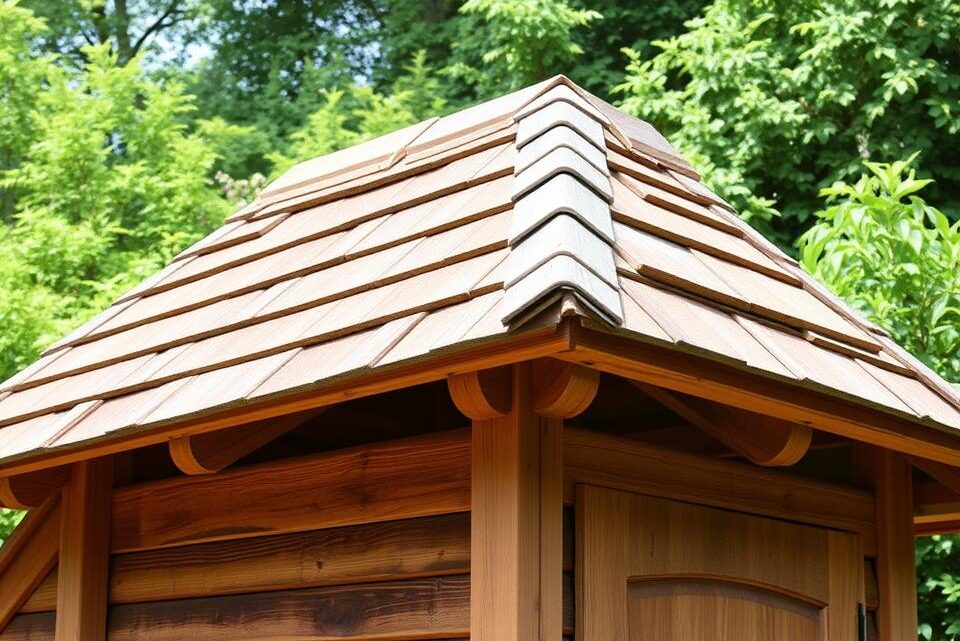
A well-maintained garden building offers excellent storage and enhances outdoor spaces. The roof plays a vital role in this, acting as the primary shield against the British weather. Properly installing roofing felt is crucial for long-term protection.
Angular shed designs present specific challenges compared to standard shapes. Navigating the joints and angles requires a particular approach to ensure complete weatherproofing. This process prevents water ingress, rot, and structural damage.
Understanding the correct techniques allows homeowners to significantly extend their shed’s lifespan. It protects valuable contents and maintains the structure’s appearance. This guide delivers professional instruction for a durable and effective roofing solution.
Inhaltsverzeichnis
Key Takeaways
- A properly installed felt roof is essential for protecting a garden shed from weather damage.
- Corner sheds require specific techniques to ensure the roofing material seals all angles effectively.
- Correct preparation and material selection are fundamental to a successful roofing project.
- Following a structured process ensures a professional finish, even for those with limited DIY experience.
- A well-executed roofing job prevents moisture-related issues like rot, safeguarding the shed’s structure.
- This task, while detailed, is manageable when broken down into clear, sequential stages.
Understanding the Essentials of Shed Roof Felting
The integrity of any outdoor storage structure relies heavily on its overhead covering. Proper installation of the protective layer ensures long-term durability against the elements. This process demands careful attention to detail and appropriate materials.
Investing time in understanding these fundamentals pays dividends in structural longevity. Homeowners can achieve professional results by following established principles.
Importance of proper felting
Quality roofing felt application provides essential protection against moisture intrusion. This barrier prevents water damage to the wooden framework and stored contents. Even minor imperfections can compromise the entire system.
As one roofing expert notes,
“The difference between adequate and exceptional roofing lies in the preparation and precision of the initial layers. Proper technique ensures decades of reliable service.”
Overview of a corner shed roof design
Angular roof configurations present unique challenges compared to standard designs. Multiple junction points require specialised attention during installation. Understanding these differences is crucial for effective weatherproofing.
The table below illustrates key considerations for different roof types:
| Roof Type | Complexity | Water Runoff | Material Usage |
|---|---|---|---|
| Standard Flat | Low | Moderate | Efficient |
| Apex Design | Medium | Excellent | Standard |
| Corner Configuration | High | Variable | Increased |
Recognising potential vulnerable areas enables proactive measures during the roofing process. This knowledge transforms a challenging project into a manageable task.
Preparing Your Shed Roof for Felting
Before any new material is applied, meticulous groundwork is essential. This preparatory phase sets the stage for a successful installation, ensuring the protective layer performs optimally for years to come.
Cleaning and inspecting the roof surface
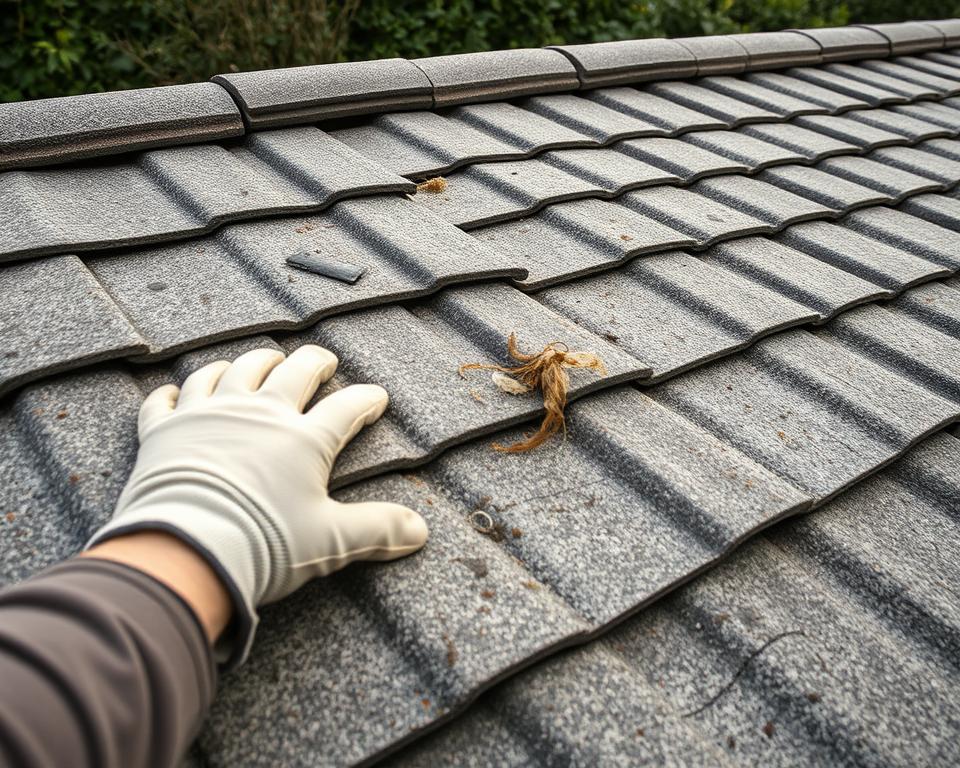
The first task is to clear the entire roof surface of debris such as leaves, moss, and dirt. A stiff brush or leaf blower works effectively. A pristine surface is critical for strong adhesion.
Next, a thorough inspection must follow. Homeowners should carefully check the entire area for structural issues. Protruding nails should be hammered in securely, and any damaged boards must be replaced.
Safety measures and access considerations
Safety is paramount during this process. Always make sure to wear gloves and safety goggles. Work should be avoided during wet or windy conditions to prevent slips.
Secure access is also vital. Use a stable ladder or scaffolding positioned on level ground. Proper planning minimises trips up and down, reducing fatigue and accident risk.
As one professional builder advises,
“Rushing the preparation is a false economy. A clean, sound surface is the best guarantee of a long-lasting finish.”
Gathering the Required Materials and Tools
Successful roofing projects begin with thorough preparation of all necessary components and implements. Having everything ready before starting prevents frustrating delays and ensures the work proceeds smoothly from beginning to end.
Essential materials for a durable roof
Quality roofing felt represents the most critical material choice. Thicker, premium-grade options provide superior durability compared to economy alternatives. Bitumen-based products offer excellent weather resistance.
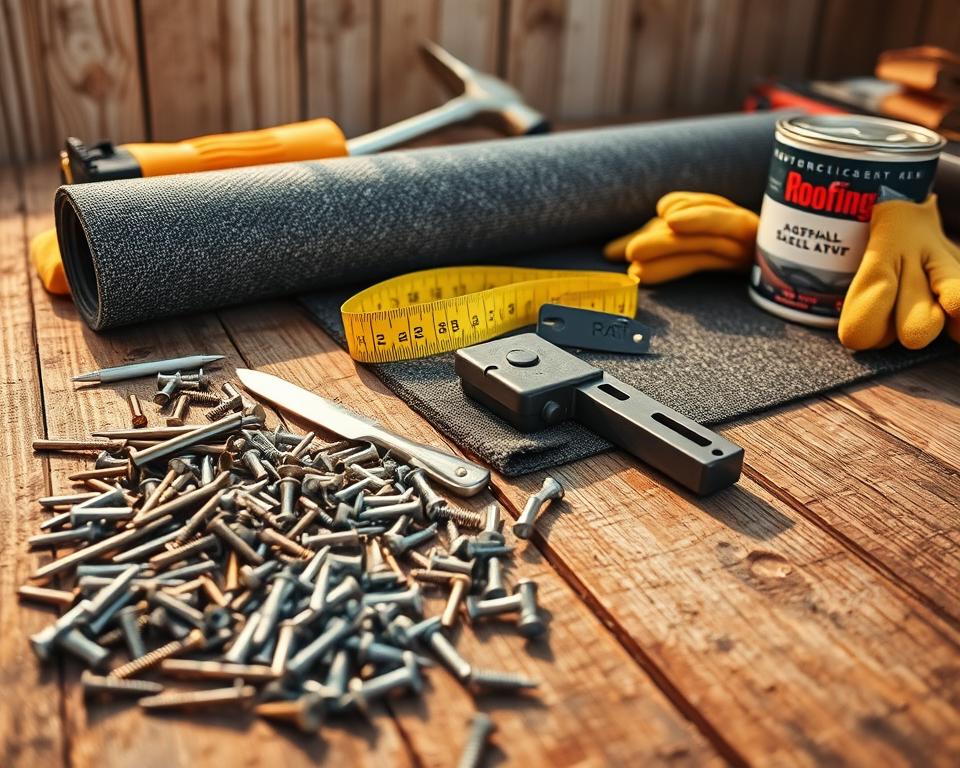
For secure fastening, 13mm galvanised clout nails are essential. Their large flat heads prevent tearing through the material. A strong adhesive in tube form ensures watertight seals at overlaps.
Having spare pieces of cladding available allows for neat finishing of edges. Structural timber and OSB sheets may be needed for repairs. Proper material selection justifies the investment through extended service life.
Tools needed for precise application
A sharp utility knife is vital for clean cuts through roofing felt. A measuring tape ensures accurate dimensions. A straightedge or chalk line guarantees straight edges.
A hammer provides the force needed to drive nails securely. For adhesive application, a standard caulking gun offers convenient, mess-free operation. Safety equipment including sturdy gloves and goggles protects during cutting operations.
Additional tools like a staple gun can temporarily hold material in position. Having the right implements available makes the installation process more efficient and professional.
Measuring and Cutting the Roofing Felt Precisely
Precision in preparation separates an amateur job from a professional finish. Accurate measuring and cutting are fundamental to ensuring the roofing material fits perfectly and performs its protective duty.

Accurate measuring techniques
Using a reliable measuring tape is the first step. One must measure the entire length of the structure, then add 150mm to that figure. This addition provides a 75mm overhang at each end.
A 50mm overhang is also essential along the bottom edge. This detail helps direct water away from critical junctions. Double-checking every measurement before cutting is the best way to prevent material waste.
Tips for clean and straight cuts
Lay the material flat on a stable surface for cutting. A sharp utility knife is the ideal tool for this task. Using a metal straightedge or chalk line as a guide ensures perfectly straight edges.
This method prevents jagged or wandering cuts. All corners should be neatly squared off. Taking time at this stage establishes a solid foundation for the entire installation.
How to Felt a Corner Shed Roof
The actual installation of the protective layer is where careful planning translates into tangible results. This phase demands a methodical sequence to ensure complete coverage and durability.
Step-by-step application process
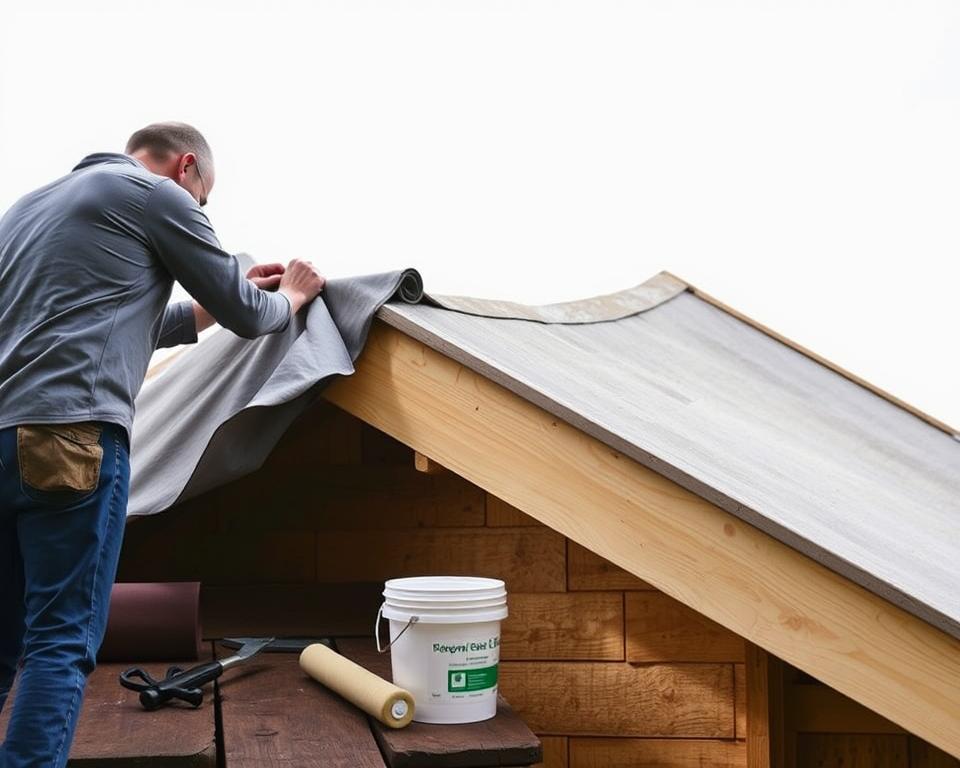
Begin by placing the initial sheet on the lower section of one side. Ensure a 75mm overhang at each end and 50mm along the bottom edge. This positioning is critical for directing water away.
Temporarily secure the material with staples or a few nails. This allows for alignment checks before permanent fixing. Then, drive clout nails at 150mm intervals along the entire top edge.
Repeat this process for the opposite side. Always smooth the material with your hands to eliminate wrinkles. This step prevents bubbles and ensures a flat surface.
Aligning and overlapping the felt correctly
The fundamental rule is that each successive piece must overlap the one below. This directs rainwater safely over the joins without seepage. Work systematically from the lowest point upwards.
The final piece runs along the ridge. It must overlap both side sheets by a minimum of 50mm. This creates a sealed apex that is resilient against the elements.
“A consistent overlap is the secret to a watertight finish. Rushing this stage compromises the entire installation.”
The table below outlines the key stages for a robust installation:
| Stage | Primary Action | Key Consideration |
|---|---|---|
| Initial Placement | Position first sheet | Achieve correct overhang |
| Securing | Nail along top edge | 150mm nail spacing |
| Overlapping | Apply subsequent sheets | Minimum 50mm overlap |
| Finishing | Secure ridge piece | Overlap both sides equally |
This structured approach guarantees a professional and long-lasting result for any angular garden structure.
Applying Adhesive and Securing the Roof Felt
Securing the roofing material effectively demands careful attention to both adhesive application and mechanical fastening. This stage transforms individual sheets into a cohesive, weather-resistant surface. Proper technique ensures long-term durability against the elements.
Best practices for using bitumen or roofing adhesive
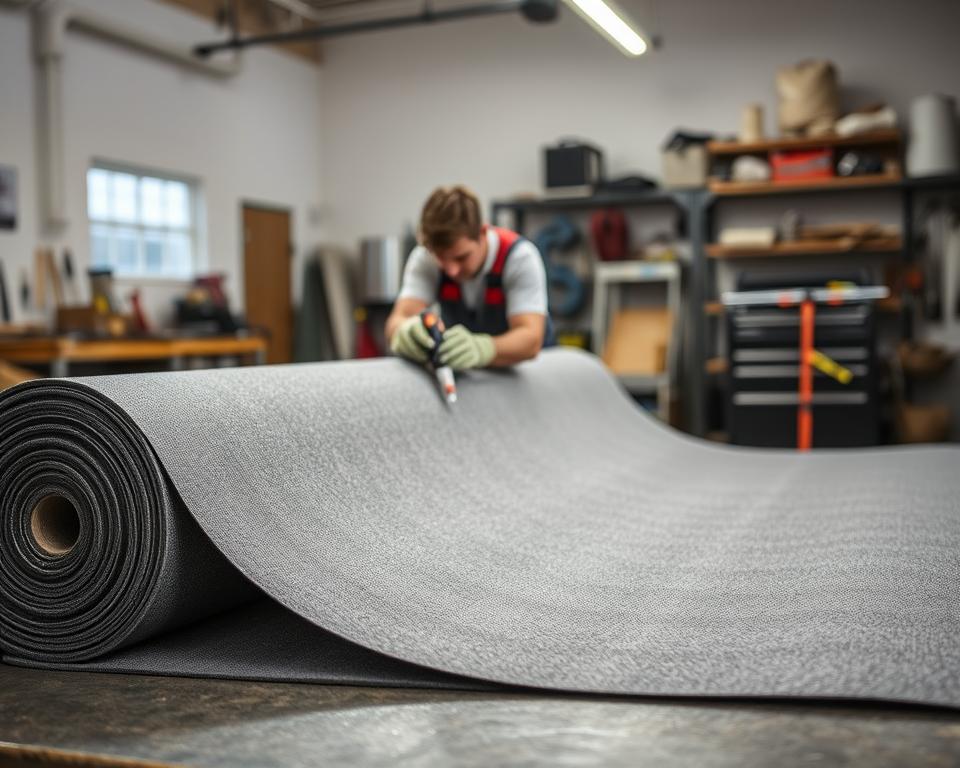
Bitumen-based roofing adhesive offers superior bonding strength and weather resistance. Apply the product in manageable sections to prevent premature drying. A continuous bead followed by a zigzag pattern ensures complete coverage across overlap zones.
Techniques for effective nail placement
Galvanised clout nails provide reliable mechanical fastening when spaced at consistent 150mm intervals. Each fastener should penetrate both the felt and substrate without tearing the material. Additional nails near corners prevent lifting in vulnerable areas.
Ensuring watertight overlaps
Creating sealed overlaps requires attention to both adhesive coverage and fastener positioning. Press firmly across the entire bonded area to eliminate air pockets. This combination approach prevents moisture infiltration between layers.
As one roofing specialist advises,
“The synergy between adhesive bonding and mechanical fastening creates a defence system that withstands both weather extremes and structural movement over time.”
The table below compares key aspects of different securing methods:
| Method | Primary Function | Application Zone | Spacing Requirement |
|---|---|---|---|
| Bitumen Adhesive | Weatherproof sealing | Overlap areas | Continuous coverage |
| Roofing Nails | Mechanical security | Edges and seams | 150mm intervals |
| Combination Approach | Complete protection | Critical junctions | Strategic placement |
Techniques for Neat Corner Folds and Finishing Touches
Proper corner treatment distinguishes professional installations from amateur attempts. The final stages focus on creating clean, watertight seals that enhance durability.

Creating blanket folds for corners
At framing junctions, the blanket fold method provides superior protection. This technique involves folding one section underneath while pushing the top piece downward.
All excess material tucks inward and downward without cutting. This creates a multi-layered corner that sheds water effectively. The approach works across various designs for consistent weatherproofing.
Secure folded corners with additional fasteners placed near fold lines. This prevents material from lifting under wind pressure.
Securing trim and tidying the edges
After securing all material, trim excess with a sharp utility knife. Wooden trim pieces cut from spare cladding provide the final touch.
Treat trim with wood preservative before installation. Pre-drill screw holes in trim pieces for easier attachment.
Position trim correctly and attach with galvanised nails at regular intervals. The trim conceals edges while adding mechanical protection.
| Folding Method | Water Resistance | Difficulty Level |
|---|---|---|
| Blanket Fold | Excellent | Medium |
| Cut and Seal | Good | Low |
| Tuck Method | Very Good | High |
Proper finishing transforms functional weatherproofing into a visually appealing result. The combination of folded corners and fitted trim enhances the structure’s appearance.
Expert Tips and Common Mistakes to Avoid
Gleaning insights from seasoned professionals can dramatically improve the outcome of a roofing project. Their collective experience highlights pitfalls that are easily avoided with foresight. This knowledge saves both time and materials.

Advice from experienced builders
One crucial piece of advice is to invest in quality materials. Cheap roofing felt can be too thin and easily damaged. A builder recounted an instance where a pet’s paws punctured inferior material laid on grass.
They also recommend applying each piece in a specific sequence. The lowest side of the structure gets the first piece. Then work upward, ensuring each subsequent piece overlaps the one below.
This method directs rain water safely over the seams. It prevents moisture from seeping underneath, which could rot the wood over time.
Avoiding pitfalls in felting and adhesion
A common error involves bitumen adhesive. If it gets on the visible surface, gently scrape off the excess. One clever tip is to take scrap felt, fold it, and rub it together to shed granules onto the messy patch for disguise.
Another smart way is to mark overlap positions with light hammer taps before applying adhesive. This keeps the bitumen in the correct area. Temporarily securing the material with staples allows for adjustments before permanent nailing.
Consider whether to complete the work on the ground or in situ. Felting first then lifting may be heavy but offers better access. Felting in position requires safe, full reach.
| Tip Category | Professional Recommendation | Common Mistake |
|---|---|---|
| Material Selection | Use thick, durable felt | Choosing thin, cheap options |
| Installation Sequence | Start from lowest point | Reversing overlap direction |
| Adhesive Control | Mark zones beforehand | Allowing bitumen spills |
| Securing Method | Use temporary staples | Nailing permanently too soon |
Taking adequate time at each stage ensures a durable felt roof that protects the shed effectively. Rushing often leads to costly corrections.
Maintaining and Inspecting Your Roof Felt
The completion of installation marks the beginning of an ongoing maintenance commitment. Proper care ensures the roofing system provides reliable protection for years.
Regular inspections for longevity
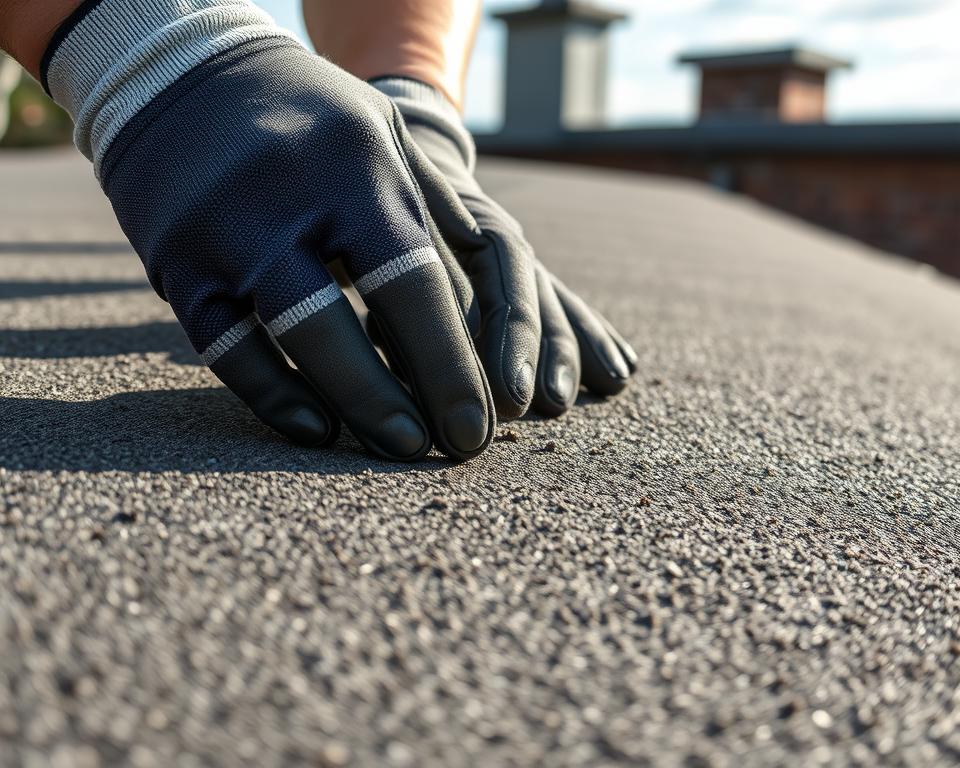
Conduct thorough checks twice annually, especially after severe weather. Focus on vulnerable areas like seams and edges. Early detection prevents minor issues from becoming major damage.
Look for lifting material or separation at overlaps. Prompt attention to these problems maintains structural integrity. Regular monitoring extends the service life significantly.
Post-installation maintenance tips
Clear debris like leaves and moss from the surface regularly. This prevents moisture retention that accelerates deterioration. Keep gutters clean to ensure proper water drainage.
Address any damage immediately, no matter how small. New installations may need adjustments during the first year. Consistent care protects your investment over time.
Maintain records of inspections and repairs. This documentation helps identify patterns and informs future decisions. Proper maintenance ensures continuous protection for the entire structure.
Conclusion
Proper installation techniques transform what appears complex into a manageable and rewarding project. The systematic approach outlined in this guide empowers homeowners to achieve professional results with their roofing projects.
Understanding the unique requirements of angular structures ensures effective weatherproofing. Quality materials like durable roofing felt and proper fasteners such as clout nails contribute significantly to long-term performance.
Mastering water management principles creates systems that withstand diverse weather conditions. The satisfaction extends beyond immediate protection to include pride in craftsmanship.
Regular maintenance preserves the integrity of the new felt installation. This ongoing care prevents minor issues from developing into major concerns.
The methods detailed provide a solid foundation for successful outcomes. They enhance both the functionality and value of garden structures for years to come.
FAQ
What is the best type of roofing felt for a corner shed roof?
For a corner shed roof, a heavy-duty mineral surfaced bitumen felt is often recommended. This material provides excellent durability and weather resistance. The mineral surface offers added protection against UV rays and rain, making it a robust choice for the complex angles of a corner shed roof.
How do you secure felt on a corner shed roof to prevent wind damage?
To secure felt effectively, use a combination of high-quality roofing adhesive and clout nails. Apply the adhesive generously underneath the felt and along all overlaps. Then, nail the felt into place with clout nails, spacing them approximately 150mm apart along the edges and across the surface for a secure hold.
What is the correct way to fold felt at a corner?
The correct technique involves creating a neat blanket fold. Lay the felt over the corner and make a diagonal cut towards the apex. Gently fold the resulting flaps underneath the main sheet. This method prevents unsightly bunching and ensures a watertight seal at the corner.
How much overlap should there be between sheets of roofing felt?
A> A minimum overlap of 50mm is generally advised. This applies to both the sides and the top of the roof. Sufficient overlap is crucial to prevent water ingress and ensure the roof remains watertight during heavy rain.
Can roofing felt be applied in cold or wet weather?
It is not advisable. Bitumen-based adhesives require warmer temperatures to bond properly. Applying felt in cold or damp conditions can lead to poor adhesion, resulting in a compromised roof that may leak or lift in the wind.
How often should a shed roof felt be inspected?
A thorough inspection should be carried out at least once a year. Check for any signs of damage, such as tears, lifting edges, or worn surfaces. Prompt attention to minor issues can significantly extend the lifespan of the roof.
What is the purpose of the drip edge on a shed roof?
A> The drip edge is a metal or plastic trim installed along the roof’s lower edge. Its primary function is to channel rainwater away from the shed’s structure, directing it into the gutter and preventing water from seeping underneath the felt and causing rot.
Is it necessary to use adhesive as well as nails?
A> Yes, for a truly secure and long-lasting installation, using both is considered best practice. The adhesive creates a strong, continuous bond across the roof deck, while the clout nails provide crucial mechanical fastening, especially important in windy conditions.