How to Install Insect Curtains in Your Outbuilding
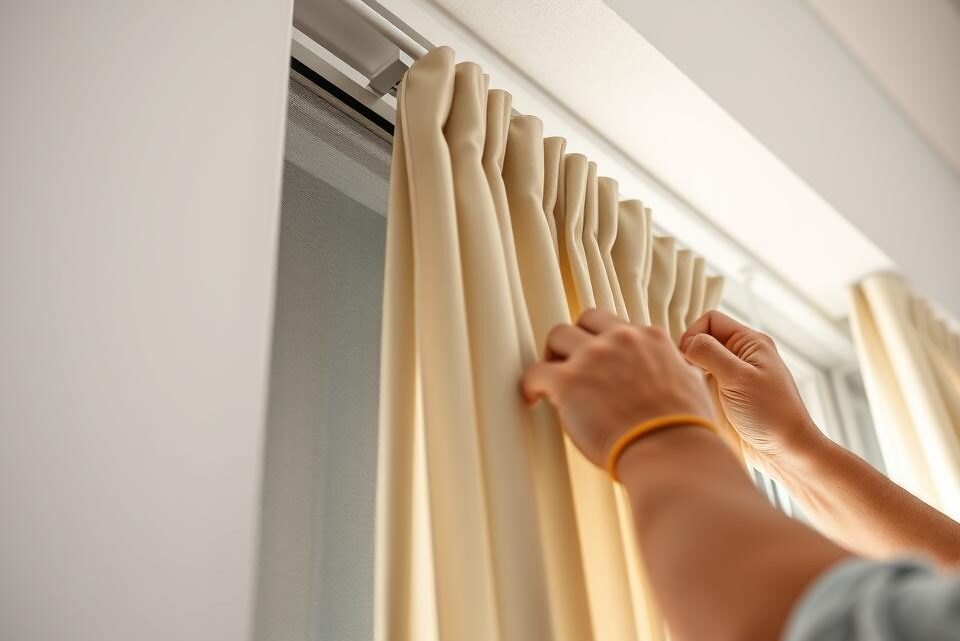
As the days grow longer and temperatures rise, many people look forward to spending more time in their garden rooms, sheds, and workshops. However, the warmer weather also invites an unwelcome influx of flies and other pests. These visitors can disrupt work, contaminate stored items, and make any space uncomfortable.
For businesses involved with food production or handling, effective pest control is a matter of legal compliance. Even for the average homeowner, properties near water sources or fields face a greater risk of infestation. A simple solution exists to enjoy fresh air without the nuisance.
This guide explains the process of fitting protective screens. It is designed for DIY enthusiasts of all skill levels. The project can typically be completed within a couple of hours. Starting costs are often surprisingly low, making it an accessible upgrade for any outbuilding.
The benefits extend beyond mere convenience. Proper ventilation is maintained while creating a barrier against mosquitoes, wasps, and flies. This results in a more pleasant and productive environment for various activities. It is an effective way to enhance any workspace.
Inhaltsverzeichnis
Key Takeaways
- Warmer months significantly increase the presence of flies and insects in sheds and garden rooms.
- Installing screens is essential for maintaining hygiene, especially for food-related businesses.
- Properties near water or fields are at a higher risk of pest infestations.
- This project is suitable for beginners, with a typical completion time of 1-2 hours.
- The solution allows fresh air circulation while effectively keeping pests out.
- Starting costs for materials can be as low as £10 for a basic setup.
- Proper installation ensures long-lasting protection and a more comfortable space.
Understanding the Benefits and Fundamentals
Protective screens offer a fundamental advantage for any structure seeking comfort and practicality. They create a vital barrier that keeps unwanted pests outside while welcoming fresh air inside. This dual function is the core of their appeal.
One of the primary advantages is the enhancement of ventilation and indoor air quality. By allowing a constant flow of air, these screens prevent stuffiness. They act as a filter, reducing dust and pollen from entering. This is particularly beneficial for individuals with allergies.
Enhancing Ventilation and Indoor Air Quality
The mesh material is designed to maximise airflow. It ensures that spaces do not become hot and stagnant. This natural ventilation can lessen the need for electric fans or air conditioning. Consequently, it supports a more energy-efficient environment.
Furthermore, screens with specific weaves can block a portion of UV rays. This helps to reduce glare and heat buildup during sunny days. Choosing a mesh with good porosity is key for optimal performance.
Maintaining Hygiene and Preventing Insect Intrusion
The role of these screens in upholding hygiene cannot be overstated. Flies and other insects are known to carry germs. They can contaminate surfaces, food, and stored items.
For any activity where cleanliness is paramount, this protection is essential. It prevents bugs from becoming a nuisance or a health hazard. The screen serves as a reliable physical barrier against intrusion. This ensures a cleaner, safer space for work or storage.
In summary, the fundamental benefit is a significant improvement in comfort and well-being. It is a simple yet highly effective solution for modern living.
Planning Your Installation Process
Effective planning forms the cornerstone of any successful screen installation project, ensuring a smooth process from start to finish. Proper preparation prevents common issues and guarantees a professional finish.
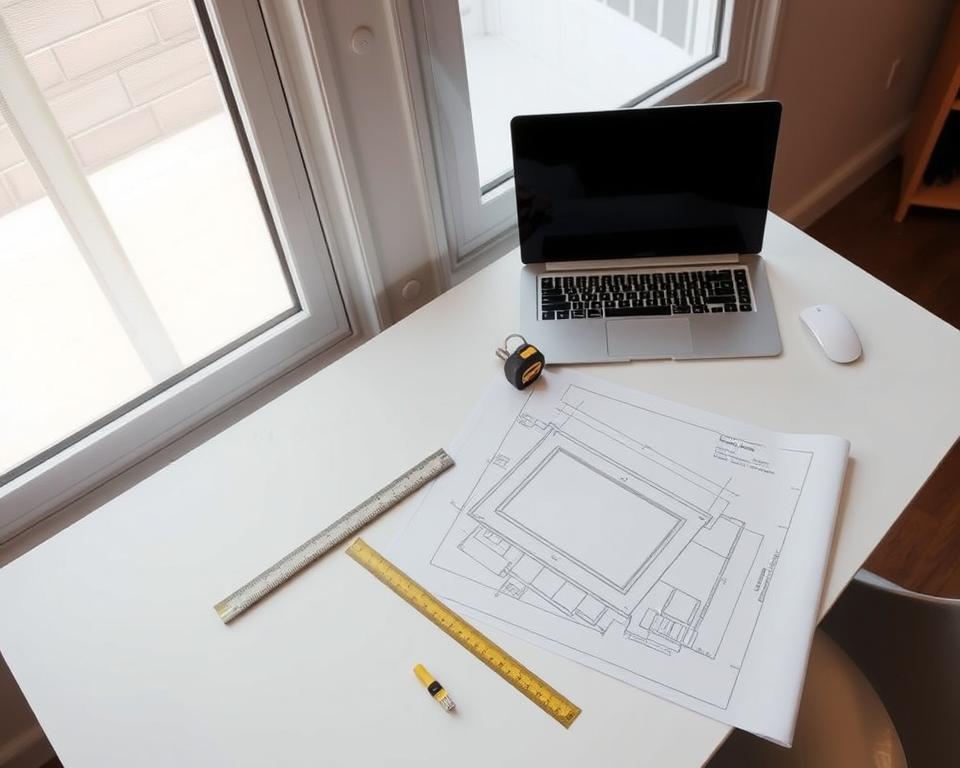
Assessing Your Outbuilding and Measuring Accurately
Begin by evaluating the structure’s openings. Check door and window frames for irregularities. Warping or uneven settling can affect measurements. Always measure the actual opening, excluding decorative trim.
Take width measurements at top, middle, and bottom positions. Record the smallest dimension. For height, measure left, centre, and right sides. Again, use the smallest number. Leave a 3mm gap on all sides for easier fitting.
One installer notes, “Precision at this stage saves considerable time during the actual installation. Always double-check your numbers.” This attention to detail ensures the screen frame fits perfectly.
Choosing the Appropriate Screen Mesh and Frame
Selecting the right materials is crucial for long-term performance. Different mesh types serve distinct purposes. Consider your specific needs when making choices.
| Mesh Type | Best For | Key Benefits | Considerations |
|---|---|---|---|
| Fibreglass | General use | Easy installation, rust-resistant | Good visibility and airflow |
| Aluminium | Coastal areas | Corrosion resistance | Ideal for salt air environments |
| Pet-resistant | Households with animals | Extra strength | More durable than standard |
| Solar | Sun-exposed spaces | UV protection | Reduces heat gain |
| Fine mesh | Small insect protection | Blocks tiny pests | Ideal for midges and wasps |
Frame selection depends on your space’s requirements. Aluminium offers durability for permanent solutions. Plastic frames work well for temporary setups. Consider how often you’ll use the door or window.
For different configurations, various screen types are available. Hinged designs suit standard doors. Sliding systems accommodate patio doors. Magnetic options provide flexibility for irregular spaces.
How to Install Insect Curtains in Your Outbuilding
With all measurements taken and materials selected, the actual assembly process can begin. This step-by-step guide covers the essential techniques for creating an effective barrier against pests.

Step-by-Step Assembly and Fitting Instructions
Begin by assembling the frame components using corner connectors. Press them firmly together to create a rigid structure matching your opening dimensions. This forms the foundation for your screen.
Lay the mesh material over the completed frame with the groove side facing upward. Ensure approximately 1-2 inches of excess material extends beyond all edges. This allows for proper tensioning during the next step.
The spline roller tool serves a critical function in this installation. Use its rounded edge to press the mesh into the channel groove first. Then employ the concave side to firmly seat the rubber spline cord, locking everything in place.
Securing and Adjusting the Mesh Correctly
For magnetic systems, thoroughly clean the frame surface before applying adhesive-backed strips. Attach Velcro or magnetic tape to the perimeter, ensuring proper alignment. The screen should hang taut and aligned.
Work systematically around the frame perimeter when tensioning the mesh. Apply gentle but firm pressure to maintain slight tension. This prevents sagging while avoiding over-stretching that could distort the material.
Final adjustments include checking that the screen sits square within the opening. Verify that hinged versions swing freely and magnetic closures snap shut reliably. Test the operation multiple times to confirm everything functions correctly.
Tips, Tricks and Common Installation Challenges
Even with careful preparation, a few common challenges can arise during the final stages of fitting a screen. Addressing these issues correctly ensures a professional finish and long-lasting performance.
Avoiding Common DIY Mistakes
One frequent error involves incorrect spline size. A spline that is too small fails to grip the mesh, leading to sagging. Conversely, an oversized spline creates excessive tension, potentially warping the frame.

Another common mistake is uneven mesh tension. This occurs when one side is secured completely before moving to the opposite side. The result is visible wrinkles or areas that are too tight.
Frame warping is another concern. It often happens when assembly occurs on an uneven surface or from uneven pressure during installation. A warped frame will not sit flush, leaving gaps for bugs.
Expert Advice and Troubleshooting Techniques
For a screen that is too loose, check the spline. If it is too small, replace it with a slightly larger one for better tension. For a screen that is too tight, use a slightly smaller spline.
If the frame will not slide into place, check the window or door track for debris. A professional installer advises,
Always work on a flat surface and check for squareness with a spirit level. This simple step prevents numerous fitting issues.
For minor tears, a clear adhesive can seal holes under 10mm. Larger damage may require a patch cut from spare mesh. Regular inspection helps catch problems early.
| Problem | Primary Cause | Quick Solution |
|---|---|---|
| Loose Mesh | Spline is too small | Replace with larger spline |
| Overly Tight Mesh | Spline is too large | Replace with smaller spline |
| Frame Won’t Fit | Debris in track | Clean track thoroughly |
| Warped Frame | Uneven assembly surface | Assemble on a flat, level surface |
Conclusion
Achieving a bug-free environment while maintaining excellent ventilation stands as a straightforward enhancement for garden buildings. Properly fitted fly screens transform these spaces into comfortable areas usable throughout the summer months.
This guide has detailed the complete process from initial planning to final fitting. Accurate measurements ensure screens fit perfectly on various doors and windows. The range of available materials suits different budgets and requirements.
The investment in quality screens pays dividends in improved hygiene and comfort. Basic systems start affordably, making this an accessible installation for most homeowners. Regular maintenance ensures years of reliable service.
These protective barriers allow fresh air circulation while keeping pests at bay. They create more pleasant working environments in workshops, sheds, and storage areas. This simple upgrade significantly enhances how outbuildings function during warmer weather.
FAQ
What are the primary benefits of installing insect screens on an outbuilding?
The main advantages include significantly improved ventilation, allowing fresh air to circulate freely while effectively keeping insects such as flies and bugs out. This enhances indoor air quality and helps maintain a more hygienic space by preventing pests from entering.
How do I measure my outbuilding’s windows and doors for a fly screen?
Accurate measurements are crucial. Homeowners should use a metal tape measure to record the height and width of the window or door frame’s recess. It is essential to measure in several places to account for any irregularities in the frame, ensuring the screen will fit snugly.
What types of fly screen mesh are available for a DIY installation?
Common types include fibreglass mesh, which is flexible and cost-effective, and aluminium mesh, known for its durability. For a simpler installation without tools, screens with a Velcro or magnetic tape attachment are popular choices for UK homes.
What is the basic process for installing a fly screen frame?
The installation typically involves positioning the frame within the window or door opening. For a spline frame, the mesh is laid over the frame and a spline is pressed into a groove to secure the screen. For adhesive types, the tape is pressed firmly onto a clean, dry surface.
What common mistakes should I avoid during the installation?
A frequent error is not cleaning the surface thoroughly before applying adhesive strips, which can lead to the screen falling off. Another is cutting the mesh too small, leaving gaps for insects. Taking time with preparation and measurements prevents these issues.
What tools and materials are typically needed for this project?
A basic toolkit might include a tape measure, a utility knife, a spline roller, and a screwdriver. Required materials often consist of the screen frame, the mesh itself, and weather-resistant spline or strong adhesive tape, depending on the chosen system.