
How to Build, Fill, and Plant a Raised Garden Bed
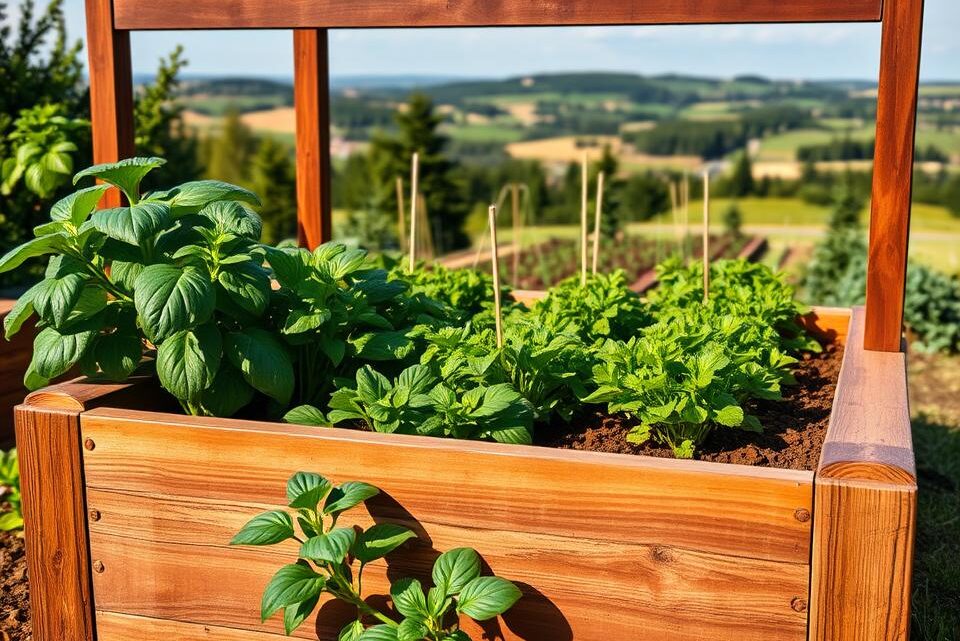
Raised garden beds offer numerous advantages over traditional in-ground gardening, including better soil quality and improved drainage. By elevating your garden, you can enjoy ergonomic benefits that make gardening more accessible and enjoyable.
This guide will walk you through the process of building, filling, and planting a raised garden bed from scratch. You’ll learn how to select the perfect location, choose appropriate materials, and construct a sturdy frame. By following these step-by-step instructions, you’ll be able to create a thriving raised bed garden that produces abundant harvests.
Inhaltsverzeichnis
Key Takeaways
- Understand the benefits of raised garden beds, including improved soil quality and drainage.
- Learn how to select the perfect location for your raised garden bed.
- Discover how to construct a sturdy frame and fill it with the right soil mixture.
- Find out how to plant your raised garden bed effectively for optimal growth.
- Explore tips for maintaining your raised garden bed throughout the seasons.
The Benefits of Raised Garden Beds
Raised garden beds offer numerous benefits for gardeners, from improved growing conditions to a more ergonomic gardening experience. By elevating the garden, you create a more controlled environment that can be tailored to the specific needs of your plants.
Improved Growing Conditions
The soil in a raised bed can be optimized for the plants you’re growing, ensuring they receive the right mix of nutrients. This tailored approach to soil composition can significantly enhance plant health and productivity. Moreover, the improved drainage in raised beds means that the soil is less likely to become waterlogged, reducing the risk of root rot and other problems associated with poor drainage.
Ergonomic Gardening Experience
Gardening in raised beds reduces the strain on your back and knees, as you don’t need to bend as far to plant, weed, or harvest. This ergonomic benefit makes gardening more accessible to people of all ages and abilities. By having the garden at a more comfortable height, you can enjoy the therapeutic benefits of gardening without the physical strain.
Extended Growing Season
Due to its elevated position, a raised bed warms up much faster in spring than the soil in traditional garden plots. This allows for earlier planting and can extend the growing season, giving you more time to enjoy fresh produce from your garden. The decomposition process of organic materials in properly layered raised beds generates heat, further extending the growing season.
| Benefits | Description |
|---|---|
| Improved Soil Conditions | Tailored soil composition for optimal plant growth |
| Ergonomic Gardening | Reduced strain on back and knees |
| Extended Growing Season | Warmer soil in spring for earlier planting |
By utilizing raised garden beds, you can create a more productive and enjoyable gardening experience. The benefits of raised beds, including improved growing conditions and an extended growing season, make them an attractive option for gardeners of all levels.
Choosing the Perfect Location for Your Raised Bed
Selecting the ideal location for your raised garden bed is crucial for the success of your gardening endeavours. The location affects not only the growth of your plants but also your overall gardening experience.
Sunlight Requirements
Most plants require adequate sunlight to thrive. When choosing a location for your raised bed, ensure it receives sufficient sunlight. Consider that some plants may need shade, especially in hotter climates. Adequate sunlight is essential for healthy plant growth.
For most vegetables and flowers, a spot that receives at least 6 hours of direct sunlight is ideal. However, in particularly hot climates, some afternoon shade can be beneficial.
Accessibility Considerations
Accessibility is another crucial factor when positioning your raised bed. You should be able to reach all parts of the bed easily. Consider the mature size of your plants and leave enough space between beds for comfortable access.
Avoid placing your raised bed in a location that is hard to reach or surrounded by obstacles that could hinder your ability to tend to your plants.
Protection from Elements
Protection from harsh elements such as strong winds and excessive water is vital. Wind can damage plants and increase water evaporation, while excessive moisture can compromise drainage. 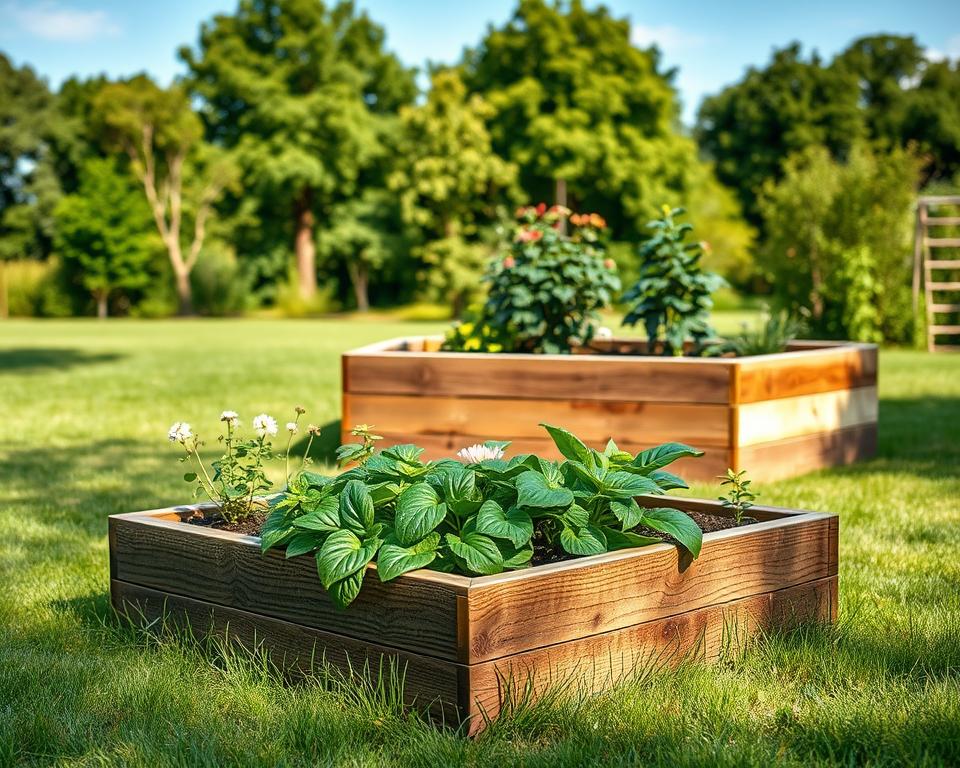
- Natural windbreaks like fences or hedges can protect your raised bed from strong winds.
- Avoid areas prone to flooding or water runoff.
- Consider temperature extremes and how they might affect your chosen location.
By carefully selecting the location for your raised bed, you can create a more favourable environment for your plants to thrive.
Materials and Tools You’ll Need
Building a raised garden bed requires careful planning and the right set of materials and tools. To ensure a successful construction process, it’s essential to have everything you need on hand.
Selecting the Right Wood or Materials
When choosing the materials for your raised bed, consider using durable, rot-resistant wood, such as cedar or redwood. Alternatively, you can use composite materials or recycled plastic lumber. Regardless of your choice, ensure that the materials are waterproof and free from harmful substances.
Essential Tools for Construction
To construct your raised bed, you’ll need a few essential tools. These include a saw for cutting the wood, a drill for screwing the pieces together, and a hammer for tapping them into place. You’ll also need a tape measure to ensure accurate measurements and a square to guarantee a level frame.
Additional Supplies for Preparation
In addition to the materials and tools for construction, you’ll need to prepare the bottom of your raised bed. This involves lining it with a landscape fabric or cardboard to suppress weeds and prevent pests. You may also want to install a vole grid to protect your plants from burrowing animals.
| Material/Tool | Purpose |
|---|---|
| Landscape fabric or cardboard | Suppress weeds and prevent pests |
| Hardware cloth or wire mesh | Protect against burrowing pests |
| Waterproof liner material | Protect wooden sides from moisture |
| Garden soil and compost | Provide nutrients for plants |
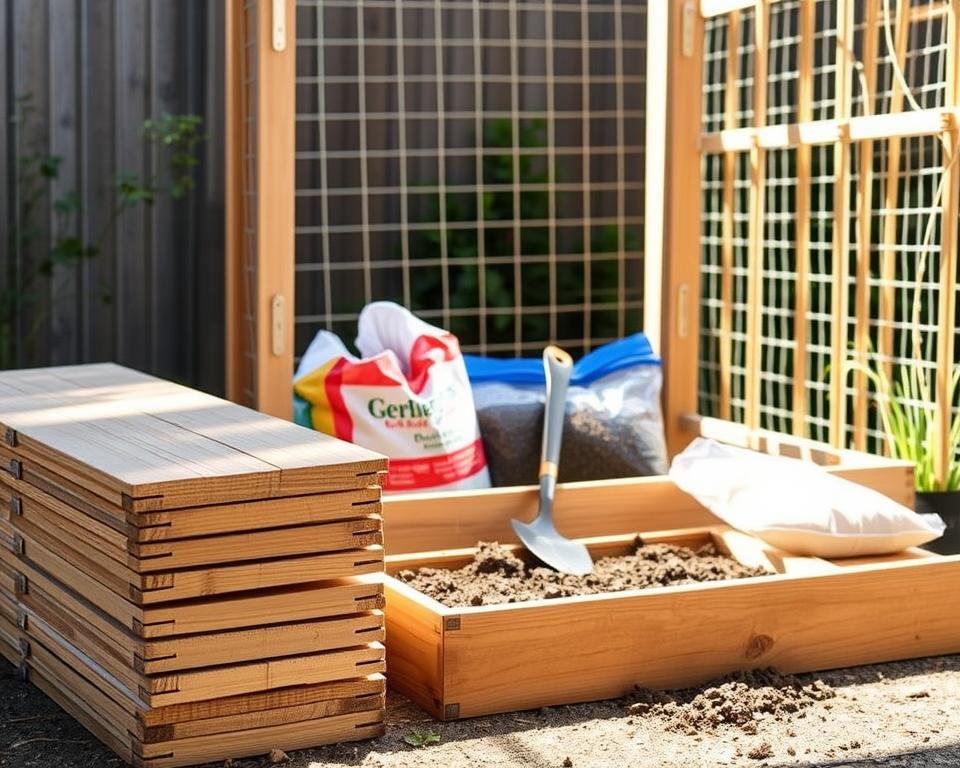
By gathering the necessary materials and tools, you’ll be well-prepared to build a thriving raised garden bed.
Step-by-Step Guide to Building a Raised Garden Bed
When it comes to building a raised garden bed, the key to success lies in proper planning and execution. This guide will walk you through the essential steps to create a thriving garden bed.
Preparing the Ground
Before you start constructing your raised bed, it’s crucial to prepare the ground. This involves clearing the area of any debris, vegetation, or obstructions. If you’re building on a concrete or patio surface, you may need to take additional steps to ensure proper drainage. Installing drainage holes or a layer of coarse gravel at the bottom of your raised bed can help prevent waterlogging.
As “These dainty little rodents love (as their name suggests) to burrow through the earth”, it’s essential to consider protecting your raised bed from pests like voles. To prevent them from burrowing into your garden bed, consider installing a vole grid or hardware cloth at the bottom of your raised bed.
Constructing the Frame
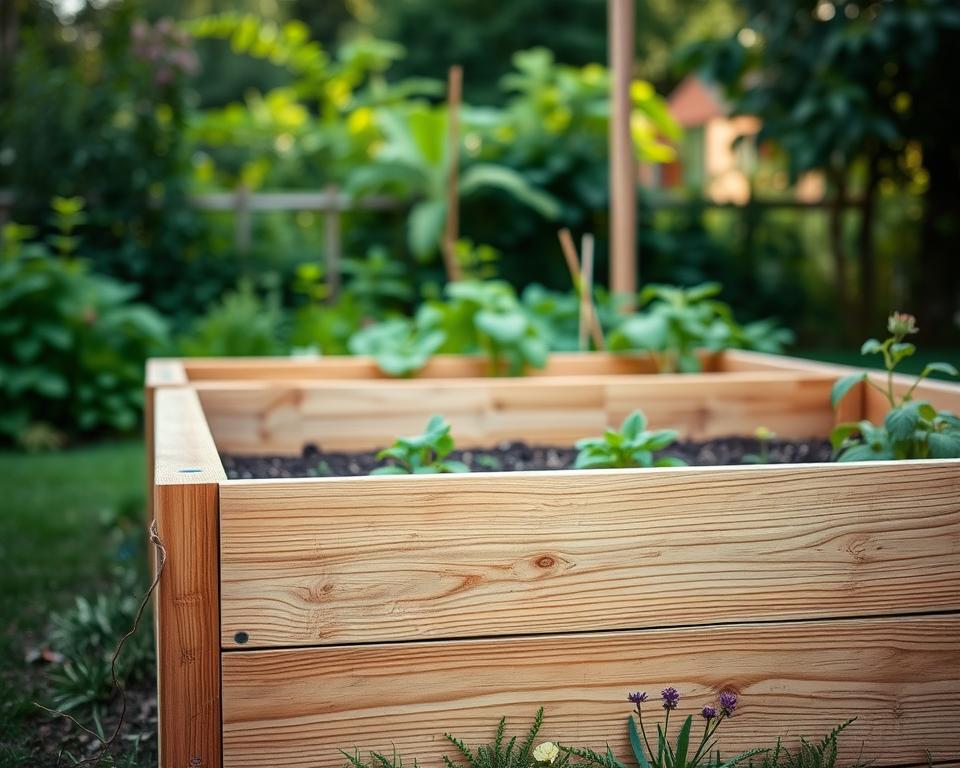
With the ground prepared, you can start constructing the frame of your raised bed. Use durable materials like wood or composite materials to create a sturdy frame. Ensure that the corners are secure and the frame is level to provide a stable base for your raised bed. You can use screws or nails to assemble the frame, making sure it is robust enough to hold the weight of the soil and plants.
Installing Protective Measures
To extend the life of your raised bed and protect it from pests and rot, consider installing protective measures. Line the inside walls of your raised bed with waterproof, food-safe material to prevent chemicals from leaching into your soil. You can also attach copper tape around the outside top edge of your raised bed to deter slugs. For areas with heavy rainfall, create overflow drainage points near the top of the bed to prevent complete saturation during wet periods.
Some additional tips to consider when building your raised bed include:
- Lining the bottom of your raised bed with hardware cloth or galvanised wire mesh to prevent burrowing pests.
- Securing the mesh to the bottom edges of your frame using staples or small nails.
- Leaving a small gap between any plastic liner and the wood to allow air circulation.
- Considering the installation of a permanent irrigation system before filling the bed with soil.
How to Build, Fill, and Plant a Raised Garden Bed Properly
A well-constructed raised bed is the foundation of a successful garden. To achieve this, you need to focus on several key aspects: creating a proper foundation, layering materials effectively, and ensuring good drainage.
Creating the Proper Foundation
The foundation of your raised bed is crucial for its longevity and the health of your plants. Start by selecting a location that receives adequate sunlight and is easily accessible. Ensure the ground is level to prevent uneven water distribution. If you’re building on a balcony or an impermeable surface, consider the drainage implications.
Layering Materials Effectively
Layering is a vital step in preparing your raised bed. Begin with a layer of coarse materials like gravel or broken pottery for drainage. Follow this with a layer of landscape fabric to prevent weeds from growing up into your bed. Then, add a mix of topsoil, compost, and other organic matter to create a nutrient-rich environment for your plants.
Ensuring Good Drainage
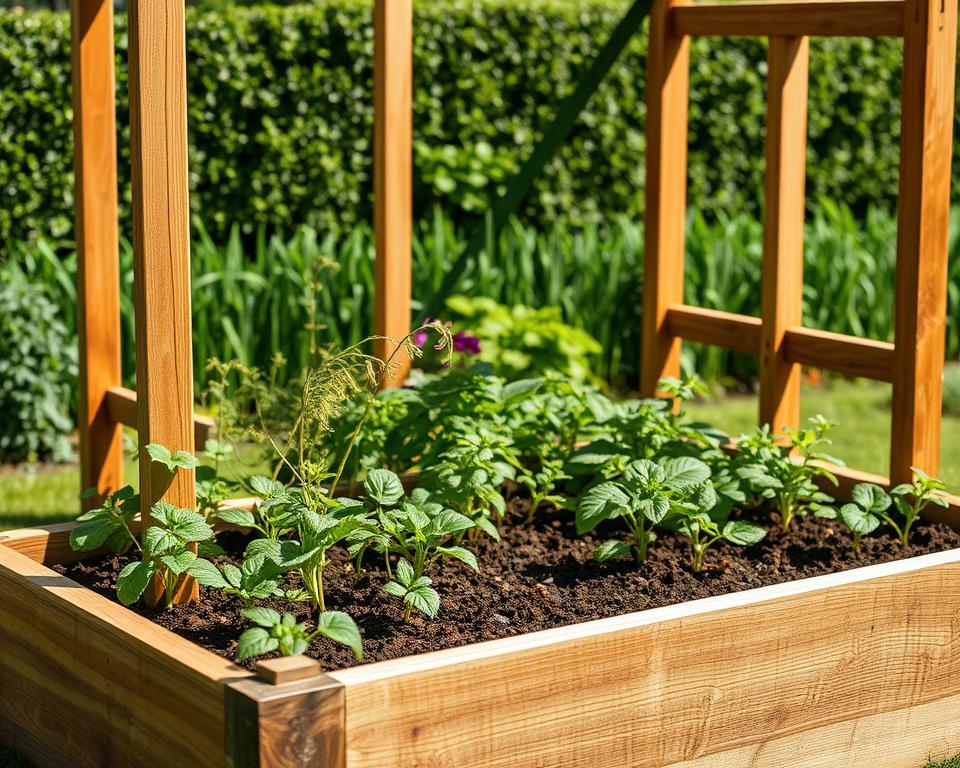
Proper drainage is essential to prevent waterlogging, which can lead to root rot and other problems. For raised beds with solid bottoms, drill multiple drainage holes at least 1.2 cm in diameter, spaced about 15-20 cm apart. Consider adding a slight slope to your bed to facilitate water movement. If your bed is lined with plastic, puncture the bottom for drainage while keeping the sides intact to protect the frame.
| Drainage Method | Description | Benefit |
|---|---|---|
| Drilling Holes | Drill multiple holes in the bottom of the raised bed. | Prevents waterlogging. |
| Adding a Slope | Create a slight slope in the bed for water to flow towards drainage holes. | Facilitates water movement. |
| Using Landscape Fabric | Layer landscape fabric to prevent weeds and allow water penetration. | Reduces weed growth and improves drainage. |
By following these guidelines, you can create a raised garden bed that is both functional and productive, providing a healthy environment for your plants to thrive.
The Perfect Layering System for Your Raised Bed
The key to a thriving raised bed lies in its layering system, which provides a foundation for robust plant growth and resilience. A well-structured raised bed comprises multiple layers, each serving a specific purpose to create an optimal growing environment.
Bottom Drainage Layer
The bottom layer of your raised bed is crucial for drainage. By using coarse materials like tree and shrub cuttings, you allow excess water to drain off quickly, preventing waterlogging and promoting healthy root growth. As stated by gardening experts, “A good drainage system is essential for preventing root rot and ensuring that your plants receive the right amount of moisture.”
This layer also creates air pockets, which are vital for root development. By incorporating this layer, you’re setting the stage for a healthy and thriving garden.
Middle Nutrient Layers
The middle layers of your raised bed are where the magic happens. As garden waste breaks down, it produces heat, which helps plants grow and protects them from colder temperatures. This means you can start planting your raised bed as early as March, once the last frost has passed.
The breaking down of garden waste also creates valuable nutrients for your plants. The compost, in particular, will support healthy growth for many years, acting as a rich and water-retentive medium.
Top Planting Layer
The top 25-30 cm of your raised bed should consist of a high-quality growing medium. To create this layer, mix approximately 60% topsoil, 30% finished compost, and 10% other amendments like vermiculite or coir. For vegetable growing, aim for a slightly acidic to neutral pH (6.0-7.0).
Consider adding specific amendments based on what you plan to grow. For example, add calcium for tomatoes or extra compost for heavy feeders. Allow this top layer to settle for 1-2 weeks before planting, watering it thoroughly to help it compact naturally.
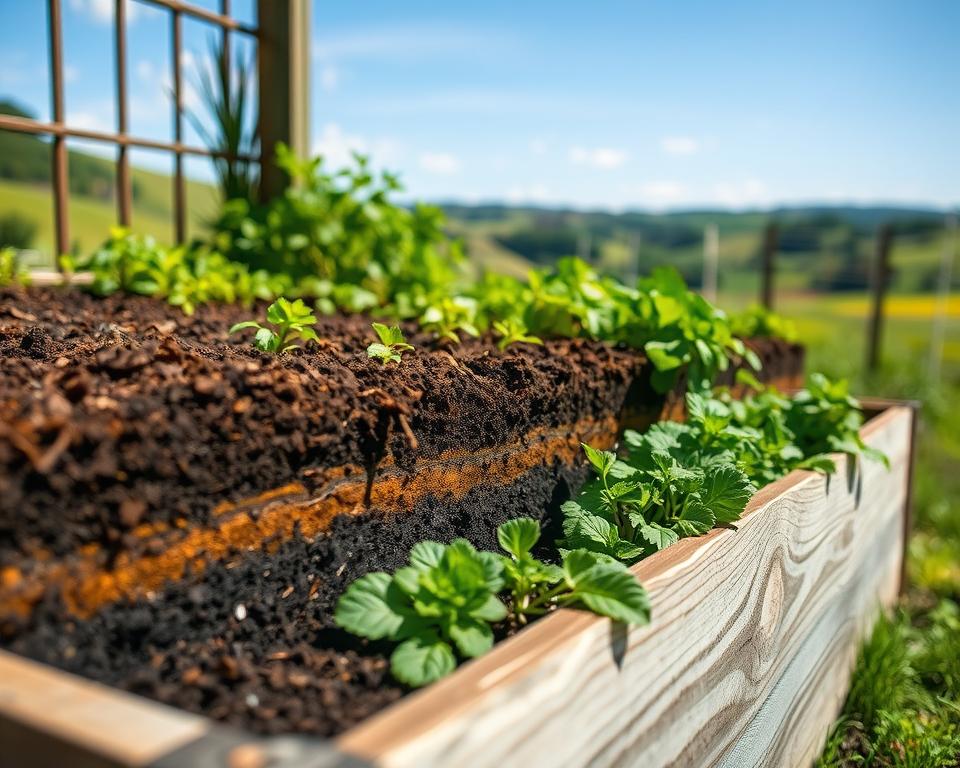
By following this layering system, you’ll be able to create a thriving raised bed that supports healthy plant growth and provides a bountiful harvest. As gardening enthusiasts often say, “A well-layered raised bed is the key to a successful garden.”
Selecting the Best Plants for Your Raised Bed
Selecting the best plants for your raised bed involves considering several factors, including growth habits, space requirements, and compatibility. The right selection can lead to a thriving garden, while a poor choice might result in competition for resources or even plant failure.

Vegetables That Thrive in Raised Beds
Raised beds are particularly well-suited for growing a variety of vegetables. Leafy greens like lettuce and spinach, along with tomatoes, peppers, and cucumbers, are excellent choices. These plants benefit from the improved drainage and warmer soil temperatures that raised beds provide.
Herbs and Companion Plants
Incorporating herbs into your raised garden can enhance its biodiversity. Herbs like basil, rosemary, and thyme not only add flavor to your cooking but can also help deter pests. Companion planting, where different plants are grown together to improve growth or deter pests, is another strategy to consider.
Plants to Avoid in Raised Beds
While raised beds offer many advantages, there are certain plants that are not ideal for them. Sprawling crops like pumpkins and winter squash can quickly overtake the available space. Similarly, deep-rooted perennials such as asparagus are better suited to dedicated beds. It’s also advisable to avoid planting members of the same family (e.g., tomatoes, potatoes, and peppers from the nightshade family) together, as they can share pests and diseases.
Seasonal Planting Guide for Raised Beds
A well-planned raised bed can be productive throughout the year with the right seasonal planting strategy. By understanding the different crops suitable for each season, you can maximise your garden‘s potential.
Spring Planting Recommendations
In the spring, your raised garden bed can be filled with a variety of vegetables and herbs. Consider planting cool-season crops like peas, spinach, and lettuce. These plants thrive in the cooler temperatures of spring and can be harvested before the heat of summer.
Summer Planting Options
As summer approaches, it’s time to plant warm-season crops such as tomatoes, courgettes, and beans. These plants require full sun and well-draining soil, making a raised bed ideal. Don’t forget to utilise space efficiently by interplanting quick-growing crops between slower-growing ones.
Autumn and Winter Crops
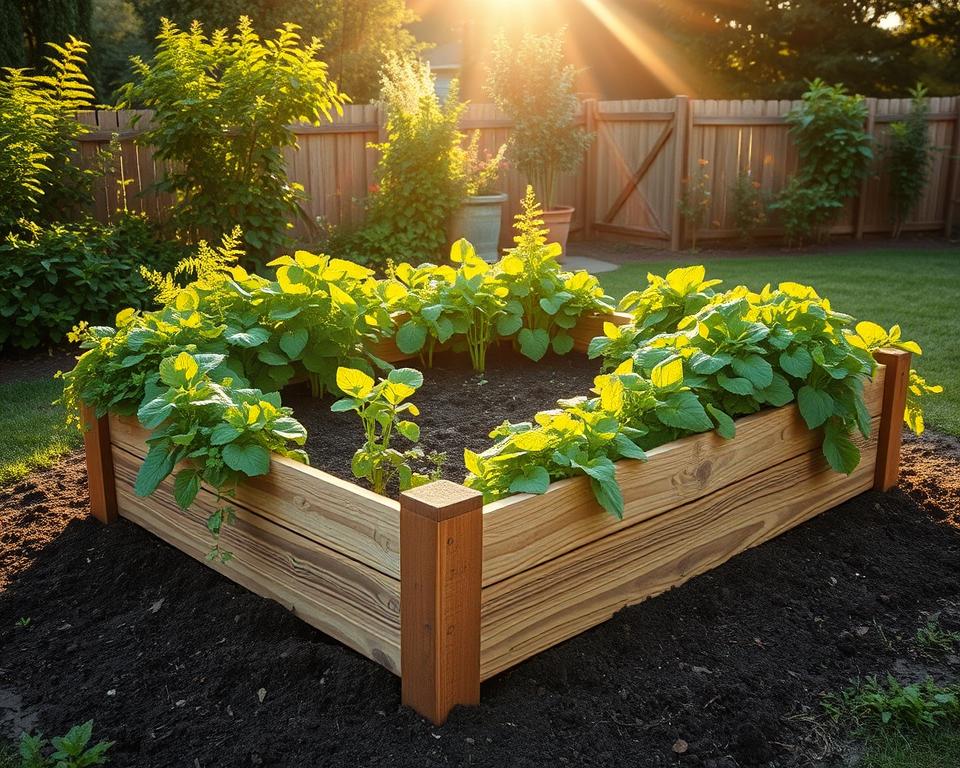
Your raised bed can continue to be productive into autumn and even winter. Plant varieties like cabbage, kale, and chard, which are resistant to cold temperatures. Consider a second sowing in September or October for crops like rocket and spinach.
Succession Planting Strategies
To maintain continuous productivity, adopt succession planting strategies. This involves staggering plantings of the same crop every few weeks and using the “one in, one out” approach to ensure your garden is always filled. Plan your succession with space and soil fertility in mind, and keep a garden journal to track successful combinations.
Proper Spacing and Companion Planting
To maximize the potential of your raised garden, understanding optimal plant spacing and beneficial companions is essential. Proper spacing ensures that each plant has enough room to grow without competing for resources like light, water, and nutrients. Companion planting, on the other hand, involves pairing plants that complement each other in terms of growth, pest resistance, and flavor.
Optimal Plant Spacing Guidelines
When planning your raised bed, it’s essential to consider the mature size of each plant. Overcrowding can lead to reduced yields and increased susceptibility to diseases. For example, plants like tomatoes and peppers need more space, while herbs like basil and cilantro can be planted closer together.
| Plant Type | Spacing Recommendation | Mature Size Consideration |
|---|---|---|
| Tomatoes | 45-60 cm apart | Support needed for indeterminate varieties |
| Basil | 15-20 cm apart | Pinch off flower buds to encourage leaf growth |
| Carrots | 2-3 cm apart | Avoid overcrowding to prevent forking |
Beneficial Plant Combinations
Companion planting is a valuable technique for improving growth and reducing pests. For instance, planting marigolds with tomatoes can deter nematodes, while basil improves the flavor and texture of nearby tomatoes. Onions and garlic repel pests that target many vegetables, making them excellent companions for a variety of crops.
- Tomatoes and Basil: Basil enhances the flavor of tomatoes and can improve their growth.
- Marigolds and Vegetables: Marigolds repel nematodes and other pests.
- Onions and Carrots: Onions deter carrot flies, while carrots can help to break up compacted soil.
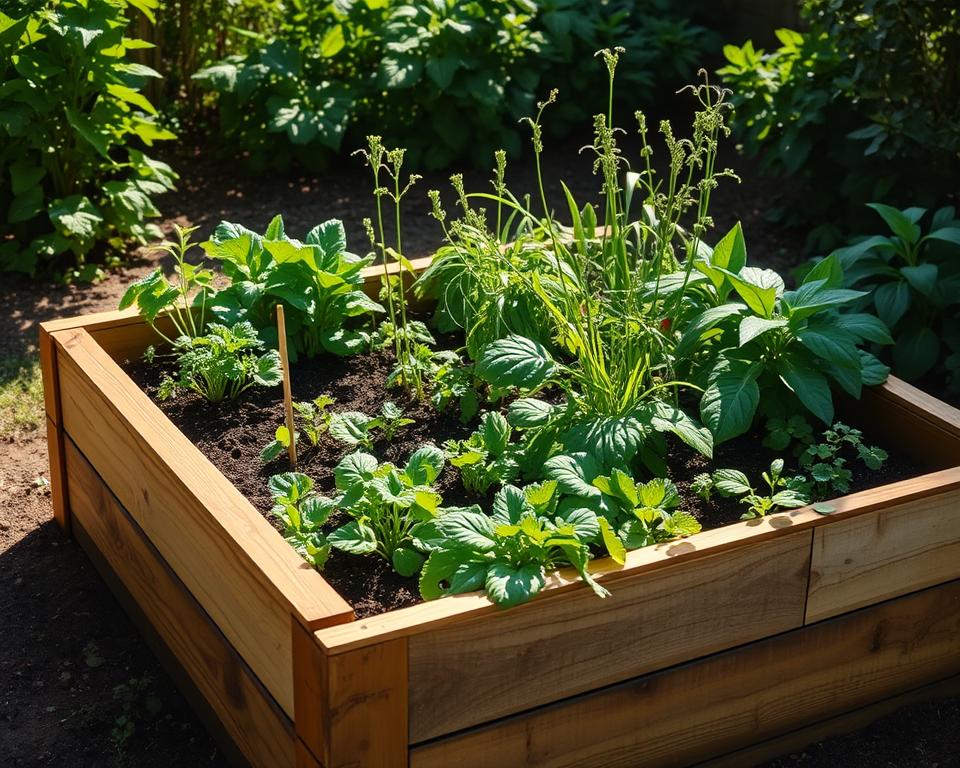
By carefully planning the layout of your raised bed and selecting appropriate companions for your plants, you can create a thriving and diverse garden ecosystem. This not only maximizes your yields but also contributes to a more sustainable gardening practice.
Maintaining Your Raised Garden Bed
Your raised garden bed requires consistent care to remain healthy and productive. This involves a combination of regular watering, seasonal maintenance tasks, and refreshing the soil and nutrients.
Watering Requirements
Proper watering is essential for the health of your plants. The frequency of watering depends on the type of plants, weather conditions, and the time of year. As a general rule, raised beds tend to dry out faster than in-ground gardens, so regular checks are necessary.
Seasonal Maintenance Tasks
Seasonal tasks include adding a layer of compost or manure, controlling weeds, and pruning plants. In the spring, apply a 2-5 cm layer of finished compost to the bed surface before planting. Consider incorporating cover crops during off-seasons to add organic matter and fix nitrogen in the soil.
Refreshing Soil and Nutrients
Over time, the nutrient content in your raised bed will deplete. To maintain productivity, it’s essential to replenish these nutrients. Every 2-3 years, consider removing the top 15-20 cm of soil and replacing it with a fresh compost-rich mix. This helps maintain the soil’s fertility and structure.
| Year | Plant Selection | Nutrient Management |
|---|---|---|
| 1 | Heavy feeders like tomatoes and brassicas | High compost application |
| 2-3 | Mix of heavy and moderate feeders | Balanced fertiliser application |
| 4-5 | Moderate feeders and plants tolerant of poor soil | Targeted amendments (e.g., calcium for tomatoes) |
Conclusion
The journey to building, filling, and planting your raised garden bed is now complete, and the rewards are just beginning. By investing time and materials into creating your raised bed, you’ve set yourself up for improved growing conditions, extended growing seasons, and a more ergonomic gardening experience.
Your raised garden bed is a versatile space where you can grow a wide variety of plants, from vegetables and herbs to flowers. To maximise productivity, remember to implement succession planting and companion planting strategies throughout the growing season.
Regular maintenance, including watering, seasonal care, and nutrient replenishment, will keep your raised garden bed productive for years to come. Whether you’re a novice or experienced gardener, raised bed gardening offers an accessible and enjoyable way to grow your own food. As you gain confidence, consider expanding your garden or experimenting with different designs and planting combinations.
We hope this comprehensive guide has provided you with the knowledge needed to create a thriving garden space. With your new raised garden bed, you’re ready to start enjoying the many benefits of raised bed gardening.
FAQ
What materials are best for constructing a raised garden bed?
The best materials for constructing a raised garden bed include durable, rot-resistant woods like cedar or redwood, as well as composite materials or recycled plastic. Avoid using pressure-treated wood, as it can leach chemicals into the soil.
How deep should a raised garden bed be?
A raised garden bed should be at least 15-20 cm deep to allow for good root growth, but can be as deep as 30 cm or more for plants with deeper taproots. Ensure the bed is not too deep, as this can make it difficult to reach the bottom.
What is the best way to fill a raised garden bed?
To fill a raised garden bed, start with a layer of coarse materials like gravel or broken pottery for drainage, followed by a mix of topsoil, compost, and other organic matter. This will create a well-draining, nutrient-rich growing medium.
How often should I water my raised garden bed?
The frequency of watering will depend on the weather, soil mix, and type of plants. As a general rule, raised beds dry out faster than in-ground gardens, so check the soil regularly and water when the top few centimetres feel dry.
Can I use raised garden beds for growing vegetables year-round?
Yes, raised garden beds can be used for growing vegetables year-round, provided you choose varieties suitable for the current season and provide protection from extreme weather conditions.
How do I ensure good drainage in my raised garden bed?
To ensure good drainage, include a layer of coarse material at the bottom of the bed, avoid overfilling with dense soil, and make sure the bed is not too deep. You can also add drainage pipes or perforated PVC pipes if necessary.
What are the benefits of using compost in my raised garden bed?
Compost adds nutrients, improves soil structure, and supports beneficial microbial activity, creating a healthy growing environment for your plants.
Can I grow root vegetables in a raised garden bed?
Yes, raised garden beds are ideal for growing root vegetables like carrots, beets, and radishes, as they provide a deep, well-draining soil profile.

