How to Build Your Own Mini Greenhouse
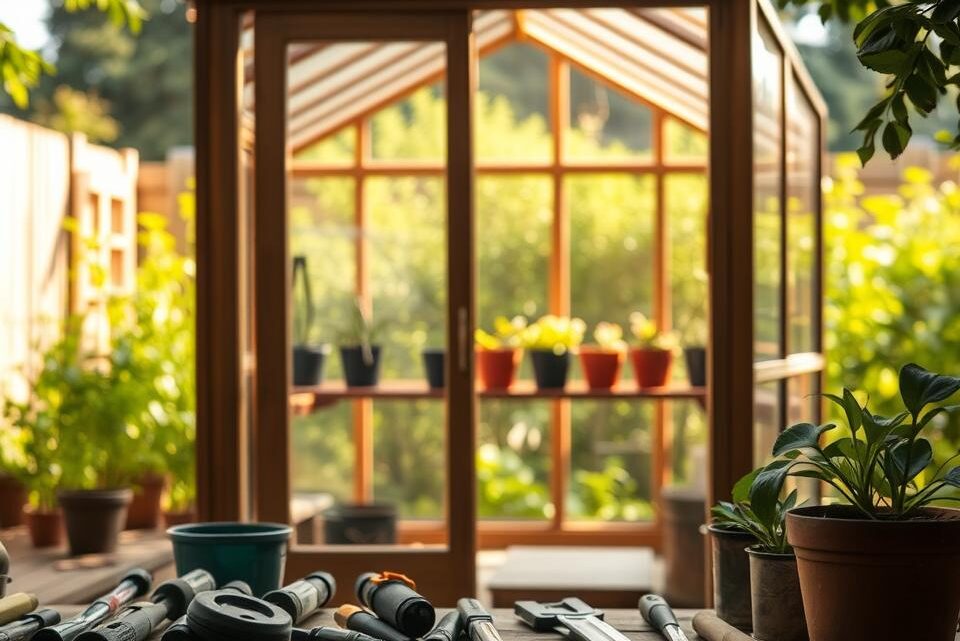
Creating a personal growing space offers gardeners significant advantages throughout the year. A compact greenhouse structure provides protection from harsh weather while extending the cultivation season substantially. This practical solution enables enthusiasts to nurture tender plants and seedlings with greater control over their environment.
Constructing a bespoke growing space represents an accessible diy project for individuals of varying skill levels. The process requires basic tools and readily available materials, making it an achievable undertaking for most gardening enthusiasts. Many successful constructions utilise reclaimed items, offering both economic and environmental benefits.
The flexibility of designing a customised structure allows for perfect adaptation to specific garden requirements. Unlike pre-fabricated units, a personally built greenhouse offers complete control over size, features, and materials. This approach often results in substantial cost savings while delivering a solution tailored precisely to individual needs.
Inhaltsverzeichnis
Key Takeaways
- Extending the growing season becomes achievable with a protective structure
- Basic tools and common materials suffice for most construction projects
- Customisation options surpass those of ready-made greenhouse units
- Significant financial savings accompany the do-it-yourself approach
- Various scales suit different garden sizes and planting requirements
- Reclaimed materials often work excellently for eco-friendly constructions
- Professional guidance ensures successful project completion
Introduction: The Benefits of a Mini Greenhouse
The implementation of a small protective enclosure can revolutionise gardening efforts in variable UK climates. These structures provide significant advantages for cultivating a wide range of plants throughout the year.
Enhancing Garden Growth in the UK
British gardeners face unique challenges with unpredictable weather patterns. A compact protective structure creates a stable microclimate that extends the growing season substantially. This controlled environment allows for the successful cultivation of plants that would otherwise struggle in typical UK conditions.
The internal temperature within these enclosures rises by several crucial degrees. This warmth significantly improves germination rates and promotes vigorous growth. Over the years, gardeners have documented remarkable improvements in plant health and yield.
Protecting Seedlings with DIY Solutions
Young seedlings benefit enormously from the shelter provided by these structures. They gain protection from frost, heavy rain, and damaging winds during their most vulnerable stages. This early care results in stronger, more resilient plants.
DIY approaches to creating these protective spaces prove both cost-effective and highly adaptable. Gardeners can customise designs to suit specific needs and available materials. The versatility means any garden space, regardless of size, can accommodate such a structure.
Many tender plant varieties thrive under these protected conditions. Chillies, sweet peppers, and exotic ornamentals achieve better results with the extra warmth and shelter. This protection system represents an accessible solution for gardeners at all skill levels.
Understanding the Concept and Design
Successful cultivation in Britain’s temperamental climate often relies on the strategic use of protective garden structures. The core concept involves creating a microclimate that traps solar heat and shields plants from harsh conditions. This principle applies to structures of all scales, from the simplest cover to elaborate mini greenhouses.
Different Types of Small Greenhouses
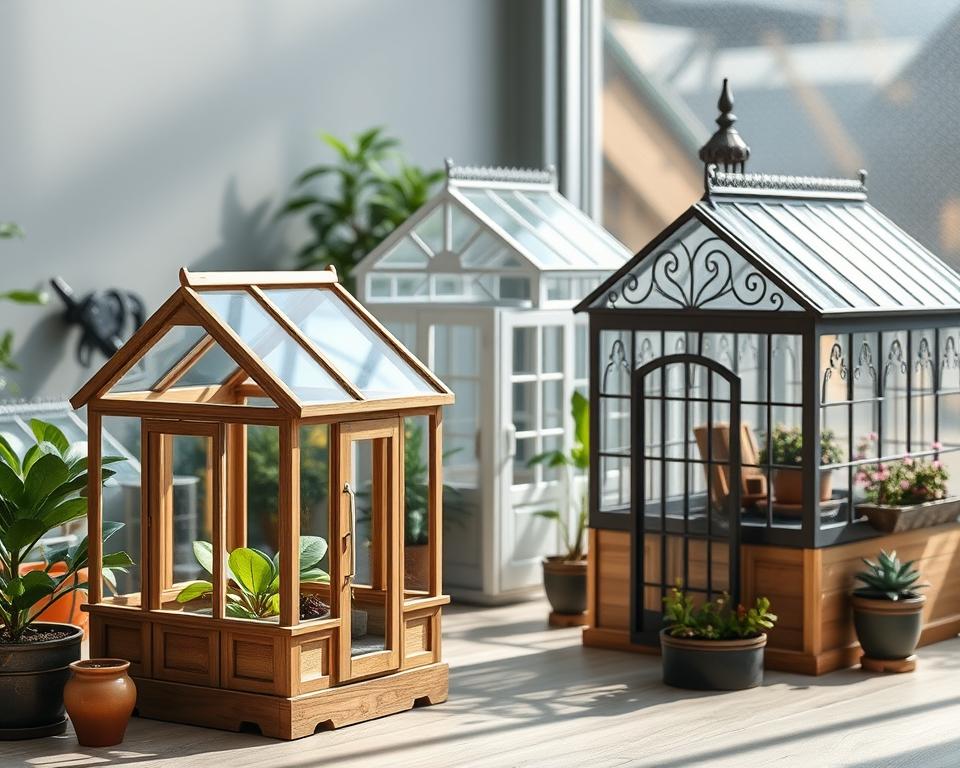
These protective frames come in many forms. Traditional cold frames with hinged lids are excellent for early-season growing. Upcycled solutions, like those made from old picture frames or clear storage boxes, offer clever and affordable design options.
Other mini greenhouses include temporary cloches, balcony screens, and covered shelving units. Each design serves a specific purpose, such as seed starting or protecting mature plants.
Adapting Designs for Limited Garden Space
Even the smallest space can accommodate a protective structure. The key is choosing the right size and design. Vertical shelving units or wall-mounted frames maximise growing capacity without dominating the available space.
Careful planning ensures the size of the small greenhouse matches both the number of plants and the garden’s layout. A compact greenhouse can fit snugly into a corner or on a patio, proving that a limited space is no barrier to effective plant protection.
Planning Your DIY Mini Greenhouse Project
Effective preparation forms the foundation of any successful greenhouse construction endeavour. Before purchasing materials, gardeners should dedicate time to thorough assessment and detailed planning. This approach prevents costly mistakes and ensures the final structure meets specific cultivation requirements.
Assessing Your Garden Space and Needs
Accurate measurement of the proposed location represents the first critical step. Gardeners must consider sunlight patterns throughout the day and protection from prevailing winds. Proximity to water sources and maintenance accessibility also influence the ideal placement.
Sketching the design on paper helps visualise the finished product and confirms dimensions. This practice allows for better integration with existing garden features. Many enthusiasts pursue this diy project after finding commercial options unsatisfactory for their specific space.

| Greenhouse Size | Sunlight Requirements | Suitable Plant Types | Space Considerations |
|---|---|---|---|
| Small (under 1m²) | 4-6 hours daily | Seedlings, herbs | Balcony or patio |
| Medium (1-2m²) | 6-8 hours daily | Tomatoes, peppers | Small garden corner |
| Large (over 2m²) | 8+ hours daily | Multiple crop types | Dedicated garden area |
The size of the structure should accommodate both current and future plants. Adequate internal space ensures proper air circulation and growth potential. Creating a detailed materials list before construction prevents frustrating delays during the build process.
Planning should also consider whether the mini greenhouse will serve for seed starting or year-round cultivation. Future expansion possibilities and seasonal storage needs merit careful consideration during this initial phase.
Selecting Materials and Upcycling Ideas
The choice of materials fundamentally shapes the success and character of a protective garden structure. This decision balances durability, cost, and environmental impact. A thoughtful selection process ensures the final build meets both practical needs and personal values.
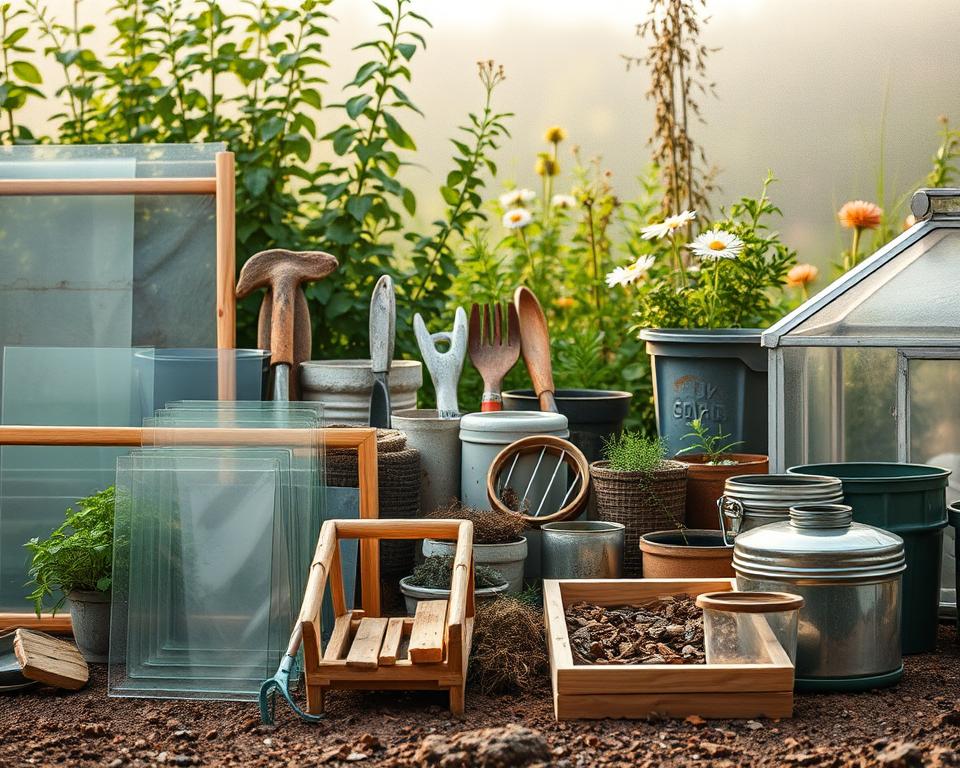
Gardeners can explore a spectrum of options, from traditional purchases to creative repurposing.
Wood, Polycarbonate and Other Options
Wood remains a classic choice for constructing sturdy frames. Treated timber battens, like 50x25mm sections, offer excellent strength and natural resistance to the elements. Its workability allows for custom designs.
For the covering, polycarbonate sheets are a modern alternative to glass. These panels are lightweight, shatterproof, and feature tiny insulating air channels. This design provides superior protection for plants against frost.
An old window frame offers a ready-made solution. Sourced from reclamation yards, it can become an instant glazed roof or side panel with minimal effort.
Budget-Friendly, Sustainable Approaches
A clever idea for a mini project involves upcycling everyday items. Picture frames, clear storage containers, and even plastic bottles can be transformed into effective plant protectors.
PVC pipe offers another flexible approach. It is lightweight and allows for structures that can be disassembled for storage.
This method not only saves money but also gives discarded items a new purpose.
| Material Type | Key Features | Best For | Cost Estimate |
|---|---|---|---|
| Treated Timber | Durable, natural look, customisable | Permanent, sturdy frames | Medium |
| Polycarbonate Sheet | Lightweight, insulating, shatterproof | Light transmission & safety | Medium to High |
| Reclaimed Window | Ready-glazed, characterful | Quick, rustic builds | Low |
| Upcycled Items | Very low cost, highly sustainable | Small, temporary covers | Very Low |
How to Build Your Own Mini Greenhouse
A systematic approach to building ensures the final structure is both robust and perfectly suited to its purpose. This logical sequence of steps allows even those with basic diy skills to complete the project over a weekend. The process builds upon itself, starting with the most fundamental elements.
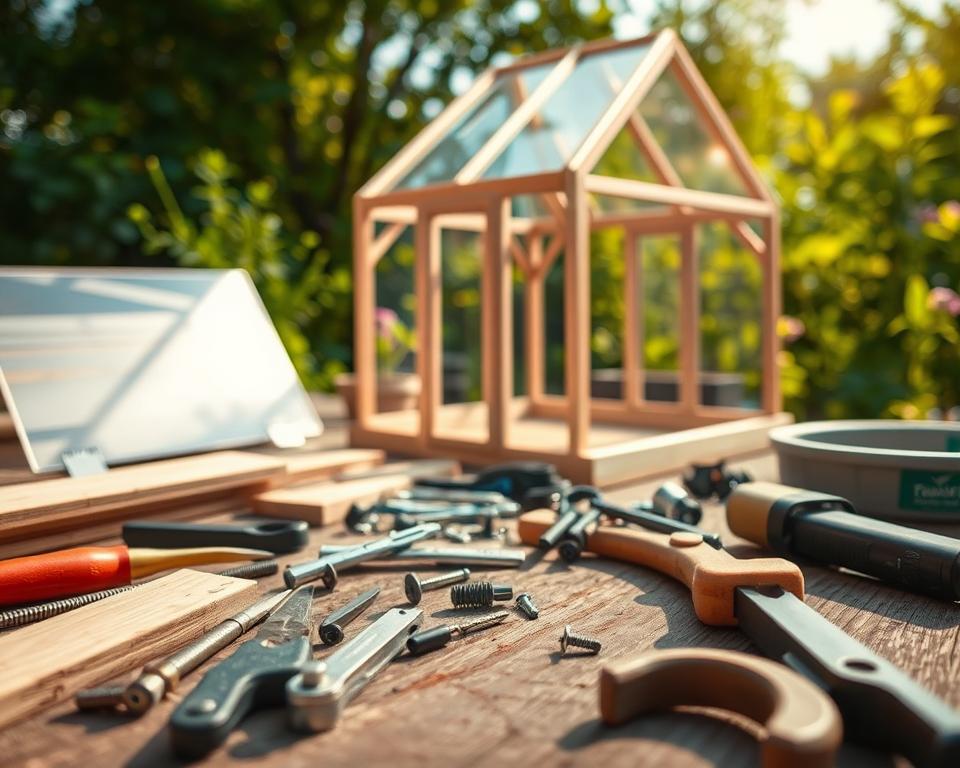
The construction divides into clear phases. First, the frame is assembled, forming the essential skeleton of the greenhouse. This foundational step requires precision, as it supports the entire build.
Subsequent stages include fitting the doors, installing shelves, and adding the clear panels. Each phase relies on the stability of the previous one. This methodical progression guarantees a sturdy result.
| Construction Phase | Primary Focus | Key Consideration |
|---|---|---|
| Frame Assembly | Structural Integrity | Precise measurements and square angles |
| Door Construction | Access & Ventilation | Smooth operation and weather sealing |
| Shelving Installation | Space Optimisation | Weight distribution and light access |
| Panel Fitting | Environmental Control | Secure fastening and weatherproofing |
| Finishing Touches | Durability & Aesthetics | Protective treatments and final adjustments |
Attention to detail during each step directly influences the longevity and performance of the mini greenhouse. Careful workmanship with the chosen materials is therefore essential. This organised diy process makes the project highly achievable.
Constructing a Durable Frame
The structural integrity of the entire project hinges on the precision of the frame assembly. This phase demands careful attention to detail, as inaccuracies here can lead to significant issues later. A methodical approach ensures all components fit together perfectly.
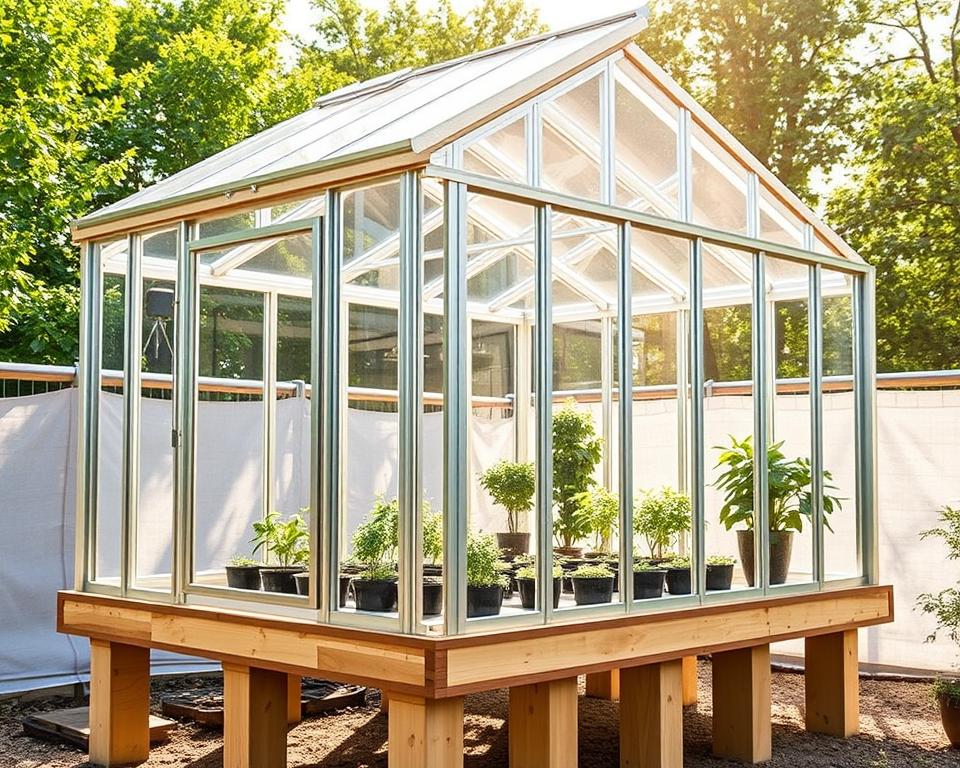
Accuracy begins with measuring and cutting the timber pieces for the floor frame. Using a reliable saw, cut the wood to the required lengths. Joining these pieces with 70mm screws creates a solid base. It is essential to drill countersunk pilot holes first. This simple step prevents the wood from splitting.
Measuring, Cutting and Joining Timber Accurately
Once the floor frame is secure, attention turns to the rear frame. Cut the vertical and horizontal pieces to size. Secure them into place, again using 70mm screws. Care must be taken to avoid hitting screws where frame members cross.
The top rail is a critical support element. It holds the weight of the lifting lid and hinges. Attach it firmly with screws and countersunk pilot holes for maximum strength.
Constructing the side frames introduces an important feature. Cut an angle of 8 to 15 degrees along the top. This slope allows rainwater to run off effectively. Front supports are typically about 100mm shorter than the rear ones.
For concealed joints, a pocket hole jig is invaluable. It creates strong connections without visible screw heads. The front top support timber adds further structural integrity. Secure this with 45mm screws.
Internal bracing supports are added at two equal heights. These will later hold shelves. Set these supports 6mm in from the outer frame. This allows polycarbonate panels to mount snugly within the frame.
When working with PVC, the process is different. Simply cut the pipe to the required lengths. A tubing cutter ensures clean cuts. Press the pieces firmly into fittings. A stable workbench is ideal for securing materials during cutting and assembly.
Assembling Doors, Ventilation and Shelving
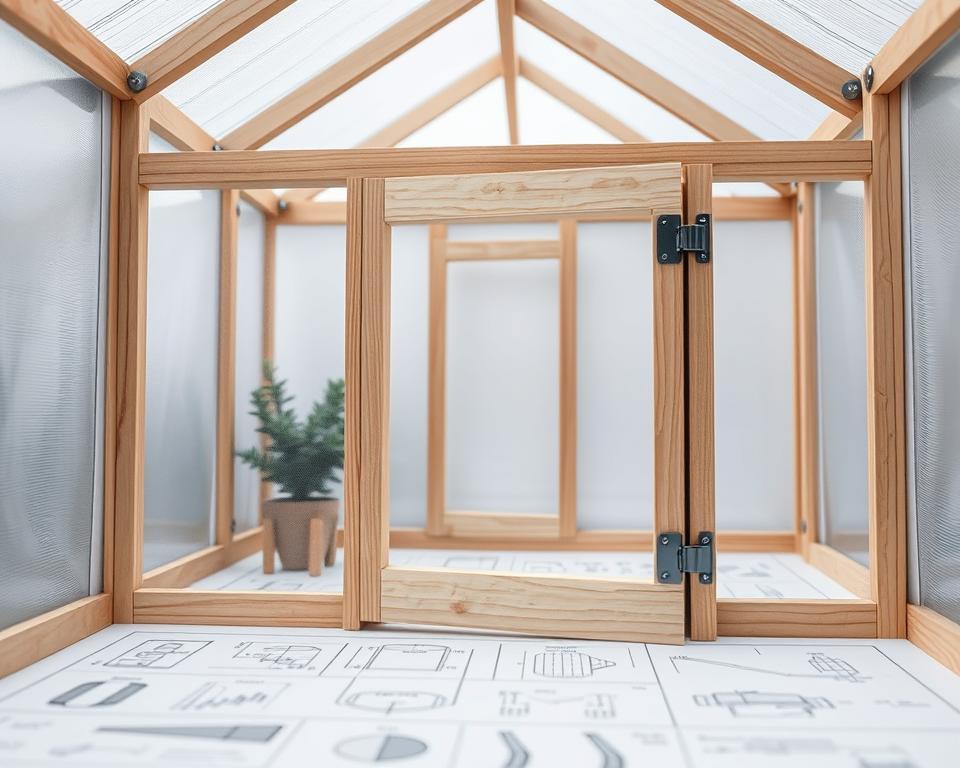
Door construction marks a critical phase where precision determines both functionality and longevity. This stage involves creating three access points: one top lid and two front doors. Each component requires careful measurement and cutting of timber pieces to ensure proper fit.
Incorporating Hinges and Pilot Holes
Hinge installation demands meticulous planning to prevent structural issues. The top door benefits from mounting on the rear rail using appropriate screws. Front door hinges should position approximately 70mm from both top and bottom edges.
Drilling pilot holes before inserting screws prevents timber splitting around mounting points. This simple technique ensures hinges remain securely fastened. Applying wood glue during assembly creates stronger connections between frame pieces.
Customising Door Designs for Easy Access
Customisation options allow gardeners to optimise access patterns based on their specific workflow. The top lid should overhang the main frame slightly while front doors fit within the opening with small clearance gaps. This ensures smooth operation without compromising thermal efficiency.
Ventilation proves essential for plant health, requiring adequate air circulation. Shelving installation maximises vertical growing space within the structure. Timber slats arranged with deliberate gaps promote air movement while allowing light penetration to lower levels.
Proper door design incorporates ventilation holes or adjustable openings. These features maintain optimal growing conditions throughout seasonal changes. The complete frame assembly creates a functional environment for successful cultivation.
Installing Clear Coverings and Insulation
The installation of transparent coverings represents the final transformation from skeletal frame to fully functional growing environment. This critical phase determines the structure’s ability to maintain stable internal conditions.
For polycarbonate panels, precise cutting ensures perfect fit within the frame apertures. Place the entire greenhouse frame on the sheet and trace the inner dimensions with a marker. Cut carefully using a utility knife for clean edges.
Secure panels 6mm from the frame edge using thin timber strips and 25mm screws. Apply clear silicone sealant around all edges to create watertight seals. This prevents moisture ingress and heat loss through small gaps.
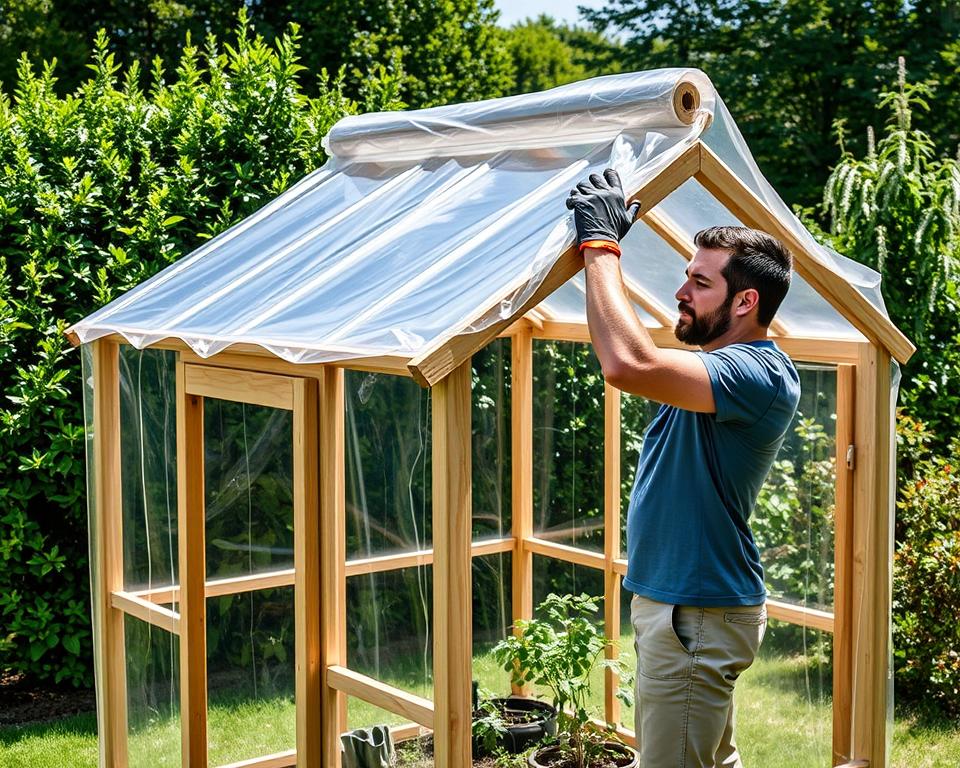
UV-rated plastic sheeting installation begins at the long sides. Work from the centre point towards both ends, maintaining even tension. Position snap clamps every couple of feet along PVC frame members for secure attachment.
Excess material at the ends requires careful folding techniques. Create neat corners similar to gift wrapping for professional finishes. A single continuous piece of plastic provides maximum heat retention by eliminating seams.
Polycarbonate sheets offer excellent insulation through tiny air channels. They protect plants from frost, snow, and ice while remaining lightweight. Additional bubble wrap on interior walls enhances temperature stability during cold periods.
| Covering Type | Installation Method | Heat Retention | Durability |
|---|---|---|---|
| Polycarbonate Panels | Screwed timber strips | Excellent | High |
| UV Plastic Sheeting | Snap clamps | Very Good | Medium |
| Bubble Wrap Insulation | Interior attachment | Enhanced | Seasonal |
Proper covering installation creates the essential microclimate. It traps solar heat effectively while protecting against external temperature fluctuations. The right choice depends on budget, permanence, and specific plant requirements.
Customising with Finishing Touches
Final adjustments transform a basic structure into a polished garden feature. These details combine practical benefits with visual appeal.
Painting, Sealing and Enhancing Ventilation
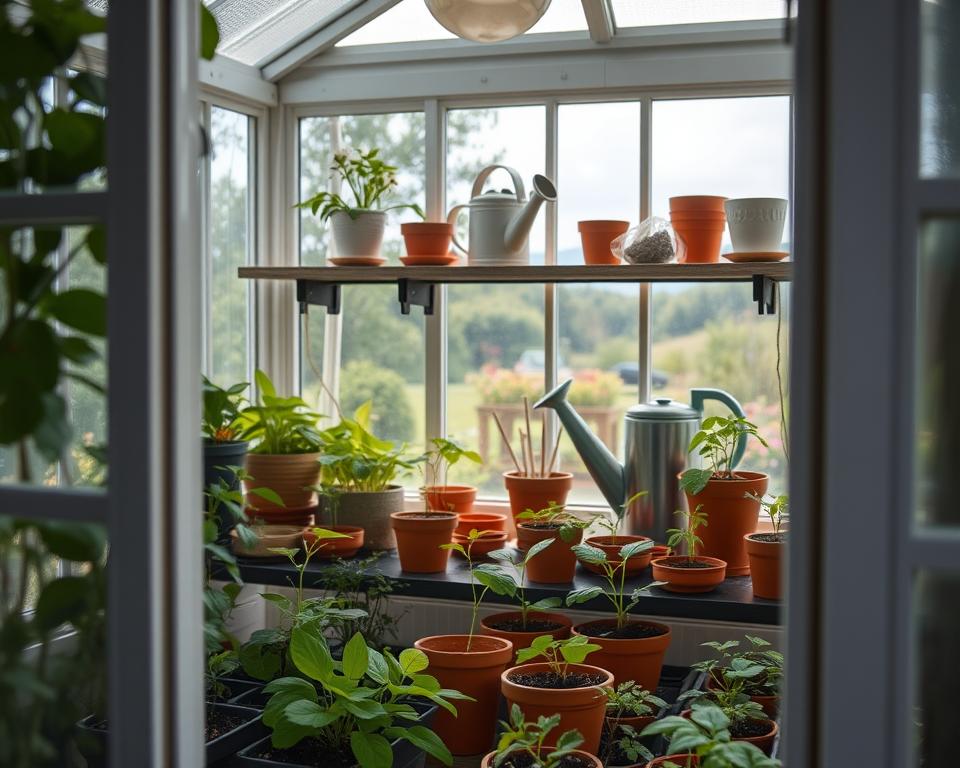
Applying a quality exterior paint or wood stain serves two purposes. It protects the timber from weather damage while allowing colour coordination with garden decor. Choose shades that complement existing landscaping.
The top opening lid benefits greatly from a gas piston stay. This provides soft, controlled opening action. It holds the lid securely at any angle for easy plant access.
Magnetic door catches ensure doors remain closed during windy conditions. Decorative black metal handles add both function and style. A thin timber strip between front doors prevents insect entry.
Ventilation control is essential for plant health. Prop lids open to allow air circulation on warm days. Close them during cold spells to retain warmth.
Avoid watering plants when the sun is strong. Water droplets can magnify light and cause leaf damage. Over time, plastic covers may need replacement due to UV exposure.
These finishing things make the structure more durable and user-friendly. They represent the best way to complete any protective garden project.
Utilising PVC and Alternative DIY Methods
PVC pipe offers a remarkably flexible DIY approach for constructing a mini greenhouse. Using one-inch schedule 40 pipe and specialised furniture fittings, gardeners can create sturdy frames without tools or glue. This method allows for easy assembly and disassembly, making storage simple.
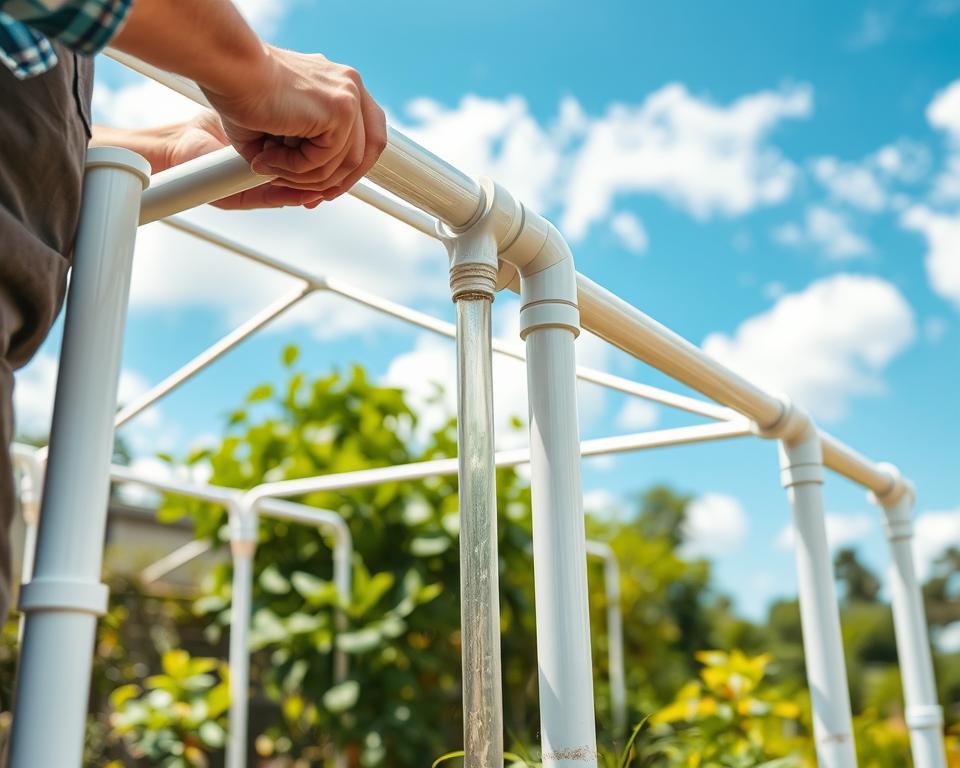
These structures can be precisely tailored. For instance, a frame might be designed to hold eight standard 1020 seedling trays. Snap clamps secure plastic sheeting or frost cloth to the PVC frame, creating a protective environment.
Advanced temperature control is possible with a system like the Inkbird ITC-308 controller. A 750-watt heater connects to the heat side, while a fan like the AC Infinity 120mm is linked to the cool side. This setup manages the internal climate effectively.
The controller settings are crucial for plant safety. A set point of 45°F with a 5°F differential means the heater activates at 40°F. The fan turns on at 50°F, providing vital air circulation. While the fan may not prevent high temperatures on hot days, it prevents lethal heat buildup.
This way of building a protective structure is far superior to flimsy, shop-bought greenhouses. The PVC frame offers season-to-season durability. On warm days, the entire lightweight unit can be lifted off the seedlings to prevent overheating.
Before relying on the system, make sure to test it during moderate weather. Make sure all connections are secure. These things ensure your plants get the protection they need.
| Component | Purpose | Key Consideration |
|---|---|---|
| PVC Pipe & Fittings | Frame Construction | Tool-free assembly, customisable |
| Temperature Controller | Climate Management | Dual-stage heating and cooling |
| 750W Heater | Frost Protection | Adequate for seedling safety |
| 120mm Fan | Ventilation | Circulates air, reduces peak heat |
Conclusion
Constructing a protective growing enclosure stands as a highly rewarding venture for any gardener. This diy project delivers immediate benefits for seedlings and mature plants, offering a cost-effective way to extend the growing season substantially. The initial effort yields significant returns in plant health and garden productivity.
The financial advantages are compelling. Gardeners save on indoor lighting costs by utilising natural sunlight earlier in the year. A well-built mini greenhouse provides superior durability compared to flimsy commercial alternatives, ensuring reliable service season after season.
This guide has detailed various methods to suit different spaces and skill levels. Following the instructions in each section ensures a successful build. The completed greenhouse becomes an integral part of the garden, fostering a deeper connection to the growing process and enabling greater cultivation success.
FAQ
What is the best material for the frame of a mini greenhouse?
Treated timber is a popular choice for its durability and strength. It withstands outdoor conditions well. Polycarbonate panels are often used for the covering due to their excellent insulation properties.
How can one prevent a mini greenhouse from overheating during summer?
Proper ventilation is crucial. Installing adjustable vents or a small fan helps regulate temperature. Positioning the structure to receive partial shade during the hottest part of the day also mitigates excess heat.
Are there specific considerations for building a mini greenhouse in a smaller garden?
Absolutely. Compact designs, such as lean-to models against a wall, maximise limited space. Using vertical space for shelving allows for more plants without increasing the footprint.
Can old windows be repurposed for a mini greenhouse project?
Yes, using reclaimed windows is an excellent upcycling idea. They provide a ready-made glazed section. Ensure the frame is sturdy and the glass is securely sealed to create a stable structure.
Why are pilot holes important when building the frame?
Drilling pilot holes before inserting screws prevents the wood from splitting. This step is especially important near the end of timber pieces. It results in a stronger, more professional finish.
What is the benefit of adding shelves inside a mini greenhouse?
Shelves significantly increase the growing area. They allow gardeners to organise seedlings and plants efficiently. Staggering the shelves ensures each plant receives adequate light.
How does a mini greenhouse protect seedlings in the UK climate?
It creates a controlled microclimate, shielding young plants from frost, wind, and heavy rain. The enclosed space retains warmth and humidity, which encourages stronger, faster growth during cooler months.