How to Dismantle a Shed
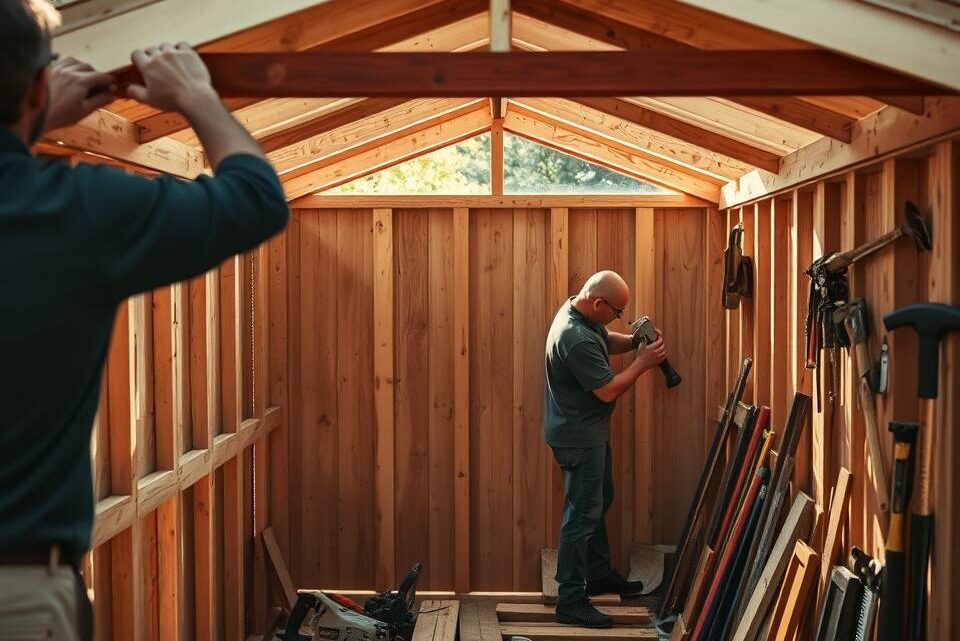
Embarking on a DIY shed demolition project can be both challenging and rewarding. Safe shed removal requires careful planning, the right tools, and a systematic approach. Whether you’re replacing an old storage structure or clearing space in your garden, understanding the shed dismantling process is crucial for homeowners looking to tackle this task efficiently.
Shed dismantling isn’t just about brute force. It’s a methodical process that demands patience, preparation, and proper safety precautions. Homeowners can save significant money by undertaking this project themselves, while potentially salvaging valuable materials in the process.
This comprehensive guide will walk you through every step of safe shed removal, ensuring you have the knowledge and confidence to complete your DIY shed demolition successfully. From initial preparation to final cleanup, we’ll cover everything you need to know about breaking down your shed safely and effectively.
Inhaltsverzeichnis
Key Takeaways
- Prioritise safety during the entire shed dismantling process
- Gather appropriate tools and personal protective equipment
- Plan your removal strategy before starting
- Systematically deconstruct the shed to minimise damage
- Consider material recycling or salvage opportunities
- Check local regulations regarding shed removal
- Be prepared for unexpected challenges
Essential Tools and Safety Equipment for Shed Dismantling
Successful shed dismantling requires careful preparation and the right safety equipment for shed removal. Understanding the necessary tools and protective gear is crucial for a safe and efficient demolition process.
Before beginning any shed demolition project, investing in proper PPE for shed demolition is paramount. Your personal safety should always be the top priority when working with construction and demolition tasks.
Personal Protective Equipment (PPE) Checklist
- Safety goggles to protect eyes from debris
- Heavy-duty work gloves for hand protection
- Steel-toe boots with slip-resistant soles
- Dust mask or respirator
- Hard hat for overhead protection
- Long-sleeved shirt and trousers
Essential Shed Dismantling Tools
| Tool | Primary Use |
|---|---|
| Pry bar | Removing nails and separating wooden panels |
| Reciprocating saw | Cutting through lumber and metal fixtures |
| Hammer | Removing stubborn nails and breaking apart structures |
| Screwdriver set | Removing screws and electrical components |
| Adjustable wrench | Dismantling metal connections |
Safety Precautions and Guidelines
When working with shed dismantling tools, always prioritise safety. Work with a partner, move slowly and deliberately, and remain aware of potential hazards like unstable structures or sharp edges. Inspect your tools before use and ensure all safety equipment is in good condition.
Pro tip: Clear the surrounding area and create a safe working zone before beginning your shed demolition project.
Preparing Your Shed for Dismantling
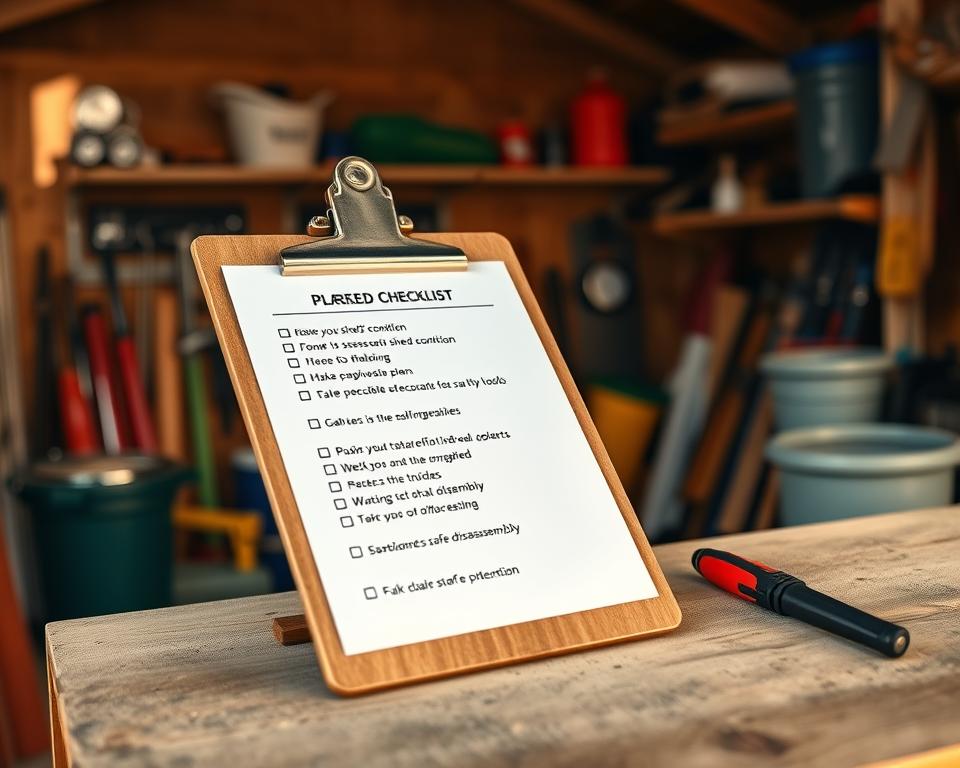
Successful shed clearance begins with thorough preparation. Before you start dismantling, creating a comprehensive pre-dismantling checklist is crucial to ensure a smooth and safe process.
First, completely empty the shed of all contents. This step involves removing:
- Stored items and personal belongings
- Shelving and internal fixtures
- Tools and equipment
- Any loose or removable components
Documentation plays a vital role in shed preparation. Take detailed photographs of the shed’s current state from multiple angles. These images will serve as a valuable reference during dismantling and potential future reconstruction.
“Proper preparation prevents poor performance” – A crucial motto for any successful shed clearance project
Next, inspect the shed for potential hazardous materials. Check for signs of:
- Asbestos in older structures
- Lead-based paint
- Rotting wood or structural damage
- Pest infestations
If you discover any hazardous materials, consult a professional before proceeding with shed dismantling. Safety should always be your primary concern during this process.
Utility disconnection is another critical aspect of shed preparation. Ensure all electrical connections, water lines, or other utility services are safely and properly disconnected before beginning the dismantling process.
By following this comprehensive pre-dismantling checklist, you’ll set the stage for a safe, efficient, and successful shed clearance project.
Clearing and Organising the Work Area
Preparing your shed dismantling workspace requires careful planning and strategic organisation. A well-prepared area ensures safety and efficiency during the removal process. Strategic shed removal planning starts with creating a clean, accessible environment that supports smooth demolition work.
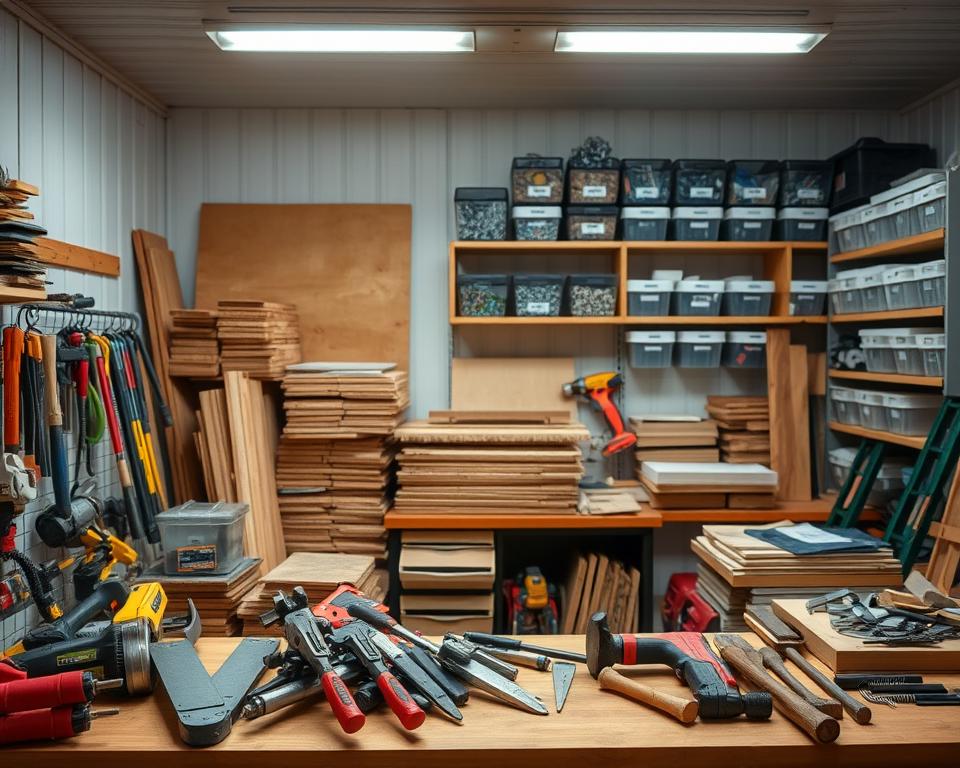
Before beginning the dismantling project, you’ll need to establish a comprehensive approach to managing the workspace and materials.
Creating a Disposal Plan
An effective disposal strategy is crucial for managing shed materials responsibly. Consider these options for waste management:
- Hire a skip for bulk material removal
- Sort materials for recycling
- Separate reusable components
- Contact local waste management services
Setting Up a Safe Working Zone
Establishing a safe working zone is paramount to preventing accidents during shed removal. Create a clear perimeter around the shed with at least 3-4 metres of unobstructed space. Use safety barriers or warning tape to mark the boundaries.
Weather Considerations and Timing
Choose your dismantling day wisely. Ideal conditions include:
- Dry weather
- Moderate temperatures
- Low wind speeds
- Good daylight visibility
Avoid working during rain, high winds, or extreme temperatures to maintain a safe working zone and protect yourself from potential hazards.
How to Dismantle a Shed: Step-by-Step Process
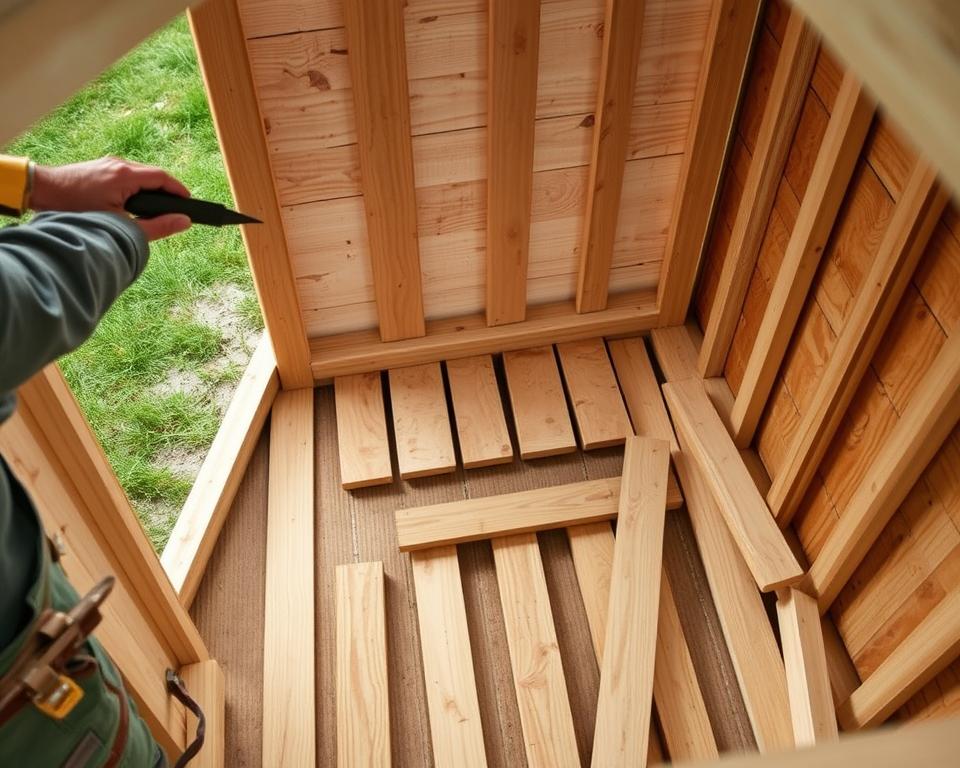
Approaching a shed removal process requires careful planning and a systematic shed demolition strategy. Success depends on understanding the right sequence of dismantling to ensure safety and efficiency.
The key to effective shed dismantling steps is working from top to bottom. This methodical approach prevents structural complications and minimises potential damage to surrounding areas.
- Begin with roof removal
- Detach external fixtures
- Dismantle wall panels
- Remove support beams
- Tackle foundation last
Professional shed removal processes recommend breaking down the project into manageable stages. Prioritise safety by wearing protective equipment and having appropriate tools ready.
Remember: Patience and careful planning are your best tools during shed demolition.
Ensure you have a clear disposal plan before starting. Separate reusable materials, recyclable components, and waste to streamline the clean-up process.
Understanding the shed’s original construction helps guide your dismantling strategy. Work methodically, take regular breaks, and stay hydrated throughout the project.
Removing Interior Fixtures and Fittings
Dismantling a shed requires careful planning and systematic shed interior removal. Before you begin, prepare a strategy to methodically strip down the interior while preserving valuable components and ensuring safety.
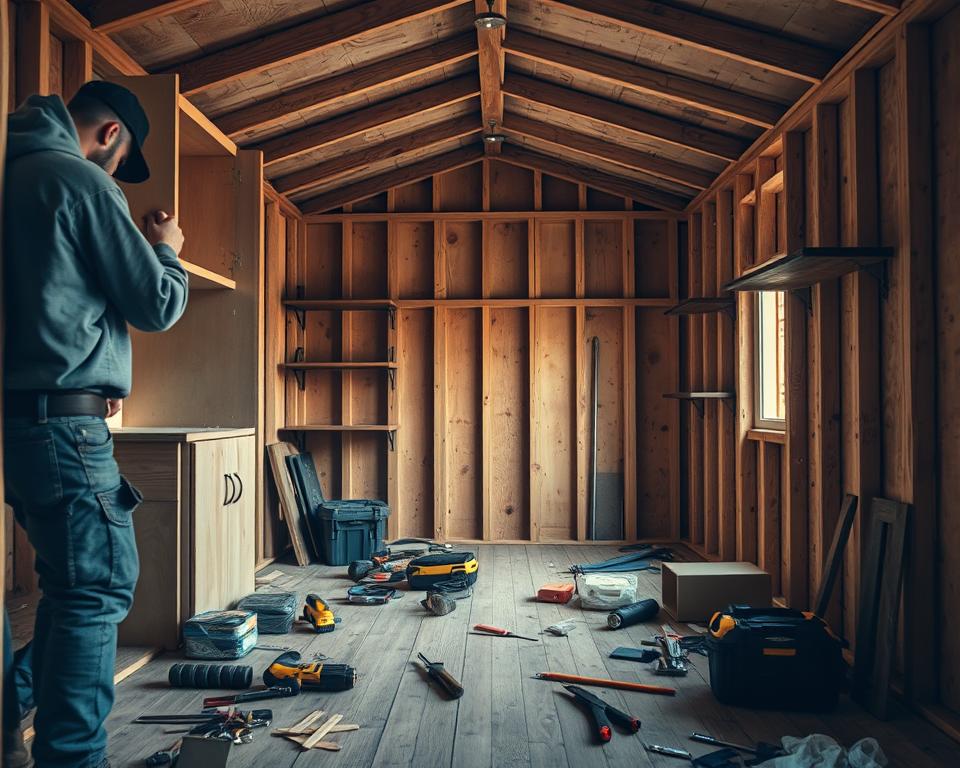
Your primary objectives during shed interior removal include protecting reusable materials and managing electrical components safely.
Disconnecting Shed Electrics
Electrical safety is paramount when disconnecting shed electrics. Follow these crucial steps:
- Locate the main power supply and switch off completely
- Use a voltage tester to confirm no electrical current
- Remove electrical fixtures systematically
- Label and carefully store removable electrical components
Removing Internal Features
When removing windows and internal structures, precision matters. Use appropriate tools to minimise damage during salvaging shed materials.
- Remove shelving carefully
- Extract window frames without cracking glass
- Detach workbenches methodically
Salvaging Reusable Materials
Smart dismantling means identifying materials worth preserving. Inspect each component for potential reuse or recycling.
- Check wood panels for structural integrity
- Preserve metal fixtures
- Separate recyclable materials
By following these guidelines, you’ll ensure efficient shed interior removal while maximising material recovery.
Tackling the Roof Structure
Shed roof removal requires careful planning and systematic approach. Roof deconstruction is a critical stage in dismantling a shed that demands precision and safety awareness. Understanding the specific techniques for dismantling shed roof components will ensure a smooth and efficient process.
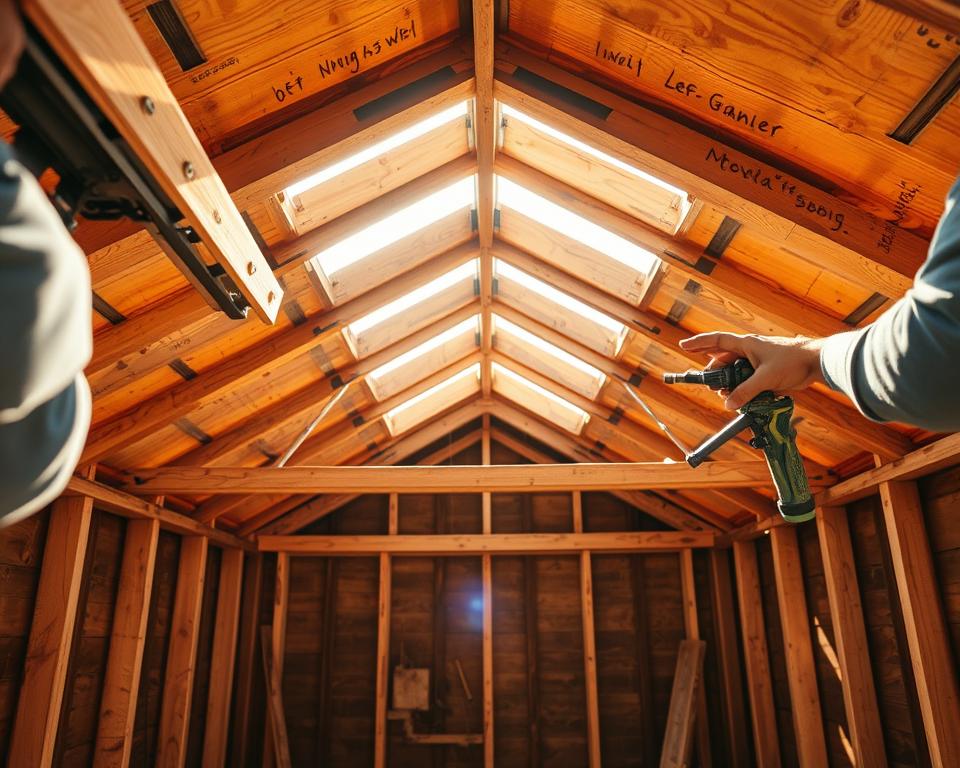
- Sturdy ladder
- Pry bar
- Hammer
- Protective gloves
- Safety goggles
Start the shed roof removal by working methodically from the top layer down. Remove roofing materials like shingles or felt carefully, ensuring you don’t damage underlying structures. Extracting roofing nails requires gentle but firm technique to prevent splitting wooden components.
| Roof Layer | Removal Technique | Special Considerations |
|---|---|---|
| Shingles | Pry from top, work downwards | Use flat shovel or specialised roofing tool |
| Felt/Underlayment | Cut into manageable sections | Check for rot or damage |
| Plywood Decking | Remove screws/nails systematically | Support panels to prevent sudden collapse |
When dismantling shed roof trusses, work with caution. Support structures can be heavy and unstable. Always have a helper and use appropriate lifting techniques to prevent personal injury.
Throughout the roof deconstruction process, inspect for potential issues like wood rot, pest damage, or structural weakness. These discoveries might require additional repair or specialised removal techniques.
Dismantling Walls and Support Beams
Shed wall removal requires careful planning and strategic approach. Understanding the shed’s structural integrity is crucial before beginning the dismantling process. Proper technique ensures safety and minimises potential damage to surrounding areas.
When dismantling shed structure, several key considerations must be addressed. The removal sequence matters significantly to prevent structural collapse and potential injury.
Proper Wall Removal Sequence
The wall removal process involves methodical steps to ensure safe deconstruction:
- Inspect wall connections and support points
- Remove external cladding carefully
- Identify load-bearing elements
- Disconnect wall sections systematically
Managing Heavy Structural Elements
Removing support beams demands precision and appropriate equipment. Professional techniques include:
- Using leverage tools
- Working with a partner
- Employing mechanical lifting aids
- Ensuring controlled descent of heavy components
| Component | Removal Difficulty | Recommended Approach |
|---|---|---|
| Wooden Wall Panels | Low | Manual removal with pry bar |
| Metal Support Beams | High | Mechanical lifting equipment |
| Corner Posts | Medium | Two-person lifting technique |
Safety remains paramount during shed wall removal and dismantling shed structure. Always prioritise personal protection and methodical deconstruction.
Dealing with the Foundation and Floor
Shed foundation removal is a critical final step in dismantling your garden structure. Different foundation types require specific approaches to ensure safe and efficient removal.
When tackling concrete slab removal, homeowners have several methods at their disposal. Small concrete foundations can be managed with basic tools, while larger areas might necessitate professional assistance.
- Identify the foundation type (concrete, wooden, paving stones)
- Gather appropriate safety equipment
- Select suitable removal tools
- Plan for material disposal
Dismantling shed floor structures requires careful technique. Wooden platforms need methodical deconstruction to prevent unnecessary damage to surrounding areas.
“Proper preparation prevents poor performance in foundation removal”
For concrete slab removal, consider these essential tools:
| Tool | Purpose | Difficulty Level |
|---|---|---|
| Sledgehammer | Breaking concrete sections | Moderate |
| Jackhammer | Large area demolition | Advanced |
| Pry bar | Lifting floor sections | Easy |
Environmental considerations are paramount during shed foundation removal. Minimise soil disturbance and properly manage any treated wood materials encountered during the process.
Conclusion
Completing a DIY shed deconstruction requires careful planning, systematic approach, and dedication. Your journey through shed removal best practices has equipped you with essential skills to transform an old structure safely and efficiently. By following the detailed steps outlined in this guide, you’ve learned how to approach shed dismantling with confidence and precision.
The key to successful shed dismantling tips involves understanding each stage of deconstruction. From preparing your workspace to carefully removing structural elements, you’ve developed a comprehensive strategy that minimises risks and maximises material salvage. Your methodical approach ensures not just effective demolition but also responsible waste management and potential material reuse.
Reflecting on your experience provides valuable insights for future home improvement projects. The skills you’ve developed during this shed removal process extend far beyond a single task. You’ve learned patience, problem-solving, and the importance of safety protocols. Whether repurposing salvaged materials or preparing the site for a new structure, your careful approach demonstrates a professional and environmentally conscious mindset.
Remember that every DIY project is a learning opportunity. Your successful shed deconstruction proves that with proper preparation, right tools, and systematic approach, complex home improvement tasks are achievable. Embrace the sense of accomplishment and the skills you’ve gained throughout this transformative process.
FAQ
How long does it typically take to dismantle a shed?
The time required to dismantle a shed varies depending on its size, complexity, and construction. A small to medium-sized wooden shed might take one to two full days for a DIY enthusiast, while larger or more complex structures could require a full weekend or more. Factors like the shed’s condition, materials, and your experience level will impact the overall time needed.
Do I need professional help to dismantle a shed?
For most standard sheds, you can manage the dismantling process yourself with proper tools and safety precautions. However, you might want to consider professional help if the shed is very large, contains hazardous materials like asbestos, has complex electrical connections, or is in a challenging location. If you’re unsure about structural integrity or lack the necessary tools and skills, consulting a professional is always a wise choice.
What safety equipment is essential for shed dismantling?
Essential safety equipment includes safety goggles, work gloves, steel-toe boots, dust masks, and a hard hat. Additionally, you’ll want to have first aid supplies nearby, ensure good lighting, and work with a partner if possible. Protective clothing that covers arms and legs is also recommended to prevent cuts and scrapes during the dismantling process.
Can I recycle materials from my old shed?
Many shed materials can be recycled or repurposed. Wooden panels can be used for DIY projects, metal components can be scrapped, and some building materials can be donated to local recycling centres or salvage yards. Carefully sorting materials during dismantling can help maximise recycling potential and reduce waste. Some materials like treated wood or certain metals may require special disposal methods.
How do I prepare the site after removing the shed?
After dismantling, clear the area of all debris and level the ground. If there’s a concrete foundation, you may need to break it up and remove it. Consider the future use of the space – whether you’ll be installing a new structure, creating a garden area, or landscaping. Check for any underground utilities before doing extensive ground work, and consider soil quality if you’re planning to plant anything in the area.
What tools will I need for shed dismantling?
Key tools include a pry bar, hammer, reciprocating saw, screwdrivers (both flathead and Phillips), adjustable wrench, crowbar, ladder, work gloves, and a wheelbarrow or trailer for debris removal. Power tools like a drill and circular saw can also be helpful. Always ensure your tools are in good condition and appropriate for the specific dismantling tasks.
Are there any environmental considerations when dismantling a shed?
Yes, environmental considerations are crucial. Be aware of potential hazardous materials like lead paint or asbestos, especially in older structures. Properly sort and dispose of materials, prioritising recycling where possible. Minimise soil disturbance, and be cautious about damaging surrounding vegetation. If the shed contains treated wood, ensure proper disposal to prevent environmental contamination.