What Is Composite Cladding?
Modern building exteriors demand solutions that are both durable and sustainable. A leading option gaining popularity across the UK is a product crafted from reclaimed wood fibre and recycled plastic. This innovative material offers a robust protective layer for residential and commercial properties.
It functions as an additional skin, shielding structures from the harsh British climate. This includes protection against relentless rain, strong winds, and significant temperature changes. The core components make it an environmentally conscious choice for property owners.
The manufacturing process is designed for safety and longevity. Low VOC binders are utilised, ensuring better air quality during and after installation. A special protective layer is also added, rendering the final product resistant to moisture, debris, and extreme weather elements.
This modern alternative to traditional exterior treatments combines aesthetic appeal with long-lasting performance. Its low-maintenance nature makes it a practical selection for those seeking a reliable and attractive finish for their buildings.
Inhaltsverzeichnis
Key Takeaways
- This exterior building product is manufactured from a blend of reclaimed wood fibre and recycled plastics.
- It serves as a protective secondary layer for both homes and commercial buildings.
- The material offers significant defence against typical UK weather conditions like rain and wind.
- Its production uses low VOC binders, making it a safer choice for installers and occupants.
- A key feature is its imperviousness to moisture, debris, and damage from extreme elements.
- It is recognised as a modern, sustainable, and low-maintenance alternative to traditional exterior finishes.
Introduction to the Ultimate Guide
A quiet revolution is underway in UK property development, driven by materials that balance beauty and resilience. This comprehensive resource serves homeowners, architects, and builders exploring modern exterior solutions.
The Growing Popularity in the UK
Across Britain, sustainable building practices are gaining momentum. Property owners seek low-maintenance options that withstand the challenging climate. This product offers a customised appearance without constant upkeep.
An Overview of Composite Materials
The typical composition blends 60% recycled wood fibre with 40% recycled plastics. This mixture creates a robust material combining natural aesthetics with synthetic durability. It stands as a modern alternative to traditional timber cladding.
Throughout this guide, readers will discover manufacturing processes, installation methods, and maintenance requirements. The content provides evidence-based information for informed decisions about building projects. Every property deserves a finish that lasts, and this material delivers exactly that.
What Is Composite Cladding?
A sophisticated building envelope system merges recycled components into a robust protective layer. This engineered exterior structural material offers exceptional durability as a low-maintenance alternative to traditional timber options.
The composition blends reclaimed wood fibre with recycled plastic, creating a semi-synthetic product that leverages benefits from both natural and synthetic sources. This combination provides additional strength compared to hardwood options.

Engineering innovations include low VOC binders that minimise environmental impact during production. These binders hold the composite materials together while addressing health concerns.
During manufacturing, a special protective layer is added to the panels. This renders them impervious to moisture penetration and debris accumulation. The material withstands damage from extreme weather conditions common across Britain.
This purpose-built solution addresses limitations of traditional exterior treatments. It serves critical protective functions rather than being merely cosmetic. The system safeguards walls against rain, wind, and temperature fluctuations effectively.
Structural protection remains the primary function of this advanced building product. It creates a reliable shield for residential and commercial properties facing challenging environmental elements.
Key Features of Composite Cladding
Contemporary construction materials offer property developers significant advantages through their unique combination of visual appeal and minimal upkeep requirements. These characteristics make them stand out from traditional options.
Visual Appeal and Versatility
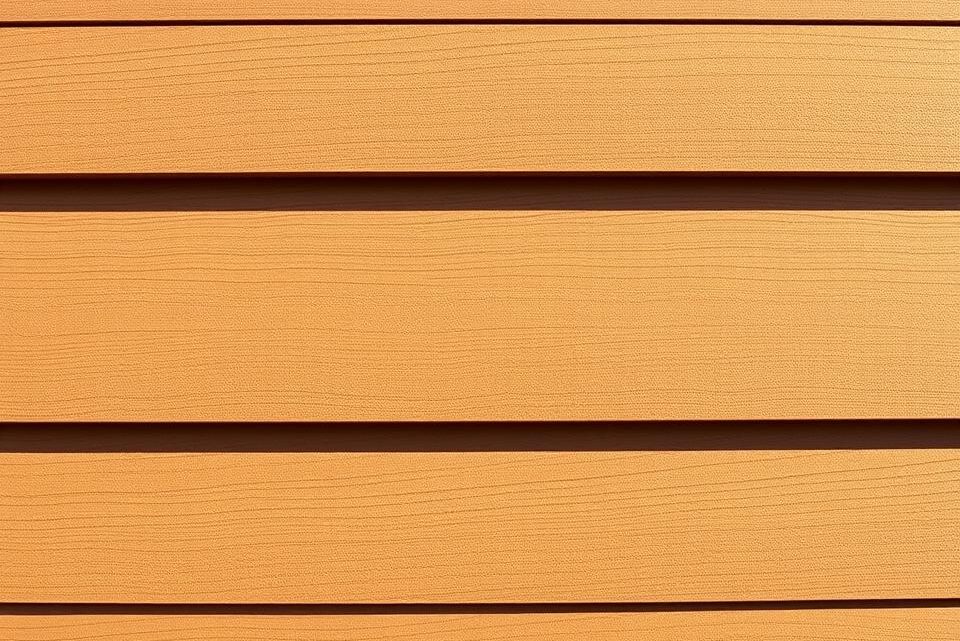
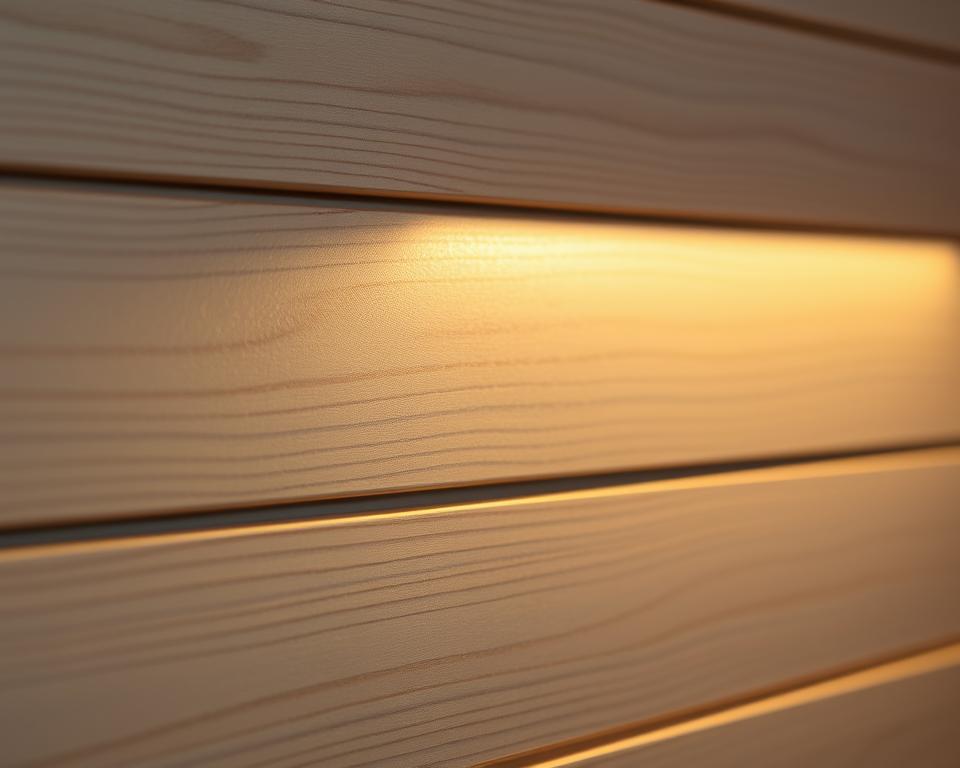
The material’s aesthetic qualities immediately capture attention. It features stunning wood grain finishes that closely mimic natural timber siding. This creates the authentic look homeowners desire without wood’s inherent weaknesses.
Homeowners can choose from an extensive colour range to match their architectural style. Each board maintains consistent appearance, unlike natural timber’s variations. This design consistency ensures uniform visual appeal across the entire installation.
Low-Maintenance Qualities
One of the most compelling benefits is the remarkably low maintenance required. Unlike traditional timber cladding, this material eliminates routine painting, staining, and sealing. Property owners save considerable time and expense over years of use.
The boards resist rotting, cracking, and swelling that plague real wood products. They maintain structural integrity through Britain’s challenging weather conditions. Simple cleaning with warm soapy water keeps them looking pristine for years.
This practical approach to upkeep makes the material ideal for busy homeowners. It delivers lasting beauty without demanding constant attention or specialised treatments.
Manufacturing Process and Materials
Behind every durable exterior board lies an intricate production process that begins with responsible material sourcing and sustainable practices. This manufacturing journey transforms recycled components into high-performance building products.
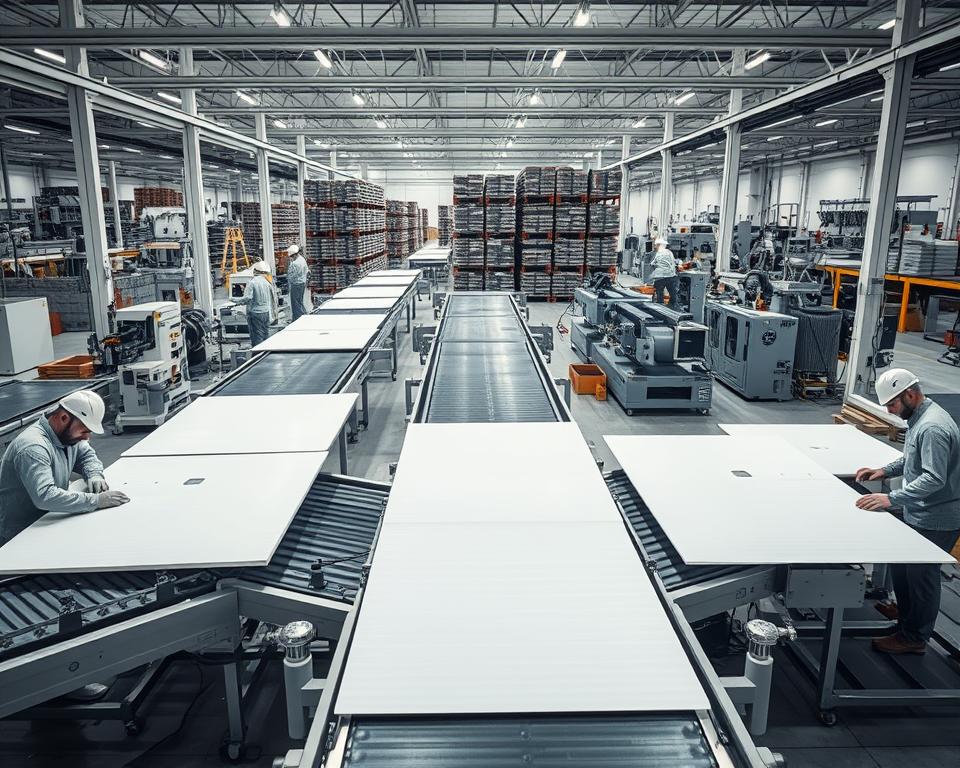
Recycled Components and Reclaimed Wood Fibre
The manufacturing process starts with reclaimed wood fibres from FSC® certified forests. These wood strands undergo individual chemical treatment to create moisture-resistant substrates.
Recycled plastics combine with treated wood in precise ratios. This balanced mixture produces robust cladding materials that minimise environmental impact.
Chemical Treatments and Protective Layers
A permeable polymer casing encloses each board for enhanced protection. This advanced coating shields against moisture penetration and environmental damage.
The materials undergo reshaping and lamination between solid components. This creates finished panels that expand and contract naturally with temperature changes.
These protective layers ensure long-term performance while maintaining structural integrity. The entire process results in weather-resistant building solutions suitable for UK conditions.
Advantages of Composite Cladding
Property owners across Britain are discovering remarkable advantages when choosing modern exterior solutions for their buildings. These benefits extend well beyond simple aesthetics to deliver practical, long-term value.
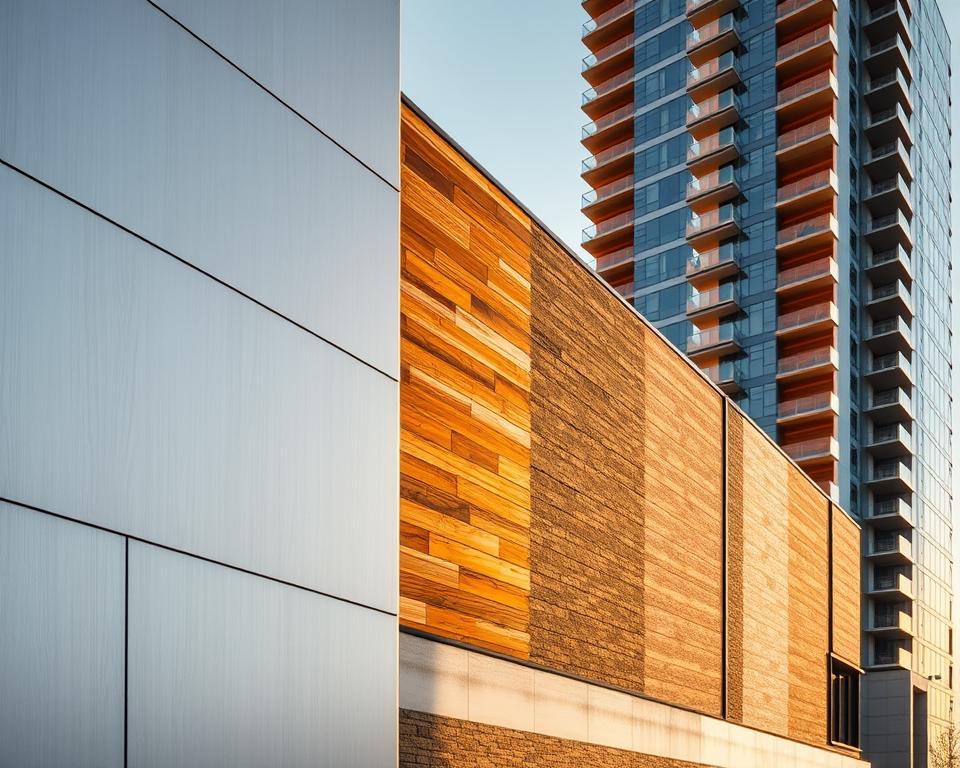
Durability and Long-Lasting Performance
This material significantly outperforms traditional wood cladding and vinyl siding options. The engineered boards resist decay, insect damage, and warping effectively.
They maintain structural integrity against harsh weather conditions. Stains and scratches have minimal impact on their appearance over time. A typical lifespan reaches twenty-five years.
Traditional timber requires frequent replacement or extensive refurbishment. This composite alternative withstands environmental elements without deterioration.
Energy Efficiency and Insulation Benefits
The insulation properties provide excellent thermal regulation. Heat retention keeps interiors warmer during winter months. Summer cooling costs are similarly reduced.
External noise pollution is effectively dampened by this acoustic insulation. The material creates a protective barrier around the home. Energy bills show noticeable reduction.
These benefits combine with the material’s inherent durability. The composite cladding system offers comprehensive protection. It represents a smart investment for property owners.
Disadvantages and Considerations
Every building material presents a balance of benefits and limitations. Understanding the full picture is essential for property owners making an informed decision.
A primary consideration for many is the initial upfront costs. This material often carries a higher price tag compared to traditional timber alternatives. However, this investment pays off significantly over the long term.
The impressive durability and minimal upkeep requirements lead to substantial savings. Property owners avoid the recurring expenses of painting, staining, and sealing. The extended lifespan of the boards makes this option cost-effective over time.
Initial Upfront Costs and Fading Issues
While resistant to fading, this material is not entirely fade-proof. Exposure to the British weather, particularly heavy rain, causes a natural process called extractive bleeding. Tannins from the wood components slowly leach out from the boards.
This results in a gradual, subtle lightening of the colour. The change is often more noticeable on lighter shades. Yet, the shift is typically not dramatic and can add a desirable, weathered character.
Weighing these factors against the numerous advantages helps determine if this is the right choice. The long-term benefits often outweigh the initial costs and minor aesthetic changes.
Design Flexibility and Aesthetic Appeal
Achieving a distinctive architectural statement becomes straightforward with materials offering diverse aesthetic options. Modern exterior systems provide property owners with remarkable creative freedom for their building projects.
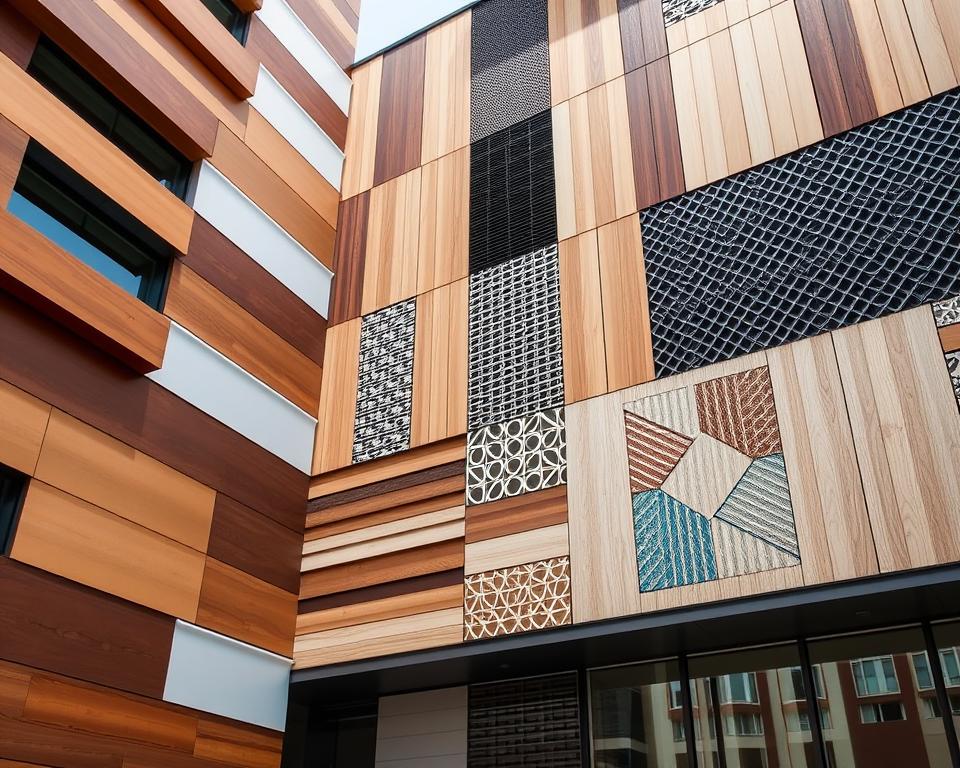
Applying these panels to a home’s exterior creates an instant contemporary appearance. Unlike traditional timber treatments, there’s no requirement for painting boards to achieve the desired finish. The pigmentation integrates throughout the material during manufacturing.
Customised Looks with Various Colours and Textures
The Signature range presents two distinct design options. Homeowners can select between an original board with smooth contemporary finish or a woodgrain effect that mimics natural timber. Both options maintain consistent appearance across installations.
This product line offers eight stylish colour choices. The palette ranges from natural teak and ivory tones to muted shades like stone grey and charcoal. Each hue provides lasting visual appeal without fading concerns.
Alternative ranges like ProClad showcase authentic woodgrain effects in seven elegant hues. Options include rosewood, pewter, and sandstone tones. The versatility allows perfect matching with any architectural style.
| Product Range | Design Options | Available Colours | Best For |
|---|---|---|---|
| Signature | Smooth contemporary, Woodgrain effect | 8 colours including teak, ivory, stone grey | Modern minimalist appearances |
| ProClad | Authentic woodgrain effect | 7 hues including rosewood, pewter, sandstone | Traditional timber aesthetics |
| Both Ranges | Integrated colour throughout | 15+ combined options | All architectural styles |
These panels serve as architectural features that enhance curb appeal. Thoughtful colour selection and installation patterns create visual interest on building exteriors. The design flexibility ensures every property achieves its unique character.
Composite Cladding Installation Process
Homeowners face an important decision when planning their exterior renovation: professional fitting versus DIY approach. This choice significantly impacts the final outcome and long-term performance of the building envelope.

DIY Versus Professional Installation
While many property owners enjoy tackling DIY projects, professional installation ensures compliance with building regulations and manufacturer specifications. Experienced installers guarantee correct fitting techniques that maintain warranty coverage.
For skilled DIY enthusiasts, the process can be manageable with proper preparation. However, incorrect installation may void guarantees and compromise performance. The tongue-and-groove system simplifies board connection, but precision remains essential.
Essential Tools and Clips for Secure Fitting
Successful installation requires specific equipment and components. Essential tools include a circular saw, spirit level, and impact driver for accurate cutting and secure fastening.
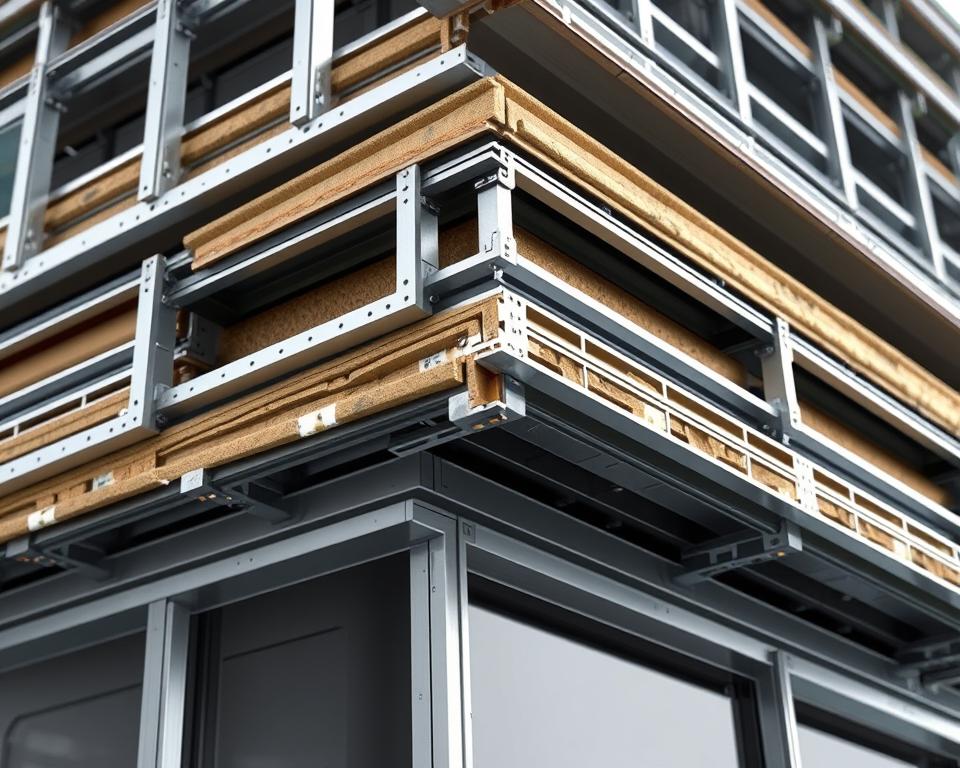
Specialised aluminium clips accommodate natural expansion and contraction of the boards. These fasteners attach to pressure-treated timber battens, creating a stable support frame. Starter clips properly secure the initial row, ensuring subsequent boards align correctly.
The heavy nature of these materials demands robust underlying structures. Proper spacing between joists prevents sagging and maintains structural integrity over time.
Application Areas for Composite Cladding
From residential renovations to commercial developments, advanced exterior systems provide adaptable solutions for various construction projects. Their versatility makes them suitable for numerous applications across different property types.
Residential, Commercial and Garden Projects
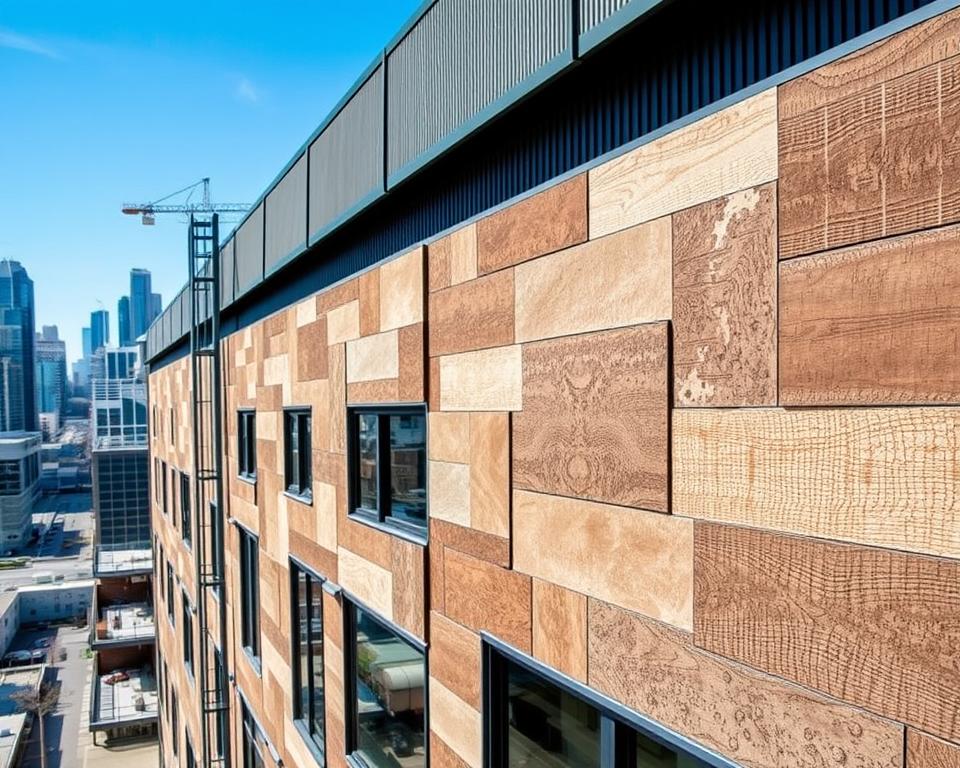
This material excels in protecting homes against Britain’s challenging weather patterns. It effectively conceals imperfections in external walls while delivering a fresh, modern appearance. The result is enhanced curb appeal that can transform a property’s entire aesthetic.
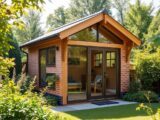
Garden structures benefit significantly from this protective treatment. Summer houses, workshops, and garages gain coordinated styling when matching the main house. This creates a unified look across the entire property.
Commercial buildings also utilise these panels for their durability and low maintenance requirements. Architects frequently incorporate them as striking design features, combining them with other materials for innovative effects.
Interior applications are equally impressive. Feature walls created with these boards add contemporary flair to living spaces. They make bold statements in specific areas while maintaining practical benefits.
The material’s adaptability ensures it performs well across diverse settings. From small garden projects to large commercial developments, it offers reliable protection and aesthetic enhancement.
Composite Cladding vs Timber Cladding
Property owners weighing exterior material options often face a fundamental choice between natural wood and modern engineered alternatives. This comparison highlights critical differences in long-term value and practical performance.

Natural wood cladding offers unique textures but requires painting to maintain its look. Synthetically manufactured composite cladding provides consistent colours and styles, fitting a broader range of architectural designs.
Cost Efficiency Over Time
Natural timber is typically the more budget-friendly options initially. Sourcing and manufacturing costs are lower.
The engineered materials can be more expensive upfront. Their complex production process justifies the initial investment. However, the long-term financial picture changes significantly.
Reduced upkeep and impressive durability make the modern alternative more cost-effective over its lifespan. Owners avoid recurring expenses for treatments and repairs.
Maintenance and Durability Comparisons
Maintenance requirements for traditional wood are considerably greater. The boards absorb moisture, leading to rot, warping, and insect damage.
These issues compromise structural integrity and demand regular work. UK weather conditions accelerate this deterioration.
In contrast, modern cladding materials need minimal care. There is no need for sanding, varnishing, or sealing. They are naturally resistant to pests and weather-related damage.
| Feature | Timber Cladding | Composite Cladding |
|---|---|---|
| Initial Cost | Lower | Higher |
| Long-term Cost | Higher (maintenance) | Lower (minimal upkeep) |
| Maintenance Needs | High (painting, sealing) | Very Low (occasional cleaning) |
| Durability | Prone to rot, warping, insects | Weatherproof, pest-resistant |
| Lifespan | Shorter (requires refurbishment) | Longer (25+ years) |
This clear comparison helps property owners select the best cladding for their specific needs and budget.
Enhancing Home Insulation and Energy Efficiency
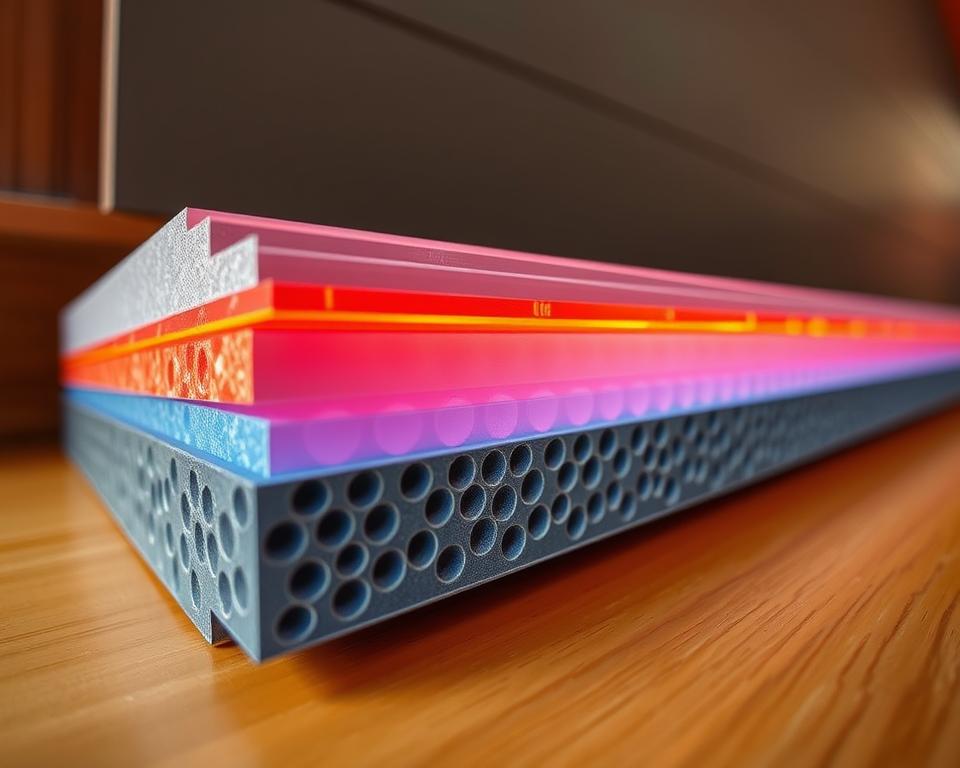
Beyond its visual appeal, this material delivers substantial energy efficiency benefits that transform how buildings perform. The advanced thermal properties provide excellent heat retention, helping to maintain comfortable indoor temperatures throughout the year.
Heat Retention and Noise Reduction
The superior insulation qualities create a protective barrier against external temperature fluctuations. During winter months, warmth remains inside the house, while summer heat stays outdoors. This thermal regulation significantly reduces the workload on heating and cooling systems.
Acoustic benefits are equally impressive. The material’s density effectively dampens external noise pollution from traffic, neighbours, and weather conditions. This creates a quieter, more peaceful living environment for occupants.
Financial savings accumulate through reduced energy consumption. Many homeowners report noticeable decreases in their monthly utility bills. The initial investment pays dividends through ongoing operational cost reductions.
Environmental advantages complement the economic benefits. Lower energy usage translates to reduced carbon emissions, contributing to broader sustainability goals. This makes the material an environmentally responsible choice for modern construction.
Sustainable and Eco-friendly Aspects of Composite Cladding
Choosing building materials with environmental responsibility in mind is increasingly important for UK homeowners. This product stands out for its strong green credentials, offering a practical solution for those concerned about their ecological footprint.

The boards are crafted from a blend of recycled hardwood fibres and plastics. This approach gives new life to materials that might otherwise contribute to landfill waste. It’s a clever way to build while reducing environmental impact.
Recycled Material Benefits
The typical board contains 60% reclaimed wood fibre, often sourced from FSC® accredited forests. This ensures responsible forestry practices. The remaining 40% consists of recycled plastics, helping to tackle plastic pollution.
This manufacturing process significantly reduces the carbon footprint compared to many other exterior products. It’s a sustainable choice that doesn’t compromise on performance or durability.
Contribution to Decarbonisation Efforts
Beyond using recycled content, this material aids decarbonisation. Its excellent insulation properties help lower energy consumption for heating and cooling. This directly reduces CO2 emissions from homes.
Such benefits align with the UK’s Net-Zero 2050 strategy. Property owners using these products contribute to broader environmental goals. The water-resistant nature also prevents moisture issues, protecting walls without chemical treatments.
Conclusion
For UK property owners, the quest for an exterior finish that stands up to the climate while enhancing aesthetics finds a compelling answer. This modern composite cladding offers a powerful combination of visual appeal and robust protection for your home.
The primary advantage lies in its remarkable durability and minimal upkeep. This material shields walls effectively, transforming the look of any house or commercial building.
When selecting from the available options, consider the total investment over time. Look beyond the initial price to installation and long-term maintenance. Ensure the panels suit your architectural design vision.
This exterior solution represents a smart choice for the future. It delivers lasting beauty and performance, making it a worthwhile investment for any property enhancement project.
FAQ
How does composite cladding compare to traditional wood cladding?
Composite cladding offers superior durability and requires far less upkeep than traditional timber. While wood cladding needs regular staining or painting to prevent rot and weathering, composite boards are highly resistant to moisture, insects, and fading. This makes it a more cost-effective and low-maintenance option over the building’s lifetime.
Is composite cladding suitable for all weather conditions?
Yes, composite cladding is engineered to withstand harsh weather conditions. Its composition resists moisture absorption, preventing warping, swelling, or rotting. The material also includes protective layers that guard against UV rays, ensuring the colour and structural integrity remain stable through sun, rain, and frost.
What is the typical lifespan of composite cladding?
High-quality composite cladding products are designed for long-lasting performance, often carrying warranties of 25 years or more. Their resistance to decay, insects, and weathering contributes to an exceptionally long service life with minimal maintenance, outperforming many traditional cladding materials.
Can composite cladding be installed as a DIY project?
While some experienced DIY enthusiasts may undertake installation, professional fitting is generally recommended. The process requires specific tools, clips, and an understanding of proper ventilation and fixing techniques to ensure a secure, durable finish that performs correctly on exterior walls.
Does composite cladding contribute to a building’s insulation?
Composite cladding can enhance a building’s thermal performance. When installed with a suitable backing board or over an insulated frame, it creates an additional layer that improves heat retention. This can lead to reduced energy costs and improved comfort within the home or commercial building.
Are there different aesthetic options available?
Absolutely. Manufacturers offer a wide range of colours, textures, and finishes. These products can mimic the look of natural wood, including grain patterns, or provide a more contemporary, smooth appearance. This design flexibility allows it to complement various architectural styles for residential and commercial projects.
How sustainable is composite cladding as a building material?
It is a highly sustainable choice. Most products are made from a significant percentage of recycled wood fibres and plastics, diverting waste from landfills. Its long lifespan and minimal need for chemical treatments further reduce its environmental impact compared to other exterior materials.