How to Build Your Own Wooden Playhouse

Creating a dedicated play space in the garden offers a wonderful opportunity for imaginative fun. A bespoke wooden playhouse provides children with a magical retreat right outside their back door. This type of DIY project allows families to design a structure that perfectly suits their available space and their children’s specific interests.
The process involves several important stages, each requiring careful thought. From initial planning and site selection to the final decorative touches, a methodical approach ensures a safe and durable result. This comprehensive guide breaks the entire construction process into clear, manageable steps.
Whether one opts for a kit or a fully custom build, understanding the fundamental principles is key. The aim is to create a functional and attractive feature that will be enjoyed for years to come. This guide provides the professional insight needed to navigate the project successfully from start to finish.
Inhaltsverzeichnis
Key Takeaways
- A bespoke playhouse creates a unique and magical outdoor space for children.
- Careful planning is essential for a safe, durable, and successful project.
- The construction process is broken down into logical, manageable steps.
- Understanding basic principles is crucial, whether using a kit or a custom design.
- The final structure should be both functional and complement the garden’s aesthetics.
- This guide offers professional advice for every stage of the build.
Planning and Preparations for Your Wooden Playhouse Project
A well-considered plan addresses critical factors like location, regulations, and long-term use from the outset. This initial stage determines the project’s safety, durability, and overall success. Careful thought at this point saves considerable time and effort later.
Selecting a Suitable Site and Assessing Planning Permission
Before any work starts, verifying the need for planning permission is essential. In the UK, most outbuildings like a playhouse fall under ‘permitted development’. This means formal approval is often not required. It is always wise to consult the official Planning Portal website for definitive guidance.
Choosing the right place in the garden is equally vital. The ideal area is firm and level, ensuring a stable foundation. It should receive plenty of natural sunlight and offer a clear line of sight from the house for supervising children.
The selected spot should be as dry as possible, away from flood risks. Good drainage is key. Keeping the structure clear of overhanging trees prevents damage from falling branches and reduces leaf debris. Planning the door’s orientation the right way maximises light and access.
Considering Safety and Seasonal Factors
Safety is paramount when creating a space for children. The playhouse must be situated with enough clear area around it for safe play. Consider seasonal weather; building in dry conditions is preferable.
It is also sensible to think about the future use of the structure. A well-built children playhouse can later serve as garden storage or a hobby space. This forward-thinking approach adds long-term value to the garden project.
Design Concepts and Materials Selection
The decisions made during the design phase have a profound impact on the final outcome. Selecting appropriate materials and determining the best way to construct the playhouse are fundamental to its success.
These choices influence durability, maintenance needs, and the overall budget for the project. A thoughtful approach here ensures the structure withstands the weather and provides enjoyment for many years.
Choosing the Right Wood and Components
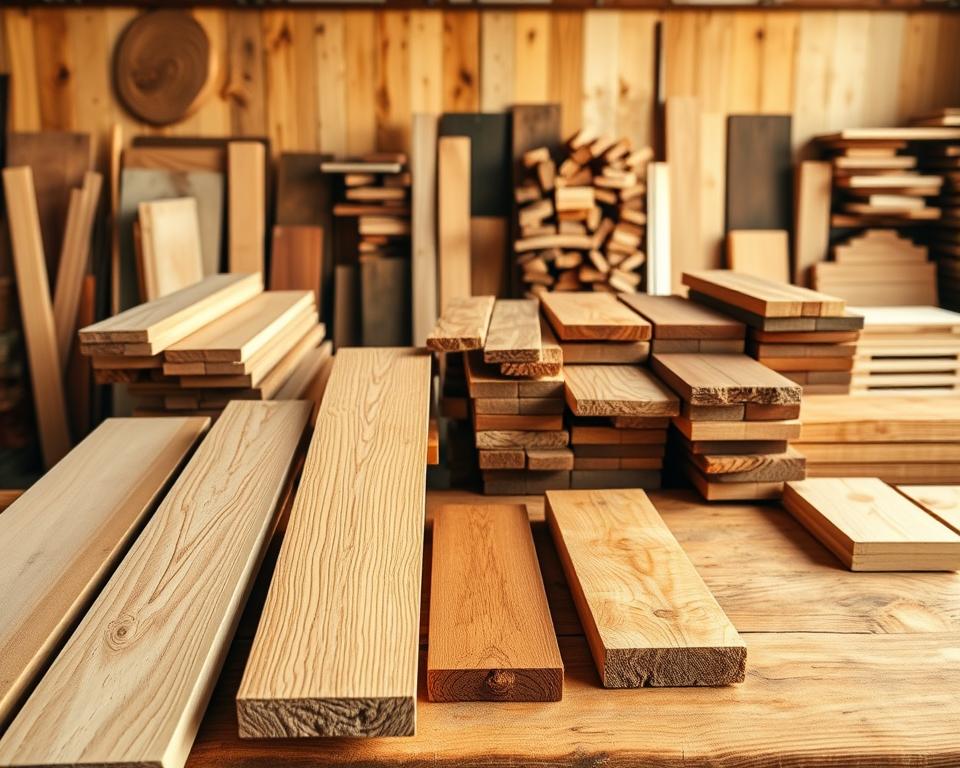
Wood is the predominant material for these structures due to its natural look and versatility. Several types offer excellent resistance to outdoor conditions.
Common options include pine, spruce, Douglas fir, and larch. Larch is particularly robust, often requiring no protective coating for extended periods. This low-maintenance benefit comes at a higher initial cost.
High-quality pressure-treated wood, like pine or spruce, presents a cost-effective alternative. With proper maintenance, it performs well for several years. The choice balances budget against long-term upkeep.
DIY Kit vs Custom Build: Weighing Your Options
The next major decision is between a pre-fabricated kit and a custom diy build playhouse. Each path offers distinct advantages and challenges.
Kits save significant time as all components are pre-cut. They arrive with clear instructions and pre-calculated measurements. This convenience suits those with limited diy experience.
Building from scratch allows for complete design freedom. A custom wooden playhouse can be tailored precisely to space and taste. It also offers future versatility, potentially serving as a garden shed.
| Feature | DIY Kit | Custom Build |
|---|---|---|
| Time Investment | Lower | Higher |
| Cost Range | £200 – £2,000 | Variable |
| Design Flexibility | Limited | Complete |
| Material Quality Control | Often lower | Higher |
| Future Use Potential | Typically as a playhouse only | Can be repurposed (e.g., garden shed) |
While a custom project is more challenging, having a second person makes the process much smoother. Experienced builders can manage alone with careful planning.
How to Build Your Own Wooden Playhouse
This stage involves the practical assembly of the main structural components: the floor, walls, and roof. A methodical approach here ensures a sturdy and durable final result.
Constructing the Floor Frame and Foundations
The first step is building a solid floor frame. Using pressure-treated timber for the joists is essential for resistance to decay and insects. Cut the joists to size and fasten them together securely.
Mark the corners with stakes for accurate positioning. Prepare the foundation surface by levelling it, filling with sand, and laying paving stones. This creates a stable, uniform base.
Affix porch posts to the outer joist. Drill through both components and secure with galvanised bolts. Make sure each post stands perfectly upright for structural stability.
For the floorboards, pressure-treated decking is an excellent choice. Trim boards precisely around posts using a jig saw. Secure them with galvanised screws.
Placing strips of roofing felt between the floorboards and posts adds valuable insulation and reduces potential squeaks.
Building the Walls and Roof Structure
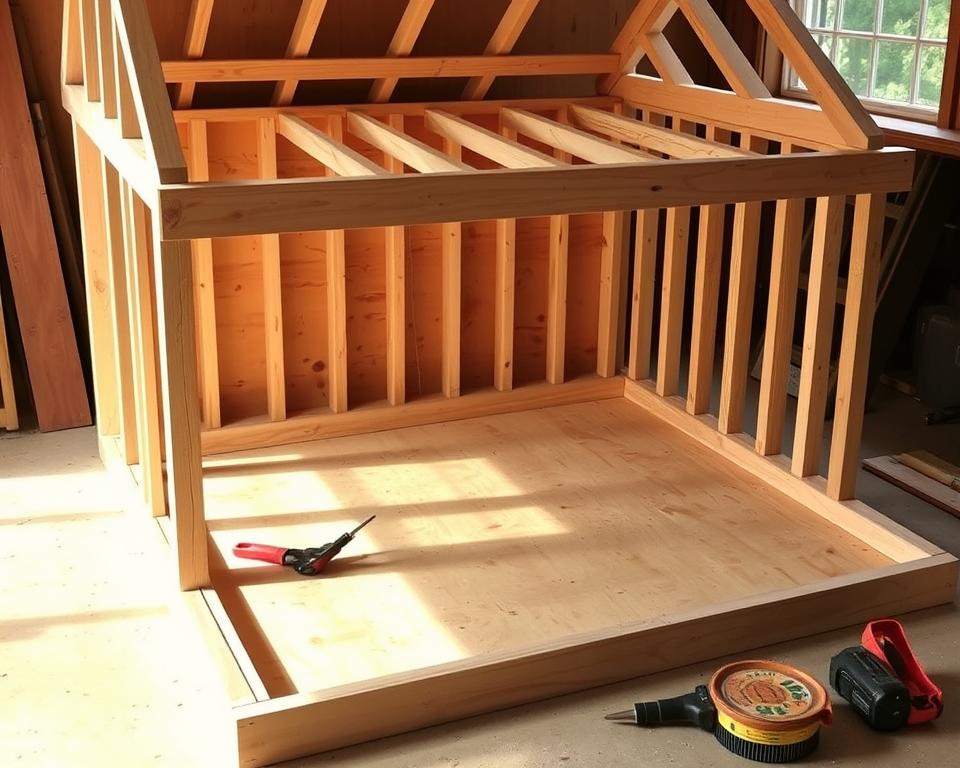
Construct each of the walls separately on a flat surface. Nail the basic frame together before screwing it into place through the bottom plate. The structure will feel unstable until the sheeting is added.
For the exterior sheeting, plywood or OSB offers strength and durability. Cut the sheets to fit the walls precisely. Secure them to the studs using a nail gun, spacing nails about 16 inches apart.
The roof construction begins with trusses. Set up a simple jig on the floor to build them, attaching triangular gussets for extra support at the joints.
After positioning all trusses, the roof receives its protective layers. Cover the top with sheeting. Attach an aluminium drip edge along the edges to prevent water penetration.
| Component | Fastener Type | Key Advantage |
|---|---|---|
| Floor Frame Joists | Galvanised Nails | Strong shear strength for framing |
| Porch Posts | Galvanised Bolts & Nuts | Maximum stability and adjustability |
| Floorboards & Sheeting | Galvanised Screws | Superior holding power, resistant to rust |
The final step for the roof is roofing. Roll out mineral felt from the bottom edge upwards, stapling it down. Then, layer shingles over the felt, starting from the bottom. This multi-layer system provides excellent weatherproofing for the wooden playhouse.
Site Preparation and Groundwork Essentials
Groundwork represents the unsung hero of construction, determining the entire project’s durability. This critical step ensures the structure remains stable and protected from moisture damage for years. Proper preparation prevents future issues like uneven floors or structural stress.
Preparing a Level and Drainage-Safe Base
Creating a solid foundation begins with assessing the ground. The chosen area must be properly levelled to support the playhouse securely. Foundations should extend to frost-free depth, typically around 80cm.
This prevents shifting during seasonal temperature changes. Make sure floor joists sit a few centimetres above ground level. This simple measure avoids moisture contact and prolongs the structure’s life.

Options for Decking, Paving, and Concrete Foundations
Several base options suit garden structures. Decking offers an attractive surface that complements the playhouse design. It can be painted for a coordinated look while providing splinter-resistant safety.
Paving slabs provide solid support with flexible configuration options. They are available in various sizes and styles. Concrete foundations deliver maximum stability, similar to shed bases but with potential for decorative finishes.
For wooden bases, thick glulam beams resist warping in damp conditions. Post holders secured with quick-drying concrete create excellent stability. Universal beams offer extra reinforcement for larger designs.
This diy guide emphasises that careful levelling during this step saves considerable effort later. A properly prepared base makes subsequent construction straightforward over several days.
Assembly Process and Step-by-Step Construction
With the main structure complete, attention turns to the finer details that transform the framework into a functional space. This phase requires precision and care, as each component contributes to the overall durability and appearance.

Sequential Build: From Frame to Finishing Details
The assembly begins with window and door preparation. Remove protective film from both sides of the glazing, scoring gently if needed. Working from inside the structure provides better access for installing beading into the frame grooves.
Window bars require careful positioning. Place thin cardboard against the window surface to prevent scratches. Position the vertical bar diagonally first, then turn it until vertical to slot into top and bottom grooves. The horizontal bar creates a cross shape when fitted into the centre recess.
Tips for Accurate Measurements and Secure Fixings
Pre-drilling pilot holes prevents wood splitting when securing components. Use 30mm screws for frame beading and 20mm screws for window bar intersections. Make sure each piece is firmly fixed before proceeding.
Window frames position centrally with four screws per corner. Doorstops attach to the inside framing. Cover trims at the back require three pre-drilled, countersunk holes per side. Finish with wood filler and sanding for a professional appearance.
Taking time with measurements and fixings ensures a sturdy result that will withstand active use.
Customisation Ideas and Enhancements for the Playhouse
Personal touches and functional enhancements elevate a standard playhouse into a unique space that children will cherish. This final phase allows for creative expression while improving the structure’s durability and appeal.
Integrating Child-Friendly Features and Garden Additions
Additional features like slides, swings, or sandpits can transform the basic playhouse into a comprehensive play area. These additions encourage physical activity and imaginative play for the little ones.
Planning these enhancements during the initial design phase ensures proper integration. This approach saves time and materials while creating a cohesive garden space.
Personalisation: Painting, Insulation and Decorative Finishes
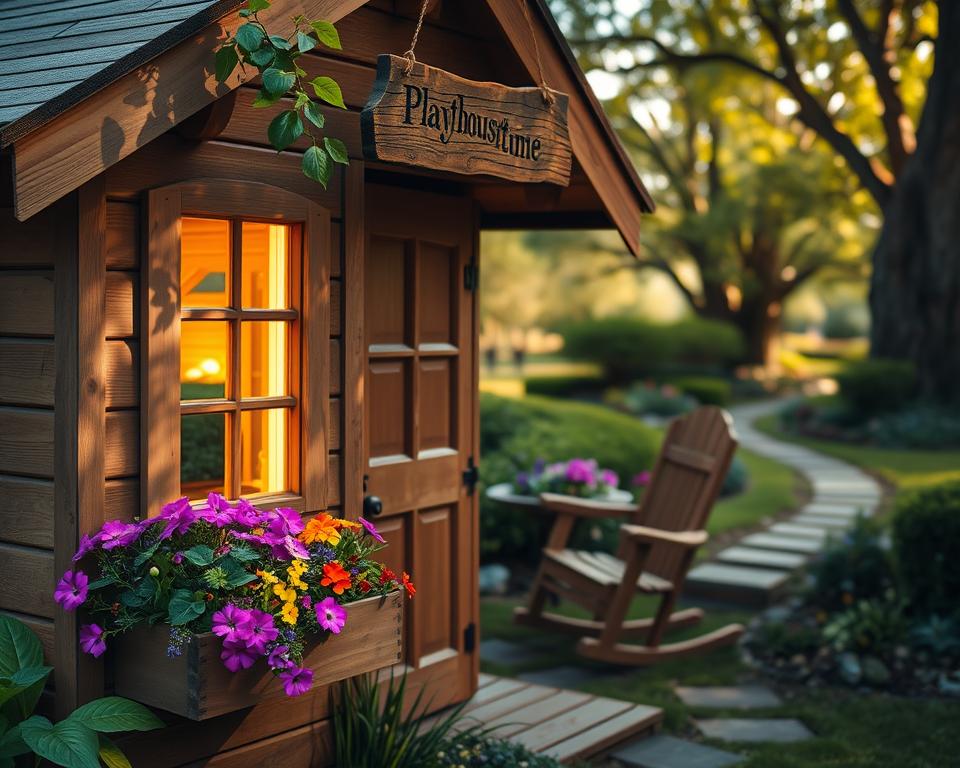
Exterior paint selection requires careful consideration of durability and child safety. Specialist wood paints offer superior protection against weather conditions.
Insulation between wall boards extends usability into cooler months. This also increases potential for future use as a garden shed once children outgrow the play stage.
| Treatment Type | Application Method | Key Advantages |
|---|---|---|
| Wood Stain | Brush or spray application | Enhances natural grain, water-resistant |
| Specialist Paint | Over insulating primer | UV protection, colour fastness |
| Varnish | Multiple thin coats | High-gloss finish, durable protection |
Roofing options include bitumen sheets and shingles as cost-effective alternatives. Proper drainage solutions like small gutters protect the structure’s base.
Planning customisations from the outset ensures efficient project completion. This approach creates a children playhouse that will provide enjoyment for years.
Conclusion
Successfully completing a diy garden project brings the dual satisfaction of craftsmanship and providing children with their own special domain. This comprehensive guide has equipped readers with essential knowledge from initial planning through to final construction details.
The investment in quality materials and careful build techniques ensures a robust structure that withstands British weather conditions. Whether opting for a kit or custom design, understanding fundamental principles leads to successful outcomes.
The finished playhouse becomes more than just a garden feature. It creates cherished childhood memories while encouraging outdoor play and creativity. This durable house offers years of enjoyment and potential future use in the garden.
With proper planning and execution, families can create a safe, imaginative space that children will treasure. The result is a rewarding addition to any outdoor area.
FAQ
Do I need planning permission for a wooden playhouse?
Generally, a small garden playhouse for children’s use does not require planning permission. However, regulations can vary. It is essential to check with the local council if the structure exceeds certain dimensions, such as a height over 2.5 metres, or if the property is in a designated area.
What is the best wood to use for an outdoor playhouse?
Pressure-treated timber is highly recommended for the main frame and exterior boards. This wood is specially treated to resist rot and insect damage, ensuring the playhouse withstands British weather conditions for many years. Cedar and redwood are also excellent, naturally durable choices.
Should I build a playhouse from scratch or use a DIY kit?
A DIY kit offers convenience with pre-cut materials and instructions, ideal for those with less time or experience. A custom build from scratch allows for complete design freedom and can be more cost-effective, but requires more advanced skills and project planning.
How do I prepare the ground before building?
A level and stable base is critical. The area should be cleared and levelled. Many builders create a foundation using concrete paving slabs, a gravel base, or a wooden deck frame. This prevents moisture from seeping into the floor and keeps the structure stable.
What roofing material is best for a children’s playhouse?
Roofing felt is a popular, affordable, and effective option. It is easy to install onto a plywood roof surface and provides excellent waterproofing. For a more durable finish, corrugated PVC or bitumen shingles can also be used.
How can I make the playhouse safe for little ones?
Safety is paramount. Ensure all screws are countersunk and sand any rough edges on the wood. Fit windows with Perspex instead of glass. The structure must be securely anchored to its base to prevent tipping. Regularly check the playhouse for any wear or damage.
Can I add features like a slide or climbing wall later?
A> Yes, the design can often accommodate future enhancements. When building the walls, consider reinforcing specific areas where a climbing wall or swing might attach. Planning for these additions during the initial construction phase ensures a stronger and safer integration later.