How to Keep Cats Off Your Garden
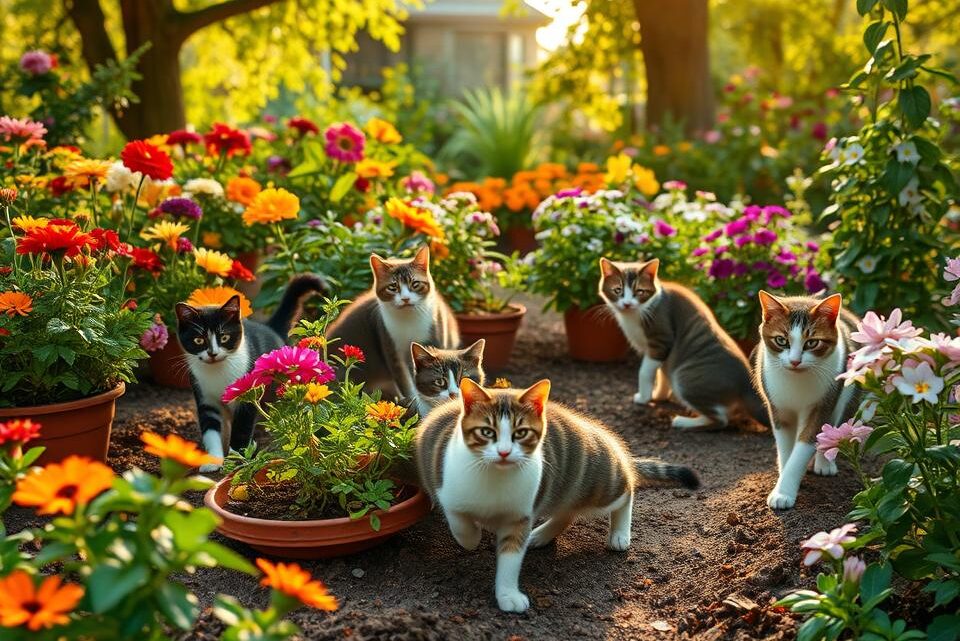
For many gardening enthusiasts across the United Kingdom, a tranquil outdoor space represents a significant investment of time and care. This sanctuary, however, can quickly become a source of frustration when neighbourhood felines decide it is their territory. These naturally inquisitive animals are drawn to the soft soil of flowerbeds and the shelter of bushes.
The challenges they present are considerable. Unwanted visitors can dig up precious seedlings, use freshly turned earth as a litter box, and leave unsightly messes amongst prized plants. While cats offer benefits like rodent control, their habits can undermine a gardener’s hard work.
Successfully managing this issue requires a thoughtful approach. Understanding what attracts these animals—specific textures, smells, and comfortable spots—is the first step. This article explores a comprehensive range of humane, legal, and effective strategies designed to protect your outdoor space.
From natural deterrents and physical barriers to technological solutions, the goal is to discourage feline visitors without causing them harm. Finding the right solution often involves some experimentation, as what deters one cat may not affect another.
Inhaltsverzeichnis
Key Takeaways
- Feline visitors are attracted to gardens for soft soil, shelter, and potential food sources.
- Their behaviour can cause significant damage to plants and create unsanitary conditions.
- Effective deterrence relies on understanding a cat’s preferences and sensitivities.
- A combination of humane strategies is often more successful than a single method.
- Protecting a garden does not require harsh chemicals or inhumane practices.
- Patience and adaptation are key, as different cats respond to different deterrents.
Understanding Cat Behaviour in the Garden
Garden protection starts with insight into what draws cats to outdoor spaces. These animals follow instinctual patterns that make certain areas particularly appealing.
Why Cats Favour Gardens
Felines are attracted to gardens for several reasons. Soft, loose soil provides ideal digging conditions. It also serves as a natural litter box with its even texture.
Cats like sheltered spots under bushes and decking for napping. Sunny patches become perfect lounging areas. Gardens also offer hunting opportunities with birds and small wildlife.
Behavioural Patterns and UK Wildlife Regulations
Cats possess heightened senses that influence their behaviour. Their sensitive noses detect subtle scents. Acute hearing picks up ultrasonic frequencies humans cannot perceive.
Understanding these patterns helps select effective deterrents. The Animal Welfare Act 2006 protects all cats in the UK. They have legal freedom to roam, even on private property.
Any deterrent strategy must be humane. Causing harm or suffering constitutes an offence. Effective management balances property rights with animal welfare obligations.
How to Keep Cats Off Your Garden with Natural Deterrents
Leveraging a feline’s acute sense of smell offers a powerful, non-invasive strategy for garden protection. These methods work by introducing scents that are pleasant to humans but offensive to cats, encouraging them to seek out more agreeable territory.
Citrus Peels, Essential Oils and Repellent Sprays
The sharp aroma of citrus is highly effective at keeping cats away. Scatter fresh orange and lemon peels around garden borders and specific problem spots. Be aware that these peels decompose quickly and lose their potent smell, requiring replacement every few days.
For a longer-lasting solution, create a homemade repellent spray. Mix one cup of water with two tablespoons of lemon juice and a splash of white vinegar. Test this on a small plant area first, as the acidity can be strong for some sensitive plants.
Essential oils like lavender, peppermint, and citronella also serve as excellent deterrents. Dilute about ten drops in water and spray on paths and perimeter areas. Reapplication is necessary every few days, especially after rain.

Herbs Such as Lavender, Rosemary and Scaredy Cat Plant
Planting certain herbs provides a beautiful and functional defence. Plants like rosemary, lavender, and thyme release smells that cats find disagreeable. These herbs are also perennial, returning each year with minimal effort, and they attract beneficial pollinators.
For a more specialised option, consider Coleus canina, often called the “scaredy cat plant.” When brushed against, it emits an odour said to resemble a skunk, which is very effective at repelling cats. It thrives in sunny spots and can be a robust addition to a border.
While these natural methods are successful for many, their effectiveness can vary. They often work best when combined with other strategies for a layered approach to garden management.
Practical DIY Solutions for Cat Deterrence
A hands-on approach using everyday materials offers a cost-effective way to manage feline visitors. These projects provide immediate results and can be tailored to specific problem spots in the outdoor space.

Creating a Designated Cat Toilet Area
One counterintuitive but effective method involves providing an alternative. Select a quiet, out-of-the-way corner of the garden. Fill this area with fine sand or soft soil.
Adding catnip can make this spot highly attractive. This diversion tactic redirects behaviour away from prized flower beds. It is crucial to note this area requires regular maintenance, much like a litter box.
Using Repellent Mulches and Natural Obstacles
Altering the ground texture is a powerful deterrent. Bark mulch or wood chippings create a rough surface that cats find unpleasant for digging. This method also enriches the soil and suppresses weeds.
Scatter pine cones or small branches across beds. These natural obstacles make the ground uneven, discouraging toileting. Used coffee grounds are another option, but use them sparingly.
While coffee grounds deter with their smell, ingestion can be harmful. Reapply coffee grounds and refresh mulch layers after heavy rain for consistent results.
Effective Barriers and Ground Cover Strategies
Creating uncomfortable surfaces through strategic ground cover can effectively discourage feline visitors from entering specific areas. These physical methods exploit cats’ natural aversion to certain textures underfoot.
Chicken Wire, Plastic Fencing and Stone Borders
Mesh materials like chicken wire or plastic fencing laid flat across garden beds create surfaces that cats find unpleasant to walk on. The flexible wire or mesh can be cut to fit specific areas and allows plants to grow through the openings.
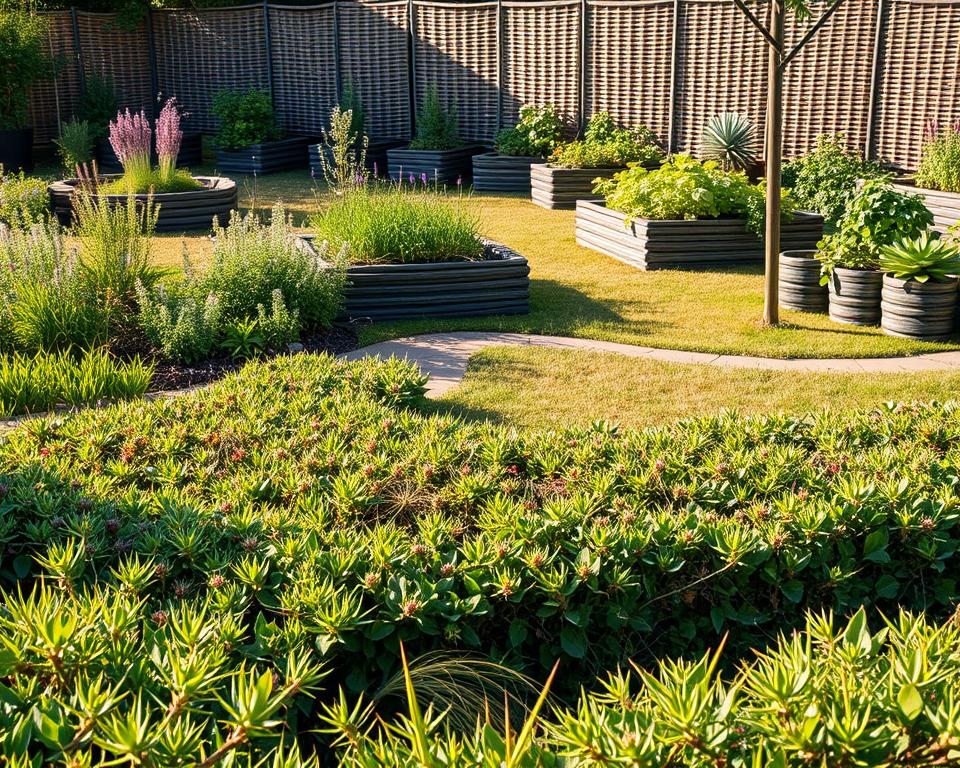
UV-resistant hex netting provides durable protection that withstands outdoor conditions. For optimal results, secure the material without impeding plant growth.
| Barrier Type | Best Application | Durability | Maintenance Level |
|---|---|---|---|
| Chicken Wire | Flat placement on beds | Medium (2-3 years) | Low |
| Plastic Mesh | Perimeter borders | High (3-5 years) | Very Low |
| Stone Borders | Plant bases and pathways | Very High (5+ years) | None |
Stone borders using angular gravel or crushed shells create another effective deterrent. Spread a 2-3 inch layer around plant bases and along garden borders. The uneven surface discourages digging and toileting behaviour.
These methods offer dual benefits. They protect vulnerable areas while suppressing weeds and improving drainage. The strategic use of physical barriers maintains the garden‘s aesthetic appeal while providing reliable protection.
Advanced Technologies for Cat Repellence
Automated deterrent systems provide continuous protection without daily gardener intervention. These technological solutions offer reliable, hands-off approaches to maintaining boundaries.

Ultrasonic Noise Repellents
These devices exploit feline hearing sensitivity. They emit high-frequency sounds beyond human perception that cats find disturbing. Motion sensors activate the ultrasonic emissions when animals approach.
Many models feature solar power for convenience. They provide discreet protection throughout the outdoor space. However, coverage limitations may require multiple units for larger areas.
Motion Activated Sprinkler Systems
Infrared technology detects approaching animals and triggers brief water bursts. The unexpected spray startles felines without causing harm. This creates a learning effect that encourages animals to avoid the protected zone.
These sprinkler systems operate day and night. They offer comprehensive coverage when properly positioned. Sensitivity adjustments help minimise false triggers from gardeners or other wildlife.
| Technology Type | Activation Method | Coverage Area | Maintenance Level |
|---|---|---|---|
| Ultrasonic Repellent | Motion sensor | 10-15 metre radius | Low (battery/solar) |
| Motion Sprinkler | Infrared detection | 20-25 metre range | Medium (water connection) |
Both systems represent effective deterrents for persistent feline visitors. Strategic placement maximises their effectiveness in keeping unwanted animals away from cultivated spaces.
Enhancing Garden Layout to Deter Felines
By rethinking planting schemes and ground management, gardeners can create environments that cats naturally avoid. This proactive approach focuses on making the outdoor space inherently unappealing through strategic design.
Dense Planting and Mulching Techniques
Minimising open soil areas through dense planting eliminates the bare patches that felines prefer. Planting shrubs like Rhododendrons and Azaleas close together creates uncomfortable textures. These plants form dense foliage that discourages digging behaviour.

Woody shrubs such as Heather provide excellent coverage for garden beds. Their dense growth habits leave little room for intrusion. Proper spacing balances plant health with effective coverage.
Mulching plays a crucial role in modifying soil conditions. Cats strongly prefer dry, loose earth for toileting. Maintaining consistent moisture levels makes areas less attractive.
| Plant Type | Spacing | Deterrent Quality | Maintenance |
|---|---|---|---|
| Rhododendrons | 60-90cm | Dense foliage | Low |
| Azaleas | 45-60cm | Woody texture | Medium |
| Heather | 30-45cm | Ground coverage | Low |
| Lavender | 45-60cm | Scent deterrent | Low |
Regular watering during dry spells keeps soil consistently moist. Damp mulch creates an uncomfortable surface texture. This combination effectively helps deter cats from treated areas.
General tidiness completes the strategy. Secure compost bins and remove fallen fruit. Eliminate food sources that might attract hunting or scavenging behaviour.
Safe, Humane, and Legal Approaches to Cat Deterrence
Responsible garden management requires a clear understanding of legal responsibilities. In the United Kingdom, property rights are balanced by animal welfare obligations.
The Animal Welfare Act 2006 provides the legal framework. It is a criminal offence to cause unnecessary suffering to any animal, including a cat. This applies even on private property.
Felines have a legal right to roam. This means a homeowner cannot take actions that deliberately harm a visiting cat. Penalties for offences can be severe, including unlimited fines or even imprisonment.
Many commonly suggested deterrent methods are actually illegal or dangerous. The use of snares, poisons, or unlicensed devices that could cause injury is prohibited.
Even seemingly harmless folk remedies can pose risks. Mothballs contain toxic pesticides and are hazardous to animals and humans. Excessive coffee grounds, while sometimes used as a deterrent, contain caffeine which is harmful if ingested in quantity.
Physical barriers must be designed with care. Plastic forks or mats with sharp points can injure paws. Such methods may also contravene the law if they cause suffering.
The most effective long-term strategies are those that work with animal behaviour. They encourage felines to move on without fear, pain, or injury. All methods discussed in this article are designed to be both lawful and humane.
A peaceful garden and animal welfare are not mutually exclusive goals. By choosing safe and legal approaches, one can protect their outdoor space with confidence.
Integrating Multiple Methods for Optimal Results
The most effective protection against persistent feline visitors comes from integrating complementary strategies. Single approaches often prove insufficient against determined animals.
Combining Techniques for Improved Outcomes
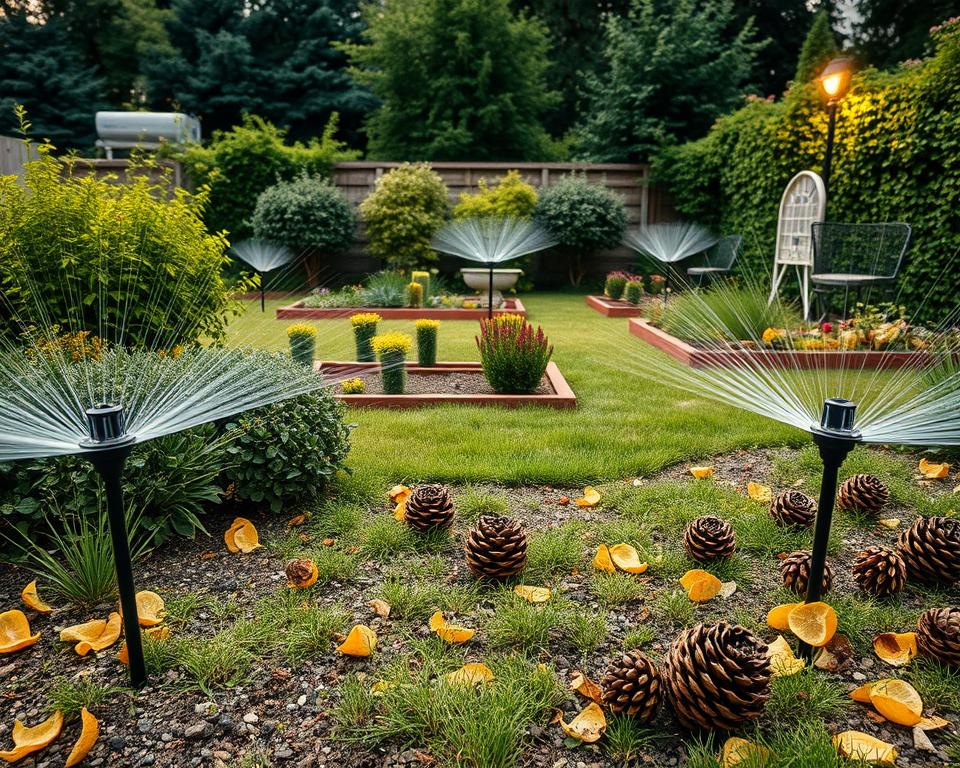
Layering different deterrents creates comprehensive defence. Scent-based solutions work well with physical barriers. For example, citrus sprays near fragrant herbs enhance effectiveness.
Position ultrasonic devices to cover areas protected by rough surfaces. Motion-activated sprinklers reinforce boundary plantings. This multi-sensory approach deter cats more reliably.
| Primary Method | Complementary Technique | Enhanced Benefit |
|---|---|---|
| Citrus sprays | Chicken wire ground cover | Dual scent and texture deterrent |
| Ultrasonic devices | Pine cone mulch | Audio and physical discomfort |
| Motion sprinklers | Dense planting | Visual barrier with surprise element |
“The synergy of combined methods creates an environment where feline visitors feel consistently unwelcome, encouraging them to seek more hospitable territory.”
Ongoing Maintenance for a Cat-Free Garden
Consistent upkeep ensures lasting results. Refresh citrus peels weekly and reapply essential oils after rainfall. Replace decomposed mulch every few months.
Monitor for signs of activity like digging or droppings. Adjust strategies when evidence suggests animals have found workarounds. Regular attention maintains effective boundaries.
Different felines respond to various deterrents. Experimentation helps discover what works best in each unique outdoor space. Persistence ultimately rewards gardeners with peaceful environments.
Conclusion
Protecting cultivated areas from feline intrusion demands a balanced approach that considers animal welfare alongside garden preservation. The methods discussed provide effective ways to deter cats while respecting their protected status.
A multi-layered strategy combining scents cats hate, physical barriers, and strategic planting offers the best protection. Items from around the home, like citrus peels or the scaredy cat plant, create natural deterrents. Over time, persistent application encourages animals to seek alternative territories.
This comprehensive approach ensures plants thrive without compromising ethical standards. Gardeners can maintain beautiful outdoor spaces while keeping visiting cats safe and redirecting them elsewhere.
FAQ
What smells effectively deter cats from gardens?
Cats dislike strong citrus scents. Sprinkling orange and lemon peels, or using essential oils like citronella, can act as a natural repellent. Lavender and rosemary also produce smells that keep cats away.
Are commercial repellent sprays safe for use around pets?
Many commercial sprays are designed to be humane and safe for animals. It is crucial to read the product label carefully and choose options that are non-toxic and environmentally friendly.
How can physical barriers prevent cats from entering garden beds?
Laying chicken wire or plastic mesh over soil makes the area uncomfortable for cats to walk on. Stone borders and prickly mulches also serve as effective obstacles.
Does the Scaredy Cat plant really work?
Yes, the Plectranthus caninus, commonly known as the Scaredy Cat plant, emits an odour that felines find offensive. Planting it around borders can help deter them from specific areas.
What is the most effective way to stop cats from pooping in the garden?
A combination of methods works best. Creating an unappealing surface with wire or mulch, alongside scent deterrents, encourages cats to avoid using the garden as a toilet area.
Are ultrasonic noise repellents a reliable solution?
These devices emit high-frequency sounds that are unpleasant for cats. Their effectiveness can vary, but many gardeners report success, especially when the device is motion-activated.
Can I use a water sprinkler to keep cats away?
Motion-activated sprinkler systems can startle cats with a burst of water, teaching them to avoid the area. This method is harmless and can be a strong deterrent.
Is it legal to use certain deterrents in the UK?
All deterrents must comply with the Animal Welfare Act 2006. Methods must be humane and cannot cause harm or unnecessary suffering to the cat. Checking local regulations is always advised.
How often do natural deterrents need reapplying?
Natural options like citrus peels and coffee grounds need replenishing after rain or every few days. Regular maintenance ensures the scent remains strong enough to keep cats away.
Will dense planting help protect my garden?
Yes, cats prefer open spaces. Dense ground cover plants and strategic mulching make gardens less inviting by reducing the accessible soil areas.