Operate a garden fountain with a solar pump

You can enhance your outdoor space with a beautiful and eco-friendly solar fountain. These stunning water features are not only visually appealing, but they also offer a cost-effective and environmentally friendly way to enjoy the soothing sounds of water in your garden.
Using a solar pump to power your fountain is a great way to reduce your carbon footprint and save on energy costs. With a solar fountain, you can enjoy a serene and peaceful atmosphere in your garden without the need for complex installations or expensive electricity bills.
This comprehensive guide will walk you through everything you need to know to successfully set up and operate a solar fountain in your UK garden.
Inhaltsverzeichnis
Key Takeaways
- Discover the benefits of using a solar pump for your garden fountain
- Learn how to choose the right solar fountain for your outdoor space
- Understand the importance of proper setup and positioning for optimal performance
- Find out how to maintain your solar fountain for long-lasting enjoyment
- Explore troubleshooting tips for common issues with solar fountains
Understanding Solar-Powered Garden Fountains
Solar-powered garden fountains offer an eco-friendly way to enhance your outdoor space. These innovative features harness the sun’s energy to create a soothing and visually appealing display.
How Solar Fountains Work
Solar fountains operate by converting sunlight into electrical energy, which powers a water pump. The process begins with photovoltaic cells in the solar panel capturing sunlight and converting it into electricity. This electricity then powers the pump, creating a beautiful water display. The fundamental principle behind solar fountains is the conversion of sunlight into electrical energy to power the water pump.
Types of Solar Pumps and Their Capabilities
There are two main types of solar fountain systems: standard solar fountains and solar water fountains with backup batteries. Standard solar fountains operate directly from sunlight and do not store energy, meaning they only work when in direct sunlight. On the other hand, solar water fountains with backup batteries can store excess energy for use during cloudy periods or at night, providing more flexibility. The capabilities of solar pumps vary in terms of flow rate and head height, affecting the water display and overall aesthetic of the fountain.
- The two main types of solar fountain systems are standard (direct solar power only) and battery backup systems (can store energy).
- The various components of a solar fountain system include the panel, pump, tubing, and optional battery storage.
- Battery backup systems work to store excess solar energy for use during cloudy periods or at night.
By understanding how solar fountains work and the different types available, you can choose the perfect solar-powered garden fountain to enhance your outdoor space.
Benefits of Using Solar Pumps for Garden Fountains
Using solar pumps for your garden fountain is an eco-friendly choice that offers numerous benefits. Solar-powered garden fountains are becoming increasingly popular due to their advantages over traditional electric models.
Environmental Advantages
Solar pumps offer significant environmental benefits, including zero carbon emissions and reliance on renewable solar energy. By harnessing the power of the sun, you reduce your carbon footprint and contribute to a more sustainable future. This eco-friendly feature makes solar fountains an attractive option for environmentally conscious homeowners.
Cost Savings Over Traditional Electric Pumps
In addition to their environmental benefits, solar pumps also provide substantial cost savings. With no electricity bills or wiring required, you can enjoy your garden fountain without incurring ongoing energy costs. Modern solar pumps are also durable and require minimal upkeep, further reducing maintenance expenses.
Flexibility and Ease of Installation
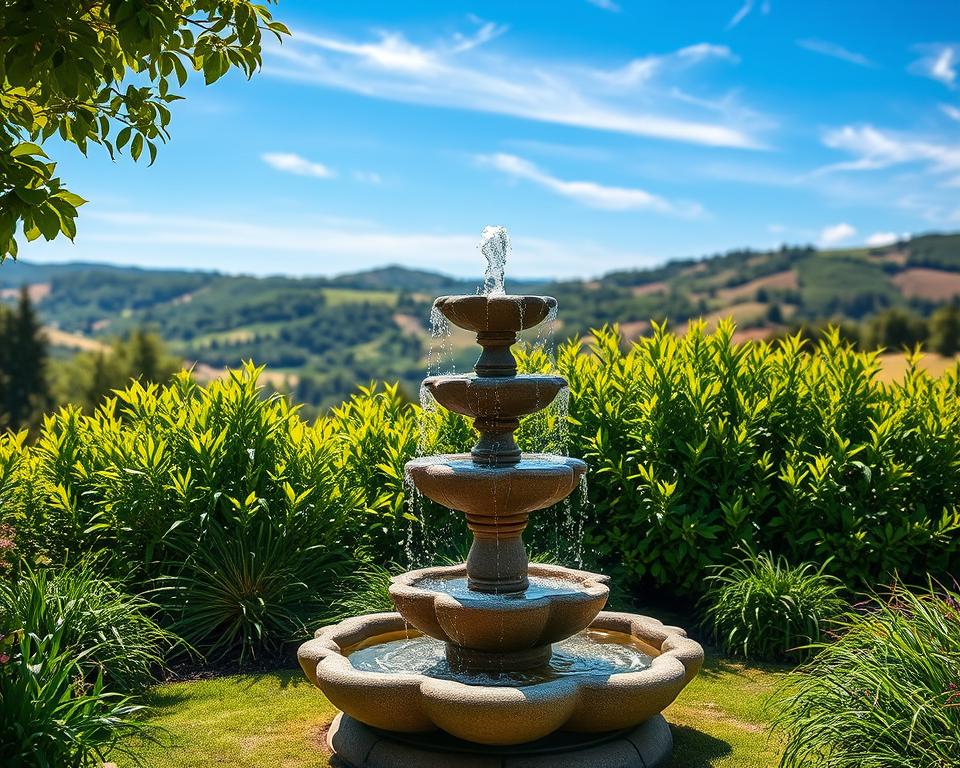
Solar fountains offer flexibility in terms of placement options, as they are not tethered to an electrical source. You can easily relocate or adjust your fountain as your garden design changes throughout the seasons. This versatility, combined with the elimination of outdoor electrical outlets and wiring, makes solar fountains a convenient and safe choice for your garden water feature.
Choosing the Right Solar Pump for Your Fountain

The key to a well-functioning solar-powered fountain lies in selecting the appropriate pump. A solar pump that is correctly sized for your fountain is essential for its effective operation. You need to consider several factors to ensure you choose a pump that meets your water feature’s needs.
Understanding Flow Rate and Head Height
The flow rate, measured in litres per hour (LPH), indicates how much water the pump can move in an hour. For smaller water features, 200-500 LPH is usually sufficient, while larger features or waterfalls may require pumps with 1,000-3,000 LPH. The head height, which is the maximum height water can be pumped, is another critical factor. Understanding these specifications will help you choose a pump that achieves the desired water effect.
Battery Backup Options
Battery backup systems are advantageous for UK gardens where sunlight can be variable and inconsistent. These systems store excess energy generated during the day for use during periods of low sunlight. Different types of battery options are available, varying in capacity, lifespan, and performance characteristics. Choosing a battery that complements your solar panel’s output is crucial for maintaining consistent fountain operation.
Pump Size and Compatibility Considerations
Ensuring the pump is compatible with your fountain design is vital. This includes considering the tubing diameter and connection types. Assessing the quality and durability of different pump models will help you achieve long-term reliability. For common fountain types like bird baths, tiered fountains, and waterfalls, specific pump sizes are recommended. Additionally, considerations specific to the UK climate, such as weather resistance and freezing temperatures, should be taken into account when selecting a solar pump system.
Setting Up Your Solar Fountain System
Installing a solar fountain system in your garden can be a rewarding DIY project if you have the right guidance. To ensure a successful installation, you’ll need to understand the essential components, how to connect the tubing to the pump, and how to position the solar panel for maximum efficiency.
Essential Components and Tools
Before you start, it’s crucial to have all the necessary components and tools. These include the solar pump, solar panel, tubing, connectors, and an optional battery pack. You’ll also need basic tools like sharp scissors or a tubing cutter, a screwdriver, and potentially a drill for mounting the solar panel. Having everything ready will make the installation process smoother and more efficient.
Connecting the Tubing to the Pump
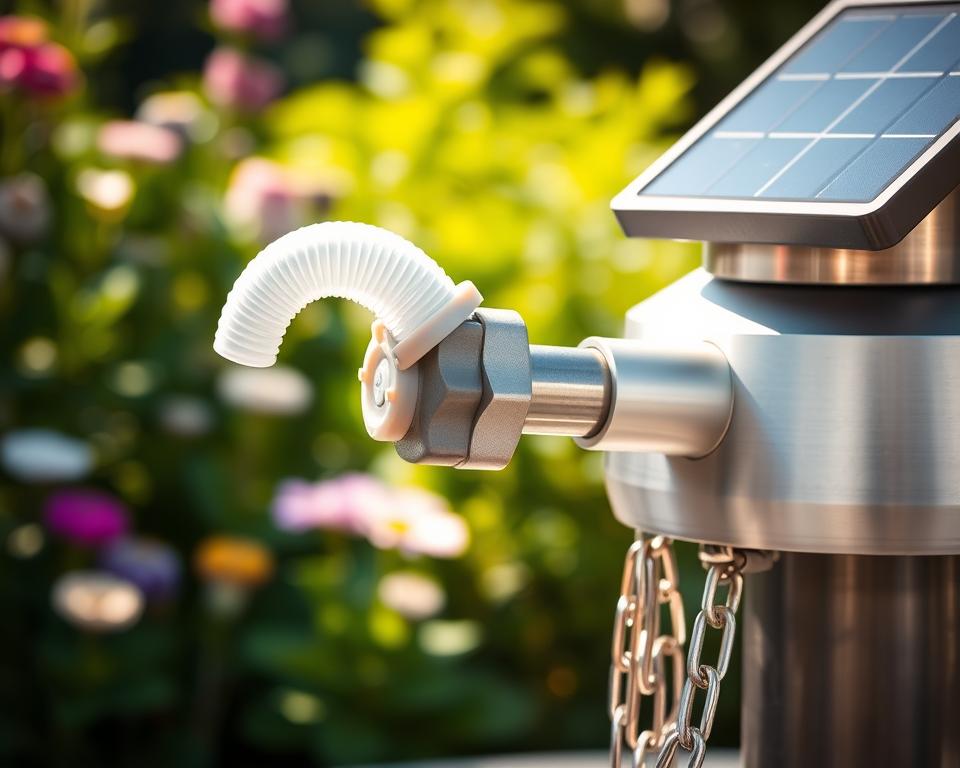
To connect the tubing to the pump, follow these steps: Measure the distance from the pump to the water feature outlet and add some extra length for bends or adjustments. Cut the tubing to the required length using sharp scissors or a tubing cutter. If the tubing is stiff, submerge the end in warm water for 30 seconds to make it more flexible. Then, slide the tubing over the pump’s outlet, ensuring it goes on straight and is pushed on as far as it will go. Secure the connection with a hose clamp or zip tie to prevent leaks.
Positioning the Solar Panel for Maximum Efficiency
The solar panel should be positioned to receive direct sunlight for most of the day. In the UK, this typically means facing the panel southwards. The angle of the panel can also be adjusted based on the season; a steeper angle in winter can help capture more sunlight when the sun is lower. Consider using ground stakes, wall mounts, or floating options to secure the panel in the optimal position.
By following these guidelines, you can ensure your solar fountain system is set up correctly and operates efficiently, providing a beautiful and sustainable water feature for your garden.
How to Operate a Garden Fountain with a Solar Pump
To get the most out of your solar-powered garden fountain, follow these simple steps. Operating a garden fountain with a solar pump is not only eco-friendly but also cost-effective, as it utilizes renewable energy from the sun.
Initial Setup and Testing
Begin by filling your fountain with water, ensuring the level is appropriate for the pump’s operation. Position the solar pump in the fountain, making sure it’s fully submerged and secure. Connect the solar panel to the pump, following the manufacturer’s instructions. Once everything is in place, test the system to ensure it’s working correctly. Check for any leaks and verify that the water flow is as expected.
Adjusting Water Flow and Spray Patterns
You can adjust the water flow rate to achieve different visual and auditory effects. Some solar pumps come with adjustable settings, allowing you to modify the flow rate. Additionally, you can change the spray pattern by adjusting the fountain nozzles. Experiment with different configurations to find the one that suits your garden’s aesthetic.

Switching Between Solar and Battery Power
If your solar fountain system includes a battery backup, you can switch between solar and battery power modes. Depending on the model, there may be a switch or button that changes the power source. Some systems automatically switch to battery power when there’s insufficient sunlight. Refer to your user manual or contact the manufacturer for specific guidance on operating your system.
By following these steps and understanding how to operate your solar-powered garden fountain, you can enjoy a beautiful and soothing feature in your garden while minimizing your environmental impact.
Optimal Placement for Solar Fountains in UK Gardens
To maximize the efficiency of your solar fountain, careful consideration of its placement is crucial. The effectiveness of a solar-powered garden feature largely depends on its positioning within your garden.
Finding the Best Sunlight Exposure
The placement of your solar panel is crucial for optimal performance. Fountains require direct sunlight to operate effectively. Most solar fountains come with a cable that allows you to place the panel in a sunny spot even if the water feature is in the shade. To conduct a sun exposure assessment, observe your garden’s sunlight patterns throughout the day and across different seasons. This will help you identify the best location for your solar fountain.

| Sunlight Exposure | Ideal Placement |
|---|---|
| Full Sun (6+ hours direct sunlight) | Place solar panel in the sunniest area |
| Partial Shade (4-6 hours indirect sunlight) | Position fountain in shade, panel in sun |
Aesthetic Considerations and Garden Integration
When integrating a solar fountain into your garden, consider the overall aesthetic you wish to achieve. For a cottage-style garden, a more rustic fountain might be appropriate, while a contemporary garden might benefit from a sleek, modern design. Strategically place your fountain to create a focal point or enhance existing garden features. Disguise cables and technical components to maintain the natural beauty of your garden. Positioning your fountain to maximize its visual and auditory impact from key viewing areas will also enhance your garden’s ambiance.
Maintenance and Care for Solar Fountain Systems
To keep your solar fountain running smoothly, regular maintenance is crucial. A well-maintained solar fountain not only enhances the aesthetic appeal of your garden but also ensures the longevity of the system.
Cleaning the Pump and Fountain
Regularly cleaning the pump is vital to prevent blockages and maintain performance. To do this, first remove the pump from the fountain by detaching the hose and cord. Next, remove the pump cover and clean the parts with a cotton swab. You can also use hot water and a mild detergent to ensure thorough cleaning. Finally, reassemble the pump, place it back in the fountain, and reattach it to the hose and cord. Regular cleaning of the pump can significantly improve the overall efficiency of your solar fountain.
In addition to cleaning the pump, it’s essential to clean the fountain basin regularly. Use a soft brush to remove any debris and algae from the basin. This will help maintain water quality and prevent the growth of algae.
Preventing Algae and Mineral Buildup
Algae growth and mineral deposits can affect water quality and pump function. To prevent this, you can use a algae-control product that is safe for wildlife and garden plants. Regularly checking the water quality and making adjustments as necessary can help prevent algae growth. Maintaining good water quality is essential for the overall health of your solar fountain.
Seasonal Maintenance Schedule
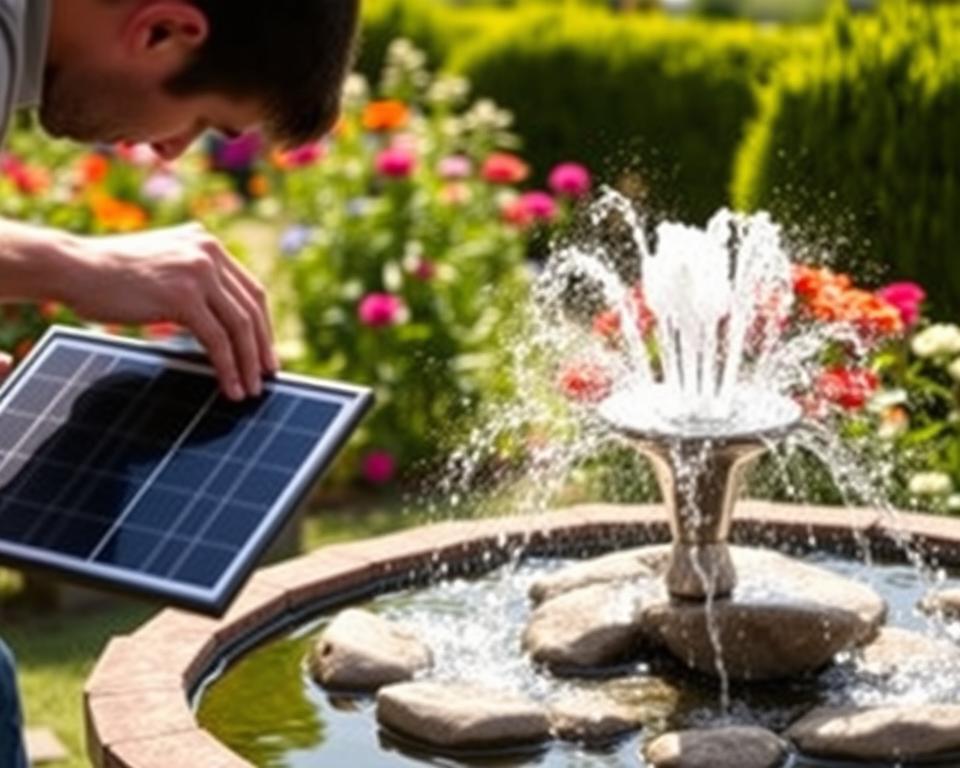
In the UK climate, it’s essential to follow a seasonal maintenance schedule. During the winter months, remove and store the pump to avoid damage from freezing temperatures. Before storing, clean the pump thoroughly and dry it to prevent any damage. In the spring, recommission your fountain by cleaning the solar panel and checking the pump for any damage. Regular seasonal maintenance can help extend the life of your solar fountain.
By following these maintenance tips, you can ensure that your solar fountain continues to function optimally and remains a beautiful feature in your garden.
Troubleshooting Common Solar Fountain Issues
Identifying and fixing issues with your solar fountain can be straightforward if you follow a logical troubleshooting process. When your solar fountain isn’t working as expected, it’s essential to methodically check various components to diagnose the problem.
Pump Not Running or Poor Water Flow
First, ensure that the pump is completely submerged in water. Running dry can cause the pump to burn out. Next, check that the hose is correctly attached and free from kinks. If the hose is kinked, try soaking it in warm water to relax the material. Also, verify that the solar panel is receiving direct sunlight and that there are no issues with the wire connections.
Unusual Noises or Vibrations
If your solar fountain pump is making unusual noises or vibrating excessively, check that it’s properly submerged and that there are no blockages. Air in the system can also cause noise; ensure that the tubing is correctly connected and free from airlocks. Regular cleaning of the pump and its components can prevent many of these issues.
Battery and Solar Panel Problems
For solar fountains with battery backup, ensure that the battery is charged and functioning correctly. Check the solar panel for any physical damage or dirt accumulation that might reduce its efficiency. Positioning the solar panel to receive maximum sunlight is crucial; adjust its angle and orientation as needed.
As a general rule, maintaining your solar fountain involves regular checks on the pump, solar panel, and connections. By following these troubleshooting steps, you can often resolve common issues and enjoy your solar-powered garden feature without interruption.
Conclusion: Enjoying Your Solar-Powered Garden Feature
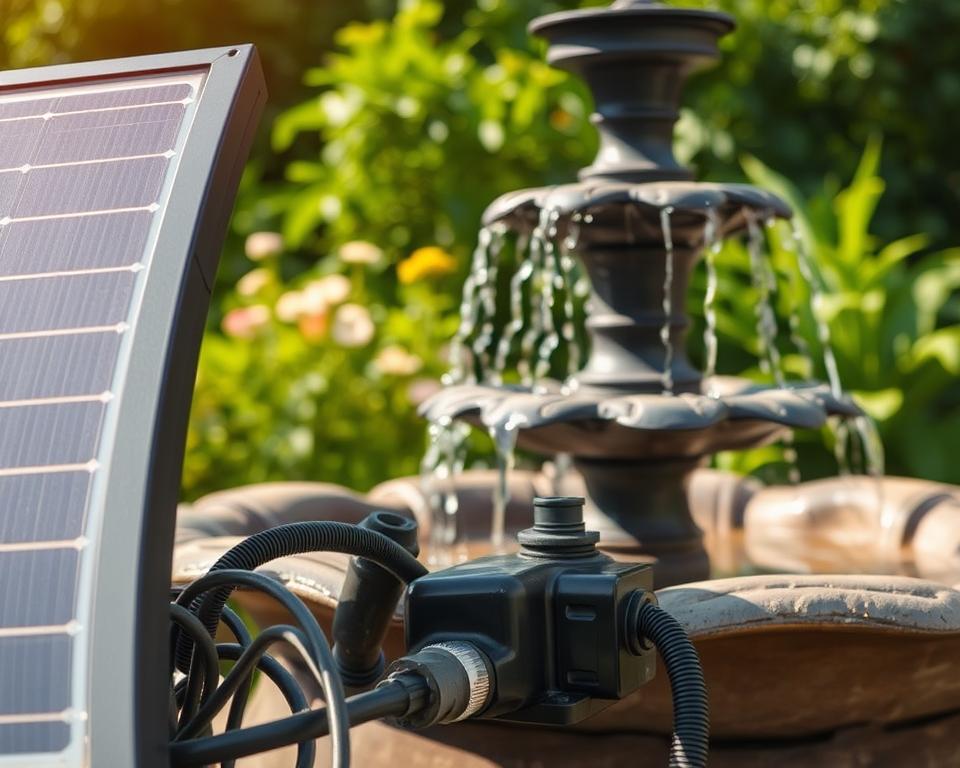
With your solar fountain up and running, you’ll enjoy a serene and sustainable addition to your garden. Throughout this guide, we’ve covered the essential steps to successfully operate a garden fountain with a solar pump. By choosing a solar-powered water feature, you’re not only enhancing your garden’s ambiance but also supporting eco-friendly energy use.
To ensure optimal performance, remember to position your solar panel correctly and perform regular maintenance tasks. Experiment with different fountain designs and water flow patterns to create your ideal garden ambiance. Your solar fountain can become a focal point in your garden design, attracting beneficial wildlife and adding to the overall aesthetic.
By following the tips provided, you can maximize the joy and tranquility that your solar fountain brings to your garden space. Enjoy the soothing sound of water and the satisfaction of using sustainable energy.
FAQ
How do I ensure my solar fountain works effectively in the UK climate?
To ensure your solar fountain works effectively, position the solar panel in a spot that receives direct sunlight for most of the day. Regularly clean the panel and pump to maintain efficiency.
Can I use my solar fountain in winter?
Yes, you can use your solar fountain in winter, but its performance may be affected by reduced sunlight and colder temperatures. Consider using a battery backup to store excess energy generated during the day for use during periods of low sunlight.
How do I attach tubing to the solar pump?
To attach tubing to the solar pump, simply connect one end of the tubing to the pump outlet and secure it with a suitable connector or clamp. Ensure the tubing is not kinked or twisted, which can restrict water flow.
What are the benefits of using solar-powered lights with my fountain?
Solar-powered lights can enhance the visual appeal of your fountain, especially at night. They are energy-efficient and can be placed around the fountain without the need for cables or electrical connections.
How do I maintain the quality of the water in my solar fountain?
Regularly clean the fountain and pump to prevent algae and mineral buildup. You can also use a water treatment or algaecide to maintain water quality.
Can I use a solar phone charger to power my fountain?
No, a solar phone charger is not suitable for powering a fountain. You need a dedicated solar pump designed for fountains, which can handle the power requirements and provide the necessary flow rate.
How do I choose the right size of solar pump for my fountain?
To choose the right size of solar pump, consider the size of your fountain, the desired flow rate, and the head height. Consult the manufacturer’s guidelines or seek advice from a professional if you’re unsure.
Can I install solar shed lights near my fountain?
Yes, you can install solar shed lights near your fountain to provide additional lighting. Ensure they are positioned to receive sufficient sunlight during the day to charge the batteries.