Building a Natural Stone Fountain Yourself – How to Do It Right
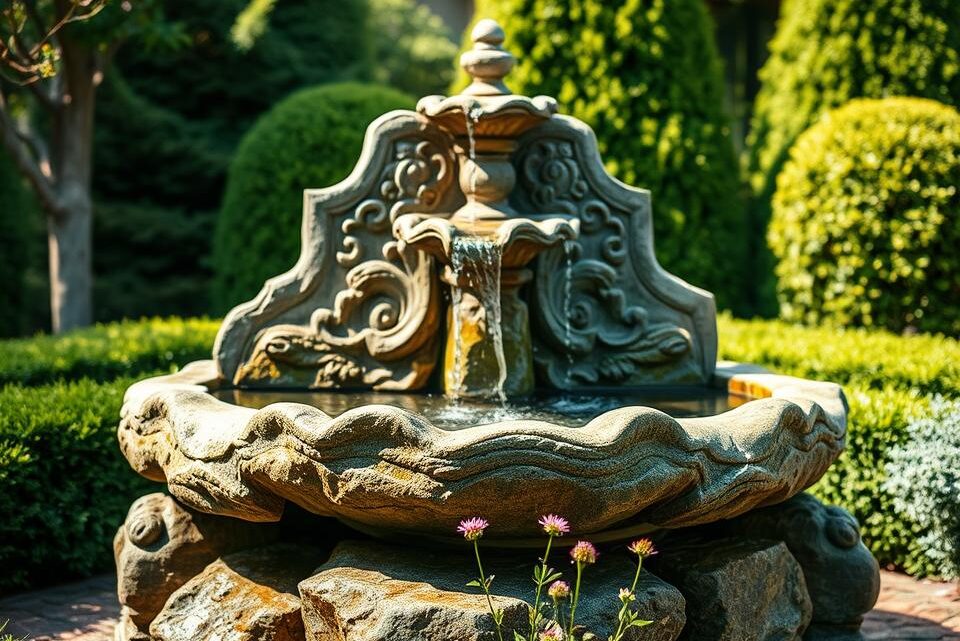
Transforming your outdoor space into a serene oasis is achievable with a beautiful water feature like a fountain. By undertaking a DIY project to create your own stone fountain, you can add visual interest and soothing sounds to your garden or patio.
You can create a stunning focal point for your landscaping with a well-designed fountain. This comprehensive guide will walk you through the process, from selecting the right location and materials to installation techniques and ongoing maintenance, ensuring your project is a success.
Inhaltsverzeichnis
Key Takeaways
- Creating a stone fountain is a moderate DIY project achievable for most homeowners.
- The project costs can range from £50-£1,000, depending on size and materials.
- A well-designed fountain can enhance your outdoor living environment.
- Most DIY fountains take approximately 8 hours to complete.
- Proper maintenance is crucial for the longevity of your water feature.
Understanding Stone Fountain Basics
When designing a garden, incorporating a stone fountain can elevate the overall aesthetic appeal. A well-designed fountain becomes a focal point, adding serenity and beauty to your outdoor space.
Components of a Successful Fountain
A successful fountain consists of several key components. These include a sturdy base, a pump system, and carefully selected rocks or stones. The pump system is crucial as it recirculates the water, creating a soothing sound and preventing stagnation.
Types of Stone Fountains for Home Gardens
Home garden fountains come in various styles, each offering unique visual appeal. You can choose from:
- Stacked stone fountains, featuring carefully balanced stones for a natural look.
- Bubbling rock fountains, where water bubbles up through drilled stones.
- Pondless fountains, ideal for households with children, as they recirculate water without a visible basin.
- Wall fountains, perfect for smaller spaces or courtyard gardens.
Understanding these types will help you choose a design that complements your garden’s aesthetic and meets your maintenance preferences, creating a beautiful water feature.
Planning Your DIY Stone Fountain Project
Planning is a crucial step in creating a DIY stone fountain that enhances your garden’s aesthetic. A well-planned fountain can become a beautiful focal point in your backyard, providing a soothing atmosphere and visual appeal.
Choosing the Perfect Location
When selecting a location for your stone fountain, consider the overall layout of your garden. The fountain should be placed in an area that is visible and enjoyable from different vantage points. Think about the look you want to achieve and how the fountain will interact with the surrounding landscape.
Determining the Right Size and Style
The size and style of your stone fountain should be proportional to your garden space. A large, ornate fountain might overwhelm a small patio, while a tiny feature could get lost in a spacious yard. Consider your garden’s theme and choose a modern, rustic, or classical fountain style that complements it. For smaller gardens, compact fountains are ideal, while larger properties can accommodate more substantial water features.

Essential Tools for Building a Natural Stone Fountain

The right equipment is vital when undertaking a DIY natural stone fountain project. To ensure a successful build, you’ll need to gather various tools and safety gear.
Hand Tools and Power Equipment
You’ll require a range of hand tools, such as trowels and chisels, alongside power equipment like a drill and saw to shape and place the stones correctly. The equipment you choose should be suitable for working with natural stone.
Safety Equipment
Safety should be your top priority when building a stone fountain, especially when working with power tools and heavy materials. Essential safety gear includes:
- Safety goggles or glasses to protect your eyes from flying debris
- Heavy-duty work gloves to safeguard your hands when handling rough stones
- A dust mask to prevent inhalation of harmful stone dust
- Hearing protection for operating loud power tools
- Proper footwear with toe protection to safeguard your feet
Taking regular breaks will also help prevent fatigue, which can lead to accidents, especially when lifting heavy materials and managing time effectively.
Materials Checklist for Your Stone Fountain

To create a stunning stone fountain, you’ll need to gather the necessary materials. The right components will ensure your fountain is both functional and aesthetically pleasing.
Stone Selection Guide
Choosing the right stone for your fountain is crucial. Consider factors such as durability, texture, and colour to ensure your fountain blends seamlessly with its surroundings. Popular stone options include granite, limestone, and sandstone.
Plumbing and Electrical Components
The plumbing and electrical components form the functional core of your stone fountain. Key elements include:
- A submersible pump rated appropriately for your fountain’s size (measured in gallons per hour).
- Flexible tubing to connect the pump to the top of your fountain structure, allowing water to flow upward.
- A check valve to prevent water from flowing back into the pump when it’s turned off.
- Waterproof electrical connections and an outdoor-rated extension cord to ensure safe operation.
- A flow control valve to adjust the water pressure and achieve your desired effect.
Additional considerations include using a ball valve for flow control, copper pipe or PVC conduit for plumbing, and silicone adhesive for sealing. A waterproof basin is also essential to contain the water and prevent leaks.
For enhanced functionality, consider adding a timer to automatically turn your fountain on and off at specific times. Ensure all electrical components are connected to a ground fault circuit interrupter (GFCI) outlet for safety.
Preparing the Foundation
To ensure your stone fountain remains a beautiful and functional feature, start with a strong foundation. A well-prepared base is crucial for the longevity and aesthetic appeal of your fountain.
Digging the Reservoir Hole
The first step in preparing the foundation is digging a hole for the reservoir. The size of the hole will depend on the dimensions of your fountain’s basin. Make sure it’s deep enough to accommodate the basin and any additional components like pumps and plumbing.
- Begin by adding a 5-7 cm layer of coarse gravel to the bottom of your excavated hole for drainage.
- Use a tamper to compact the gravel layer, creating a firm foundation for your basin.
Creating a Stable Base
A stable base ensures your fountain remains level and functions properly for years to come. To achieve this:
- Check that the gravel base is level using a spirit level, adjusting as necessary.
- Place your basin on the gravel base and check again for level in all directions.
- Make minor adjustments by adding or removing gravel until the basin sits perfectly level.
- Once level, add a thin layer of sand over the gravel to create a smooth surface for the basin or liner.

By following these steps, you’ll create a solid foundation for your natural stone fountain, ensuring it remains a beautiful and functional feature in your garden.
Installing the Water System
Installing the water system is a crucial step in building your natural stone fountain. This process involves setting up the basin and pump, as well as connecting the plumbing to ensure a smooth and efficient water flow.
Setting Up the Basin and Pump
You will need to position the pump in the basin, ensuring it is fully submerged in water. Connect flexible tubing from the pump’s outlet to the base of your fountain structure. This tubing should be secured with waterproof silicone sealant or appropriate hose clamps to prevent leaks.
Connecting the Plumbing
To connect the plumbing, you will need to use a pipe cutter to cut the copper pipe to the required length. For instance, you might need to cut a 4-inch section off the end of the copper pipe. When connecting a ball valve, unscrew the compression fittings on the ends, slide a nut and ferrule onto the pipe, and then finger-tighten the nut over the ferrule onto the valve.
| Component | Purpose | Installation Tip |
|---|---|---|
| Pump | Circulates water | Ensure it’s fully submerged |
| Ball Valve | Controls water flow | Use compression fittings |
| Flexible Tubing | Directs water to fountain | Secure with silicone sealant |
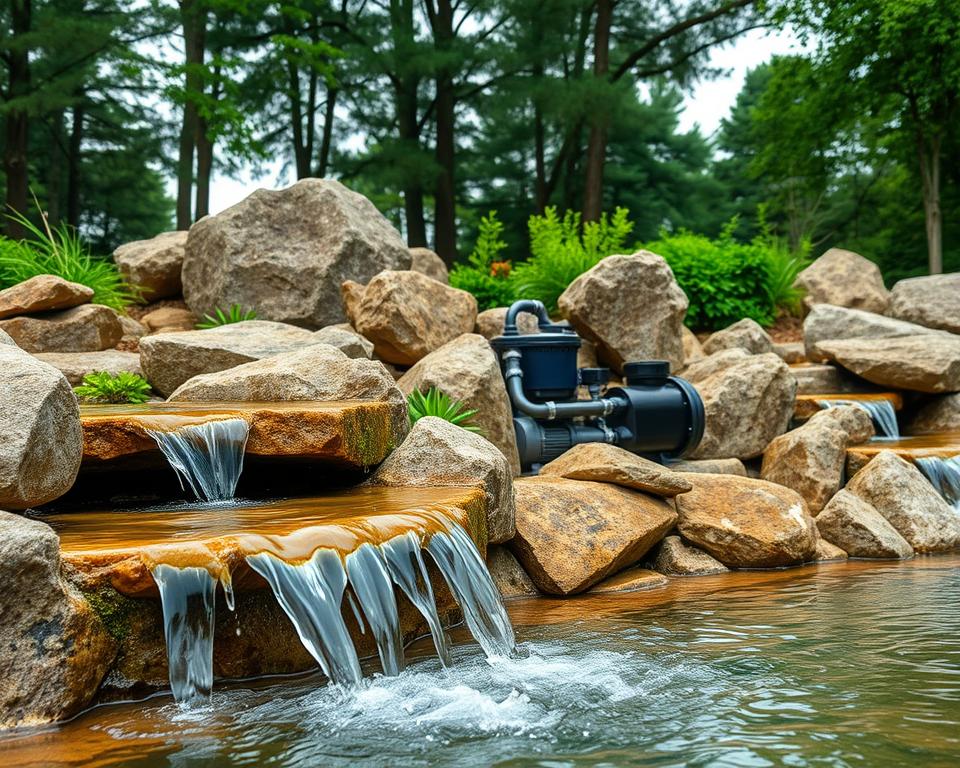
Proper plumbing connections are essential to ensure efficient water flow and prevent leaks in your fountain system. Test all connections for leaks before completing the stone arrangement by running the pump briefly.
Building a Natural Stone Fountain Yourself – How to Do It Right
To create a stunning and durable natural stone fountain, you must carefully consider how to arrange and secure the stones. This not only enhances the aesthetic appeal but also ensures the longevity and safety of your fountain structure.
Arranging and Stacking Stones
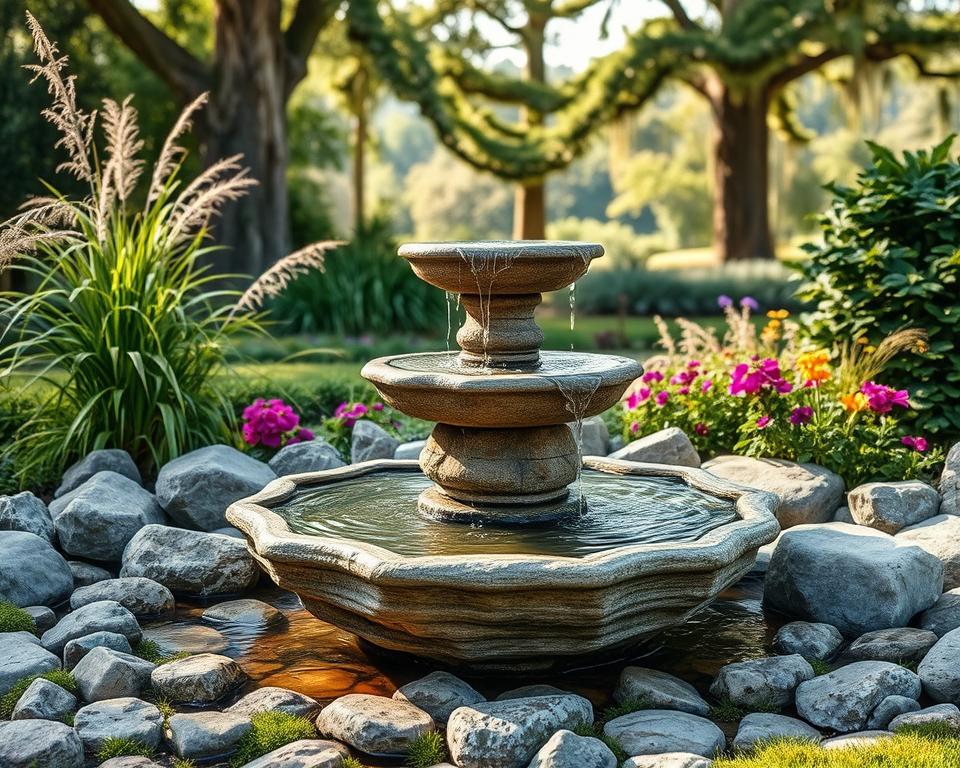
When arranging the stones, start by placing the largest and most stable stone at the base. This provides a solid foundation for your fountain. Continue to stack the stones, ensuring that each layer is balanced and visually appealing. Use a level to check that the stones are properly aligned.
Securing Stones Safely
To make your fountain arrangement permanent, turn off the water supply and apply dabs of clear silicone adhesive between the stones. Allow the adhesive to dry completely before turning on the fountain again. This ensures that the stones remain secure and the structure stable.
| Securing Method | Description | Benefits |
|---|---|---|
| Silicone Adhesive | Apply between stones | Long-lasting, waterproof |
| Stainless Steel Rods | Use for tall or complex arrangements | Added stability, secure |
| Wedge Smaller Stones | Place between larger stones | Prevents wobbling, enhances stability |
Drilling and Preparing Stones
The process of drilling and preparing stones is vital for a successful fountain installation. As you work on your natural stone fountain, you’ll need to consider both the aesthetic and functional aspects of the stones.
Drilling Techniques
Drilling through stone requires careful technique and the right tools. To achieve precise holes, use a diamond-tipped drill bit suitable for the type of stone you’re working with.
Creating Water Channels
Water channels play a crucial role in directing the flow of water through your fountain. You can create natural channels by positioning stones to guide water along desired paths.
- Carve shallow grooves into flat stones using a masonry chisel for more defined channels.
- Ensure all channels slope downward to maintain proper water flow.
- Vary the widths and depths of channels to produce different water sounds and effects.
| Channel Type | Water Flow Effect | Aesthetic Appeal |
|---|---|---|
| Narrow, Deep Channels | Creates a strong, focused water flow | Produces a loud, resonant sound |
| Wide, Shallow Channels | Results in a broader, more dispersed water flow | Generates a softer, more subtle sound |
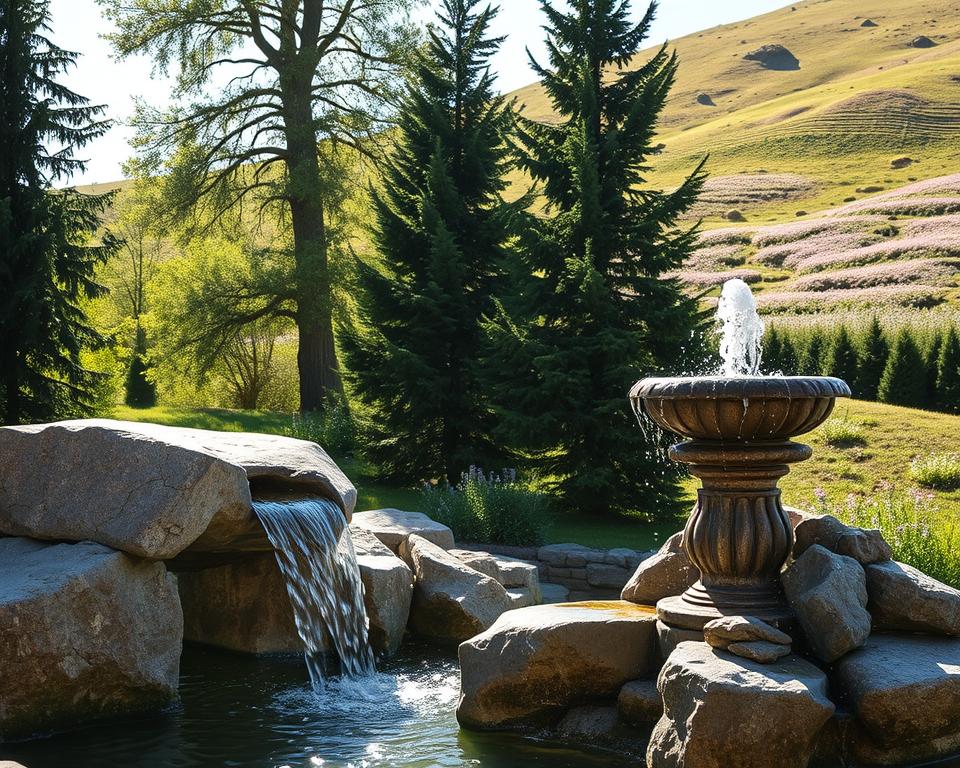
By carefully designing your water channels and testing the flow with a garden hose, you can create a visually appealing and soothing water feature that enhances your garden.
Assembling the Fountain Structure
Assembling your natural stone fountain involves positioning the main feature stones and balancing the structure for stability. To achieve a harmonious look, you need to carefully plan and execute the assembly process.
Positioning the Main Feature Stones
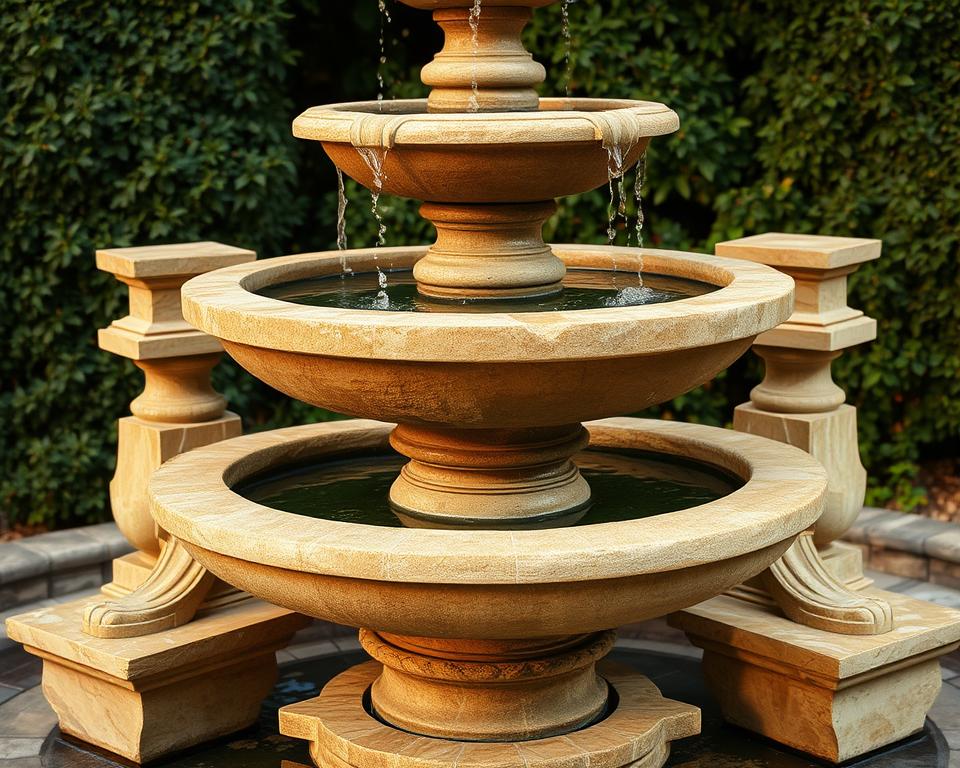
Direct the water flow by spinning stacked stones. Use smaller stones as shims to level and stabilise larger pieces in your arrangement, ensuring a stable base.
Balancing for Stability and Aesthetics
To achieve the perfect balance, test each stone’s stability as you add it to your arrangement. Consider the visual weight of your arrangement, creating a composition that appears balanced to the eye. Allow time for any adhesives to cure before adding water to your fountain.
Connecting and Testing the Water Flow
The final stages of building your natural stone fountain involve ensuring a smooth and consistent water flow. This step is crucial as it brings your fountain to life, creating a soothing and aesthetically pleasing feature for your garden.
Adjusting Water Pressure and Flow
To achieve the desired flow, you may need to adjust the pump settings. Start by checking the manufacturer’s instructions for guidance on adjusting the water pressure. You can then fine-tune the flow rate using the control valve, ensuring it’s not too strong or too weak for your fountain’s design.
Troubleshooting Common Flow Issues
Even well-designed fountains may require troubleshooting to achieve optimal water flow. If you encounter issues, here are some common problems and their solutions:
- If water isn’t reaching the top, check for kinks in the tubing or insufficient pump power.
- For splashing issues, adjust stone positions or reduce water flow using the control valve.
- If water is flowing unevenly, check for blockages in tubing or adjust the levelness of your stones.
- For gurgling or air bubble sounds, ensure the pump is fully submerged and free of air pockets.
- If water is disappearing too quickly, check for leaks in your basin or excessive splashing outside the collection area.
By following these steps and making the necessary adjustments, you can enjoy a beautifully functioning natural stone fountain.
Finishing Touches for Your Stone Fountain
Completing your stone fountain requires attention to detail, particularly in adding decorative elements and concealing technical aspects to create a natural, serene water feature. The final stages of your project are crucial in ensuring your fountain becomes a beautiful focal point in your garden.
Concealing Technical Elements
To maintain the natural aesthetic of your stone fountain, it’s essential to conceal the technical elements such as plumbing and electrical components. You can achieve this by carefully arranging stones and plants around these areas. Consider using larger stones or dense foliage to hide unsightly pipes and pumps, creating a more organic appearance.
Adding Decorative Elements
Decorative elements can significantly enhance the beauty of your stone fountain and help it integrate with your garden’s landscaping. Consider adding water-loving plants around the base of your fountain to create a natural transition. You can also incorporate decorative pebbles or glass beads in complementary colours to add visual interest. Other ideas include positioning low-voltage landscape lighting to highlight your fountain after dark, or adding small decorative elements like ceramic figurines or metal sculptures that complement your garden theme.
| Decorative Element | Description | Effect |
|---|---|---|
| Water-loving Plants | Plants that thrive in moist environments | Creates a natural transition around the fountain |
| Decorative Pebbles/Glass Beads | Colourful pebbles or beads around the fountain | Adds visual interest and complements the fountain’s design |
| Landscape Lighting | Low-voltage lighting around the fountain | Highlights the fountain’s features after dark |
Fountain Maintenance Guide
Proper maintenance is key to preserving the beauty and functionality of your stone fountain. Regular upkeep ensures that your fountain remains a serene and attractive feature in your garden.
Regular Cleaning Procedures
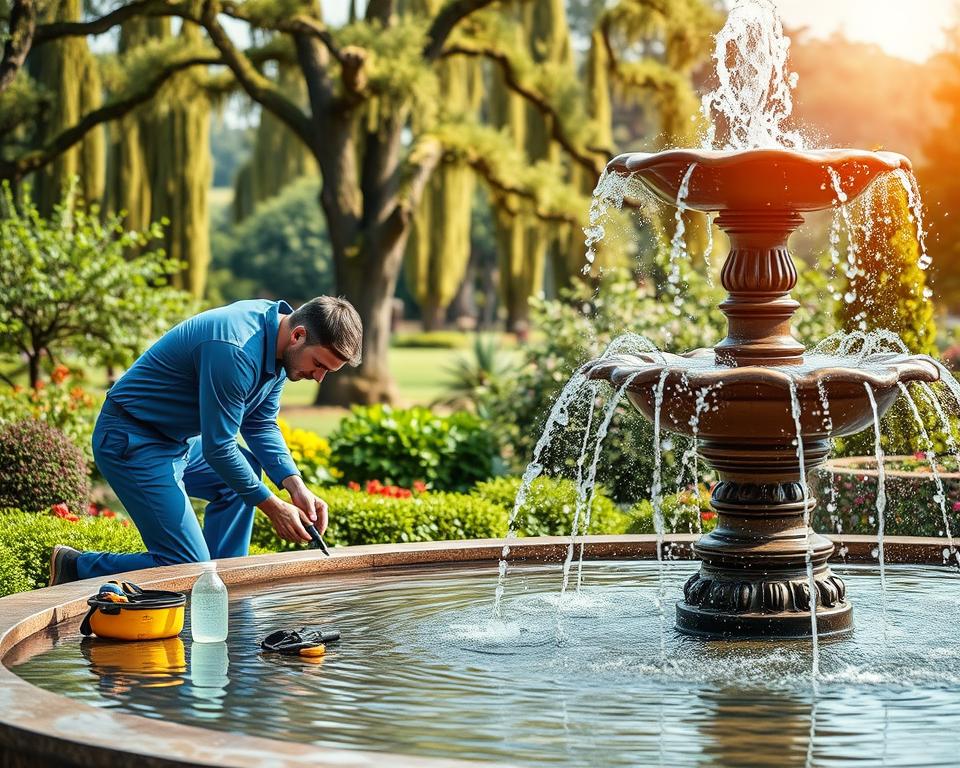
To maintain your fountain’s appearance, regular cleaning is essential. You should remove debris from the water surface and clean the fountain’s surfaces with a soft brush to prevent algae buildup. Additionally, check the pump regularly to ensure it’s working efficiently and clean it as needed.
- Skim the water surface to remove floating debris.
- Brush the fountain surfaces gently to prevent algae.
- Check and clean the pump regularly.
Winterising Your Fountain
As winter approaches, it’s crucial to protect your fountain from freezing temperatures. Drain the water completely from the basin, pipes, and pump to prevent damage. Remove and clean the pump, then store it indoors. Consider covering the fountain or bringing portable features inside.
| Winterisation Task | Purpose |
|---|---|
| Drain water from fountain and pump | Prevent freeze damage |
| Remove and clean the pump | Ensure pump longevity |
| Cover or store fountain components | Protect from harsh weather |
Troubleshooting Common Fountain Problems
Troubleshooting your stone fountain doesn’t have to be complicated; with the right guidance, you can fix common issues easily. When issues arise, it’s essential to identify the source of the problem to apply the correct fix.
Addressing Leaks and Water Loss
Leaks can significantly reduce your fountain’s water level, causing it to malfunction. Check the fountain’s basin and reservoir for any signs of leakage. Ensure that all connections are secure and that the fountain’s sealant is intact. If you find a leak, you may need to reseal the affected area or replace damaged components.
| Cause of Leak | Solution |
|---|---|
| Damaged Basin | Replace or reseal the basin |
| Loose Connections | Tighten or replace fittings |
Fixing Pump Problems
Pump issues are among the most common fountain problems but can often be easily resolved. If your pump stops working, first check the power source and connections to ensure electricity is reaching the pump. Clean the pump intake filter, which can become clogged with debris and restrict water flow. Inspect tubing for kinks or blockages.
- Clean the pump intake if water flow decreases.
- Check for kinks or blockages in the tubing.
- Ensure the pump is fully submerged in water.

Enhancing Your Stone Fountain
A beautifully designed stone fountain can be further enhanced with the right landscaping and lighting. To create a truly unique water feature, consider incorporating elements that complement its natural beauty.
Lighting Options for Nighttime Appeal
Strategically placed lighting can highlight the beauty of your fountain at night. Use solar-powered lights or low-voltage LED lights to create a warm ambiance around your garden feature.
Incorporating Plants and Landscaping
Surround your fountain with moisture-loving plants to create a lush, natural look. Use rocks, pebbles, or mulch to blend the fountain base with the surrounding landscape. Consider ornamental grasses and flowering accent plants to add visual interest.
| Plant Type | Benefits |
|---|---|
| Moisture-loving plants | Thrive in humid environments around the fountain |
| Ornamental grasses | Add movement and texture to the landscape |
| Flowering accent plants | Provide colour and vibrancy |

Cost Considerations and Budgeting
To build a stunning stone fountain without breaking the bank, you need to make informed decisions. This involves understanding the various factors that affect the overall cost of your project.
Factors Affecting Overall Cost
The cost of your stone fountain is influenced by several key factors, including the type and quality of materials used, the size and complexity of the design, and whether you choose to install the fountain yourself or hire a professional.
| Cost Factor | Description | Cost Impact |
|---|---|---|
| Materials | Type and quality of stone and other components | High |
| Size and Complexity | Larger and more intricate designs cost more | High |
| Labor Costs | DIY installation saves money, but requires skill | Variable |
Budget-Friendly Fountain Ideas
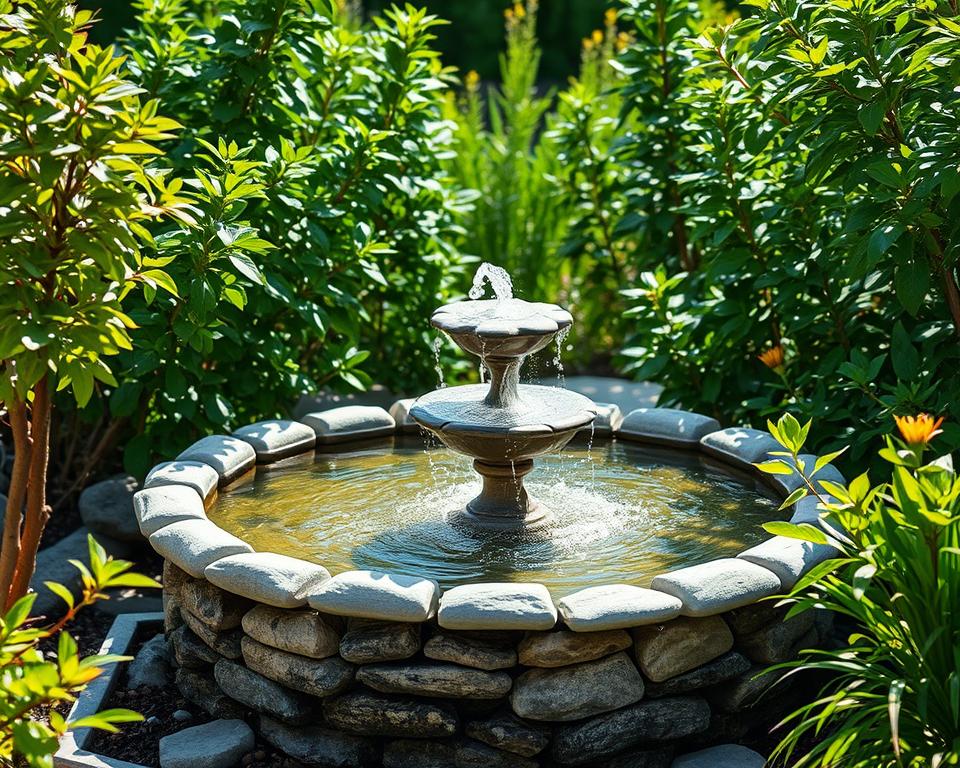
You can create an attractive stone fountain on a limited budget by making a few savvy choices. Consider using repurposed items like old pottery or birdbaths as your fountain base, opting for a simple design, and selecting low-cost materials such as concrete or plastic for the fountain structure.
Other budget-friendly ideas include sourcing stones locally, using pre-drilled fountain stones, and installing a smaller, energy-efficient pump to reduce both initial and operating costs.
Conclusion
Creating a natural stone fountain is a rewarding DIY project that enhances your outdoor space. By following this guide, you can build a professional-looking water feature that reflects your personal style. Proper planning is essential, from selecting the right location to choosing appropriate materials. Regular maintenance will ensure your fountain continues to function beautifully. Your completed stone structure will not only increase your enjoyment of your garden but may also add value to your property. Enjoy the tranquil atmosphere your new water feature brings.
## FAQ
### Q: What is the ideal location for a stone fountain in my garden?
A: The ideal location for a stone fountain is a spot that is level, stable, and has good drainage. You should also consider the proximity to a power source and the overall aesthetic appeal of the location.
### Q: How deep should the reservoir hole be for my stone fountain?
A: The depth of the reservoir hole will depend on the size and design of your stone fountain. As a general rule, the reservoir should be at least 30-40 cm deep to allow for adequate water storage.
### Q: What type of pump is best suited for a stone fountain?
A: A submersible pump is usually the best choice for a stone fountain, as it is designed to operate underwater and can be easily concealed within the reservoir.
### Q: How do I prevent leaks in my stone fountain?
A: To prevent leaks, ensure that the reservoir is properly sealed and that the plumbing connections are secure. Regularly inspect the fountain for signs of leaks or water loss.
### Q: Can I use any type of stone for my fountain, or are there specific recommendations?
A: While various types of stone can be used for a fountain, some are more suitable than others. Limestone, sandstone, and granite are popular choices due to their durability and aesthetic appeal.
### Q: How often should I clean my stone fountain?
A: Regular cleaning is essential to maintain the appearance and functionality of your stone fountain. Clean the fountain at least once a month, and more frequently during periods of heavy use or extreme weather conditions.
### Q: How do I winterise my stone fountain to prevent damage from freezing temperatures?
A: To winterise your stone fountain, drain the reservoir, and clean the pump and plumbing. Store the pump in a dry location, and cover the fountain to protect it from debris and extreme weather conditions.
### Q: Can I install a stone fountain on a slope or uneven ground?
A: While it’s possible to install a stone fountain on a slope or uneven ground, it’s crucial to ensure that the foundation is level and stable. You may need to create a level base or adjust the design to accommodate the slope.
### Q: What are some budget-friendly options for creating a stone fountain?
A: Consider using reclaimed or locally sourced stone, and opt for a simpler design to reduce costs. You can also repurpose an existing pond or water feature to create a stone fountain.