Build Your Own Natural Stone Fountain – How to Do It Right
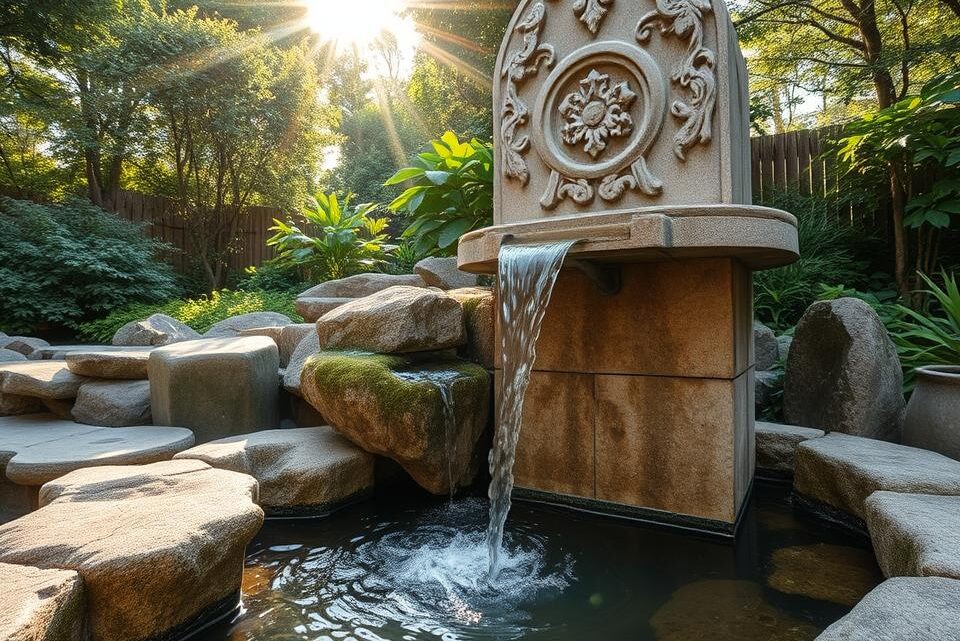
Creating a natural stone fountain can be a rewarding project, transforming your outdoor space into a serene retreat. The gentle sound of flowing water combined with the timeless beauty of stones creates a tranquil atmosphere, perfect for relaxation.
By building a fountain, you can customise it to match your garden‘s aesthetic and personal style preferences. This comprehensive guide will walk you through every step, from initial planning to final adjustments, ensuring your water feature becomes a stunning focal point.
Inhaltsverzeichnis
Key Takeaways
- Transform your outdoor space into a peaceful retreat with a natural stone fountain.
- Customise your fountain to match your garden’s aesthetic and personal style.
- Understand the importance of selecting the right stones and equipment for your project.
- Learn proper installation techniques to ensure a beautiful and functional water feature.
- Discover ongoing maintenance tips to keep your fountain looking its best over time.
The Beauty and Benefits of Natural Stone Fountains
Crafting a fountain from natural stone can transform your outdoor space into a peaceful retreat. A well-designed natural stone fountain not only enhances the visual appeal of your garden but also creates a soothing atmosphere with the sound of running water.
Creating a Tranquil Outdoor Space
A natural stone fountain can be a focal point in your garden, creating a sense of calm. The gentle sound of water flowing over the stones can help mask background noise, creating a tranquil atmosphere where you can relax and unwind. By incorporating a natural stone fountain, you can enhance the overall look of your outdoor space.
Why Natural Stone Outperforms Artificial Materials
Natural stone outperforms artificial materials in several ways. Unlike manufactured materials, natural stone possesses inherent variations in colour, texture, and pattern. Over time, stone develops a beautiful patina and weathering that enhances its character. A natural stone fountain is not only aesthetically pleasing but also durable and long-lasting.
- Natural stone’s thermal mass helps regulate temperature, keeping water cooler in summer.
- The environmental footprint of using natural stone is significantly lower than that of manufactured materials.
- The weight and stability of natural stone create a more substantial, permanent-feeling water feature.
Planning Your Stone Fountain Project
The key to a successful natural stone fountain project lies in meticulous planning and consideration of several factors. A well-planned fountain not only enhances the aesthetic appeal of your garden but also ensures a smooth and enjoyable experience.
Choosing the Perfect Location
When selecting a location for your fountain, consider a spot that is both visible and accessible. The area should complement the natural flow of your garden. Factors to consider include sunlight, ground level, accessibility, and power access. For instance, partial shade can prevent algae overgrowth, while a flat surface ensures even water flow.
Design Considerations for Different Garden Styles
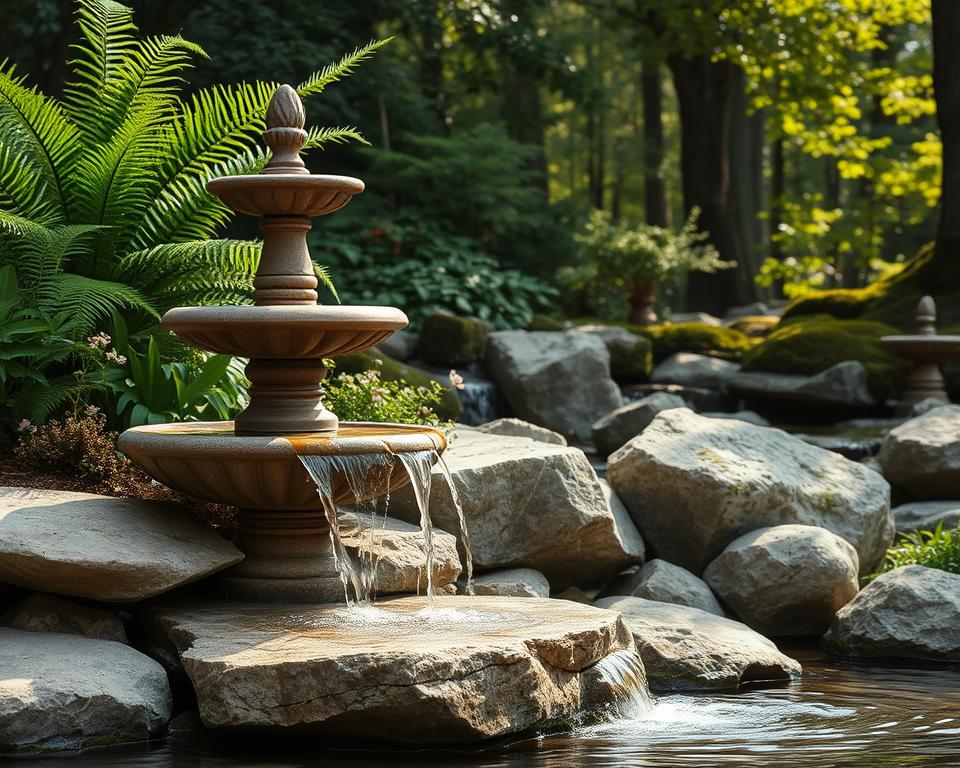
The design of your fountain should harmonize with your garden’s style. Whether your garden is formal, informal, or a mix, the fountain should complement its surroundings. Consider the overall aesthetic you wish to achieve and choose a design that fits seamlessly into your garden landscape.
Determining the Right Size and Scale
The size of your fountain should be proportional to your garden space. A general rule of thumb is that the fountain should occupy no more than 10-15% of a small garden area. Consider viewing distances and the height of your fountain, as these affect both its visual impact and practical considerations. The size of individual stones should also vary to create a natural-looking arrangement. Remember, the water basin needs to be at least 15-20% larger than the visible fountain structure to accommodate water displacement and movement, making it a beautiful water feature.
Essential Tools and Materials You’ll Need
The key to a successful stone fountain project lies in selecting the right tools and materials for the job. To help you get started, we’ve outlined the essential items you’ll need to bring your project to life.
Tools Checklist
You’ll need a range of tools, including a shovel, trowel, level, and drill. Make sure you have these on hand before beginning your project.
Materials Shopping List
To construct your natural stone fountain, you’ll require a variety of materials, including natural stone, a water basin, and a pump to circulate the water. Ensure you select materials that are durable and suitable for outdoor use.
Selecting the Right Pump for Your Fountain
The pump is a critical component of your fountain, determining the flow rate and overall performance. When choosing a pump, consider the size of your fountain and the desired flow rate. Pumps are rated in gallons per hour (gph), so select one that can circulate the total volume of your fountain’s water every hour.
How to Build Your Own Natural Stone Fountain – How to Do It Right
Before you start building your natural stone fountain, it’s essential to grasp the basic elements that make it work. A natural stone fountain is not just a decorative piece; it’s a system that requires careful planning and execution.
Understanding the Basic Fountain Anatomy
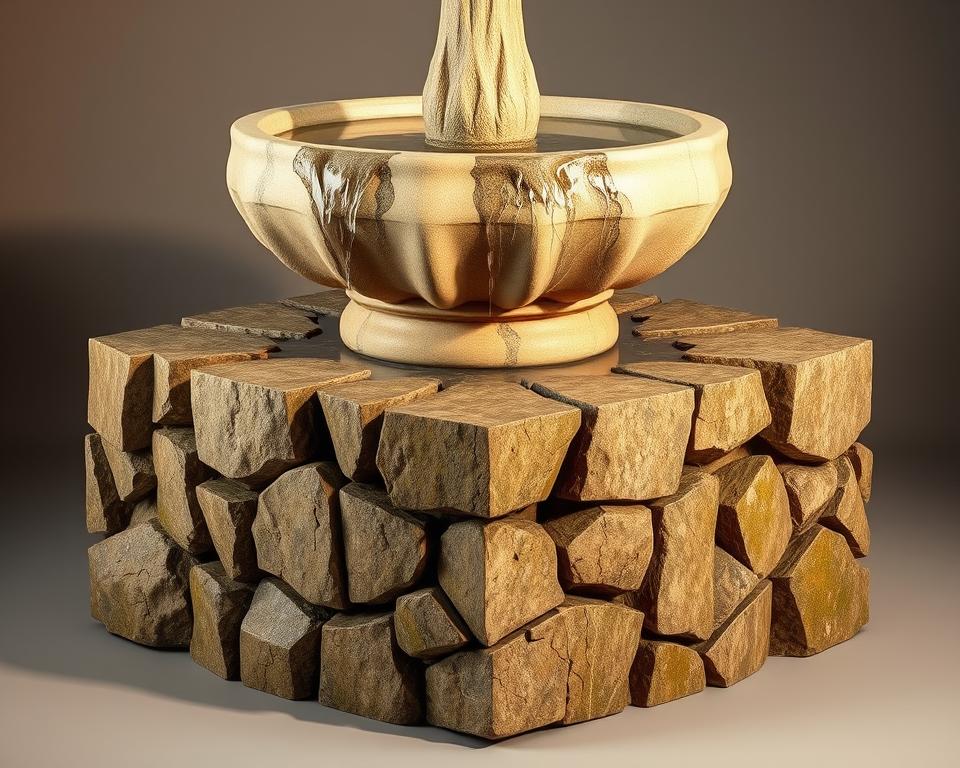
The basic anatomy of a fountain includes three primary components: water, a pump to propel it, and a sculpture over which the water flows. The sculpture can be made from various materials that can withstand constant water exposure, such as natural stone, pavers, or metals. The underlying system consists of a waterproof tub or basin that serves as a reservoir, a rigid mesh screen to filter debris, and a support system to hold the fountain’s structure.
Preparing a Detailed Plan
Preparing a detailed plan is crucial for the success of your fountain project. This involves selecting the perfect location, designing the fountain to fit your garden style, and determining the appropriate size and scale. You should also consider the type of pump needed and ensure that your design includes a proper drainage system. Make sure to measure your space accurately and choose materials that complement your garden’s aesthetic.
Safety Considerations Before Starting
Before starting your project, several safety considerations must be taken into account. Electrical safety is paramount; use ground fault circuit interrupter (GFCI) outlets for the fountain pump and keep connections above water level. When handling heavy stones, use proper lifting techniques and consider having a helper. Wear protective gear such as gloves, eye protection, and dust masks when necessary. Ensure children and pets are kept away from the construction area, and be aware of underground utilities before digging.
| Safety Measure | Description |
|---|---|
| Electrical Safety | Use GFCI outlets and keep connections above water level |
| Handling Heavy Stones | Use proper lifting techniques and consider having a helper |
| Protective Gear | Wear gloves, eye protection, and dust masks when necessary |
Selecting the Perfect Stones for Your Fountain
To create a visually appealing and durable fountain, selecting the perfect stones is essential. The right stones not only enhance the aesthetic appeal of your fountain but also ensure its structural integrity.
Types of Stones That Work Best
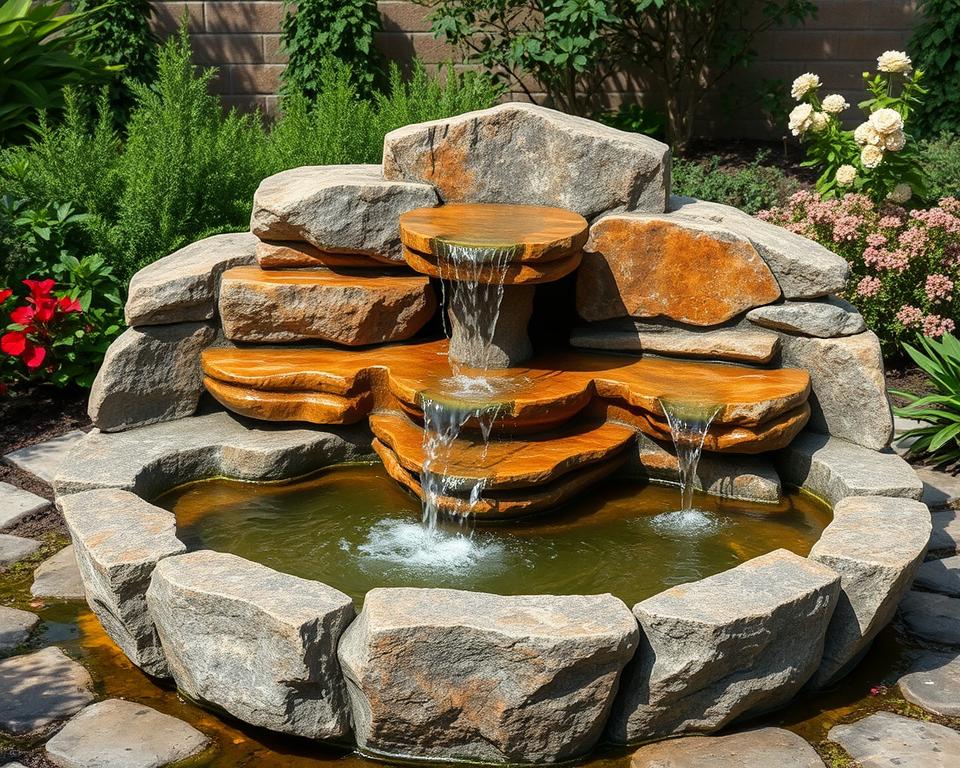
Certain types of stones are better suited for fountains due to their durability and resistance to weathering. Granite, limestone, and sandstone are popular choices because they can withstand the elements and maintain their appearance over time.
Size, Shape, and Colour Considerations
When selecting stones, consider the size, shape, and colour to ensure they complement your fountain’s design. Larger stones can serve as the focal point, while smaller stones can be used for the base or surrounding areas. The colour should harmonize with the surrounding landscape.
Ethical Stone Sourcing Tips
Before gathering stones, check local regulations regarding the removal of natural materials from public areas. Consider purchasing from suppliers who source materials ethically or using reclaimed stones from demolitions or renovations. Always obtain permission when collecting from private property.
- Check local regulations before collecting stones from natural areas.
- Consider purchasing stones from ethical suppliers.
- Reclaimed stones offer a sustainable alternative.
- Obtain explicit permission when collecting from private property.
Preparing the Foundation and Basin
Before you start constructing your natural stone fountain, it’s vital to prepare the ground properly for the foundation and basin. This step is crucial for ensuring the stability and longevity of your fountain.
Digging and Levelling the Site
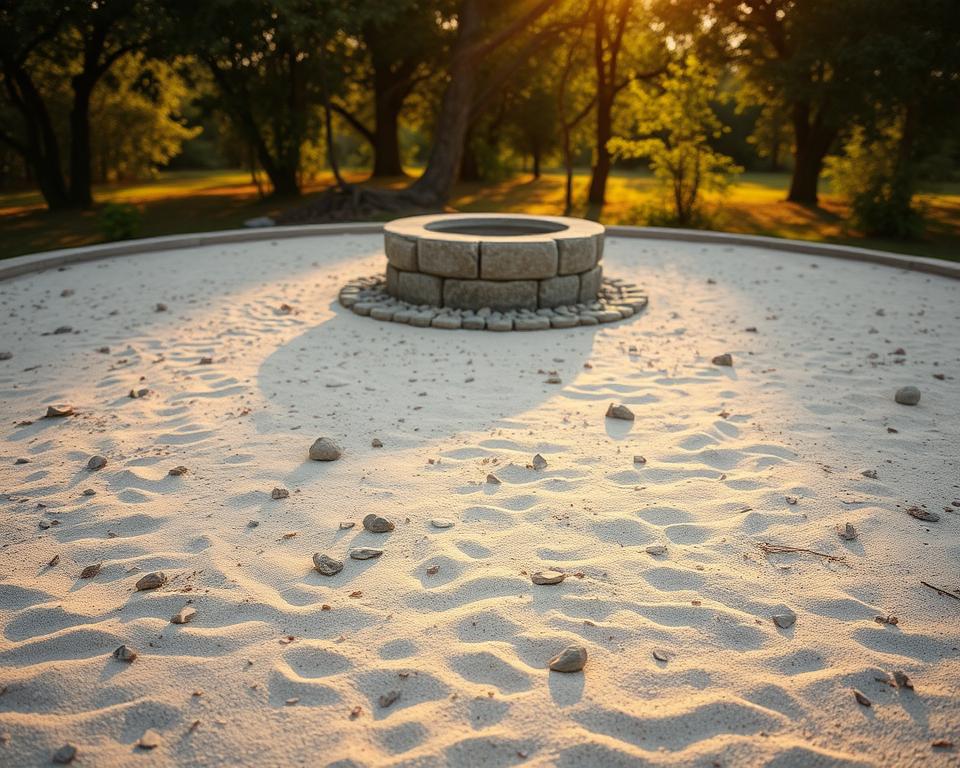
To begin, use a pointed shovel to dig a pit that is 2 inches deeper than the basin and wide enough to fit it comfortably. Place the excavated soil in a wheelbarrow or on a tarp to protect the nearby turf from damage. Ensuring the site is level is critical to prevent the fountain from tilting or the water from spilling over unevenly.
Installing the Water Basin and Reservoir
Once the pit is ready, lay a 2-inch-thick bed of drainage gravel at the bottom. This layer facilitates drainage and prevents water accumulation during heavy rainfall. Carefully place the basin atop the gravel, adjusting as necessary to ensure it doesn’t rock.
Creating Proper Drainage
Effective drainage is essential to prevent waterlogging around your fountain. Consider installing a layer of coarse gravel beneath and around the basin. If your soil has poor natural drainage, you may need to add a small drainage pipe that leads away from the fountain. Ensure the surrounding ground slopes gently away from the fountain to direct surface water away from the structure. In areas with high water tables, creating a deeper drainage layer or installing a small sump pump can prevent basin flotation. Maintaining a slight height difference between the basin rim and surrounding soil level helps prevent soil and debris from washing into the water system.
| Drainage Considerations | Actions Required |
|---|---|
| Poor Soil Drainage | Install a drainage pipe leading away from the fountain |
| High Water Table | Create a deeper drainage layer or install a sump pump |
| Surface Water Direction | Ensure the ground slopes away from the fountain |
By following these steps and considering the specific drainage needs of your site, you can create a stable and functional natural stone fountain that enhances your outdoor space.
Installing the Pump and Plumbing System
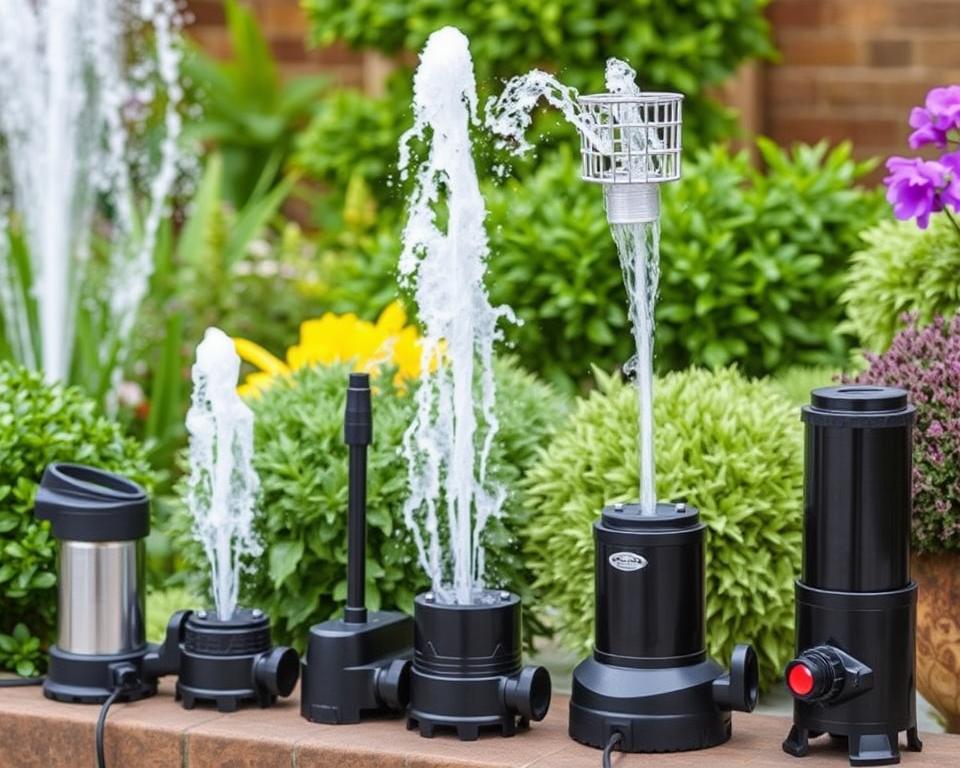
The pump and plumbing system are the heart of your natural stone fountain, requiring careful installation. A correctly installed system ensures a smooth flow of water, creating a soothing and peaceful ambiance in your garden.
Positioning the Pump Correctly
To position the pump correctly, measure the distance from the outlet to the edge of the pit. Cut a section of PVC conduit to this length. This ensures that the pump’s electrical connection is safely managed.
Running Tubing and Electrical Connections
Thread a string through the conduit and tape one end of it to the pump’s plug. Pull the plug through the conduit, then tape it securely to the end to prevent it from being pulled back in. Lay the conduit in the trench and backfill over it, securing the tubing and electrical connections.
Testing the System Before Final Assembly
Before completing the stone arrangement, conduct a preliminary test of the pump and plumbing system. Check for leaks, ensure water pressure is sufficient, and verify that water returns properly to the basin. Listen for unusual pump noises and confirm that electrical connections remain dry.
Drilling and Stacking Your Stones
When building a natural stone fountain, the process of drilling and stacking stones is crucial for both functionality and aesthetics. To achieve a visually appealing arrangement, you should first stack the stones in the desired order and number the underside of each stone in pencil to keep track of the order as you unstack them.
How to Safely Drill Through Stone
To drill through the stones, lay each stone on soft ground or gravel to prevent it from moving. Using a hammer drill fitted with a 5⁄8-inch masonry bit, carefully drill through the flat side of the stone. Keep a bucket of water near the drill and intermittently pour some on the stone to keep it wet—and the drill bits cool—as you work. Repeat this process for all the stones, ensuring each is drilled safely and accurately.
Creating a Stable Stone Structure
Creating a stable stone structure is vital for the longevity and safety of your fountain. Ensure that the base is level and stable before stacking the stones. As you stack the stones, vary their orientation to create visual interest and ensure the structure remains stable. This will also help in achieving a natural look that complements the surrounding environment.
Techniques for Natural-Looking Arrangements
To achieve a natural-looking arrangement, study natural rock formations for inspiration. Notice how stones in nature rarely stack in perfectly vertical or horizontal arrangements. You can create a more natural look by varying the orientation of stones, incorporating different textures and colours, and allowing some stones to protrude at angles that direct water in interesting ways, creating varied sounds and visual effects as water moves from top to bottom, thus controlling the flow.
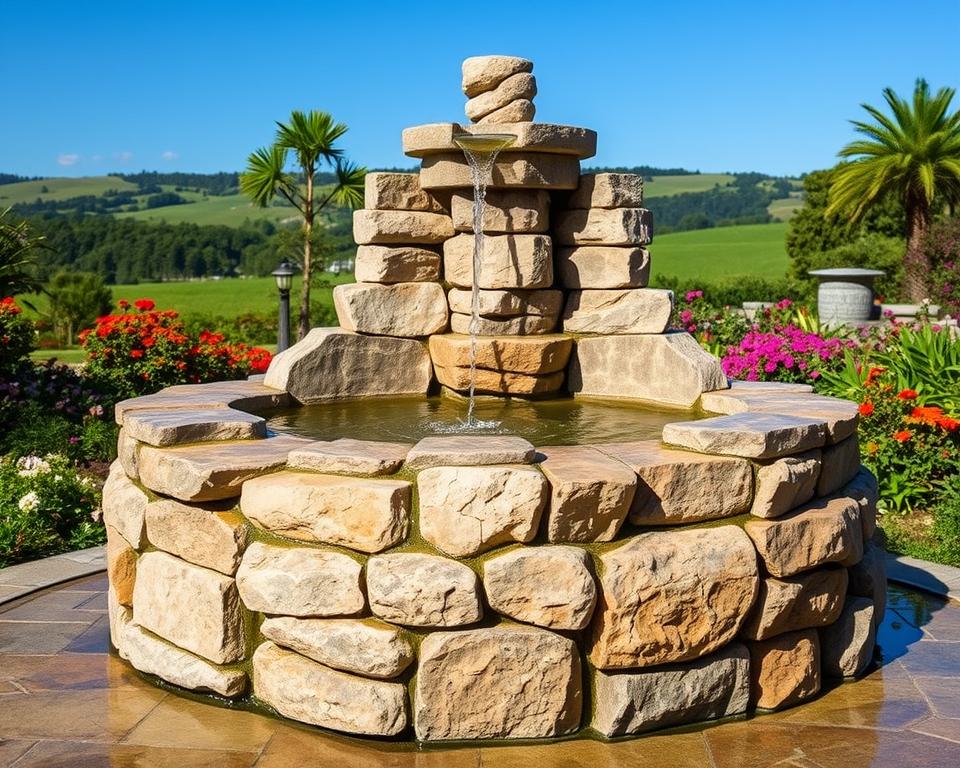
- Vary the orientation of stones to create visual interest from multiple viewing angles.
- Position stones to create varied water paths that divide and rejoin.
- Incorporate stones of different textures and colours throughout the arrangement.
Fine-Tuning Water Flow and Aesthetics
To bring your natural stone fountain to life, you’ll need to adjust the water pressure and add decorative elements that complement your garden’s style. This process involves making a few key adjustments to create a visually appealing and soothing water feature.
Adjusting Water Pressure for Optimal Effect
Direct the water flow by spinning stacked stones to achieve the desired effect. To keep the structure stable, wedge smaller stones into the gaps. For a more permanent arrangement, turn off the water and apply clear silicone adhesive between the stones. Allow the adhesive to dry before restarting the fountain.
Creating Different Water Sounds and Patterns
The sound of your fountain can greatly enhance its ambiance. Experiment with different stone arrangements and water pressures to create a range of sounds, from gentle trickles to more pronounced flows. This will help you achieve the perfect auditory effect for your garden.
Adding Decorative Elements Around Your Fountain
Enhance your fountain’s appearance by incorporating decorative elements. Consider integrating smaller decorative stones or pebbles around the base to create a transition zone between the water feature and the surrounding landscape. You can also add moisture-loving plants like ferns, hostas, or astilbes nearby to benefit from the increased humidity.
| Decorative Element | Description | Effect |
|---|---|---|
| Smaller decorative stones or pebbles | Placed around the base of the fountain | Creates a transition zone between the fountain and the landscape |
| Moisture-loving plants | Planted near the fountain | Benefits from increased humidity, creating a lush microclimate |
| Strategic lighting | Submersible LED lights or uplighting on stones | Enhances the fountain’s appearance at night, creating dramatic effects |
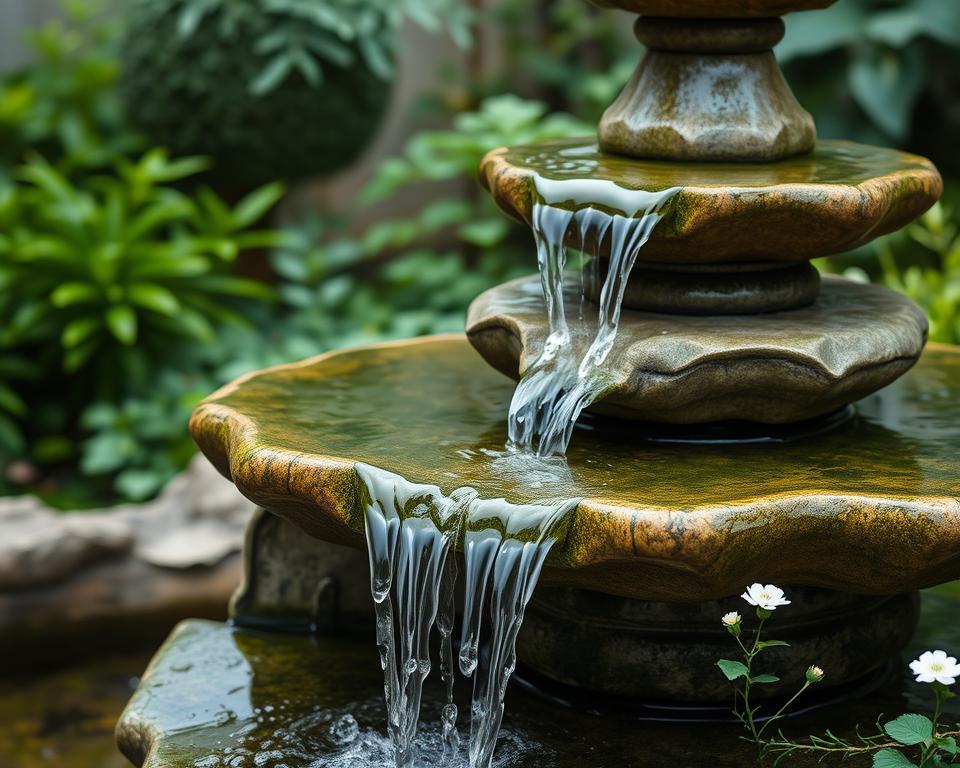
By fine-tuning your fountain’s water flow and adding decorative elements, you can create a beautiful and tranquil focal point in your garden. Consider adding seating nearby to fully appreciate your creation.
Maintenance Tips for Long-Lasting Beauty
The longevity and visual appeal of your natural stone fountain depend on consistent upkeep. To keep your fountain looking and functioning at its best, follow these maintenance tips.
Regular Cleaning and Algae Prevention
Regularly cleaning the basin and pump is vital to prevent algae growth, ensuring clean, clear, and healthy water levels. Check the water level frequently, especially during hot weather, and refill as needed to maintain optimal flow.
Seasonal Care and Winter Protection
In winter, either drain the fountain or use a fountain heater to prevent freezing. This precaution safeguards the pump and stone from freeze-related damage. Make sure to take these steps to protect your investment.
Troubleshooting Common Fountain Problems
If you notice a decrease in water flow, check the pump intake for clogs or debris. For cloudy or discoloured water, perform a complete water change and clean all components before refilling. Unusual noises from the pump may indicate air in the system or debris in the impeller. Address leaks immediately by identifying their source, whether at tubing connections or from cracks in the basin.
- Check the pump intake for blockages if the water flow decreases.
- Perform a complete water change if the water appears cloudy or discoloured.
- Inspect the pump for air or debris if it makes unusual noises.
- Identify and address leaks promptly to prevent further issues.
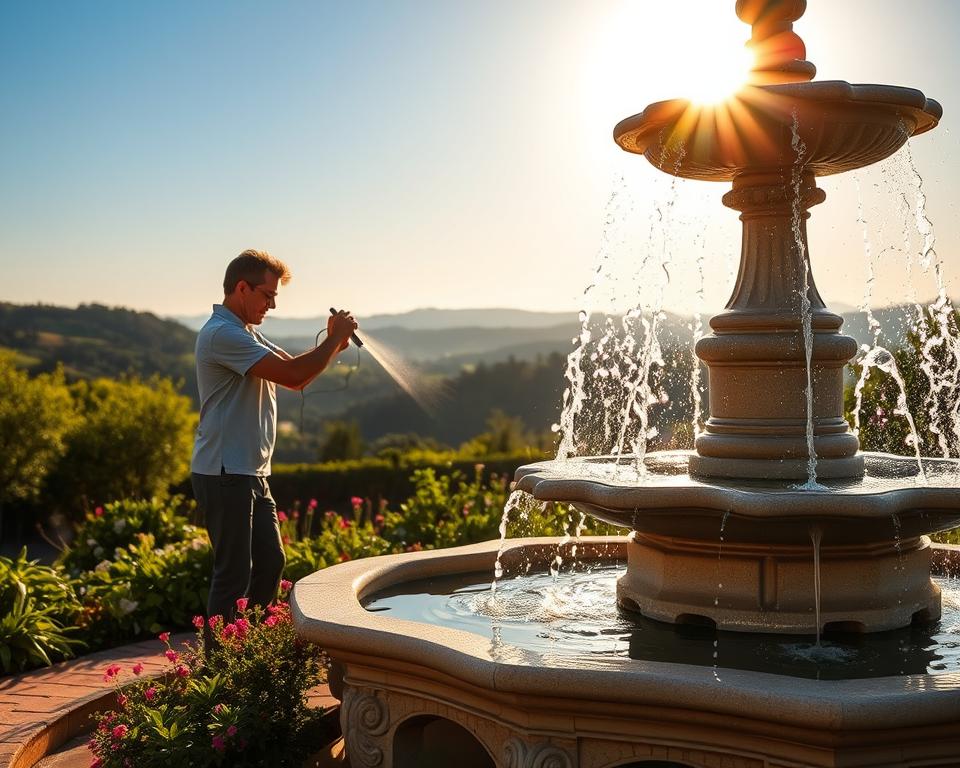
By following these maintenance tips and troubleshooting common issues, you can enjoy a beautiful and functional natural stone fountain for years to come. Always make sure the water level covers the pump intake to prevent damage.
Conclusion
Creating a natural stone fountain is a fulfilling DIY project that brings tranquility to your outdoor garden. As you complete your water feature, you’ll appreciate the blend of artistry and craftsmanship. Your new fountain becomes a unique feature that reflects your personal aesthetic and connection to natural stones.
The investment of time and effort results in a serene water feature that enhances your home. Beyond its visual appeal, the flowing water creates a sanctuary for relaxation, making it an enduring feature of your landscape.
FAQ
What is the ideal location for a stone fountain in my garden?
The ideal location for a stone fountain is a spot that is level, stable, and has good visibility. Ensure it’s not under trees that shed a lot of leaves or near plants that may obstruct the water flow or be damaged by the fountain’s maintenance needs.
How do I choose the right pump for my fountain?
To choose the right pump, consider the size of your fountain, the desired water flow rate, and the height the water needs to be pumped. A pump that is too small may not produce the desired effect, while one that is too large may be wasteful and noisy.
What type of stone is best suited for a fountain?
The best type of stone for a fountain depends on your personal preference, budget, and the style of your garden. Popular choices include granite, basalt, and sandstone, each offering unique textures and colours.
How do I maintain my stone fountain to prevent algae growth?
Regular cleaning and checking the water level are crucial. Use a fountain cleaner or a mild algaecide to prevent algae growth. Also, ensure that the pump is working correctly to keep the water circulating.
Can I leave my fountain running during the winter?
It’s generally not recommended to leave your fountain running during freezing temperatures, as this can cause damage to the pump and pipes. Instead, drain the fountain and cover it to protect it from winter weather.
How often should I check the water level in my fountain?
You should check the water level regularly, ideally every week, especially during hot or dry weather. Top up the water as necessary to maintain the optimal level for the pump’s operation.
What are the benefits of using a submersible pump in my fountain?
Submersible pumps are efficient, quiet, and easy to install. They are designed to operate underwater, reducing the risk of electrical shock and making them a safe choice for fountain applications.
How can I achieve different water sounds and patterns in my fountain?
Adjusting the water flow rate by modifying the pump’s output or using different nozzle settings can create various sounds and patterns. Experimenting with different stone arrangements can also affect the water’s appearance and sound.