Sagging Wooden Shed Roof? – How to Repair It and Prevent Future Damage Effectively
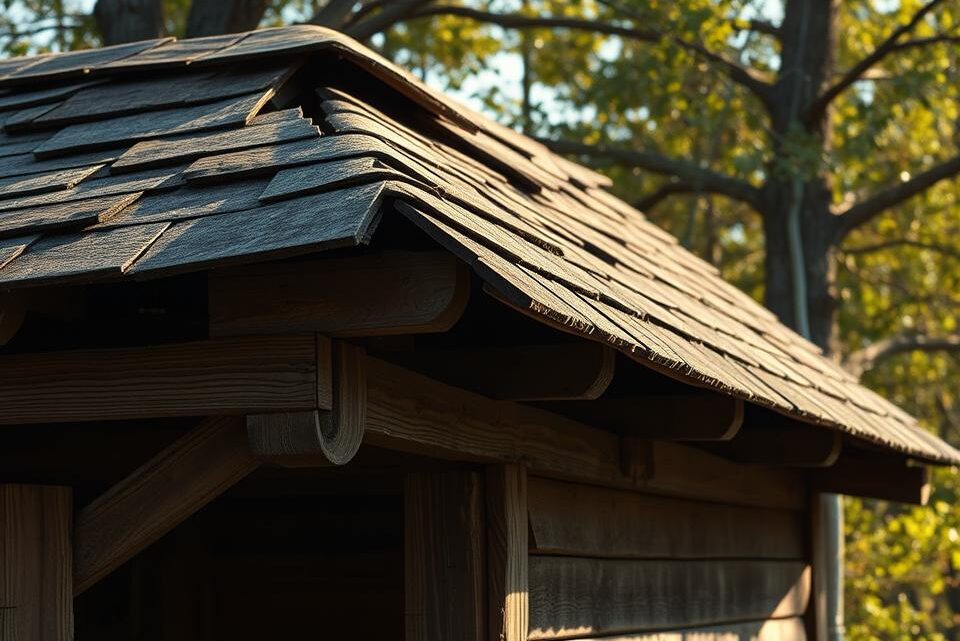
If you’re noticing a dip in your shed roof, it’s likely causing concern about the structural integrity of your garden shed. A sagging roof isn’t necessarily a sign of a flawed structure, but rather often a result of strain on the roof frame due to movement in the timber or insufficient internal support.
Signs of sagging include dips on the ridge line, gaps between panels, or “shifted” sections, which can lead to further damage if left unaddressed. Fortunately, in most cases, these issues can be corrected by identifying and addressing the root cause.
Understanding how to identify, repair, and prevent sagging in your roof is crucial for maintaining the longevity of your shed and protecting its contents from the elements.
Inhaltsverzeichnis
Key Takeaways
- Identify the signs of a sagging shed roof and understand their causes.
- Learn how to assess and repair the damage to prevent further issues.
- Discover strategies for long-term maintenance of your garden shed.
- Determine when DIY solutions are sufficient and when professional help is needed.
- Extend the lifespan of your garden shed and safeguard its contents.
Understanding the Signs of a Sagging Shed Roof
Identifying a sagging shed roof early can save you from costly repairs down the line. A sagging roof is often a sign of underlying structural issues that need immediate attention.
Visual Indicators to Look For
Visually inspecting your shed roof can reveal early signs of sagging. Look for any visible dips or sags in the roof line. Check if the roof boards are uneven or if there are signs of water damage such as staining or moss growth.
Structural Warning Signs Inside Your Shed
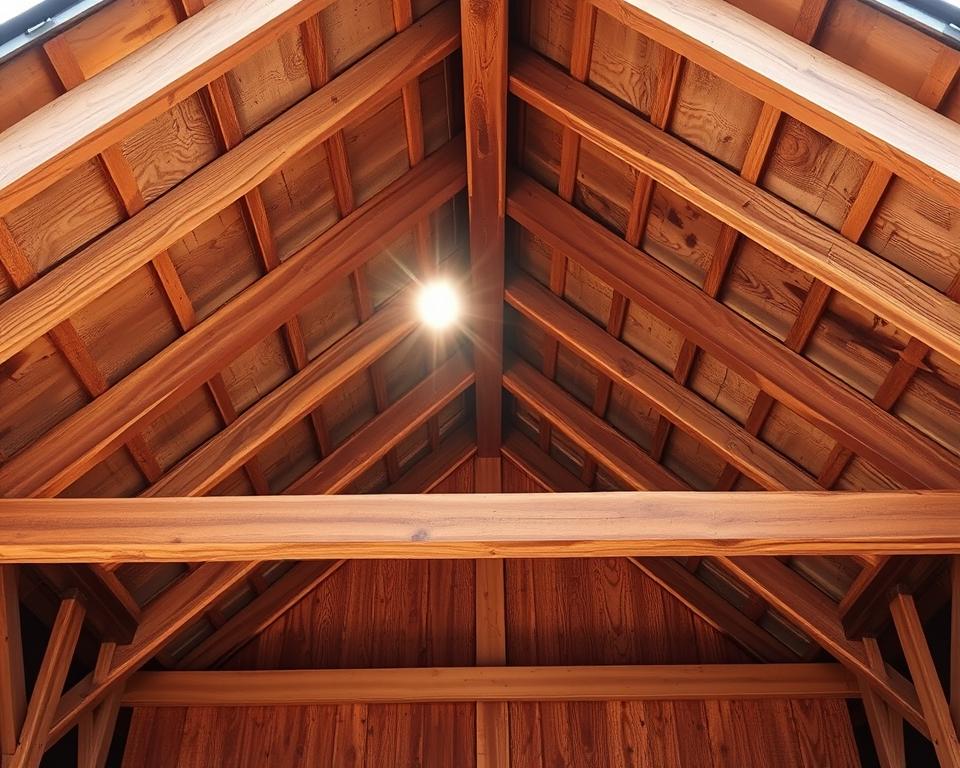
Inside your shed, examine the ceiling for any visible bowing, cracking, or separation in the supporting timber structure. Check the horizontal purlins to ensure they’re properly attached to the frame. Look for signs of moisture damage and measure the spacing between purlins to identify potential structural weakness.
Common Causes of a Sagging Wooden Shed Roof
Understanding the root causes of a sagging shed roof is crucial for effective repair. A sagging wooden shed roof can result from various factors that compromise its structural integrity.
Incorrect Installation and Support Issues
Incorrect installation and inadequate support are significant contributors to a sagging roof. If the roof’s framework is not properly aligned or if the support beams are insufficient, it can lead to uneven weight distribution, causing the roof to sag.
Weather Damage and Excessive Weight
Weather conditions, such as heavy rainfall or snow, can add excessive weight to the roof, causing it to sag. Additionally, prolonged exposure to harsh weather can damage the timber, further weakening the roof’s structure.
Timber Movement and Deterioration
Timber movement due to changes in moisture and temperature can cause the joints to misalign and the fixings to loosen, leading to a sagging roof. Over time, the condition of the timber deteriorates, compromising the roof’s load-bearing capacity.
Essential Tools and Materials for Shed Roof Repair
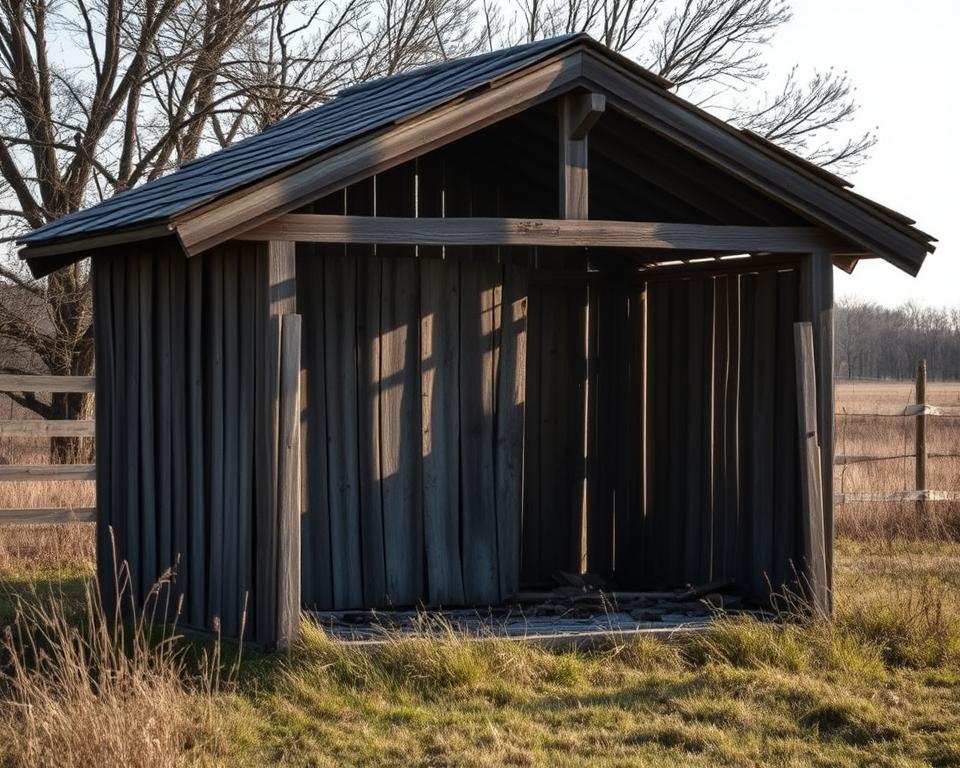
When repairing a sagging wooden shed roof, it’s crucial to have the right tools and materials at your disposal.

Required Tools for the Job
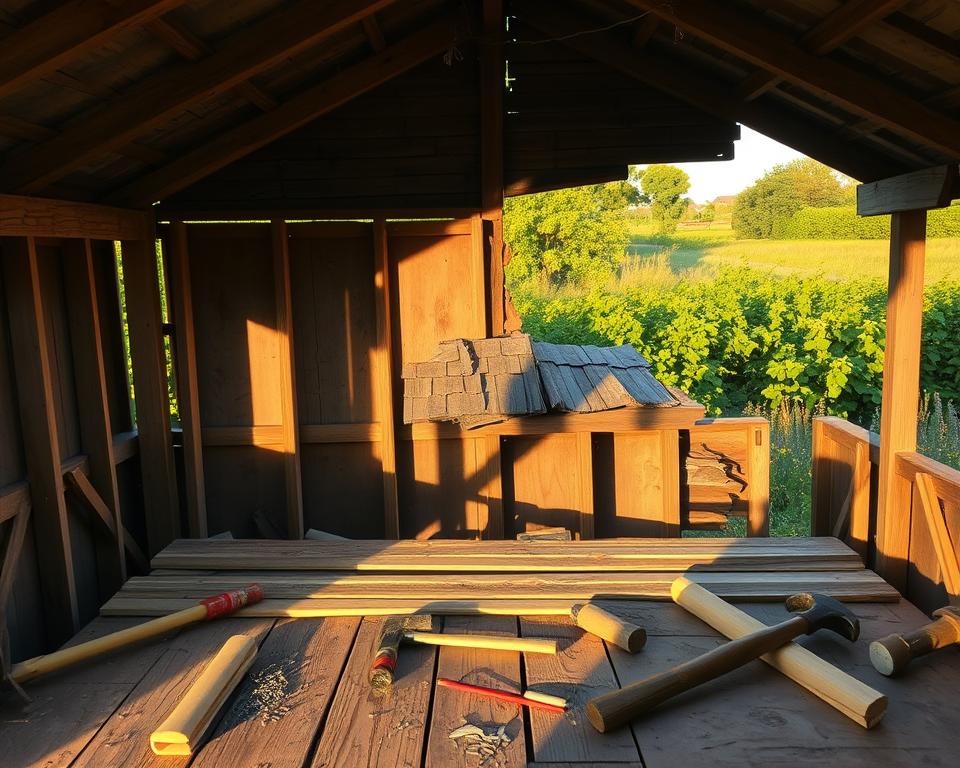
You will need a variety of tools to complete the repair. These include a hammer, tape measure, square, safety harness, and a circular saw or hand saw for cutting timber. Ensure your tools are in good condition to facilitate a precise repair.
Materials You’ll Need
For durability, choose quality materials. Key materials include:
- Pressure-treated timber (C16 or C24 graded softwood) for structural replacements.
- High-quality roofing felt (minimum 35kg per roll) for better durability.
- Galvanised or stainless steel nails and screws for long-lasting fixings.
- Waterproof roofing adhesive for secure seals.
- Metal joist hangers and timber connectors for added strength.
Using these materials will ensure your shed roof repair is effective and long-lasting.
Safety Precautions Before Starting Your Repair
Safety should be your top priority when preparing to fix a sagging wooden shed roof. Ensuring you’re properly equipped and aware of the risks will make your repair work safer and more efficient.
Personal Protection Equipment

When working on your shed roof, wearing the right personal protection equipment is crucial. This includes safety glasses to protect your eyes from debris, gloves for grip and protection, and a hard hat to safeguard against falling objects.
Ladder Safety and Working at Height
To work safely at height, follow these ladder safety tips:
- Always position your ladder on firm, level ground and have someone hold it steady while you climb if possible.
- Follow the 4:1 rule—position the base of the ladder one foot away from the shed wall for every four feet of height.
- Never stand on the top three rungs, and maintain three points of contact at all times.
- Consider using a roof ladder hook for added stability on pitched roofs.
- Plan your work to minimise trips up and down the ladder, and never overreach.
Step-by-Step Guide to Repairing a Sagging Wooden Shed Roof
Repairing a sagging wooden shed roof requires a systematic approach to ensure the structure remains safe and secure. This guide will walk you through the essential steps to restore your shed roof to its original condition.
Step 1: Inspecting the Internal Roof Structure
Begin by inspecting the internal roof structure to identify any damaged or rotten timber components. Check for signs of wear and tear, and make a note of the areas that need repair or replacement. Make sure to inspect the rafters, purlins, and other supporting elements.
Step 2: Adjusting Purlin Orientation
Adjust the purlin orientation to ensure they are properly aligned and providing adequate support to the roof. Use timber connectors or angle brackets to strengthen the joins and prevent movement.
Step 3: Adding Support in Weak Areas
Identify weak areas in the section of the roof and add additional support to prevent further sagging. Use diagonal bracing between purlins and rafters to increase lateral stability.
Step 4: Replacing Damaged Timber Components
Replace any damaged or rotten timber components with new ones, ensuring they are properly secured with galvanised nails or screws. Apply wood preservative to newly cut timber ends to protect against moisture.
Step 5: Securing and Reinforcing the Structure
Once all components are in place, reinforce all joints with metal connectors or brackets. Make sure all fixings are secure, and consider adding additional support to ensure the structure remains stable.
- Reinforce all joints with appropriate metal connectors or brackets for added strength.
- Check that all fixings are secure, replacing any rusted or loose nails with galvanised screws.
- Apply wood preservative to any newly cut timber ends.
- Consider adding diagonal bracing between purlins and rafters.
- Make a final check of the entire structure to ensure all components are level and securely fastened.
Addressing Roof Felt Issues and Leaks
Roof felt problems can lead to significant leaks if not addressed promptly. Your shed’s roof felt is a critical layer that prevents water from penetrating the structure.
Identifying Damaged Felt and Leaks
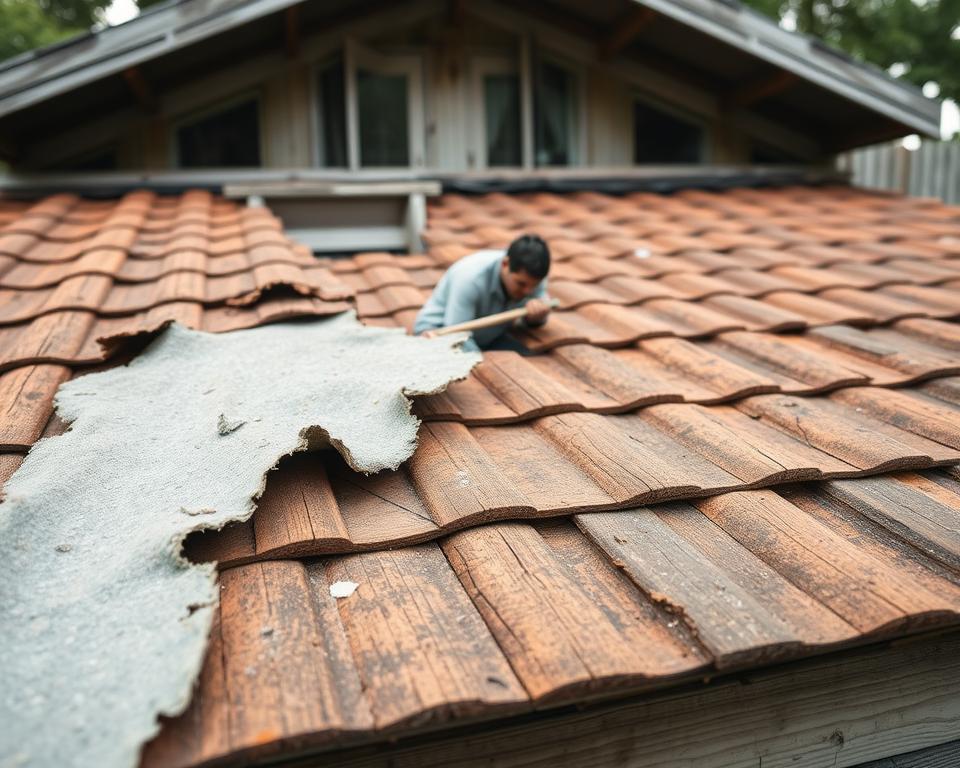
Inspect your shed roof for signs of damaged felt, such as tears, blisters, or areas where the felt has lifted. Check for leaks by looking for water stains or drips inside your shed, especially after rainfall.
Removing and Replacing Roof Felt
To replace damaged roof felt, start by removing the old felt, taking care not to damage the underlying structure. Apply a new layer of felt, ensuring it is properly aligned and securely fixed.
Proper Sealing Techniques
To ensure a watertight seal, apply a continuous bead of roofing adhesive along all overlapping edges. Pay particular attention to corners and edges, which are vulnerable to water penetration.
| Sealing Technique | Benefit |
|---|---|
| Continuous bead of roofing adhesive | Creates a watertight seal |
| Self-adhesive flashing tape | Additional protection around joins and penetrations |
| Folding felt around edges and securing to fascia boards | Prevents water ingress at edges |
By following these steps and using the right materials, you can effectively address roof felt issues and prevent future leaks, ensuring your shed remains dry and secure.
Strengthening Your Shed Roof for Longevity
Strengthening your shed roof is crucial for extending its lifespan and preventing potential damage. A well-maintained roof ensures the overall integrity of your shed.
Optimal Purlin Spacing and Positioning
Optimal purlin spacing is vital for supporting the roof structure. For most sheds, purlins should be spaced no more than 1.2 meters apart to provide adequate support.
| Purlin Spacing | Roof Size | Structural Integrity |
|---|---|---|
| 1.2m | Small to Medium | High |
| 0.8m | Large | Very High |
Additional Support Methods for Larger Sheds
For larger sheds, additional support methods are necessary. Consider installing a central supporting wall or beam to reduce the unsupported span.
- Install collar ties between opposing rafters to prevent them from spreading apart.
- Add diagonal bracing to increase lateral stability.
Preventative Maintenance to Avoid Future Sagging
A well-maintained shed roof is less likely to sag, ensuring your garden shed remains safe and secure. To achieve this, you need to focus on regular maintenance tasks that keep your shed in good condition.
Regular Cleaning and Debris Removal
Regularly cleaning your shed roof and removing debris is essential. This prevents the buildup of materials that can cause moisture retention, leading to timber deterioration. Keep your gutters clear to ensure proper water drainage.
Seasonal Checks and Maintenance Schedule
Implement a seasonal maintenance schedule to inspect your shed roof regularly. Check for signs of wear, damage, or sagging, and address these issues promptly. This proactive approach will help you identify potential problems before they become major issues.
Treating Timber to Prevent Deterioration
Apply a quality wood preservative to all exposed timber annually, paying particular attention to end grain and joints. Consider using a combined preservative and water-repellent treatment for dual protection against rot and moisture absorption.
| Maintenance Task | Frequency | Benefit |
|---|---|---|
| Clean gutters and downspouts | Quarterly | Prevents water accumulation and damage |
| Inspect roof for damage or wear | Seasonally | Identifies potential issues early |
| Apply timber treatment | Annually | Protects against rot and moisture |

When to Call a Professional for Your Sagging Wooden Shed Roof
Determining the severity of your sagging wooden shed roof will help you decide whether to attempt a DIY fix or hire a professional. While minor issues can often be resolved with DIY repairs, more significant problems require expert intervention.
Signs the Damage Is Beyond DIY Repair
If you notice significant structural damage, such as large cracks in the walls or a considerably sagging roof, it’s time to call a professional. Other indicators include persistent leaks despite attempts to repair them or if the shed’s foundation is compromised.
What to Expect from Professional Shed Repair Services
A reputable professional will begin with a thorough assessment of your shed’s condition, providing a detailed explanation of the issues and recommended solutions. You can expect a clear, itemised quote outlining materials, labour costs, and estimated completion time.
- A thorough assessment of your shed’s condition.
- A clear, itemised quote.
- Use of high-quality materials.
- Complete debris removal and disposal.
- A warranty or guarantee on the work.
Conclusion
Timely repairs to your wooden shed roof can prevent costly future damage. By following this guide, you can diagnose and repair issues effectively. Regular maintenance of your garden shed roof extends its lifespan. Whether DIY or professional, repairs ensure your shed remains functional and secure.
FAQ
What are the signs that indicate my shed roof needs repair?
You may notice visual indicators such as cracks, tears, or damage to the roof felt, or structural warning signs like water leaks or a sagging appearance.
How do I inspect the internal structure of my shed?
To inspect the internal structure, you will need to access the roof space and check for any signs of damage, rot, or deterioration in the timber components.
What are the common causes of a damaged shed roof?
Common causes include incorrect installation, weather damage, excessive weight, and timber movement or deterioration.
What tools and materials will I need to repair my shed roof?
You will need tools like a hammer, knife, and safety equipment, as well as materials such as new roof felt, timber, and nails.
How can I prevent future damage to my shed roof?
Regular cleaning and debris removal, seasonal checks, and treating timber to prevent deterioration can help prevent future damage.
When should I call a professional to repair my shed roof?
If you notice significant damage or if the repair is beyond your DIY capabilities, it’s best to call a professional for assistance.
How do I ensure the overlap is correct when replacing roof felt?
To ensure the correct overlap, make sure to follow the manufacturer’s instructions and maintain a minimum overlap of 75mm to prevent water ingress.
What are the benefits of using roofing felt with a high weight capacity?
Using roofing felt with a high weight capacity can provide additional support and help prevent future damage to your shed roof.