Types of foundations for garden sheds
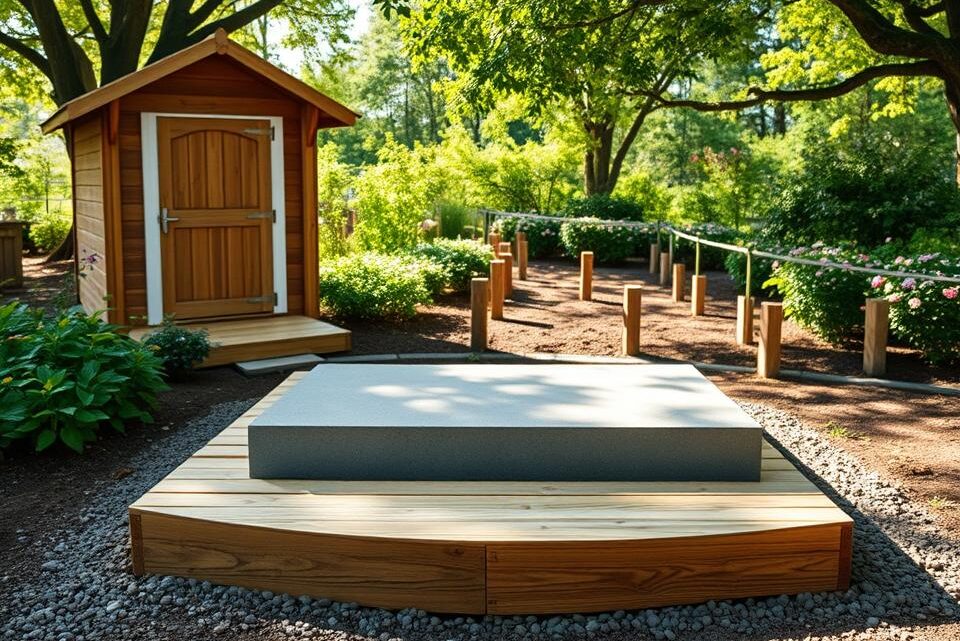
Creating a robust garden shed starts with selecting the right foundation. Your shed base is more than just a support structure—it’s the critical first step in protecting your investment and ensuring long-term durability. Different types of foundations for garden sheds offer unique benefits, helping you match the perfect shed base options to your specific garden conditions.
Whether you’re planning a compact tool storage space or a substantial workshop, understanding garden shed foundation principles will transform your project. The right foundation prevents moisture damage, maintains structural integrity, and provides a stable platform that adapts to various terrain challenges.
Your choice of foundation impacts everything from shed longevity to performance. By exploring multiple shed base options, you’ll discover a solution that balances practicality, budget, and environmental considerations.
Inhaltsverzeichnis
Key Takeaways
- Foundation selection is crucial for shed longevity
- Different terrain requires specific foundation strategies
- Budget and purpose influence foundation choice
- Proper drainage prevents structural damage
- Foundation types range from simple to complex
- Regular maintenance extends shed life
Why Your Garden Shed Foundation Matters More Than You Think
Your garden shed is more than just a storage space – it’s an investment that requires careful planning. The shed foundation importance cannot be overstated, as it determines the entire structure’s longevity and performance. A stable shed foundation protects your valuable belongings from potential damage and ensures your shed remains a reliable asset for years to come.
Understanding the critical role of a proper foundation helps you avoid numerous potential problems. Without a solid base, your shed becomes vulnerable to:
- Structural settling
- Moisture damage
- Warping doors
- Cracked walls
- Ground movement issues
In the unpredictable British climate, a robust foundation becomes even more crucial. Frost heave during winter and persistent rainfall can wreak havoc on poorly constructed foundations. By investing time and resources into creating a solid base, you’re not just building a shed – you’re safeguarding your garden investment.
A quality foundation transforms your shed from a temporary structure to a long-lasting garden companion.
Your choice of foundation directly impacts shed longevity. A well-planned base prevents water pooling, creates a barrier against ground moisture, and maintains structural integrity. Whether you’re storing gardening tools, outdoor equipment, or creating a workshop, the right foundation ensures your shed remains functional and protected against environmental challenges.
Remember, your foundation is the unsung hero of your garden project. It’s the difference between a shed that survives a few seasons and one that serves your family for generations.
Understanding the Ground Beneath Your Shed
Preparing the ground for your garden shed is a critical step that determines its long-term stability and durability. Successful shed ground preparation begins with understanding the unique characteristics of your garden’s soil and terrain.
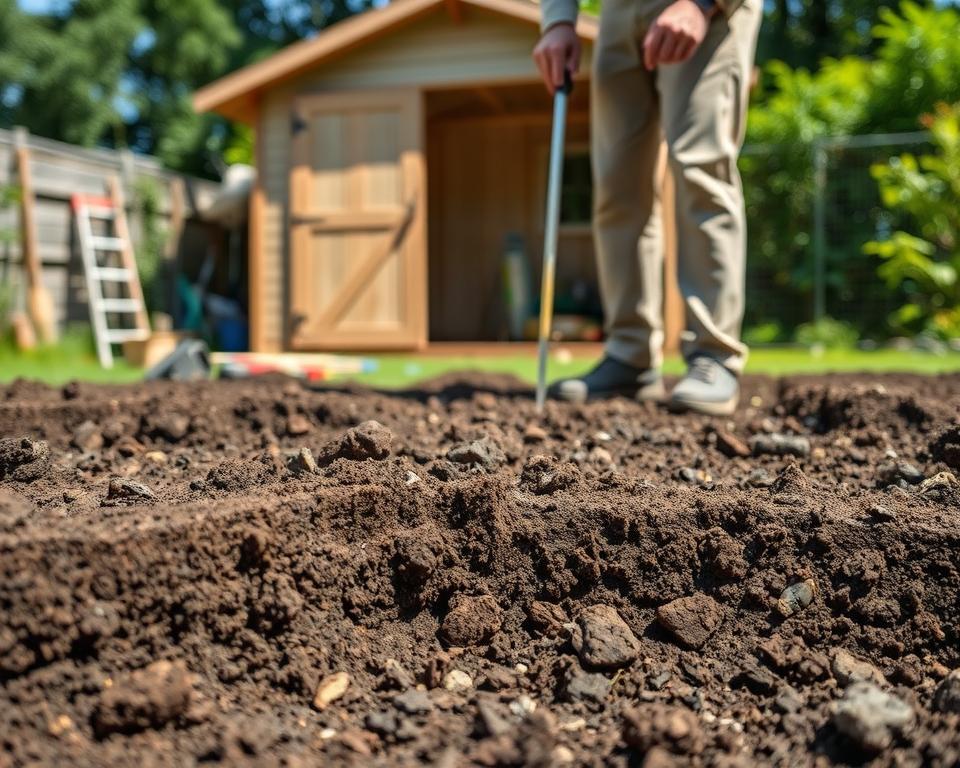
Before installing any foundation, you’ll want to conduct a thorough soil assessment for shed placement. Different soil types require different approaches to ensure a solid base.
Identifying Your Soil Type
Soil type plays a crucial role in foundation selection. Here’s a quick guide to help you understand your garden’s ground:
- Clay Soil: Heavy and compact, prone to water retention
- Sandy Soil: Loose and well-draining, requires additional stabilisation
- Loam Soil: Ideal mix of sand, silt, and clay with excellent drainage
- Chalky Soil: Alkaline and rocky, may need special foundation considerations
Drainage Solutions for Shed Stability
Shed base drainage is paramount to preventing water-related damage and foundation issues. Proper drainage protects your investment and extends the life of your garden structure.
- Create gentle ground slopes away from the shed
- Install gravel channels for water redirection
- Consider French drain systems for problematic areas
- Use permeable foundation materials
By carefully assessing your soil and implementing effective drainage strategies, you’ll create a robust foundation that withstands British weather conditions and ensures your shed remains stable for years to come.
Types of Foundations for Garden Sheds

Selecting the right shed foundation is crucial for ensuring your garden structure’s longevity and stability. Different shed foundation types offer unique advantages, making your choice dependent on specific circumstances, terrain, and shed requirements.
When exploring shed base comparison, you’ll discover six primary foundation options:
- Concrete Slab Foundations
- Paving Slab Foundations
- Timber Frame Foundations
- Gravel Foundations
- Plastic Shed Base Grids
- Concrete Pier Foundations
Your best shed foundation will depend on several critical factors:
- Ground conditions
- Shed size and weight
- Budget constraints
- Installation complexity
- Long-term durability requirements
“Choosing the right foundation is about matching your specific needs with the most suitable solution.”
Each foundation type presents unique characteristics. Some excel in permanent installations, whilst others provide flexible, temporary solutions. Your specific terrain, climate, and intended shed usage will ultimately guide your selection.
Concrete Slab Foundations: The Permanent Solution
When it comes to creating a rock-solid foundation for your garden shed, a concrete slab stands out as the ultimate permanent solution. This robust base offers unmatched stability and longevity, transforming your shed installation from a temporary project to a lasting investment.
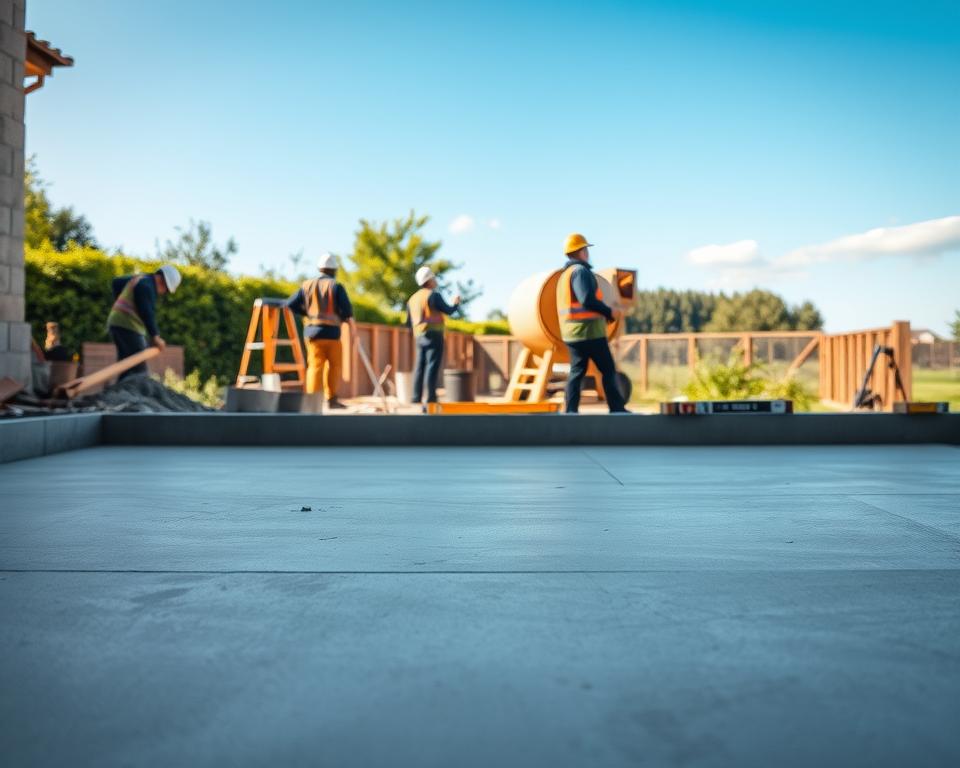
A concrete shed base provides exceptional benefits that make it an attractive option for serious gardeners and DIY enthusiasts. The permanent shed foundation eliminates many common issues associated with less stable ground treatments.
When to Choose a Concrete Base
Selecting a concrete slab foundation makes sense in several specific scenarios:
- Large sheds exceeding 10×12 feet
- Structures housing valuable equipment
- Workshops with heavy machinery
- Areas with challenging soil conditions
Your concrete slab installation will create a level, moisture-resistant surface that remains stable year after year. It prevents water penetration and provides a clean, easy-to-maintain foundation for your shed.
Installation Process and Costs
Concrete slab foundations require careful preparation but offer long-term rewards. The process typically involves:
- Site excavation
- Sub-base preparation
- Formwork creation
- Reinforcement placement
- Concrete pouring
- Finishing and curing
Expect to invest between £500-£2000 for a professional concrete shed base, depending on your shed’s size and site conditions. While the initial cost might seem high, you’re purchasing decades of structural integrity and peace of mind.
Paving Slab Foundations for Versatile Installations
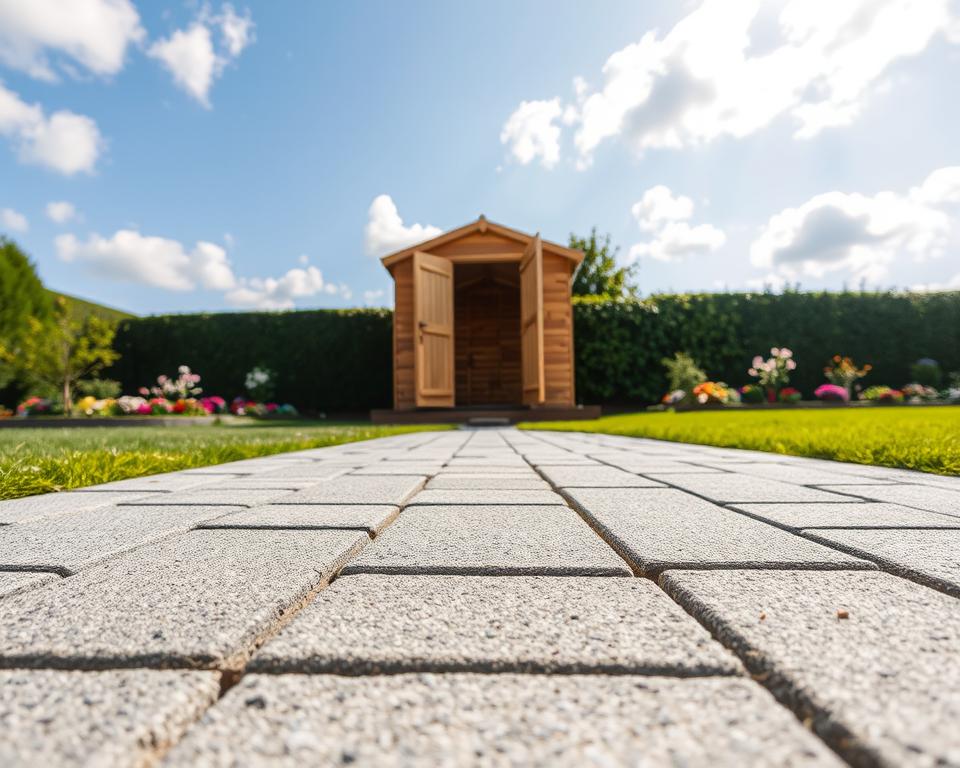
A versatile shed foundation can transform your garden project, and paving slabs offer an exceptional solution for homeowners seeking flexibility and durability. Shed paving slabs provide a robust base that balances permanence with adaptability, making them an ideal choice for garden structures.
When considering a paving slab base, you’ll discover several key advantages:
- Cost-effective compared to full concrete foundations
- Easy to install for confident DIY enthusiasts
- Allows for future shed relocation
- Excellent drainage capabilities
Your shed paving slabs should be carefully selected and installed. Precision is crucial when creating a level foundation that can support your garden shed effectively. Start by preparing a solid hardcore base, ensuring proper compaction and drainage.
A well-prepared foundation is the secret to a long-lasting garden shed.
The installation process involves several critical steps:
- Excavate the area to a uniform depth
- Add a compacted hardcore layer
- Spread a sand bed for fine levelling
- Carefully place paving slabs with even spacing
- Check levels repeatedly during installation
Your versatile shed foundation will work best for structures up to 10×8 feet, providing stability and professional appearance. By choosing paving slabs, you’re investing in a foundation that offers both practicality and aesthetic appeal.
Timber Frame Foundations: A Traditional Approach
Creating a sturdy wooden shed foundation requires careful planning and the right materials. A timber shed base offers a classic solution for garden structures, providing excellent support and versatility for your outdoor storage needs.
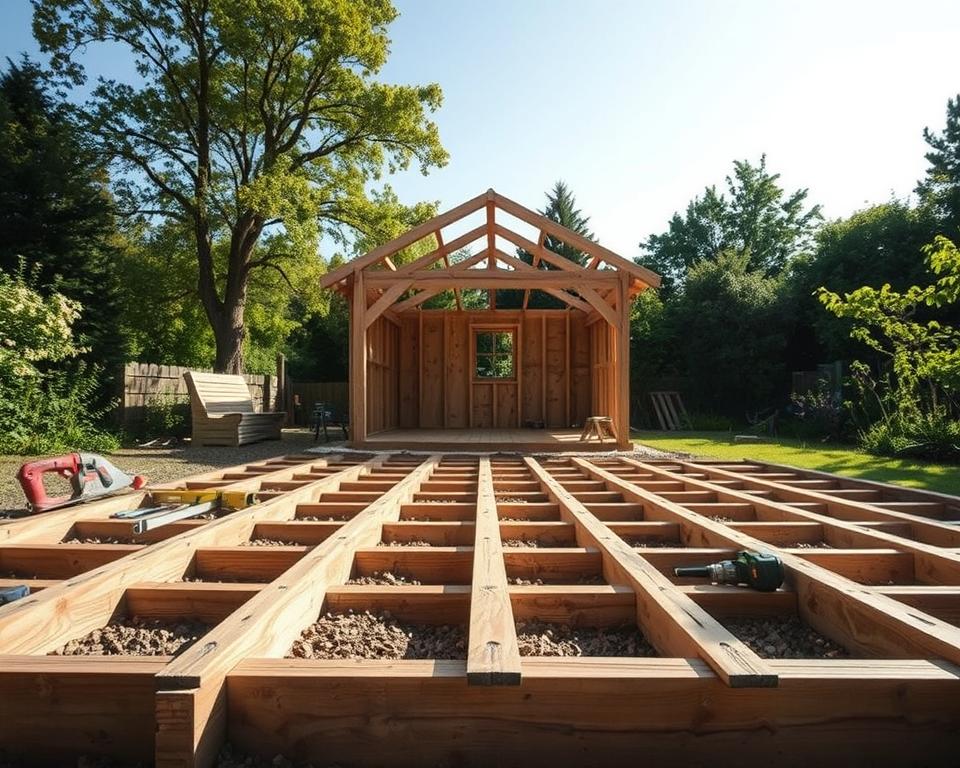
Timber frame foundations represent a time-honoured method of supporting garden sheds across the United Kingdom. This approach allows you to create a reliable wooden shed foundation that elevates your structure and protects it from ground moisture.
Pressure-Treated Wood Requirements
Selecting the right timber is crucial for a long-lasting foundation. When building your timber shed base, you’ll want to focus on pressure-treated timber that can withstand British weather conditions.
- Choose timber rated for ground contact
- Select pressure-treated wood with UC4 standard protection
- Opt for dimensions between 100x100mm and 150x150mm
Building Your Timber Base Step by Step
Constructing a pressure-treated timber base requires precision and attention to detail. Follow these key steps to ensure a solid foundation for your garden shed:
- Prepare a level ground surface
- Place paving slabs or concrete blocks as support points
- Position pressure-treated timber bearers carefully
- Use a spirit level to ensure perfect alignment
- Secure the frame with appropriate fixings
- Add cross-members for additional stability
Pro tip: A well-constructed timber shed base can last for years, protecting your garden structure from ground moisture and uneven terrain.
Your wooden shed foundation should typically cost between £150 and £400, depending on the shed size and complexity. With careful preparation and the right materials, you can create a durable base that will support your garden shed for many years to come.
Gravel Foundations: Simple and Effective

Creating a stable and cost-effective shed base doesn’t have to be complicated. A gravel shed base offers an incredibly simple foundation solution that can transform your garden storage approach. This versatile method provides excellent drainage and stability for your outdoor structure.
Choosing a gravel shed base brings several key advantages to your project:
- Exceptional water drainage preventing moisture buildup
- Low-cost installation compared to concrete foundations
- Quick and straightforward DIY-friendly setup
- Adaptable to various ground conditions
Your simple shed foundation starts with proper preparation. Excavate the area to a depth of 100-150mm, ensuring a level surface. Lay down landscape fabric to prevent weed growth and separate the soil from your gravel layer. This step is crucial for maintaining a clean and stable base.
“A well-constructed gravel foundation can last decades with minimal maintenance” – Landscape Design Experts
The cost-effective shed base material typically ranges between £100-£300, making it an affordable option for gardeners and DIY enthusiasts. Spread 20mm gravel in compacted layers, creating a robust and level surface that naturally adjusts to ground movement.
Ideal for metal, wooden, and resin sheds, a gravel foundation provides the perfect balance between practicality and performance. Your shed will remain stable, dry, and protected against ground moisture and seasonal changes.
Plastic Shed Base Grids: The Modern Alternative
Garden shed foundations have undergone a remarkable transformation with the introduction of plastic shed base technologies. These innovative modular foundation systems are changing how homeowners approach outdoor storage solutions across the United Kingdom.

Modern garden construction demands intelligent, flexible solutions. The grid shed base system offers precisely that – a revolutionary approach to creating stable, durable foundations for your outdoor structures.
Advantages of Modular Foundation Systems
Plastic shed base technology brings several compelling benefits to garden infrastructure:
- Rapid installation (typically completed within two hours)
- No specialised tools required
- Exceptional drainage capabilities
- Flexible relocation potential
- Environmentally friendly design
These modular foundation systems distribute weight evenly, preventing sinking on softer ground while maintaining ground breathability.
Installation Tips for Maximum Stability
Achieving a perfect plastic shed base requires careful preparation. Follow these essential steps:
- Select a level ground area
- Install a weed-suppressing membrane
- Connect grid panels securely
- Fill with appropriate 10-20mm gravel
While initial costs range between £200-£500, the long-term benefits of a plastic shed base far outweigh traditional foundation methods.
Concrete Pier Foundations for Uneven Terrain

Challenging garden landscapes need not stop you from building your dream shed. A concrete pier foundation offers an ingenious solution for shed installations on uneven ground. This specialised foundation type transforms problematic terrain into a stable base for your outdoor structure.
When dealing with a shed foundation on uneven ground, concrete pier foundations provide remarkable flexibility. These individual concrete supports create a perfectly level platform by strategically placing support points across your landscape. The adjustable shed base approach allows you to work with your garden’s natural contours rather than fighting against them.
- Ideal for sloped or rocky terrain
- Creates a stable, level surface
- Allows installation in challenging locations
- Minimises ground disturbance
The installation process involves careful planning. You’ll need to:
- Identify optimal pier locations
- Excavate to stable ground
- Pour concrete supports or use precast blocks
- Install timber bearers between piers
While a concrete pier foundation might cost more initially (typically £300-£800), it solves complex ground challenges that would otherwise prevent shed installation. Your investment ensures a robust and long-lasting foundation that adapts to your unique landscape.
Transform terrain limitations into opportunities for creative shed placement!
Matching Your Foundation to Your Shed Size and Purpose
Selecting the right foundation is crucial for your garden shed’s longevity and performance. Your shed size foundation matching strategy depends on several key factors that ensure stability, durability, and optimal functionality.
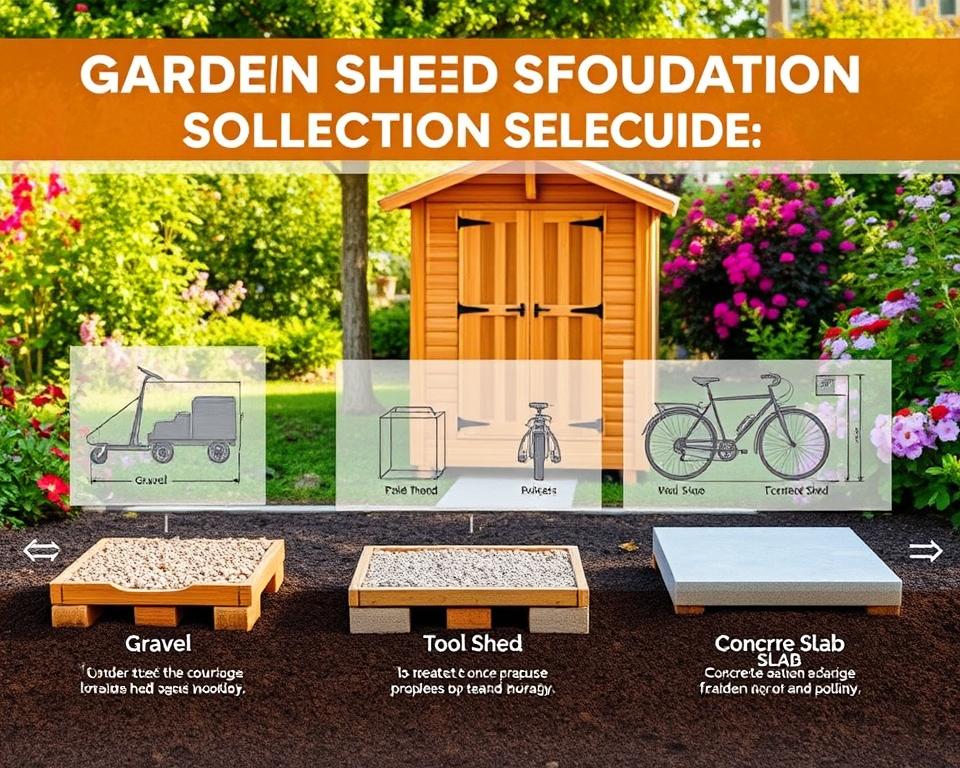
When approaching shed foundation selection, you’ll need to consider your specific requirements. Different shed sizes and purposes demand unique foundational approaches to guarantee structural integrity.
Small Sheds and Lightweight Structures
For smaller sheds under 8×6 feet, your appropriate shed base options include:
- Gravel foundations
- Plastic grid systems
- Simple paving slab arrangements
These lightweight structures typically store garden tools, seasonal items, or decorative equipment. They require minimal investment, often costing under £200, and can be installed quickly with minimal groundwork.
Large Workshops and Heavy-Duty Buildings
Larger sheds over 10×10 feet demand more robust foundation solutions. Your shed foundation selection for substantial structures should prioritise:
- Concrete slab foundations
- Robust timber frames on concrete blocks
- Pier foundations for uneven terrain
Workshops housing machinery, workbenches, or valuable equipment require perfectly level surfaces with excellent moisture protection. Investing in a sturdy foundation ensures your shed remains stable and functional for years to come.
Remember, your foundation is the silent guardian of your shed’s performance and longevity.
Conclusion
Choosing a shed foundation might seem daunting, but you’ve now gained the knowledge to make the best shed base decision with confidence. Each foundation type offers unique advantages tailored to different garden scenarios and personal requirements.
From concrete slabs for permanent structures to versatile paving options, your shed foundation summary reveals that no single solution fits all. Your specific circumstances – including soil conditions, shed size, budget, and intended use – will ultimately guide your choice. Whether you’re dealing with challenging terrain or seeking a budget-friendly solution, there’s a foundation method perfectly suited to your project.
Investing time in selecting the right foundation pays substantial dividends. Your carefully chosen base protects your shed from moisture, provides stability, and ensures longevity. Remember that this initial step is crucial – it’s the unsung hero that supports everything above, preventing future structural issues and giving you peace of mind.
Armed with comprehensive insights, you’re now prepared to transform your garden. Your shed will stand strong, supported by a foundation that reflects careful planning and informed decision-making. The journey to creating your ideal garden structure begins with this critical first step – solid ground beneath, promising years of reliable service.
FAQ
How do I choose the right foundation for my garden shed?
Selecting the perfect foundation depends on several key factors, including your shed size, soil type, budget, and intended use. Consider your garden’s terrain, drainage conditions, and the shed’s weight and purpose. Small lightweight sheds might suit gravel or plastic grid foundations, while larger workshops typically require more substantial options like concrete slabs or robust timber frames.
Can I install a shed foundation by myself?
Absolutely! Many foundation types are perfect for confident DIY enthusiasts. Gravel bases, paving slab foundations, and plastic grid systems can often be installed over a weekend with basic tools. However, for more complex foundations like concrete slabs or challenging terrain solutions, you might want to consult a professional to ensure optimal results.
How much does a garden shed foundation cost?
Foundation costs vary widely depending on your chosen method. Budget-friendly options like gravel bases start around £100-£300, while paving slab foundations range from £200-£600. More permanent solutions like concrete slabs can cost between £500-£2,000. Your specific garden conditions, shed size, and foundation type will ultimately determine the precise investment.
What foundation works best for uneven ground?
Concrete pier foundations are ideal for challenging terrain. These individual support points allow you to create a level base on sloped or rocky ground by strategically placing concrete columns or blocks. This method transfers your shed’s weight to stable ground and enables you to build a perfectly level structure even in difficult garden locations.
How long will my shed foundation last?
With proper installation and maintenance, a quality foundation can last 20-30 years or more. Factors like using pressure-treated timber, choosing rot-resistant materials, and ensuring proper drainage significantly extend your foundation’s lifespan. Concrete and well-constructed foundations typically offer the longest-lasting solutions, protecting your shed from moisture, ground movement, and structural degradation.
Do I need a permanent foundation for a small garden shed?
Not necessarily. Smaller sheds (under 8×6 feet) can often use more flexible foundation options like gravel bases, plastic grid systems, or paving slabs. These solutions provide adequate support, excellent drainage, and the flexibility to potentially relocate your shed in the future while remaining cost-effective and relatively easy to install.
What are the drainage considerations for shed foundations?
Drainage is crucial for any shed foundation. You’ll want to ensure water doesn’t pool around or beneath your structure. Solutions include slight grading away from the shed, using permeable foundation materials like gravel, installing landscape fabric, and considering foundations that allow natural water movement, such as plastic grid systems or elevated timber frames.
Can I move my shed foundation after installation?
Some foundations offer more flexibility than others. Gravel bases, paving slabs, and plastic grid systems can typically be dismantled and relocated relatively easily. In contrast, concrete slabs and permanent pier foundations are more challenging to move and are best considered long-term installations.