How to Light a Grill Correctly: Your Step-by-Step Guide
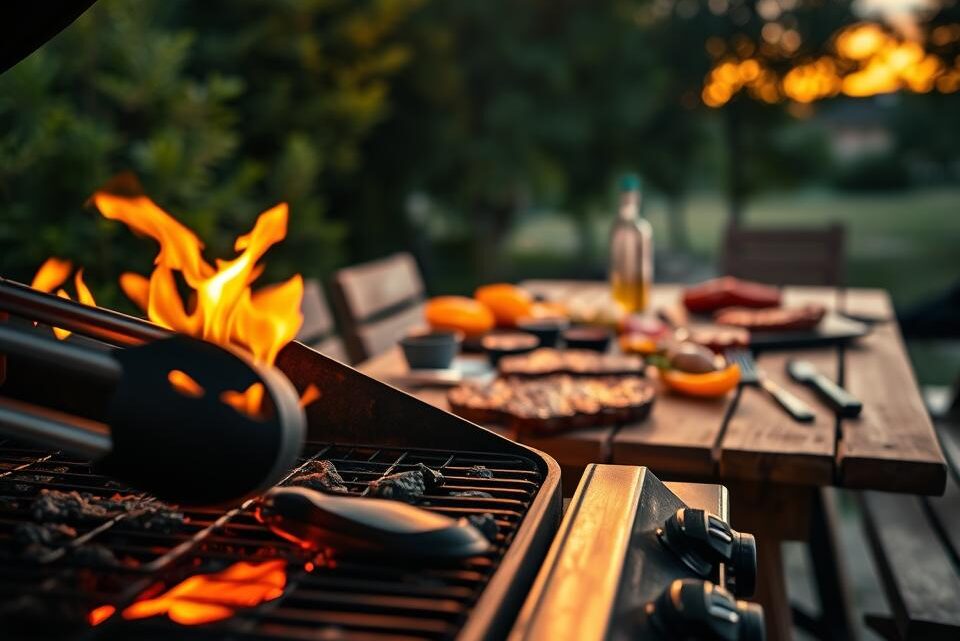
Mastering the art of grill lighting is essential for any grill enthusiast in the UK. Whether you’re using a charcoal grill, gas grill, or electric grill, understanding the correct techniques ensures a safe and enjoyable grilling experience.
Ensuring grill safety is paramount. A well-lit grill not only enhances the flavour of your food but also prevents potential hazards. Our step-by-step guide will walk you through the process, providing you with the confidence to grill with ease.
Inhaltsverzeichnis
Key Takeaways
- Understand the different grill lighting techniques for various grill types.
- Ensure grill safety by following proper lighting procedures.
- Enhance your grilling experience with our comprehensive guide.
- Learn the benefits of using a charcoal grill, gas grill, or electric grill.
- Discover tips for maintaining your grill for optimal performance.
The Importance of Properly Lighting Your Grill
Lighting your grill correctly is essential for preventing accidents and achieving perfect grilling results. Proper grill lighting is not just about getting the grill to work; it’s about ensuring a safe and enjoyable grilling experience.
Safety Considerations
When it comes to grill safety, proper lighting is paramount. Incorrectly lighting a grill can lead to explosions or fires, posing a significant risk to you and your surroundings. To avoid such hazards, it’s crucial to follow the manufacturer’s instructions and take necessary precautions. Some key safety tips include:
- Ensuring the grill is in a well-ventilated area
- Keeping a fire extinguisher nearby
- Never leaving a lit grill unattended
Impact on Food Flavour and Quality
The way you light your grill also has a significant impact on the flavour and quality of your food. A properly lit grill provides a consistent heat, which is crucial for achieving those perfect grill marks and flavours. Even heating ensures that your food is cooked uniformly, enhancing the overall grilling experience. To achieve this, consider using the right grill lighting techniques and maintaining your grill regularly.
Understanding Different Types of Grills
Grilling enthusiasts in the UK have a variety of grill types to choose from, each with its unique characteristics. The choice of grill can significantly affect the grilling experience, including the flavour imparted to the food, the ease of use, and the overall safety of the grilling process.
Charcoal Grills and Their Varieties
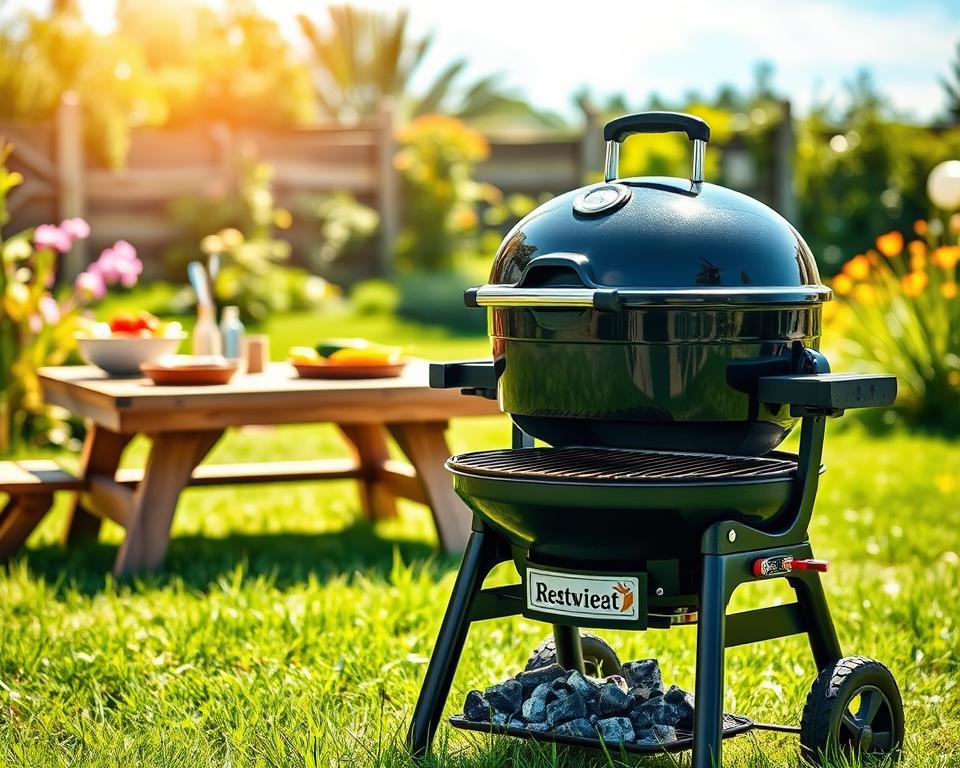
Charcoal grills are a popular choice among grillers who value the traditional smoky flavour they impart to food. These grills come in various forms, including barrel grills, ceramic grills, and portable grills. Each type offers different benefits, such as heat retention, versatility, and convenience.
Gas Grills: Propane vs. Natural Gas
Gas grills offer a convenient and relatively easy-to-use alternative to charcoal grills. They can be fuelled by either propane or natural gas. Propane grills are more portable, while natural gas grills offer the convenience of a fixed fuel source, provided you have a gas line installed. The choice between the two often depends on your specific needs and setup.
Electric Grills and Their Advantages
Electric grills are another option for those who prefer a hassle-free grilling experience. They are generally easy to use, requiring simply a plug-in to a power source. Electric grills are also cleaner than charcoal or gas grills, as they produce less smoke and are easier to clean. They are ideal for those living in apartments or with limited outdoor space.
| Grill Type | Fuel Source | Key Advantage |
|---|---|---|
| Charcoal | Charcoal | Smoky flavour |
| Gas | Propane/Natural Gas | Convenience |
| Electric | Electricity | Ease of use |
Essential Tools and Materials for Grill Lighting
To light your grill effectively and safely, you’ll need the right tools and materials. Having the correct equipment not only ensures a smooth grilling experience but also helps prevent accidents.
Must-Have Safety Equipment
Safety should be your top priority when grilling. Essential safety equipment includes protective gear and emergency response tools.
Heat-Resistant Gloves and Aprons
Heat-resistant gloves and aprons protect you from burns and splatters. Look for gloves and aprons made from durable, heat-resistant materials like silicone or leather.
Fire Extinguishers and Safety Measures
A fire extinguisher rated for grease and electrical fires is crucial. Ensure it’s easily accessible near your grilling area.
Lighting Aids and Accessories
Lighting aids can make the grilling process easier and more efficient. Chimney starters, firelighters, and long-handled lighters are useful tools for lighting your grill.

Fuel Options and Considerations for UK Grillers
Choosing the right fuel is vital for optimal grilling performance. For charcoal grills, consider the type of charcoal that suits your needs, such as lump wood or briquettes.
| Fuel Type | Characteristics | Best For |
|---|---|---|
| Lump Wood Charcoal | High heat, smoky flavour | High-temperature cooking, BBQ enthusiasts |
| Charcoal Briquettes | Consistent heat, longer burn time | Steady temperature cooking, long grilling sessions |
| Propane | Quick heat-up, easy control | Gas grills, convenience-oriented grillers |
By equipping yourself with the right tools and materials, you’ll be well-prepared for a safe and enjoyable grilling experience.
Preparing Your Grill Before Lighting
Before you light your grill, it’s essential to prepare it properly to ensure a safe and enjoyable grilling experience. This preparation involves several key steps that will help you achieve the best results.
Thorough Cleaning and Inspection Steps
Start by giving your grill a thorough clean. Remove any food residue and debris from previous uses, as these can affect the flavour of your food and the performance of your grill. Inspect the grill grates, burners, and other components for any signs of wear or damage. Replace any damaged parts to ensure your grill operates safely and efficiently.
Use a grill brush to clean the grates, and for tougher grime, consider using a grill cleaner. Don’t forget to check and clean the drip tray and other removable parts.
Proper Ventilation Setup for British Weather
Proper ventilation is crucial for maintaining the right temperature and preventing flare-ups. Ensure that your grill’s vents are clear and functioning correctly. In British weather, where conditions can be damp and windy, it’s especially important to check that your grill is positioned to minimize the impact of wind on ventilation.

Positioning Your Grill Safely in Limited Spaces
When grilling in limited spaces, safety is paramount. Position your grill away from flammable materials, such as garden furniture, curtains, or overhanging branches. Ensure there’s enough clearance around the grill for safe operation and to prevent overheating.
Consider creating a safe grilling zone, free from obstacles and flammable materials. This will not only enhance safety but also make the grilling process more enjoyable.
| Preparation Step | Importance | Tips |
|---|---|---|
| Cleaning | Ensures flavour and safety | Use a grill brush and cleaner |
| Inspection | Prevents accidents | Check grates, burners, and drip tray |
| Ventilation Setup | Maintains temperature | Clear vents, consider wind direction |
| Safe Positioning | Prevents fires | Keep away from flammable materials |
How to Light a Grill Correctly: Basic Principles
Proper grill lighting is the foundation upon which successful grilling is built. Understanding the fundamental principles of grill lighting can make a significant difference in your grilling experience. It’s not just about getting the grill lit; it’s about doing so safely and efficiently.

Universal Safety Protocols
When it comes to grill safety protocols, there are several universal guidelines to follow. Always ensure your grill is placed on a stable, heat-resistant surface, away from flammable materials. Keep a fire extinguisher or a bucket of sand nearby in case of emergencies.
It’s also crucial to check your grill’s condition before use. Inspect the grill for any damage or wear and tear, particularly on the hoses and connections if you’re using a gas grill. Regular maintenance can prevent accidents and ensure a smooth grilling experience.
Timing Considerations for Perfect Cooking
Grill timing is critical for achieving perfectly cooked food. Different types of food require different cooking times, and the temperature of your grill plays a significant role in this. Preheating your grill to the right temperature before adding food is essential for even cooking.
Understanding the concept of heat zones on your grill can also help you manage grill timing more effectively. By creating different heat zones, you can cook various foods simultaneously without overcooking or undercooking any of them.
Weather Factors to Consider in the UK Climate
The UK weather can be quite unpredictable, and this can significantly impact your grilling experience. Wind, rain, and even extreme temperatures can affect how your grill performs. When grilling in windy conditions, ensure your grill is positioned in a sheltered area to prevent flare-ups.
In rainy or cold weather, it may take longer for your grill to reach the desired temperature. Be patient and adjust your grill timing accordingly to ensure your food is cooked to perfection.
Step-by-Step Guide to Lighting a Charcoal Grill
To achieve that perfect smoky flavour, you need to know how to light your charcoal grill correctly. Lighting a charcoal grill can be accomplished through various methods, each with its own set of advantages.
Using a Chimney Starter Method
The chimney starter is a popular tool among grill enthusiasts due to its efficiency and ease of use. It allows for even heating and doesn’t require the use of lighter fluid, which can impart unwanted flavours to your food.
Preparing the Chimney Starter
To use a chimney starter, begin by filling it with the appropriate amount of charcoal. The type of charcoal you use can affect the flavour and burn time. For a standard grill, fill the chimney about three-quarters full.
Next, place some crumpled newspaper or firelighters at the bottom of the chimney. This will help ignite the charcoal.
Lighting and Transferring Coals
Light the newspaper or firelighters through the holes at the bottom of the chimney. Once the charcoal is fully ignited and covered in a layer of grey ash, carefully pour the coals into the grill.
Arrange the coals according to your desired heat distribution pattern. For direct heat, pile the coals in a mound in the centre of the grill. For indirect heat, spread them out in a thin layer around the grill, leaving the centre empty.
Direct Lighting Method with Firelighters
If you don’t have a chimney starter, you can light your charcoal grill directly using firelighters. Place a layer of charcoal in the grill, then add a few firelighters on top. Light the firelighters, and once the charcoal is ignited, spread it out according to your desired heat pattern.

Judging When Coals Are Ready for Cooking
The coals are ready when they’re covered in a layer of grey ash and the grill has reached your desired temperature. This can be checked by holding your hand a few inches above the grates. For high heat, you should be able to hold your hand there for about 2-3 seconds before it becomes uncomfortable.
A more precise method is to use a thermometer to check the grill temperature. For most grilling tasks, a temperature between 225°C to 250°C is ideal for slow cooking, while higher temperatures around 300°C to 400°C are better for searing.
| Grill Temperature | Cooking Method | Suitable Foods |
|---|---|---|
| 225°C – 250°C | Slow Cooking | Ribs, brisket, pulled pork |
| 300°C – 400°C | Searing | Steaks, burgers, vegetables |
As noted by grill expert, Steven Raichlen, “The key to great barbecue is not just the quality of the ingredients, but also the control over the cooking temperature.” This highlights the importance of properly lighting and managing your charcoal grill.
“The art of grilling is not just about throwing some meat on the grill; it’s about understanding the nuances of heat and flavour.”
Mastering Gas Grill Lighting Techniques
Mastering the art of lighting your gas grill is crucial for a safe and enjoyable grilling experience. Whether you’re a seasoned griller or a beginner, understanding the nuances of gas grill lighting can significantly impact the quality of your barbecue. In this section, we’ll delve into the essential techniques and safety measures to ensure your gas grilling experience is both successful and safe.

Pre-Lighting Safety Checks for Gas Grills
Before you light your gas grill, it’s vital to perform some basic safety checks. First, ensure that your grill is properly installed and that all connections are secure. Check the gas hose for any signs of wear or damage, and make sure it’s not obstructed. It’s also crucial to ensure that the grill is positioned in a well-ventilated area, away from flammable materials. As “a well-maintained grill is a safe grill,” regular inspections are key to preventing accidents.
- Inspect the gas hose and connections for damage or wear.
- Ensure the grill is in a well-ventilated area.
- Keep the grill area clear of flammable materials.
Proper Ignition Sequence and Burner Control
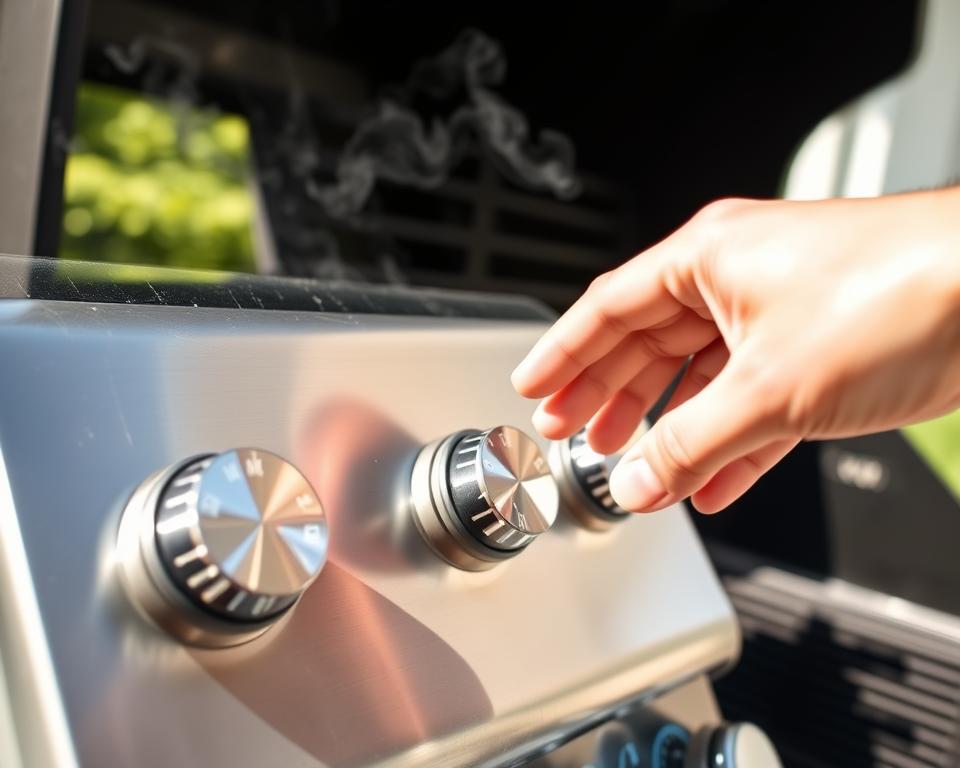
The ignition sequence is a critical step in lighting your gas grill. Start by opening the lid to prevent gas buildup. Then, turn on the gas supply and check for leaks by applying soapy water to the connections – bubbles will indicate any leaks. Next, turn the burner knob to the ‘light’ or ‘ignite’ position and press the igniter button. If your grill doesn’t have an automatic igniter, use a long-handled lighter or match. Once lit, adjust the burner controls to achieve the desired temperature. Remember, patience is key to getting the perfect flame.
“The key to a perfect grill is not just the quality of the ingredients, but also the control over the flame.”
Troubleshooting Common Gas Ignition Problems
Sometimes, you may encounter issues when lighting your gas grill. If the grill doesn’t light, check that the gas supply is turned on and that there are no leaks. If the igniter isn’t working, try cleaning it with a small brush or replacing the battery. In cases where the flame is uneven or too low, inspect the burners for blockages and clean them if necessary. Regular maintenance, such as cleaning the grill grates and burners, can prevent many common issues. As “prevention is better than cure,” staying on top of maintenance is essential.
| Issue | Possible Cause | Solution |
|---|---|---|
| Grill doesn’t light | Gas supply off or leak | Check gas supply and connections |
| Igniter not working | Dirty igniter or dead battery | Clean igniter or replace battery |
| Uneven or low flame | Blocked burners | Clean burners |
Electric Grill Lighting and Preparation
To get the best out of your electric grill, it’s essential to understand the basics of lighting and preparation. Electric grills are known for their convenience and ease of use, making them a popular choice among grill enthusiasts.
Safety Checks for Electric Grills
Before you start grilling, it’s crucial to perform some basic safety checks on your electric grill. Ensure that the grill is placed on a stable, heat-resistant surface and that the cord is not damaged. Check that the grill’s heating elements are clean and free from debris.
- Verify that the grill’s thermostat is functioning correctly.
- Ensure the grill’s surface is clean and dry.
Optimal Preheating Techniques
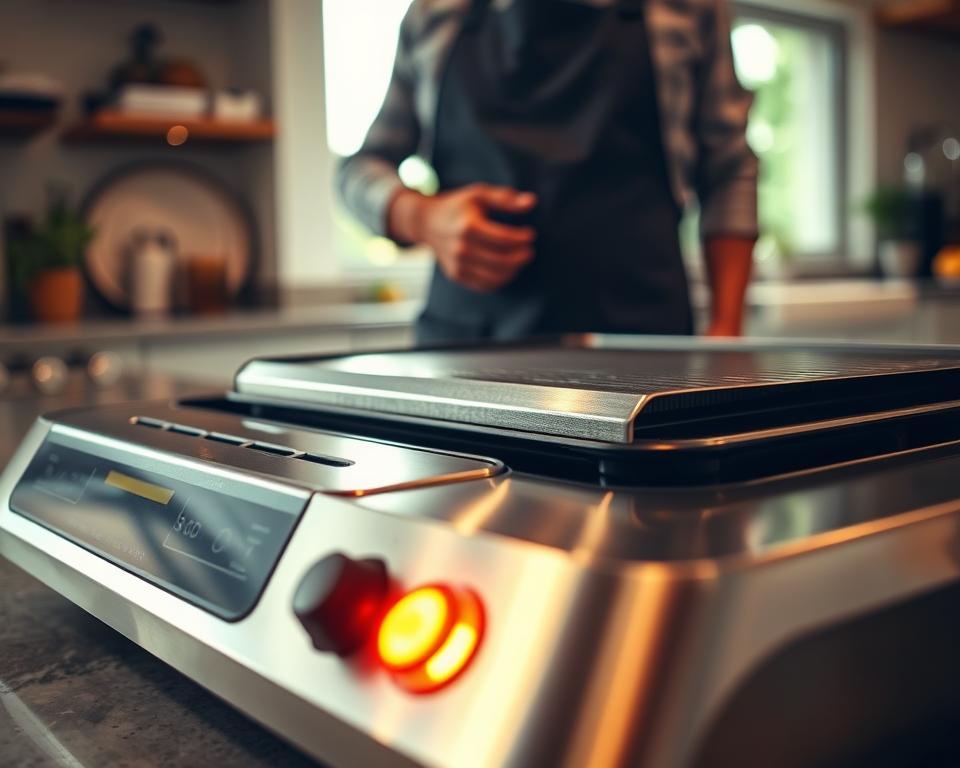
Preheating your electric grill is a vital step in achieving the perfect grill. Set the temperature according to the type of food you’re cooking and let the grill preheat for at least 10-15 minutes. This ensures that the grill plates are hot enough to sear your food effectively.
Temperature Control for Various Foods
Different foods require different temperatures for optimal grilling. Here’s a quick guide:
| Food Type | Recommended Temperature |
|---|---|
| Steak | 200-250°C |
| Vegetables | 150-200°C |
| Fish | 180-220°C |
By following these guidelines, you can ensure a safe and enjoyable grilling experience with your electric grill.
Advanced Charcoal Arrangement Techniques
Advanced charcoal arrangement techniques offer grillers more control over cooking outcomes. By mastering different charcoal setups, you can achieve a variety of cooking effects, from high-temperature searing to slow cooking. This flexibility is key to expanding your grilling repertoire.
Direct Heat Setup for High-Temperature Cooking
A direct heat setup is ideal for cooking methods that require high temperatures, such as searing steaks or cooking burgers quickly. To achieve this, you’ll need to arrange the charcoal in a single layer across the grill, ensuring that the coals are evenly distributed. This setup allows for direct exposure to the heat source, resulting in a crispy exterior and a juicy interior. When using a direct heat setup, it’s essential to monitor the temperature closely to prevent burning.
Tips for Direct Heat: Use a thermometer to check the temperature, and adjust the vents as necessary to maintain the desired heat level.
Indirect Heat Setup for Slow Cooking
For slow cooking or cooking larger cuts of meat, an indirect heat setup is more appropriate. This involves placing the charcoal on one side of the grill or dividing it into sections, creating a cooler zone for slower cooking. The food is then placed away from the direct heat, allowing it to cook slowly and evenly. This method is perfect for cooking ribs, brisket, or whole chickens.
Benefits of Indirect Heat: It allows for tender, fall-apart meat and can be used for a variety of dishes, from BBQ ribs to roasted vegetables.
Creating Multiple Heat Zones for Versatile Cooking
Creating multiple heat zones on your grill gives you the flexibility to cook different types of food simultaneously. By dividing the grill into sections with varying heat levels, you can cook a variety of dishes at once. For example, you can sear steaks over high heat on one side while slow-cooking vegetables on the other. This technique requires some practice to master but offers immense versatility.
| Heat Setup | Ideal For | Charcoal Arrangement |
|---|---|---|
| Direct Heat | Searing steaks, cooking burgers | Single layer across the grill |
| Indirect Heat | Slow cooking ribs, brisket | Charcoal on one side or divided |
| Multiple Heat Zones | Cooking various dishes at once | Divided into sections with varying heat |

Common Grill Lighting Mistakes to Avoid
Many grill enthusiasts unknowingly make mistakes when lighting their grills, which can lead to safety hazards and poor cooking results. Being aware of these common errors can help you grill more safely and effectively.
Safety Hazards and Their Prevention
One of the most critical aspects of grill lighting is safety. Grill safety hazards can arise from improper lighting techniques, poor maintenance, or neglecting safety precautions. To avoid accidents, always ensure your grill is placed on a stable, heat-resistant surface, away from flammable materials. Regularly inspect your grill for damage or wear and tear, and never leave a lit grill unattended.
- Keep children and pets away from the grill while it’s in use.
- Use long-handled tools to maintain a safe distance from the flames.
- Ensure proper ventilation to prevent gas buildup.
Fuel-Related Errors That Affect Flavour
The type and quality of fuel used can significantly impact the flavour of your grilled food. Fuel-related errors can lead to undesirable tastes or uneven cooking. For charcoal grills, using high-quality charcoal and avoiding excessive use of lighter fluid can prevent chemical flavours. For gas grills, ensuring that the gas is properly regulated and that burners are clean can help maintain consistent heat.
- Choose the right type of charcoal for your grill.
- Avoid overusing lighter fluid to prevent chemical tastes.
- Regularly clean gas burners to maintain efficiency.
Timing and Temperature Control Mistakes
Timing and temperature control are crucial for achieving perfectly cooked food. Mistakes in these areas can result in undercooked or overcooked meals. To avoid this, always preheat your grill to the correct temperature before cooking, and use a thermometer to monitor the heat. Be mindful of the cooking time for different types of food, and adjust your grilling schedule accordingly.
By being aware of these common grill lighting mistakes and taking steps to avoid them, you can enhance your grilling experience and achieve better cooking results.
Troubleshooting Grill Lighting Problems
Troubleshooting grill lighting problems is a crucial skill for any grill master, ensuring a smooth cooking experience. Whether you’re using a charcoal, gas, or electric grill, issues can arise that prevent you from achieving that perfect grill. Understanding how to address these problems is key to successful grilling.
Dealing with Damp Charcoal in Humid Conditions
Damp charcoal can be a significant issue in humid conditions, making it difficult to light your grill. To combat this, store your charcoal in a dry place and consider using a charcoal chimney starter, which helps to dry out the charcoal as it lights. Additionally, using dry kindling or firelighters can assist in getting your grill lit.
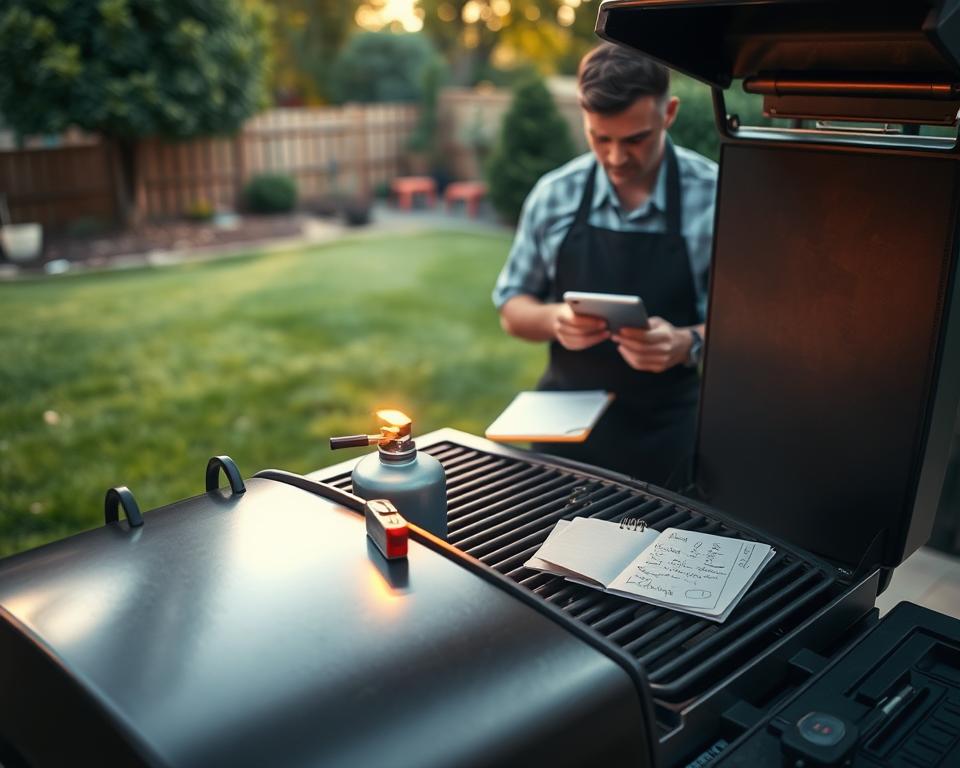
Addressing Gas Flow and Pressure Issues
Gas grills can suffer from gas flow and pressure issues, often due to a faulty regulator or clogged burners. Check your gas supply and ensure that your grill’s burners are clean and free from debris. If problems persist, it may be necessary to consult a professional to inspect your grill’s gas system.
Overcoming Typical British Weather Challenges
The British weather can be unpredictable, and windy or rainy conditions can make grill lighting challenging. To overcome this, position your grill in a sheltered location or use a windscreen to protect it from the elements. For gas grills, ensure that the ignition system is protected from moisture, and for charcoal grills, keep your charcoal dry and use a chimney starter to help get the fire going.
By understanding and addressing these common grill lighting issues, you can ensure a successful grilling experience regardless of the challenges you face.
Maintaining Your Grill for Easier Lighting and Longevity
A well-maintained grill is the key to effortless lighting and a successful grilling experience. Regular maintenance not only ensures that your grill lights easily but also prolongs its lifespan, making it a worthwhile investment for any grilling enthusiast.
Regular Cleaning Routines After Each Use
Cleaning your grill after every use is crucial for maintaining its performance. Start by removing any food debris from the grates using a grill brush. Then, wipe down the grill with a damp cloth to remove any grease or residue. For gas grills, ensure that the burners are clear of blockages.
Regular cleaning prevents the buildup of grime, which can make lighting your grill more difficult. It also helps in preventing flare-ups caused by excess grease.
Seasonal Maintenance Tips for UK Climate
The UK’s variable climate means that your grill is exposed to a range of conditions throughout the year. Before the grilling season begins, inspect your grill for any damage or wear. For charcoal grills, check that the ash catcher is clean and functioning properly. For gas grills, inspect the hoses for any signs of wear or damage.
During the winter months, consider storing your grill in a dry, protected area to shield it from harsh weather conditions. If this isn’t possible, use a grill cover to protect it from the elements.
When to Replace Key Components for Safety
Regularly inspect key components of your grill for signs of wear or damage. For gas grills, this includes checking the condition of the hoses, regulators, and burners. For charcoal grills, inspect the grates for excessive wear.
| Component | Signs of Wear | Action |
|---|---|---|
| Grill Grates | Excessive rust or warping | Replace |
| Gas Hoses | Cracks or leaks | Replace immediately |
| Charcoal Ash Catcher | Broken or rusted | Replace |
By following these maintenance tips, you can ensure that your grill remains in good condition, making it easier to light and safer to use throughout the grilling season.

Environmentally Friendly Grill Lighting Practices
As the world becomes increasingly environmentally conscious, grill enthusiasts in the UK are seeking ways to make their grilling practices more eco-friendly. This shift towards sustainability includes the way they light their grills, opting for methods and materials that reduce their environmental impact.
Sustainable Fuel Choices Available in the UK
The UK market offers various sustainable fuel options for grillers. Charcoal made from sustainable wood sources or bio-charcoal are alternatives to traditional charcoal. Additionally, some grillers are turning to locally sourced wood pellets or pellets made from waste wood, which are considered more eco-friendly options.

Reducing Your Carbon Footprint While Grilling
To minimize your carbon footprint while grilling, consider the type of grill you’re using and how you use it. For instance, gas grills are generally more efficient than charcoal grills, but choosing a grill with good insulation can also make a difference. Moreover, optimizing your grilling time and temperature can help reduce fuel consumption.
“The way we grill can significantly impact our carbon footprint. By making a few simple changes, we can enjoy our favorite grilled foods while being kinder to the environment.”
Eco-Friendly Lighting Alternatives
For those looking for alternatives to traditional lighting methods, there are several eco-friendly options available. Electric starters or firestarters that use renewable energy are gaining popularity. Additionally, some grillers are experimenting with natural fire starters made from materials like dried leaves or small twigs, reducing reliance on manufactured products.
By adopting these environmentally friendly grill lighting practices, UK grill enthusiasts can enjoy their outdoor cooking while contributing to a more sustainable future.
Conclusion
As you’ve learned from this comprehensive grilling guide, lighting your grill correctly is crucial for a successful outdoor cooking experience. By understanding the different types of grills and their specific lighting requirements, you can ensure a safe and enjoyable grilling process.
A proper grill lighting summary highlights the importance of preparation, safety checks, and maintenance. Whether you’re using a charcoal, gas, or electric grill, following the right techniques will enhance your grilling results and prolong the lifespan of your grill.
By applying the knowledge gained from this guide, you’ll be well on your way to becoming a skilled griller. You can now confidently light your grill, knowing you’re taking the necessary steps to achieve perfect grilling results every time.
With your newfound expertise, you’ll be able to tackle various grilling tasks with ease, from cooking delicate foods to hosting backyard barbecues. Your grilling journey has just become a lot more enjoyable, and you’re ready to make the most of your outdoor cooking adventures.
FAQ
What is the best way to light a charcoal grill?
Using a chimney starter is one of the most effective methods to light a charcoal grill, as it allows for even heating and doesn’t impart any chemical flavours to your food.
How do I ensure my gas grill is safe to light?
Before lighting your gas grill, check for any gas leaks by applying soapy water to the hoses and connections. If bubbles appear, there’s a leak. Also, ensure your grill is clean and free of debris.
What are the benefits of using an electric grill?
Electric grills are easy to use, require minimal maintenance, and are generally safer than charcoal or gas grills. They also heat evenly and are suitable for indoor use.
How can I prevent flare-ups when grilling?
To prevent flare-ups, make sure your grill grates are clean, and trim excess fat from your meat. You can also use a drip tray to catch any fat that might cause flare-ups.
What is the ideal temperature for grilling different types of food?
The ideal temperature varies depending on the type of food. For example, steak is best grilled at high temperatures (around 230°C), while vegetables and fish may require lower temperatures (around 180°C).
How do I maintain my grill to ensure it continues to light properly?
Regularly cleaning your grill, checking for worn-out parts, and storing it properly during the off-season can help maintain its performance and ensure it continues to light properly.
Are there any eco-friendly alternatives for grill lighting?
Yes, you can use eco-friendly alternatives like natural firelighters or charcoal made from sustainable sources. Additionally, electric grills are a more environmentally friendly option.
How do I troubleshoot common grill lighting problems?
For charcoal grills, check if the charcoal is dry and if the airflow is sufficient. For gas grills, check for gas leaks, ensure the burner is clean, and that the igniter is working properly.
Can I use my grill in windy or rainy conditions?
It’s generally not recommended to grill in windy or rainy conditions as it can be hazardous. However, if you must grill in such conditions, ensure your grill is positioned in a sheltered area and take necessary safety precautions.
How often should I replace key components of my grill?
The frequency of replacing key components like grill grates, burners, or igniters depends on usage and wear. Regularly inspect your grill and replace parts as needed to ensure safety and performance.