How to Clean Your Outdoor Cushioned Chairs
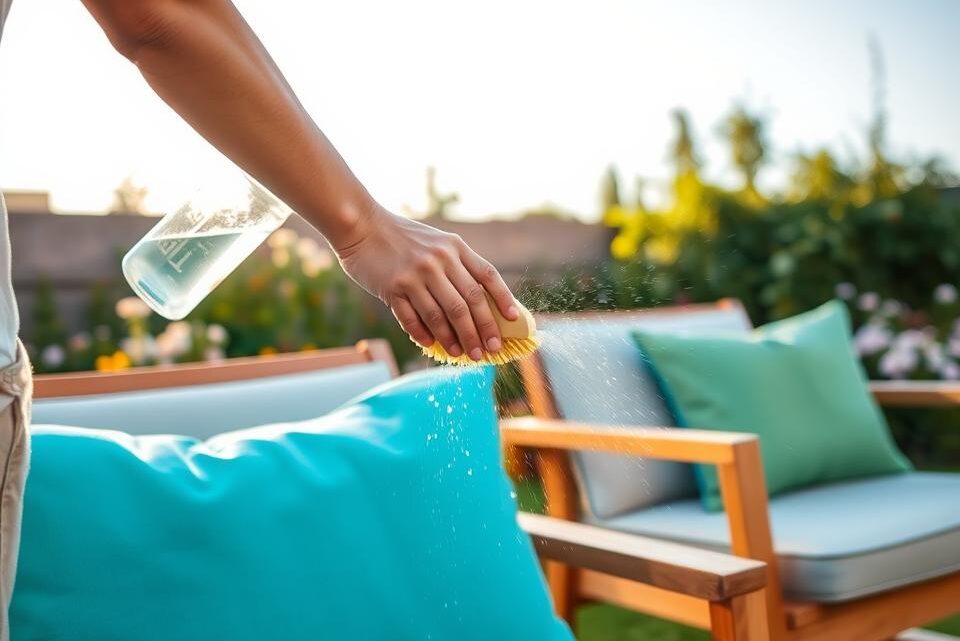
Maintaining your patio furniture is crucial for extending its lifespan and keeping it looking its best. Cushioned chairs are a staple in many outdoor spaces, providing comfort and style. However, they can quickly become dirty and worn out if not properly cared for.
You will learn how to effectively clean your furniture, ensuring it remains a welcoming part of your outdoor area. This guide will walk you through the steps necessary to keep your cushioned chairs in top condition.
Inhaltsverzeichnis
Key Takeaways
- Understand the importance of regular patio furniture maintenance.
- Learn the best practices for cleaning your cushioned chairs.
- Discover how to protect your outdoor furniture from the elements.
- Find out how to remove stubborn stains from your patio furniture.
- Gain tips on maintaining the quality and longevity of your outdoor cushions.
Understanding Your Outdoor Cushioned Chairs
Understanding the materials used in your outdoor cushions is crucial for effective cleaning. Outdoor cushions are made from a variety of materials, each with its own characteristics and cleaning requirements.
Common Materials Used in Outdoor Cushions
Outdoor cushions are typically made from materials such as acrylic, polyester, cotton, and vinyl. Acrylic fabrics are popular for outdoor use due to their water resistance and durability. Polyester is another common material, known for its ease of cleaning and resistance to fading.
Identifying Your Cushion Type
To identify your cushion type, check the manufacturer’s label or inspect the fabric closely. Look for signs of water resistance or special coatings that may affect the cleaning method.
How Different Materials Require Different Cleaning Approaches
Different materials require different cleaning approaches. For instance, vinyl and plastic-coated fabrics can usually be cleaned with mild soap and water, while cotton and canvas materials may require a more gentle cleaning product to prevent damage.
By understanding your cushion type and the appropriate cleaning method, you can ensure they remain in good condition for a longer period.
Essential Supplies for Cleaning Outdoor Cushions
Before you start cleaning your outdoor cushions, it’s essential to gather the necessary supplies. Having the right cleaning products and tools will make the task more efficient and ensure your cushions are properly cleaned and maintained.
Cleaning Solutions and Products
When it comes to cleaning outdoor cushions, the type of cleaning solution you use is crucial. You have the option of using either commercial cleaners or natural alternatives, depending on the material of your cushions and your personal preference for eco-friendliness.
Commercial Cleaners Available in the UK
There are numerous commercial cleaners available in the UK that are specifically designed for cleaning outdoor furniture. Look for products that are specifically formulated for outdoor use and suitable for the type of fabric your cushions are made of. Brands like Thompson’s and UniBond offer a range of cleaning solutions that can be effective.
Natural Cleaning Alternatives
If you prefer a more eco-friendly approach, consider using natural cleaning alternatives. A mixture of baking soda and water can be an effective cleaner for many types of outdoor cushions. Additionally, white vinegar diluted with water can help remove dirt and stains without harsh chemicals.
Tools and Equipment
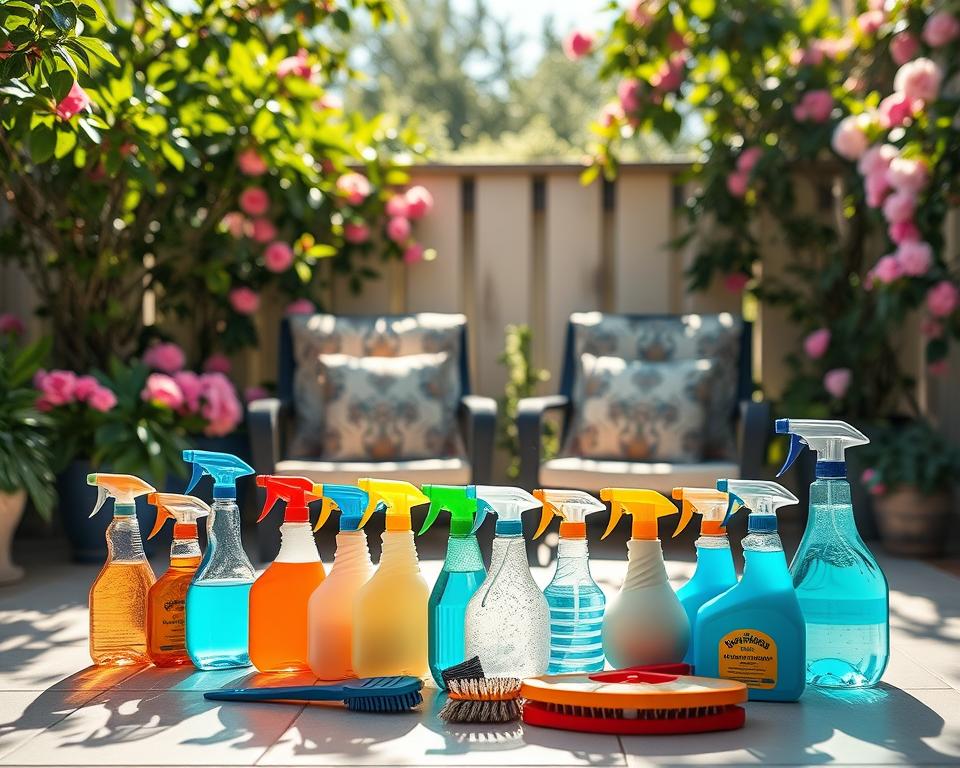
In addition to cleaning solutions, you’ll need the right tools to clean your outdoor cushions effectively. A soft-bristled brush can help remove loose debris, while a microfibre cloth is ideal for gently scrubbing away stains. For more thorough cleaning, a low-pressure washer or a hose with a spray nozzle can be useful.
Eco-Friendly Cleaning Options
For those concerned about the environmental impact of their cleaning activities, there are several eco-friendly options available. Look for biodegradable cleaning products that are free from harsh chemicals. You can also consider making your own cleaning solutions using household items like baking soda, vinegar, and lemon juice.
Preparing Your Outdoor Cushioned Chairs for Cleaning
Preparing your outdoor cushions for cleaning is a crucial step that ensures a thorough and effective cleaning process. This stage is vital in maintaining the quality and longevity of your outdoor furniture.
Removing Loose Debris and Dust
Start by removing any loose debris and dust from your outdoor cushions. Use a soft-bristled brush or a lint roller to gently sweep away dirt and dust. This step prevents scratching the fabric during the cleaning process.

Testing Cleaning Solutions on a Small Area
Before applying any cleaning solution, test it on a small, inconspicuous area of the cushion. This ensures that the solution won’t damage the fabric or cause colour fading. Wait for a few minutes to observe any adverse reactions.
Setting Up Your Cleaning Station
Set up a dedicated cleaning station with all the necessary cleaning supplies within easy reach. This includes cleaning solutions, soft-bristled brushes, and clean water for rinsing. Having everything you need in one place makes the cleaning process more efficient.
How to Clean Outdoor Cushioned Chairs: Step-by-Step Guide
A step-by-step cleaning guide can help you restore your outdoor cushioned chairs to their original condition. Before you begin, it’s essential to understand the type of cushions you’re dealing with and the level of cleaning they require.
Initial Assessment and Preparation
Start by inspecting your outdoor cushioned chairs for any stubborn stains or areas of heavy wear. Remove any loose debris or dirt from the surface using a soft-bristled brush or a dry cloth. This initial assessment will help you determine the best cleaning approach.
Basic Cleaning Procedure
The basic cleaning procedure involves several key steps:
- Brushing and Vacuuming: Use a soft-bristled brush to gently remove dirt and debris from the cushions. Follow up with a handheld vacuum cleaner or a vacuum with a gentle suction setting to remove any remaining dirt and dust.
- Spot Treatment Application: Identify any stubborn stains and apply a suitable cleaning solution directly to the stain. Gently work the solution into the fabric using a soft-bristled brush or a clean cloth. Allow the solution to sit for the recommended time before rinsing.
Brushing and Vacuuming
Brushing and vacuuming are crucial steps in the cleaning process. They help remove loose dirt and prevent it from becoming embedded in the fabric. Use a gentle touch to avoid damaging the material.

When applying spot treatments, make sure to follow the manufacturer’s instructions for the cleaning solution. Test a small, inconspicuous area first to ensure the solution doesn’t damage the fabric.
Rinsing and Drying Properly
After cleaning, rinse the cushions thoroughly with clean water to remove any soap residue. Use a clean towel to blot excess water, then allow the cushions to air dry. Avoid using a dryer or other heat source, as this can damage the fabric or cause it to fade.
By following these steps, you can keep your outdoor cushioned chairs clean and in good condition throughout the year.
Tackling Common Stains on Outdoor Cushions
Stains on outdoor cushions are inevitable, but knowing how to remove them can extend their lifespan. Outdoor cushions are exposed to various elements and activities that can lead to stubborn stains. Understanding how to tackle these stains effectively is crucial for maintaining your outdoor furniture.
Food and Beverage Stains
Food and beverage stains are common on outdoor cushions, especially if you frequently use your outdoor space for dining or entertaining. To remove these stains, start by blotting the area with a clean cloth to absorb as much of the spill as possible. Then, mix a solution of mild detergent and warm water, and gently scrub the stained area. Rinse thoroughly with clean water and allow the cushion to air dry.
Bird Droppings and Tree Sap
Bird droppings and tree sap can be particularly challenging to remove due to their sticky and acidic nature. For bird droppings, mix a solution of equal parts water and white vinegar, and apply it to the stained area. Let it sit for about 10 minutes before rinsing off with clean water. For tree sap, use a gentle solvent like mineral spirits or turpentine to dissolve the sap, then rinse and clean the area with soap and water.
Sunscreen and Cosmetic Stains
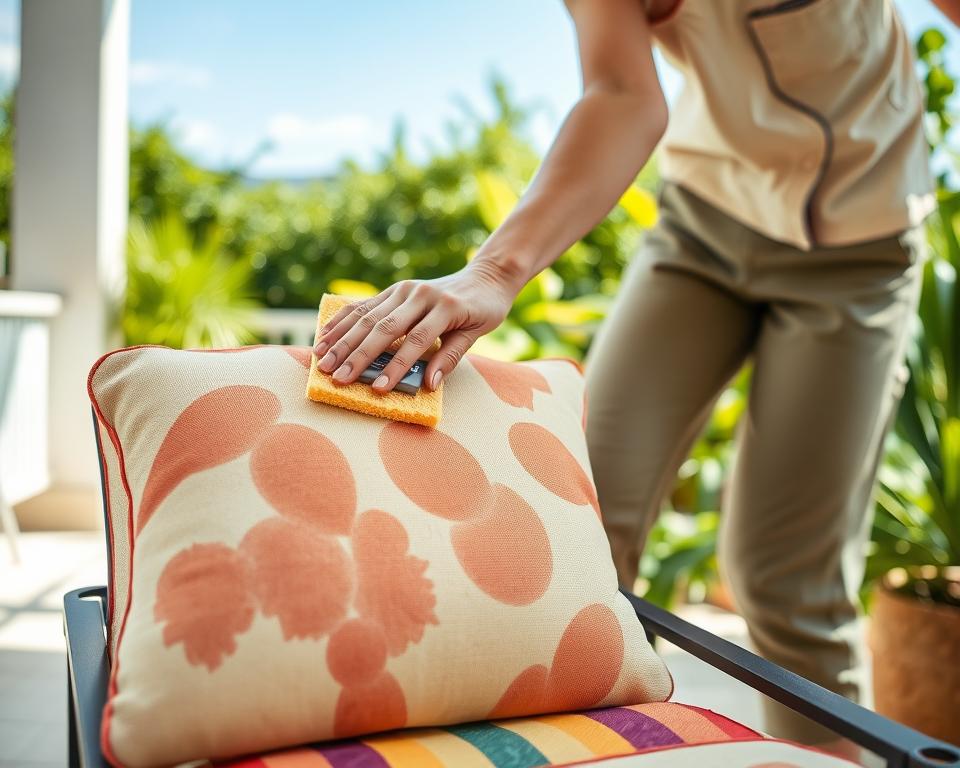
Sunscreen and cosmetic stains can leave oily residues on your outdoor cushions. To remove these stains, apply a small amount of dish soap or a stain remover directly to the stained area. Gently rub the area with a soft-bristled brush or cloth, then rinse with warm water. Repeat if necessary until the stain is removed.
Rust and Metal Stains
Rust and metal stains can occur if your outdoor cushions come into contact with metal furniture or decorations. To treat rust stains, use a rust remover or a mixture of lemon juice and baking soda. Apply the remover or paste to the stained area, let it sit for a while, then scrub and rinse.
Treating Rust from Garden Furniture
If the rust stain is from garden furniture, ensure you clean the furniture as well to prevent re-depositing the rust onto the cushion. Use a wire brush to remove any loose rust, then apply a rust-inhibiting coating to the metal.
Removing Water Marks and Mineral Deposits
Water marks and mineral deposits can be removed by wiping the area with a cloth dampened with white vinegar. For more stubborn deposits, mix baking soda and water to form a paste, apply it to the stain, and scrub gently before rinsing.
By following these tips, you can effectively remove common stains from your outdoor cushions, keeping them looking their best and prolonging their lifespan.
Removing Mould and Mildew from Cushions
The damp British weather can lead to mould and mildew growth on outdoor cushions, but this can be tackled with the right techniques. Mould and mildew not only affect the appearance of your outdoor furniture but can also pose health risks. Therefore, it’s crucial to identify and address these issues promptly.
Identifying Mould and Mildew Growth
Mould and mildew often appear as black or greenish patches on the surface of your cushions. They can be accompanied by a musty smell. To identify mould or mildew, inspect your cushions regularly, especially after periods of wet weather. If you notice any unusual growth, take action quickly to prevent it from spreading.
Safe Mould Removal Methods
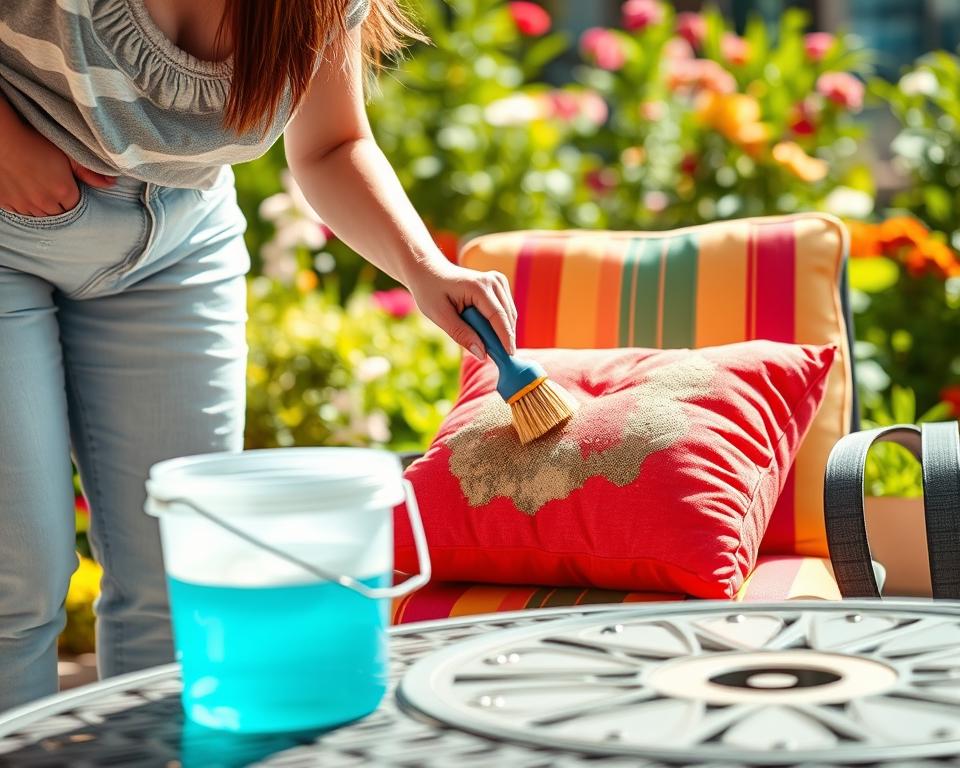
Removing mould and mildew requires careful consideration to avoid damaging your cushions or spreading the spores. Here are some effective methods:
Vinegar and Borax Solutions
A solution of water and white vinegar can be effective in removing mould and mildew. Mix equal parts water and vinegar in a spray bottle, spray it onto the affected area, and let it sit for about 15 minutes before rinsing. For more stubborn cases, a borax solution can be used. Mix 1 tablespoon of borax with 1 cup of water to create a paste, apply it to the affected area, and scrub gently before rinsing.
Commercial Mould Treatments
If the infestation is severe, you may need to use a commercial mould and mildew remover. Ensure the product is suitable for your cushion material and follow the instructions carefully. Always wear gloves and work in a well-ventilated area when using these products.
“Regular cleaning and drying of outdoor cushions can significantly reduce the risk of mould and mildew growth.” – Outdoor Furniture Care Expert
Preventing Future Mould Growth in Damp British Climate
Prevention is key to keeping your outdoor cushions free from mould and mildew. Here are some tips:
- Ensure good airflow around your outdoor furniture.
- Regularly clean and dry your cushions.
- Consider using mould-resistant treatments on your cushions.
- Store cushions in a dry, well-ventilated area during the winter months.
By following these steps, you can enjoy your outdoor cushioned chairs without the worry of mould and mildew ruining your comfort.
Cleaning Different Types of Outdoor Cushion Fabrics
Cleaning outdoor cushions effectively starts with identifying the type of fabric you’re dealing with. Different materials require different cleaning strategies to maintain their durability and appearance.
Acrylic and Polyester Fabrics
Acrylic and polyester fabrics are popular choices for outdoor cushions due to their water-resistant properties and ease of cleaning. For these fabrics, a mild detergent mixed with warm water is usually sufficient. Gently scrub the surface with a soft-bristled brush, then rinse thoroughly with clean water.
Cotton and Canvas Materials
Cotton and canvas outdoor cushions offer a more natural look but may require more delicate care. For these materials, avoid using harsh chemicals. Instead, opt for a gentle cleaning solution, and consider hand washing or spot cleaning to prevent damage.

Vinyl and Plastic-Coated Fabrics
Vinyl and plastic-coated fabrics are known for their waterproof qualities. Cleaning these involves wiping them down with a damp cloth and a mild soap solution. Avoid using abrasive materials that could scratch the surface.
Speciality Weather-Resistant Fabrics
Speciality weather-resistant fabrics, such as those treated with waterproof coatings, require specific care. It’s essential to follow the manufacturer’s cleaning instructions to maintain the fabric’s weather-resistant properties.
Sunbrella and Other Premium Brands
Sunbrella and similar premium brands are renowned for their durability and resistance to fading. For these fabrics, a gentle cleaning solution and a soft brush are recommended. Always check the manufacturer’s guidelines for specific cleaning instructions.
Waterproof vs. Water-Resistant Considerations
Understanding whether your outdoor cushion fabric is waterproof or merely water-resistant is crucial for choosing the right cleaning method. Waterproof fabrics can withstand more rigorous cleaning, while water-resistant fabrics may require more gentle care.
| Fabric Type | Recommended Cleaning Method | Special Considerations |
|---|---|---|
| Acrylic/Polyester | Mild detergent and warm water | Gentle scrubbing |
| Cotton/Canvas | Gentle cleaning solution, hand washing | Avoid harsh chemicals |
| Vinyl/Plastic-Coated | Damp cloth and mild soap | Avoid abrasive materials |
Machine Washing vs. Hand Cleaning Outdoor Cushions
When it comes to cleaning your outdoor cushions, you’re faced with a crucial decision: machine washing or hand cleaning? The choice between these two methods depends on the type of fabric, the level of soiling, and the manufacturer’s instructions.
When to Machine Wash Cushion Covers
Machine washing is a convenient and efficient way to clean cushion covers, but it’s not suitable for all types of fabric. You can machine wash covers made from durable, water-resistant materials like polyester or acrylic. Always check the care label first to ensure you’re not voiding the warranty.
Proper Hand Cleaning Techniques
For more delicate fabrics or heavily soiled areas, hand cleaning is often the better option. Mix a mild detergent with warm water, and gently scrub the area with a soft-bristled brush. Rinse thoroughly with clean water to remove any soap residue.
Drying Methods That Won’t Damage Fabrics
After cleaning, it’s crucial to dry your outdoor cushions properly to prevent damage. Air drying is generally the safest method, but there are times when tumble drying is safe.
Air Drying Best Practices
To air dry your cushions, place them in a well-ventilated area, away from direct sunlight. You can also use a clean towel to gently blot excess moisture.
When Tumble Drying Is Safe
If the care label indicates that tumble drying is acceptable, use a low heat setting to prevent fabric damage. Remove the cushions as soon as the cycle ends to prevent wrinkling.
| Drying Method | Fabric Type | Recommended Heat |
|---|---|---|
| Air Drying | Delicate/Cotton | N/A |
| Tumble Drying | Polyester/Acrylic | Low Heat |
| Air Drying | Canvas/Vinyl | N/A |
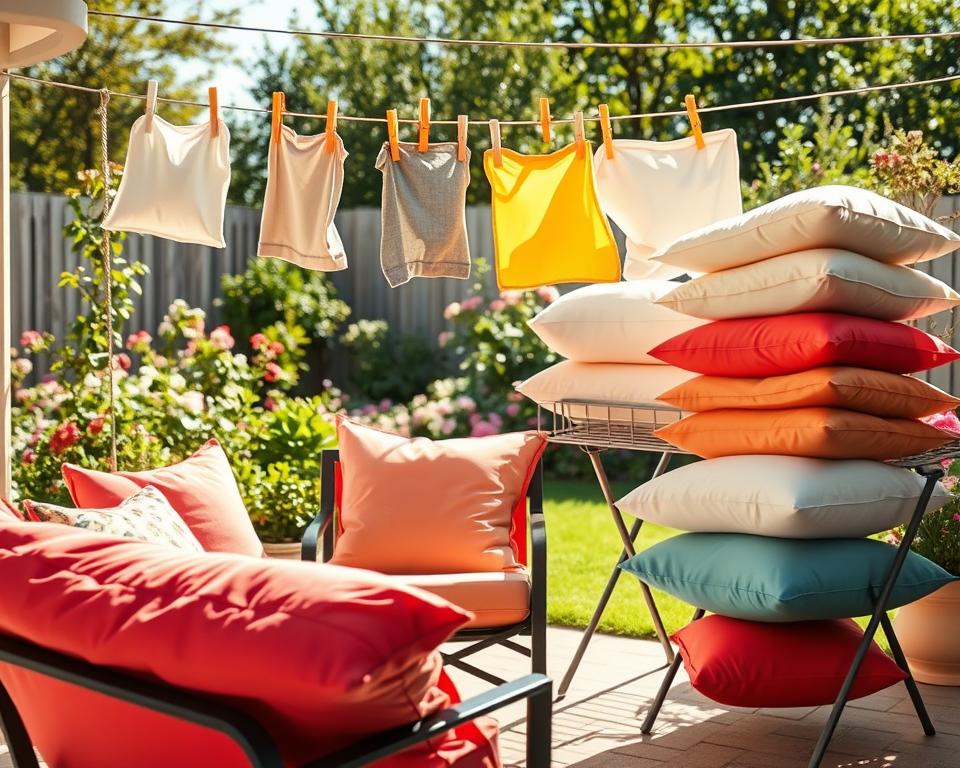
By choosing the right cleaning and drying method for your outdoor cushions, you can extend their lifespan and keep them looking their best.
Seasonal Maintenance for Outdoor Cushioned Chairs
Seasonal maintenance is crucial for extending the life of your outdoor cushioned chairs and keeping them looking their best. By adopting a routine that addresses the changing needs of your furniture throughout the year, you can ensure they remain a comfortable and stylish part of your outdoor living space.
Spring Cleaning Routine
As the weather warms up, it’s time to give your outdoor cushioned chairs a thorough spring clean. Start by removing any debris that may have accumulated over winter, such as leaves or dirt. Use a soft-bristled brush or a gentle vacuum cleaner to remove loose particles from the cushions.
Next, mix a solution of mild detergent and warm water, and use a soft cloth to gently scrub the cushions. Rinse thoroughly with clean water to remove any soap residue. For tougher stains, consider using a specialized outdoor fabric cleaner.
Summer Maintenance Tips
During the summer months, your outdoor cushioned chairs are likely to be used frequently. To keep them looking their best, make it a habit to:
- Regularly fluff and rotate the cushions to ensure even wear.
- Wipe down the frames and legs with a damp cloth to remove dirt and grime.
- Check for and address any stains promptly to prevent them from setting.
Autumn Preparation for Winter
As autumn approaches, prepare your outdoor cushioned chairs for the colder months ahead. Clean the cushions thoroughly, and allow them to dry completely before storing them. Consider applying a fabric protector to help repel water and stains.
Winter Storage Recommendations
When storing your outdoor cushioned chairs for winter, choose a dry, well-ventilated area to prevent moisture buildup. Ideally, store the cushions in a breathable storage bag or container to keep them clean and protected. If possible, store the frames under cover to protect them from harsh winter weather.
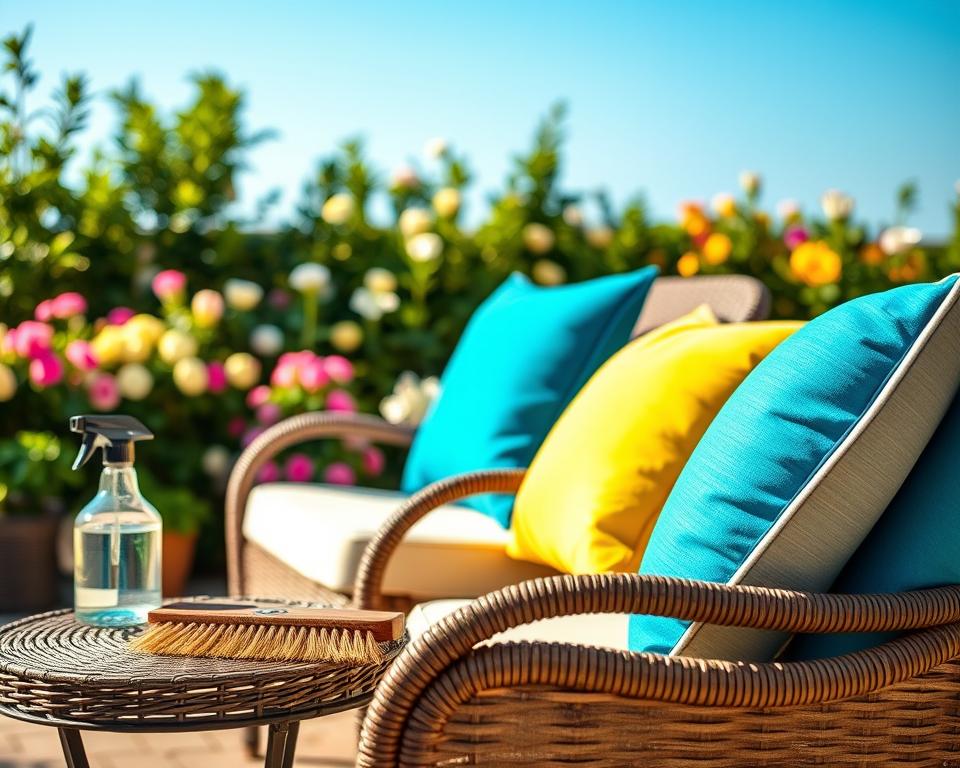
By following these seasonal maintenance tips, you can help extend the life of your outdoor cushioned chairs and keep them looking their best throughout the year.
DIY Cleaning Solutions for Outdoor Cushions
Cleaning your outdoor cushions doesn’t have to involve harsh chemicals; you can create effective DIY cleaning solutions at home. Using natural ingredients not only helps the environment but also ensures your outdoor furniture remains safe for use by your family and pets.
Vinegar-Based Cleaners
Vinegar is a versatile and effective cleaning agent for outdoor cushions. Mix equal parts of white vinegar and water in a spray bottle. Spray the solution onto the cushions and let it sit for about 10 minutes before rinsing with cold water. The acid in the vinegar helps break down dirt and grime, leaving your cushions fresh and clean.
Baking Soda Mixtures
Baking soda is another natural cleaner that’s great for tackling tough stains on outdoor cushions. Make a paste by mixing baking soda with a small amount of water. Apply the paste to the stained area and let it sit for 30 minutes to an hour. Then, scrub gently with a soft-bristled brush and rinse with cold water.

Essential Oil Additions for Freshness
To give your outdoor cushions a pleasant scent, you can add a few drops of essential oils to your cleaning solution. Lavender and tea tree oil are popular choices due to their refreshing and antimicrobial properties. Mix a few drops of your chosen essential oil with your cleaning solution before applying it to the cushions.
Lemon and Salt Scrubs for Tough Stains
For particularly stubborn stains, a lemon and salt scrub can be effective. Mix the juice of one lemon with a tablespoon of salt to form a paste. Apply this paste to the stain and scrub gently before rinsing with cold water. The acidity in the lemon juice helps break down the stain, while the salt acts as a gentle abrasive.
| DIY Solution | Ingredients | Instructions |
|---|---|---|
| Vinegar-Based Cleaner | Equal parts water and white vinegar | Spray, let sit for 10 minutes, rinse |
| Baking Soda Paste | Baking soda and water | Apply paste, let sit for 30 minutes, scrub and rinse |
| Lemon and Salt Scrub | Lemon juice and salt | Apply paste, scrub gently, rinse |
By using these DIY cleaning solutions, you can keep your outdoor cushions clean and fresh without resorting to harsh chemicals. Regular cleaning with these natural ingredients will help extend the life of your outdoor furniture.
Restoring and Protecting Your Outdoor Cushions
With a few simple steps, you can restore and protect your outdoor cushions, ensuring they remain a comfortable and inviting part of your outdoor space. Regular maintenance is key to extending the life of your cushions.
UV Damage Assessment and Treatment
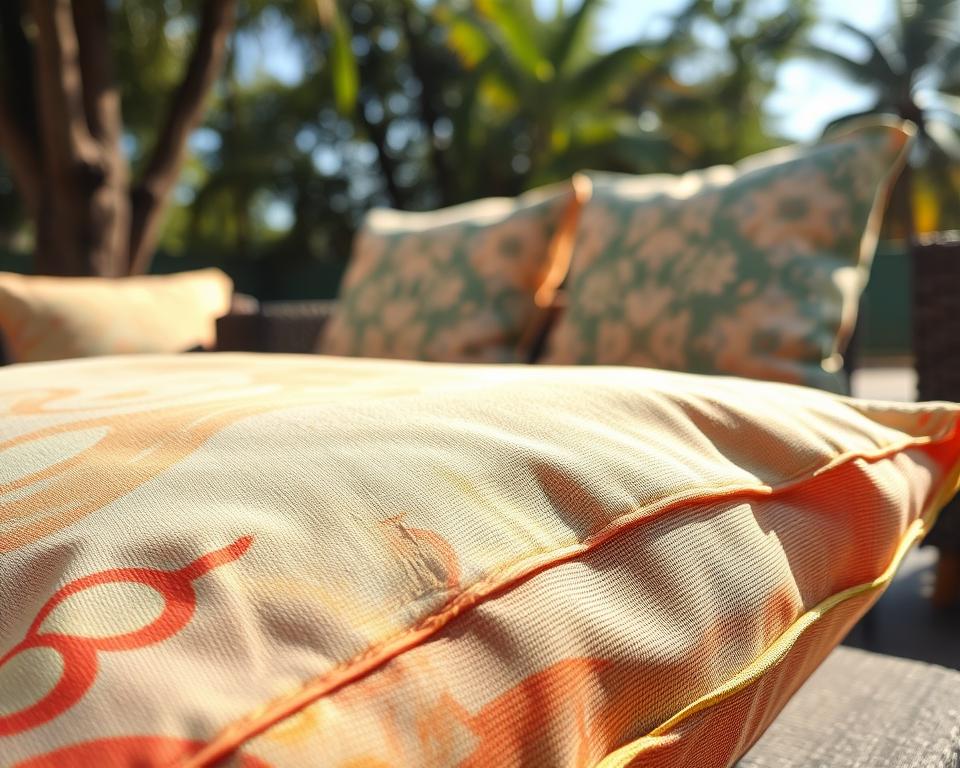
UV damage is a common issue for outdoor cushions, causing fading and material degradation. To assess UV damage, inspect your cushions for discolouration and fabric weakening. Treatment involves using UV-resistant fabric treatments or conditioners to restore and protect the fabric.
Colour Restoration Techniques
Colour restoration can be achieved through various methods, including using fabric dyes or colour restorers specifically designed for outdoor fabrics. It’s essential to test these products on a small, inconspicuous area first.
Fabric Protectors and Sealants
Applying fabric protectors and sealants can significantly enhance the durability of your outdoor cushions. These products create a barrier against water, UV rays, and dirt.
Application Methods
Always follow the manufacturer’s instructions for application. Typically, you’ll spray the protector or sealant evenly onto the fabric, allowing it to dry completely before use.
Reapplication Schedule
The frequency of reapplication depends on the product and usage. Generally, reapply every 6 to 12 months or as needed.
| Product Type | Reapplication Interval | Notable Benefits |
|---|---|---|
| Fabric Protector | 6 months | Water repellency, stain resistance |
| UV Sealant | 12 months | UV protection, colour preservation |
By following these steps and using the right products, you can effectively restore and protect your outdoor cushions, ensuring they remain a vibrant and comfortable part of your outdoor living space.
When to Replace vs. Clean Your Outdoor Cushions
The decision to replace or clean your outdoor cushions depends on several factors, including their condition, age, and the extent of any damage. Before you start cleaning, it’s essential to assess whether it’s worth the effort or if replacement is the more practical option.
Signs of Irreparable Damage
If your outdoor cushions show signs of irreparable damage, such as torn seams, significant fading, or mould that cannot be removed, it may be time to consider replacing them. Extensive damage not only affects the appearance but also compromises the comfort and functionality of your outdoor furniture.
Cost Comparison: Cleaning vs. Replacement
Conducting a cost comparison between cleaning and replacing your outdoor cushions is crucial. While cleaning might seem cost-effective, if the cushions require frequent or specialized cleaning, the costs can add up. In some cases, replacing the cushions might be more economical in the long run.
Sustainable Options for Old Cushions
If you decide to replace your outdoor cushions, consider sustainable options for disposing of the old ones. Many materials used in outdoor cushions can be recycled or repurposed. Look into local recycling programs that accept fabric and foam materials.
UK Recycling Options for Cushion Materials
In the UK, there are various recycling options available for cushion materials. Check with local waste management services to see if they accept textile waste. Some companies specialize in recycling fabric and foam, providing an environmentally friendly way to dispose of your old cushions.
Conclusion
Regular maintenance is key to extending the life of your outdoor cushioned chairs. By following the cleaning tips outlined in this article, you can keep your patio furniture looking its best throughout the seasons. Proper outdoor cushion maintenance involves not just cleaning, but also protecting your cushions from the elements and addressing any stains or damage promptly.
Effective patio furniture care also means considering the type of fabric your cushions are made of and using the appropriate cleaning methods. Whether you need to remove mildew, food stains, or simply dust and dirt, the right approach will make all the difference. By incorporating these practices into your routine, you’ll be able to enjoy your outdoor spaces in comfort and style.
Remember, a little regular care can go a long way in maintaining the quality and appearance of your outdoor cushioned chairs. Take the time to inspect and clean your cushions regularly, and you’ll be rewarded with years of comfortable and inviting outdoor living.
FAQ
How often should I clean my outdoor cushioned chairs?
You should clean your outdoor cushioned chairs at least once a season, or more frequently if they are exposed to heavy use or harsh weather conditions.
What is the best way to remove mildew from outdoor cushions?
To remove mildew, you can use a solution of water and white vinegar or a commercial mildew remover. Always test a small area first to ensure the solution doesn’t damage the fabric.
Can I machine wash my outdoor cushion covers?
It depends on the fabric type. Check the manufacturer’s instructions. If machine washing is allowed, use a gentle cycle with cold water. For delicate or specialty fabrics, hand washing or dry cleaning may be recommended.
How can I protect my outdoor cushions from UV damage?
You can protect your outdoor cushions from UV damage by using a fabric protector or sealant that contains UV blockers. Regularly cleaning and maintaining your cushions also helps.
What should I do with old, unusable outdoor cushions?
Consider recycling options available in the UK for cushion materials. Some manufacturers and local councils offer recycling programmes for textile waste. If recycling isn’t an option, dispose of them responsibly.
Are DIY cleaning solutions effective for outdoor cushions?
Yes, DIY cleaning solutions like vinegar-based cleaners, baking soda mixtures, and lemon and salt scrubs can be effective for cleaning outdoor cushions. They are also eco-friendly alternatives to commercial products.
How do I dry my outdoor cushions after cleaning?
To dry your outdoor cushions, you can air dry them. Remove excess water and let them dry in the sun. For some fabrics, tumble drying on a low heat setting is also safe, but always check the manufacturer’s instructions first.
Can I use bleach to clean my outdoor cushions?
Bleach can be too harsh for most outdoor cushion fabrics and may damage or discolour them. It’s best to avoid using bleach unless the manufacturer’s instructions specifically recommend it.
How can I prevent mould growth on my outdoor cushions in the UK’s damp climate?
To prevent mould growth, ensure good airflow around your outdoor furniture, regularly clean your cushions, and consider using a mould-repellent treatment. Storing cushions in a dry place during winter also helps.