Best Greenhouse for Tomatoes – Find the Right Greenhouse Guide

Choosing a protective structure for cultivating tomatoes is a significant decision for any gardener. This selection directly influences the health of the plants and the success of the harvest. A well-chosen environment provides the stable conditions these popular crops need to flourish.
The market offers a wide range of structures, from traditional freestanding designs to compact lean-to models. Each option presents different advantages concerning space utilisation, cost, and climate control. Understanding these differences is crucial for making an informed choice.
This detailed guide explores the key factors involved in selecting the ideal setup. It covers essential aspects like materials, sizing, and ventilation systems. The aim is to empower gardeners to create the perfect growing conditions for their tomato plants, ensuring a bountiful yield season after season.
Inhaltsverzeichnis
Key Takeaways
- Selecting the correct structure is a major investment that affects tomato health and harvest yields.
- Tomato plants have specific needs for temperature, humidity, and ventilation that differ from other crops.
- A wide variety of designs are available, including freestanding and lean-to models, to suit different spaces.
- Careful consideration of materials, size, and positioning is essential for optimal plant growth.
- This guide provides comparative analysis to help gardeners navigate their options effectively.
- Both novice and experienced gardeners can benefit from understanding how to manage common challenges like temperature fluctuations.
Understanding the Importance of Greenhouses for Tomato Cultivation
The success of tomato crops depends heavily on maintaining precise atmospheric conditions. These plants require specific environmental parameters to reach their full potential.
Benefits of a Controlled Environment
A controlled growing space offers essential protection from unpredictable weather patterns. It shields delicate plants from frost, heavy rain, and sudden temperature changes that can damage crops.
Maintaining optimal warmth is crucial for tomato development. The structure helps sustain daytime temperatures within the ideal 21-27°C range. This stability supports proper pollination and fruit formation.
Proper air flow management prevents excessive moisture buildup. Effective ventilation reduces the risk of fungal diseases that thrive in humid conditions.
How Greenhouses Enhance Tomato Growth
These enclosed environments create a microclimate that extends the productive season. Gardeners can start plants earlier in spring and continue harvesting later into autumn.
The design maximises light exposure while filtering harmful UV rays. Plants receive consistent illumination for photosynthesis without the scorching effects of direct summer sun.
Heat retention properties ensure stable nighttime temperatures. This prevents stress on the plants and supports continuous fruit development throughout the growing period.
Evaluating Different Greenhouse Structures
Different architectural approaches to protective growing environments offer distinct advantages depending on available space and gardening goals. The selection of an appropriate structure directly impacts plant health and cultivation efficiency.

Traditional, Lean-To, and Round Designs
Traditional freestanding greenhouses provide maximum light exposure with their square or rectangular shapes. Their apex roofs create excellent headroom and allow sunlight from all directions. This design represents a popular option for uniform plant development.
Lean-to models attach directly to existing walls, offering enhanced stability. The adjoining brickwork absorbs heat, improving energy efficiency. This configuration saves valuable garden space while providing wind resistance.
Round or hexagonal structures serve as an innovative alternative for challenging garden layouts. The Palram Canopia Oasis exemplifies this design, tested to withstand severe weather conditions. These greenhouses offer distinctive aesthetics alongside practical functionality.
Comparing Combi Sheds and Mini Greenhouses
Combi sheds combine growing areas with storage compartments in one unit. This dual-purpose structure maximizes limited space effectively. Gardeners appreciate the convenience of having tools and plants in close proximity.
Mini greenhouses provide compact solutions for small gardens or balconies. They accommodate 4-6 container plants or seedlings perfectly. These models extend growing seasons without requiring extensive ground space.
The range of available designs ensures there’s a suitable greenhouse for every gardening situation. From suburban plots to urban courtyards, careful selection leads to successful cultivation outcomes.
Selecting the Ideal Greenhouse Size for Your Garden
The footprint of a protective enclosure significantly influences gardening efficiency and plant health outcomes. Getting the dimensions right ensures comfortable working conditions and adequate growing area.
Assessing Available Space and Layout
Begin by measuring the proposed site in your garden. Consider not just the structure’s base but also essential access space around the perimeter. This allows for maintenance activities and the hardening-off process.

Position the structure where it receives maximum sunlight exposure. Avoid locations under trees or in windy spots. Proper ground preparation with a level, well-drained base is crucial.
Determining Appropriate Dimensions for Movement
Standard dimensions increase in 2ft (60cm) increments. Most gardeners select 6x8ft or 8x10ft models. These provide sufficient room for a central pathway with growing areas on both sides.
A minimum width of 6ft (1.8m) ensures comfortable movement. An 8ft width accommodates staging shelves on both sides. Eave height should be at least 5ft (1.5m) for light penetration and to prevent claustrophobic conditions.
| Size Category | Dimensions | Recommended Use | Movement Space |
|---|---|---|---|
| Mini | 2-3ft (0.6-0.9m) | Seedlings, small containers | Limited access |
| Small | 6ft (1.8m) | Starter garden | Basic movement |
| Medium | 8ft (2.4m) | Family growing | Comfortable access |
| Large | 10ft (3m) | Commercial scale | Ample working room |
Experienced growers consistently recommend selecting the largest structure your budget and garden space allow. This provides flexibility for future expansion of gardening activities.
Material Choices: Wood, Aluminium and Polycarbonate
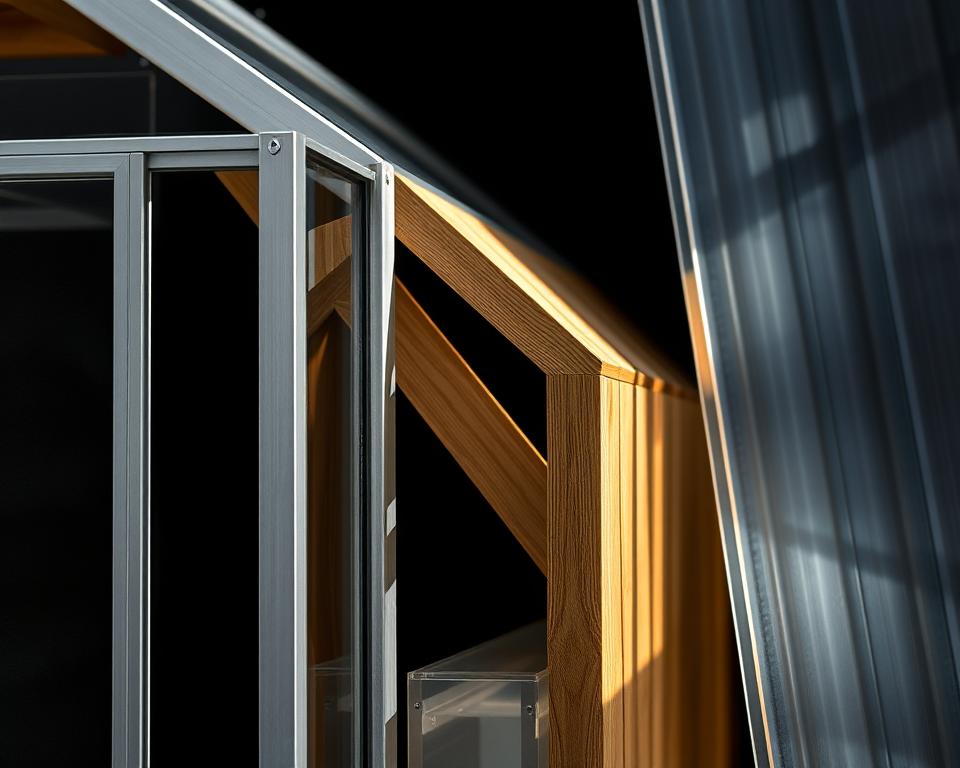
The selection of construction materials is a critical factor that determines the long-term performance and upkeep requirements of a growing structure. Each option presents a unique balance of cost, durability, and thermal properties.
Gardeners must weigh initial investment against ongoing maintenance needs. The choice between a wooden greenhouse, an aluminium frame, or polycarbonate panels significantly influences the internal environment for plants.
Advantages of Wooden Greenhouses
Structures built from timber, particularly western red cedar, offer superior natural insulation. This wood helps maintain more stable temperatures, which is beneficial for sensitive crops.
These frames can be aesthetically pleasing and often feature the option for half-walled construction with brick, enhancing heat retention. However, this material requires regular treatment to prevent rot.
Quality cedar frames can last decades with proper care, often coming with lengthy anti-rot guarantees.
Benefits of Aluminium and Polycarbonate Frames
Aluminium is a popular, low-maintenance metal. These frames are rust-resistant, lightweight, and often powder-coated in various colours. They provide a sturdy support for glazing.
The glazing choice is equally important. Traditional horticultural glass allows maximum light transmission. Alternatively, twin-walled polycarbonate offers better insulation and shatterproof safety, though it transmits slightly less light than glass.
This polycarbonate material is a cost-effective and durable option for the aluminium frame, creating a robust and practical combination for many gardeners.
Designing for Optimal Heat, Ventilation and Insulation
Achieving the ideal growing conditions requires careful attention to thermal regulation and air flow. Proper environmental control prevents plant stress and promotes healthy development.

Effective Ventilation Strategies for Tomatoes
Effective ventilation stands as the most critical factor for successful cultivation. Inadequate airflow creates excessive humidity that promotes fungal diseases.
A 6x8ft structure should include two hinged roof vents on opposite sides. This creates cross-ventilation. Supplement this with at least one side louvre vent for air circulation at plant level.
Automatic vent openers represent a valuable investment. They respond to temperature changes throughout the day. Solar-powered models are available for energy efficiency.
Temperature Control and Insulation Techniques
Maintaining 21-27°C during daytime is essential. Prevent nighttime drops below 10°C that stress plants. Strategic insulation helps achieve this stability.
Bubble wrap lining attached to internal surfaces provides effective insulation. Thermal mass additions like water barrels absorb excess heat during sunny periods. They release it gradually overnight.
During summer heat, open all available vents and doors. Dampening floor surfaces increases humidity and cools through evaporation. Proper roof design creates convection currents that maintain optimal conditions.
Consider light management through shade netting when necessary. These combined strategies ensure a stable environment throughout the growing season.
Best Greenhouse for Tomatoes – Find the Right Greenhouse
With numerous structures available, selecting the ideal one for cultivating tomatoes requires careful consideration of specific features. This section provides a detailed look at recommended models and expert insights.
Top Models Recommended for Tomato Cultivation
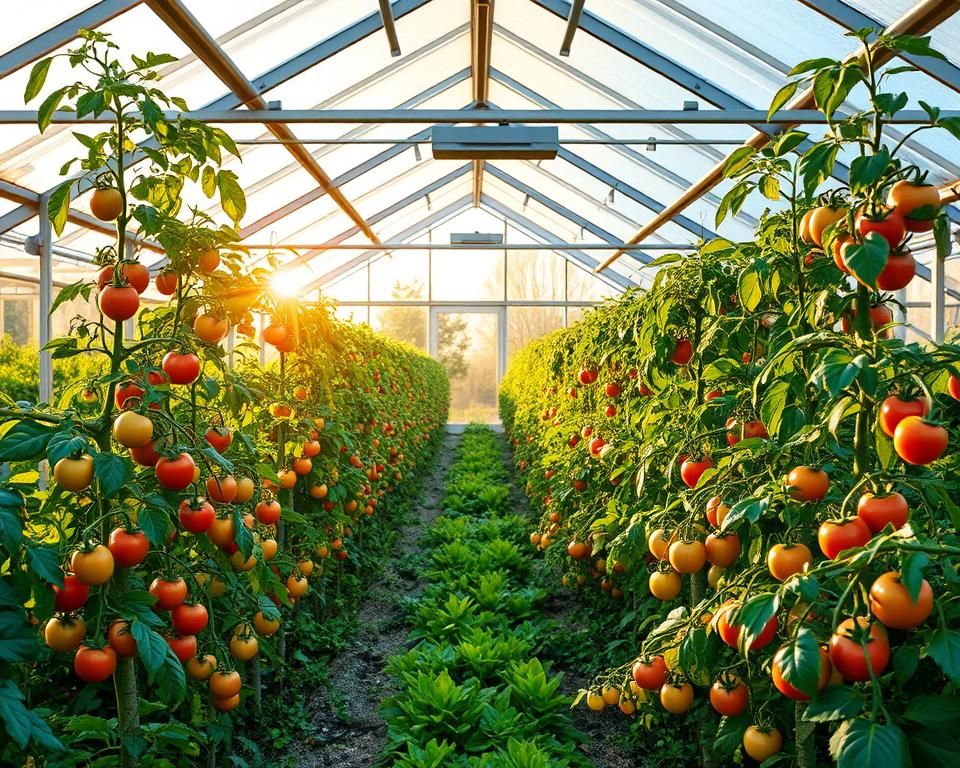
Several models stand out for their suitability in nurturing tomato plants. The BillyOh Rosette Hobby Aluminium Greenhouse offers an accessible entry point. Its low-maintenance aluminium frame resists rust.
For those prioritising insulation, the BillyOh 4000 Lincoln Wooden Greenhouse is a strong option. Its timber frame holds heat exceptionally well. It features twin-walled polycarbonate glazing.
The innovative BillyOh Switch Greenhouse provides deep moisture protection. Its modular design allows for flexible door placement to suit any garden layout.
Expert Reviews and Comparative Insights
Mid-range choices like the Halls Popular Greenhouse deliver excellent value. It offers a choice of frames and glazing, including toughened glass. An optional galvanised steel base is available.
Safety-focused gardeners might consider the Lacewing Crystal Clear Polycarbonate Greenhouse. Its shatterproof panes block 90% of UV rays. The adjustable sliding door adds installation flexibility.
Premium models, such as the Rhino Classic, justify their cost with professional features. These include multiple vents with automatic openers and a robust aluminium frame. It comes with a remarkable 25-year guarantee.
| Model | Key Material | Notable Feature | Ventilation |
|---|---|---|---|
| BillyOh Rosette | Aluminium | Quick-warming glazing | Roof window |
| BillyOh 4000 Lincoln | Timber | Heat retention | Up to 2 roof vents |
| Halls Popular | Choice of frame | Sliding door | Single roof vent |
| Rhino Classic | Aluminium | Solar-powered vents | 2 louvre & 2 roof vents |
Ultimately, the right choice depends on specific needs like ventilation, size, and preferred materials. Investing in a well-designed structure pays dividends in plant health and yield.
Maintenance, Customisation and Essential Accessories
Proper maintenance and customisation significantly extend the lifespan and functionality of any growing structure. Regular attention ensures optimal conditions for plant development while preventing costly repairs.

Upkeep Tips to Avoid Rot and Wear
Preventative maintenance proves more cost-effective than repairs. A wooden greenhouse requires annual treatment with quality wood preservative to combat rot. Quality models offer 10-15 year anti-rot guarantees with proper care.
Timber frame longevity depends on keeping wood off damp ground. Proper base installation using paving slabs or treated timber bearers prevents moisture damage. Regular inspection of glazing clips and seals is essential.
Customising for Shelving, Doors and Base Options
Customisation enhances functionality substantially. Staging shelves create dedicated propagation areas. Door configuration is an important choice – single sliding doors suit compact spaces while double hinged doors facilitate movement of large plants.
A firm, level base is crucial for stability. Low-threshold designs accommodate wheelchair users. Integral guttering systems collect rainwater for efficient irrigation.
| Accessory | Purpose | Benefit | Cost Estimate |
|---|---|---|---|
| Automatic vent openers | Temperature regulation | Eliminates manual adjustment | £20-40 |
| Bubble wrap insulation | Heat retention | Reduces winter heating costs | £20-30 per roll |
| Shade netting | Summer protection | Prevents overheating | £15-25 |
| Staged shelving | Space optimisation | Maximises vertical growing area | £50-150 |
Seasonal maintenance schedules ensure optimal performance. Spring cleaning removes algae from glass surfaces. Autumn repairs prevent winter storm damage to the roof and wall structures.
Conclusion
Investing in a protective growing structure for cultivating tomatoes is a rewarding step for any gardener. The choice involves balancing many factors to create the perfect environment.
Consider the size of your garden and the space available. A firm, level base is essential. Think about access and movement around the plants.
Material selection is key. An aluminium frame offers low maintenance, while wood provides excellent insulation. Polycarbonate glazing is a safe alternative to glass.
Good ventilation is non-negotiable. Ensure there are enough vents in the roof and wall to manage temperature and heat during summer. This protection helps crops thrive.
With a range of greenhouses on the market, there is an option for every gardener. The right door and frames make all the difference. Proper planning ensures a bountiful harvest for years to come.
FAQ
What is the best frame material for a tomato greenhouse?
Both aluminium and timber frames offer distinct advantages. Aluminium structures require very little maintenance and resist rot, making them a durable choice. Wooden greenhouses provide superior natural insulation, which helps to stabilise the internal temperature for healthy crops.
How important is ventilation for growing tomatoes?
Adequate ventilation is critical. Tomatoes need good air circulation to prevent disease and aid pollination. A structure with roof vents and louvres on the sides allows for effective temperature control and maintains a healthy environment for the plants during the summer heat.
What size structure should a gardener consider?
The ideal size depends on available garden space and the number of plants. It is essential to choose a model that allows for comfortable access and movement. Even a compact design can be productive if it includes shelving to maximise the growing area.
Is polycarbonate glazing a good alternative to glass?
Polycarbonate is an excellent alternative. It provides better insulation than traditional glass and is much more resilient, reducing the risk of breakage. Many gardeners find it a safer and more efficient option for maintaining a consistent climate.
What base is recommended for stability?
A solid, level base is fundamental for any structure’s longevity. A purpose-built metal base or a sturdy timber frame anchored to the ground ensures the entire building remains stable and secure over time, providing a reliable foundation for cultivation.
Can a lean-to design be used effectively?
Absolutely. A lean-to model placed against a sunny house wall can be very effective. This setup benefits from the wall’s retained heat, offering excellent insulation and protection. It is a superb space-saving solution for smaller gardens.