How Thick Should Shed Cladding Be? Expert Advice
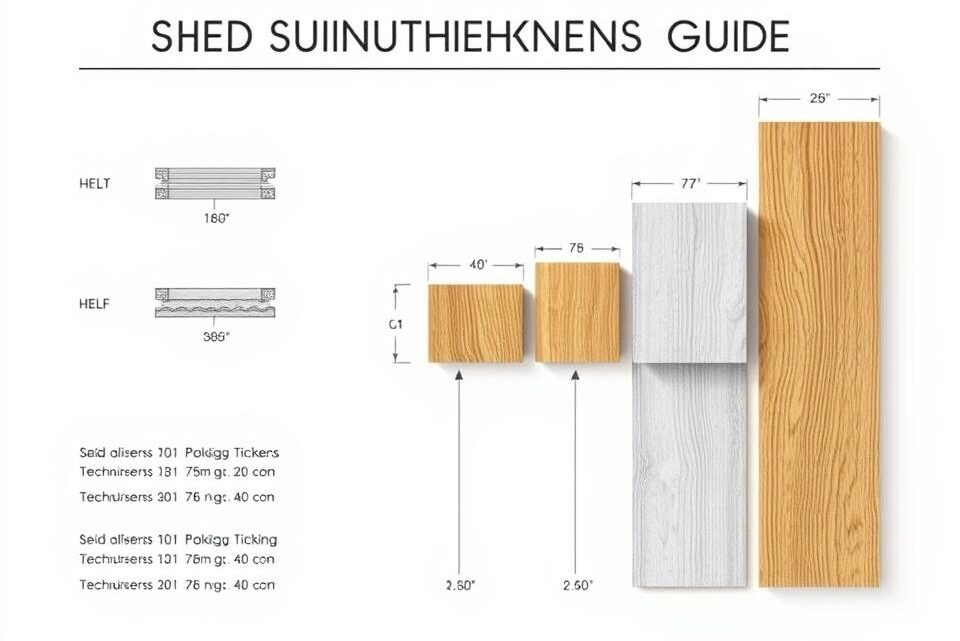
Choosing the right materials for an outdoor building is a crucial step. The correct specification ensures durability and value. This comprehensive guide offers expert advice on a fundamental aspect of construction.
The dimension of the wall boards plays a vital role in a structure’s performance. It directly influences longevity, weather resistance, and thermal efficiency. For a garden shed or timber workshop, getting this detail right is essential.
Options vary widely, from economical overlap designs to robust log cabin profiles. Understanding the range helps in making an informed decision. This resource explores the factors that determine the ideal specification for any project.
Inhaltsverzeichnis
Key Takeaways
- The dimension of wall boards is a primary factor in a building’s durability and weatherproofing.
- Thickness directly impacts insulation, affecting the internal temperature of the structure.
- Standard overlap boards are often thinner, while shiplap and tongue and groove profiles offer greater strength.
- Consider the intended use, from simple storage to a year-round garden office.
- Local climate conditions, including wind and rain exposure, should influence your choice.
- Budget is a key consideration, balancing initial cost with long-term value and protection.
Introduction to Shed Cladding and Its Importance
Wall boards form the essential protective barrier that determines a structure’s longevity and performance. This external layer acts as a second skin, shielding the internal framework from environmental challenges. The right specification ensures both functional and aesthetic benefits for any garden building.
Role in Weather Protection and Insulation
Timber cladding creates a robust defence against rain, wind, and snow. It prevents moisture penetration that could damage stored items or the building itself. Proper installation blocks draughts and enhances thermal efficiency.
This protective function maintains stable internal temperatures throughout seasonal changes. Effective moisture management reduces condensation risks that lead to mould growth. The insulation properties contribute to a more comfortable environment inside the structure.
Enhancing Garden Shed Durability
Quality cladding significantly extends the lifespan of outdoor buildings. It prevents water ingress, which is the primary cause of timber deterioration. Thicker options offer superior resistance against harsh weather conditions.
The material choice directly influences how well a garden shed withstands exposure over time. Beyond practical benefits, the cladding contributes to visual appeal. It allows the building to complement its surroundings while maintaining protective qualities.
| Cladding Function | Primary Benefit | Impact on Building |
|---|---|---|
| Weather Protection | Blocks rain and moisture | Prevents structural damage |
| Thermal Insulation | Maintains temperature | Reduces condensation |
| Durability Enhancement | Extends lifespan | Protects against decay |
| Aesthetic Contribution | Improves appearance | Complements garden design |
Understanding Shed Cladding Materials and Styles
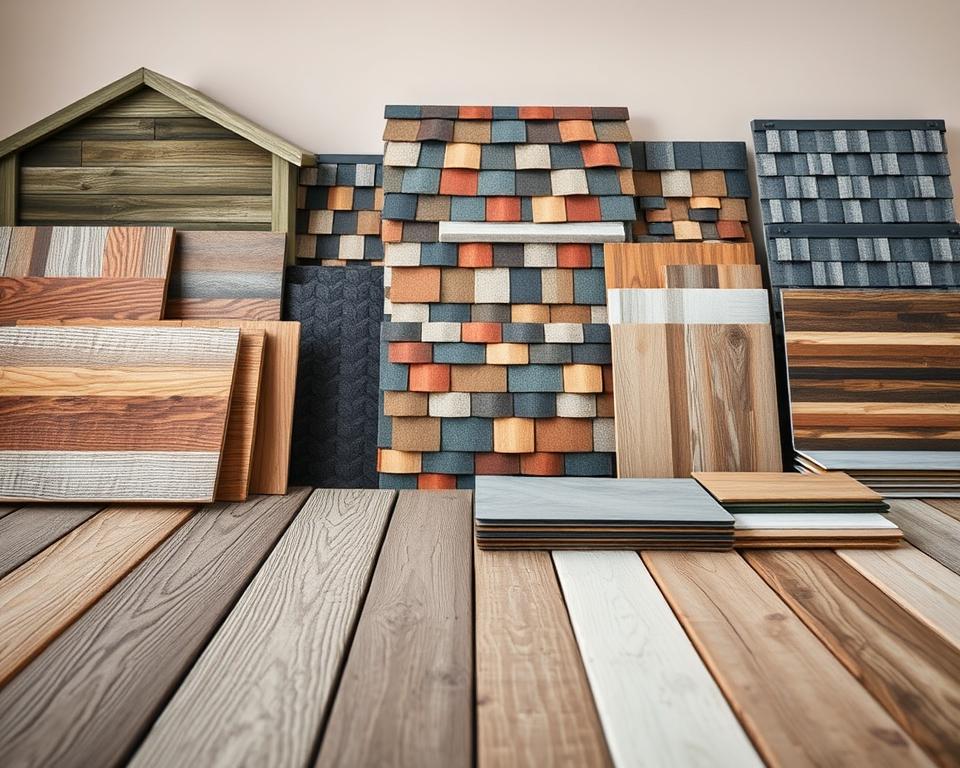
Different cladding styles offer distinct advantages for outdoor timber buildings. The selection process involves considering weather protection, appearance, and budget constraints. Each profile delivers unique benefits for garden structures.
Overlap Cladding versus Tongue and Groove
Overlap cladding represents an economical choice with horizontal boards. Each piece overlaps the one below, creating a simple yet effective barrier. These boards are typically around 7mm thick, suitable for basic storage needs.
Tongue and groove cladding provides superior performance through interlocking design. The tongue of one board fits precisely into the groove of the next. This creates a seamless surface that prevents draughts and moisture ingress effectively.
Modern Shiplap and Traditional Feather Edge
Modern shiplap combines features of both overlap and tongue and groove styles. It features groove fittings with an overlapping bottom lip. This design creates an attractive curved profile that efficiently channels rainwater away.
Traditional feather edge cladding has a triangular cross-section, thicker at the bottom edge. It requires substantial overlap between boards for proper weather protection. This style offers a classic appearance for traditional garden buildings.
| Cladding Style | Typical Thickness | Best Use Case |
|---|---|---|
| Overlap | 7mm | Budget storage |
| Tongue & Groove | 12-19mm | Year-round use |
| Shiplap | 12-16mm | Visible locations |
| Feather Edge | 12mm+ | Traditional designs |
The finish quality varies across these cladding options. Smooth surfaces and refined appearances make some styles ideal for prominent garden locations. Each option serves different practical and aesthetic purposes.
How Thick Should Shed Cladding Be?
Selecting the correct board dimension ensures optimal protection and value for outdoor timber structures. The measurement specification directly affects durability and performance.
Guidelines for Wood and Timber Cladding
Most garden buildings feature wall panels ranging from 7mm to 11mm. This represents the basic standard for seasonal storage purposes.
For structures intended for year-round use, thicker options provide superior performance. These typically measure 19mm, 28mm, or even 44mm. The increased dimension enhances insulation and structural integrity.
“Always verify the finished measurement rather than relying on nominal sizes. Timber loses approximately 3mm during planing processes.”
Overlap designs generally feature thinner boards around 7mm. They suit light storage applications. Tongue and groove options offer greater thickness from 11mm to 15mm.
Professional guidance recommends avoiding boards thinner than 12mm finished size. Materials below this measurement lack adequate strength. They risk warping and premature deterioration.
| Application Type | Recommended Thickness | Suitable Cladding Styles |
|---|---|---|
| Basic Storage | 7mm – 11mm | Overlap |
| Year-round Use | 19mm – 44mm | Tongue & Groove, Log Cabin |
| Workshop/Office | 15mm+ | Shiplap, Tongue & Groove |
The final choice depends on intended usage and climate conditions. Thicker timber cladding offers better long-term value despite higher initial cost.
Exploring Thickness Options for Timber Cladding
Available thickness measurements for timber wall panels span from economical to premium specifications. This comprehensive selection allows builders to match the cladding to specific functional requirements and seasonal needs.
Common Thickness Ranges from 7mm to 44mm
The dimensional range for timber cladding extends remarkably from 7mm to 134mm. Entry-level 7mm to 11mm boards suit basic storage sheds used occasionally during warmer months.
Mid-range 19mm to 28mm thickness provides versatility for summer houses and seasonal workshops. The 28mm option offers sufficient insulation for comfortable use during warm spring and autumn days.
Premium 34mm to 44mm timber delivers three-season usability. These measurements are popular for garden workshops requiring extended seasonal access.
Impact on Insulation and Structural Strength
Structural integrity increases significantly with greater wall thickness. Heavier boards provide superior resistance to warping and physical impacts.
Insulation performance correlates with timber dimension up to a certain point. However, dedicated insulation materials between cladding and internal lining often deliver better thermal performance.
For year-round garden offices, 70mm walls maintain consistent internal temperatures. This premium timber cladding provides excellent sound insulation and weather resistance.
Weather Resistance and Insulation Benefits
The performance of external wall boards directly influences a garden building’s ability to withstand seasonal challenges. Proper specification ensures both durability and comfort throughout the year.
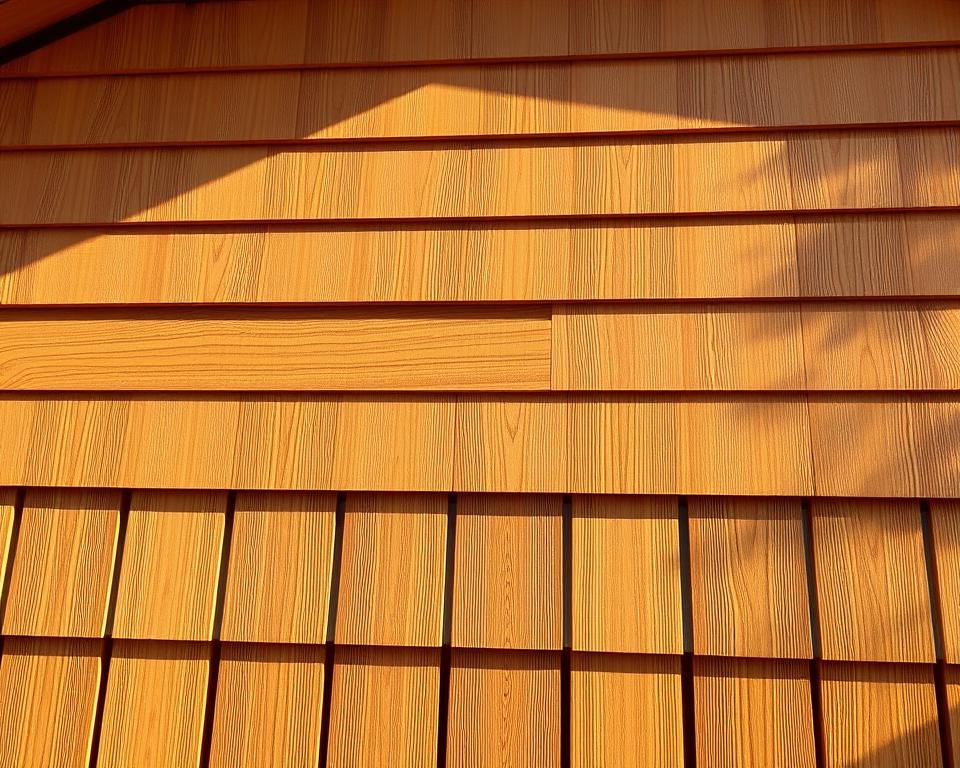
Thicker timber creates a more substantial barrier against environmental elements. This enhanced protection maintains internal conditions regardless of external weather patterns.
Enhanced Protection Against Environmental Elements
Substantial wall panels effectively block driving rain and prevent moisture penetration. Boards measuring 19mm or greater offer superior resistance to water ingress.
Wind resistance improves significantly with increased material density. Heavier timber remains stable during storms, preventing gap formation that compromises weatherproofing.
Snow loading creates additional stress on garden structures. Thicker cladding provides the rigidity needed to maintain wall integrity under heavy accumulation.
The insulation properties extend beyond simple thermal mass. Dense timber construction slows heat transfer, reducing temperature fluctuations inside the building.
Proper timber treatments combined with adequate thickness create a comprehensive protection system. This approach extends building lifespan while maintaining comfortable internal conditions.
Selecting the Ideal Timber for Garden Sheds
Three primary timber varieties dominate the market for outdoor garden structures. Each offers distinct characteristics and price points. The selection significantly influences durability, appearance, and long-term performance.
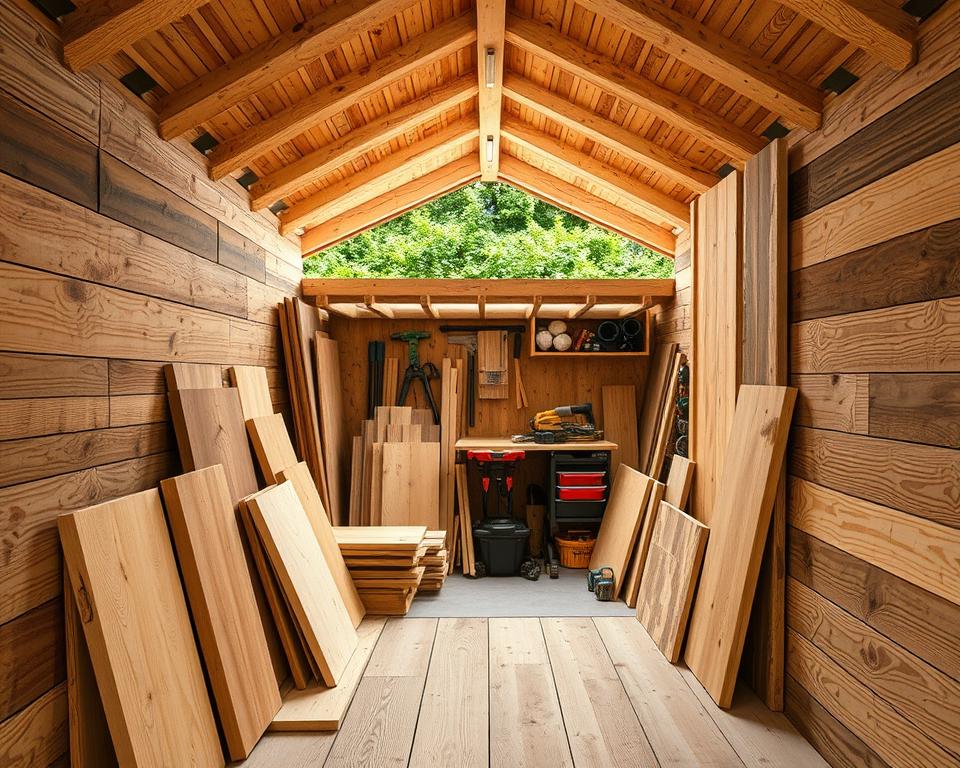
Redwood, Whitewood and Cedar Options
European redwood represents the premium softwood choice for quality garden buildings. It grows slowly, producing tightly-packed grain structure. This results in stronger, more stable boards less prone to warping.
Whitewood timber offers an economical alternative. It grows rapidly with wider grain spacing. This makes the wood more porous and less dense. While suitable for budget sheds, it requires more frequent maintenance.
Cedar stands as the luxury option for garden shed cladding. It features fine, straight grain and natural oil content. These properties provide inherent rot resistance without chemical treatments.
| Timber Type | Grain Quality | Durability | Price Range | Best For |
|---|---|---|---|---|
| European Redwood | Tight, stable | High | Mid-range | Quality garden sheds |
| Whitewood | Wide, porous | Medium | Budget | Basic storage sheds |
| Cedar | Fine, straight | Premium | High-end | Luxury garden buildings |
Modern timber treatments like tanalisation enhance standard wood longevity. Slow-growing Nordic timber offers exceptional density. This provides good insulation even at lower thicknesses for garden sheds.
Cladding Design Considerations for Aesthetic Appeal
Beyond functional protection, timber cladding significantly enhances the visual appeal of garden buildings. The natural product feels appropriate in outdoor settings, blending harmoniously with surrounding landscapes.

Enhancing the Look of Garden Buildings
Different cladding profiles create distinct visual effects. Shiplap offers clean lines with subtle shadow details. Loglap provides rustic charm through rounded edges.
The natural grain patterns add organic beauty to any structure. This design approach helps buildings complement their garden environment effectively.
Finishing Options and Custom Designs
Various finishes allow personalisation of the final appearance. Stains and paints can match existing garden features or house colours.
Custom design possibilities extend to timber species and installation patterns. These choices enable structures to reflect individual taste and architectural style.
| Cladding Style | Aesthetic Character | Best Garden Setting |
|---|---|---|
| Shiplap | Contemporary clean lines | Modern minimalist gardens |
| Loglap | Rustic log effect | Cottage garden style |
| Feather Edge | Traditional vernacular | Countryside landscapes |
| Tongue & Groove | Seamless sophisticated look | Formal garden designs |
The right cladding design transforms functional buildings into attractive garden features. Careful selection ensures structures enhance rather than dominate their surroundings.
Cost Considerations and Budget Options
Financial planning is a fundamental step in any garden building project. The initial price of materials is a significant factor, but the long-term value is equally important. Smart budget allocation ensures a durable and cost-effective result.

It is crucial to understand that not all timber costs the same. The species and treatment directly influence the final price. A higher initial investment often leads to better longevity.
Comparing Price Points Relative to Thickness
Entry-level sheds often use very thin boards, around 7mm. This option has the lowest price but offers limited durability. They are a choice for temporary storage on a tight budget.
Mid-range thickness from 12mm to 15mm provides a better balance. This building material offers improved weather resistance. It represents excellent value for money over time.
For a more robust shed, consider 19mm or 28mm options. These provide three-season usability and extended lifespan. The higher cost is justified by superior performance.
Premium timber cladding at 44mm and above is for year-round use. This is a significant investment. It is best suited for workshops or garden offices.
Budget-conscious buyers should keep in mind the total cost of ownership. A slightly more expensive shed that lasts decades is better than a cheap one needing quick replacement.
| Budget Level | Typical Thickness | Best Timber Choice | Long-Term Value |
|---|---|---|---|
| Low | 7mm | Whitewood | Poor |
| Medium | 12-15mm | Tanalised Redwood | Good |
| High | 19-28mm | Quality Redwood | Excellent |
| Premium | 44mm+ | Cedar | Exceptional |
Installation Tips and Maintenance Advice
Correct installation and diligent maintenance are fundamental to maximising the lifespan and performance of any garden building’s external walls. A meticulous approach during the fitting process prevents future issues, while a consistent care routine preserves the material’s integrity for years.
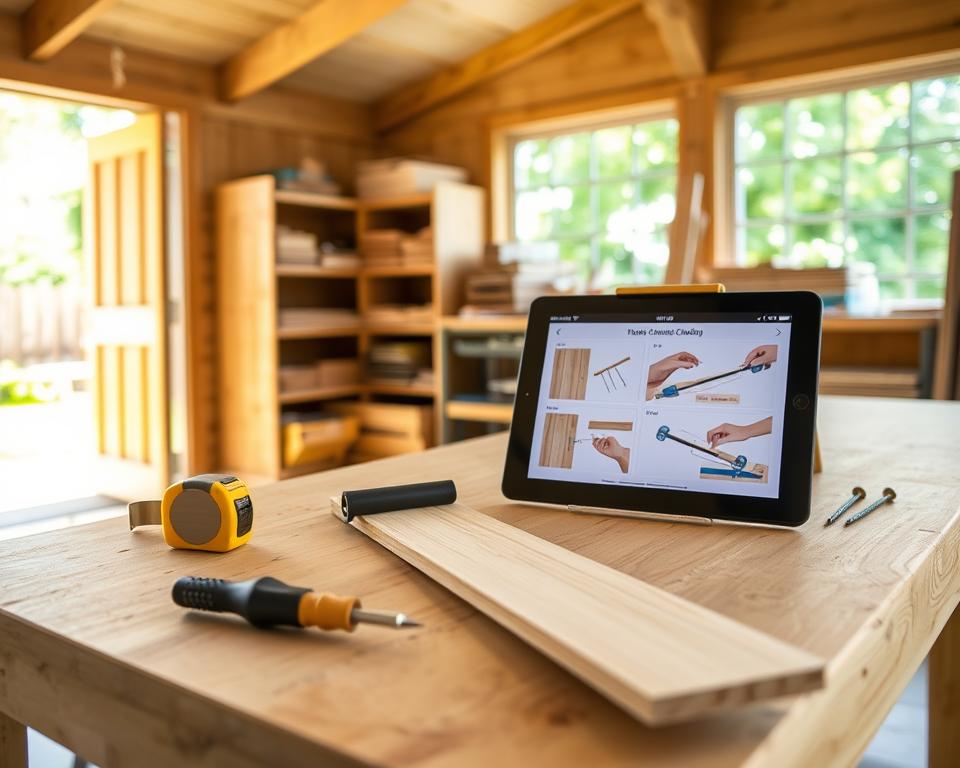
Step-by-Step Guide for Proper Installation
The process begins with a solid, level, and square frame. Any imperfections here will compromise the entire installation. This foundational step is critical for alignment and long-term stability.
For overlap style boards, work from the bottom upwards. Each plank must overlap the one below by at least 25mm. This way, rainwater is effectively channelled away from the joints.
Tongue and groove cladding requires precise alignment. The tongue of one board slides fully into the groove of the next. This creates a seamless, gap-free surface essential for weatherproofing.
Fixing the timber to the frame demands care. Use appropriate fasteners at regular intervals. This prevents movement while allowing for natural expansion and contraction.
Pre-assembled systems, like Quick Fit ranges, simplify the installation. These feature panels with integrated moisture barriers. They offer a straightforward guide to achieving a professional finish.
Long-Term Care and Maintenance Strategies
Regular upkeep dramatically extends the life of the cladding. An annual inspection is recommended. Pay close attention to joints, corners, and areas near the ground for signs of moisture damage.
Applying a protective timber treatment every two to three years is essential. The right product safeguards against weather, fungal growth, and insects. The choice depends on the timber species and local climate.
It is important to keep in mind that a well-maintained structure provides decades of service. Neglect, however, leads to rapid deterioration, regardless of initial quality.
| Maintenance Task | Frequency | Key Benefit |
|---|---|---|
| Visual Inspection | Annually | Early problem detection |
| Timber Treatment | 2-3 Years | Weather and rot protection |
| Check Fixings | After severe weather | Maintains structural integrity |
Comparing Timber Cladding for Different Garden Buildings
Garden structures vary significantly in their functional requirements and aesthetic considerations. The same cladding principles apply across various outdoor buildings, though specifications differ based on intended usage. Each type of structure demands appropriate timber thickness and construction standards.
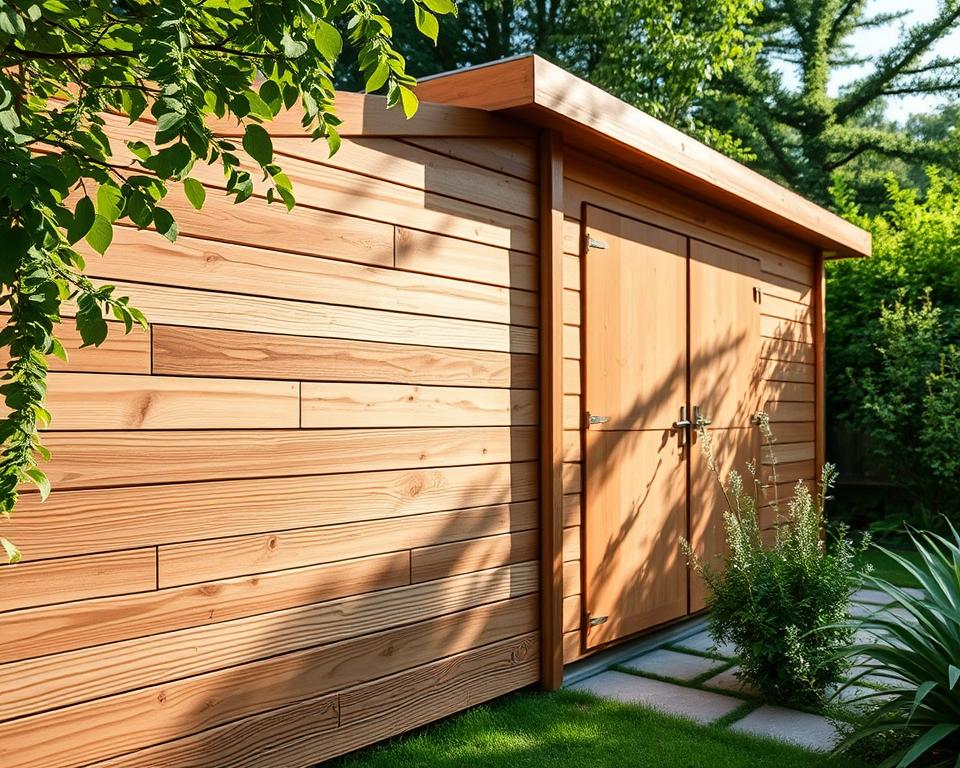
From Storage to Living Spaces
Basic storage sheds represent the entry level for garden buildings. They typically utilise 12mm to 15mm tongue and groove cladding. This provides adequate weather protection without requiring substantial thermal performance.
Summer houses occupy a middle ground between simple storage and living space. They often feature 19mm to 28mm walls for comfortable warm-weather use. This range offers sufficient insulation for leisure activities.
Workshops demand more robust construction than basic storage solutions. They require 34mm to 44mm timber cladding for extended seasonal usability. This thickness supports DIY projects throughout spring, summer, and autumn.
Garden offices represent the premium category where year-round functionality is essential. They generally need 70mm walls as a minimum specification. This ensures comfortable working temperatures during winter months.
Log cabin-style buildings blur the line between garden structures and permanent dwellings. Interlocking log construction in 28mm thickness or greater delivers exceptional thermal mass. This approach creates spaces suitable for guest accommodation.
It’s important to keep in mind that selecting appropriate cladding prevents both overspending and inadequate performance. The step up from one category to another involves enhanced specifications throughout the entire structure.
Conclusion
Selecting the right external wall specification for a garden building is a critical decision. This guide has detailed the key factors to consider.
There is no single answer that fits every garden building. The best way forward depends on the intended use of the space. For example, a structure for regular use requires a robust product.
Understanding the options available, from material to thickness, is essential. It allows for an informed choice that balances budget with long-term performance.
Quality timber construction, chosen wisely, ensures a durable and valuable addition to any garden. This guide provides the knowledge to make that confident decision.
FAQ
What is the primary purpose of shed cladding?
Shed cladding provides essential protection against weather elements like rain and wind. It also contributes to the overall durability and insulation of the structure.
What are the main differences between overlap and tongue and groove cladding?
Overlap cladding features boards that overlap each other, creating a rustic look. Tongue and groove boards interlock for a stronger, more airtight seal, often offering better weather resistance.
How thick should shed cladding be for a standard garden shed?
For most garden sheds, a thickness between 12mm and 19mm is common. This range offers a good balance of strength, durability, and cost-effectiveness for typical use.
Does thicker cladding improve insulation?
Yes, thicker boards generally provide better thermal insulation. They help maintain a more stable temperature inside the shed, which is beneficial for storing sensitive items.
What types of wood are best for shed cladding?
Popular choices include European redwood for its durability, whitewood for a lighter appearance, and cedar, which offers natural resistance to decay and insects.
How does cladding thickness impact a shed’s resistance to snow?
Thicker, stronger cladding can better support the weight of heavy snow. In areas prone to significant snowfall, opting for a more robust thickness is advisable.
Are there budget-friendly cladding options available?
A> Absolutely. Overlap cladding is typically more affordable than interlocking styles like shiplap. Choosing a standard wood type rather than a premium species also helps manage costs.
What maintenance does timber cladding require?
Regular maintenance, such as applying a protective finish or stain, helps preserve the wood and extend its lifespan. Inspecting for damage annually is also recommended.
Can shed cladding be used on other garden buildings?
Certainly. The principles of selecting cladding apply to various garden buildings, including summer houses and workshops. The ideal choice depends on the building’s intended use and desired appearance.
Does cladding style affect the final look of a garden shed?
Yes, the cladding style significantly influences the shed’s aesthetic. Options like shiplap offer a clean, modern finish, while feather edge provides a more traditional appearance.