Best Sheds for Boat Storage: Secure and Durable
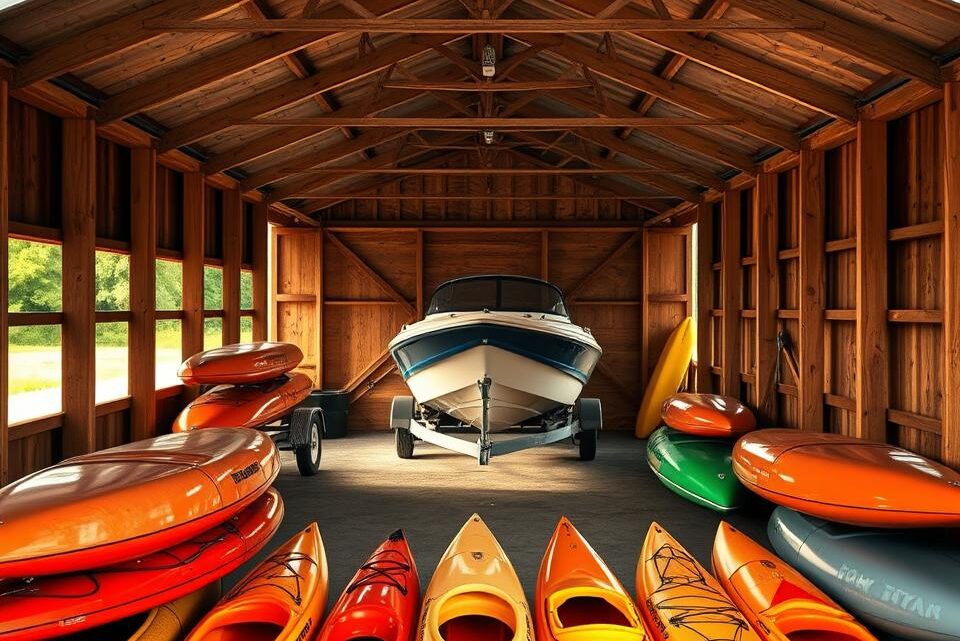
Owning a boat brings great enjoyment, but finding proper storage presents a significant challenge for many enthusiasts. Without adequate protection, watercraft can suffer from exposure to the elements, leading to costly repairs and reduced lifespan. This guide explores practical approaches to safeguarding your valuable investment.
The British climate demands particular attention to storage needs. Harsh winter conditions, persistent moisture, and UV exposure can all cause damage over time. A well-chosen storage solution provides essential protection against these threats, ensuring your vessel remains in prime condition.
Various options exist for boat owners, from traditional wooden garages to modern metal structures. Each offers distinct advantages depending on the size of your craft and specific requirements. Understanding these choices helps in selecting the most suitable arrangement.
This comprehensive resource examines key considerations like construction materials, security features, and space requirements. It aims to equip owners with the knowledge needed to make informed decisions about their storage needs, balancing practicality with budget considerations.
Inhaltsverzeichnis
Key Takeaways
- Proper storage extends the lifespan of your watercraft
- Protection from winter weather is essential in the UK
- Different shed types suit various boat sizes
- Security features help safeguard your investment
- Consider space requirements for future needs
- Material choice affects durability and maintenance
- Tailor your solution to British weather conditions
Understanding the Importance of a Quality Boat Shed
A dedicated shelter for your vessel is a strategic decision that goes beyond simple cover. It serves as a primary defence system, preserving the condition and value of your watercraft against numerous threats.
How Boat Sheds Protect Your Investment
These structures provide robust protection from the elements. Sun, rain, snow, and wind-blown debris can cause significant damage over time. A quality shed shields the hull, upholstery, and mechanical parts.
This safeguarding directly reduces the need for frequent maintenance. It prevents the build-up of dirt, pollen, and algae that often plagues vessels kept in the open.
Impact on Longevity and Maintenance
The longevity of your vessel is greatly enhanced. By sheltering it from freezing winter conditions and extreme heat, stress on the engine and battery is minimised. This careful storage helps maintain the vessel’s resale value.
For owners in the UK, where weather can be particularly harsh, this protection is crucial. It ensures your craft is ready for use when the boating season returns.
Key Features and Benefits of Boat Storage Sheds
A well-designed shelter offers more than just a place to park a vessel. It provides a versatile environment that enhances the entire ownership experience.

These structures are engineered to meet the specific demands of protecting valuable watercraft. They deliver significant advantages through thoughtful design.
Weather Protection and Security
Modern shelters utilise heavy-duty materials like galvanised steel frames and durable polyethylene covers. This construction offers a waterproof and UV-resistant barrier.
Security is paramount. Lockable double doors and reinforced entry points deter unauthorised access. This provides owners with complete peace of mind.
Enhanced Organisational Space
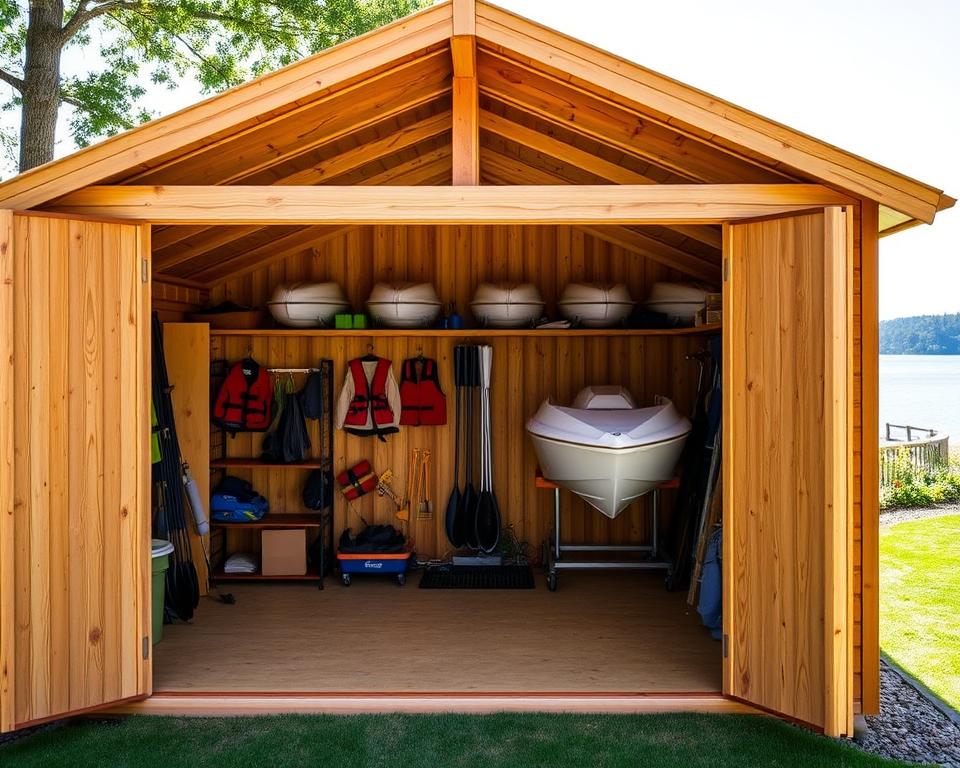
These shelters transform into functional workshops. They offer ample space to store all your boating gear and equipment.
Everything from life jackets to maintenance tools can be neatly organised. This keeps essential items ready for your next trip.
Customisable Functional Options
Every owner has different requirements. That’s why many options are available to create the perfect solution.
You can choose features like adjustable height and width. Multiple door configurations provide easy access for trailers.
| Feature | Benefit | Consideration |
|---|---|---|
| Galvanised Steel Frame | Exceptional durability and resistance to rust | Ideal for long-term outdoor use |
| Ventilation Systems | Prevents moisture build-up and mildew | Keeps the interior fresh and dry |
| Natural Daylight Windows | Creates a bright workspace for maintenance | Redces the need for artificial lighting |
Design and Construction: Materials, Access, and Durability
The physical makeup of a shelter is a primary factor in its performance and longevity. It determines how well it stands up to the elements and serves the owner’s needs.
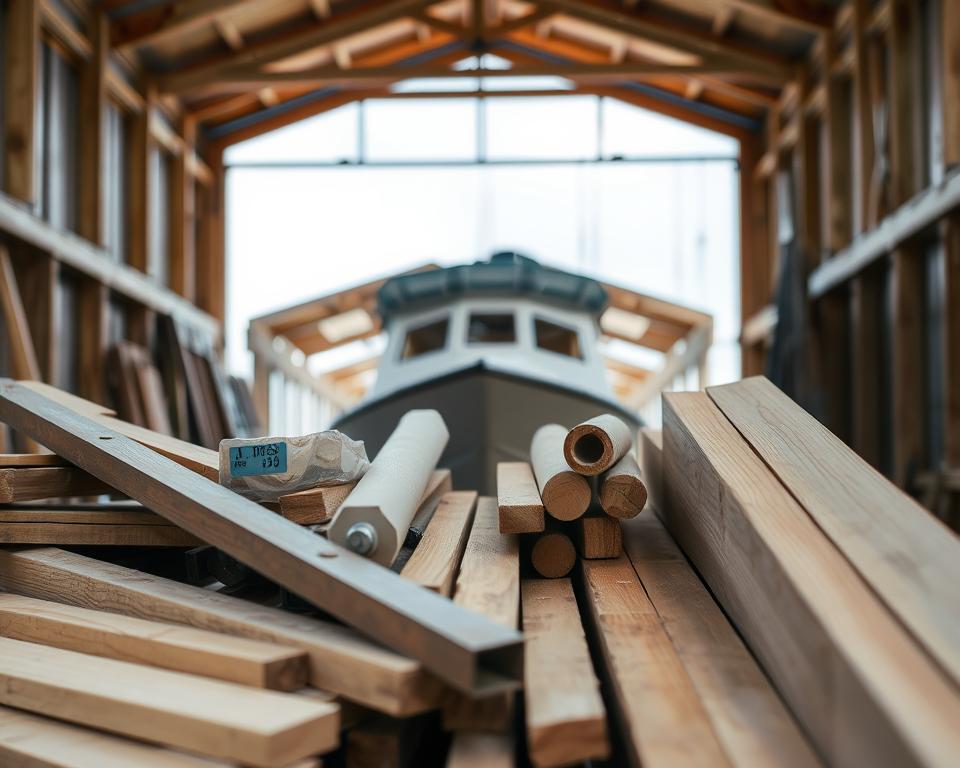
Careful selection of materials and construction methods ensures a structure that provides lasting storage for your vessel.
Comparing Wooden, Steel, and Galvanised Structures
Wooden buildings, like the Aston garage, use traditional methods. They feature 44mm thick interlocking walls and metal brackets. This design offers robust protection.
Pressure-treated timber comes with a 15-year guarantee against decay. It is ideal for the damp British climate.
Steel and galvanised buildings provide excellent weather resistance. They require less maintenance than wooden options. Galvanised steel frames withstand harsh conditions effectively.
The choice often depends on personal preference and budget.
Ease of Access and Custom Features
Generous door openings are crucial for easy access. Double doors measuring 7’9″ x 6’2″ allow a trailer to pass through smoothly.
Some designs omit flooring. This makes moving a boat and trailer in and out much simpler.
Customisation options let owners adjust the length, height, and width. This ensures a perfect fit for the vessel and any gear.
| Material | Key Advantage | Maintenance Consideration |
|---|---|---|
| Wood | Traditional aesthetic, blends with gardens | Requires periodic treatment for longevity |
| Galvanised Steel | High durability, minimal upkeep | Resistant to rust and corrosion |
| Polyethylene Cover | Lightweight, waterproof barrier | UV resistant, protects from sun damage |
Best Sheds for Boat Storage
Several standout designs offer tailored solutions for safeguarding watercraft. Each model addresses different priorities, from traditional aesthetics to modern durability.
Review of Top Models and Designs
The Aston wooden garage combines classic appearance with robust protection. Its 18’9″ depth accommodates boats up to 16 feet. The 44mm interlocking walls provide exceptional strength.
Metal buildings present low-maintenance options for harsh British weather. Galvanised steel construction withstands heavy rain and wind. These garages offer approximately 182 square feet of floor space.
High wall sheds address specific requirements for tall accessories. They provide enhanced vertical clearance for fishing boats with radar equipment. This solution maintains security while accommodating superstructures.
Single and double wide garages cater to different needs. Single designs optimise space for boat and trailer combinations. Double versions create dedicated workspace for maintenance activities.
Expert Insights and Warranty Advantages
Proper size matching proves critical for effective storage. Experts recommend specific width measurements for different vessel sizes. Hobby boats typically require 12-14 feet, while pontoons need 16-18 feet.
Warranty coverage distinguishes quality manufacturers from budget alternatives. Established brands offer 15-year guarantees against structural deterioration. This demonstrates confidence in construction methods and materials.
Portable buildings provide flexible solutions for changing requirements. The Portable Garage PRO series combines professional-grade protection with relocation convenience. These modular options suit temporary storage needs.
Industry professionals emphasise considering door configurations and ventilation systems. These factors impact both trailer access and moisture control during long-term boat storage.
Practical Considerations for UK Boaters
Selecting the right protective shelter involves more than just measurements. It requires careful thought about the local environment and long-term upkeep. British boaters face a unique set of challenges that influence their ideal solution.
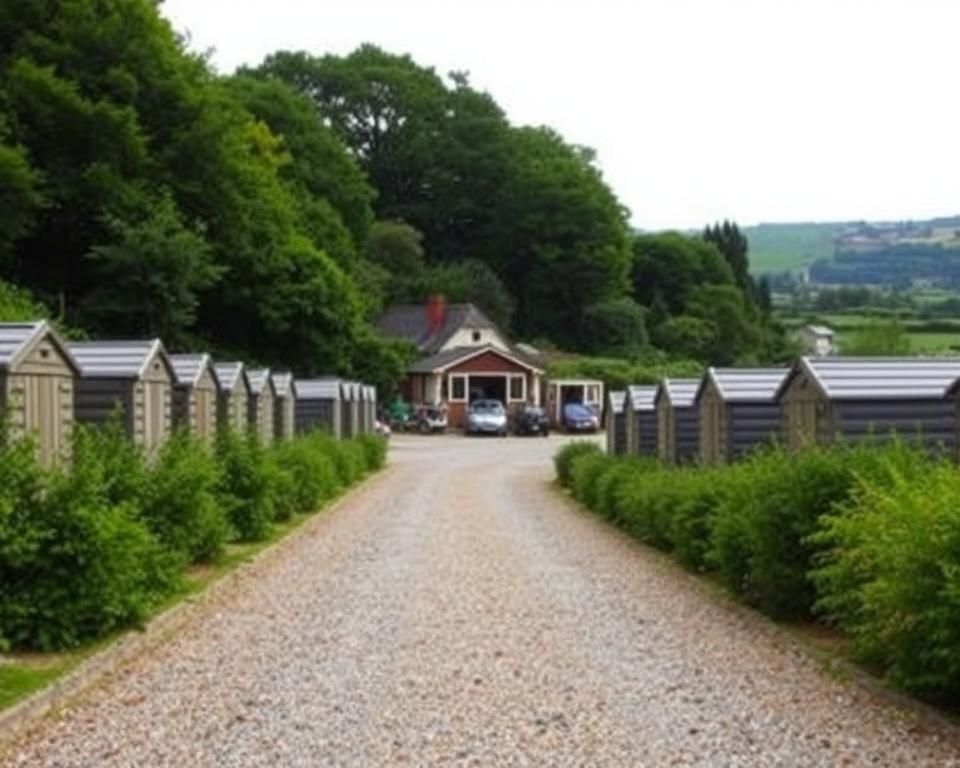
The UK’s maritime climate brings persistent rain, high humidity, and coastal salt spray. These factors demand a robust structure designed to handle these specific conditions. Proper preparation and ongoing care are key to longevity.
Tailoring Shed Options to British Conditions
Choosing materials suited to the British weather is crucial. Pressure-treated timber with a 15-year guarantee offers excellent resistance to dampness and rot. Galvanised steel is another strong option, particularly in coastal areas where salt accelerates corrosion.
Before installation, a stable, level base is essential. Since many structures don’t include flooring, a concrete pad or reinforced gravel foundation is needed. This ensures proper drainage and prevents water from pooling around the building.
It’s wise to check with the local council about planning permission. Rules can vary, especially for larger buildings or those in conservation areas. Getting this right from the start avoids potential issues later.
Installation and Maintenance Tips
Winter preparation is vital. As temperatures drop, ensuring the shelter is secure against snow loads and wind pressure protects the vessel inside. Good ventilation is key to managing condensation during the colder months.
Maintenance needs depend on the type of building. Wooden sheds benefit from periodic inspections and re-treatment of the timber. Metal buildings require checks on seals and coatings to maintain their weather-tight performance.
Having a seasonal routine helps. A pre-winter check of the roof and door seals can prevent damage. A spring inspection identifies any issues before the boating season begins, keeping everything in good order.
Conclusion
Ultimately, the right shelter transforms how an owner interacts with and cares for their vessel. This guide has outlined the essential factors, from robust materials to secure access, that contribute to effective boat storage.
Choosing a suitable structure is an investment in longevity and peace of mind. It significantly reduces maintenance demands and safeguards the vessel’s value. The diversity of available options means there is a perfect solution for different needs and space constraints.
For UK boaters, considering local weather conditions and proper installation is paramount. By evaluating these elements carefully, owners can ensure their boat remains protected and ready for adventure, season after season.
FAQ
What are the main advantages of using a shed for boat storage?
A dedicated structure offers superior protection from harsh weather, including UV rays, rain, and snow, which helps prevent damage. It also enhances security against theft and vandalism. Additionally, these buildings provide excellent organisational space for boating gear and maintenance work.
How do I determine the correct size for my boat storage shed?
To choose the right size, measure the boat’s total length, width, and height, including any trailers or equipment. It is wise to add extra space for easy movement and storage. Consider future needs, as a slightly larger structure offers more flexibility.
What materials are commonly used in the construction of these storage buildings?
Common materials include wood, which offers a traditional look, and steel, known for its strength and low maintenance. Galvanised steel is particularly resistant to rust. The choice depends on budget, desired longevity, and specific environmental conditions.
Are customisation options available for these sheds?
A>Yes, many suppliers offer various customisation options. These can include different door sizes for easy access, additional windows for light, and internal configurations. This allows owners to tailor the building to their specific storage requirements and convenience.
What should I consider regarding access and placement for my boat shed?
Ensure the location provides straightforward access for moving the boat in and out. The ground should be level and stable. Consider the direction of prevailing winds and the shed’s position relative to your property for maximum protection and convenience.
How does a storage shed contribute to a boat’s longevity?
By shielding the vessel from sun, moisture, and temperature fluctuations, a shed significantly reduces wear and tear. This protection minimises the need for frequent repairs and cleaning, thereby extending the life of the boat and its components.
What maintenance is required for the shed itself?
Maintenance needs vary by material. Wooden structures may require periodic staining or sealing, while steel buildings typically need occasional checks for scratches or rust. Regular cleaning of the exterior and inspection of doors and fittings will ensure long-term durability.
Can these sheds accommodate boats on trailers?
A>Absolutely. Many designs are specifically built to house a boat on its trailer. It is crucial to account for the combined height, length, and width of both the boat and trailer when selecting a size to ensure a proper fit.