Buying, Propagating, Caring for & Planting Succulent Varieties

Succulents have become increasingly popular as low-maintenance houseplants in the UK, and it’s easy to see why. These unique plants store water in their leaves, stems, or roots, making them perfect for busy individuals or those new to plant care.
As you explore the world of succulents, you’ll discover a vast array of varieties, each with its own characteristics and needs. This comprehensive guide will walk you through the process of selecting healthy succulents, propagating new plants, and providing the right conditions and soil for optimal growth.
Whether you’re a seasoned plant enthusiast or just starting out, understanding the specific needs of succulents is crucial for success. This guide will cover everything from buying tips to troubleshooting common problems, ensuring you’re well-equipped to care for your succulents in the UK climate.
Inhaltsverzeichnis
Key Takeaways
- Understand the unique characteristics of succulents and their needs
- Learn how to select healthy succulents for your home
- Discover the best methods for propagating new succulent plants
- Find out how to provide the right conditions and soil for optimal growth
- Troubleshoot common problems and keep your succulents thriving
Understanding Succulents: What Makes Them Special
The ability of succulents to thrive in harsh conditions makes them a fascinating group of plants worth understanding. Succulents come from various parts of the world and are incredibly diverse in shape and size. What unites them is their capacity to withstand long periods without water, making them ideal for busy individuals or those new to plant care.
Characteristics of Succulents
Succulents are characterized by their thickened, fleshy parts that store water, enabling them to survive in dry environments. Many are native to arid regions, including deserts, where rainfall is scarce. As such, they require very little watering, making them perfect for indoor spaces with limited natural watering.
Benefits of Growing Succulents
Growing succulents offers numerous benefits. They are low-maintenance plants that can thrive in small spaces, making them excellent decorative elements for the home. Their air-purifying qualities contribute to healthier indoor environments. With proper care, succulents can be long-lived compared to other houseplants. You can also grow succulents in creative displays, and propagating them can be a satisfying and educational experience.
| Benefits | Description |
|---|---|
| Low Maintenance | Ideal for busy individuals or those new to plant care |
| Aesthetic Appeal | Excellent decorative elements for the home |
| Air Purification | Contribute to healthier indoor environments |
| Longevity | Can be long-lived with proper care |
| Creative Displays | Can be arranged in various creative living arrangements |
Choosing and Buying Healthy Succulents
To ensure you’re getting the best succulents, it’s essential to know what to look for when buying. When purchasing succulents, whether online or in-store, inspecting the plants for signs of good health is crucial.
What to Look for When Purchasing
Look for succulents with plump, firm leaves and vibrant colours. Avoid plants with soft, mushy, or discoloured leaves, as these may be signs of overwatering or disease.
Recommended UK Retailers and Nurseries
You can find healthy succulents at online stores like Suttons, Crocus, and Thompson & Morgan. Local garden centres are also a great option, allowing you to inspect the plants personally.
Popular Succulent Varieties for UK Homes
The UK climate allows for the growth of diverse succulent varieties, making it easy to find the perfect one for your home. Succulents are not only beautiful but also adaptable to various indoor conditions.
Echeverias and Sempervivums
Echeverias and Sempervivums are popular succulent varieties known for their striking rosettes. Echeverias come in a range of colours and are relatively low maintenance, while Sempervivums, also known as ‘liveforevers,’ are hardy and produce offsets readily.
Sedums and Crassulas
Sedums and Crassulas are versatile succulents that can thrive in different light conditions. Sedums range from trailing varieties to upright plants, and Crassulas, commonly known as ‘Jade Plants,’ are known for their ease of care and attractive foliage.
Haworthias and Gasterias
Haworthias are compact, rosette-forming succulents that can tolerate lower light conditions, making them ideal for UK homes with limited natural light. Popular varieties include Haworthia fasciata (Zebra Plant) and Haworthia attenuata. Gasterias are characterized by their tongue-shaped leaves with spotted patterns. Both genera are well-suited to indoor spaces as they prefer bright, indirect light rather than full sun, making east or west-facing windows ideal. They have a slow growth habit and require minimal space, making them perfect for smaller areas. You can propagate these succulents through offsets and occasional leaf cuttings. They also produce interesting flowers on distinctive curved stalks.
| Succulent Variety | Light Preference | Growth Habit |
|---|---|---|
| Haworthia | Bright, indirect light | Slow-growing, compact |
| Gasteria | Bright, indirect light | Slow-growing, upright |
| Echeveria | Bright, indirect light | Moderate growth, rosette-forming |

Essential Tools and Materials for Succulent Care
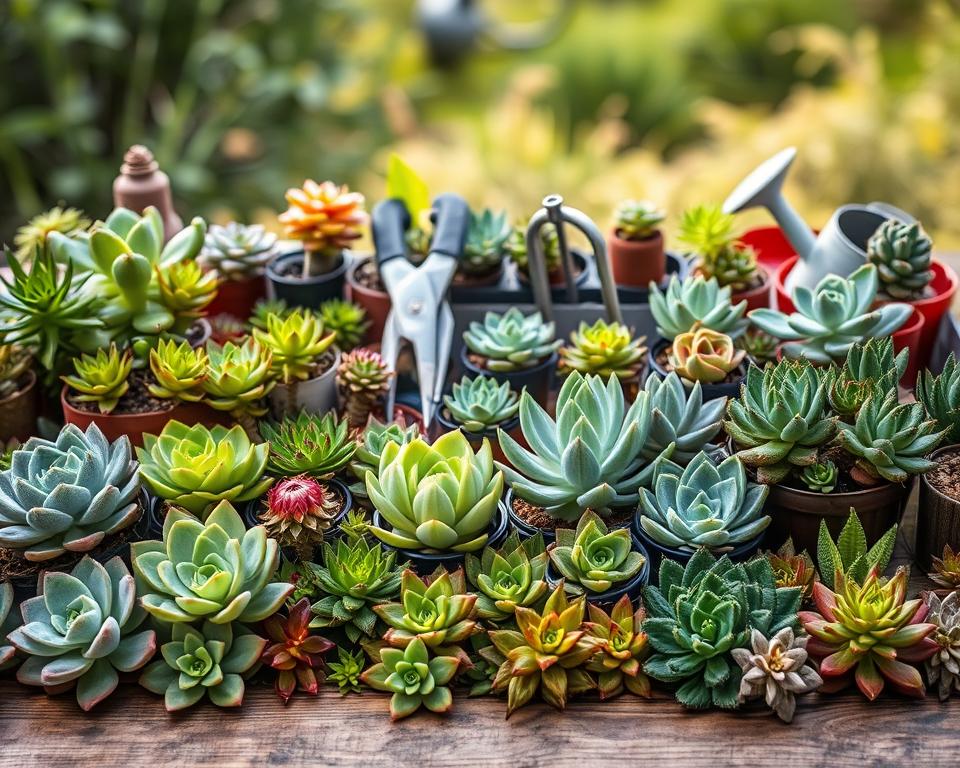
Ensuring your succulents remain healthy necessitates understanding the essential tools and materials. To provide the best care, you’ll need to focus on both the containers and the soil, as well as the tools used for watering.
Potting Containers and Soil
The right potting containers and soil are crucial for succulent health. Use containers with good drainage to prevent waterlogged soil. A well-draining soil mix specifically designed for succulents is ideal, as it prevents root rot and ensures healthy root development.
Watering Tools and Accessories
When it comes to watering your succulents, precision is key. Specialised watering tools such as squeeze bottles with narrow spouts or small watering cans can help you deliver water directly to the roots without overwatering. Consider using a moisture meter to gauge when your succulents need water.
Bottom watering techniques can be beneficial, especially for sensitive plants. Additionally, maintaining your watering tools by cleaning them regularly will prevent the spread of disease.
Planting and Potting Your Succulents
To keep your succulents thriving, it’s essential to pot them properly. This involves selecting the right container and following a careful potting process.
Choosing the Right Container
When choosing a pot for your succulents, opt for one that is only slightly wider than the original. Ensure it has drainage holes to prevent waterlogged soil.
Step-by-Step Potting Guide
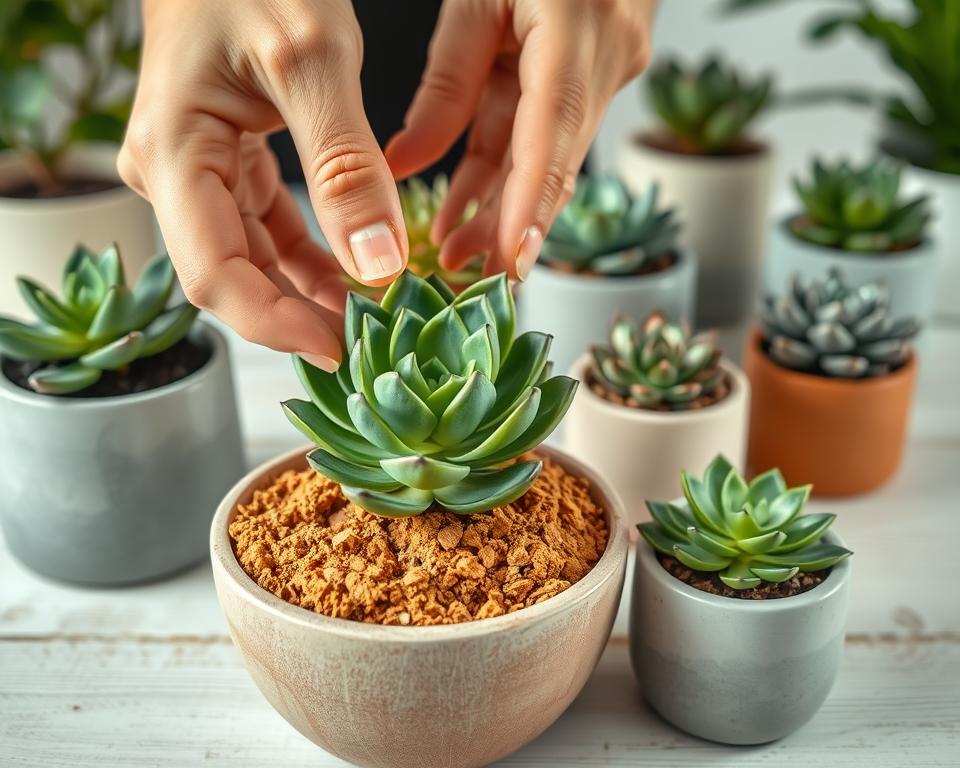
Water your succulent 12 hours before repotting to reduce transplant shock. Add 3cm of fresh, peat-free cactus and succulent compost to the new pot. Gently remove the plant from its original pot, taking care not to damage the roots. Place the rootball on the compost and fill any gaps with more compost. Tap the pot to remove air pockets, then water thoroughly until water drains out.
| Potting Step | Description |
|---|---|
| 1. Watering | Water succulent 12 hours before repotting |
| 2. Preparing the Pot | Add 3cm of fresh compost to the new pot |
| 3. Repotting | Gently remove the plant and place in new pot |
| 4. Final Touches | Water thoroughly and drain excess water |
Buying, Propagating, Caring for & Planting Succulent Varieties: The Complete Guide
Creating the right conditions for your succulents is key to their survival and growth. To achieve this, it’s essential to understand their specific needs regarding light, watering, and temperature.
Light and Location Requirements
Succulents generally require bright, indirect light. Placing them near a sunny window or under grow lights can satisfy their light needs. However, some species may need shade, especially during the intense midday sun.
Watering Schedule and Techniques
Water your succulents sparingly, allowing the soil to dry completely between waterings. Overwatering is a common mistake that can lead to root rot. The frequency of watering depends on the climate and time of year.
Temperature and Humidity Needs
Most succulents prefer daytime temperatures between 20-24°C and can tolerate lows of around 8°C. Average room humidity is suitable, but avoid humid environments like bathrooms. Be cautious of cold drafts and sudden temperature changes, especially near windows in winter.
By understanding and meeting these needs, you can enjoy healthy, thriving succulents that bring beauty to your home.
Propagating Succulents: Three Effective Methods
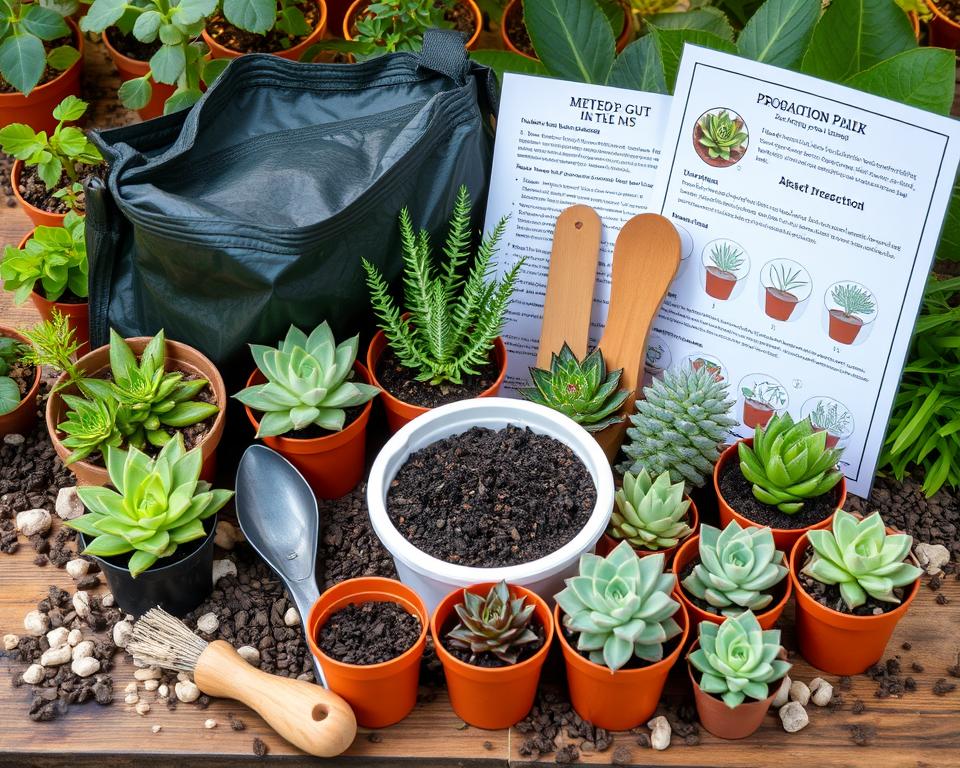
By mastering a few simple propagation techniques, you can rapidly expand your succulent collection. There are several methods to propagate succulents, each with its own advantages. Here, we will explore three effective methods: leaf propagation, stem cutting, and basal offset division.
Leaf Propagation Method
Leaf propagation involves allowing a detached leaf to form roots and grow into a new plant. To do this, gently twist a healthy leaf from the mother plant, allow it to dry for a few days, and then place it on well-draining soil. Keep the soil moist until roots develop.
Stem Cutting Technique
The stem cutting technique involves cutting a section of stem from the mother plant, allowing it to dry, and then planting it in soil. This method is particularly effective for succulents with a branching habit. Ensure the cutting is dry before planting to prevent rot.
Basal Offset Division
Many succulents, such as Aloe and Haworthia, produce offsets or “pups” around the base of the plant. Once these offsets are about half the size of the mother plant, they can be carefully separated and potted individually. Water the plant 12 hours before separation to reduce transplant shock. Gently tease the offset’s roots from the main rootball and pot it in a 7-10cm pot filled with peat-free cactus and succulent compost.
Seasonal Care for Succulents in the UK Climate
To keep your succulents thriving, it’s essential to understand the seasonal care they need. Adjusting your care routine according to the time of year will ensure your plants remain healthy throughout the year.
Winter Care and Protection
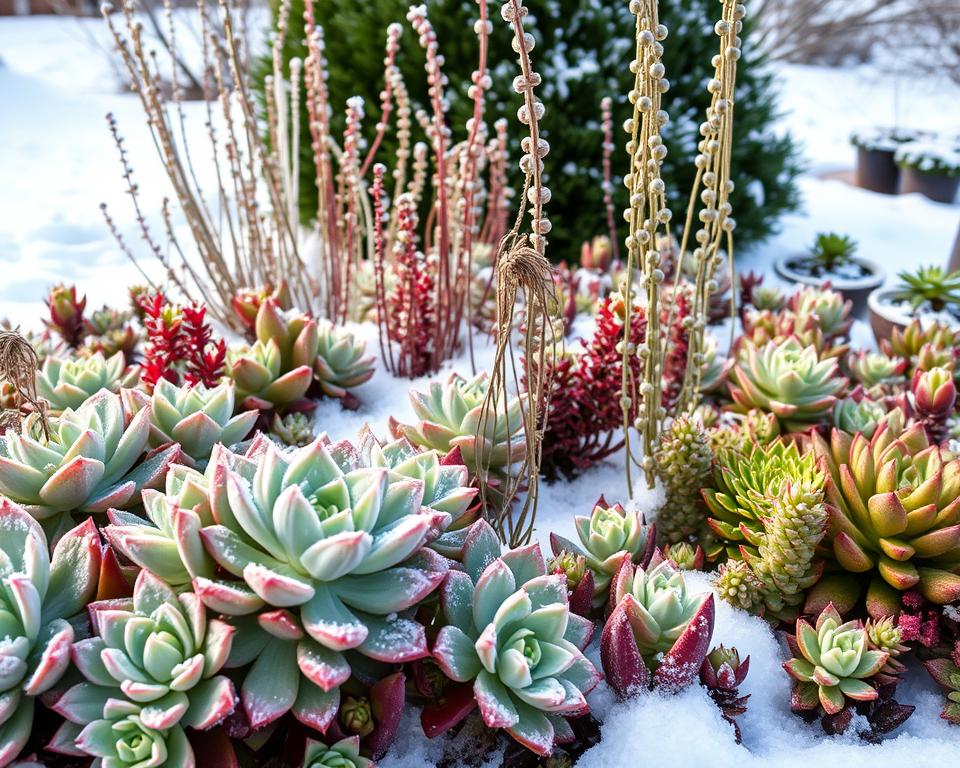
During the winter months, it’s crucial to protect your succulents from cold temperatures. If you have single glazing and temperatures on your windowsill are likely to dip below 8ºC, move your succulents away from the window to protect them. Use a thermometer to guide you if necessary. This simple step can prevent damage and ensure their survival during the cold time of year.
Summer Growth and Maintenance
In the summer, your succulents will be in their active growth phase. This means they will require more water and possibly some shade protection during the hottest part of the day. Check your plants regularly to ensure they’re not suffering from heat stress. Summer is also an ideal time for propagation, allowing you to expand your collection or share plants with friends. By adjusting your care routine, you’ll support healthy growth throughout the year.
Troubleshooting Common Succulent Problems
Common problems with succulents can often be addressed with simple adjustments to their care. Understanding the causes of these issues is crucial for maintaining healthy succulents.
Identifying and Treating Pests
Succulents can be susceptible to pests like mealybugs and spider mites. Inspect your plants regularly for signs of infestation, such as white cottony patches or fine webbing. Treat infestations promptly with insecticidal soap or neem oil.
Addressing Watering Issues
Overwatering is a common issue with succulents, leading to root rot and other problems. Check the soil moisture by sticking your finger into the soil, and avoid watering if it’s still damp. Underwatering can also be a problem, causing leaves to shrivel.
Dealing with Light and Temperature Stress
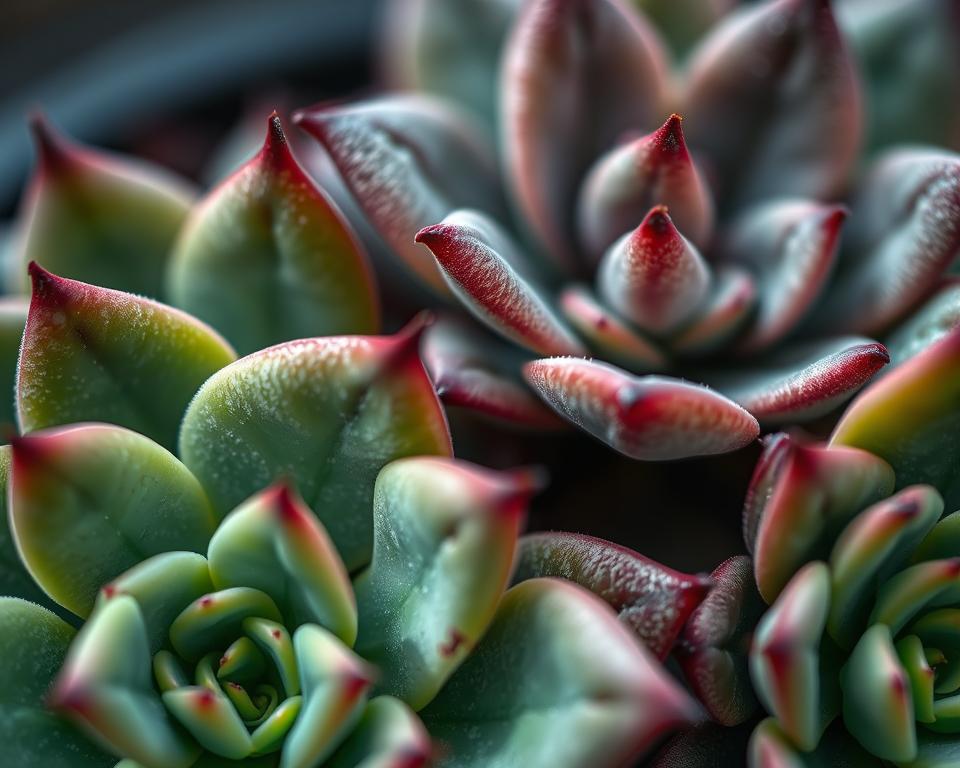
Succulents can suffer from too much or too little light. If your succulent is stretching towards the light or developing pale leaves, it may need more intense light. Conversely, if it’s getting scorched, it may need shade. Red or purple leaves can be a sign that the plant is protecting itself from intense sunlight.
Conclusion: Enjoying Your Succulent Collection
With the knowledge gained from this guide, you’re now ready to start or expand your succulent collection. To ensure successful succulent care, remember to provide the right amount of light, water, and temperature. Make sure to be patient, as succulents often take months to show significant growth.
You can continue learning through books and online communities. Share your propagated plants with friends and family to spread the joy of succulent growing, and don’t be discouraged by initial challenges.
FAQ
How often should I water my succulents?
The frequency of watering depends on the climate and time of year. In the UK, it’s best to water your succulents when the soil is dry to the touch, usually every 7-10 days in summer and less often in winter.
What is the best soil to use for succulents?
A well-draining potting mix specifically designed for cacti and succulents is ideal. This type of soil will help prevent waterlogged soil and root rot.
Can I propagate succulents using leaves?
Yes, many succulent species can be propagated using leaf cuttings. Simply twist or cut off a healthy leaf, allow it to dry for a few days to form a callus, and then plant it in well-draining soil.
How much sunlight do succulents require?
Most succulents need bright, indirect sunlight to photosynthesise and grow. However, some species can tolerate full sun, while others prefer partial shade, so it’s essential to research the specific needs of your succulent variety.
Why are my succulent leaves turning yellow or dropping off?
Yellowing or dropping leaves can be a sign of overwatering, underwatering, or exposure to extreme temperatures. Check your watering schedule and ensure your succulents are not exposed to drafts or frost.
Can I grow succulents outdoors in the UK?
While some succulent species are hardy enough to tolerate outdoor conditions in the UK, many will need protection from frost and extreme weather. Consider growing succulents in containers that can be moved indoors during harsh weather or using a greenhouse.
How do I fertilise my succulents?
Feed your succulents during the growing season (spring and summer) with a balanced, water-soluble fertiliser. Dilute the fertiliser to half the recommended strength to avoid burning the roots.