Creative Privacy Screen DIY: Step-by-Step Guide
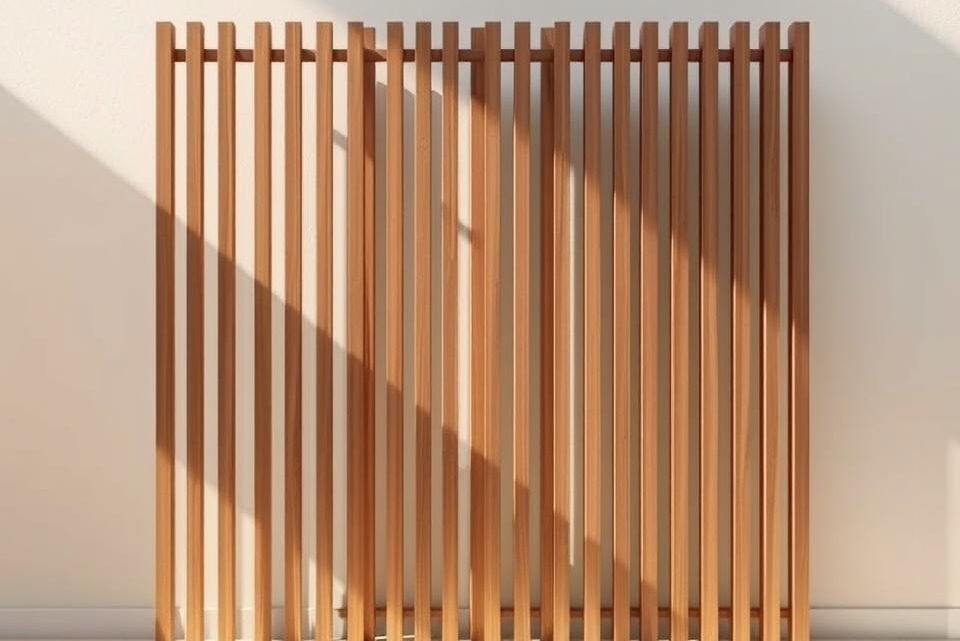
Transforming your outdoor space into a serene oasis is easier than you think. A custom-built privacy screen can add both functionality and aesthetic appeal to your garden, balcony, or patio.
You can create a unique outdoor setting that not only blocks unwanted views but also provides wind protection and noise reduction. This comprehensive guide walks you through the entire process, from initial planning to final decorative touches.
Whether you’re a seasoned DIY enthusiast or a complete beginner, this step-by-step guide provides all the information you need to successfully complete your project.
Inhaltsverzeichnis
Key Takeaways
- Learn how to create a custom-built privacy screen that suits your outdoor space.
- Discover various material options and essential tools required for the project.
- Understand the benefits of using a privacy screen, including wind protection and noise reduction.
- Explore creative design ideas to make your privacy screen truly unique.
- Transform an overlooked outdoor area into your favourite relaxation spot.
Why You Need a DIY Privacy Screen
Transforming your outdoor space into a serene oasis is easier than you think with a DIY privacy screen. By installing a privacy screen, you can create a secluded area that shields you from the outside world, making it perfect for relaxation or entertainment.
Creating a Personal Outdoor Retreat
A DIY privacy screen allows you to create a personal outdoor retreat that reflects your style and needs. Whether you’re looking to enjoy a quiet morning coffee or host a dinner party, a privacy screen provides the necessary seclusion. It’s an effective way to define your outdoor space without the need for permanent structures.
Practical Benefits Beyond Privacy
Beyond providing privacy, these screens offer several practical benefits. Some of the advantages include:
- Functioning as effective windbreaks, making your outdoor space more comfortable even on breezy days.
- Allowing for air circulation while still providing visual separation, unlike solid fence or wall structures.
- Offering partial shade, protecting you from harsh sunlight without completely blocking natural light.
- Helping reduce noise pollution from busy streets or neighbouring properties, creating a more peaceful outdoor environment.
- Doubling as support for climbing plants, adding greenery to your outdoor space while enhancing privacy.
- Defining boundaries without the permanence or cost of traditional fencing, making them ideal for rental properties.
By incorporating a DIY privacy screen into your outdoor space, you can enjoy a more private, comfortable, and visually appealing area that meets your specific needs.
Planning Your Creative Privacy Screen DIY: Step-by-Step Guide
A well-planned DIY privacy screen can transform your outdoor space, making it more private and enjoyable. To achieve this, you need to consider several factors before starting your project.
Measuring Your Space and Setting Goals
Begin by measuring your outdoor space to determine the size and shape of your privacy screen. Consider the purpose it will serve and how it will integrate with your existing decor. Setting clear goals will help guide your decisions on materials, design, and budget.
Checking Building Regulations and Permissions
Before commencing your project, it’s crucial to check if there are any building regulations or permissions required. This step can save you from potential legal issues and costly adjustments later on. Research local guidelines or consult with a professional if necessary.
Budgeting for Your Project
Creating a comprehensive budget is vital for the success of your DIY privacy screen. Consider the costs of materials, tools, and any additional features you wish to include. Here’s a simple breakdown:
| Component | Estimated Cost (£) |
|---|---|
| Materials (wood, metal, etc.) | 100-300 |
| Tools (drill, saw, etc.) | 50-100 |
| Decorative Elements | 20-50 |
| Total Estimated Cost | 170-450 |
When budgeting, remember to include a contingency fund of approximately 10-15% to cover unexpected expenses. Researching prices and considering cost-saving options like reclaimed materials can also help manage your budget effectively.

Materials and Tools You’ll Need
When embarking on a DIY privacy screen project, it’s crucial to gather the right materials and tools. The type of materials you choose will depend on the design and functionality you have in mind for your privacy screen.
Essential Materials for Different Screen Types
The materials you select will significantly impact the overall look and durability of your privacy screen. You can choose from a variety of options, including wood, fabric, bamboo, and plants, depending on your desired aesthetic and level of privacy.
Wood and Hardware Options
For a wooden privacy screen, you’ll need to select the type of wood that suits your climate and desired appearance. Options include pressure-treated wood for durability or cedar for a natural look. You’ll also require hardware such as screws, nails, and hinges.
Alternative Materials (Fabric, Bamboo, Plants)
If you prefer a more lightweight or flexible option, consider using fabric, bamboo, or plants for your privacy screen. Fabric can be attached to a frame or hung from existing structures, while bamboo and plants offer a natural, eco-friendly solution.
| Material | Durability | Maintenance |
|---|---|---|
| Wood | High | Regular staining or sealing |
| Bamboo | Medium | Occasional cleaning |
| Plants | Medium | Regular watering and pruning |
Tools for a Successful Build
Having the right tools is just as important as selecting the appropriate materials. Essential tools for building a DIY privacy screen include a quality power drill, a circular saw or mitre saw for cutting wood, and a post hole digger or auger for ground-mounted screens.
- A spirit level to ensure your screen is perfectly vertical and horizontal.
- Measuring tools, such as a tape measure and carpenter’s square, to maintain accuracy.
- Safety equipment, including gloves, safety glasses, and ear protection, when using power tools.

Building Your Privacy Screen: Step-by-Step Instructions
Now that you have planned your DIY privacy screen, it’s time to start building. This section will guide you through the process, from preparing your work area to securing your finished screen.
Preparing Your Work Area
Before you begin constructing your privacy screen, ensure your work area is clear and safe. Remove any debris, level the ground if necessary, and ensure you have enough space to work comfortably. Covering the ground with a tarp can help keep your area clean and make cleanup easier.

Constructing the Frame
The frame is the backbone of your privacy screen, providing the structure to which you’ll attach your screen material. Use sturdy materials that can withstand the elements and any wind loads. Measure and cut your frame components accurately, and assemble them using appropriate fixings.
For a wooden frame, consider using mortise and tenon joints or screws for a strong and durable build. Ensure the frame is square and level before proceeding.
Installing Posts and Support Structures
For freestanding privacy screens, installing posts and support structures is crucial for stability. Dig holes for the posts, ensuring they are deep enough to provide stability against wind. Use concrete to set the posts, and allow it to set before attaching the screen frame.
- For freestanding privacy screens, consider adding diagonal braces to improve stability, especially in windy locations.
- Anchor tall privacy screens to nearby structures where possible to provide additional support against wind loads.
- For temporary or movable screens, add weight to the base using sandbags or planter boxes filled with soil.
Attaching Your Screen Material
With the frame constructed and posts installed, it’s time to attach your screen material. Ensure the material is tightly secured to the frame using appropriate fixings. For fabric screens, use grommets and rope or tensioning devices to keep the fabric taut.
Check that all fixings are tight and secure, but avoid overtightening, which can damage the materials.
Securing and Stabilising Your Screen
To ensure your privacy screen remains stable and secure, apply appropriate weather sealant to any cut ends of wood to prevent moisture absorption and rot. For privacy screens in exposed locations, consider installing ground anchors or guy wires for additional stability.
- Test your completed privacy screen by applying gentle pressure at various points to identify and address any weak spots.
- Apply weather sealant to cut wood ends to prevent rot.
By following these steps, you can build a sturdy and effective privacy screen that enhances your outdoor space.
Creative Design Ideas to Personalise Your Privacy Screen
Your DIY privacy screen is not just a functional element, but a canvas for your creativity. With a few thoughtful design choices, you can transform it into a beautiful feature that enhances your outdoor space.
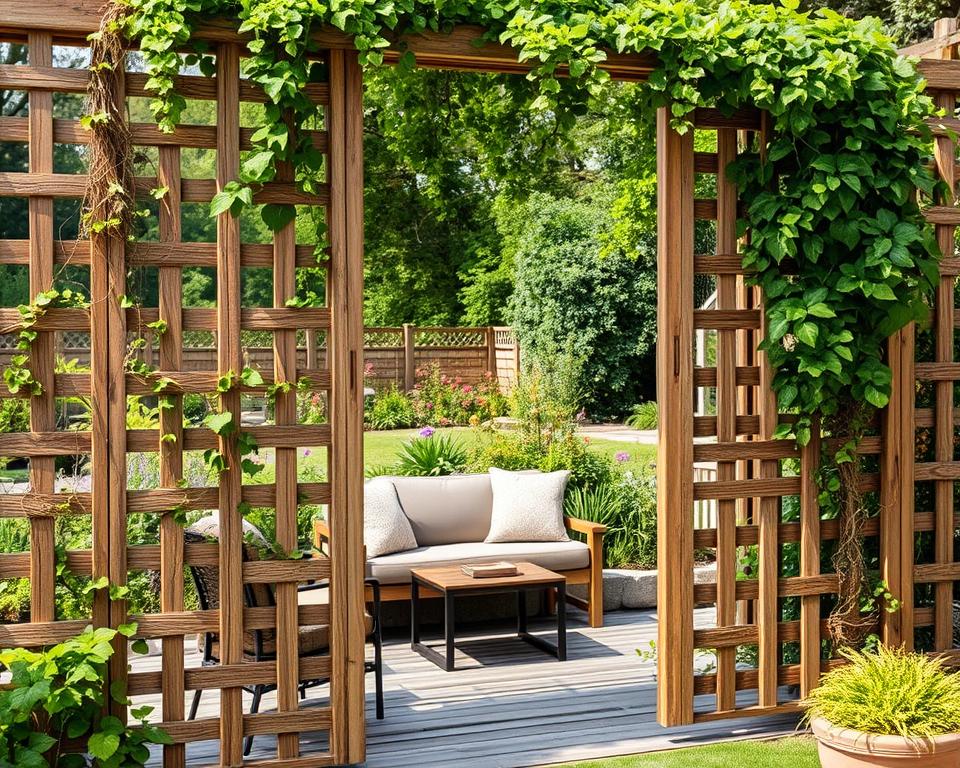
Adding Plants and Vertical Gardens
Integrating plants into your privacy screen can add a natural, lush element to your garden. Consider attaching planters or creating a vertical garden to bring in a touch of greenery. This not only enhances the aesthetic appeal but also contributes to a more private and serene environment.
Decorative Elements and Lighting
To give your privacy screen a unique look, you can incorporate decorative elements such as intricate cut-outs, metalwork, or artistic panels. Additionally, strategically placed lighting can highlight these features and create a warm ambiance in the evening.
Colour Schemes and Finishes
Choosing the right colour scheme and finish is crucial in personalising your DIY privacy screen. You can:
- Select a colour scheme that complements your home’s exterior and existing garden features for a cohesive look.
- Use contrasting colours for structural elements and infill to highlight the design.
- Opt for weather-resistant exterior paints and stains to protect your screen while expressing your personal style.
- Consider bold geometric patterns or colour blocking on alternate panels for a contemporary look.
- Choose natural wood finishes with clear sealants to showcase the beauty of the material.
- Use dark colours to make your privacy screen recede visually, or bright colours to make it a focal point.
By thoughtfully selecting your design elements, you can create aDIY privacy screenthat not only serves its purpose but also adds to the beauty of your outdoor space.
Conclusion
As you complete your DIY privacy screen, you’ll appreciate the enhanced functionality and aesthetic appeal it brings to your outdoor space. This project is a rewarding investment in your property and outdoor lifestyle.
Your DIY privacy screen can evolve over time, allowing you to add plants, decorative elements, or extend its length as needed. Regular maintenance will ensure it remains an attractive part of your garden.
- Personalise your screen with unique touches that reflect your personality.
- Consider it as one part of your overall garden design.
By following this guide, you’ve successfully created a DIY privacy screen that enhances your outdoor living experience. Enjoy your new outdoor retreat!
FAQ
What is the ideal height for a privacy screen?
The ideal height for a privacy screen depends on your specific needs and the surrounding area. Typically, a height of 1.8 to 2.1 metres is recommended to provide adequate seclusion.
What type of wood is best suited for outdoor privacy screens?
Durable and weather-resistant woods like cedar, cypress, or redwood are ideal for outdoor privacy screens. Treated pine or hardwood can also be used, ensuring they are properly sealed to withstand the elements.
How do I ensure my DIY privacy screen is stable and secure?
To ensure stability, dig deep holes for the posts, and use concrete to set them in place. Make sure the posts are level and securely attached to the surrounding fence or wall.
Can I use plants as a natural privacy screen?
Yes, plants can be an effective and attractive natural privacy screen. Choose dense, fast-growing plants or climbers like bamboo, ivy, or clematis to create a lush barrier.
How do I maintain my privacy screen to prolong its lifespan?
Regularly inspect your privacy screen for damage or wear. Clean it periodically, and apply a protective sealant to the wood to prevent rot and insect damage.
Are there any building regulations I need to consider when building a privacy screen?
Yes, check with your local authority to determine if any building regulations or permissions are required. Height and location restrictions may apply, especially if you’re building near a boundary or in a conservation area.