Designing a low-maintenance large garden: Easy Solutions
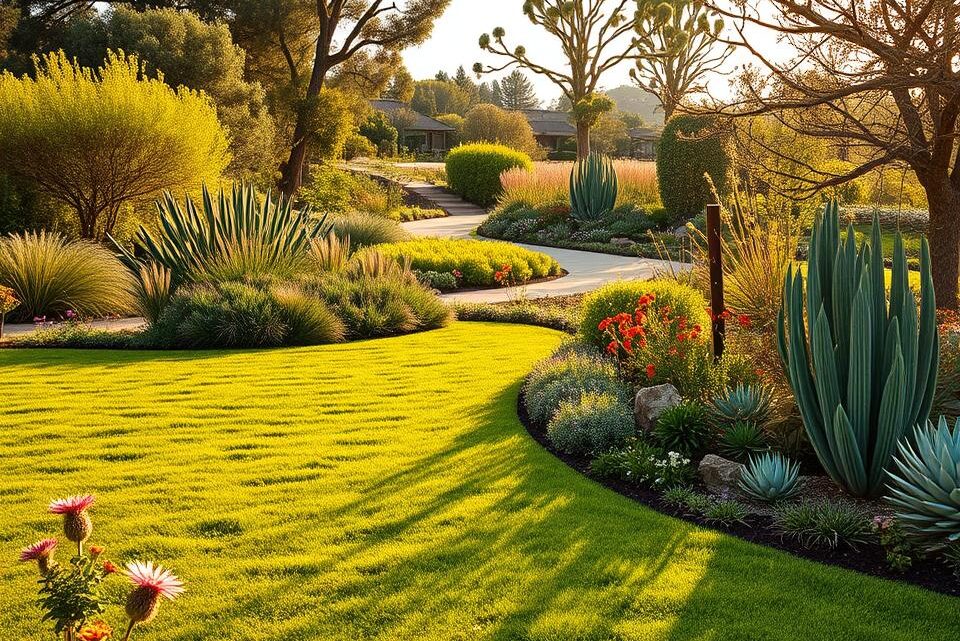
Many homeowners feel overwhelmed by the prospect of maintaining an expansive outdoor area. However, creating a beautiful, manageable landscape is entirely achievable with the right approach. According to the Royal Horticultural Society, a stunning outdoor space doesn’t have to mean endless hours of hard work.
The secret lies in making intelligent choices from the beginning. By selecting appropriate plants and materials, you can dramatically reduce ongoing upkeep. Strategic planning allows your garden to essentially look after itself while providing year-round visual interest.
This philosophy centres on working with nature rather than against it. Proper design choices transform what might seem like a daunting project into an enjoyable, sustainable environment. The result is a functional, beautiful space that requires minimal intervention.
Throughout this guide, you’ll discover comprehensive solutions for transforming your property. We’ll explore plant selection, material choices, and layout considerations that balance beauty with practicality. These proven techniques ensure your outdoor area becomes a source of pleasure rather than constant work.
Inhaltsverzeichnis
Key Takeaways
- A great-looking outdoor space does not require exhaustive upkeep
- Strategic planning at the outset dramatically reduces ongoing maintenance
- Working with nature creates sustainable, self-maintaining environments
- Smart plant selection and material choices are fundamental to success
- Large areas offer unique opportunities for stunning, functional designs
- Expert advice ensures solutions work effectively in British conditions
- Low-maintenance approaches can still deliver high visual impact
Choosing the Right Plants and Materials
Selecting appropriate vegetation forms the cornerstone of an easily managed landscape. The Royal Horticultural Society emphasises matching species to your specific soil and site conditions. This approach ensures your outdoor space thrives with minimal intervention.
Selecting Hardy Shrubs and Evergreens
Hardy shrubs provide long-lasting structure without annual replacement. Evergreens maintain visual appeal throughout the year with reduced leaf drop. Species like abelias and pittosporum offer slow growth, minimising pruning needs.
Fuchsias represent excellent choices as they don’t require deadheading. These plants create a solid foundation for your beds. They significantly reduce the time spent on routine gardening tasks.
Utilising Award-winning and Indigenous Plant Varieties
The RHS Award of Garden Merit identifies varieties proven to perform well in typical British conditions. Indigenous plants are naturally adapted to local climate and soil. They require less watering and general attention than exotic species.
Groundcover options knit together to suppress weed growth naturally. This eliminates the need for frequent weeding. Strategic combinations of textures and colours create year-round interest.
| Plant Type | Maintenance Level | Key Benefits | Examples |
|---|---|---|---|
| Hardy Shrubs | Low | Long-lived, minimal pruning | Abelias, Pittosporum |
| Evergreens | Very Low | Year-round interest, few leaves | Boxwood, Holly |
| Indigenous Varieties | Low | Adapted to local conditions | Native grasses, Wildflowers |
| Groundcover Plants | Very Low | Weed suppression, soil protection | Periwinkle, Thyme |
Using the RHS online plant selector tool helps identify perfect matches for your specific conditions. Consider light levels, soil type, and desired seasonal interest when making selections. This ensures every choice supports your low-maintenance goals.
Designing a low-maintenance large garden for Year-Round Appeal
Achieving continuous visual interest across all four seasons is a primary goal for any thoughtfully planned outdoor area. This approach ensures your landscape remains engaging without demanding constant replanting or intensive seasonal work.
Successful examples, like the RHS Winter Garden at Rosemoor, demonstrate how complementary textures and colours can create an attractive space even in winter.
Seasonal Planting Tips and Low-Maintenance Beds
Select plants with staggered flowering periods to guarantee colour throughout the year. Long-flowering varieties, such as Persicaria bistorta, provide blooms from April to August, offering months of interest.
For easy-care beds, choose reliable plants like hardy geraniums and hebes. Proper spacing at planting time allows them to mature and knit together, creating lush displays that naturally suppress weeds.

Embracing Evergreens and Ground Cover Solutions
Evergreens provide permanent structure, while ground cover plants fill bare soil. This combination is a powerful way to minimise gardening work. Plants like Ajuga reptans are excellent for shaded areas, offering foliage and flowers while crowding out weeds.
Applying a layer of mulch is equally crucial. It prevents weed germination, retains soil moisture, and improves soil health over time.
| Mulch Material | Primary Benefit | Best For |
|---|---|---|
| Bark Chippings | Weed suppression, moisture retention | Shrub beds, borders |
| Gravel | Long-lasting, good drainage | Path edges, alpine beds |
| Garden Compost | Soil improvement, nutrient release | Vegetable patches, flower beds |
This strategic use of plants and materials creates a vibrant garden that requires significantly less upkeep, allowing you to enjoy your outdoor space every month of the year.
Mixing Soft and Hard Landscaping for Effortless Style
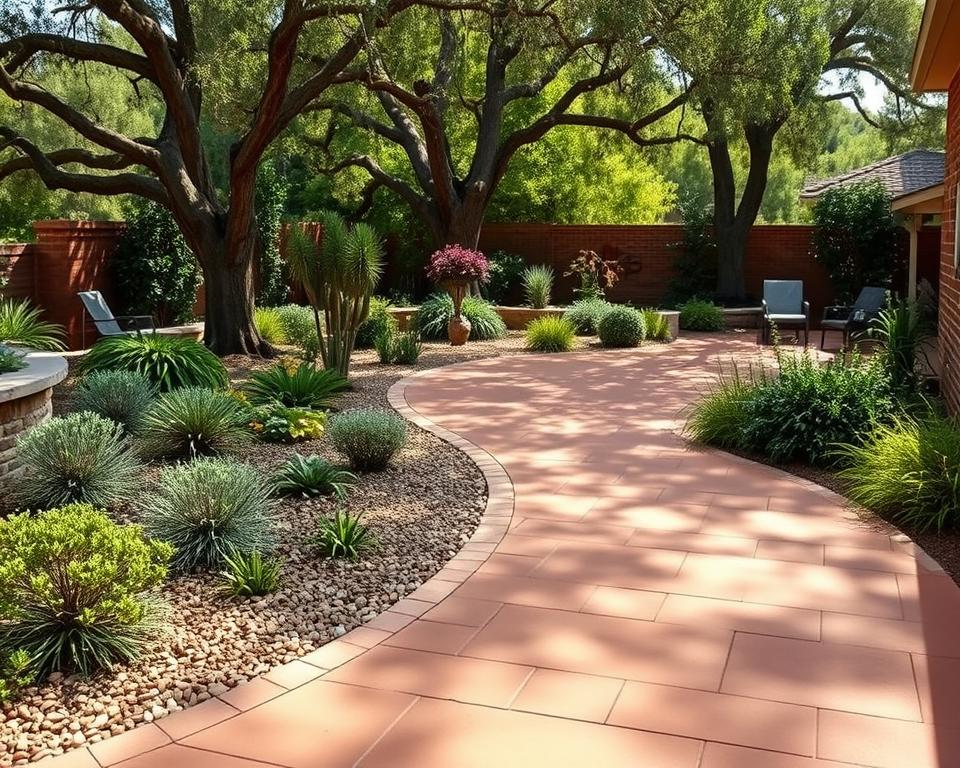
The most practical and visually appealing gardens often master the art of combining lawns with patios and paths. This balance creates defined zones for relaxation and entertaining while significantly cutting down on chores.
Hard surfaces provide stable areas for furniture and require no mowing or watering.
Integrating Paved, Gravelled and Decked Areas
Consider the ratio of grass to paving that suits your lifestyle. A fifty-fifty split is a popular choice. Alternatively, a smaller patio near the house can lead out to more extensive lawns.
Using similar stones or colours for your patio and pathways creates a unified look. This prevents the space from feeling disjointed.
For lawns, install a permanent edge with bricks or set gravel slightly lower than the turf. This clever trick eliminates tedious edge trimming after mowing.
Enhancing Focal Points with Water Features and Mulches
Water features serve as stunning focal points in a spacious garden. A raised fountain contrasts beautifully with smooth paving or lush planting.
Paths guide visitors intuitively through the landscape. Options like gravel, woodchips, or paving slabs offer a range of styles and maintenance levels.
Using mulch in flower beds adjacent to hard landscaping creates a smooth transition. It also suppresses weeds, reducing upkeep time.
Optimising Layout and Zoning for Outdoor Living
Effective zoning transforms a vast plot into a series of intimate, functional spaces. This approach organises your grounds for different activities, making the whole property more usable and enjoyable.
Thoughtful planning creates a sense of order without the need for high-maintenance barriers.
Designing Separate Zones for Entertaining and Relaxation
Use hard and soft landscaping to create distinct areas. A paved or decked patio is ideal for adult dining and relaxation. Position this separately from a grassy lawn for children and pets to play freely.
This separation allows different family members to enjoy the grounds simultaneously.
Incorporating Outdoor Furniture and Large Planters
Spacious properties can comfortably accommodate full outdoor furniture sets. Choose weather-resistant materials for sofas and dining tables. Place them on stable patios or sheltered grassy spots.
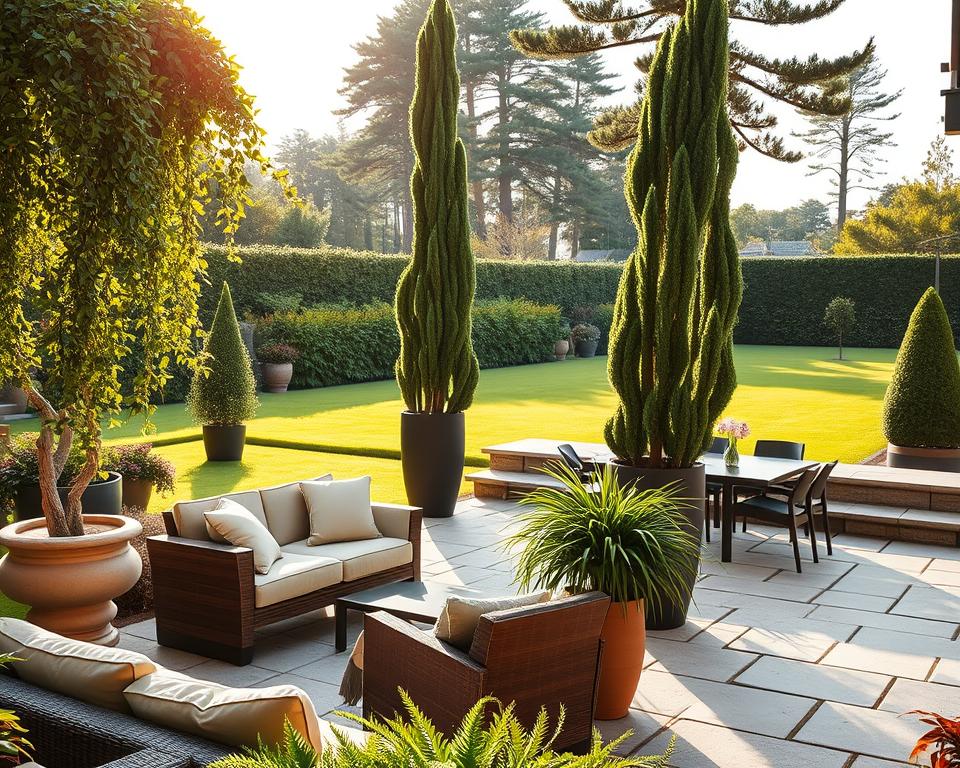
For planting, opt for large containers over small pots. Bigger planters hold moisture longer, reducing watering frequency. They also create a more substantial visual impact with less effort.
Creating Functional Spaces with Pathways and Borders
Well-defined paths guide movement and protect planting beds. They connect different zones logically, leading to features like a fire pit or secluded seating area.
Borders filled with robust plants define spaces and reduce lawn area. They add structure with minimal weeding required.
| Zone Type | Recommended Features | Key Benefit |
|---|---|---|
| Entertaining Zone | Paved patio, dining set, fire pit | Durable surface for socialising |
| Relaxation Zone | Comfortable seating, shade, planters | Tranquil area for unwinding |
| Play Zone | Lawn, open space | Soft, safe surface for activity |
For sloped gardens, consider creating terraced zones at different levels. Connect them with stone steps for easy access and added interest. This makes excellent use of the available space.
Conclusion
The principles outlined throughout this guide demonstrate how intelligent design creates gardens that practically care for themselves. Strategic planning and thoughtful plant selection form the foundation for an outdoor space that demands minimal intervention.
Your initial effort pays substantial dividends in reduced maintenance time. This approach allows you to truly enjoy your property rather than constantly working in it. Beautiful, functional gardens can thrive with little ongoing attention.
View your expansive grounds as an opportunity for creative expression. The variety of zones and planting schemes possible in larger areas offers endless possibilities. Focus on activities you love while designing the rest for ease.
Even implementing a few of these ideas will yield noticeable improvements. Begin your transformation journey today and create an outdoor haven that brings year-round interest with minimal effort.
FAQ
What are the best low-maintenance shrubs for a large garden?
Opt for hardy shrubs and evergreens like Viburnum tinus, Choisya ternata ‘Sundance’, or Elaeagnus. These plants provide structure and colour throughout the year with minimal pruning or care required.
How can I reduce weeding in my garden beds?
Applying a thick layer of mulch, such as bark chippings or gravel, is highly effective. It suppresses weeds by blocking light and helps retain soil moisture, significantly cutting down on maintenance time.
Can I have a lawn in a low-maintenance garden design?
Yes, but consider reducing its size or replacing some areas with gravel, paving, or ground cover plants. For the remaining grass, choose a hard-wearing variety and consider a robotic mower for effortless upkeep.
What hard landscaping materials are most practical?
Paved patios, gravel pathways, and composite decking are excellent options. They create clean lines, require little upkeep, and help define different zones within your outdoor space.
How do I ensure year-round interest with minimal effort?
Focus on a backbone of evergreen plants for constant structure. Then, incorporate a variety of perennials that offer seasonal flowers and foliage. Ornamental grasses and plants with colourful bark add winter interest.
What is the key to zoning a large garden effectively?
Create distinct areas for different uses, such as dining, relaxation, and play. Use planting, changes in level, or screens to separate these zones, making the space feel organised and intentional without increasing maintenance.