Discover the Best Rock Garden Ideas for Your Garden
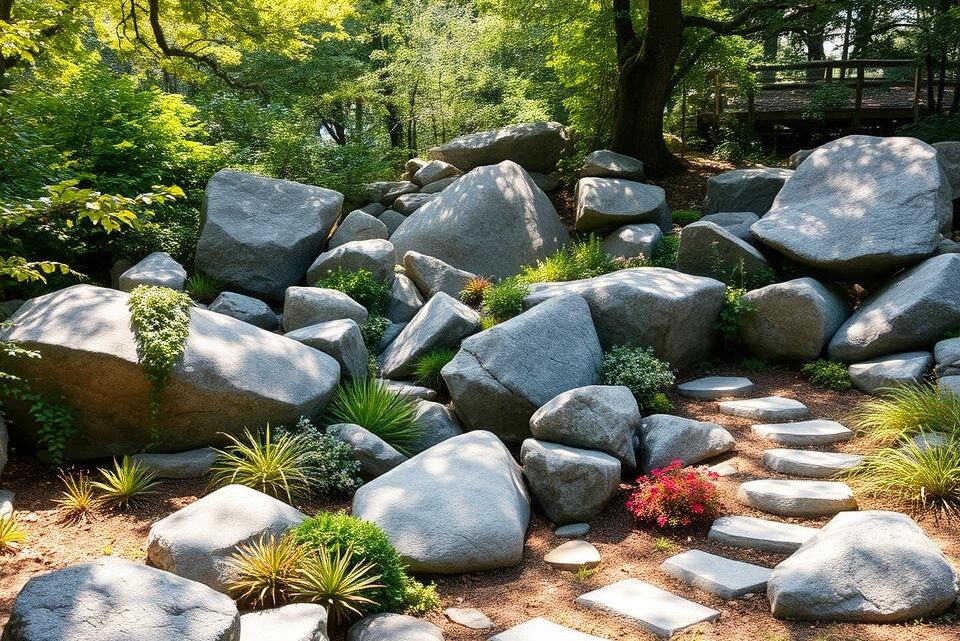
Transforming your outdoor space into a visually stunning area can be achieved with rock garden ideas. Rock gardens offer a creative solution to add depth and dimension to flat or mundane spaces, turning them into beautiful focal points.
These gardens are versatile and can be adapted to various garden sizes, from large landscapes to compact urban spaces. They provide year-round structure and interest while requiring minimal maintenance compared to traditional garden beds.
Whether you’re looking to create a Japanese-inspired zen space or a colourful alpine display, a rock garden can be the perfect solution. With the right planning and design, you can create a beautiful and low-maintenance outdoor space.
Inhaltsverzeichnis
Key Takeaways
- Rock gardens can transform flat or mundane spaces into visually appealing focal points.
- They are versatile and can be adapted to various garden sizes.
- Rock gardens provide year-round structure and interest with minimal maintenance.
- They are suitable for the British climate, offering drainage solutions for wet weather.
- You can create a variety of styles, from Japanese-inspired zen spaces to colourful alpine displays.
Understanding Rock Gardens and Their Benefits
For those seeking a low-fuss gardening option, rock gardens are an attractive choice, requiring minimal upkeep while maximizing visual impact. A rock garden is a thoughtfully designed landscape feature that incorporates rocks, stones, and a variety of plants to create a unique and captivating outdoor space.
What Is a Rock Garden?
A rock garden is a carefully planned and executed garden design that combines rocks, soil, and plants to create a visually appealing and low-maintenance outdoor area. Rock gardens are ideal for areas with poor soil or challenging drainage, as they can be designed to thrive in such conditions.
Why Choose a Rock Garden for Your Outdoor Space
Rock gardens offer numerous benefits, including year-round structure and interest. They can be designed to suit various climates and soil types, making them a versatile option for gardeners.
| Benefits | Description |
|---|---|
| Low Maintenance | Rock gardens require minimal upkeep, as they are designed to thrive with minimal watering and care. |
| Year-Round Interest | With careful plant selection, rock gardens can provide interest and beauty throughout the year. |
| Climate Resilience | Rock gardens can be designed to withstand various climate conditions, including extreme temperatures and weather events. |
Rock Gardens in the British Climate
The British climate, with its regular rainfall and moderate temperatures, is well-suited for rock gardens.
By selecting the right plants and ensuring proper drainage, you can create a thriving rock garden that enjoys the benefits of the local climate.
Some of the benefits of rock gardens in the British climate include the ability to support a wide range of plants, create microclimates that protect tender plants, and provide structure to exposed gardens in coastal areas.
Planning Your Perfect Rock Garden
The key to a successful rock garden lies in its planning and design. A well-planned rock garden can be a beautiful and low-maintenance addition to your garden.
Choosing the Right Location
When selecting a location for your rock garden, consider the amount of sunlight it receives and the drainage characteristics of the area. Most rock garden plants thrive in well-drained soil and full sun to partial shade. Ensure the location is level or gently sloping to prevent waterlogging.
Selecting Materials and Rocks
The choice of materials and rocks is crucial for creating a natural-looking rock garden. The best place to source boulders is at your local quarry, where you can find rocks of various shapes and sizes, typically free of algae. As noted by gardening experts, “Avoid rounded beach or river boulders as they tend to look out of place away from their natural environment and can make a garden look outdated.
Selecting the right type and size of rocks and stones is vital. Locally sourced materials not only provide the best value but also reduce environmental impact.
Budgeting for Your Rock Garden Project
Establishing a realistic budget is essential for the success of your rock garden project. Consider all aspects, including materials, plants, soil amendments, and potentially professional assistance. Here are some key budgeting considerations:
- Allocate sufficient funds for quality soil and drainage materials.
- Factor in potential delivery costs for heavy materials.
- Research cost-effective sources such as local construction sites or garden centres offering discounts.
- Consider phasing your project over multiple seasons if budget constraints exist.
By carefully planning your rock garden, including choosing the right location, selecting appropriate materials, and budgeting effectively, you can create a beautiful and sustainable garden feature.
Small Space Rock Garden Ideas
You don’t need a large garden to create a beautiful rock garden; small spaces can be just as effective. With a bit of creativity, you can transform even the most compact areas into stunning rock gardens that add texture and interest to your outdoor space.

Container and Pot Rock Gardens
Container and pot rock gardens are ideal for small spaces. They allow you to create a beautiful display on a patio, balcony, or even a windowsill. By selecting the right plants and rocks, you can create a visually appealing arrangement that complements your outdoor decor.
When designing a container rock garden, consider using a variety of plants with different textures and colours to add depth and interest. You can also incorporate decorative rocks and pebbles to enhance the visual appeal.
Vertical Rock Garden Designs
Vertical rock gardens are another excellent option for small spaces. By using a trellis or a wall-mounted planter, you can create a stunning display that maximises your space while adding a unique feature to your garden. These designs are perfect for small corners or against a wall.
When creating a vertical rock garden, choose plants that thrive in well-drained conditions and can tolerate the local climate. Incorporating dwarf conifers or succulents can add variety and texture.
Transforming Unused Corners
Unused corners in your garden can be transformed into beautiful rock gardens. By incorporating taller elements at the back and gradually stepping down, you can create a natural viewing perspective that maximises the sense of depth. Adding seating elements like a small bench or bistro set can turn an unused corner into a functional retreat.
Consider the sight lines from different garden positions when designing your corner rock garden to ensure it connects visually with the rest of your outdoor space. You can also enhance the area with lighting elements to create evening focal points.
By implementing these small space rock garden ideas, you can enhance your garden’s aesthetic and create a peaceful retreat, even in the most compact of spaces.
Discover the Best Rock Garden Ideas for Your Garden Style
A well-designed rock garden can be a stunning focal point in your garden, regardless of the style you prefer. By incorporating the right elements and plants, you can create a beautiful and low-maintenance outdoor space that reflects your personal taste.
Japanese and Zen-Inspired Rock Gardens
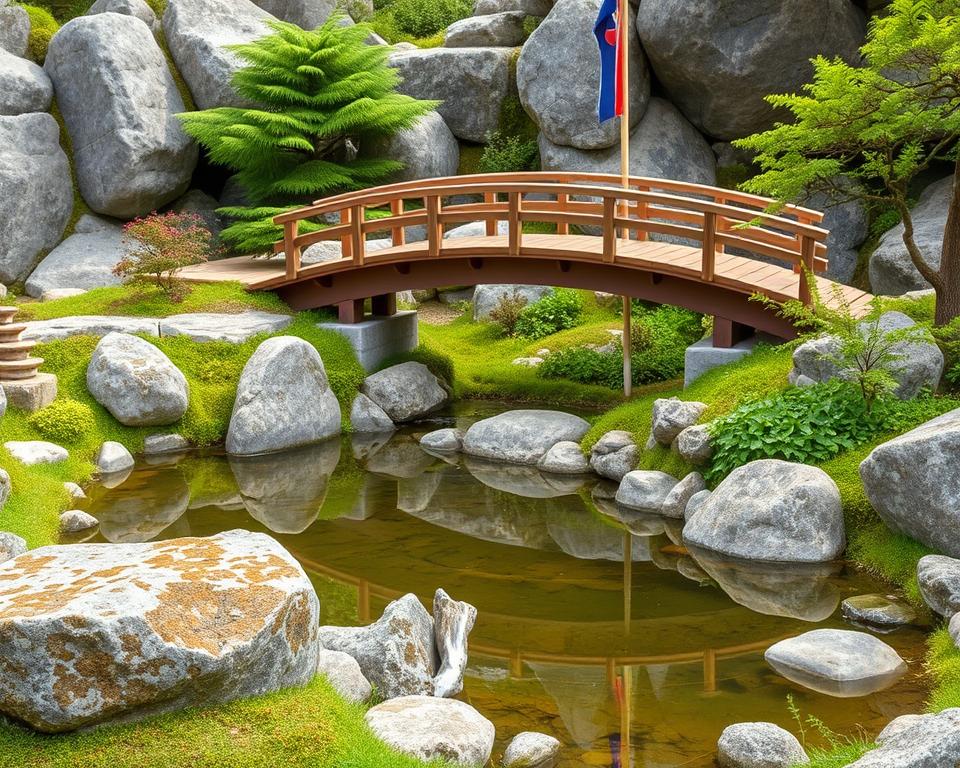
Japanese and Zen-inspired rock gardens are designed to create a sense of calm and serenity. These gardens typically feature carefully placed rocks, gravel, and minimal vegetation.
English Cottage Rock Gardens
English cottage rock gardens are characterised by a more lush and vibrant appearance, often featuring a mix of flowering plants, mosses, and ferns. The use of natural stone and irregular pathways adds to the charm of these gardens.
Modern and Minimalist Rock Gardens
Modern and minimalist rock gardens focus on clean lines, simple shapes, and a limited colour palette. These gardens often incorporate large stones, gravel, and succulents to create a sleek and contemporary look.
Coastal and Mediterranean-Style Rock Gardens
Coastal and Mediterranean-style rock gardens draw inspiration from shoreline landscapes and sun-baked European gardens. These gardens feature drought-resistant plants, lighter-coloured stones, and often include found objects like driftwood or shells.
- Silver-leaved plants such as lavender and artemisia are commonly used.
- Lighter-coloured stones and gravel complement the silvery foliage.
- Vertical elements like cypress trees or tall grasses add depth.
- Found objects like driftwood or shells enhance the maritime theme.
By choosing the right style and elements for your rock garden, you can create a beautiful and unique outdoor space that complements your garden’s overall aesthetic.
Creative Solutions for Challenging Garden Areas
Rock gardens offer a versatile solution for difficult-to-landscape areas, allowing you to create visually appealing and low-maintenance spaces. Whether you’re dealing with a sloped area, a shady spot, or looking to enhance a water feature, rock gardens can be tailored to suit your needs.
Rock Gardens for Sloped Areas
Sloped areas can be challenging to landscape, but rock gardens can help. By using rocks and stones, you can create a stable and visually appealing slope that prevents erosion. Choose plants that are suitable for sloped areas, such as creeping thyme or sedum, to add colour and texture.
Transforming Shady Spots
Shady areas don’t have to be dull. Rock gardens can thrive in shady conditions, and by incorporating the right plants, such as ferns or hostas, you can create a lush and inviting atmosphere. Use rocks and stones to add depth and visual interest to the area.
Rock Gardens Around Water Features
Water features and rock gardens are a natural combination. Lining your pond with stones and rocks not only looks great but also creates more areas for plants to flourish. Consider adding a small rock ramp or pathway to allow animals to easily access the water. The sound of water moving over rocks adds an extra sensory dimension to your garden.
Some key benefits of combining rock gardens with water features include:
- Creating dynamic landscapes that engage multiple senses through sound, movement, and visual interest.
- Providing ideal conditions for specialised plants that prefer consistently moist but well-drained soil.
- Stabilising edges and preventing erosion around water features.
- Creating microhabitats for wildlife.
By incorporating rock garden ideas around your water feature, you can enhance the overall aesthetic of your garden and create a haven for wildlife.
Plants and Flowers for Your Rock Garden
When designing a rock garden, selecting the right plants is crucial for creating a visually appealing and low-maintenance outdoor space. The choice of plants can significantly impact the overall aesthetic and functionality of your garden.
Low-Maintenance Plants for Rock Gardens
For a rock garden, it’s essential to choose plants that are adapted to the conditions and can flourish with minimal maintenance. Low-maintenance plants such as sedum, sempervivum, and creeping thyme are ideal as they can thrive in poor soil and withstand drought.
Seasonal Interest with Flowering Plants
Incorporating flowering plants into your rock garden can add seasonal interest and vibrancy. Plants like crocus, daffodils, and alliums provide early spring colour, while summer-flowering plants like phlox and dianthus add beauty later in the season.
Ornamental Grasses and Dwarf Conifers
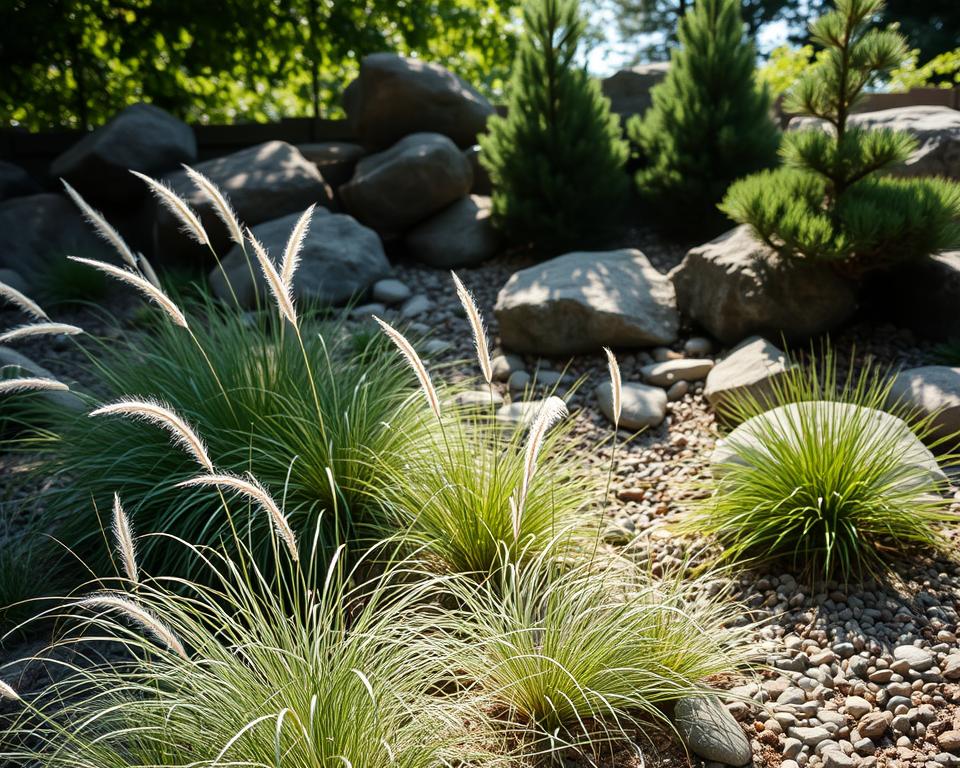
Ornamental grasses and dwarf conifers are excellent choices for adding texture and structure to your rock garden. Ornamental grasses like Festuca glauca and Hakonechloa provide movement and sound, while dwarf conifers offer year-round interest with their varied forms and colours.
- Ornamental grasses add dynamic movement and textural contrast to rock gardens.
- Compact varieties like Carex and Hakonechloa are suitable for smaller rock gardens.
- Dwarf conifers provide permanent architectural elements and come in a range of forms and colours.
- Combining ornamental grasses with dwarf conifers creates effective textural contrasts.
When planning your rock garden, consider the ultimate size of both grasses and dwarf conifers to ensure they fit within the space. Both plant groups offer excellent drought tolerance, contributing to the low-maintenance credentials of well-designed rock gardens.
Conclusion: Creating Your Own Rock Garden Oasis
As you consider transforming your outdoor space, a rock garden offers a unique opportunity to create a beautiful, low-maintenance feature. The versatility of rock garden designs means they can be adapted to complement any garden style, from traditional cottage gardens to contemporary minimalist landscapes.
To ensure the success of your rock garden project, start with a clear plan that considers location, materials, plant selection, and long-term maintenance. Remember that rock gardens often improve with age as plants establish, rocks weather naturally, and the composition settles into its surroundings.
Even small rock garden features can create significant impact when thoughtfully designed and positioned. Consider your rock garden as an evolving project that can be enhanced and refined over time as you discover new plants or design elements that appeal to you.
The sustainable, low-resource nature of well-designed rock gardens makes them increasingly relevant in our changing climate, offering beautiful solutions that conserve water and reduce maintenance requirements. Your garden can become a personal oasis that reflects your individual style while providing a resilient, adaptable feature that enhances your outdoor space for years to come.
FAQ
What type of rocks are best suited for a rock garden?
The type of rocks you choose depends on the style and theme of your rock garden. Larger rocks or boulders can be used to create a naturalistic landscape, while smaller stones and gravel can be used to create a more formal design.
How do I choose the right plants for my rock garden?
When selecting plants for your rock garden, consider factors such as soil type, sunlight, and moisture levels. Choose plants that are drought-tolerant and low-maintenance, such as succulents and ornamental grasses.
Can I create a rock garden in a shaded area?
Yes, you can create a rock garden in a shaded area. However, you’ll need to choose plants that thrive in shade, such as ferns and shade-loving perennials. You may also need to adjust the design to accommodate the shade.
How do I maintain my rock garden?
To maintain your rock garden, regularly remove weeds, clean the rocks, and prune plants. You may also need to replenish gravel or sand and inspect the garden for signs of erosion.
Can I incorporate a water feature into my rock garden?
Yes, incorporating a water feature, such as a small pond or fountain, can add visual interest and create a soothing atmosphere in your rock garden. Just be sure to choose a design that complements the overall style of your garden.
How do I prevent weeds from growing in my rock garden?
To prevent weeds from growing in your rock garden, use a layer of landscaping fabric or a thick layer of gravel to suppress weed growth. Regularly removing weeds as they appear will also help to keep your garden weed-free.
Can I build a rock garden on a slope?
Yes, you can build a rock garden on a slope. In fact, rock gardens can be a great way to stabilise a slope and prevent erosion. Just be sure to use a terracing technique or other stabilisation methods to ensure the garden remains secure.