DIY Log Store Ideas for Your Garden
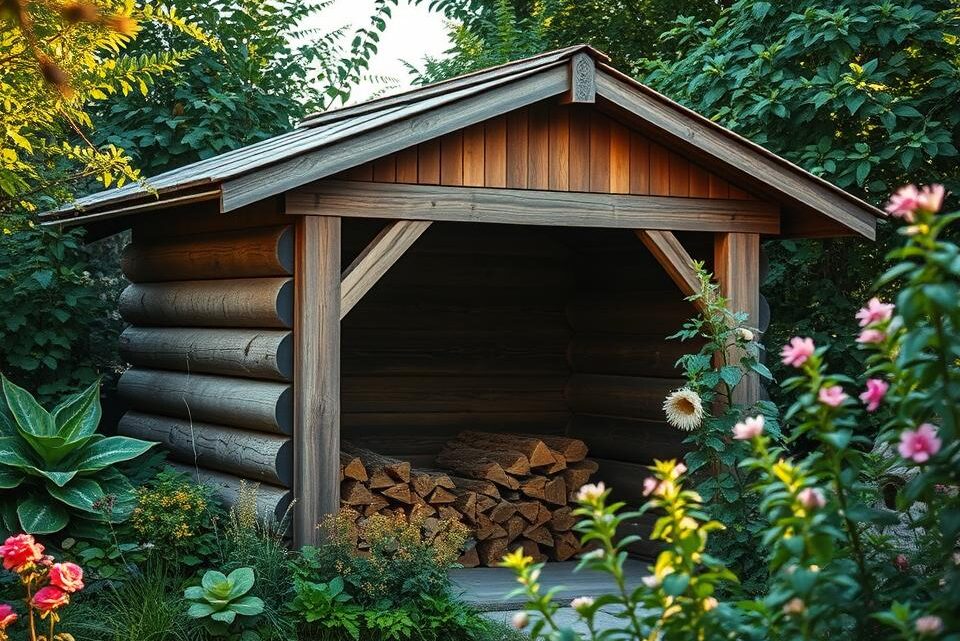
Proper firewood storage is essential for homeowners who rely on wood-burning appliances. A well-designed storage solution protects your investment while enhancing your outdoor space’s appearance. It ensures wood remains dry and ready for efficient burning throughout the colder months.
Leaving logs scattered around the garden leads to significant problems. Moisture damage and rot can develop quickly, reducing the wood’s burning efficiency. This haphazard approach also disrupts landscaping and creates an unorganised outdoor area.
A dedicated storage unit offers the perfect solution to these challenges. It combines practical functionality with visual appeal, creating an organised space that works harmoniously with your garden’s design. The right structure keeps wood properly ventilated and protected from the elements.
Homeowners can choose from various creative concepts to suit their needs. Options range from classic outdoor designs to innovative projects that blend storage with garden aesthetics. Some solutions even incorporate the unit into existing shed structures or provide indoor storage alternatives.
This guide provides comprehensive advice on selecting, planning, and constructing a storage solution that meets individual requirements. Readers will discover how proper maintenance extends wood lifespan and improves burning quality. The satisfaction of creating a functional garden feature tailored to specific needs brings additional value.
Inhaltsverzeichnis
Key Takeaways
- Proper firewood storage protects your investment and maintains wood quality
- Scattered logs risk moisture damage, rot, and reduced burning efficiency
- A dedicated storage unit combines functionality with garden aesthetics
- Various design options suit different garden sizes and personal preferences
- Correct construction and maintenance extend wood lifespan significantly
- Building your own solution offers cost savings and personal satisfaction
- Well-organised storage creates a more attractive outdoor space
Understanding the Basics of Log Storage
Maintaining the heating value of firewood demands adherence to proven storage practices that ensure quality preservation. Correct techniques prevent decay and maintain optimal burning efficiency.
Principles of Timber Stacking
Proper stacking patterns are crucial for air circulation. Alternating layers creates stability while allowing moisture to escape. Gaps between individual pieces facilitate essential air movement.
Orientation matters significantly. Placing logs with bark facing upwards helps shed water naturally. This simple technique reduces moisture absorption through cut ends.
The Importance of Elevation and Drainage
Elevation prevents ground contact and moisture damage. Supports like concrete blocks or treated timber create necessary clearance. At least 200-300mm clearance is recommended for proper air flow.
Drainage considerations are equally vital. Select locations with natural slope to avoid water pooling. Avoid low-lying areas where flooding could compromise the entire system.
Under UK regulations, firewood must reach 20% or lower moisture content before burning. Freshly harvested wood typically requires two years of seasoning. Properly stored timber maintains quality for up to five years.
Enclosed spaces like cellars hinder the drying process. Open-air shelters provide superior conditions for effective seasoning and long-term preservation of heating value.
Choosing the Ideal Location for Your Log Store
Location selection represents one of the most critical decisions when establishing a wood storage system. The right placement ensures optimal drying conditions while protecting timber from environmental damage. Careful consideration of several factors leads to superior results.

Facing the Right Direction
Proper orientation significantly impacts wood preservation. In the UK, prevailing westerly winds mean the open front should face south, south-east, or east. This positioning reduces direct rain exposure by up to 70%.
A south-facing spot near the house maximises sunlight exposure. The warmth actively draws moisture from stored wood, accelerating the seasoning process. This natural drying maintains optimal dryness levels throughout the year.
When building against walls or fences, maintain at least 10cm clearance. This gap ensures adequate air circulation around the structure. Proper ventilation prevents moisture buildup and potential damage.
Ensuring Proper Drainage and Accessibility
Drainage considerations prevent water-related issues. Select naturally well-drained ground that avoids water pooling. Steer clear of low-lying areas where surface water collects during heavy rainfall.
The roof should slope forward with 150-200mm overhang. This design ensures rainwater runs off away from stored logs. It provides additional protection from driving rain during storms.
Practical accessibility makes firewood collection convenient. Verify clear pathways for wheelbarrows or trolleys between the storage area and house entrance. This planning reduces physical effort during poor weather conditions.
Planning and Sourcing Materials
Successful construction begins with meticulous planning and sourcing the right materials. Before purchasing any timber, it is crucial to verify local planning regulations. In the UK, most outdoor storage structures fall under permitted development rules. This means formal planning permission is often not required.
Builders should confirm their specific project meets criteria, such as a maximum height of 2.5 metres. Once plans are finalised, sourcing quality materials is the next critical step.
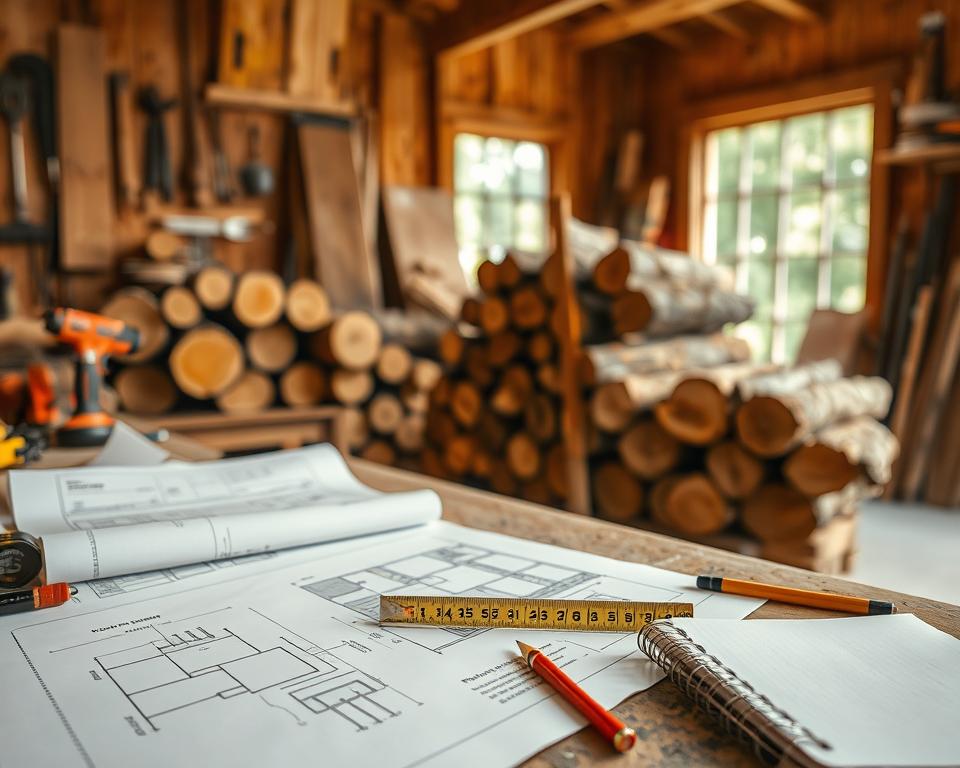
Essential Tools and Materials for Construction
A well-organised materials list prevents delays. The foundation is paramount. Many builders use six pre-cast concrete decking blocks with recesses for 50mm beams. These blocks elevate the structure, protecting the wood from ground moisture.
The framework requires various timber dimensions. Pressure-treated construction timber is essential for longevity. Untreated wood may last only 3-5 years outdoors, while treated timber can endure for 15-20 years.
For the roof, options include a corrugated metal sheet or an OSB board covered with roofing felt. Each choice offers different aesthetic and durability characteristics. The table below details a comprehensive materials list for a sturdy build.
| Material | Specification | Quantity | Purpose |
|---|---|---|---|
| Pre-cast Concrete Blocks | With recess for 50mm beams | 6 | Foundation elevation |
| Construction Timber | Pressure-treated, 100x50mm | 3 metres | Foundation beams |
| Construction Timber | Pressure-treated, 76x50mm | 23 metres | Main framework |
| Wooden Laths | 69x22mm | 51 metres | Side and rear cladding |
| Corrugated Metal Sheet | 2200x1300mm | 1 | Roofing |
Fixings like countersunk chipboard screws in various sizes are needed for assembly. Crushed stone chippings and gravel aid drainage and stability around the foundation blocks. A custom build for a sizeable unit typically costs between £400 and £450 in materials.
This investment provides a robust storage solution that holds over 2 cubic metres of firewood. It offers far better value than smaller, pre-made kits. Careful selection of materials ensures the project is built to last for many years.
Step-by-Step Construction Guide to Your Log Store
The assembly process for a wood storage structure follows a logical progression from foundation to finishing touches. Proper sequencing ensures structural stability and long-term durability.

Ground Preparation and Base Laying
Begin by clearing the site and marking the perimeter. Excavate holes 30cm deep plus block height. Compact the earth and add drainage layers.
Install 20cm gravel followed by 10cm crushed stone chippings. Set concrete decking blocks no more than 1cm above ground level. This foundation prevents moisture damage.
Building the Structure
Cut three 1-metre beams from 50x100mm timber. Slot these into the decking blocks. Construct a rectangular frame using specific lengths of construction timber.
Install uprights with 8° angles at the tops. The height difference between front and rear uprights creates optimal roof pitch. Secure these to the floor frame corners.
Constructing the Roof and Finishing Touches
Build the roof frame to accommodate the slope. Attach either corrugated metal sheets or OSB boards with roofing felt. Ensure 150-200mm front overhang.
Elevate posts on tile fragments to prevent ground moisture absorption. This finishing touch extends the structure’s lifespan significantly.
Essential Safety and Maintenance Tips
Prioritising safety measures ensures both construction success and long-term storage integrity. This approach protects your investment and prevents accidents.
Using Protective Equipment
Comprehensive personal protective equipment is essential during construction. Workers should always wear a safety helmet with face shield and cut-resistant trousers when using chainsaws.
Steel-toed safety boots provide foot protection from heavy materials. Work gloves and eye protection are necessary for all cutting and drilling operations. Protective gear complements safe working techniques rather than replacing them.
Before using power tools for the first time, users must fully familiarise themselves with operation. Always inspect equipment to ensure flawless condition before each use. Follow manufacturer guidelines precisely for optimal safety.
Regular Inspections and Upkeep
Pressure-treated timber structures require minimal maintenance. Simple seasonal tasks preserve the structure’s condition and appearance.
Brush autumn leaves from the roof to prevent moisture retention. Remove moss growth in spring to maintain proper drainage. These small efforts significantly extend the functional lifespan.
Regular inspections help identify potential issues early. Examine stored firewood periodically for signs of decay, mould, or insect activity. Remove compromised logs promptly to prevent problems spreading.
| Inspection Frequency | Area to Check | Action Required |
|---|---|---|
| Monthly | Log stack stability | Re-stack if unstable |
| Seasonal | Roof and framework | Clean debris, check integrity |
| Before use | Firewood condition | Remove damaged pieces |
Structural stability checks are vital for safety. Ensure stacked logs remain stable and won’t collapse. Verify the framework maintains integrity without warping or splitting.
Fire safety considerations include adequate spacing from buildings. Keep the storage area clear of dry debris and flammable materials. Proper planning prevents accidents before they occur.
Optimising Air Circulation and Moisture Control
Effective seasoning of firewood hinges on two fundamental principles: optimal air movement and moisture regulation. These elements work together to transform freshly cut timber into efficient, clean-burning fuel.
Reaching the critical 20% moisture content threshold is essential for efficient combustion. Wood with higher moisture levels produces less heat, more smoke, and dangerous creosote buildup. Proper drying is both an economic and practical necessity.
Ventilation Techniques for Efficient Drying
Comprehensive air circulation dramatically accelerates the seasoning process. Research shows well-ventilated storage reduces drying time by up to 30%.
Raising the structure 300mm off the ground creates crucial airflow underneath. This prevents ground moisture absorption. Slatted sides with 20-25mm gaps allow constant air movement while providing weather protection.

Stacking techniques significantly enhance natural drying. Leaving small gaps between individual pieces permits air penetration throughout the stack. Avoid creating solid barriers that block horizontal airflow.
Moisture Management Strategies
Moisture meters provide instant, accurate readings of firewood moisture content. This tool eliminates guesswork, confirming when wood reaches the optimal burning threshold.
Weather exposure has a dramatic impact. Studies show uncovered timber can absorb 40-50% more moisture during wet periods. A proper roof design with adequate overhang protects your investment.
The table below illustrates how different moisture levels affect burning performance.
| Moisture Content | Heat Output | Smoke Production | Efficiency Rating |
|---|---|---|---|
| Below 20% | High | Low | Excellent |
| 20-25% | Medium | Medium | Good |
| Above 25% | Low | High | Poor |
These strategies ensure your firewood remains in prime condition. They keep logs dry and ready for efficient use throughout the heating season.
Incorporating Innovative Design Elements
Beyond basic functionality, a firewood storage unit can become a striking architectural feature in any garden. Creative design choices elevate these structures from simple utility to bespoke garden assets.
Homeowners can explore various configurations that blend practicality with visual appeal. These innovative approaches maximise space and enhance the overall landscape.
Triangular and Raised Designs
Triangular configurations offer excellent space efficiency. They fit neatly into unused corners, transforming awkward areas into valuable storage.
Their geometric form creates a strong visual focal point. Multi-shelf designs inside allow for organisation by log size and wood type.
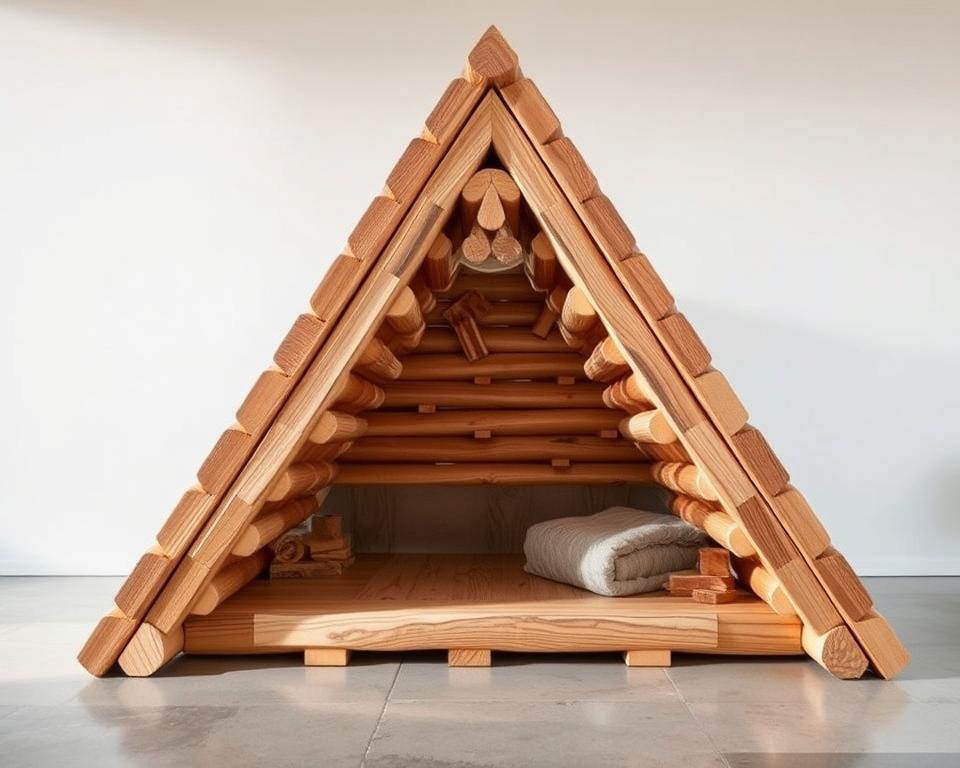
Raised designs provide superior airflow from beneath. This feature significantly accelerates the wood seasoning process.
Combining Shed and Log Store Features
Combination structures merge a secure shed with dedicated log storage. This dual-purpose solution is highly functional for smaller gardens.
The shed compartment typically features a locked door and windows. The adjacent storage area uses slatted walls for optimal ventilation.
This integrated approach saves space while providing versatile storage options. It represents a smart investment for organised outdoor living.
Customised Roof and Overhang Ideas
The roof design plays a crucial role in weather protection. Extended overhangs offer superior defence against driving rain.
Material choice affects both durability and aesthetics. Homeowners can select from various options to match their garden’s style.
The table below compares popular roofing materials for these structures.
| Material | Durability | Aesthetic Appeal | Cost |
|---|---|---|---|
| Cedar Shingles | High | Traditional | Premium |
| Corrugated Metal | Very High | Modern/Industrial | Medium |
| Felt-Covered OSB | Good | Practical | Economical |
Choosing the right roof ensures long-term performance and visual harmony. It completes the structure’s functional and aesthetic profile.
DIY Log Store Ideas for Your Garden
Unused wooden pallets offer a fantastic starting point for a creative storage project. With basic tools and a weekend to spare, anyone can construct a functional shelter. This approach provides an accessible entry point for beginners.
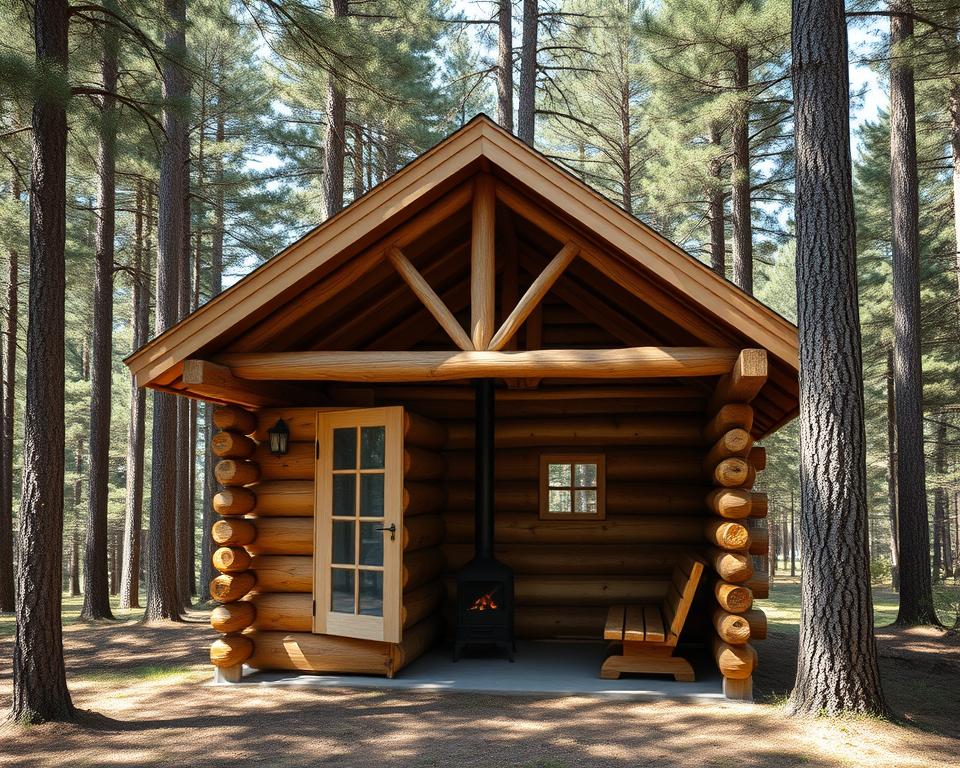
Building your own structure proves highly cost-effective. A bespoke build using quality materials costs approximately £400-£450. This investment provides capacity for over 2 cubic metres of firewood.
Commercial kit alternatives often cost £300-£350. Yet they typically hold less than half the volume. Custom construction delivers superior value and complete design control.
The ideal dimensional ratio for stability is 2:1 length to depth. A practical example would be 2500mm width by 1200mm depth. This creates a dual-bay system holding over one cubic metre per bay.
Starting with a smaller project is advisable. Compact shelters are significantly easier to build than larger versions. They allow builders to develop skills before attempting more ambitious projects.
Beyond traditional timber, many materials work well. Reclaimed wood, composite decking offcuts, and salvaged architectural elements add character. These choices can reduce costs and environmental impact.
Capacity planning is straightforward. One cubic metre equals about one-third of a cord in traditional measurements. This helps homeowners calculate their annual needs accurately.
Personalised features transform purely utilitarian storage. Consider adding integrated kindling compartments or tool storage hooks. These elements make the structure a distinctive garden feature.
| Project Type | Estimated Cost | Capacity | Skill Level |
|---|---|---|---|
| Pallet-based | Low | 0.5-1 cubic metre | Beginner |
| Custom timber | £400-£450 | 2+ cubic metres | Intermediate |
| Commercial kit | £300-£350 | Beginner |
Creative experimentation is encouraged. The design can reflect personal style while meeting practical needs. This approach turns necessary storage into an enjoyable project.
Leveraging Dual-Purpose Structures for Storage and Style
The versatility of wood storage extends beyond traditional outdoor sheds to include creative indoor solutions that complement home interiors. These dual-purpose designs serve practical needs while enhancing aesthetic appeal.
Integrating Indoor and Outdoor Storage Solutions
Indoor storage offers significant convenience for homes with fireplaces or wood-burning stoves. Decorative baskets in wicker or metal provide accessible firewood storage while adding rustic charm to living areas.
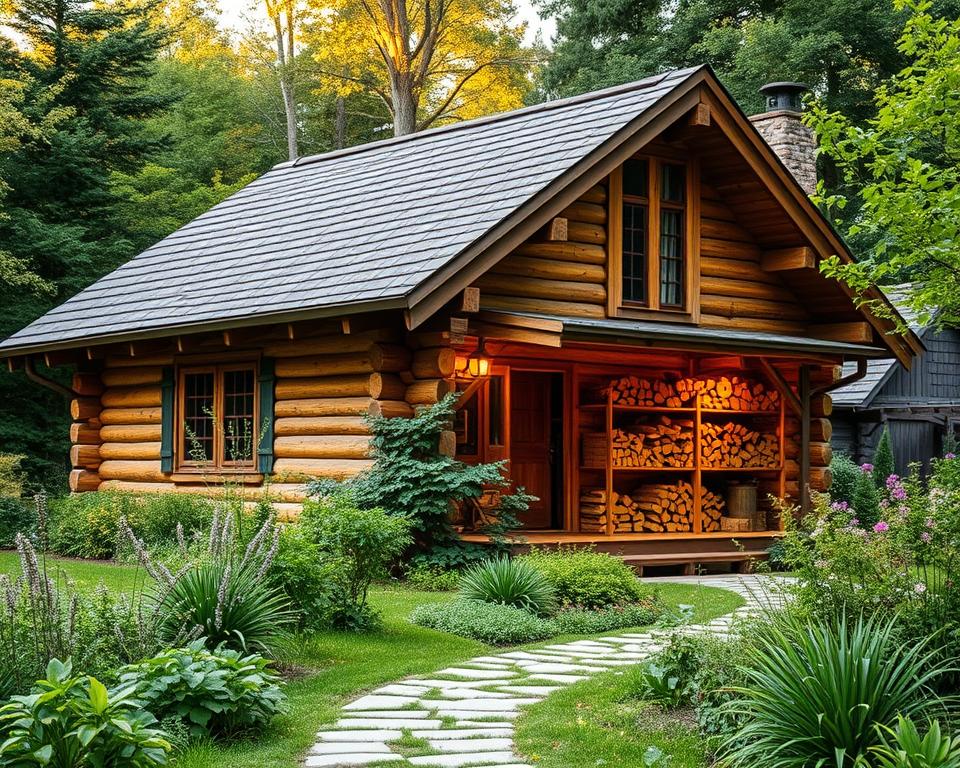
Built-in solutions create seamless integration during renovations. Recessed wall niches or custom alcoves beside fireplaces become intentional design features. These dedicated nooks keep logs organised and prevent debris scattering.
Safety remains paramount for indoor storage. Enclosed boxes or metal containers reduce fire hazards by containing sparks. Maintain proper clearance from heat sources according to manufacturer specifications.
Outdoor storage boxes with flat tops serve multiple functions. They provide surfaces for garden ornaments or practical items while organising firewood beneath hinged lids. This approach maximises utility in limited spaces.
Customising Your Log Store for Personal Needs
A well-planned storage solution should reflect the owner’s specific requirements and aesthetic preferences. Personalisation transforms a basic structure into a bespoke garden feature.

Adding Personal Design Touches
Vertical storage strategies are ideal for space-constrained gardens. A tall, narrow design maximises capacity without consuming excessive ground area. This approach suits urban gardens and courtyards perfectly.
The narrow footprint improves vertical airflow around the timber. This promotes efficient drying from bottom to top. It also encourages neat, organised stacking for easy access.
Aesthetic customisation options are vast. Consider paint colours that complement existing garden schemes. Decorative hardware and architectural details add character.
Personalised elements like house numbers or carved motifs create distinction. These touches ensure the structure becomes a distinctive feature.
Adapting the Structure to Your Garden Space
Capacity matching to consumption patterns is crucial. Calculate annual firewood usage and account for seasonal variations. Design dimensions should accommodate specific needs with some reserve.
Finishing techniques elevate construction quality. Using spacer blocks maintains consistent gaps between slats. This simple step distinguishes amateur from professional results.
For protective treatments, spray application achieves 30% better coverage than brushing. It provides even coating distribution and reaches recessed areas effectively.
Consider how placement responds to unique site conditions. Integration with existing landscaping ensures harmony. The table below illustrates key adaptation considerations.
| Garden Feature | Adaptation Strategy | Benefit |
|---|---|---|
| Sloped Terrain | Adjustable foundation blocks | Level installation |
| Limited Space | Vertical stacking design | Maximises capacity |
| Existing Fencing | Complementary colour scheme | Visual integration |
| Pathway Proximity | Compact footprint | Maintains access |
Thoughtful customisation ensures the structure meets practical needs while enhancing the outdoor environment. It becomes a functional asset that reflects personal style.
Conclusion
A well-constructed timber shelter provides the ultimate protection for your heating resources. Successful implementation requires understanding fundamental principles, careful planning, and quality construction techniques that ensure both functionality and longevity.
Maintaining the critical 20% moisture content remains essential for efficient wood burning in your stove. Proper design forms the foundation for protecting this valuable home heating resource throughout the seasons.
The versatility of available solutions ensures options exist for every budget and space. From simple projects to sophisticated custom builds, homeowners can create structures that serve practical needs while enhancing their outdoor area.
When planning your storage solution, consider your specific firewood consumption and available space. Prioritise functional elements like elevation, ventilation, and weather protection before focusing on aesthetic customisation.
With proper construction and maintenance, a quality storage unit will provide decades of reliable service. It protects your wood investment while becoming an attractive, functional garden feature that households will appreciate for years.
FAQ
What is the primary purpose of a garden log store?
The main purpose is to provide a dedicated, organised space for firewood storage. A well-designed structure protects logs from rain and snow, promotes good air circulation for seasoning, and keeps the garden tidy. Proper storage reduces the wood’s moisture content, leading to more efficient and cleaner burning in a stove or fireplace.
Why is it crucial to keep firewood off the ground?
Elevating the timber stack is essential to prevent moisture from the soil from being absorbed into the wood. Direct contact with the ground can lead to rot and make the fuel difficult to light. Using a raised base, such as timber bearers or concrete blocks, ensures drainage and allows air to flow underneath, aiding the drying process.
How much space should I allocate for a log store?
The required size depends on the amount of wood you typically burn and the available garden space. A good rule is to plan for a structure that can hold at least one full season’s supply, with some extra room for air movement. Consider the dimensions of standard log lengths and the height you can comfortably stack them when determining the final measurements.
Can I attach a log store to my house or garden shed?
While it is possible, caution is advised. Building against a wall offers shelter but requires careful planning to ensure sufficient ventilation and to avoid creating a fire hazard. There must be a gap between the structure and the wall, and you should check local building regulations. A freestanding unit placed nearby often provides greater flexibility and safety.
What materials are best for constructing a durable log store?
Pressure-treated timber is a popular and cost-effective choice for the frame and slatted panels, as it resists decay. For a roof, corrugated bitumen or PVC sheets are excellent for shedding water. Using durable materials from the outset minimises maintenance and ensures the storage shed remains functional for many years.
How can I improve air circulation within my log store?
Effective ventilation is key. Design the side panels with gaps between the slats or drill holes to allow air to pass through. Positioning the structure in a location that catches a breeze, while still being sheltered from direct driving rain, will significantly enhance the natural drying of the firewood.