How to Make the Most Out of Your Insulated Summerhouse
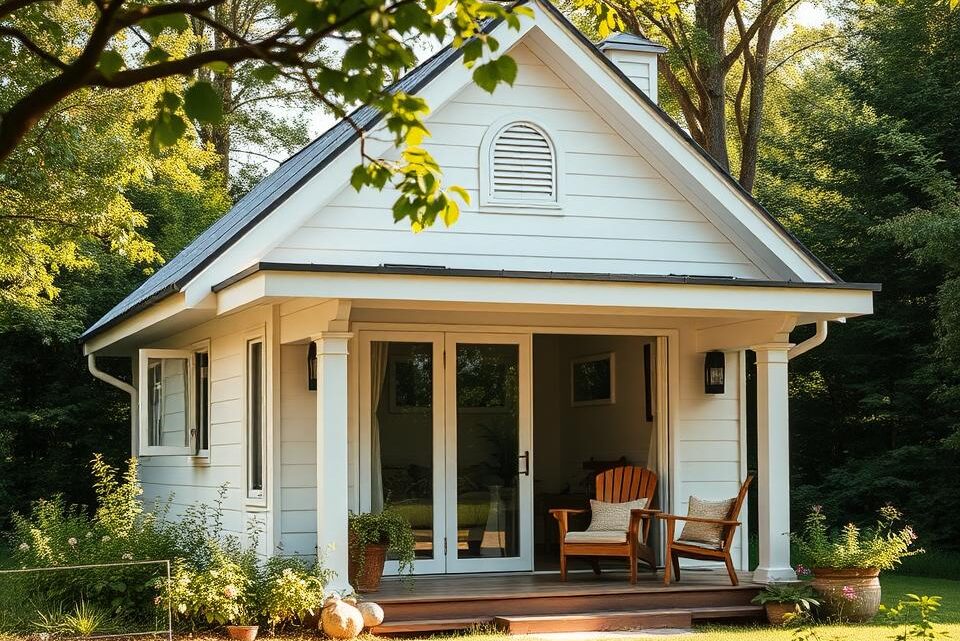
An insulated summer house offers a unique advantage over a standard garden shed. Its special construction includes insulation within the walls, roof, and often the floor. This design creates a space that remains comfortable throughout the seasons.
This versatile garden building serves as a cosy retreat during winter and a cool haven in summer. It effectively extends the living area of a home into the garden. People are increasingly using these structures for home offices, creative studios, or peaceful relaxation spots.
Maximising the potential of this space requires careful thought. Key considerations include the quality of insulation, the building’s placement in the garden, and intelligent interior design. Energy efficiency and regular upkeep are also crucial for long-term enjoyment.
This guide provides expert advice to help owners and prospective buyers. It covers technical details like insulation materials and R-values. It also explores aesthetic choices, from colour schemes to furniture selection.
With proper planning, an insulated summer house becomes a valuable, multi-purpose asset. It can enhance your quality of life and even increase your property’s value. The following sections will explore how to achieve this transformation.
Inhaltsverzeichnis
Key Takeaways
- An insulated summer house provides a comfortable, usable space all year round.
- Its thermal properties set it apart from a traditional garden shed.
- Strategic planning is essential for insulation, location, and interior design.
- This guide offers actionable tips for both practical and aesthetic improvements.
- Proper utilisation can significantly increase the value of your property.
- It serves as a versatile extension of your home for work and leisure.
Understanding the Benefits of an Insulated Summerhouse
The true value of an insulated garden building becomes apparent through its ability to maintain comfortable conditions throughout the seasons. These structures offer more than just basic shelter, providing tangible advantages that enhance their usability.
Enhanced Year-Round Comfort
Proper insulation creates a stable internal environment regardless of external weather. It acts as a thermal barrier, preventing heat loss during cold months and heat gain in warm periods.
This temperature regulation means the space remains cosy in winter and cool in summer. Owners can enjoy their summer house during all twelve months of the year.
Energy Efficiency and Cost Savings
Insulated buildings significantly reduce energy consumption for heating and cooling. By trapping warmth inside during winter and blocking excessive heat in summer, they minimise the need for additional climate control.
This efficiency translates into lower utility bills and reduced environmental impact. The initial investment in quality insulation pays dividends through ongoing savings.
Additional benefits include sound reduction and property value enhancement. A well-insulated summer house can increase a home’s value by up to 15%, representing excellent return on investment.
Choosing the Ideal Insulation Materials
Material selection plays a crucial role in determining how well an insulated structure performs across seasons. The right insulation materials fundamentally impact thermal performance, durability, and overall effectiveness.
Evaluating R-Value and Performance
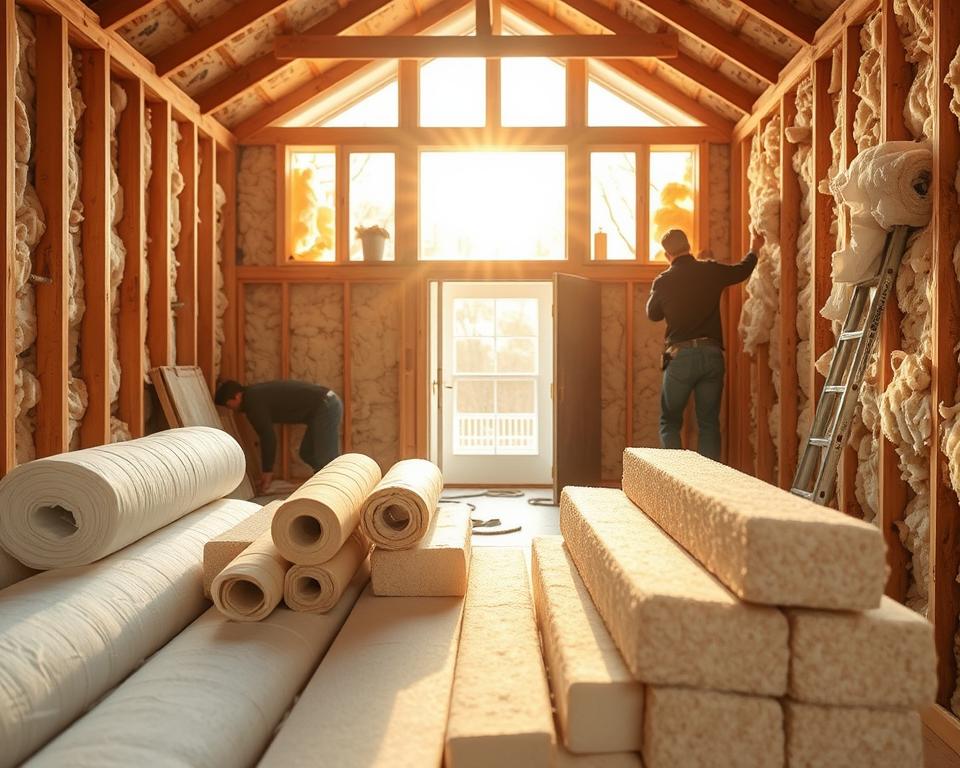
The R-value measures an insulation material’s resistance to heat flow. Higher R-values indicate superior insulating properties. Experts recommend a minimum of R-10, with R-15 to R-20 being ideal for year-round comfort.
This evaluation requires a holistic approach. The combined insulation of walls, roof, floor, windows, and doors determines overall performance. Any weak points or air leaks compromise the entire system.
Foil-backed insulation often delivers the best R-value for summer houses. Rigid foam boards and spray foam also provide excellent options. Each material type offers distinct advantages for different applications.
Comparing Wood, Metal and PVC Options
Structural materials significantly influence insulation choices. Wood provides natural aesthetic appeal and inherent insulation properties but requires regular maintenance. Metal offers durability with minimal upkeep but may need additional insulation.
PVC presents a lightweight, affordable option with limitations in structural strength. For optimal results, products like Styrofloor and Ravatherm XPS deliver high thermal performance with excellent moisture resistance.
Proper measurement and cutting ensure materials fit perfectly. This prevents gaps that reduce effectiveness. Quality products also meet important fire safety standards for peace of mind.
Selecting the Right Location and Design for Your Garden
The placement and appearance of a garden building are fundamental decisions that shape its utility and enjoyment. A well-chosen spot and complementary design ensure the structure becomes a natural and valued part of the outdoor area.

Careful planning at this stage prevents future regrets and maximises the potential of the entire garden.
Optimising Sunlight and Views
Choosing a location with ample sunlight is vital. It creates a bright, welcoming atmosphere inside the garden room and reduces the need for artificial lighting. Positioning the structure to capture the morning sun is particularly effective.
A scenic view enhances the space’s appeal, turning it into a true retreat. Homeowners should consider the vista from the main windows, framing pleasant garden features.
This thoughtful placement also contributes to passive solar heating during cooler months, adding to the building’s energy efficiency.
Integrating with the Garden Aesthetic
The design should harmonise with the existing home and garden. Colour, style, and architectural details are key to creating a cohesive look. A complementary design makes the garden building feel intentional and established.
Practical aspects, like access paths and proximity to the main house, are equally important. They ensure convenience and compliance with local planning regulations.
Ultimately, the goal is to create a seamless flow between the home, the garden room, and the wider garden, enhancing the overall appeal of the property.
Practical Decoration and Layout Ideas
The interior design of a garden building transforms it from a basic structure into a personalised and highly functional retreat. Thoughtful decoration and a smart layout are essential for creating a space that is both inviting and practical for year-round use.
Colour Schemes and Furnishing
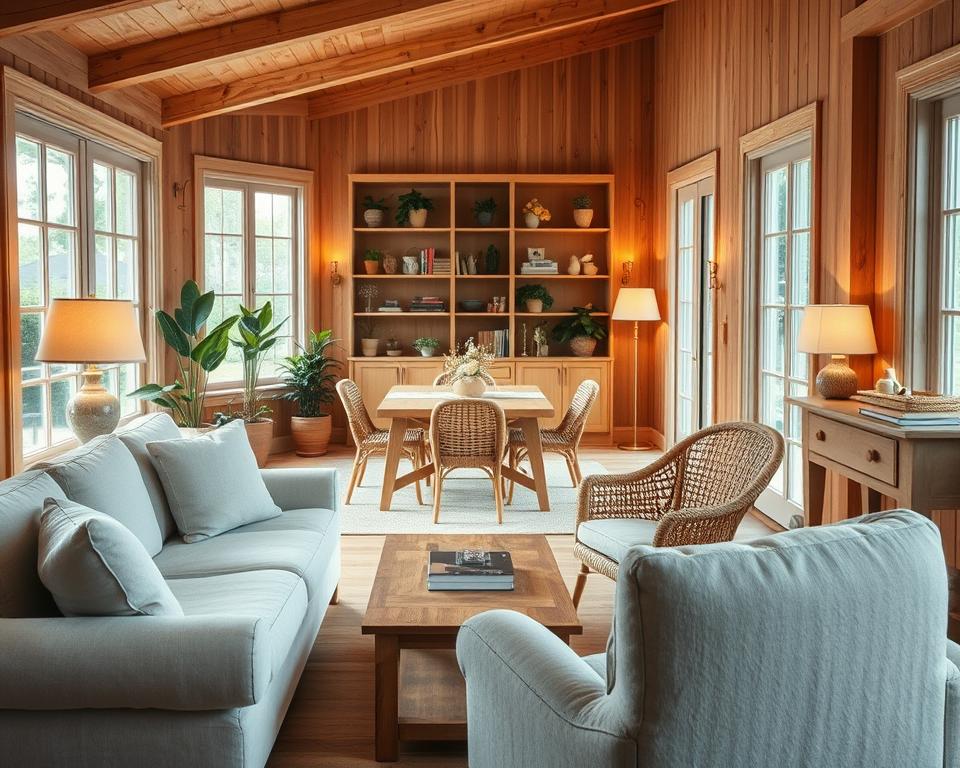
Choosing a colour palette sets the entire mood for the room. Natural, earthy tones help the interior harmonise with the garden view, creating a serene atmosphere. Alternatively, brighter colours can make the space feel more energising and distinct.
Furniture selection is crucial for durability and style. Opt for pieces designed to withstand the unique conditions of a garden room. Multi-functional items, like a storage ottoman or a fold-down desk, are excellent for maximising the available area.
Soft furnishings add the final layer of comfort. Cushions, throws, and a durable rug introduce texture and warmth. These elements make the summer house feel like a genuine extension of the living space.
Maximising Storage and Usable Space
Efficient use of every square foot is key in a compact garden building. A well-planned layout ensures clear traffic flow and defines zones for different activities, whether for work or relaxation.
Vertical storage solutions are particularly effective. Wall-mounted shelves and hooks keep the floor area clear and tools organised. Built-in cupboards or furniture with hidden compartments help maintain an uncluttered, serene appearance.
Lighting also plays a vital role in defining the space. A layered approach using ambient, task, and accent lights adds depth. Solar-powered options provide an eco-friendly way to create a magical ambiance for evening use.
Enhancing Energy Efficiency with Advanced Features
Beyond basic insulation, sophisticated components work together to maximise energy conservation. These advanced features create a comprehensive system that significantly reduces running costs.
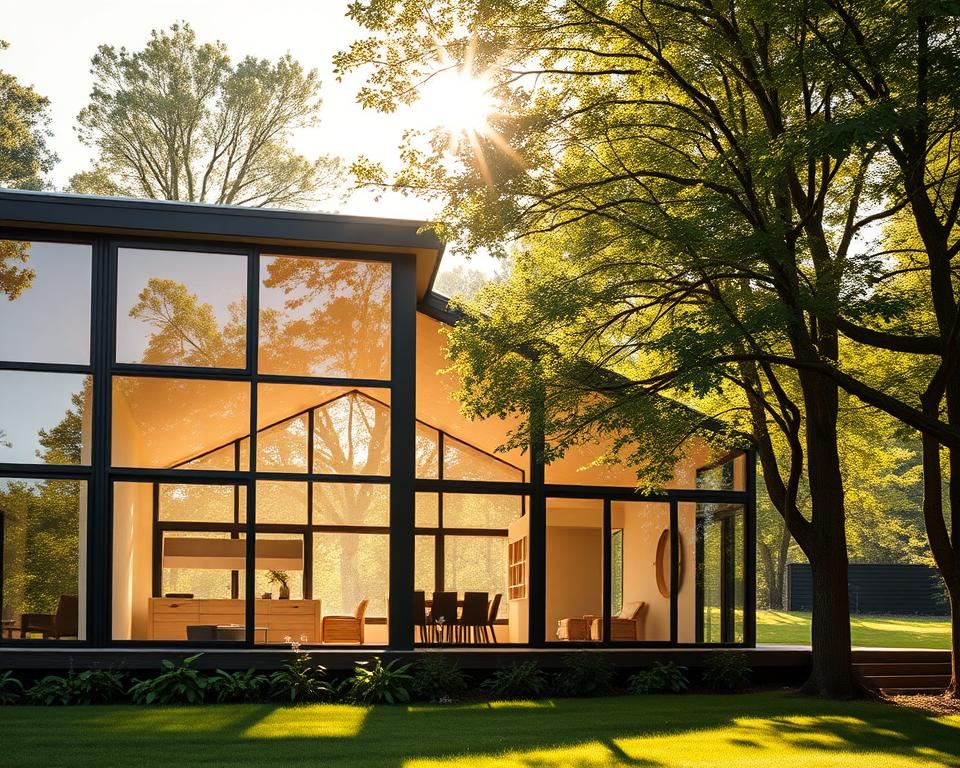
Proper coordination ensures all elements function synergistically. Weakness in any single component can compromise overall performance.
Double-Glazed Windows and Ventilation
Window quality dramatically impacts thermal performance. Double or triple-glazed units create insulating air gaps that prevent heat transfer effectively.
Single-pane windows undermine even excellent wall insulation. Strategic placement balances natural light with thermal efficiency.
South-facing windows capture warmth during colder months. North-facing options provide consistent, glare-free illumination.
Ventilation prevents moisture accumulation in airtight spaces. Operable windows and mechanical systems maintain air quality and structural integrity.
| Window Type | Thermal Performance | Energy Savings | Initial Cost |
|---|---|---|---|
| Single-Pane | Basic | Minimal | Low |
| Double-Glazed | Excellent | Substantial | Medium |
| Triple-Glazed | Superior | Maximum | High |
Solar panels represent another advanced feature worth considering. They generate electricity for lighting and small appliances.
This renewable energy integration enhances sustainability. It also reduces operational costs over the structure’s lifetime.
Initial investments in advanced features deliver substantial returns. Reduced energy bills and increased property value justify the upfront expenditure.
DIY Versus Professional Installation Insights
Two distinct paths exist for insulating a garden structure, each with unique considerations. This choice significantly impacts the project’s cost, timeline, and final quality.
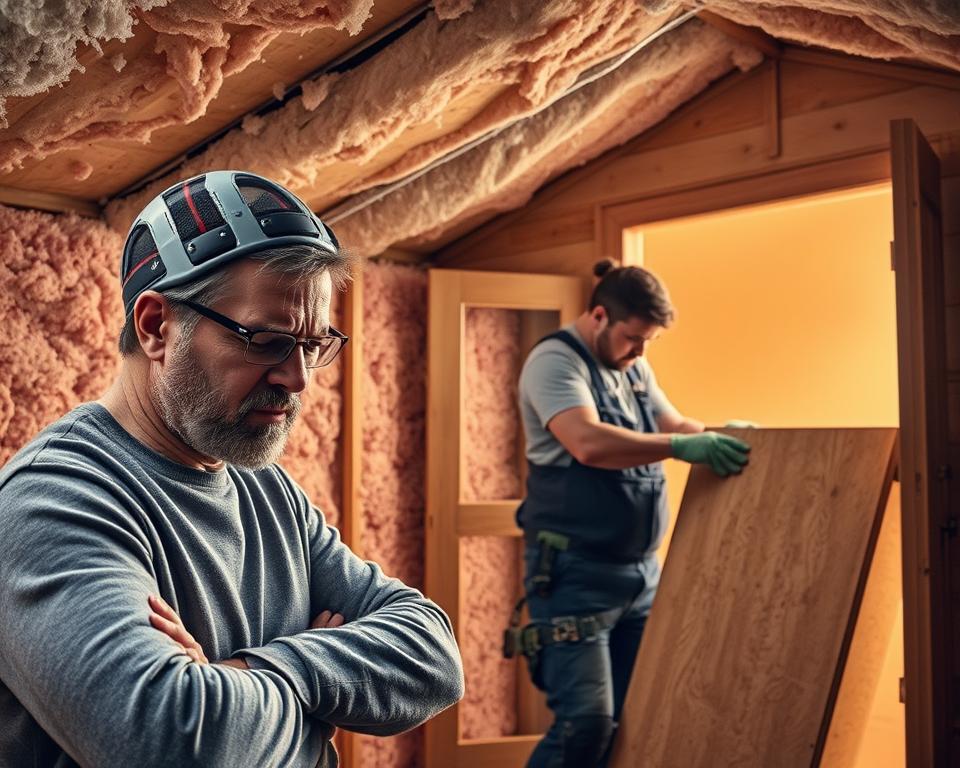
Homeowners must weigh their personal skills, budget, and time availability. The right option depends entirely on individual needs and confidence levels.
Cost Considerations and Time Investment
A DIY approach saves on labour costs. However, it requires purchasing all materials, tools, and safety equipment upfront.
Professional services include these expenses but offer expertise and efficiency. Teams complete the work swiftly, causing minimal disruption.
DIY projects often take longer due to learning curves and mistakes. Professionals ensure a timely finish with guaranteed standards.
Safety and Quality Standards
Insulation work involves potential hazards. Sharp tools and specific materials demand proper protective gear.
Professional installers understand building regulations and fire safety classifications. They avoid thermal bridges and moisture issues that can compromise the building.
For a guaranteed, high-quality finish, professional installation is the superior choice. It provides peace of mind and long-term performance.
| Factor | DIY Installation | Professional Installation |
|---|---|---|
| Overall Cost | Lower labour cost, higher material/tool cost | Higher overall cost, inclusive of all elements |
| Time Required | Significant personal time investment | Fast, efficient completion |
| Skill Level | Requires good DIY skills and research | Handled by experienced specialists |
| Final Quality | Dependent on individual skill | Guaranteed high standard |
| Safety | Personal responsibility for safety | Managed by trained professionals |
How to Make the Most Out of Your Insulated Summerhouse
A well-insulated garden building offers remarkable flexibility for a variety of activities. Its comfortable environment, maintained throughout the year, invites creative and practical applications.
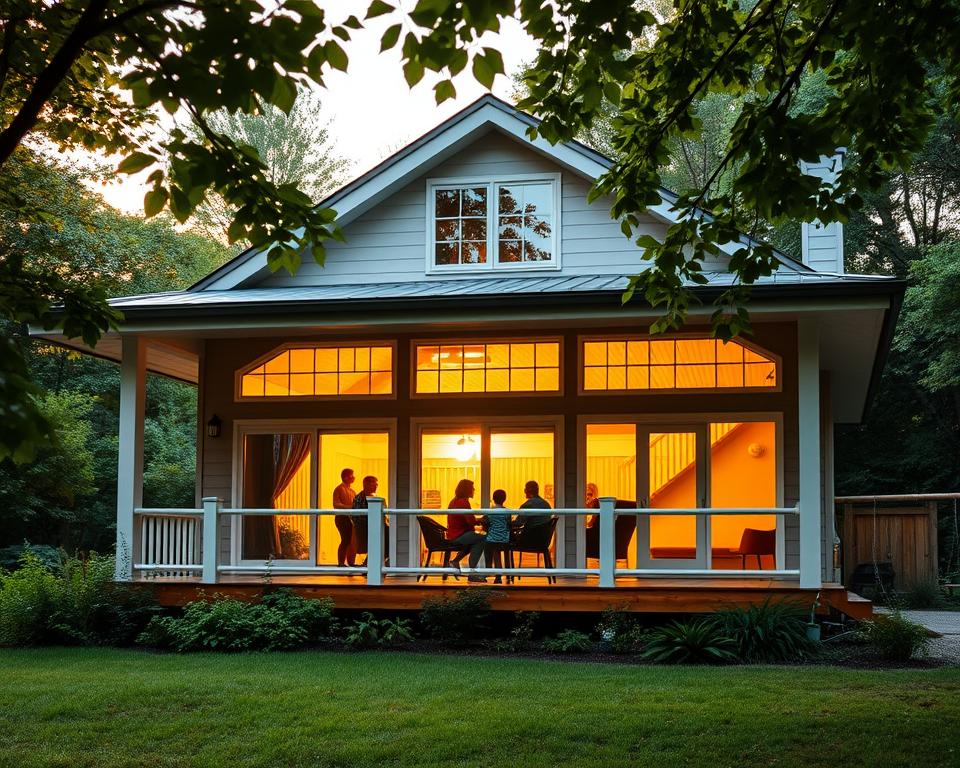
For professionals, this space becomes an ideal home office. The physical separation from the main house fosters a clear distinction between work and leisure. This dedicated area enhances focus and productivity.
Artists and hobbyists find it a perfect studio. Natural light and garden views inspire creativity. Whether for painting, writing, or crafts, the peaceful atmosphere supports uninterrupted work.
Gardeners benefit immensely from a dedicated workshop. It provides organised storage for tools and a sheltered area for potting plants. The stable climate is excellent for propagating delicate seedlings.
This versatile garden room also serves as a unique entertainment space. It offers a distinct setting for hosting guests or enjoying quiet evenings. Its multi-purpose nature allows it to adapt to changing family needs over time.
From a wellness sanctuary to a playful den, the possibilities are vast. Owners can truly tailor this extension to their lifestyle, ensuring it delivers value and enjoyment for many years.
Optimising Year-Round Functionality
A well-planned garden structure provides consistent comfort through winter and summer months. This year-round usability distinguishes quality insulated buildings from basic seasonal sheds. Owners can enjoy their space regardless of weather conditions.
Winter Heating Solutions
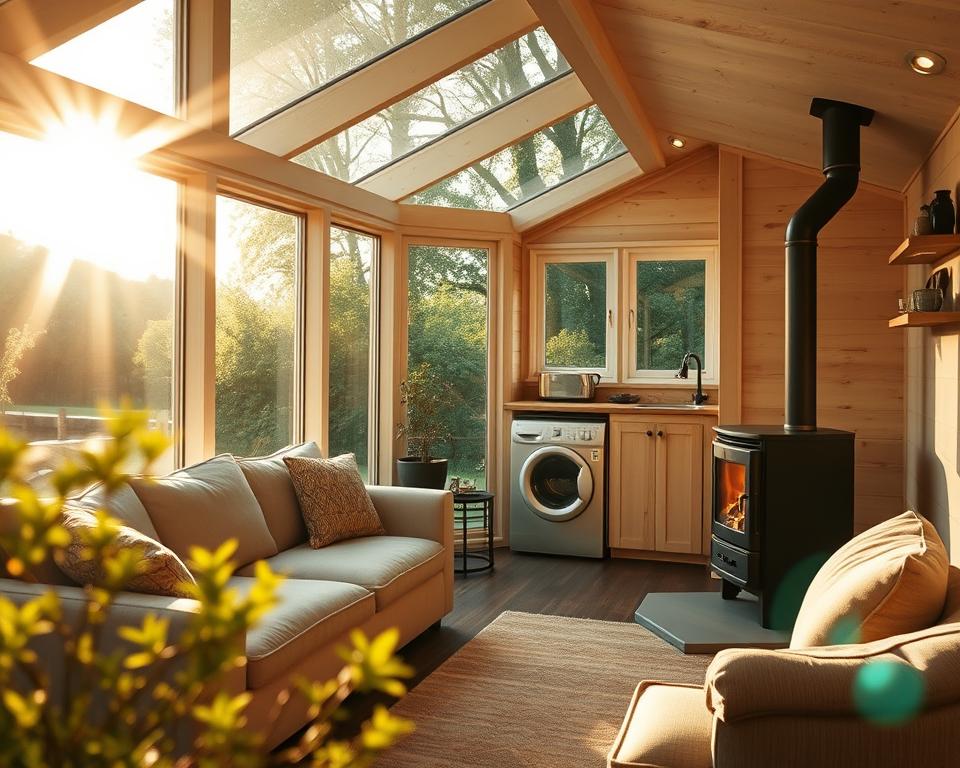
During colder winter periods, various heating options maintain comfortable temperatures. Electric heaters offer portable convenience for occasional use. Infrared panels provide efficient radiant warmth.
Wood-burning stoves create a cosy atmosphere where regulations permit. Underfloor heating systems deliver even warmth throughout the space. All options work best with proper insulation to prevent heat loss.
Cooling Strategies for the Summer Months
In warmer summer months, effective cooling maintains pleasant conditions. Strategic ventilation uses cross-breezes through opposite windows. Reflective window treatments reduce solar heat gain significantly.
External shading like awnings or pergolas blocks direct sunlight. Ceiling fans improve air circulation efficiently. These methods complement the building’s natural thermal regulation.
| Heating Option | Best For | Installation | Running Cost |
|---|---|---|---|
| Electric Heater | Occasional use | Simple | Medium |
| Infrared Panel | Efficient heating | Professional | Low |
| Wood Stove | Cosy atmosphere | Complex | Variable |
Seasonal adjustments enhance comfort throughout the year. Simple changes like window coverings and furniture placement make a noticeable difference. This approach ensures the space remains inviting across all seasons.
Sustainable and Eco-Friendly Insulation Options
Selecting insulation materials now involves a crucial consideration beyond thermal performance: sustainability. Environmentally conscious choices allow homeowners to achieve excellent comfort whilst supporting circular economy principles and minimising their environmental impact.
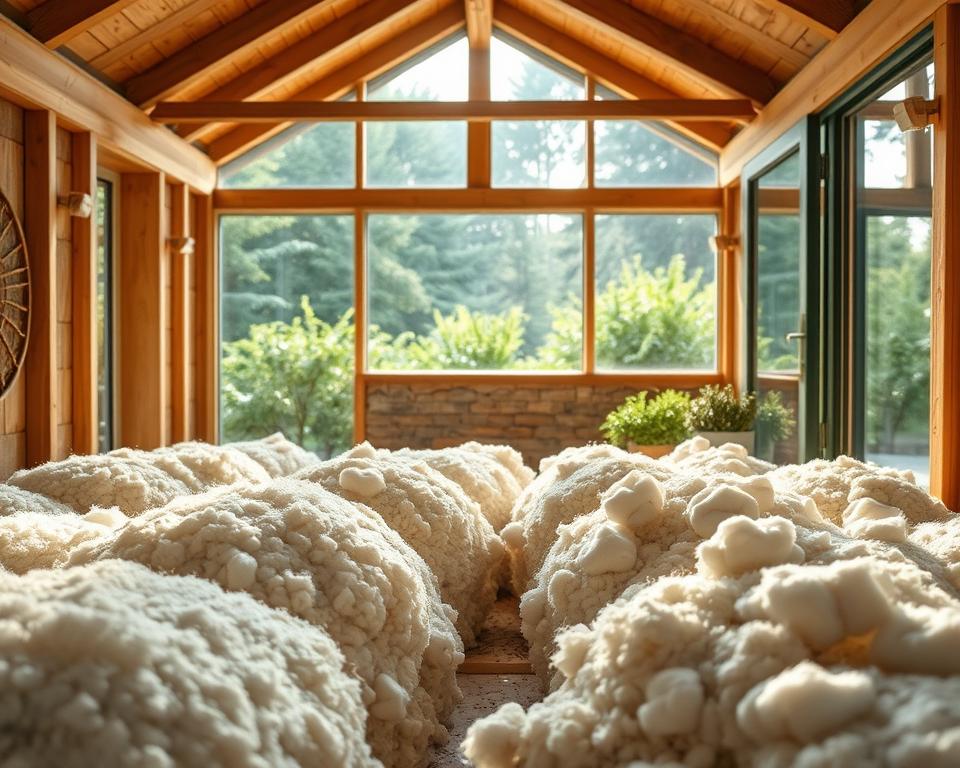
Recycled materials offer a powerful solution. Insulation made from post-consumer plastic bottles diverts waste from landfills. This material delivers performance comparable to traditional options, creating a genuine environmental benefit.
Utilising Recycled and Green Materials
Natural options provide outstanding eco-friendly performance. Sheep wool is a renewable resource with excellent thermal and acoustic properties. It is naturally fire-resistant and regulates moisture effectively.
Cellulose insulation, made from recycled newspaper, boasts a strong R-value. It is sustainably sourced and treated for pest resistance. This makes it a comprehensive, non-toxic choice.
Cork represents a premium natural insulation material. Harvested without harming the tree, it is exceptionally durable. Its natural antimicrobial properties add to its appeal for a healthy space.
The most substantial benefits come from a holistic approach. Proper installation of these sustainable materials is key. Pairing them with features like solar panels on the roof of an insulated summer house reduces operational energy use for years.
Homeowners should research certifications and product lifecycles. Balancing environmental credentials with practical performance ensures the best long-term result for their garden retreat.
Maintenance Tips for Longevity and Improved Performance
A comprehensive maintenance strategy ensures that the thermal efficiency of an insulated structure remains optimal throughout its lifespan. Regular upkeep preserves both aesthetic appeal and functional performance.
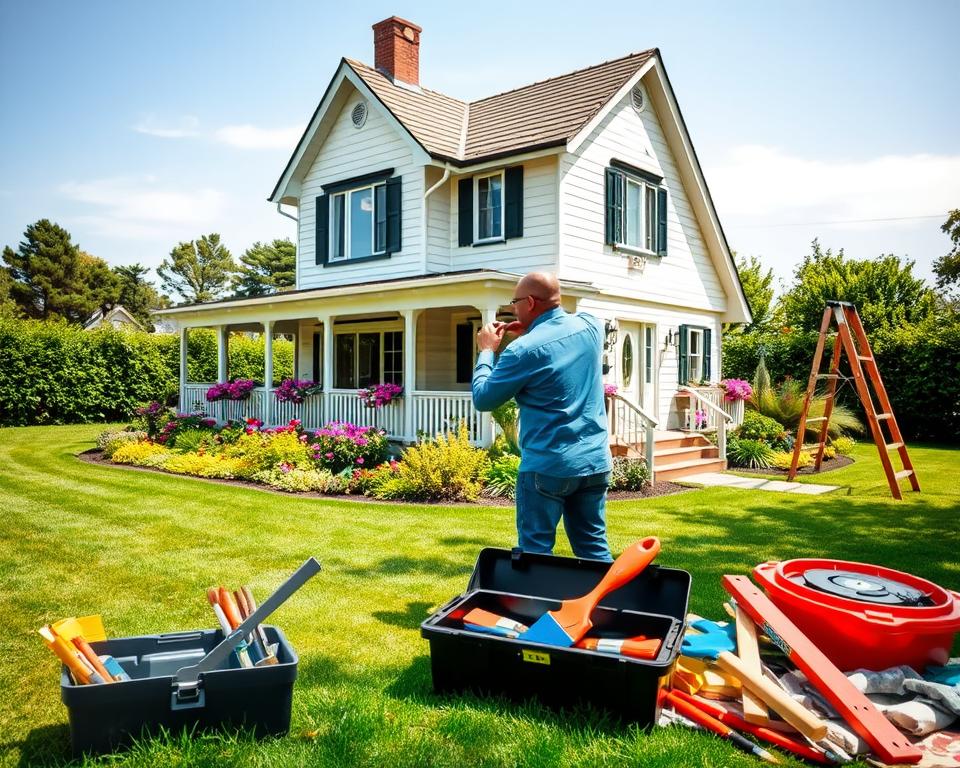
Establishing a systematic approach prevents minor issues from becoming major problems. This proactive care maintains the building’s value and comfort.
Regular Inspections and Upkeep
Seasonal checks form the foundation of effective maintenance. Homeowners should examine the roof, walls, and floor quarterly. This routine identifies potential issues early.
Roof maintenance requires particular attention. Clear gutters regularly to prevent water damage. Inspect shingles and flashing for signs of wear.
Wall integrity demands annual assessment. Check for cracks in exterior cladding and reseal joints as needed. Treat wooden surfaces with appropriate preservatives.
Floor stability contributes to overall insulation effectiveness. Ensure underfloor materials remain dry and properly positioned. Address any moisture issues promptly.
Insulation-specific maintenance involves checking for compression or settling. Verify that vapour barriers remain intact. Look for new gaps that could create thermal bridges.
Maintaining detailed records helps track the garden room’s condition over time. Budget annually for anticipated upkeep costs. This investment ensures long-term enjoyment of the space.
Conclusion
An insulated summer house transcends being a simple garden structure. It represents a significant enhancement to one’s lifestyle, offering a versatile room that can be enjoyed year-round.
Quality insulation is the essential foundation. It transforms a basic garden building into a comfortable, secure space, regardless of the weather outside. This upgrade unlocks the full potential of a garden.
Achieving this ideal requires a multi-faceted approach. Careful material selection, strategic placement, and thoughtful interior design are all interconnected. This ensures the space is both beautiful and functional.
This investment yields substantial returns. It adds valuable living space to a home and can increase property value. The structure becomes a practical solution for a home office, a creative studio, or a peaceful retreat.
Ultimately, an insulated summer house is a wise decision. It enriches daily life, providing a unique sanctuary that brings comfort and joy throughout every season.
FAQ
What are the primary benefits of an insulated summerhouse?
An insulated garden building offers enhanced year-round comfort, allowing for use regardless of weather. It provides significant energy efficiency, reducing heating costs in winter and keeping the space cooler in summer. This makes it a versatile room for living, working, or relaxing.
Which insulation material is best for a summerhouse?
The right insulation depends on specific needs. Common options include rigid foam boards for walls and roof spaces, and mineral wool for floor insulation. Evaluating the R-value, which measures thermal resistance, is crucial for optimal performance. Eco-friendly materials like sheep’s wool are a sustainable solution.
How can I improve the energy efficiency of my garden room?
A> Key features include installing double-glazed windows to minimise heat loss and incorporating adequate ventilation to prevent condensation. Proper insulation in the walls, floor, and roof is fundamental. Sealing any gaps and considering a dedicated heating system for winter months also boosts efficiency.
Is professional installation necessary for an insulated summerhouse?
A> While a DIY approach can save money, professional installation ensures the building meets safety and quality standards. Experts guarantee that insulation is fitted correctly, avoiding thermal bridges. For complex designs or electrical work, hiring a professional is often the recommended option.
Can an insulated summerhouse be used as a home office?
A> Absolutely. With proper insulation and heating, a summerhouse garden room creates a quiet, comfortable, and energy-efficient workspace separate from the main home. It is an ideal solution for a year-round office, needing only a power supply and internet connection.
What maintenance does an insulated summerhouse require?
A> Regular inspections of the roof, walls, and windows are essential to maintain performance. Check seals around doors and windows annually. Treating wooden exteriors with a protective stain or paint every few years will preserve the material and ensure the insulation remains effective.