Discover Everything You Need in a Garden DIY Workshop Today
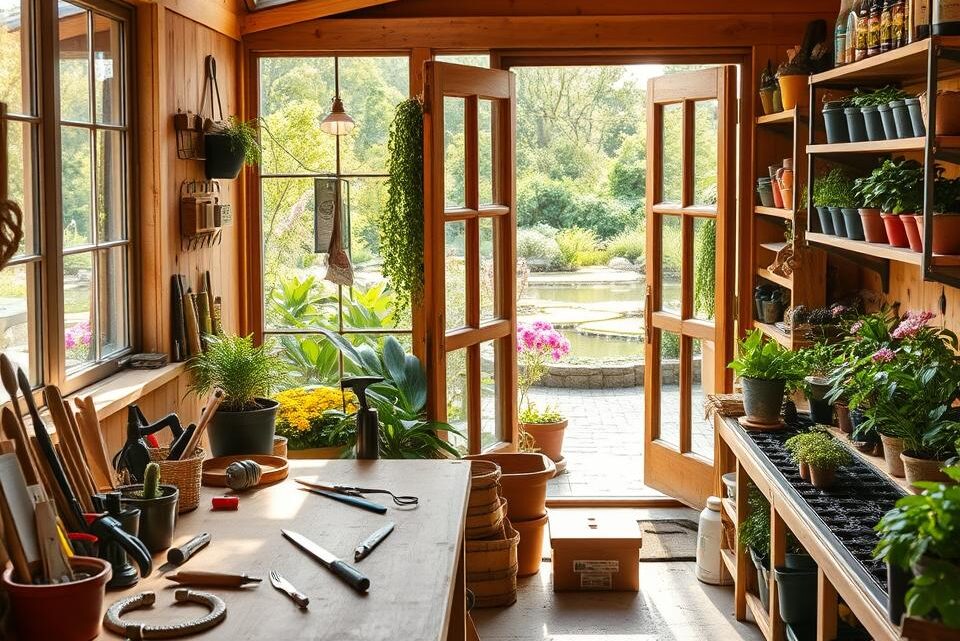
A garden workshop offers a dedicated space for hobbies, crafts, and storage. It provides a separate area away from the main house, ideal for focused projects. This structure can support a wide range of activities, from woodworking to potting plants.
Careful planning is essential for a successful build. Key considerations include access for large items, sufficient lighting, and proper ventilation. Adequate roof height and security measures are also crucial for a functional and safe environment.
Such a space is highly versatile. It can serve as an art studio, a home gym, or even a quiet office. This flexibility makes it a valuable addition to any property, supporting both leisure and potential business activities.
This guide covers the entire process from initial planning to long-term upkeep. It aims to equip individuals with the knowledge to create their own ideal outdoor workspace.
Inhaltsverzeichnis
Key Takeaways
- A garden workshop is a multifunctional outdoor building.
- It serves as a dedicated space for hobbies and storage.
- Proper planning is crucial for access, light, and ventilation.
- The space can be adapted for various uses like a studio or office.
- Security and spatial planning are important considerations.
- It represents a significant but achievable project for enthusiasts.
Introduction to Garden DIY Workshops
In the United Kingdom, a garden workshop is formally recognised as an outbuilding, designed for non-residential activities. The market presents a vast array of designs, sizes, and configurations, making the initial selection process a key step for homeowners.
An Overview of Garden Workshops in the UK
This classification as an outbuilding influences factors like planning permission. The diversity available means there is a suitable building for almost every garden size and intended purpose.
From compact sheds for tool storage to larger structures for carpentry, the options are extensive. This variety supports the growing demand for additional functional space.
The Benefits of a Personal Workshop Space
A dedicated workshop space offers significant advantages. It provides a clear separation between home life and projects, which is particularly valuable for those working remotely.
The primary benefit is dedicated storage for tools and materials, reducing clutter inside the main residence. It also creates a private area for hobbies and creativity, free from household disruptions.
Investing in a quality building constructed from durable materials ensures long-term value. A robust design offers weather resistance and protects contents. Furthermore, a well-built workshop can enhance a property’s aesthetic appeal and potentially increase its market value.
Planning Your Garden Workshop: Requirements and Permissions
Navigating the legal requirements for garden structures ensures a smooth building process. Before starting construction, homeowners must understand the regulations governing outbuildings.
Understanding Planning Permission Guidelines
Garden workshops typically fall under permitted development rights. This means planning permission is not usually required if specific criteria are met.
The chosen building should not occupy more than half the land around the original property. Height restrictions vary based on roof type and boundary proximity.
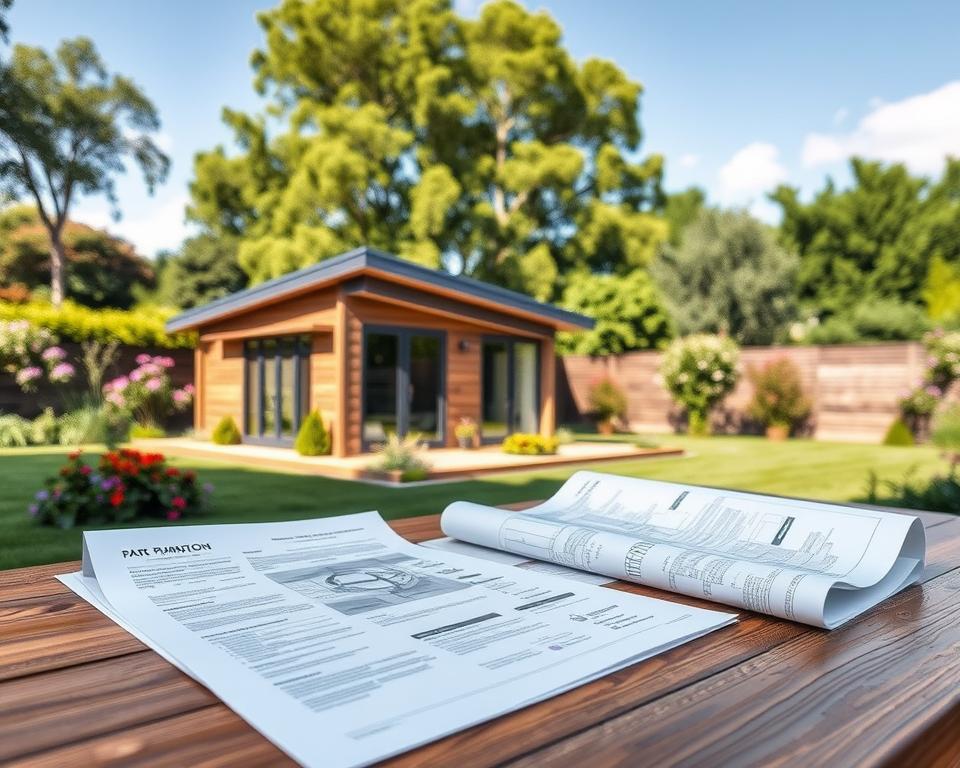
Criteria for Permitted Developments
For structures within two metres of a boundary, the maximum height cannot exceed 2.5 metres. Buildings further away must have eaves no higher than 2.5 metres.
Pitched roofs can reach 4 metres maximum, while flat roofs are limited to 3 metres. No outbuilding should be placed forward of the principal elevation.
Consulting the local council before starting any project is highly recommended. Regulations can vary by location, especially in conservation areas or near listed buildings.
Assessing Your Workshop Space and Location
Selecting a location involves more than just finding an empty area; it requires careful consideration of multiple influences. The ideal spot balances easy access with protection from the elements, creating a functional and pleasant workshop environment.

Evaluating Accessibility and Proximity
Convenience is paramount. The workshop should be easily reachable from the house, especially if used daily. A clear, level pathway is essential for moving tools and materials safely.
Homeowners should also consider the distance to power sources. Proximity simplifies electrical installation. A peaceful garden area away from noisy traffic ensures better concentration.
Considerations for Sunlight, Shade and Weatherproofing
Sunlight direction greatly impacts the internal atmosphere. A workshop facing direct sun all day can become unbearably hot. Conversely, a perpetually shaded place may feel cold and dark.
Aim for a balanced position that offers morning light but afternoon shade. Positioning the building near a fence or mature trees provides natural shelter from wind and rain. This thoughtful way to look at the garden space results in a more comfortable and energy-efficient workshop.
Everything You Need in a Garden DIY Workshop
The foundation of a productive garden workshop lies in integrating essential features that support both practical functionality and creative work. These elements work together to create an efficient environment for various diy projects and hobbies.
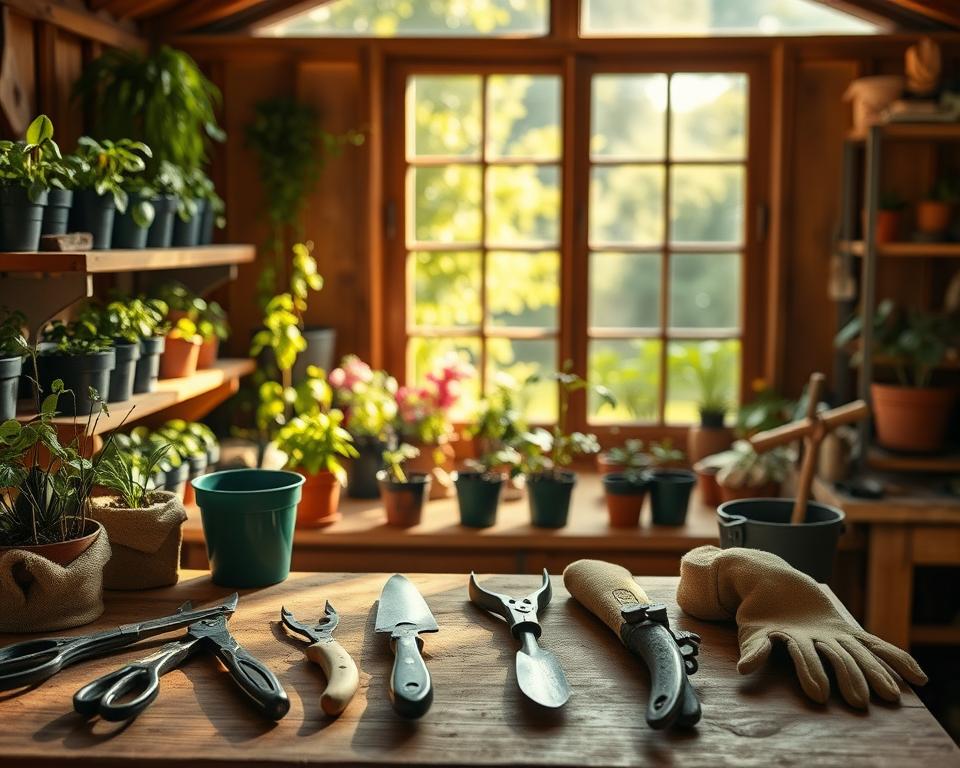
Accessibility forms the cornerstone of any effective workspace. Large double doors facilitate the movement of bulky materials and completed projects. This consideration prevents logistical challenges during construction and daily use.
Proper illumination is crucial for safety and precision work. Natural light through well-positioned windows reduces energy costs. Supplemental artificial lighting ensures consistent visibility throughout the year.
| Feature | Purpose | Key Considerations | Recommended Solutions |
|---|---|---|---|
| Access Doors | Movement of large items | Width and clearance | Double doors or wide singles |
| Lighting System | Safety and detail work | Natural vs artificial balance | Windows plus LED fixtures |
| Ventilation | Air quality and comfort | Dust and fume extraction | Operable windows with fans |
| Ceiling Height | Working comfort and storage | Vertical space utilisation | Minimum 2.4 metres clearance |
Adequate ventilation maintains a healthy atmosphere within the workshop. Opening windows clear airborne particles from sanding or painting activities. Proper air circulation prevents moisture buildup and ensures comfort.
Spatial planning significantly impacts workflow efficiency. Generous roof height allows for overhead storage and comfortable movement. This vertical space accommodates taller projects and organised tool placement.
Security measures protect valuable tools equipment from potential theft. Robust locking systems on doors and windows provide essential protection. Strategic placement within the garden enhances natural surveillance from the main residence.
Effective storage solutions maximise available space through smart organisation. Wall-mounted systems keep frequently used tools accessible yet orderly. Shelving units and cabinets contain smaller items while maintaining a tidy workspace.
Design and Construction: Materials and Methods
The selection of appropriate construction materials represents a fundamental decision that directly impacts the longevity and performance of any outdoor workspace. Different material types offer varying benefits for durability, maintenance, and aesthetic appeal.

Selection of Durable Materials and Quality Sheds
Quality workshops utilise superior materials that withstand British weather conditions. Investing in robust construction components ensures better protection against rain, wind, and temperature fluctuations.
High-quality buildings often feature toughened glazing instead of inferior plastic windows. This approach reduces long-term maintenance while enhancing security and appearance.
Comparing Wood, Concrete, and Alternative Options
Wood remains a popular choice for its natural aesthetic and DIY-friendly construction. However, it requires regular treatment to maintain its condition over time.
Concrete and masonry options provide superior durability and security. These buildings typically need professional construction and more substantial foundations.
Alternative materials like metal or composite panels offer different benefits. Each material type affects maintenance requirements and overall workshop value.
Choosing the right construction materials involves balancing initial cost with long-term performance. Quality materials ultimately deliver better value despite higher upfront investment.
Building a Solid Foundation: Types of Workshop Bases
The structural integrity of any garden building begins with its foundation, a critical component that ensures long-term stability. A proper base provides a flat, level platform, distributing weight evenly and preventing settling or shifting. It also elevates the structure, protecting it from ground moisture and potential rot.

Choosing the right foundation type depends on the workshop’s size, soil conditions, and budget. Three primary options are available, each with distinct advantages and considerations.
Concrete Foundations vs Paving Slab Bases
A concrete foundation offers extreme durability and a permanent solution. This solid slab requires significant preparation and curing time but delivers a stable base that lasts for decades with minimal upkeep.
Paving slabs present a more flexible alternative. They are laid on a crushed material sub-base, allowing for easier installation and future adjustments. However, individual slabs can shift over time, requiring more maintenance.
Considerations for Timber Sub-Frame Bases
Timber sub-frames use pressure-treated beams resting on concrete pads. This method is cost-effective and suitable for lighter structures or uneven ground. It is less durable than a full concrete base and needs regular maintenance to prevent wood decay.
| Base Type | Key Advantage | Primary Limitation | Ideal For |
|---|---|---|---|
| Concrete Foundation | Maximum stability and longevity | Complex, time-consuming installation | Large, heavy workshops |
| Paving Slab Base | Easier DIY installation and adjustment | Potential for shifting; less stable | Medium-sized buildings on level ground |
| Timber Sub-Frame | Cost-effective and adaptable | Lower durability; high maintenance | Smaller workshops or temporary setups |
Drainage is a crucial factor for all base types. Ensuring water flows away from the foundation prevents moisture-related issues that could compromise the entire garden building.
Step-by-Step DIY Workshop Construction Process
The assembly process for a standalone workshop involves systematic progression from ground preparation to weatherproofing. This methodical approach ensures each construction phase supports the next, creating a durable final structure.
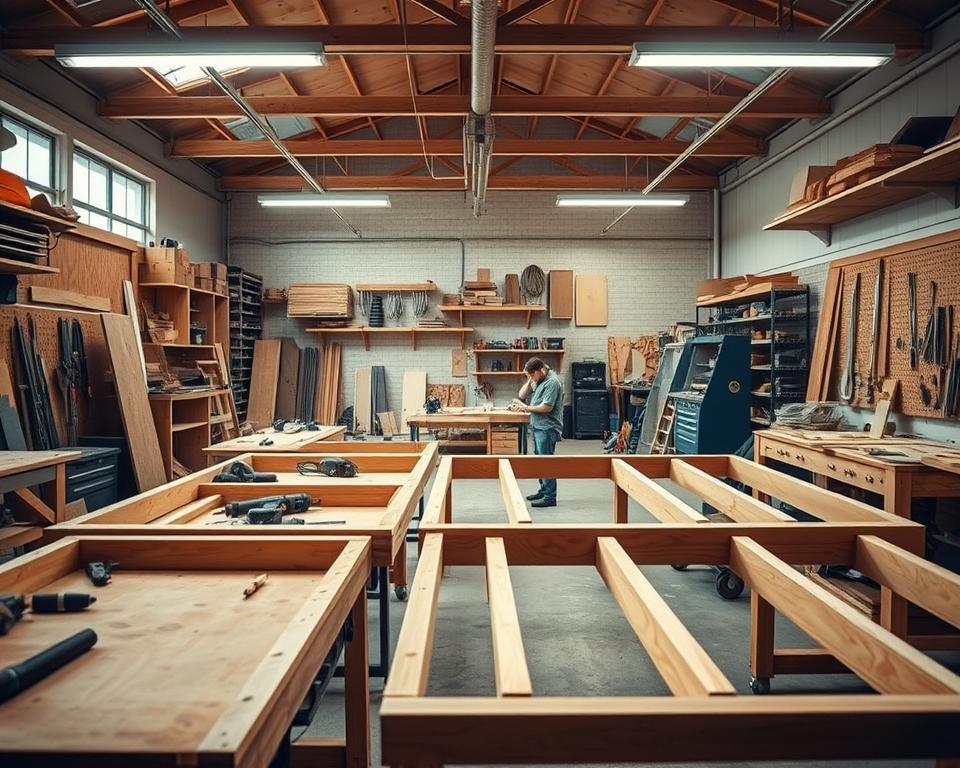
Preparing the Base and Levelling the Ground
Initial site clearance removes all vegetation and debris from the construction area. Accurate marking with string lines establishes the foundation boundaries.
Levelling the ground requires careful soil distribution to create a flat surface. Proper compaction eliminates air pockets that could cause future settling.
Erecting Walls, Roof, and Cladding
Wall framing begins with corner posts using 90x90mm timber for structural support. Studs spaced at 600mm intervals provide strength while accommodating insulation.
Roof construction demands precise truss assembly with pitch height considerations. Weatherproofing layers protect against moisture penetration throughout the year.
| Construction Phase | Critical Actions | Quality Checkpoints |
|---|---|---|
| Base Preparation | Clear area, mark outline, level ground | Surface flatness, proper compaction |
| Wall Assembly | Frame sections, install sheathing, apply membrane | Square corners, stud spacing, moisture protection |
| Roof Installation | Build trusses, secure boards, weatherproof | Pitch height, overhang measurement, waterproofing |
Each construction step builds upon the previous work. Careful measurement and material selection contribute to workshop longevity.
Workshop Storage Solutions and Organisational Strategies
The true measure of a workshop’s effectiveness lies in its ability to maintain organised accessibility for tools and materials. Proper storage systems transform chaotic spaces into productive environments where everything remains within reach yet out of the way.

Strategic planning during the design phase ensures adequate provision for all items the workshop will house. This foresight prevents clutter and maintains a clear working area.
Maximising Interior Storage Space
Effective utilisation of vertical space dramatically increases storage capacity without sacrificing floor area. Wall-mounted systems and overhead racks keep bulky items like bicycles and ladders elevated.
Corners often represent wasted potential in many workshops. Purpose-designed corner shelving units or rotating carousels transform these areas into valuable storage zones. This approach maximises every available inch of space.
Effective Shelving and Tool Organisation
Heavy-duty shelving forms the backbone of any robust storage system. These units must withstand substantial weight from tools and materials. Pegboard systems keep frequently used items visible and accessible.
Dedicated zones for different tool categories streamline workflow efficiency. Drawer organisers manage small components while maintaining order. This systematic approach ensures tools remain organised and protected.
Enhancing Security and Lighting in Your Workshop
A well-secured and properly illuminated workshop is fundamental to its long-term utility and safety. These two aspects work in tandem to create a space that is both protected from external threats and conducive to productive work at any hour.

Implementing Robust Security Measures
With approximately 22,500 shed burglaries occurring annually in the UK, outbuilding security is a serious consideration. A multi-layered approach offers the best protection. This starts with strong physical locks on all doors and windows.
Electronic systems provide an advanced layer of defence. Motion-activated external lighting acts as a powerful deterrent after dark. For comprehensive monitoring, consider a system with cameras and alarms linked to the home network.
Simple strategies can also enhance security. Making sure the structure is clearly visible from the main house discourages potential intruders. Planting thorny shrubs near windows provides a natural barrier. Storing the most valuable equipment in locked cabinets adds a final level of internal security.
Optimising Natural and Artificial Lighting
Effective lighting strategy begins by harnessing natural light. Well-positioned windows reduce the need for artificial sources during daylight hours, creating a pleasant atmosphere.
For artificial lighting, a layered approach is most effective. Ambient illumination from overhead fixtures ensures general visibility. Task lighting, such as under-cabinet lamps, provides focused light for detailed work.
Choosing energy-efficient LED bulbs minimises electricity consumption. Incorporating dimmer switches is a smart way to adjust brightness for different tasks. This careful planning ensures the space is always perfectly lit.
Innovative Tools and Equipment for a Professional Workshop
Building and operating a functional workshop demands strategic investment in appropriate tools and equipment. The selection process distinguishes between construction-phase implements and permanent workshop assets.

Essential construction tools include a combi drill, impact driver, and circular saw for cutting OSB board. Spirit levels, measuring tapes, and safety gear like goggles complete the foundational kit. Proper screw selection, such as 5mm x 70mm carbon steel varieties, ensures structural integrity.
For ongoing workshop use, a core set of hand tools forms the basis of any project. Hammers, screwdrivers, and specialised equipment cater to specific crafts. Investing in quality tools ultimately saves money through superior durability and performance.
Workbench selection offers flexibility between custom-built and purchased options. Units with integrated storage or clamping features enhance functionality. The right amount of workspace supports diverse activities efficiently.
Tool organisation systems maintain equipment condition and accessibility. Gradual collection building allows users to acquire items as specific needs emerge through regular use. This approach ensures each tool serves a practical purpose within the workshop environment.
Cost Considerations and Budgeting Your DIY Workshop
Establishing a realistic budget is the first critical step in planning a garden workshop project. The final price is highly variable, influenced by the intended size, material quality, and included features.
Basic insulation, electrical installations, and foundation preparation all add to the total costs. A simple 10′ x 8′ structure may start from around £500.

A comprehensive building with insulation and high-quality glazing can reach £5,000 or more. The final amount spent depends entirely on the builder’s priorities and compromises.
Estimating Material and Labour Costs
A significant portion of the budget is allocated to materials. Key expenses include timber for framing, cladding, roofing, doors, and windows.
For those not undertaking a self-build workshop, labour costs represent another major factor. Hiring professionals increases the price but saves personal time.
| Component | Cost Influence | Budget-Friendly Option |
|---|---|---|
| Foundation | High (professional installation) | Paving slabs on sub-base |
| Structure Size | Primary driver of material quantity | Optimise footprint for needs |
| Insulation & Glazing | Significant cost adder | Single glazing, basic insulation |
Managing Time and Customisation Expenses
Constructing a workshop demands a considerable investment of time. This is a hidden cost for DIY builders.
Phasing the project can help manage cash flow. Essential elements like the shell must be completed first. Electrical work and interior finishes can be added later.
Choosing to build workshop from scratch often offers savings over a pre-made kit. However, it requires more time and skill. Careful planning for the size and features of the building prevents budget overruns.
DIY Workshop for Hobbyists and Home Business Use
Creative individuals and remote workers increasingly utilise garden buildings as dedicated spaces for their endeavours. These structures offer separation from the main residence, enabling focused work and creative pursuits. The versatility of a well-designed workshop supports numerous applications.

Adapting the Space for Creative Hobbies
Artists find the natural light in a garden building ideal for painting and crafts. Musicians appreciate the acoustic separation for practice. The floor area accommodates various setups from pottery wheels to sewing machines.
Craft enthusiasts benefit from organised storage and work surfaces. The separation helps maintain creative flow without household interruptions. Proper lighting and ventilation enhance comfort during extended sessions.
Transforming the Workshop into a Home Office
Remote professionals gain a professional environment away from domestic distractions. The physical separation between work and home life improves focus. Adequate power and internet connectivity are essential.
Insulation ensures year-round comfort for daily use. The dedicated space helps establish a productive routine. Ergonomic furniture supports long-term wellbeing.
| Use Case | Key Requirements | Layout Considerations |
|---|---|---|
| Art Studio | Natural light, storage | Open floor plan |
| Music Practice | Soundproofing, power | Acoustic treatment |
| Home Office | Internet, ergonomics | Desk placement |
| Craft Workshop | Work surfaces, storage | Organised zones |
The right configuration depends on individual needs and available space. Professional help can ensure optimal results for specialised requirements.
Conclusion
A well-planned garden workshop offers a dedicated space for creativity and productivity. This guide has provided a comprehensive overview to assist with a successful build. The benefits of having a separate structure for hobbies or work are significant.
Careful planning, from understanding permissions to selecting durable materials, is the foundation of a great project. A solid base, effective storage, and proper security ensure long-term satisfaction. These steps help create a versatile space that can evolve over time.
Whether tackling the project as a DIY endeavour or with professional help, the result is a valuable addition to any property. It serves as a personal retreat and a practical asset. This investment enhances daily life and supports various pursuits.
With the right approach, anyone can create a functional and inspiring workshop. The knowledge gained here offers a strong starting point for this rewarding project.
FAQ
What is the maximum size for a garden workshop without planning permission?
In England, a garden building is typically considered a permitted development if it is single-storey, has a maximum eaves height of 2.5 metres, and the overall height does not exceed 4 metres for a dual-pitched roof or 3 metres for any other type. It should not occupy more than half the area of land around the original house.
What type of base is best for a garden workshop?
The ideal base depends on the workshop’s size and intended use. A concrete foundation offers exceptional durability for heavy machinery. Paving slabs set on sharp sand provide a solid, level surface that is easier for DIY construction. Timber sub-frame bases are also a popular choice for their simplicity and effectiveness.
How can one ensure their garden workshop is secure?
Robust security measures are essential. These include high-quality padlocks, hasps, and potentially an alarm system. Ensuring windows are fitted with secure locks and considering motion-sensor lighting around the structure can significantly enhance security and deter unauthorised access.
What are the key considerations for workshop lighting?
Effective lighting combines natural and artificial sources. Strategically placed windows and a skylight maximise daylight. For evening work, a combination of bright overhead LED lights for general illumination and task lighting for specific workbenches ensures a well-lit, functional workspace.
How much does it typically cost to build a garden workshop?
The final cost varies widely based on size, materials, and whether it is a DIY project or professionally built. A basic shed-style structure may cost a few hundred pounds, while a large, insulated workshop with power and customisation can run into several thousand. Careful budgeting for materials and tools is crucial.
Can a garden workshop be used as a home office?
Absolutely. Many individuals transform their garden workshops into dedicated home offices. This requires proper insulation, power for heating and lighting, and a stable internet connection. This separation from the main house can create a productive and professional working environment.
What essential tools are needed for DIY workshop construction?
Essential tools include a spirit level for accuracy, a power drill, a saw, a hammer, and a sturdy workbench. For the foundation, a spade, a rake, and a plate compactor may be necessary. Having the correct tools on hand makes the building process smoother and safer.