How to Dismantle a Shed: A Step-by-Step Guide
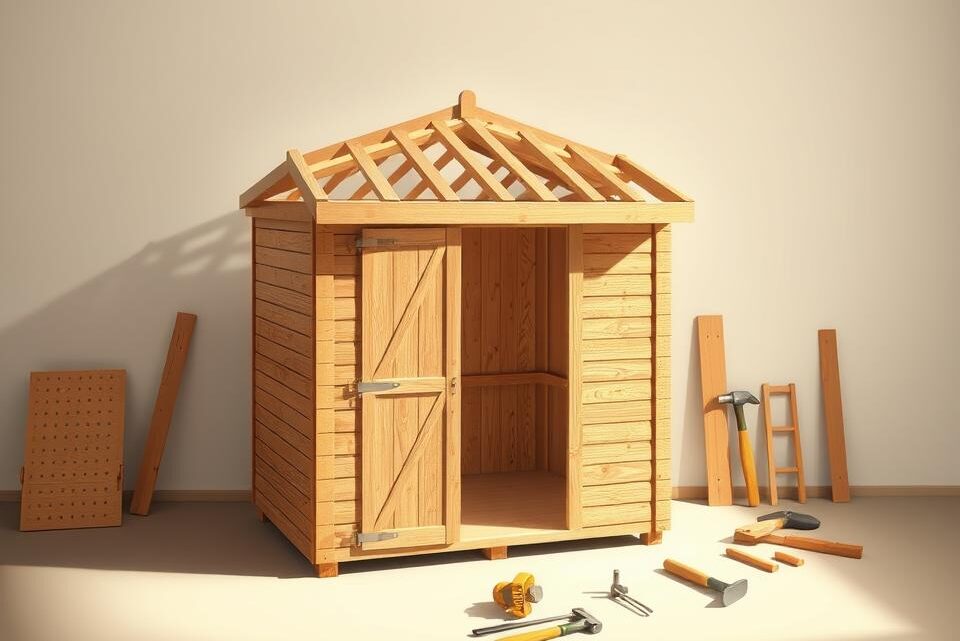
Tackling a shed removal project can seem daunting, but with the right approach, garden structure removal becomes a manageable DIY task. Homeowners across the United Kingdom often need to dismantle a shed for various reasons, such as replacing an ageing structure, creating more garden space, or preparing for a landscape renovation.
Shed dismantling requires careful planning, appropriate tools, and a systematic approach. Whether you’re dealing with a wooden garden shed or a metal storage unit, understanding the proper techniques will ensure a safe and efficient removal process.
This comprehensive guide will walk you through each stage of shed removal, providing expert insights to help you complete the project with confidence. From assessing structural integrity to proper material disposal, we’ll cover everything you need to know about successful shed dismantling.
Inhaltsverzeichnis
Key Takeaways
- Proper planning is crucial for safe shed removal
- Always prioritise safety during garden structure removal
- Gather necessary tools before starting the dismantling process
- Check local regulations regarding shed disposal
- Consider recycling materials where possible
Essential Tools and Safety Equipment for Shed Dismantling
Successful DIY shed removal requires careful planning and the right set of shed dismantling tools. Preparing your toolkit is crucial for a safe and efficient demolition project. Proper safety equipment protects you from potential injuries while ensuring smooth progress.
Professional shed dismantling demands both manual and powered equipment. Selecting the appropriate tools can make the difference between a challenging project and a streamlined removal process.
Hand Tools for Precise Dismantling
- Hammer for general demolition work
- Pry bars for removing stubborn panels
- Screwdrivers (flathead and Phillips)
- Adjustable wrench
- Utility knife
Power Tools for Efficient Work
- Reciprocating saw for cutting structural elements
- Electric drill with various drill bits
- Circular saw for precise cutting
- Battery-powered screwdriver
Safety Gear Checklist
| Safety Equipment | Purpose |
|---|---|
| Safety glasses | Eye protection from debris |
| Work gloves | Hand protection and grip |
| Steel-toed boots | Foot protection |
| Hard hat | Head injury prevention |
| Dust mask | Respiratory protection |
Investing in quality safety equipment is essential for any DIY shed removal project. These tools not only make the job easier but significantly reduce the risk of accidents during shed dismantling.
Planning and Preparation Before Starting
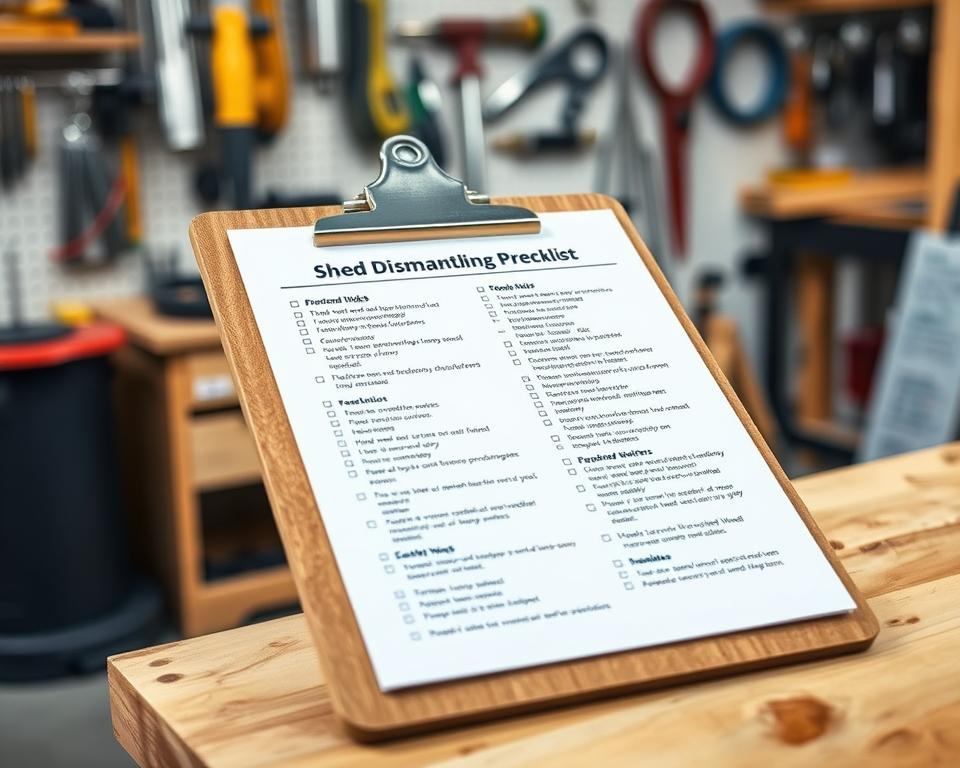
Effective shed dismantling preparation is crucial for a smooth and safe demolition project. Pre-demolition planning helps minimise risks and streamline the entire process. Before you begin, take time to develop a comprehensive strategy that addresses all aspects of the shed removal.
Start by creating a detailed inventory of the shed’s contents. This step is vital for shed dismantling preparation, allowing you to:
- Identify valuable items to keep
- Determine items for donation
- Plan proper disposal of unnecessary materials
“Proper preparation prevents poor performance” – A golden rule for any home improvement project
Your pre-demolition planning should include several key considerations:
- Check local regulations and obtain necessary permits
- Inform neighbours about the upcoming project
- Assess potential environmental impacts
- Evaluate safety requirements
| Planning Stage | Key Actions | Time Estimate |
|---|---|---|
| Initial Assessment | Shed inspection | 1-2 hours |
| Permit Verification | Local authority consultation | 2-3 days |
| Material Inventory | Sorting and categorising | 3-4 hours |
Professional tip: Allocate sufficient time for thorough preparation to ensure a smooth shed dismantling process.
How to Dismantle a Shed Safely and Efficiently
Tackling a shed removal project requires careful planning and a strategic approach. Safe shed removal begins with a comprehensive assessment of the structure’s condition and potential challenges. Professional dismantling experts recommend a methodical process that prioritises safety and efficiency.
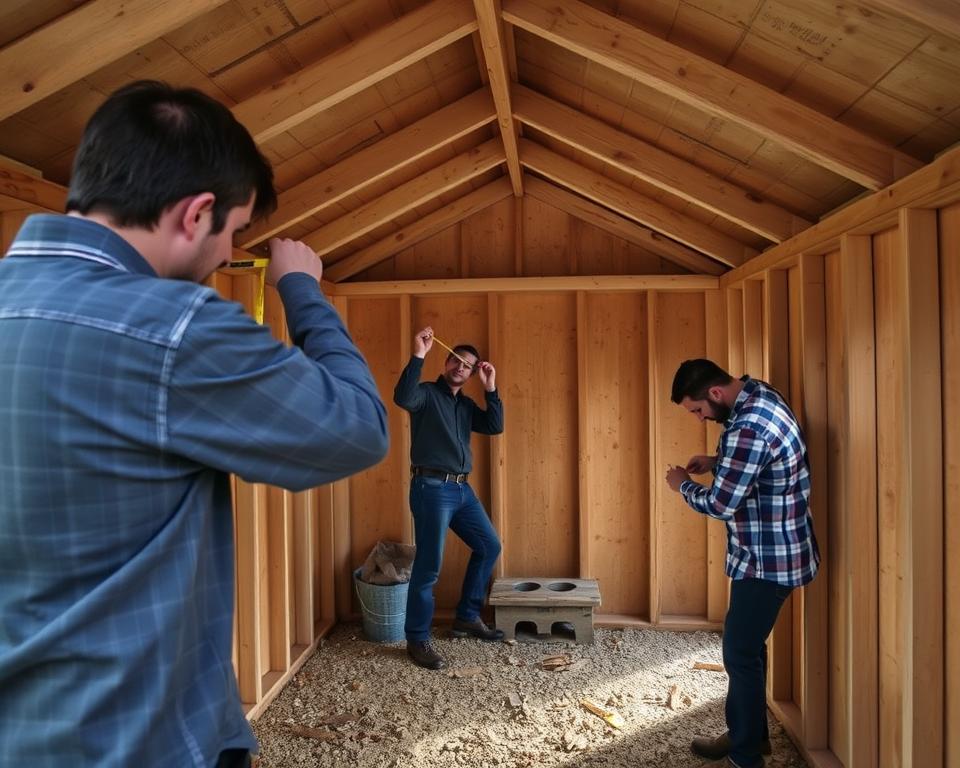
Before starting the dismantling process, a thorough shed structure assessment is crucial. This initial evaluation helps identify potential risks and develop an efficient dismantling strategy.
Identifying Potential Structural Vulnerabilities
Efficient shed dismantling starts with a detailed inspection. Look for these key indicators of structural weakness:
- Rot or water damage in wooden components
- Rust on metal fasteners and connections
- Cracks in foundational elements
- Warped or misaligned structural panels
Load-Bearing Element Analysis
Understanding the shed’s structural framework is essential for safe removal. Carefully map out the critical load-bearing elements before beginning deconstruction:
- Identify primary support beams
- Assess roof truss connections
- Check wall framing integrity
- Examine floor joist stability
Creating a Strategic Dismantling Schedule
A well-planned dismantling schedule ensures systematic and safe shed removal. Break down the project into manageable stages, prioritising safety and minimising potential damage to surrounding areas.
Pro tip: Always work from top to bottom, removing roof structures before wall panels and finally the foundation.
Removing Shed Contents and Interior Fixtures
Clearing out a shed requires strategic planning and careful organisation. Before removing shed fixtures, create a systematic approach to manage your belongings and workspace effectively.
Start by categorising items into clear groups to streamline the clearing out shed process:
- Keep items for future use
- Donate functional equipment
- Dispose of damaged or obsolete materials
- Recycle where possible
When removing shed fixtures, safety should be your primary concern. Wear protective gloves and use appropriate tools to dismantle shelving, workbenches, and other built-in elements carefully.
Consider these steps for efficient fixture removal:
- Unload all stored items from shelves
- Remove screws and bolts systematically
- Label components if you plan to reinstall
- Check for any structural damage during removal
Pro tip: Photograph the interior layout before removing shed fixtures to help with potential future reorganisation or reconstruction.
By following these methodical steps, you’ll transform your shed clearing project from a daunting task into a manageable and potentially rewarding experience.
Disconnecting Electrical and Utility Connections
Preparing for shed removal requires careful attention to utility disconnections. Safety becomes paramount when dealing with electrical, water, and gas connections. Improper shed utility disconnection can lead to dangerous situations that compromise personal and property safety.
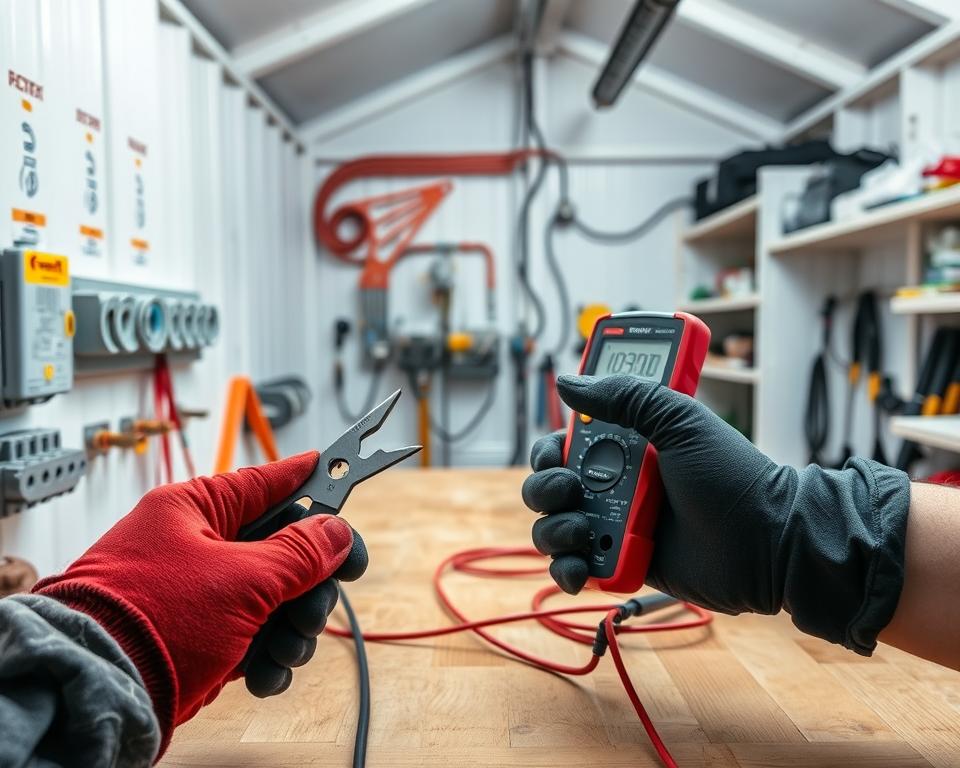
Professional electrical safety practices are crucial before starting any dismantling work. Homeowners must take specific precautions to ensure a secure disconnection process.
Safe Electrical Disconnection Procedures
- Locate the main electrical panel
- Switch off all circuit breakers connected to the shed
- Verify power is completely shut down using a voltage tester
- Wear appropriate electrical safety gear
- Consider hiring a certified electrician for complex disconnections
Managing Water and Gas Line Removal
Plumbing removal requires meticulous planning and precision. Follow these critical steps to disconnect water and gas utilities safely:
- Shut off primary water supply valves
- Drain remaining water from pipes
- Disconnect gas lines using proper tools
- Cap exposed pipe endings
- Verify no residual pressure remains in lines
*Safety first: When in doubt, always consult a professional utility technician.*
Proper shed utility disconnection minimises risks and ensures a smooth demolition process. Prioritise personal safety and seek professional guidance for complex utility management.
Dismantling the Roof Structure
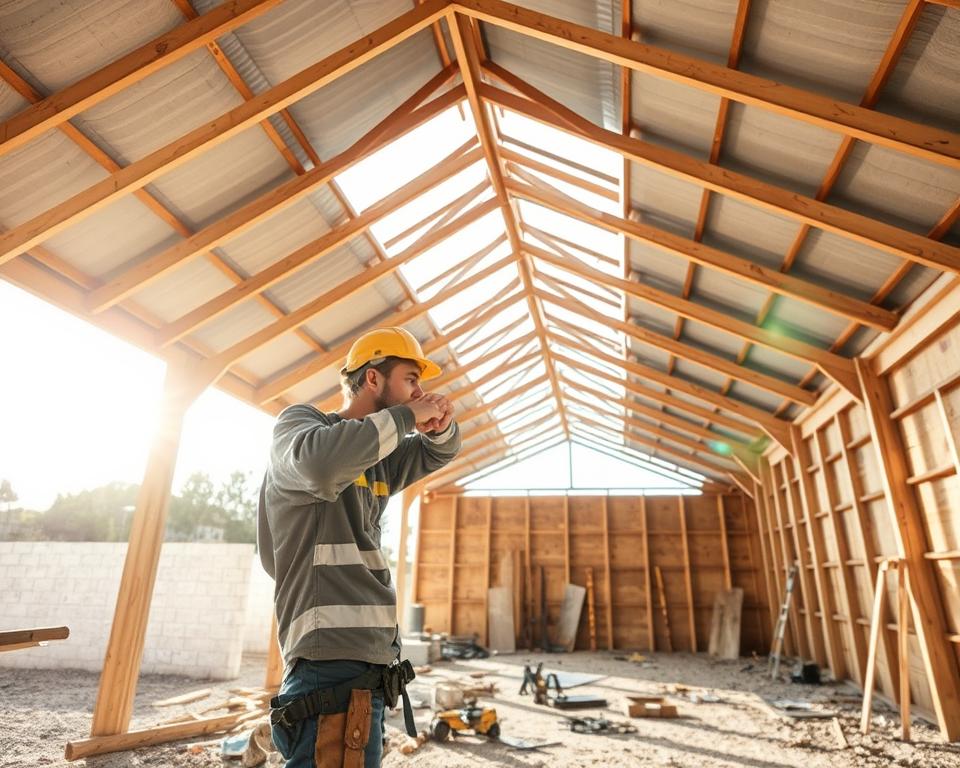
Removing a shed roof requires careful planning and precise roof dismantling techniques. Safety should be your primary concern during this critical phase of shed demolition. Professional roofers recommend working systematically to prevent potential accidents and structural damage.
Before beginning shed roof removal, conduct a thorough inspection of the roof’s condition. Look for signs of wear, rot, or structural weakness that might complicate the dismantling process. Wear protective gear, including safety glasses, sturdy gloves, and a hard hat.
- Inspect roof connections and fastening points
- Check for potential weak spots or damaged sections
- Ensure stable ladder placement
- Have a partner assist during roof dismantling
Start by removing roofing materials layer by layer. Different materials require specific roof dismantling techniques:
- Felt roofing: Carefully peel back and cut into manageable sections
- Wooden shingles: Remove nails systematically to prevent splintering
- Metal sheets: Unscrew or pry off with appropriate tools
When dismantling the roof structure, work from the top down. Remove ridge caps, then work towards the edges. Use a pry bar and hammer to carefully separate roof components. Maintain a steady, controlled approach to prevent unexpected collapses.
Professional tip: Always have a debris collection area prepared before starting roof removal.
Proper disposal of roofing materials is crucial. Separate recyclable materials like metal and clean timber from non-recyclable waste. Check local recycling guidelines to ensure environmentally responsible shed roof removal.
Taking Apart Shed Walls and Framework
Dismantling shed walls and framework requires careful planning and systematic approach. The process of shed wall removal demands patience and precision to ensure structural integrity remains intact during deconstruction.
Professional shed dismantling begins with a comprehensive assessment of the structure’s composition. Different materials require unique strategies for effective dismantling shed framework.
Wall Panel Removal Techniques
Effective wall panel removal involves several critical steps:
- Inspect panel connections and fastening methods
- Remove external trims and decorative elements
- Carefully detach panels from underlying framework
- Label panels for potential reuse or recycling
Framework Disassembly Methods
When dismantling shed framework, follow these strategic approaches:
- Start with non-load-bearing sections
- Use appropriate tools for each connection type
- Preserve structural components for potential repurposing
| Material Type | Removal Difficulty | Recommended Tools |
|---|---|---|
| Wooden Framework | Moderate | Pry bar, hammer, screwdriver |
| Metal Framework | Challenging | Adjustable wrench, metal cutting saw |
| Plastic Framework | Easy | Utility knife, pliers |
Safety remains paramount throughout the shed wall removal process. Always wear protective equipment and work methodically to prevent potential injuries.
Dealing with the Shed Foundation and Floor
Shed foundation removal represents the final critical stage of dismantling your garden structure. Different foundation types require specific approaches to ensure safe and effective dismantling of the shed floor.
When approaching shed foundation removal, homeowners typically encounter three primary foundation types:
- Concrete slab foundations
- Paving slab bases
- Timber ground platforms
For concrete foundations, you’ll need to decide whether complete removal or partial dismantling suits your landscape needs. Dismantling shed floor concrete bases can be labour-intensive, requiring specialised tools like jackhammers or professional demolition equipment.
Paving slab foundations offer easier removal. Carefully lift each slab using a pry bar, working systematically to minimise ground disturbance. Timber bases typically involve unscrewing or cutting support beams before extracting the entire platform.
Safety tip: Always wear protective gear during shed foundation removal to prevent potential injury.
Consider local regulations regarding foundation disposal. Some councils require specific waste management procedures for construction materials.
- Check local waste disposal guidelines
- Rent appropriate removal equipment
- Plan for material recycling when possible
Professional assistance might be recommended for complex foundation removals, especially with larger or older shed structures.
Proper Disposal and Recycling of Materials
Responsible shed material recycling is crucial for minimising environmental impact and reducing waste. When dismantling a shed, proper waste disposal can transform what might seem like rubbish into valuable resources.
Understanding eco-friendly shed removal requires careful material separation and strategic disposal. Different materials demand unique recycling approaches to ensure maximum sustainability.
Sorting Your Dismantled Shed Materials
- Wood: Separate untreated and treated timber for appropriate recycling channels
- Metal components: Collect screws, nails, and structural elements for metal recycling
- Plastic elements: Gather plastic panels and fixtures for specialised recycling facilities
- Roofing materials: Identify recyclable roofing components like certain metal sheets
Local Disposal Guidelines
Local councils in the United Kingdom offer specific waste disposal services. Contact your nearest recycling centre to understand precise guidelines for shed material disposal. Many municipalities provide free or low-cost disposal options for construction and garden waste.
Implementing strategic waste disposal reduces landfill contributions and supports circular economy principles. By carefully managing shed material recycling, homeowners can contribute to environmental conservation while efficiently clearing their property.
Site Clean-up and Restoration Tips
After successfully dismantling your shed, the post-shed removal clean-up becomes a crucial step in garden restoration. This process transforms your outdoor space and prepares it for new possibilities.
Start by thoroughly clearing the area of debris, broken materials, and leftover construction waste. Use sturdy garden bags or a skip to collect and dispose of materials responsibly. Sorting items for recycling can help minimise environmental impact.
- Remove all shed remnants and construction materials
- Level the ground using a rake or landscaping tools
- Check for any underground utility lines before further digging
Garden restoration involves carefully addressing the ground where the shed once stood. Compact soil may require aeration and fresh topsoil to support new plant life. Consider these potential uses for your newly cleared space:
- Create a vegetable or flower garden
- Extend your existing lawn
- Design a new seating area
- Install a compact greenhouse
Professional landscapers recommend waiting a few weeks after removal to allow the ground to settle before implementing major garden restoration projects. This patience ensures a stable foundation for your future outdoor improvements.
A well-executed post-shed removal clean-up sets the stage for exciting garden transformations.
Conclusion
Completing a shed dismantling project requires careful planning, precise execution, and a commitment to safety. Your DIY shed removal tips journey has equipped you with essential skills to tackle this challenging task effectively. By following the systematic approach outlined in this guide, you’ve learned how to navigate the complexities of structural deconstruction with confidence.
The shed dismantling summary you’ve absorbed covers critical aspects from initial preparation to final site restoration. Each step—from assessing structural integrity to responsible material disposal—plays a crucial role in ensuring a successful project. Your newfound expertise demonstrates that with the right tools, knowledge, and methodical approach, even complex home improvement tasks become manageable.
As you reflect on this experience, remember that patience and careful planning are your greatest assets in any demolition project. The skills you’ve developed extend far beyond this single shed removal, providing a foundation for future home maintenance and renovation challenges. Embrace the learning process, prioritise safety, and approach each task with the same systematic mindset you’ve demonstrated here.
Your successful shed dismantling journey proves that with proper guidance and determination, DIY projects can be both rewarding and achievable. Keep expanding your skills, stay curious, and approach future home improvement challenges with the same strategic thinking you’ve mastered today.
FAQ
How long does it typically take to dismantle a shed?
The time required to dismantle a shed varies depending on its size, complexity, and construction. A small wooden garden shed might take 4-6 hours, while larger or more complicated structures could require a full day or even multiple days of work. Factors like the shed’s condition, foundation type, and the number of people working on the project will impact the overall time needed.
Do I need any special permits to remove a shed?
Permit requirements differ by local council and depend on the shed’s size and location. Some areas require permits for structures over a certain square meterage or if the shed is near property boundaries. It’s best to check with your local planning department to confirm specific regulations in your area before beginning the dismantling process.
What safety precautions should I take when dismantling a shed?
Safety is paramount when dismantling a shed. Always wear protective gear including safety goggles, work gloves, sturdy boots, and a hard hat if necessary. Ensure you have a first aid kit nearby, work with a partner when possible, and use proper lifting techniques. Check for electrical connections, unstable structures, and potential hazards like rotting wood or pest infestations before starting.
Can I recycle materials from my old shed?
Absolutely! Many shed materials can be recycled or repurposed. Wooden components can often be used for other DIY projects, garden landscaping, or donated to community workshops. Metal parts can be recycled at local scrap yards, and some councils offer specific recycling services for building materials. Separate your materials carefully to maximise recycling potential.
What tools will I need to dismantle a shed?
Essential tools include a hammer, pry bar, screwdriver set, adjustable wrench, reciprocating saw, ladder, and measuring tape. Power tools like an electric drill can make the job easier. You’ll also need protective equipment such as safety glasses, work gloves, and sturdy footwear. The specific tools may vary depending on your shed’s construction and materials.
How do I dispose of shed materials responsibly?
Check with your local council for specific disposal guidelines. Many areas offer waste disposal services for large items and construction materials. Consider hiring a skip, using a local recycling centre, or arranging a professional waste removal service. Separate materials like wood, metal, and plastics to maximise recycling opportunities and minimise environmental impact.
Should I disconnect utilities before dismantling the shed?
Yes, it’s crucial to disconnect all utilities before beginning demolition. Turn off electricity at the main supply, and cap or disconnect any water or gas lines. If you’re unsure about handling electrical or utility connections, consult a professional electrician or utility specialist to ensure safe disconnection.
What should I do with items stored in the shed before dismantling?
Start by creating an inventory of shed contents. Sort items into categories: keep, donate, sell, or dispose of. Remove all items carefully, clean them if necessary, and store in a safe location. This is an excellent opportunity to declutter and reorganise your belongings before the shed dismantling begins.