Safeguard Your Wooden Garden Shed with Effective Fire Protection Measures
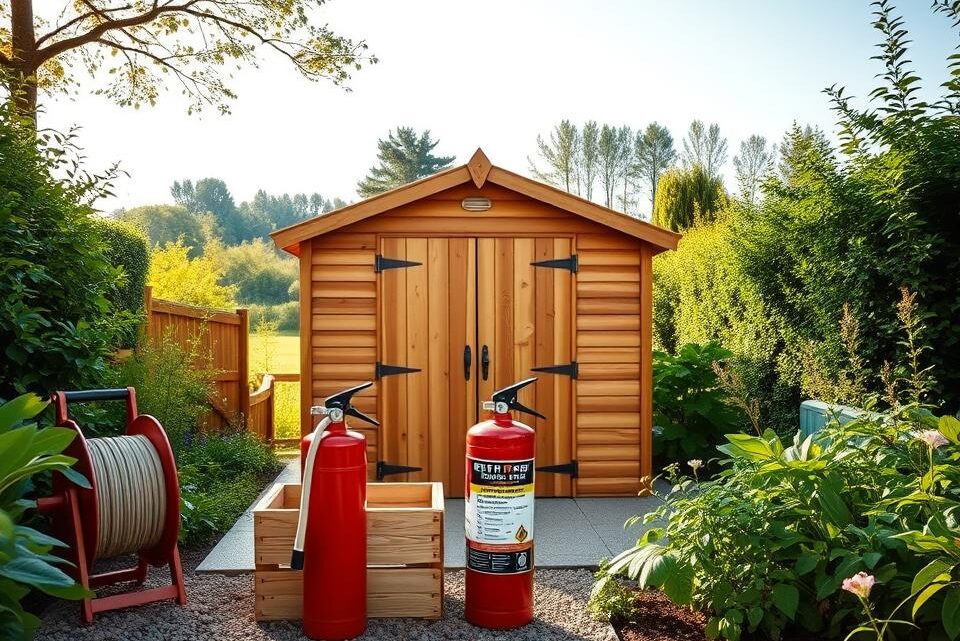
Your timber garden shed serves as a precious retreat and practical storage space. Protecting this valuable structure from potential hazards gives you complete peace of mind. With thoughtful planning and simple practices, you can create a secure environment.
Timber construction requires special attention to fire safety. Many sheds house tools, equipment, or heat-generating items that increase risk. UK weather conditions and local regulations make proper prevention essential for your property’s security.
This comprehensive guide empowers you with practical solutions. From ventilation improvements to alarms installation, each step enhances protection. Embrace these strategies to ensure your shed remains a safe haven for years to come.
Inhaltsverzeichnis
Key Takeaways
- Timber sheds require specific fire safety considerations due to their combustible nature
- Proactive measures significantly reduce risks to your garden structure
- UK weather conditions influence appropriate protection strategies
- Proper storage practices minimise potential fire hazards
- Regular maintenance transforms your shed into a more resilient space
- Simple installations like smoke alarms provide crucial early warnings
- Consistent safety habits protect your investment and surrounding property
Understanding the Fire Risks to Your Wooden Garden Shed
Your timber retreat holds endless possibilities, but recognising potential dangers transforms you from vulnerable to vigilant. Knowledge becomes your greatest ally in creating a truly secure space.
Why Timber Structures Are Particularly Vulnerable
Wood possesses natural qualities that demand respect. This organic material responds dramatically to intense heat, igniting more readily than many other building substances. Once alight, timber can spread flames rapidly through its grain structure.
Many garden buildings lack proper ventilation systems. Stagnant air allows temperatures to rise dangerously around heat sources. Without protective treatments, even quality timber remains highly combustible.
Common Fire Hazards in Garden Sheds and Workshops
Your creative space might harbour unexpected dangers. Electrical faults rank among the most frequent triggers for shed fires. Overloaded sockets or frayed cables can generate dangerous sparks.
Many enthusiasts store flammable materials like paint thinners or petrol cans. These substances vaporise easily, creating explosive atmospheres. Even standard garden tools like lawnmowers can leak fuel unnoticed.
Workshop activities introduce additional risk. Grinding metals creates hot sparks that can travel surprising distances. Welding equipment generates intense heat that might ignite nearby combustibles.
| Common Hazard | Potential Consequences | Prevention Strategy |
|---|---|---|
| Electrical faults | Spark ignition, rapid flame spread | Regular wiring inspections |
| Flammable liquid storage | Vapour explosion, intense burning | Sealed containers, outdoor storage |
| Power tool usage | Overheating, spark generation | Cool-down periods, clear work areas |
| Combustible debris | Rapid fire development | Regular cleaning routines |
How UK Weather Conditions Affect Fire Risk
Britain’s climate creates unique challenges for outdoor buildings. Extended dry periods during summer months transform surrounding vegetation into tinder. A single spark can initiate devastating grass fires that quickly reach your structure.
Winter brings different concerns. Heating devices used to combat cold might be placed too close to timber surfaces. Damp conditions can also cause electrical issues that increase risk.
Seasonal awareness empowers your protection strategy. Understanding these patterns helps you anticipate and prevent potential hazards before they threaten your precious property.
This knowledge forms your foundation for action. Recognising these vulnerabilities isn’t about fear—it’s about empowerment. Your awareness now prepares you for the practical solutions we’ll explore next.
Essential Fire Protection Measures for Your Wooden Garden Shed
Your journey towards ultimate security begins with two powerful actions. These initial steps form the bedrock of your comprehensive safety strategy. They transform your space from vulnerable to resilient.

Assessing your shed’s specific risk factors
Every timber building tells a unique story. Your space might serve as a creative workshop or simple storage. Understanding its purpose reveals hidden dangers.
Begin with a thorough inspection of contents and activities. Flammable materials like paints or fuels demand special attention. Electrical equipment and heating devices require careful evaluation.
- Examine storage practices for combustible items
- Identify heat sources and their proximity to walls
- Consider seasonal usage patterns and weather impact
- Evaluate ventilation and electrical system conditions
Location plays a crucial role in your risk assessment. Structures near boundaries or vegetation face different challenges. Your awareness becomes the first line of defence.
This personalised evaluation empowers your protection strategy. It reveals where to focus your efforts for maximum effectiveness. Your vigilance creates a safer environment.
The importance of creating defensible space around your structure
Clear surroundings provide crucial protection for your property. Maintaining a buffer zone of at least two feet offers multiple benefits. This simple practice significantly reduces potential hazards.
Vegetation clearance prevents fire spread from garden areas. It also allows proper air circulation around your building. This space enables easy access for maintenance and inspections.
British standards recommend this clearance for treatment application. It ensures you can properly maintain your shed’s exterior surfaces. This practice enhances both safety and longevity.
“A well-maintained perimeter is the cornerstone of outdoor building safety. It provides crucial access for emergency services while reducing fire spread risks.”
Your defensible space protects neighbouring buildings and features. It creates a protective barrier around your entire garden area. This thoughtful approach demonstrates responsible ownership.
These foundational measures set the stage for advanced solutions. They create a secure base for additional protective features. Your commitment today builds a safer tomorrow.
Applying Fire-Retardant Treatments and Coatings
Your timber structure deserves the best defence against potential damage. Specialised coatings transform ordinary wood into a more resilient material. These innovative solutions create a powerful barrier against heat and flames.
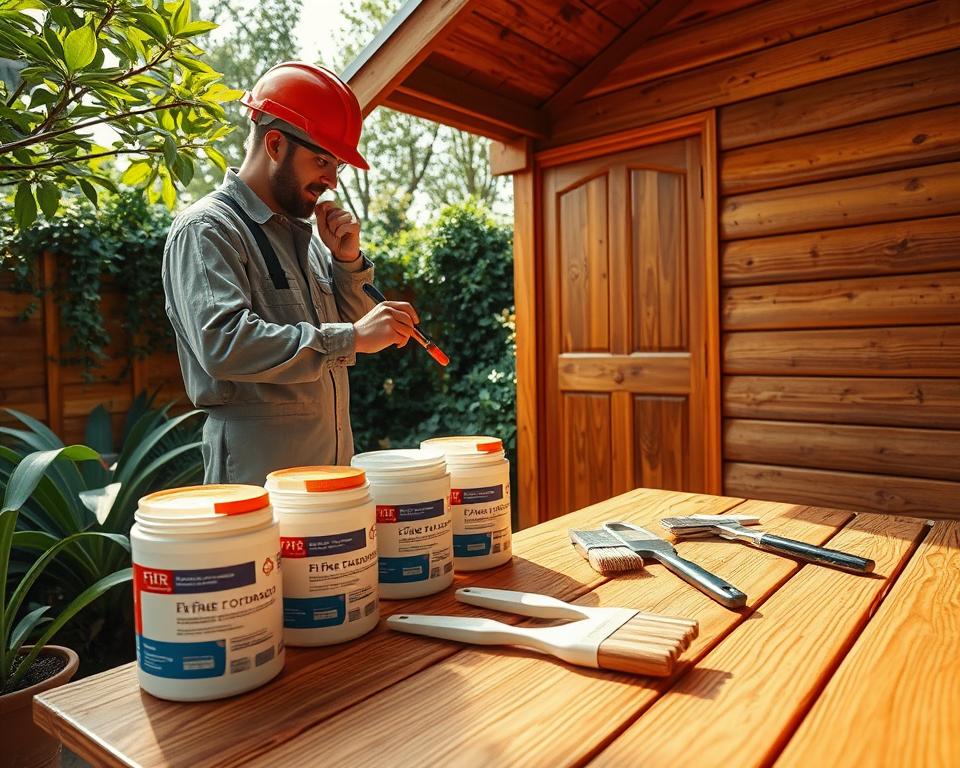
Modern treatments work through intelligent chemistry. They react to intense heat by forming a protective char layer. This process significantly slows combustion, giving you precious time to respond.
Choosing BS 476 Compliant Products for Maximum Protection
Quality matters when selecting protective materials. British Standard 476 certification ensures products meet rigorous safety requirements. This standard tests how well treatments resist flame spread and heat penetration.
Companies like ACS Ltd offer excellent compliant options. Their products undergo thorough testing for reliability. You gain confidence knowing your chosen solution meets UK safety standards.
Look for treatments specifically designed for outdoor use. These formulations withstand Britain’s changeable weather conditions. They provide lasting protection against rain and sun exposure.
Step-by-Step Application Process for Complete Coverage
Proper preparation ensures optimal results. Begin by cleaning all surfaces thoroughly. Remove dust, dirt and any previous coatings that might interfere with adhesion.
Apply the treatment using appropriate equipment. Brushes work well for detailed areas while rollers cover large surfaces quickly. Ensure consistent coverage across all timber sections.
“Thorough application transforms vulnerable timber into a resilient barrier. This proactive step demonstrates smart ownership and provides genuine peace of mind.”
Pay special attention to corners and joints. These areas often receive less coverage but need equal protection. Complete both interior and exterior surfaces for comprehensive safety.
Finish with a clear topcoat for enhanced durability. This extra layer shields the treatment from weather damage. It maintains effectiveness through seasonal changes.
Maintaining Your Fire-Retardant Treatments Over Time
Regular upkeep preserves your investment’s power. Inspect treated surfaces annually for signs of wear. Look for fading, cracking or peeling that might reduce effectiveness.
Reapply treatments every few years or after significant repairs. This maintenance ensures continuous protection against potential hazards. It adapts to your structure’s changing needs.
Keep records of application dates and products used. This information helps you maintain a consistent fire prevention schedule. It also proves valuable if you ever need to make an insurance claim.
Your commitment to proper maintenance creates lasting security. These treatments become a cornerstone of your comprehensive safety strategy. They work silently but effectively to protect your valuable space.
Creating a Fire-Safe Work Zone Within Your Shed
Crafting designated work areas revolutionises how you approach hazardous tasks. This intelligent approach transforms your space from chaotic to controlled, significantly enhancing your overall security. You’ll discover how strategic zoning creates both efficiency and peace of mind.
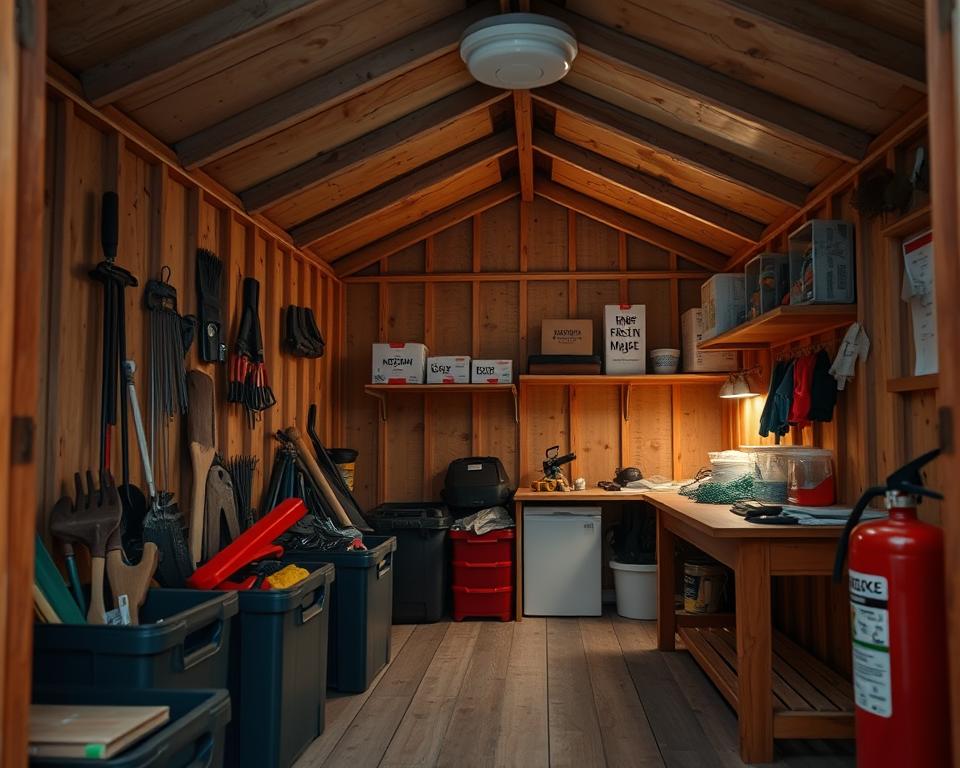
Designating specific areas for high-risk activities
Establishing a dedicated “hot zone” transforms your approach to dangerous tasks. Confine activities like welding or grinding to one controlled space. This containment strategy dramatically reduces potential hazards throughout your entire workspace.
Choose a well-ventilated corner away from flammable storage. Ensure clear access and sufficient working room around this specialised area. Proper zoning prevents accidental ignition of nearby materials.
Mark this zone clearly with visible boundaries or signage. This visual reminder reinforces safe practices every time you enter. Your consistent approach builds lasting safety habits.
“A well-defined work zone isn’t just about prevention—it’s about creating an environment where safety and productivity thrive together.”
Selecting appropriate heat-resistant surfaces and materials
Your choice of surfaces makes a remarkable difference in risk management. Steel sheeting or cement board offers excellent resistance to sparks and intense heat. These materials prevent ignition and contain potential damage.
Install protective surfaces on walls and workbenches within your designated zone. Metal catch trays or mats contain falling sparks and hot debris. This simple addition provides crucial secondary protection.
Consider fire-resistant storage solutions for your tools and equipment. Metal containers safely house flammable substances away from work areas. Your thoughtful material choices demonstrate professional-level care.
These surfaces also simplify cleanup and maintenance routines. Sparks and debris become easier to manage and dispose of safely. Your workspace remains organised and hazard-free.
Transforming your shed with these strategic upgrades brings multiple benefits. You gain enhanced security while improving your overall working experience. This professional approach protects both your property and your peace of mind.
Upgrading Your Shed’s Insulation and Construction Materials
Transform your garden retreat’s resilience through intelligent material upgrades that offer dual benefits. The right choices create both superior thermal performance and enhanced resistance to potential hazards. This strategic approach represents a smart investment in your property’s long-term security.
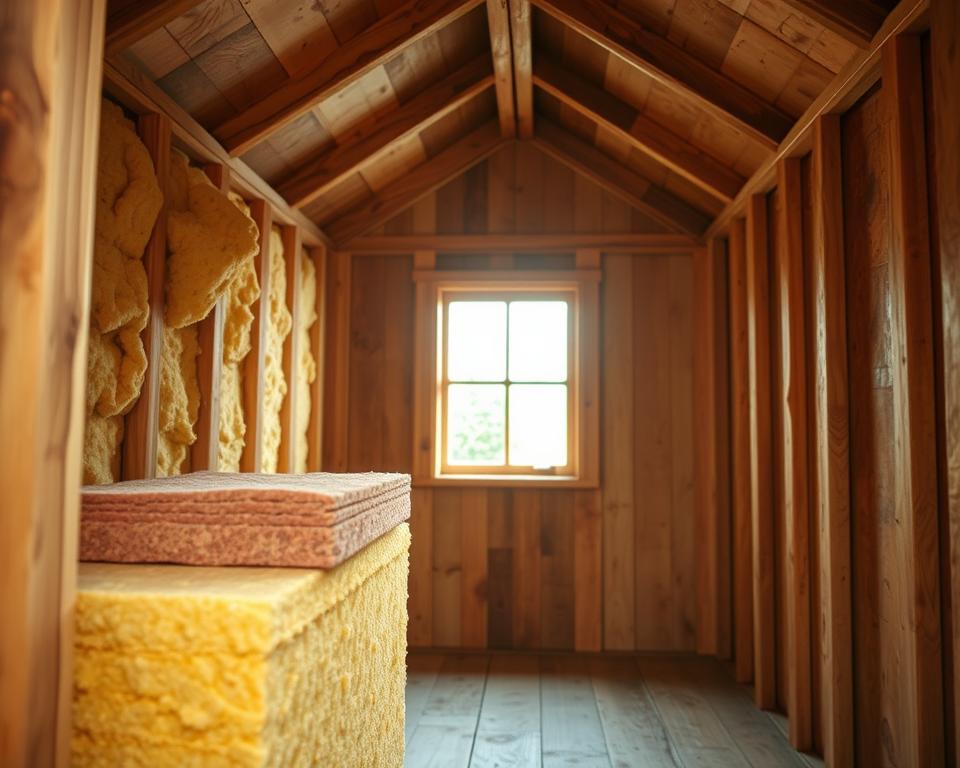
Modern building materials provide remarkable advantages over traditional options. They work silently to protect your structure while improving comfort throughout the seasons. Your selection process becomes an exercise in forward-thinking ownership.
Choosing Fire-Resistant Insulation Options
Insulation plays a crucial role in your shed’s overall performance. Fire-resistant varieties like fibreglass or sheep’s wool provide exceptional safety characteristics. These materials significantly reduce flame spread while maintaining excellent thermal properties.
Fibreglass offers particular advantages in hazardous environments. It melts rather than burning, preventing flame propagation through wall cavities. This characteristic makes it ideal for workshops containing heat-generating equipment.
Natural options like sheep’s wool require high oxygen levels to ignite. They provide excellent temperature control while resisting combustion effectively. These sustainable choices appeal to environmentally conscious owners.
- Superior thermal performance keeps your space cooler in summer
- Enhanced safety features reduce potential damage risks
- Long-term cost savings through improved energy efficiency
- Environmentally friendly options align with sustainable practices
Your insulation choice impacts both safety and comfort dramatically. These materials work alongside other protective measures to create comprehensive security. They represent a fundamental layer in your overall strategy.
Replacing Standard Panels With Fire-Rated Alternatives
Wall and ceiling materials dramatically influence your building’s resilience. Fire-rated plasterboard or cement boards offer superior protection compared to standard panels. These specialised products resist heat penetration and flame spread effectively.
British manufacturers produce excellent fire-rated plasterboard options. These products undergo rigorous testing to ensure they meet UK safety standards. Their installation creates a robust barrier against potential hazards.
“Upgrading to fire-rated materials demonstrates proactive ownership. It shows commitment to safety while enhancing your structure’s overall value and durability.”
Cement boards provide exceptional performance in moisture-prone areas. They resist both water damage and heat exposure simultaneously. This dual protection makes them ideal for British garden buildings.
Even partial upgrades make a significant difference to overall safety. Replacing panels near heat sources or boundaries offers particularly good value. These targeted improvements provide substantial risk reduction.
Your material selections create a safer environment for years to come. They complement other protective measures like treatments and equipment installations. Together, these choices form a comprehensive defence system for your valuable space.
Installing Essential Fire Safety Equipment
Your garden building deserves professional-grade safety installations that offer real peace of mind. These critical components work together to create a comprehensive defence system for your valuable space.
Quality equipment provides early warning and rapid response capabilities. They represent your first line of defence against potential incidents.

Selecting and Positioning Smoke Alarms Effectively
Modern smoke detectors offer remarkable sensitivity to potential dangers. Choose models specifically designed for workshop environments where dust might occur.
Position your alarms where they can sample clean air effectively. Avoid corners where dust accumulates or near ventilation openings.
Consider interconnected systems that trigger all units simultaneously. This feature ensures you hear warnings regardless of your location.
- Optimal placement on ceilings away from corners
- Regular testing maintains reliability
- Battery checks prevent power failures
- Dust-resistant models suit workshop environments
“Properly positioned smoke alarms provide those crucial extra moments that make all the difference. They’re the silent guardians of your garden space.”
Choosing the Right Fire Extinguisher for Shed Environments
Dry powder extinguishers offer exceptional versatility for garden buildings. They effectively tackle multiple risk types including electrical issues and flammable liquids.
These units work on Class A (wood), Class B (flammable liquids), and Class C (electrical) scenarios. Their comprehensive coverage makes them ideal for mixed-use spaces.
Select sizes appropriate for your space – typically 2kg or 3kg models. Larger units might become cumbersome in compact areas.
Position your extinguisher near exits for easy access during emergencies. Ensure clear visibility and avoid obstructions that might delay response.
Mount them at shoulder height for comfortable retrieval. This positioning allows quick deployment when seconds matter most.
Regular maintenance ensures your equipment remains ready for action. Check pressure gauges monthly and arrange professional servicing annually.
These affordable investments provide immeasurable security benefits. They stand ready even if never needed, offering constant reassurance.
Your safety equipment choices should comply with British Standards Institution guidelines. Look for BS EN3 certification to ensure proper performance.
These essential tools form the core of your proactive safety strategy. They demonstrate your commitment to protecting both property and people.
Maintaining Electrical Safety in Your Garden Building
Your garden building’s electrical system forms the silent heartbeat of your creative space. Keeping this vital network in optimal condition ensures both functionality and security. Regular attention transforms potential hazards into managed risks.

Simple inspection routines become powerful habits that prevent larger issues. These practices give you complete control over your space’s electrical integrity. Your vigilance creates lasting peace of mind.
Regular inspection routines for plugs and wiring
Develop a monthly check-up ritual for your electrical components. Look for visible signs of wear like scorch marks or discolouration. Feel plugs and sockets for unusual warmth during use.
Loose fittings indicate potential connection problems. Tighten them immediately to maintain proper contact. This simple action prevents arcing and heat buildup.
- Examine cable insulation for cracks or brittleness
- Test socket tightness by gently inserting and removing plugs
- Check for buzzing sounds or intermittent power issues
- Verify proper grounding on all electrical equipment
Seasonal changes affect electrical systems dramatically. British weather introduces moisture that can damage components. Your regular inspections adapt to these environmental challenges.
“Consistent electrical maintenance isn’t just about prevention—it’s about empowering yourself with knowledge and control over your environment.”
Upgrading to RCD breakers and surge protection
Modern electrical safety features offer remarkable protection against faults. Residual Current Device (RCD) breakers instantly cut power during dangerous imbalances. These devices meet British Standard BS 7671 requirements for outdoor installations.
Surge-protected sockets shield sensitive equipment from voltage spikes. They’re particularly valuable for workshops with computers or precision tools. These upgrades provide layered security for your valuable equipment.
Consider these enhancements if your space hosts power-intensive activities:
- Woodworking machinery with high startup currents
- Multiple devices operating simultaneously
- Equipment sensitive to power fluctuations
- Older wiring systems needing additional protection
Professional installation ensures proper integration with your existing system. Certified electricians guarantee compliance with UK wiring regulations. This investment brings professional-grade safety to your garden building.
Your electrical maintenance habits form the foundation of comprehensive risk management. They work alongside other safety measures to create a secure environment. These practices demonstrate smart ownership and responsible care for your property.
Implementing Daily Safety Practices and Maintenance
Your daily routines become powerful guardians of your outdoor space. Simple habits transform ordinary maintenance into extraordinary protection. These consistent practices create layers of security that grow stronger with each passing day.

Developing effective cleaning and organisation habits
Start each session with a quick sweep of your workspace. Removing sawdust and debris eliminates potential fuel sources instantly. This simple act takes moments but offers immense safety benefits.
Organise your tools with purpose after every use. Proper storage prevents accidental damage and keeps walkways clear. You’ll find everything easily while maintaining excellent control over your environment.
- Coil cables neatly to prevent tripping hazards and damage
- Wipe spills immediately to avoid slippery surfaces and stains
- Designate specific homes for frequently used equipment
- Label storage areas for quick identification and access
These habits become second nature with regular practice. They transform clutter into calm, chaos into order. Your space becomes both productive and protected through consistent effort.
“The clean workshop is the safe workshop. Organisation isn’t just about aesthetics—it’s about creating an environment where hazards cannot hide.”
Managing flammable materials and waste disposal
Store volatile substances in approved containers with tight-fitting lids. Metal containers offer superior protection against potential damage. They contain vapours effectively and resist corrosion over time.
Dispose of oily rags and waste materials promptly. These items can spontaneously combust if left accumulated. Regular removal prevents dangerous buildup in your building.
Create a dedicated area for flammable materials storage. Keep it away from heat sources and electrical equipment. This separation reduces risk significantly while maintaining workflow efficiency.
Your vigilance with waste management protects your entire property. It prevents small issues from becoming major hazards. This proactive approach demonstrates smart ownership and responsible care.
These daily measures form the foundation of comprehensive prevention. They work alongside other security features to create a truly resilient space. Your commitment to consistency ensures lasting safety for years to come.
Understanding UK Regulations and Compliance Requirements
Navigating legal requirements transforms your approach from simple ownership to responsible stewardship. Understanding these rules ensures your outdoor space meets both safety standards and community expectations. Your compliance demonstrates care for neighbours and respect for local guidelines.
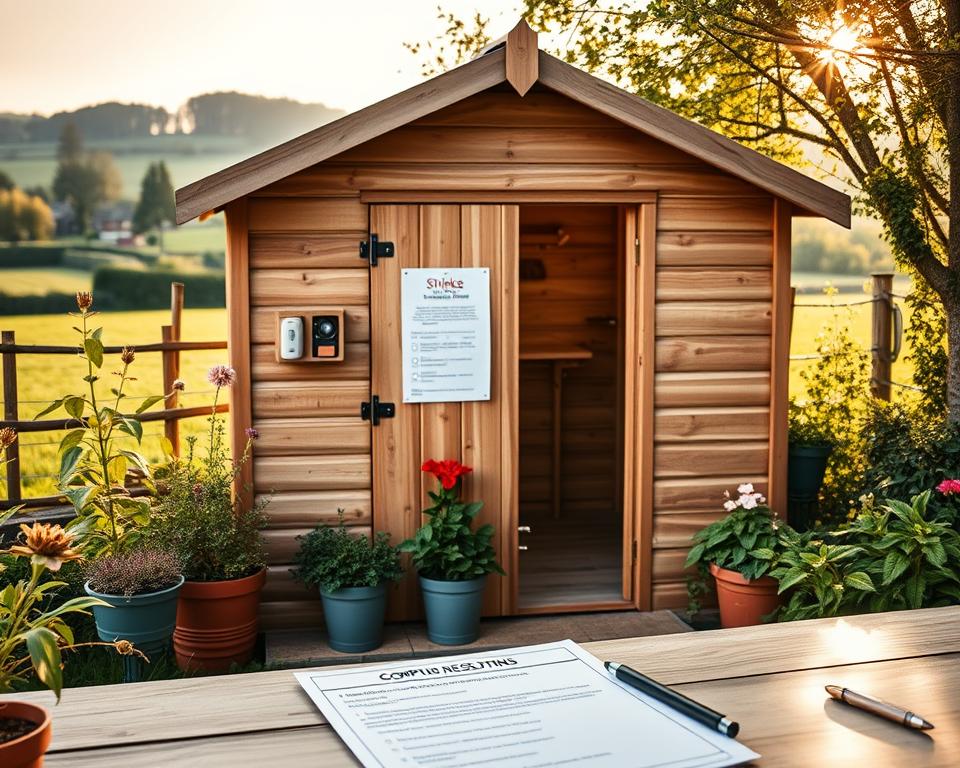
Building Regulations for Structures Near Boundaries
Specific regulations apply when your structure sits close to property lines. These rules prioritise neighbour safety and prevent potential damage spread. They form part of a comprehensive safety strategy for urban and suburban areas.
Structures exceeding 15 square metres within one metre of boundaries require special attention. Building regulations mandate enhanced fire resistance in these situations. This precaution protects adjacent properties from potential risk.
Compliance typically involves using non-combustible materials or approved treatments. These solutions significantly reduce fire risk while maintaining aesthetic appeal. Your choices should meet British Standard requirements for maximum effectiveness.
“Proper boundary compliance isn’t about restrictions—it’s about creating harmonious spaces where safety and community coexist beautifully.”
Permitted Development Rights and Planning Permission
Most garden buildings benefit from permitted development rights. These allow certain constructions without full planning applications. Understanding their limits prevents unexpected legal complications.
Larger structures often require formal planning permission from local authorities. Height restrictions and location factors influence these decisions. Your local council provides specific guidance for your area.
Key considerations include:
- Maximum height limitations based on roof design
- Distance from main home and boundaries
- Overall footprint and volume restrictions
- Impact on neighbour air and light access
Always consult your local planning authority before beginning construction. Their guidance ensures your project meets all legal requirements. This proactive approach saves time and prevents potential disputes.
| Structure Size | Distance from Boundary | Compliance Requirement |
|---|---|---|
| Under 15m² | Any distance | Basic safety standards |
| Over 15m² | More than 1m | Standard building regulations |
| Over 15m² | Within 1m | Enhanced fire resistance required |
| Over 30m² | Any distance | Full planning permission likely |
Fire-retardant treatments often provide compliant solutions for timber structures. They enhance safety while preserving natural aesthetics. These treatments help meet building regulations without compromising design vision.
Your understanding of these rules creates legally sound spaces. It shows respect for community standards and neighbour relationships. This knowledge transforms legal requirements into opportunities for better design.
Complete compliance ensures your building stands as a testament to responsible ownership. It combines beautiful features with impeccable safety credentials. Your diligence today prevents problems tomorrow.
Conclusion: Achieving Peace of Mind with Comprehensive Fire Protection
You’ve now mastered the complete approach to securing your outdoor space. From initial risk assessment to daily maintenance habits, each step builds toward total confidence.
Your consistent efforts transform ordinary timber into a resilient sanctuary. These practices extend your structure’s life while enhancing its usability throughout the seasons.
Remember that UK weather and regulations require ongoing attention. Regular checks and updates ensure your security measures remain effective against local conditions.
Start implementing these strategies today. Your proactive approach brings lasting peace of mind and ensures many years of enjoyment from your garden retreat.
FAQ
Why is timber particularly vulnerable to catching fire?
Timber is a combustible material that can ignite easily and spread flames quickly. Its natural fibres catch light with less heat than many other materials, making it crucial to treat and protect your wooden shed properly.
What are the most common fire hazards found in garden sheds?
Common hazards include overloaded electrical sockets, poorly stored fuels or chemicals, oily rags, and portable heaters. Keeping your space tidy and well-organised drastically reduces these dangers.
How can I make the area around my shed safer?
Create a defensible space by clearing dry leaves, branches, and other flammable debris. Maintain a gap of at least one metre between your shed and any fences or vegetation to help slow the spread of flames.
What should I look for in a fire-retardant treatment?
Choose products that comply with BS 476 standards, as these are tested for effectiveness. Look for treatments that penetrate deep into the wood and provide long-lasting resistance to ignition and flame spread.
Do I need a smoke alarm in my garden shed?
Absolutely. Installing a smoke alarm gives you early warning and valuable time to act. Opt for a model with a long-life battery and place it on the ceiling, away from doors or windows.
What type of fire extinguisher is best for a shed?
A multi-purpose dry powder extinguisher (ABC type) is ideal, as it can tackle fires involving wood, electricals, and flammable liquids. Keep it near the exit and ensure you know how to use it.
Are there specific rules for sheds placed near boundaries?
Yes, if your structure is within two metres of a boundary, Building Regulations may require it to be constructed of substantially non-combustible materials. Always check local rules to stay compliant and safe.
How often should I check the electrical setup in my shed?
Inspect plugs, cables, and sockets every few months for signs of wear or damage. Consider upgrading to an RCD-protected circuit to cut power instantly if a fault is detected, greatly improving safety.