Vegetable Garden Ideas to Maximise Your Growing Space
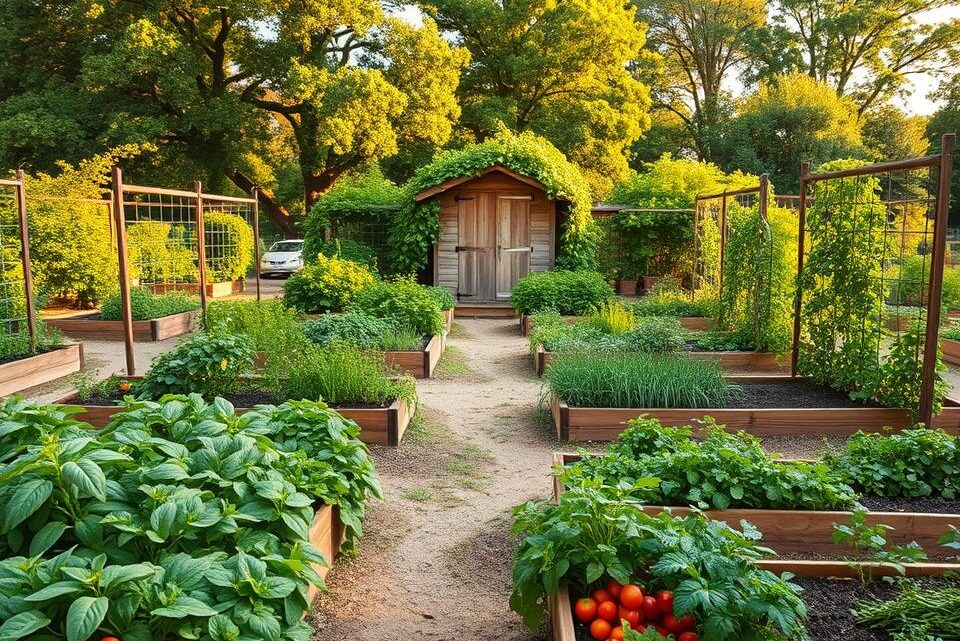
Cultivating your own edible plot offers numerous advantages for households. It provides access to fresh, organic produce while allowing complete control over growing conditions. Many people find this approach helps reduce grocery expenses significantly.
Even compact outdoor areas can yield impressive harvests with thoughtful organisation. Strategic planning transforms limited plots into highly efficient growing zones. This method proves particularly valuable for urban dwellers with restricted square footage.
Successful cultivation in confined settings requires careful consideration of layout and plant selection. Vertical gardening techniques and container arrangements often maximise productivity. Starting with a manageable size allows beginners to develop skills progressively.
This comprehensive guide explores various approaches for optimising cultivation potential. Readers will discover practical methods for enhancing their available area. The focus remains on achievable strategies that deliver tangible results.
Inhaltsverzeichnis
Key Takeaways
- Even small outdoor areas can produce substantial harvests
- Strategic planning is essential for efficient space utilisation
- Vertical gardening techniques help maximise productivity
- Container cultivation offers flexibility in limited spaces
- Starting small allows for progressive skill development
- Thoughtful plant selection enhances overall yield potential
- Proper organisation transforms challenging areas into productive zones
Innovative Approaches to Maximising Garden Space
Elevating cultivation methods offers a transformative solution for constrained plots. By directing plant growth upwards, gardeners can achieve remarkable productivity in limited areas.
Utilising Vertical Gardening Techniques
Sturdy trellises and A-frames support climbing varieties like beans and cucumbers. This approach frees valuable ground area for additional crops. The layered growing concept proves particularly effective.
Taller specimens provide shade for understory plants during summer months. This dual-purpose strategy effectively doubles output from a single footprint.
Unlocking Potential with Container and Hanging Planters
Containers offer exceptional flexibility for spatial optimisation. They allow positioning at various heights to create productive tiers. Even compact varieties thrive in well-chosen pots.
Hanging baskets present another clever solution for herbs and leafy greens. Metal frames provide the necessary stability for suspended cultivation. Repurposing everyday items adds creativity to space-efficient gardening.
These combined techniques enable diverse cultivation in even the most challenging environments.
Creative Raised Beds and Greenhouse Solutions
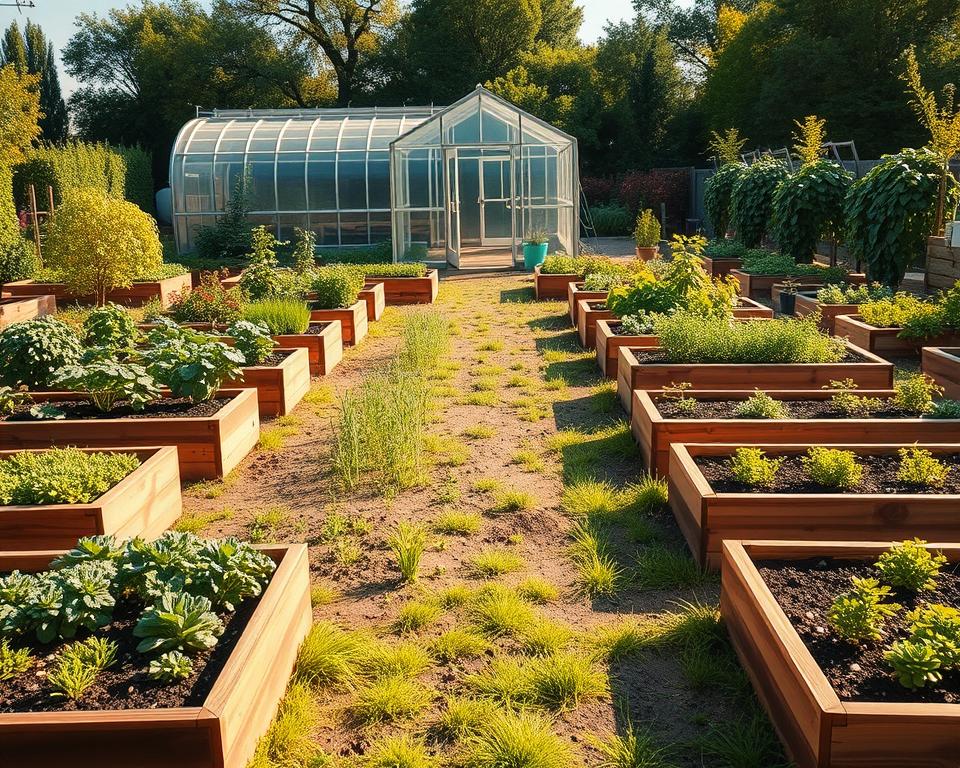
Constructing elevated planting areas presents a systematic method for organised cultivation. These structures offer improved soil drainage and reduce physical strain during maintenance. Their clean appearance integrates well with landscape designs.
Expanding Raised Beds for Organised Cultivation
Gardeners should position beds considering sunlight patterns and accessibility. Grouping similar crops together simplifies care routines. Beginners often find success starting with single-variety beds.
Tomato plants thrive in dedicated raised beds with supporting cages. This approach allows plants ample room for development over time. Root vegetables and leafy greens benefit from separate growing areas.
Greenhouse Techniques for Optimal Indoor Growth
Protected environments extend growing seasons for temperature-sensitive crops. Beans and peas climb efficiently when trained against mesh supports. Cucumbers utilise vertical space near greenhouse walls.
Lettuce and other greens require shallow trays and indirect sunlight. Regular ventilation prevents humidity issues during warmer periods. Crop rotation maintains soil health season after season.
| Feature | Raised Beds | Greenhouse |
|---|---|---|
| Season Extension | Limited | Significant |
| Space Efficiency | High | Very High |
| Initial Cost | Moderate | Higher |
| Crop Variety | Outdoor-suited | Temperature-sensitive |
Walk-in structures provide ideal access for planting and harvesting. Both solutions create controlled environments that support healthier plants. They represent practical investments for serious cultivation enthusiasts.
Planning Efficient Garden Layouts
Effective spatial organisation begins with careful consideration of planting arrangements. The choice between block and row configurations depends on available area and crop selection.
Blocks versus Rows in a Compact Setting
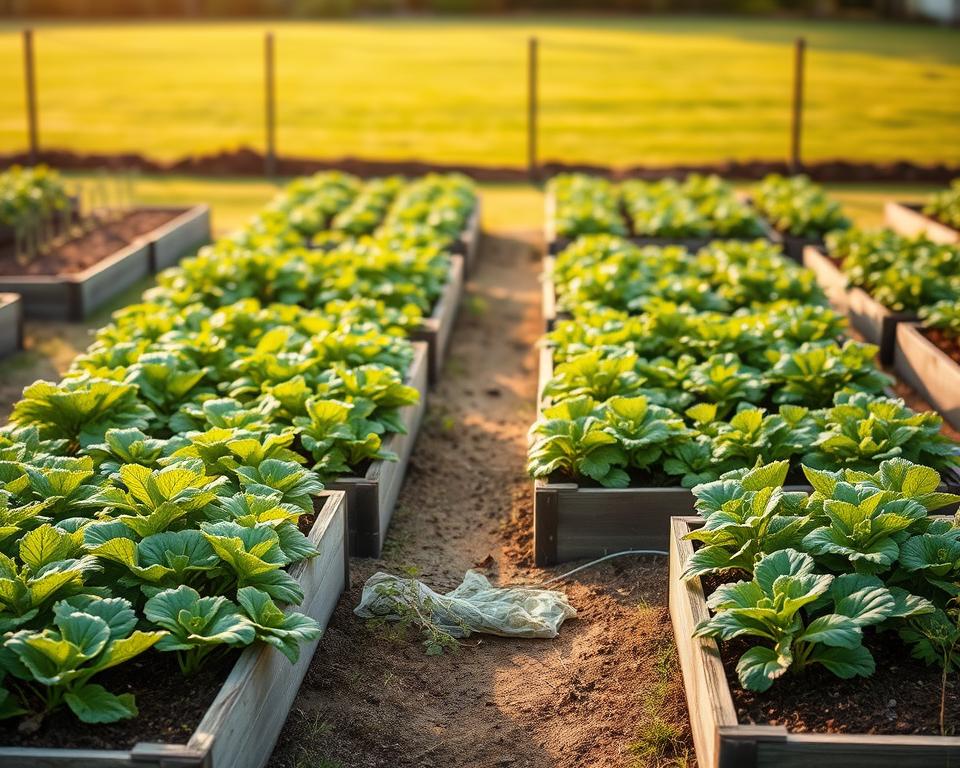
Traditional row planting suits large-scale operations where labour efficiency matters most. However, block planting proves superior for maximising limited ground. This approach fits more plants into the same space.
Certain crops thrive better in specific layouts. Potatoes and tomatoes prefer rows for easy access. Carrots, leafy greens and garlic excel in dense blocks.
Smart Pathway and Intercropping Strategies
Reducing pathway footprint increases growing area significantly. Dead-end pathways that penetrate partway into beds save valuable ground. This design allows access while preserving planting space.
Intercropping combines different plants in the same area. Fast-growing varieties can share space with slower crops. This strategy makes every bit of soil work harder.
Managing Soil and Nutrient Flow in Small Plots
Intensive planting requires careful soil management. Nutrient-rich soil supports dense crops without competition. Regular feeding maintains plant health throughout the season.
Proper spacing prevents overcrowding and disease. Thinning seedlings creates room for remaining plants to thrive. The thinned plants often provide bonus harvests of baby vegetables.
Utilising Innovative Tools and Structures
Advanced tools and well-designed structures offer practical solutions for those working with limited cultivation areas. These innovations help create productive zones where traditional methods might struggle.

Hanging Baskets and Tiered Planter Designs
Hanging baskets provide excellent options for herbs and leafy greens. They add vertical layers to the planting scheme. Each tier in multi-level planters creates separate growing zones.
Gardeners can cultivate herbs, salad greens, or root crops in these containers. Compact varieties work best to prevent overcrowding. Proper placement ensures all levels receive adequate sunlight.
This design suits sloped ground or tight spaces where flat beds are impractical. Good drainage prevents waterlogging in lower sections.
Benefits of Potting Sheds and Planting Tables
Portable planting tables offer flexibility for changing conditions. They can be moved into protected areas during poor weather. This mobility allows gardeners to optimise growing conditions.
Potting sheds serve as multi-functional buildings for cultivation and storage. They provide ideal temperatures for nurturing plants. These structures keep tools, soil, and seeds organised.
Grow bags offer an alternative to traditional pots. Their fabric construction encourages healthy root development through air-pruning. They are more forgiving if watering schedules are occasionally missed.
These tools enhance efficiency and expand growing capacity. They represent smart investments for challenging environments.
Small Space Gardening Tips for Urban Growers
Urban living presents unique challenges for those wishing to cultivate their own fresh produce. However, creative approaches can transform even the tiniest balcony or windowsill into a productive area.
Strategic use of compact solutions allows city dwellers to enjoy homegrown food.

Mini Greenhouses and Window Box Solutions
Mini greenhouses offer significant advantages, primarily extending the growing season and shielding young plants from pests and harsh weather. These structures can be as simple as repurposed glass cabinets or cold frames.
They are ideal for nurturing temperature-sensitive crops like tomatoes. A window box demonstrates that a dedicated plot is unnecessary.
Even a sunny windowsill can support a surprising yield of herbs and spring onions.
Maximising Vertical Surfaces in Urban Settings
Unused vertical surfaces offer untapped potential. Wooden or metal planters fixed to walls create edible, living walls.
This method combines aesthetic appeal with practical gardening. Rooftops are another excellent resource, providing ample sunlight.
The key to success in a confined small space is selecting high-yielding varieties. Compact fruit bushes, salad greens, and vertically-growing peas deliver a generous harvest from a minimal footprint.
Conclusion
Embarking on the journey of home cultivation unlocks a world of fresh, flavourful possibilities right outside your door. This guide demonstrates that a generous harvest is achievable for everyone, whether they have a sprawling plot or a compact balcony.
The perfect time to start is now. By applying the ideas and approach outlined—from vertical structures to clever container use—gardeners can maximise their growing space effectively. Thoughtful planning is the most critical part of the process.
Every garden is a personal creation. There is no single perfect layout, only the one that best suits an individual’s circumstances and preferences. This creative aspect makes gardening a uniquely rewarding pursuit.
Starting with a few seeds or young plants allows skills to develop confidently. The reward is a continual supply of homegrown food, from crisp salad greens to sun-ripened tomatoes. Embrace the challenge and enjoy the harvest.
FAQ
What are the most effective methods for growing crops in a limited area?
The most effective methods include vertical gardening, using containers and hanging baskets, and implementing raised beds. These approaches make excellent use of vertical surfaces and organise planting to increase yield from a small space.
How does companion planting benefit a compact growing area?
Companion planting offers significant benefits by allowing different plants to support each other. For example, tall plants like sweetcorn can provide shade for lower-growing greens, and certain herbs can deter pests from valuable crops, leading to a healthier, more productive plot.
Can I successfully grow root vegetables like carrots in containers?
Absolutely. Many root crops thrive in deep containers filled with loose, stone-free soil. Choosing shorter varieties of carrots or round beets is often best for pots, ensuring they have enough room to develop properly without becoming stunted.
What is the advantage of using a greenhouse for a small space?
A greenhouse, even a small one, extends the growing season significantly. It allows for an earlier start with seeds and protects tender plants like tomatoes from frost, enabling a longer harvest time and greater food production throughout the year.
Is it better to plant in blocks or rows in a tiny garden?
Planting in blocks is generally more space-efficient than traditional long rows. This method reduces the amount of ground taken up by pathways and can create a better microclimate for plants to grow, maximising the use of every available bit of soil.
What are some good plants for hanging baskets?
Hanging baskets are perfect for trailing plants and herbs. Strawberries, tumbling tomatoes, and various salad leaves grow well in them. Herbs like thyme and oregano also adapt beautifully, keeping flavourful greens within easy reach.